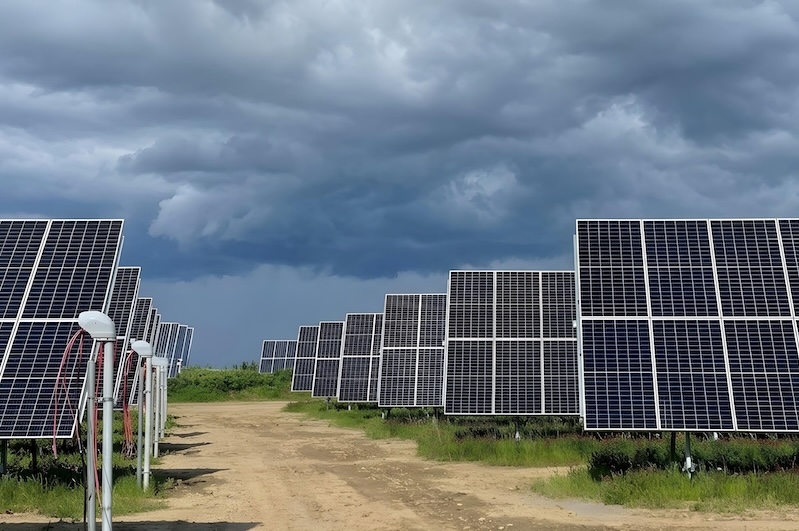




While solar tracker software is known for its role in maximizing production, it also plays a key role in mitigating risks. It can increase energy production in challenging situations, minimize damage from weather events, and reduce O&M costs. In the face of escalating climate change threats and heightened solar industry pressures, tracker software is rising to the challenges to keep solar sites productive and protected. Q:&n....
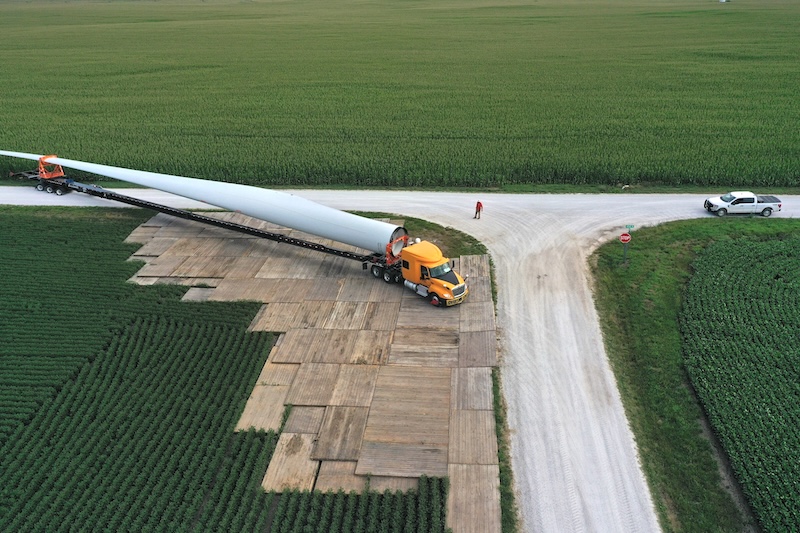
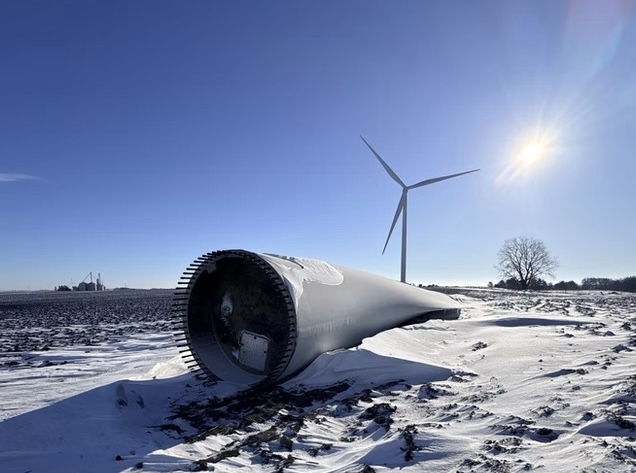
As wind development pushes into more remote and environmentally sensitive terrain, site access is no longer a secondary concern. It is a primary project risk. Unstable soils, seasonal flooding, protected wetlands, and water crossings can derail permitting, trigger regulatory violations, and expose developers to costly remediation. Temporary bridging, when done properly, is a genuine project enabler. Done poorly, it becomes a liability that compou....
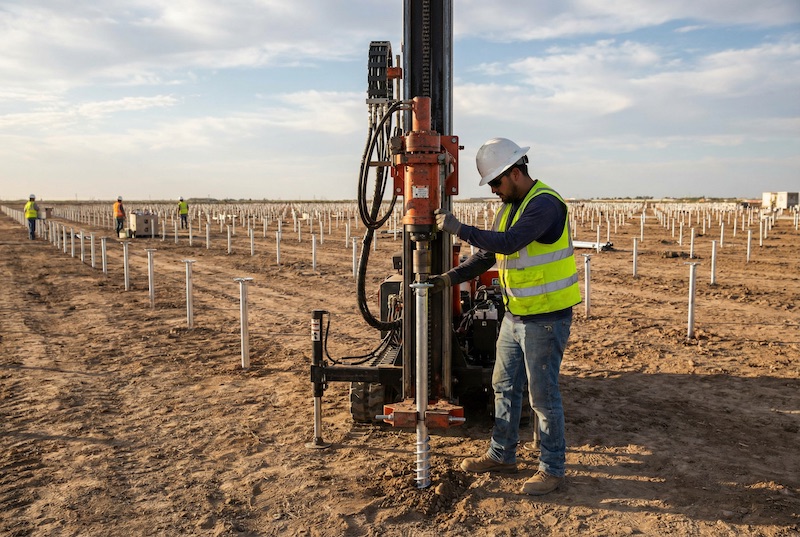
The solar industry has spent the last decade relentlessly driving down cost. Module prices fell. Installation efficiencies improved. Supply chains have globalized. In many ways, the playbook worked. But as development pushes into more challenging terrain: rocky soils, variable geotechnical conditions, and remote locations, that same cost-first mindset is beginning to show its limits. Developers now routinely confront conditions earl....
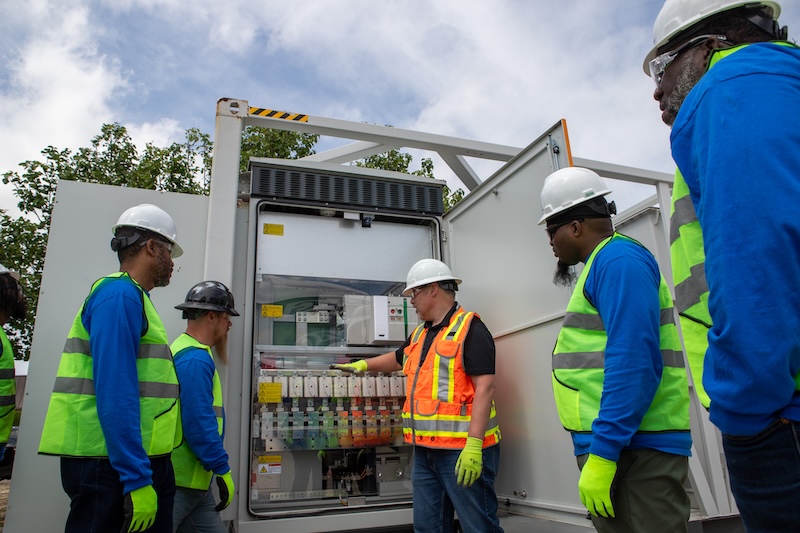
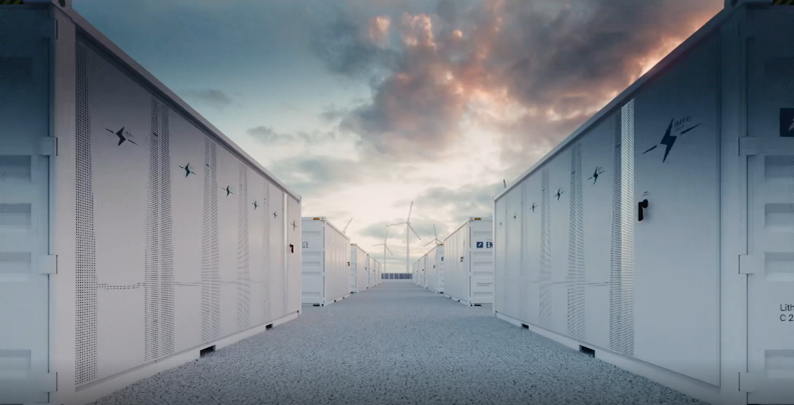
As the clean energy industry continues its rapid expansion, utility-scale solar and battery energy storage systems (BESS) are being deployed in increasingly challenging environments. From extreme desert heat in the Southwest to hurricane-prone regions along the Gulf Coast, today’s projects are operating in conditions that test both infrastructure and human performance. Extreme weather is no longer an exception — it is the operating environmen....
Energy Storage
Schaltbau North America
Wind
Jeremy Sheldon
Wind
Bora Tokyay
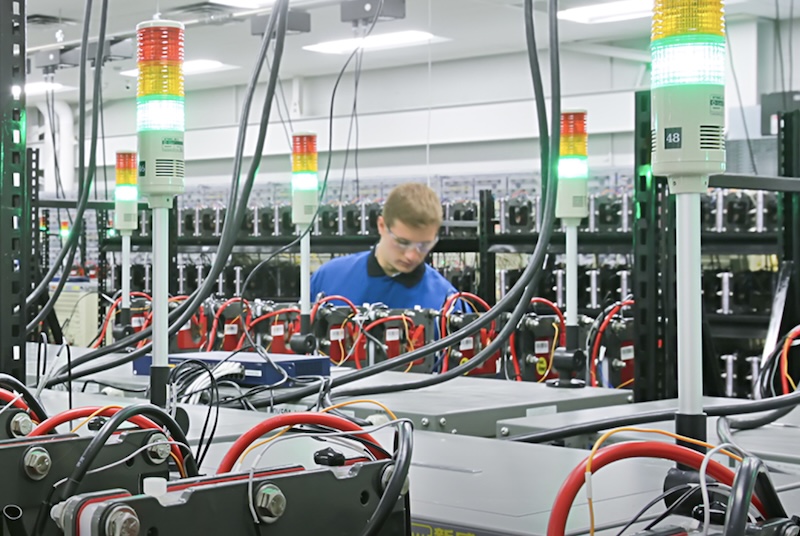
Eos Energy Enterprises, Inc. (NASDAQ: EOSE) (“Eos” or the “Company”), America’s leading innovator in designing, manufacturing, and providing zinc-based long duration energy storage (LDES) systems sourced and manufactured in the United States, announced the start of commercial production at its Thorn Hill manufacturing facility in Marshall Township, Pennsylvania, following the successful completion of Site Acceptance Testing (SAT) for Battery Line 2.
The launch of Battery Line 2 represents a major milestone in Eos’ evolution from proving its manufacturing model to scaling it. Following the successful deployment of Line 1, the Company has now demonstrated its ability to replicate, improve, and implement automated battery production at a second facility, helping reduce execution risk associated with future manufacturing expansion.
Eos is expanding production capacity to support growing customer demand, execute against its contracted backlog, and position the Company for the next phase of growth. Simultaneously, Line 1 surpassed its full-year 2025 production in just the first 164 days of 2026. This achievement, together with the startup of the new line, establishes a proven blueprint for future capacity additions while advancing Eos toward its goal of reaching 4 GWh of annual manufacturing capacity by the end of 2026.
Demand for Eos technology continues to build across multiple applications, supported in part by Frontier Power USA’s (FPUSA) 2 GWh capacity reservation agreement. In May 2026, FPUSA signed its first transaction to acquire a 480 MWh battery project portfolio in Texas from Bimergen Energy which was followed by FPUSA’s strategic framework agreement with Stella Energy Solutions to further advance a 2 GWh pipeline built around Eos technology.
In the United Kingdom, Frontier Power Energy Holding Ltd (Frontier Power UK) acquired the rights to the Ayr and Busby projects in Scotland, which are expected to utilize approximately 2.8 GWh of Eos Z3 Indensity™ systems under an existing framework agreement that Frontier Power UK and Eos announced in April 2025. While subject to customary development milestones, project-specific agreements and closing conditions, these opportunities demonstrate the growing demand that Line 2 was built to support.
“Battery Line 2 demonstrates our ability to continuously improve as we scale,” said John Mahaz, Chief Operating Officer of Eos. “We took the lessons learned from commissioning and operating Line 1 and incorporated them directly into the design of this facility and production line. The result is a more efficient manufacturing environment with better flow and a stronger foundation for future expansion. Most importantly, it validates that our manufacturing system can be replicated and scaled with discipline.”
Battery Line 2 was designed using the operational experience and manufacturing insights gained from commissioning Line 1. The line incorporates single-piece flow architecture, enhanced process redundancy, and advanced pick-and-place gantry systems designed to improve throughput and support more efficient production at scale.
The Thorn Hill facility itself was engineered to optimize manufacturing flow and productivity. Compared to Battery Line 1, the new layout reduces raw material travel by 86% and shortens overall production line length by 40%, improving material handling, reducing complexity, and supporting higher operating efficiency.
Production operators are onsite at the Thorn Hill facility, and Line 2 has begun producing commercial batteries. The line will ramp throughout the year, with subassemblies coming online in the early third quarter and full production targeted in the fourth quarter of 2026.
Eos Energy Enterprises | eose.com
Spinergie, the maritime and offshore digital solutions provider, announces a new non-exclusive partnership with Roll Group, a global leader in the lifting, transportation, and installation of heavy offshore structures. Roll Group has deployed Spinergie’s offshore wind Supply Chain intelligence to increase market visibility and identify new opportunities. As the offshore wind sector scales rapidly, component logistics are becoming increasingly complex. Project sites are moving further from established industrial bases, and manufacturing hubs are dispersing globally. This geographic shift dramatically increases vessel demand and complicates supply chain coordination.
Spinergie’s Supply Chain module directly addresses these challenges. Built on live vessel tracking and advanced data analytics, the platform equips Roll Group’s analysts with the ability to monitor global fleet deployment, benchmark competitor performance, and track precise Tier 1 component movements. Additionally, an interactive map integrated with live weather and wave context allows analysts to evaluate route efficiencies of past projects and in real-time.
Roll Group specialises in the marine and land transport of heavy and oversized cargoes across a wide range of industries, including renewable energy, oil & gas, petrochemical, power and civil construction. Operating a fleet of semi-submersible and wide deck vessels, combined with its in-house engineering expertise and integrated logistics capabilities, the company delivers tailored transportation solutions for complex project cargo worldwide. Integrating Spinergie's granular, unbiased data allows the company to optimise its vessel deployment strategy as demand grows.
“As a global transport operator, understanding the competitive landscape and identifying emerging opportunities is essential. Spinergie’s Supply Chain intelligence gives us a new level of market visibility from tracking global fleet movements to understanding transport patterns across key routes. This data gives us a stronger position to act on opportunities as they arise,” said Erik Altena, Business Analyst, Roll Group.
Jean-Baptiste Rougeot, Head of Analysts, Spinergie, added: “Transport logistics is a critical enabler of offshore wind project delivery, and its importance will only grow as the gap between component supply and demand widens. We are delighted to support Roll Group with independent, data-driven intelligence that helps them in their commercial and strategic decision-making.”
Spinergie | www.spinergie.com.
Roll Group | https://www.roll-group.com/

The San Diego Metropolitan Transit System (SDMTS) and the Clean Technology Training Trust (the Trust) announced a strategic partnership to co-design and launch a nationally registered apprenticeship program that strengthens and modernizes the transit workforce while creating scalable, industry-aligned talent pipelines.
This collaboration builds on SDMTS’s existing state-registered apprenticeship model and reflects a shared commitment to innovation, continuous improvement, and employer-driven workforce solutions. Together, SDMTS and the Trust are advancing a customized apprenticeship framework that supports incumbent worker upskilling, career advancement, and the attraction and recruitment of new talent into high-demand transit careers.
“SDMTS has demonstrated leadership by investing in its workforce and continuously adapting to the evolving needs of modern transit systems,” said Dr. Kimberly Moore, National Executive Director of the Clean Technology Training Trust. “This partnership reflects a co-authoring approach—where the employer voice leads program design—ensuring the apprenticeship model is practical, scalable, and aligned with real-world operations.”
“Employers must be at the center of workforce solutions if we want real, lasting impact,” said IVP Dave Reaves, Chair of the Board for the Clean Technology Training Trust. “This partnership with SDMTS exemplifies what is possible when industry leadership, innovation, and apprenticeship come together to create pathways that serve both incumbent workers and the next generation of talent.”
The nationally registered apprenticeship program will be designed to:
• Enhance and expand SDMTS’s existing workforce development efforts
• Support incumbent workers through advanced training and career mobility pathways
• Create clear on ramps for new employees entering transit and skilled technical careers
• Align training with emerging technologies, including advanced diagnostics and zero-emission systems
• Serve as a scalable model for transit agencies nationwide
SDMTS’s role as a co-author and design partner ensures the program reflects the operational realities of transit systems while remaining flexible enough to adapt across regions and agencies.
“This partnership allows us to build on the strong foundation we already have while positioning SDMTS as a leader in shaping the future of the transit workforce,” said Michael Wygant, Chief Operating Officer - Transit Service, San Diego Metropolitan Transit System. “By collaborating with the Trust, we are enhancing our ability to recruit, retain, and advance skilled employees while contributing to a national model that can benefit the entire industry.”
The partnership underscores the importance of customized, industry-led solutions in addressing workforce challenges. Rather than a one-size-fits-all approach, the apprenticeship framework will be tailored to SDMTS’s operational needs while offering a replicable blueprint for other employers seeking to modernize their talent pipelines.
In addition to supporting workforce readiness, the nationally registered apprenticeship program will strengthen SDMTS’s ability to attract new talent, reinforce career pathways for current employees, and ensure a highly skilled workforce capable of supporting safe, reliable, and innovative transit services.
San Diego Metropolitan Transit System | https://www.sdmts.com/
Clean Technology Training Trust | https://cleantechnologytrainingtrust.org/
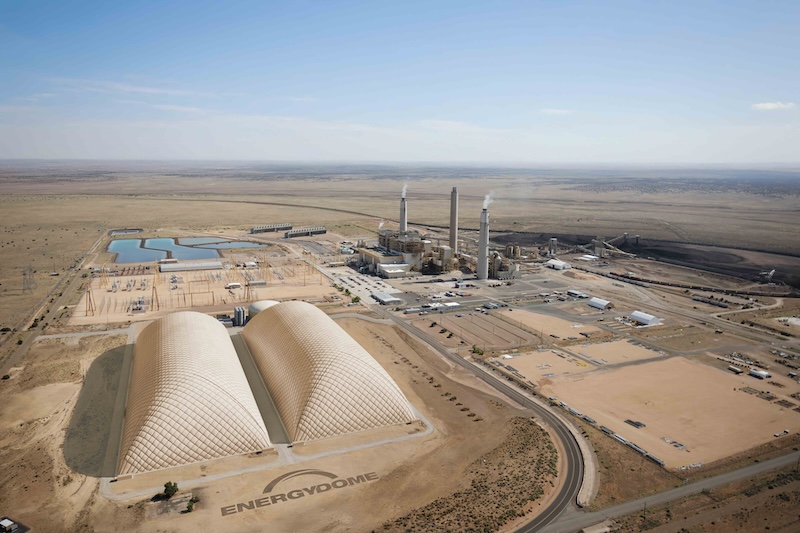
Energy Dome, a leading provider of innovative capacity solutions for utilities and AI infrastructure, and Salt River Project (SRP), a not-for-profit public power utility serving the greater Phoenix metropolitan area, announced an agreement to add a 19 megawatt (MW), 10-hour carbon dioxide-based (CO2) battery system to the grid. The project is planned to be co-located on the site of SRP’s Coronado Generating Station (CGS) in St. Johns, Arizona, and it will be developed under a 20-year tolling agreement, with Energy Dome owning and operating the facility and SRP dispatching its output.
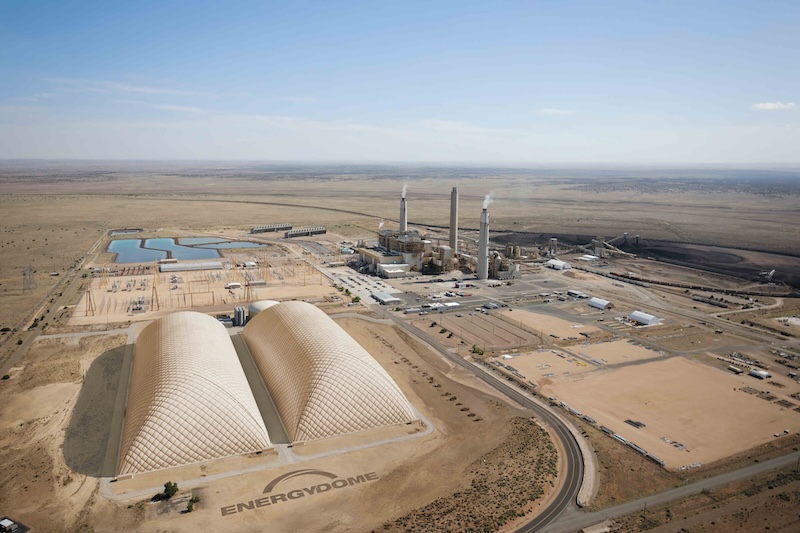
The project is also part of Google and SRP’s innovative collaboration to accelerate deployment of non-lithium-ion long-duration energy storage (LDES) technologies that support reliability, affordability, and sustainability. It will store enough energy to power approximately 4,275 homes for 10 hours. The project was selected through a Request for Proposals for LDES pilots issued by SRP in 2024. Google will fund a portion of the project through a cost-sharing agreement with SRP.
Claudio Spadacini, Founder and CEO of Energy Dome, said: “Arizona’s sustained growth makes it one of the most compelling energy markets in the country. At a time when AI growth and rising demand are reshaping America’s energy landscape, the CO2 Battery offers the scalable, dispatchable capacity needed to strengthen U.S. energy dominance. We are proud to support SRP with a solution that can be built quickly, manufactured domestically, and supported by our expanding U.S. capabilities, helping SRP increase energy security by harnessing locally produced Arizona power.”
The system will utilize Energy Dome’s CO2 Battery and proprietary thermomechanical long-duration energy storage process. The technology works by using power from the grid to compress and store CO2, then, when power is needed, expanding the CO2 through a turbine to generate energy to send back to the grid.
This project has accelerated Energy Dome’s investment in U.S. supply chain development that supports its broader mission to bring affordable, reliable energy to benefit U.S. energy customers and create American jobs.
"As energy demand continues to grow, SRP is evaluating new energy storage technologies that could support SRP’s effort to diversify its battery energy storage portfolio as we work to meet the Valley’s growing energy needs with affordable, reliable and sustainable power,” said Chico Hunter, SRP Manager of Innovation and Development. "This project will enable SRP to test the real-world performance of Energy Dome's technology in the Arizona climate."
SRP is working to at least double the number of generating resources on its power system by 2035 to meet increasing energy demand in the Phoenix metropolitan area. Energy storage is an important part of that effort.
"At Google, we are committed to catalyzing next-generation energy technologies to bolster grid resilience and introduce vital new capacity to the system,” said Lucia Tian, Director of Advanced Energy Technologies at Google. “This second project and important milestone in our collaboration with SRP builds on our long-term partnership with Energy Dome, and will help deliver dependable, cost-effective, and sustainable energy for Arizona’s ratepayers.”
The energy storage project is expected to come online in 2029. SRP and Energy Dome will work with EPRI, an independent, non-profit energy R&D institute, to monitor performance data from the project.
Energy Dome | https://energydome.com/
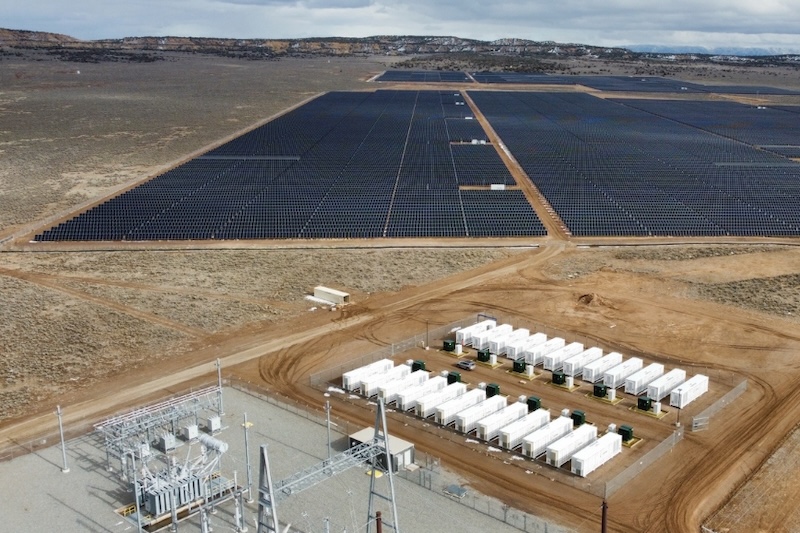
EPC Energy, Inc., (an AI Energy, Inc. subsidy) a provider of utility-scale renewable energy, battery energy storage and energy management solutions, announced the successful execution of a contract to provide Engineering, Procurement, Construction, Commissioning, and Three-Year Operations & Maintenance (O&M) services for the Maingi Solar PV and Battery Energy Storage Project located in Nakuru County, Kenya.
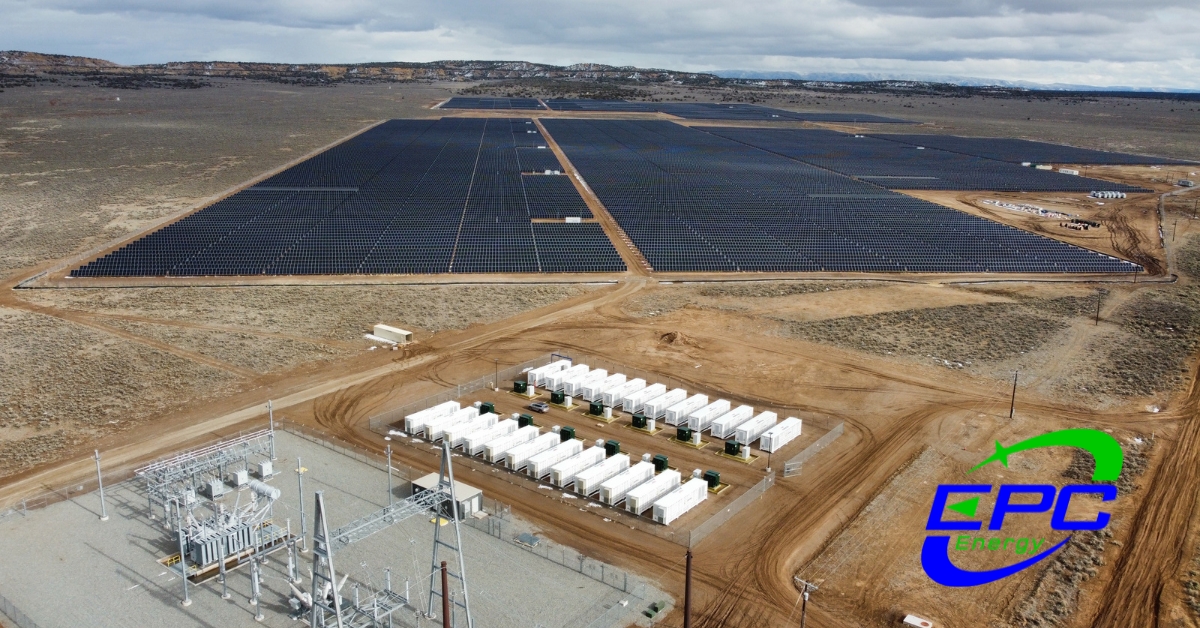
The project consists of a 40MW Solar Photovoltaic Power Plant integrated with a 10MW / 34.7MWh AC-Coupled Battery Energy Storage System (BESS) and represents a significant investment in Kenya’s growing renewable energy infrastructure.
The project is being developed by Multi-Link Investments Group Limited, with EPC Energy serving as the project’s EPC contractor responsible for delivering the complete solar and battery energy storage facility. Commercial operation is expected during Q4 2027.
“This award represents a major milestone for EPC Energy Inc., and demonstrates our capability to execute complex utility-scale renewable energy projects internationally,” said Phil Small, Jr., Director of Sales for EPC Energy, Inc. “We are honored to have been selected by Multi-Link Investments Group to deliver this important project, which will provide clean, reliable energy while supporting Kenya’s ambitious grid modernization objectives.”
Utility-Scale Solar Generation
The Maingi Solar Project will utilize high-efficiency LESSO TOPCon Bifacial modules, providing exceptional energy yield and long-term reliability under Kenya’s favorable solar resource conditions. Upon completion, the 40MW solar facility is expected to generate more than 70 gigawatt-hours (GWh) of electricity annually.
Kenya is recognized as Africa’s renewable energy leader, with a generation mix heavily supported by geothermal, hydroelectric, wind, and solar resources. The Maingi Solar Project will further strengthen the country’s energy portfolio while helping meet increasing electricity demand driven by economic growth and industrial development.
Advanced Battery Energy Storage System
As part of EPC Energy’s scope, the company will deliver a fully integrated 10MW / 34.7MWh Battery Energy Storage System utilizing EPC Energy’s fully integrated E2500 series utility-scale energy storage platform.
The battery system will consist of:
-Eight (8) Cornex 4.33MWh battery energy storage containers
-Eight (8) 1,250kW bidirectional power conversion systems (PCS)
-EPC Energy’s proprietary Energy Management System aiMacs (EMS)
-AC-coupled architecture for operational flexibility and grid support
The battery energy storage system will enhance project performance by enabling:
-Renewable energy firming
-Energy shifting and dispatch optimization
-Peak demand management
-Grid stabilization and reliability support
-Frequency and voltage regulation
-Renewable energy curtailment reduction
By integrating utility-scale energy storage with solar generation, the facility will be capable of delivering reliable and dispatchable renewable energy to the grid while maximizing the value of the solar resources.
EPC Energy’s Scope of Work
Under the contract, EPC Energy will provide:
-Engineering and detailed design
-Procurement of major equipment and balance-of-plant components
-Construction management and project execution
-Solar PV plant integration
-Battery Energy Storage System integration
-Energy Management System deployment
-Testing and commissioning
-Performance verification
-Three-year Operations & Maintenance services
The project leverages EPC Energy’s expertise in renewable energy integration, utility-scale battery storage systems, power conversion systems, controls, commissioning, and long-term asset support.
Strengthening Kenya’s Energy Future
As Kenya continues to expand renewable generation capacity and modernize its electrical infrastructure, energy storage systems are becoming increasingly important tools for improving grid flexibility, reliability, and efficiency.
The Maingi Solar PV and BESS Project demonstrates how solar generation and advanced energy storage technologies can work together to provide sustainable, reliable, and economically beneficial power generation while supporting national energy security objectives.
“We look forward to working closely with Multi-Link Investments Group, Maingi Solar Park Limited, local stakeholders, and the broader project team to successfully deliver this landmark renewable energy project,” added Small. “The Maingi project reflects the future of energy infrastructure—combining clean generation with advanced storage technologies to create a more resilient and sustainable grid.”
EPC Energy, | https://www.epcenergy.io/
Aegis Critical Defence Energy Corp., (CSE: QESS) (OTCQB: QESSF) (FSE: JG6) ("Aegis" or the "Company") and Malahat Energy Systems Inc., ("Malahat") are pleased to announce that the PWR-FLEX 261Q has successfully met all BC Hydro technical and certification requirements to be registered on BC Hydro's qualified supplier list for battery energy storage systems. This milestone enables eligible clients to access rebates of up to 80% under applicable BC Hydro energy storage incentive programs, significantly improving project economics and supporting wider adoption of Aegis and Malahat solutions.
Through its strategic partnership with SEETEL New Energy (Taiwan) (7740.TW), Aegis supplies the PWR-FLEX 261Q commercial battery energy storage system to the Canadian market. The underlying battery platform, manufactured by Aurosi Precision, appears on BC Hydro's qualified battery storage list under model CX-BGB010050000261-BL, confirming that the technology has satisfied BC Hydro's independent technical, safety, and certification review. energy-storage-battery-list.pdf
"Securing supplier registration with major Utility like BC Hydro is a key validation of our technology," said Ramtin Rasoulinezhad, CEO of Aegis Critical Defence Energy. "This supports our ability to supply the PWR-FLEX 261Q to commercial, industrial, indigenous, and customers in British Columbia and other parts of North America."
Key Highlights for Investors and Clients
Streamlined Pre-Feasibility for Faster Project Development
To fully leverage the BC Hydro registration and incentive framework, Aegis will offer streamlined pre-feasibility assessments for prospective customers, including:
These services are designed to help clients quickly understand technical fit, economics, and incentive pathways, while providing investors with a repeatable, scalable project development process.
The PWR-FLEX 261Q is a commercial-grade battery energy storage system designed for demand charge management, backup power, resiliency, and grid support. Deployed in Canada through Aegis' strategic partnership with SEETEL New Energy, the system integrates the certified Aurosi Precision battery platform with advanced controls to deliver reliable, scalable energy storage tailored to customer and grid requirements. (www.malahatenergysystems.ca/cx261-spec/)
Malahat Energy Systems I www.malahatenergysystems.ca
SEETEL New Energy | www.seetel-energy.com
Aegis Critical Energy Defence | www.aegiscriticalenergy.com
The Canadian Renewable Energy Association (CanREA) welcomes the announcement of three projects selected through Ontario’s Long-Term 2 (LT2) Capacity Window 1 (c-1) procurement. The results highlight the province’s forward-looking focus on energy storage as a tool for grid reliability and energy security.
Ontario’s electricity demand is expected to rise significantly in the coming years as electrification accelerates and industrial demand grows. The LT2(c-1) Request for Proposals procured 640 MW of 8-hour battery energy storage capacity to support reliability during peak demand periods.
“As home to Canada’s largest battery energy storage projects, other jurisdictions are watching and learning from Ontario,” said Vittoria Bellissimo, President and CEO of CanREA. “Canada needs more wind, solar and energy storage to power our future, and I would like to congratulate all successful proponents moving these important projects forward.”
Battery energy storage systems can store electricity for later use, step in when demand spikes and help keep the grid stable while lowering overall system costs. They provide the flexibility needed to build an affordable, reliable electricity system, helping ensure power is available when and where it's needed. With a growing number of large-scale projects being built and brought online across the province, Ontario is demonstrating that energy storage is a proven, cost-effective solution that can be deployed quickly to meet its electricity needs.
“Today’s results are further proof that energy storage and renewable energy continue to succeed in competitive procurements with meaningful Indigenous partnerships to deliver the reliability the province needs,” said Eric Muller, CanREA’s Director of Policy for Ontario. “Energy storage, along with wind and solar, are affordable, reliable, clean and quickly deployable solutions that create jobs, support industry and strengthen Ontario’s long-term energy security.”
CanREA is pleased to see its members represented across all three projects, including Gigawatt members Atura and Neoen and Megawatt member Six Nations Group. These projects also highlight the strength of Indigenous partnerships in Ontario’s electricity sector, with all three successful projects featuring 50% Indigenous equity ownership.
To date, Ontario has procured a total of approximately 3.6 GW of utility-scale battery energy storage, capable of powering 3.6 million Ontario homes during peak demand periods. As demand continues to grow, these investments are helping Ontario build a flexible, reliable electricity grid.
CanREA looks forward to continuing to work with the Government of Ontario, the Independent Electricity System Operator (IESO), Indigenous communities, municipalities and industry partners to advance the expansion of clean, reliable and cost-effective electricity resources across the province.
“As home to Canada’s largest battery energy storage projects, other jurisdictions are watching and learning from Ontario. Canada needs more wind, solar and energy storage to power our future, and I would like to congratulate all successful proponents moving these important projects forward.”
—Vittoria Bellissimo, President and CEO, Canadian Renewable Energy Association (CanREA)
“Today’s results are further proof that energy storage and renewable energy continue to succeed in competitive procurements with meaningful Indigenous partnerships to deliver the reliability the province needs. Energy storage, along with wind and solar, are affordable, reliable, clean and quickly deployable solutions that create jobs, support industry and strengthen Ontario’s long-term energy security.”
—Eric Muller, Director of Policy for Ontario, Canadian Renewable Energy Association (CanREA)
Canadian Renewable Energy Association | renewablesassociation.ca
Wind May 15, 2026
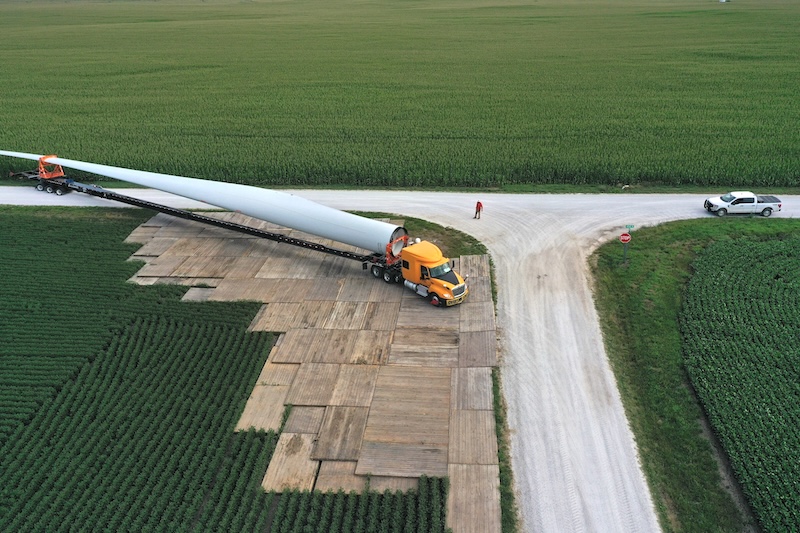
As wind development pushes into more remote and environmentally sensitive terrain, site access is no longer a secondary concern. It is a primary project risk. Unstable soils, seasonal flooding, protected wetlands, and water crossings can derail permi....

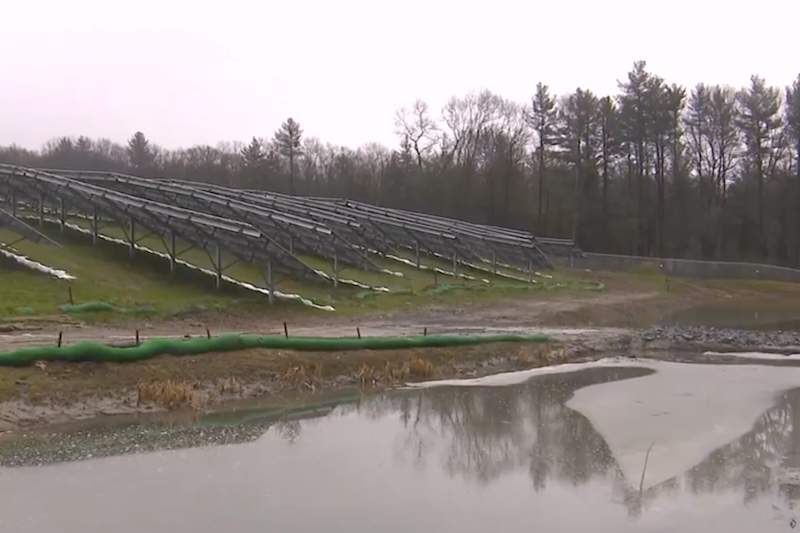
A decade ago, most utility-scale solar projects were built on flat, well-drained land. Today, those sites are largely gone. What remains are parcels that sit lower, drain poorly, or come with a history of standing water. At the same time, storms a....
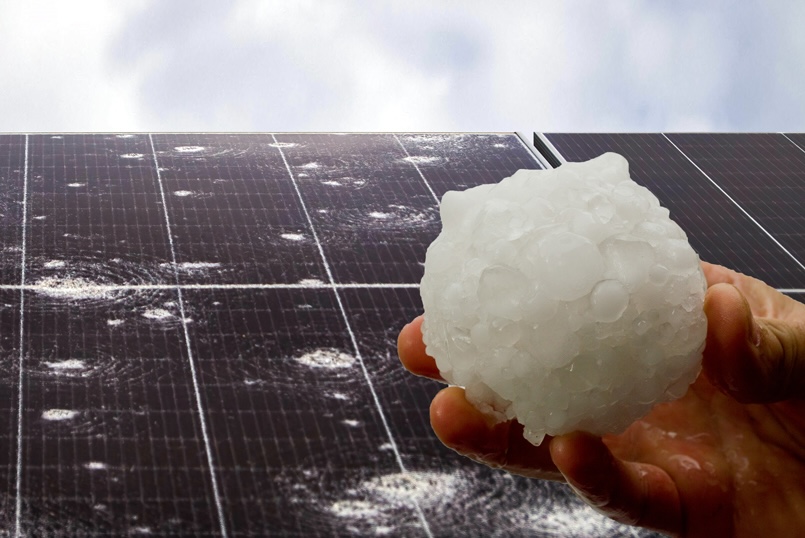
The season for hail storms is getting longer, producing storms with large hail more frequently during an expanded season. Case in point: On March 10, 2026, softball-sized hail fell in northern Illinois. While that might not have been news had it occu....
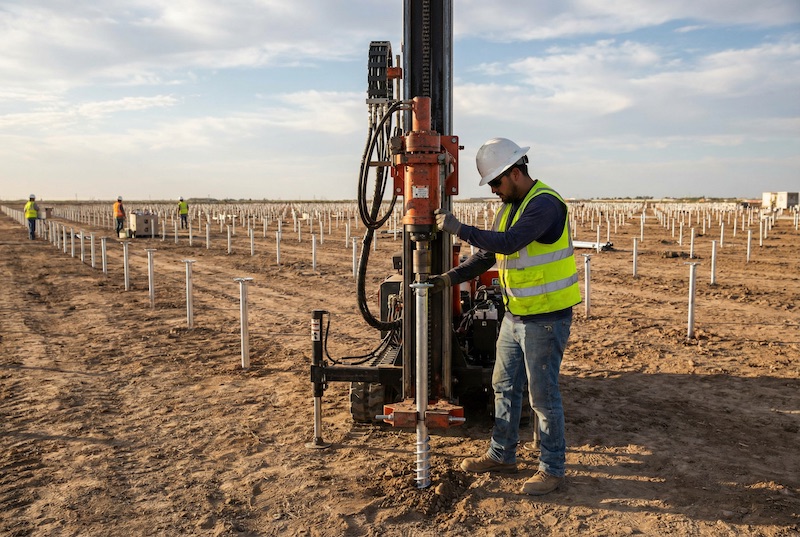
The solar industry has spent the last decade relentlessly driving down cost. Module prices fell. Installation efficiencies improved. Supply chains have globalized. In many ways, the playbook worked. But as development pushes into more c....

.gif?r=6212)
As wind development pushes into more rem....
They equip existing wind turbines with n....
Half of North America's installed wind f....

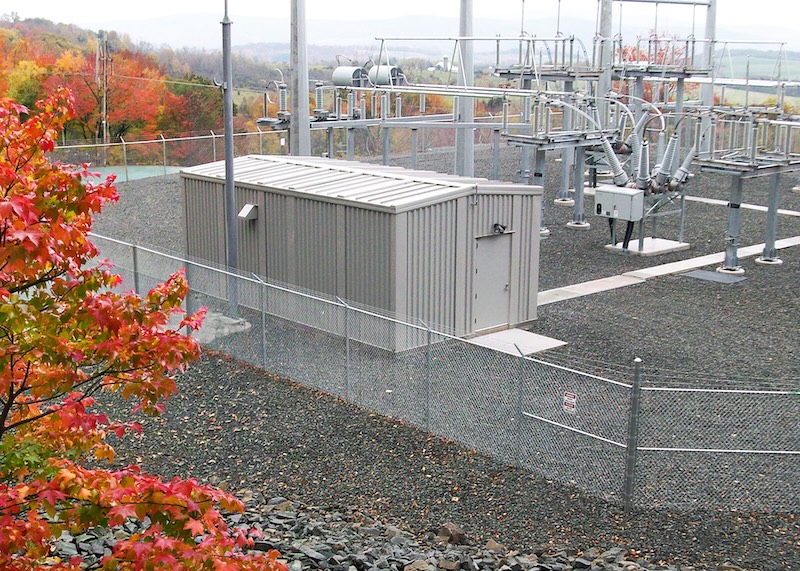
Extreme weather events such as hurricanes, tornadoes, earthquakes and blizzards have increased over the past several years. Alongside this trend, the need to protect critical onsite energy storage equipment has grown in order to maintain grid reliabi....
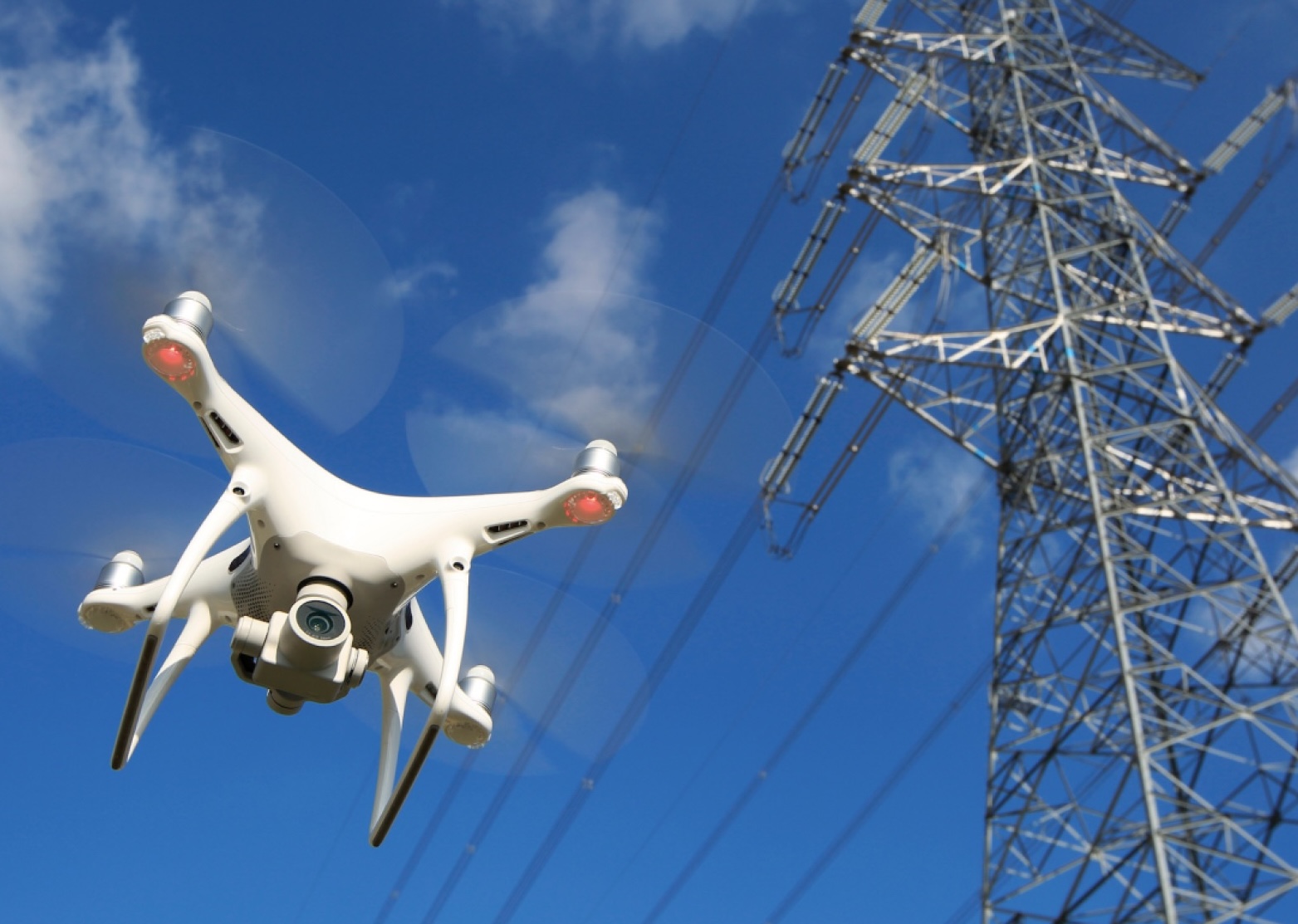
From hurricanes to ice storms and derechos, severe weather is hitting harder and more often. Energy infrastructure is under unprecedented strain, and the traditional methods of grid hardening are no longer enough. For decades, utilities have....
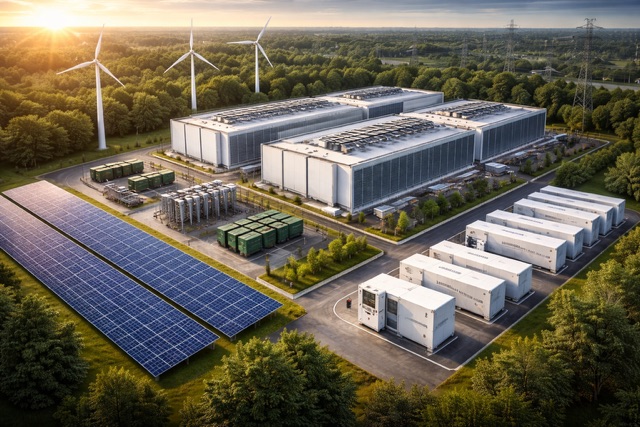
Americans are watching their electricity bills climb, and many are pointing the finger at the massive data centers sprouting up across the country. It's an understandable reaction. The U.S. Department of Energy U.S. says that data center energy ....

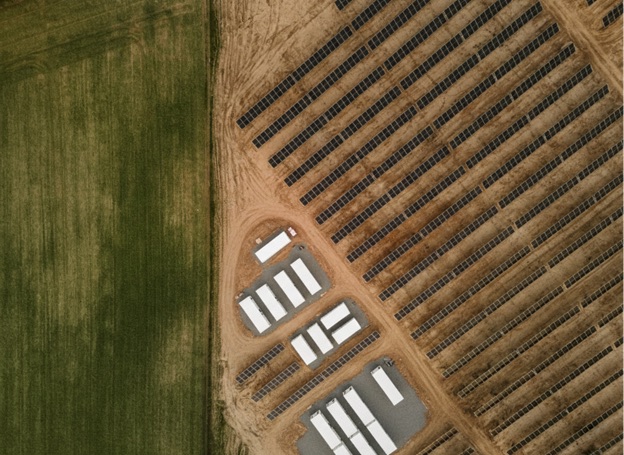
The bond between solar energy and storage is undergoing a profound transformation. What started as a supplemental technology to reduce renewable energy intermittency is now becoming a defining prerequisite to how solar projects are financed, built, a....
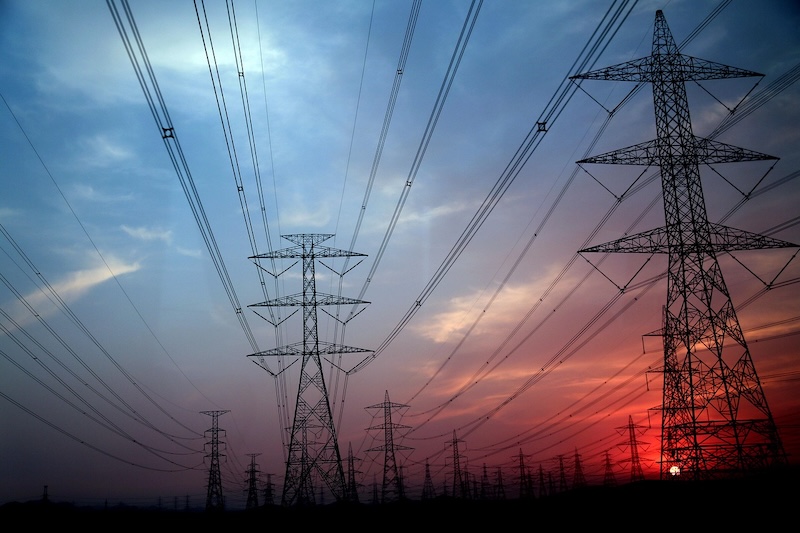
When a complex, entrenched system faces immense strain, it can either generate the capacity for transformational change or distort in unproductive ways. The North American power grid is experiencing exactly this tension. After years of relative stasi....

Digital substations are a key component in the ongoing digital transformation of electric power systems. While this modernization brings unprecedented efficiency and visibility improvements, it also opens the door for potential cybersecurity issues. ....