




Rethinking Resilience: Why smarter inspections are the future of storm preparedness


From hurricanes to ice storms and derechos, severe weather is hitting harder and more often. Energy infrastructure is under unprecedented strain, and the traditional methods of grid hardening are no longer enough.
For decades, utilities have relied on infrastructure upgrades to build resilience (replacing wooden poles with composite materials, undergrounding lines, elevating substations, and reinforcing transmission towers.) Although these investments reduce exposure to known risks and improving long-term system stability, they’re also expensive, slow to implement, and often limited by geography, regulation, or available resources.
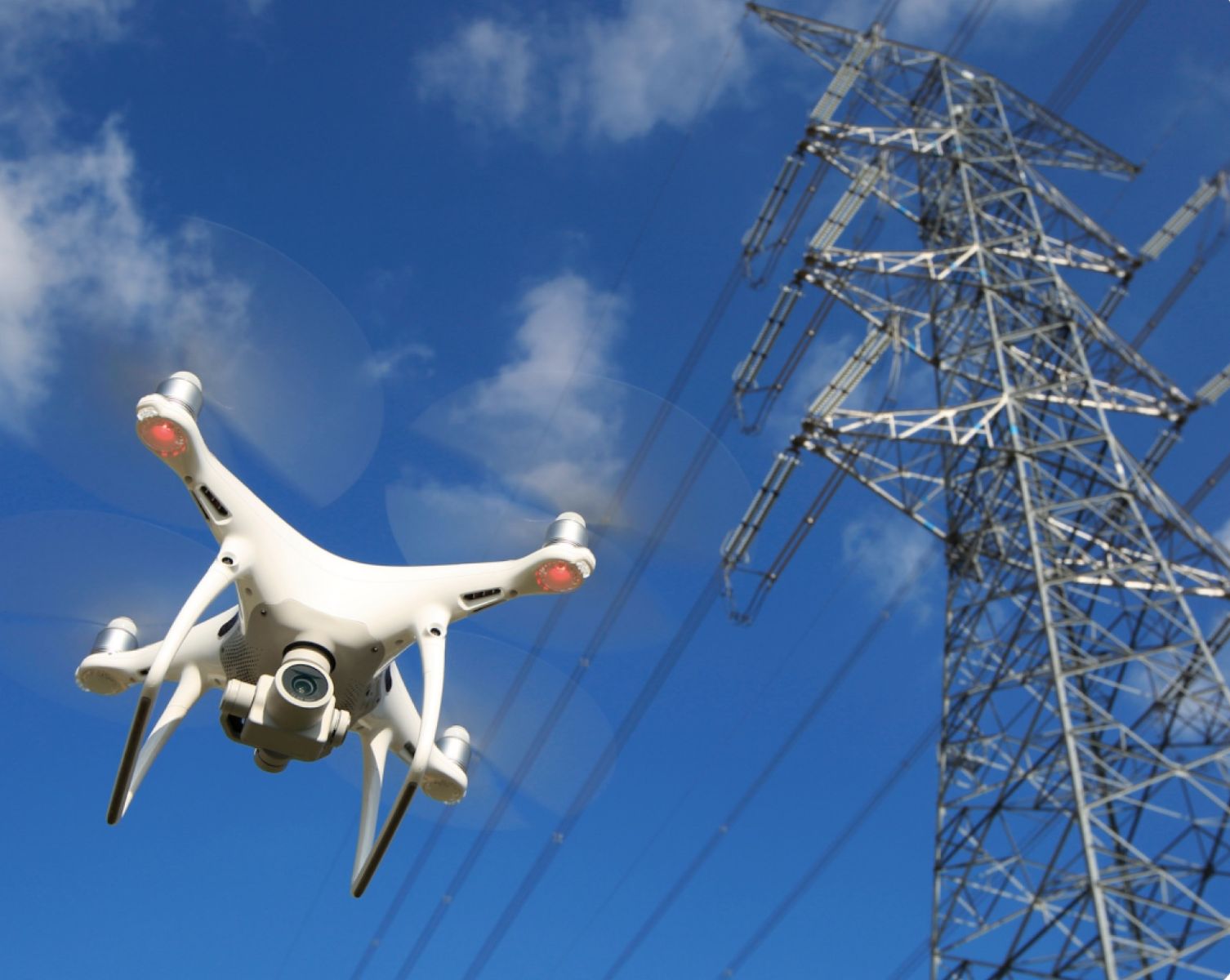
What we need now is a smarter, more dynamic layer of resilience. That means balancing new infrastructure projects with investments in strengthening what already exists. Data-driven inspections enhance traditional approaches, especially as aging assets pose increased risks during extreme weather events. Intelligent inspections, supported by high-resolution imagery and AI, help utilities assess the true condition of assets before storms hit and accelerate post-storm damage assessments. This is not about replacing existing resilience strategies. It is about making them more efficient, proactive, and strategic to ensure both new and legacy infrastructure can withstand growing climate threats.
Inspections as strategy, not just compliance
Asset inspections have always been part of utility operations, but their role is evolving. Today, inspections can serve as a proactive tool for risk mitigation rather than a reactive step for compliance. By capturing high-resolution imagery through drones or other platforms and analyzing those images with intelligent software, utilities can surface early warning signs across vast networks. This shift also supports the move from traditional time and cycle-based inspections to condition-based maintenance, allowing utilities to be more proactive and preventative in addressing potential issues before they escalate
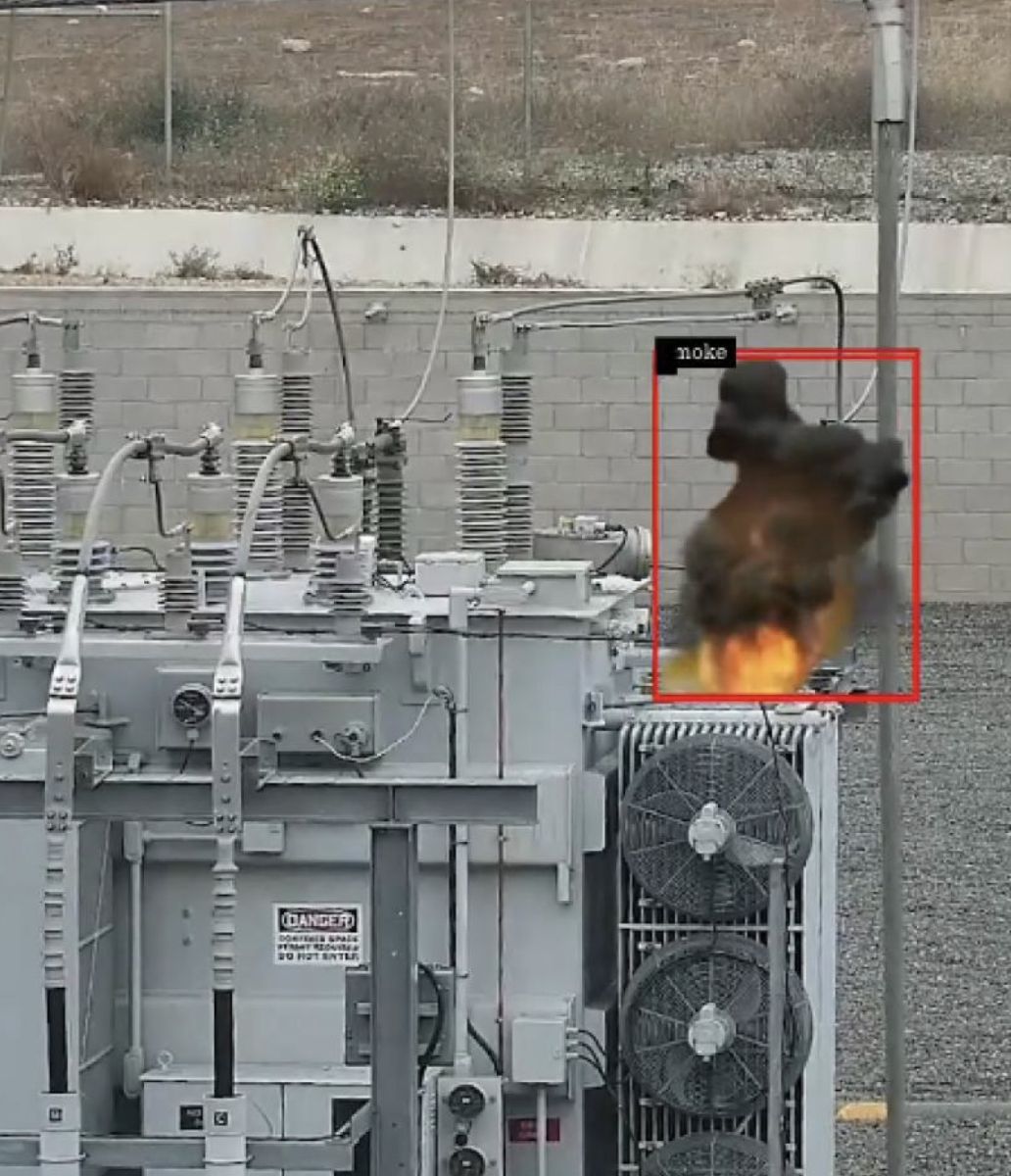
These inspections can detect subtle degradation that is often invisible in manual reviews. Cracks in insulators, rust on bolts, leaning poles, and vegetation encroachment are all visible with the right imaging and analytics. When reviewed manually, thousands of such images can take weeks to analyze. With artificial intelligence, insights can be delivered in minutes.
More important than the speed is the value of the insight itself. Instead of relying on scheduled maintenance or age-based asset replacement, utilities can make condition-based decisions. Resources can be focused where they are needed most.Maintenance becomes targeted. Capital and O&M spend is deployed where it will deliver the greatest risk reduction.
A two-phase approach to storm Resilience
Resilience requires action both before and after the storm. Intelligent inspections support both phases.
In the pre-storm phase, inspections establish a baseline of asset health across the grid, helping utilities prioritize where to act. This baseline is not just for recordkeeping; it identifies defects that can be addressed ahead of time. If imagery reveals degraded components in flood zones or wind-prone corridors, those assets can be replaced or reinforced before severe weather strikes. This turns inspections into a planning and prevention tool that strengthens system readiness and resilience.
In the post-storm phase, rapid damage assessment becomes the priority. Drone teams can be deployed to scan impacted areas quickly. Intelligent systems analyze those images in near real time and identify structural damage, line breaks, broken crossarms, and debris. Damage is not just recorded. It is ranked by severity and location. This allows operations teams to triage restoration efforts with confidence and speed.
This approach has already proven its value. In several post-storm assessments, intelligent inspections have flagged poles with stress fractures that had not yet fully failed. By identifying these issues early, utilities were able to prevent secondary outages and reduce overall restoration time. The ability to move from problem detection to informed decision-making in hours instead of days is now a critical advantage.
Operational benefits that scale
The scale of modern utility infrastructure presents a unique challenge. A single storm can affect thousands of miles of lines and hundreds of thousands of assets. Traditional inspection models cannot keep pace. Intelligent systems that analyze visual data at scale are no longer optional. They are essential.
These systems eliminate the bottlenecks of manual image review. They process thousands of photos in minutes. They identify known fault types with high accuracy and continuously improve with new data. And they integrate with existing maintenance systems, turning inspection results into work orders and service requests in one step.
Efficiency is not the only gain; accuracy improves dramatically. Intelligent models learn from real-world outcomes and feedback, and get better at identifying high-risk issues. They reduce the number of false positives that distract from actual problems. And they provide a more consistent standard of inspection across teams, regions, and time periods.
 Changing the role of drone teams
Drone teams have become a common part of storm response. However, simply capturing imagery is not enough. The true value lies in the speed and accuracy of interpreting that imagery. Modern inspection platforms are now designed to do more than fly. They deliver structured, actionable insights that integrate directly into operations.
This means drone teams need access to software that processes data immediately, not hours or days later. They need tools that translate imagery into infrastructure status reports, map overlays, and repair priorities. The more efficiently teams can move from image capture to insight, the faster crews can be deployed, and the sooner power can be restored.
Lessons from the field
In deployments, intelligent inspections have made a measurable impact. Utilities using this approach have detected faults that would have otherwise gone unnoticed until failure. They have identified and repaired storm-damaged assets before they cascaded into larger problems. They have restored service more quickly and safely. And they have done so with fewer truck rolls, reducing cost and risk.
This is not just about emergency response. Intelligent inspections support ongoing maintenance strategies. When utilities compare pre- and post-storm imagery, they can evaluate asset performance and reinforcement effectiveness. This creates a feedback loop that improves future storm planning and infrastructure design.
Looking ahead
Storm resilience is a strategic imperative. As climate patterns shift and demand on the grid grows, utilities must find ways to operate with greater foresight, flexibility, and efficiency. Intelligent inspections are a key part of that shift. They offer a scalable way to gather accurate asset data. They turn imagery into decisions. They help teams prioritize work, protect infrastructure, and restore service faster when it matters most. Most importantly, they shift the model from reactive response to proactive resilience.
As weather grows more extreme, so must our readiness. Smarter inspections are not a future innovation; they are today’s solution for a more resilient tomorrow.
 Kaitlyn Albertoli is the co-founder and CEO of Buzz Solutions, an AI company helping power utilities modernize infrastructure inspections to strengthen grid safety, reliability, and resilience. Since co-founding the company in 2017, she has led the company’s growth and product strategy, driving the deployment of AI-powered visual inspection technology across transmission, distribution, and substation assets. She has been recognized on Forbes 30 Under 30 and San Francisco Business Times 40 Under 40, and is a frequent author and speaker on AI, sustainability, and the future of critical energy infrastructure.
Buzz Solutions | www.buzzsolutions.co
Author: Kaitlyn Albertoli
Volume: 2026 May/June