



Protect Your Yield


While solar tracker software is known for its role in maximizing production, it also plays a key role in mitigating risks. It can increase energy production in challenging situations, minimize damage from weather events, and reduce O&M costs. In the face of escalating climate change threats and heightened solar industry pressures, tracker software is rising to the challenges to keep solar sites productive and protected.
Q: What’s the main role of tracker software?
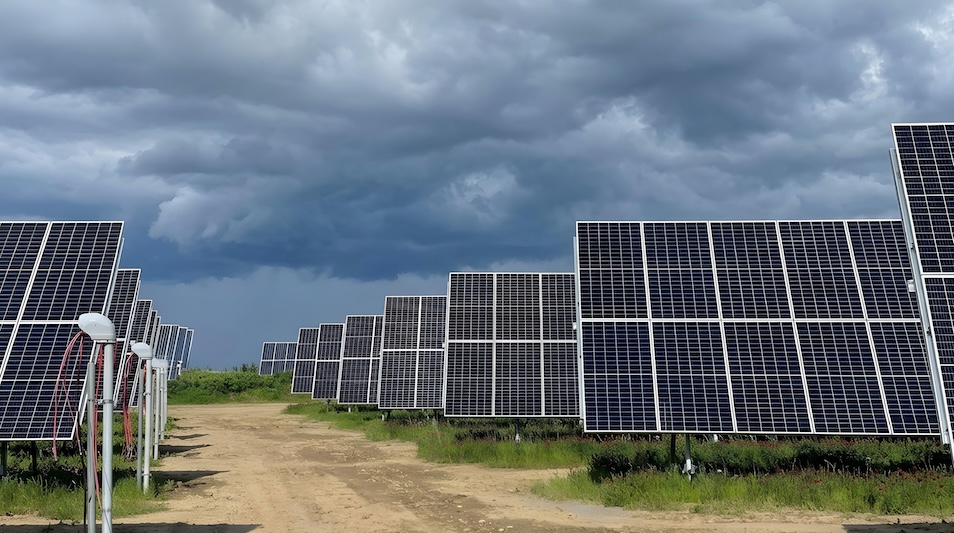
A: The increase in energy yield of tracker systems as compared to fixed tilt systems ranges from 20 percent to over 40 percent, but that energy yield is threatened by inclement weather, O&M downtime, and challenging site conditions. While the core function of trackers is increasing production by tracking the sun, the core function of tracker software is optimizing all facets of trackers, ensuring the site hits energy goals and assets are protected long term. High-functioning software automates weather protection and monitors sensors to keep trackers safe during wind, hail, and snow events. It also provides valuable remote diagnostic capabilities to identify and solve problems without on-site visits.
Q: How exactly does software protect sites from weather events?
A: Advanced tracker software protects sites with real-time monitoring. Through layered protection such as on-site weather stations equipped with sensors that measure wind conditions, ambient temperature, and snow depth, along with smart weather forecasting, the software picks up on weather risks before they inflict serious damage. It can detect incoming weather changes up to four hours ahead of time, and take preemptive action to move trackers to safe positions. For example, it will automatically stow modules in high-tilt positions ahead of snow events, and high-tilt positions facing away from wind direction for hail and wind protection.
Q: Why do some weather protection systems fail?
A: Risk mitigation is only as good as its reliability. Protection features can fail due to unreliable timing, like not stowing in time for high wind or hail events. Also, when tracker software and weather protection systems require human intervention or manual commands to trigger stow functions, the site will be vulnerable to late response times and the risk of human errors. Weather events occur during the middle of the night, holidays, and weekends, making it essential for tracker software to have automated stow features that do not require human intervention.
Q: Why should I care about software algorithms?
A: Basic and advanced algorithms maximize yield and ensure you hit energy goals. Backtracking (also known as Astronomical/Planar tracking) reduces inter-row shading by analyzing neighbor positions on flat terrain; Topography-informed Backtracking accounts for 3D terrain to reduce shading even on uneven surfaces; and Irradiance-optimized Tracking points modules upward instead of at the sun to capture diffuse irradiance on cloudy days.
Q: What energy production gains can tracker software realistically achieve?
A: Of course, benefits vary based on location, topography, and weather patterns, but typical gains driven by advanced algorithms range from two to five percent in additional energy production. The benefit goes up to eight percent or more in sites with significant topography challenges and uneven terrain, and provide less measurable benefit on sites with flat terrain and clear-weather locations. These numbers are in addition to the 20 to 40 percent increase in yield from tracker systems vs. fixed tilt.
Q: What about downtime prevention and O&M issues?
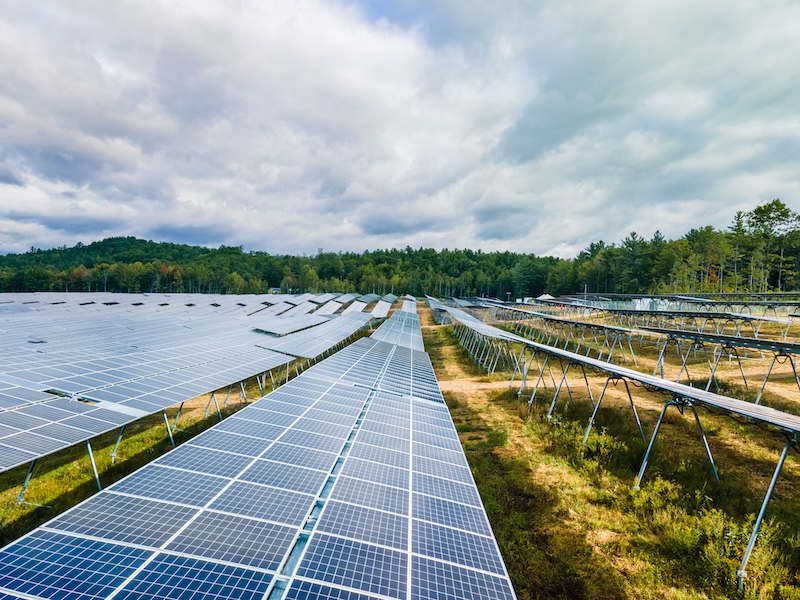
A: Tracker software makes O&M management easier for many of the same reasons it protects sites from weather events: remote monitoring and access, uptime reports, and real-time alerts. With intelligent software, O&M teams can access real-time data dashboards to identify issues quickly without site visits, compare tracking angles across timeframes, and receive notifications to mobilize response teams as soon as potential issues occur.
Remote access also allows personnel to control individual tracker rows during regular maintenance tasks like mowing or module washing while the rest of the site continues to track.
Q: What else is important to look for in tracker software?
A: When assessing a software system, consider whether or not it’s created through in-house development and truly custom-built, or if it’s a standard off the shelf product. Customized software will typically provide greater flexibility and adaptability.
The level of cloud storage with full accessibility to customers is another important ask, and the software should be able to provide full historical data for every project, uptime reports, and raw data extraction as needed.
Q: What about the company behind the software?
A: Beyond the software itself, assess the company’s full-lifecycle experience with similar projects. Partners who have boots-on-the-ground experience, expertise in managing challenging conditions, and a track record of successful outcomes will add additional value to your project.
By assessing risk management benefits as well as production benefits, developers and EPCs can make better-informed, relevant, and cost-efficient decisions about trackers and tracker software. Solar industry challenges remain, but technological advances continue to offset these challenges and drive the clean energy transition forward.
Ashton Vandemark is VP, Software Solutions at Terrasmart. Ashton leads the development and strategy of the company’s software portfolio, including the PeakYield cloud platform and TerraTrak control systems. He also drives the design of systems, teams, and workflows that support and streamline construction, commissioning, and support operations.
Terrasmart | www.terrasmart.com
Author: Ashton Vandemark
Volume: 2026 May/June