




Yield to Risk: Why is solar panel cleaning becoming a fire-safety touchpoint?


For years, solar panel cleaning has been framed mainly as a performance lever: remove soiling, increase output, improve ROI. That value still matters, but the sector is maturing. More asset owners now view cleaning as something else as well: a repeatable, close-contact opportunity to reduce avoidable stressors on the array and spot early warning signs that can precede equipment failures, including thermal events.
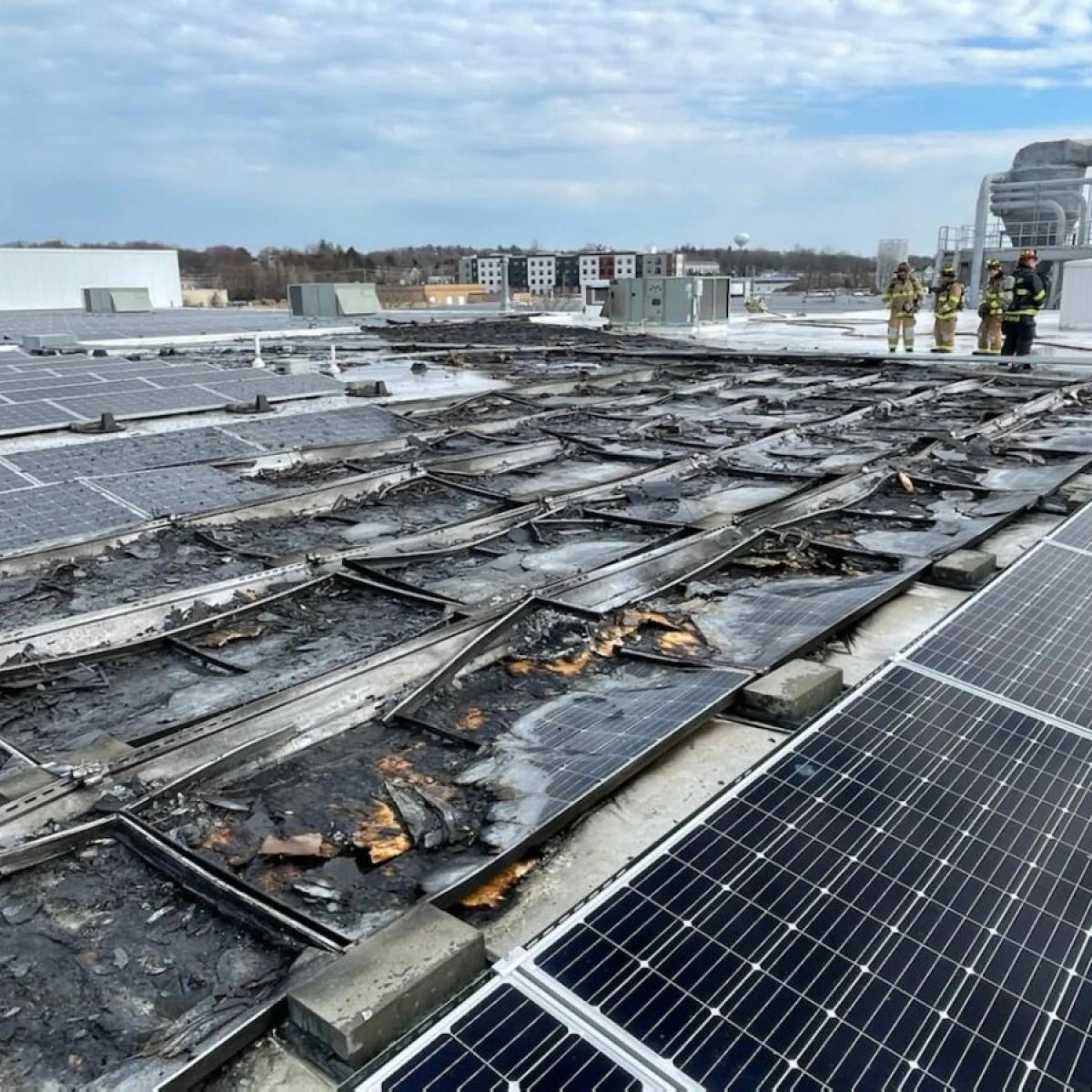
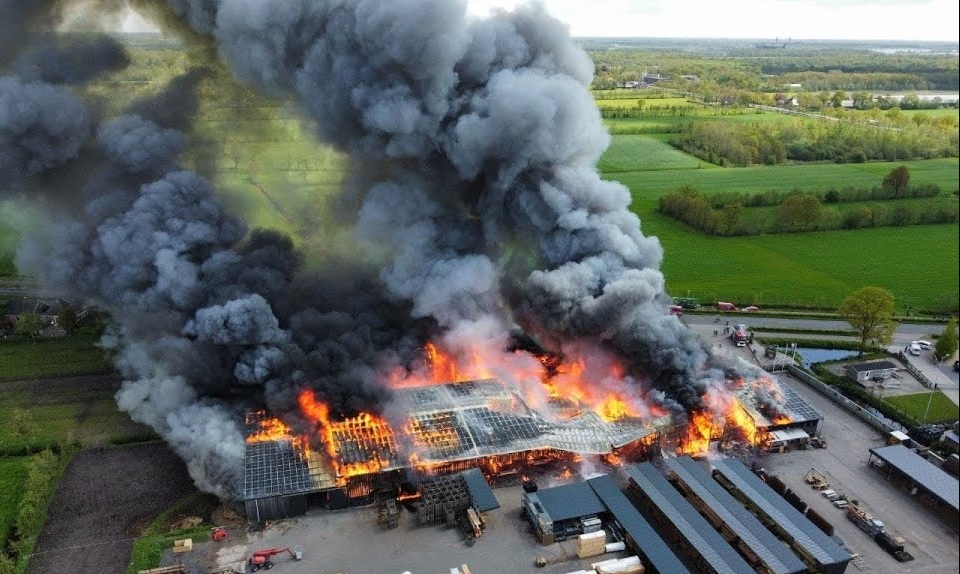
This is not a claim that cleaning “prevents fires” on its own; PV fire risk is multifactorial — often tied to defects, poor installation practices, component degradation, damage, and environmental conditions. However, cleaning crews are increasingly the only people who see modules and array hardware up close on a predictable schedule. When that proximity is paired with structured reporting and a clear escalation path, a cleaning visit can become a practical part of a site’s risk management routine alongside electrical inspections and formal O&M programs.
What’s changed in the cleaning sector
Two forces are reshaping expectations. First, the installed base is aging; early-generation sites are operating well beyond commissioning while new sites are being deployed at scale, often under schedule pressure. Second, stakeholders are asking tougher questions: not only, “How much energy are we losing to soiling?” but also, “How do we demonstrate responsible care, safe operation, and defensible maintenance practices?”
As a result, documentation and repeatability are becoming as important as the clean itself. Asset owners, facility managers, and insurers increasingly expect evidence that work was planned, hazards were managed, and observations were captured consistently.
Why cleaning can support PV fire-risk reduction
 Cleaning supports risk reduction through two practical benefits: housekeeping and visibility.
Housekeeping is straightforward: remove accumulations that can contribute to localized heating and accelerated wear — particularly heavy soiling and concentrated bird droppings. Severe, uneven soiling can drive mismatch between cells and increase stress in affected areas. In many regions, bird activity is the bigger concern than dust alone because droppings are persistent, and nesting often coincides with interference to cable routing and array hardware. Cleaning does not correct underlying electrical defects, but it can reduce avoidable thermal stress and create better conditions for stable operation.
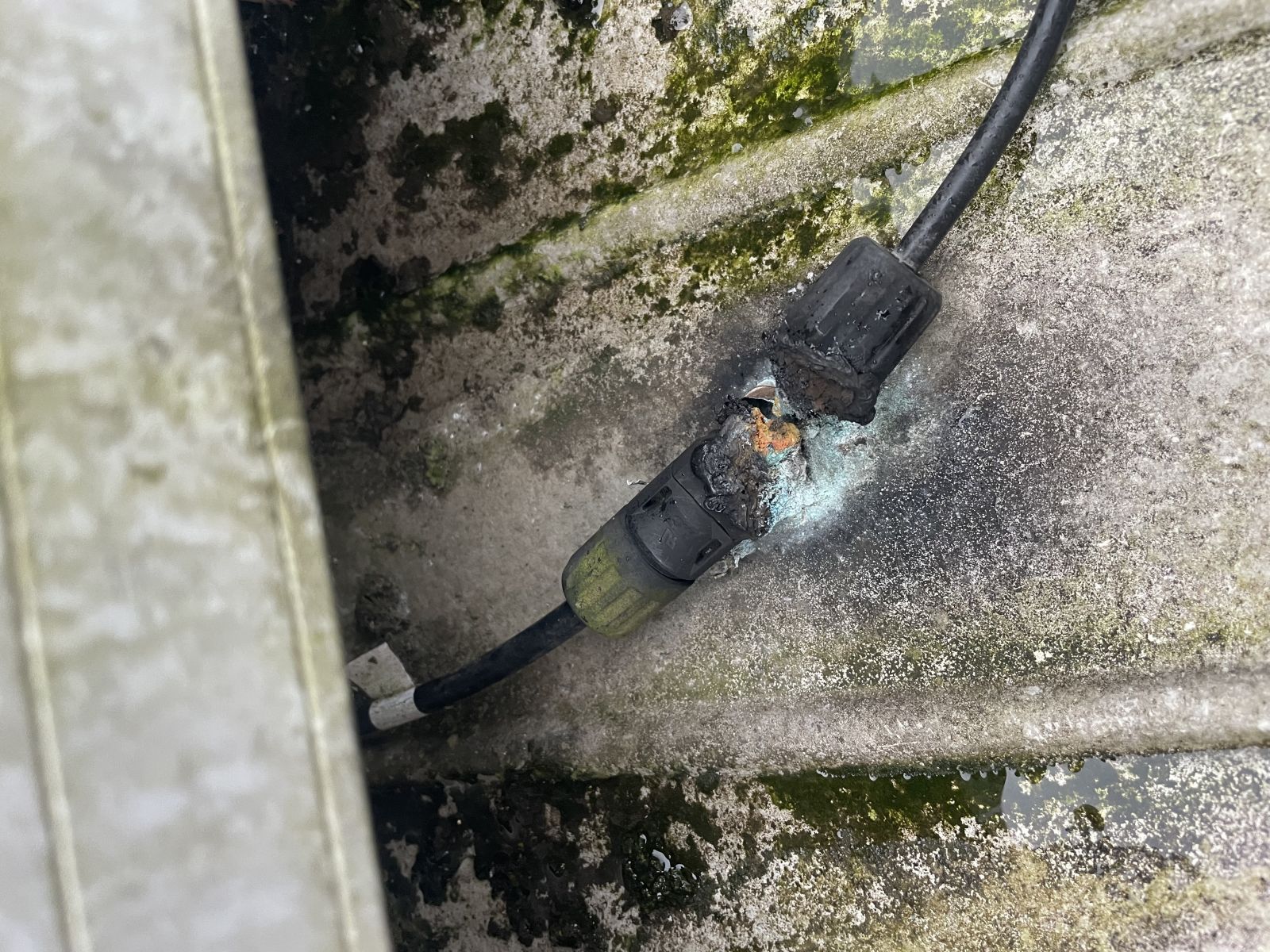
Visibility is the more overlooked benefit. Cleaning is one of the few routine activities that naturally puts personnel within arm’s length of modules, frames, and nearby hardware. That proximity makes it easier to notice cues that are easy to miss from a distance: damaged backsheets, discoloration near junction areas, compromised cable management, abnormal debris accumulation, animal activity, evidence of water ingress, or signs of heat stress on adjacent plastics. The value is not in diagnosing the issue on the spot; it is in noticing, documenting, and escalating before a minor problem becomes a major, fire-inducing fault.
Staying within competence is essential. Cleaning personnel should not open enclosures, disturb connectors, or attempt troubleshooting. Best practice is “identify, document, escalate.” If something looks wrong, treat it as a safety signal, not an inconvenience.
What modern best practice looks like
The most mature operators build cleaning programs around a simple “clean + check + document” workflow.
Cleaning team safety & certifications: A solar panel cleaning company should train its staff to understand electrocution and fire risks. Training and certification from the International Solar Cleaning Academy (ISCA) www.theisca.org or other organizations addresses this important issue. Provable competence is the first thing anyone should look for when choosing a solar panel cleaning contractor.
Pre-job controls & stop-work triggers: A site-specific pre-task review — access, edge protection, weather, slip hazards, overhead services, and electrical hazard awareness — should be standard. Crews also need authority to pause work if they observe damage, evidence of overheating, unsafe access, or environmental hazards.
Structured observations: Rather than informal notes, leading teams use consistent categories (i.e., soiling condition, bird activity, physical damage indicators, cable management observations, and housekeeping concerns). Standard categories make trends visible across visits and across sites, and they help prioritize follow-up.
Actionable reporting and escalation: Photo reporting should show both context and detail, and include simple location references so that follow-up is efficient. When potential defect indicators are seen, the process should drive prompt notification to the site contact and referral for qualified inspection — without attempting repair during the cleaning scope.
Where the industry is heading next
As cleaning becomes more closely linked to asset care and risk, competency expectations will rise. That doesn’t have to mean more downtime. Rather, it means clearer training outcomes and standardized procedures: what hazards to recognize, what not to touch, how to document findings, and how to communicate concerns so they translate into timely corrective action.
The future of solar panel cleaning will still include performance gains. But the most valuable evolution may be cleaning as a disciplined, repeatable safety touchpoint — reducing avoidable stressors, improving visibility, and supporting earlier intervention before minor issues become major incidents.
Steve Williams is CEO of Clean Solar Solutions America. A solar O&M specialist, he’s focused on safety-led maintenance and field documentation practices. His work spans rooftop and ground-mount PV sites across the U.S. and Europe, with an emphasis on improving reliability through practical inspection routines and risk-aware servicing. In February 2026, he expanded operations into Las Vegas to support growing demand in the U.S. Southwest.
Clean Solar Solutions America | www.cleansolarsolutionsamerica.com
Author: Steve Williams
Volume: 2026 March/April