




Critical Conditions, Critical Workforce: Building a resilient solar labor pipeline


As the clean energy industry continues its rapid expansion, utility-scale solar and battery energy storage systems (BESS) are being deployed in increasingly challenging environments. From extreme desert heat in the Southwest to hurricane-prone regions along the Gulf Coast, today’s projects are operating in conditions that test both infrastructure and human performance. Extreme weather is no longer an exception — it is the operating environment.
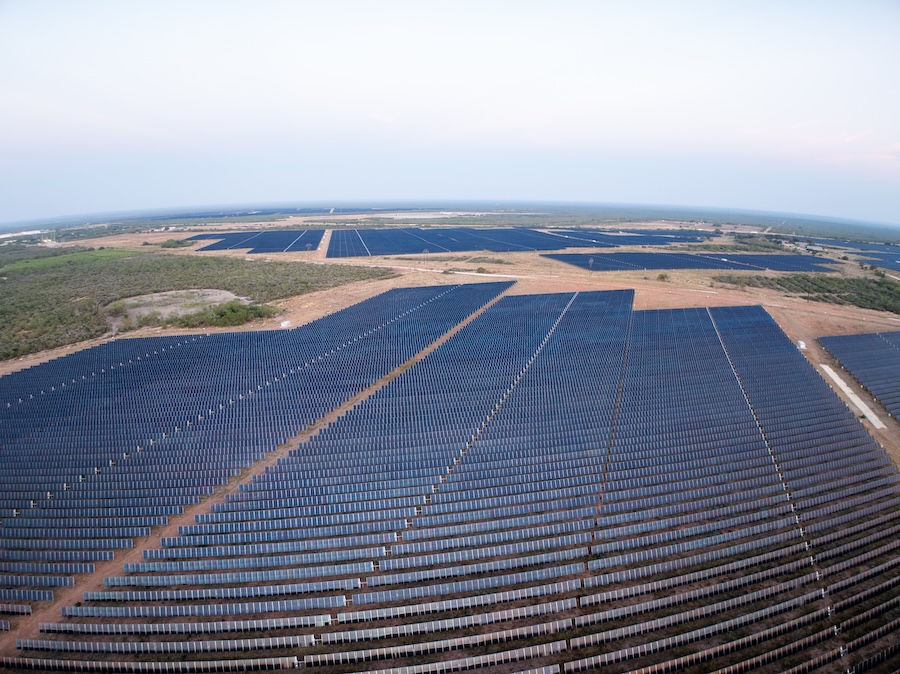
While much of the industry’s focus has been on engineering resilience into equipment and systems, one critical factor is often overlooked: the workforce responsible for installing, operating, and maintaining these assets. In extreme conditions, the difference between performance and failure often comes down to the people on the ground.
The new reality of solar deployment
Utility-scale solar projects are now being developed in remote, high-temperature, storm-exposed, and logistically complex environments. These conditions introduce real operational challenges including heat impacts, severe weather response, and remote access difficulties.
Workforce as a resilience strategy
When extreme weather events occur, resilience is no longer just about system design, it’s about execution. Technicians must diagnose, operate safely, and restore systems under pressure.
Veterans are built for these environments
Military veterans are uniquely prepared for these challenges. They are trained to operate in high-pressure environments and bring discipline, adaptability, and mission-focused execution.
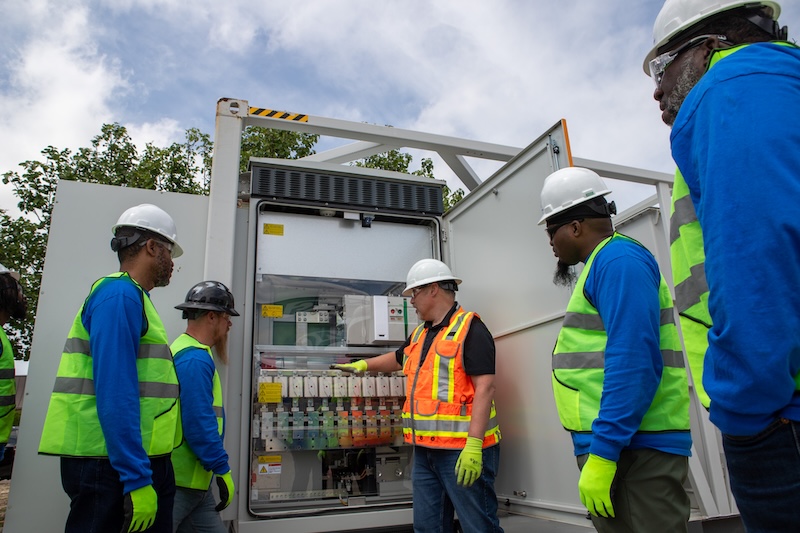
Training for real-world conditions
Workforce development efforts near major military installations such as Fort Hood are uniquely positioned to support this transition. Training focused on utility-scale operations, electrical troubleshooting, SCADA, and safety prepares technicians for real-world environments.
From workforce gap to workforce pipeline
There is a growing shift toward structured workforce pipelines that connect trained technicians directly with employers. These models reduce onboarding time, improve performance, and scale workforce deployment. For EPCs, asset owners, and independent service providers, this approach reduces hiring risk and provides access to technicians trained specifically for real-world operating conditions.
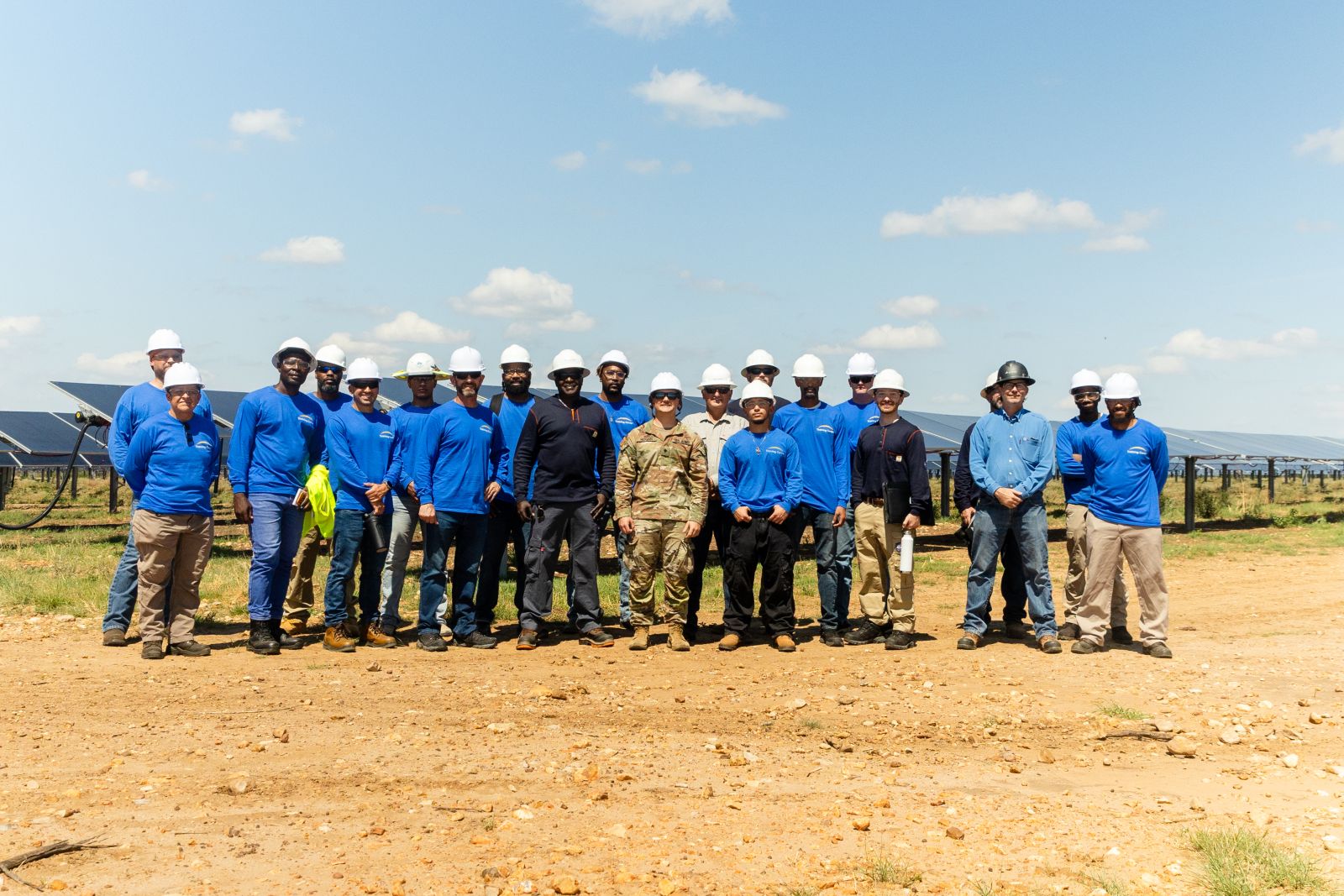
Resilience starts with people
Technicians are the first line of defense against system failure and downtime. As extreme weather shapes the future of energy infrastructure, resilience must include the workforce.
The clean energy transition will not be limited by technology, but by workforce readiness. Veterans represent one of the most capable talent pipelines in the country. We invite EPCs, asset owners, and energy operators to continue advancing workforce development aligned with modern solar deployment. The opportunity now is not just to build infrastructure—but to build the workforce behind it.
Reginald Hodges is CEO of the Training Center of Central Texas. Based in Central Texas, just outside Fort Hood, the Training Center of Central Texas prepares mission-ready technicians and transitioning service members for careers in utility-scale solar, battery storage, and electrical infrastructure. Through direct-hire partnerships with leading renewable energy companies, many of its students receive job offers before graduation.
Training Center of Central Texas | www.trainingcenter.com
Author: Reginald Hodges
Volume: 2026 May/June