




Protecting Components from Snow, Wind, and Seismic Loads


Extreme weather events such as hurricanes, tornadoes, earthquakes and blizzards have increased over the past several years. Alongside this trend, the need to protect critical onsite energy storage equipment has grown in order to maintain grid reliability.
The strongest and most cost-effective solution to sheltering your investment is a prefabricated building. Prefabricated buildings are designed to withstand environmental loads in accordance with building codes specific to their installation location — particularly wind, seismic, and snow loads. The process to ensuring your building can withstand major weather events starts long before the conditions start. And the partner you choose as well as the building they design, engineer and manufacture can drastically affect whether a building outlasts these events or not.
For buyers or specifiers wondering where to start, here are a number of key factors you should look for in a protective, prefabricated building.
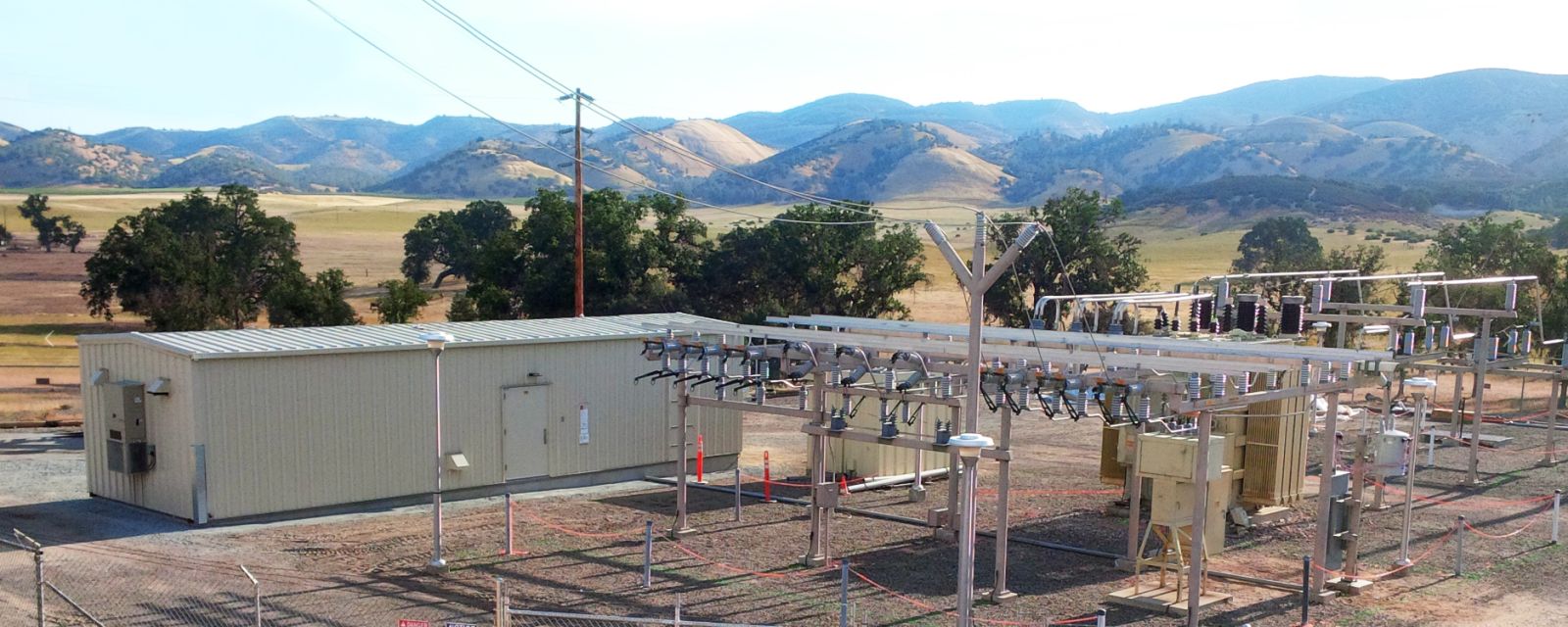
Lateral load components
In the event of strong winds or seismic activity, both must be resisted by an appropriate lateral load-resisting system. Building codes require structures to be designed for the governing condition, whether wind or seismic. Tall buildings are clearly susceptible to ground forces, but it’s equally important to account for this in shorter structures that house valuable battery storage components. In most locations in the United States, and due to the nature of most protective buildings, the wind load governs the design. However, the strategies for resisting wind and seismic force are often similar.
Location always governs risk from wind. Terrain affects how air moves around any structure, whether the building is near water (which slows down wind), or shielded by trees, surrounding buildings, or adjacent topography. The wrong combination of conditions can increase the chances of building failure. Methods of resisting lateral loads — when the wind directly applies force to the side of the structure — depend heavily on the building’s configuration (including width, length, height, and wall openings) as well as the severity of the applied loads. In some cases, exterior panels are sufficient for resisting the lateral loads. In more demanding conditions, additional systems such as strap bracing, shear walls, or a moment frame (where joints of the beams and columns are rigid to resist twisting) should be considered.
Foundation types and anchoring
Many prefabricated buildings can be engineered with or without floors. Buildings with floors can be placed on a variety of foundation types, and can be made with a rodent/ moisture barrier. However, buildings without floors can be built lighter and more cost effectively, and be placed on knee-walls for greater building height. An anchoring system can also help keep buildings stable and protected on their chosen foundation type. In typical applications, post-installed anchors (such as wedge bolt type anchors or epoxy anchors) are adequate. For more severe loading conditions, welded connections for anchoring are a more robust solution.
Choose the right material
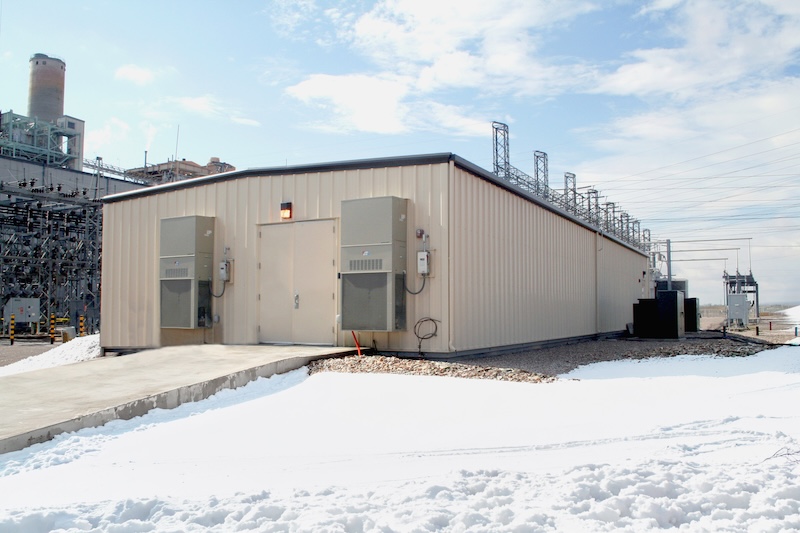
When designing a control building to withstand extreme conditions, the ideal material is steel. Prefabricated buildings constructed using high-grade steel benefit from overall structural integrity. Steel is durable, long-lasting, entirely recyclable, and makes for a cost-effective solution. It can also be modified easily, paving the way for even greener infrastructure.
Proper insulation and sealing
Ensure buildings are properly insulated and sealed to prevent water infiltration, air leakage, and heat loss during extreme weather events. This helps maintain stable interior conditions and prevents damage to the building envelope. A standard 2:12 roof pitch, for example, allows for adequate water run-off and snow shedding when compared to flat or minimally sloped roof designs.
The time to prepare your site is before weather-related events strike. Understanding your site will help you better decide on the right prefabricated buildings to keep critical equipment and personnel protected from wind, seismic, and snow loads. By utilizing a robust steel frame along with properly designed lateral load–resisting and anchoring systems, your site can be prepared for the worst conditions. Be sure to apply proven design methods that adhere to Seismic Design Category requirements, and engage licensed Professional Engineers to develop state-specific stamped drawings and calculations. Choose building manufacturers that can deliver durable, code-compliant buildings to provide long-term reliability — even under the most demanding conditions.
John Whalen is a licensed Professional Engineer with over 30 years of experience spanning structural engineering, product development, and engineering management. He currently serves as Director of Engineering at nVent, a company with over 125 years of experience in the manufacturing of TRACHTE prefabricated and modular building solutions.
nVent | www.nvent.com
Author: John Whalen
Volume: 2026 May/June