




The Iceman Cometh (and the Flood, Fire, and Mudmen)


Consider this riddle: What’s the one thing weather guarantees? The answer: No two job sites are ever the same. Ice, heat, flood, mud, mountain grades, and open-air fire risk — the same environments that make wind energy possible — are the ones that make decommissioning and repowering it a full-contact operational challenge. The difference between a project that weathers those conditions and one that doesn't come down to what was decided before the first truck left the yard.
Ask anyone who has spent real time in the field on wind decommissioning or repower projects and they'll tell you the same thing: the job never looks like the plan. Not because the crews aren't ready, but because the land, the sky, and the season have their own agenda. On a wind farm, that agenda tends to be extreme.
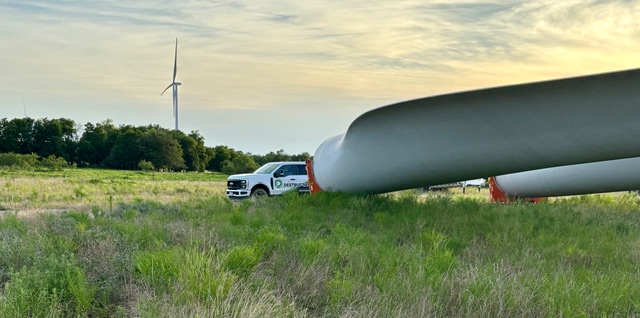
Wind energy is sited where the weather is relentless. That's not a coincidence — it's the point. And those same conditions follow every crew, every day of a project: Heat that threatens lives before noon; Ice that loads rotor blades and glazes access roads overnight; Floodwaters that turn a laydown yard into a lake by morning; Mud that swallows equipment whole; Mountain grades that turn a routine move into an all-day fight. Every one of those conditions is manageable, but only if the risks have been identified, evaluated, and mitigated before the first crew member sets foot on site.
Pre-mobilization: Where the real work begins
The most important work on a difficult wind project doesn't happen on-site. It happens in the weeks before mobilization, when experienced teams are doing real site-specific risk assessments like reviewing historical weather data, evaluating ground conditions, identifying access constraints, and building mitigation protocols for every foreseeable hazard. A job hazard analysis grounded in actual site reconnaissance (terrain photographs, soil assessments, seasonal weather patterns, proximity to sensitive land) is a fundamentally different document from a generic template. Clients can tell the difference. Regulators can tell the difference. And your crew can absolutely tell the difference when something goes sideways at elevation in February.
Ice, snow, and the repower reality
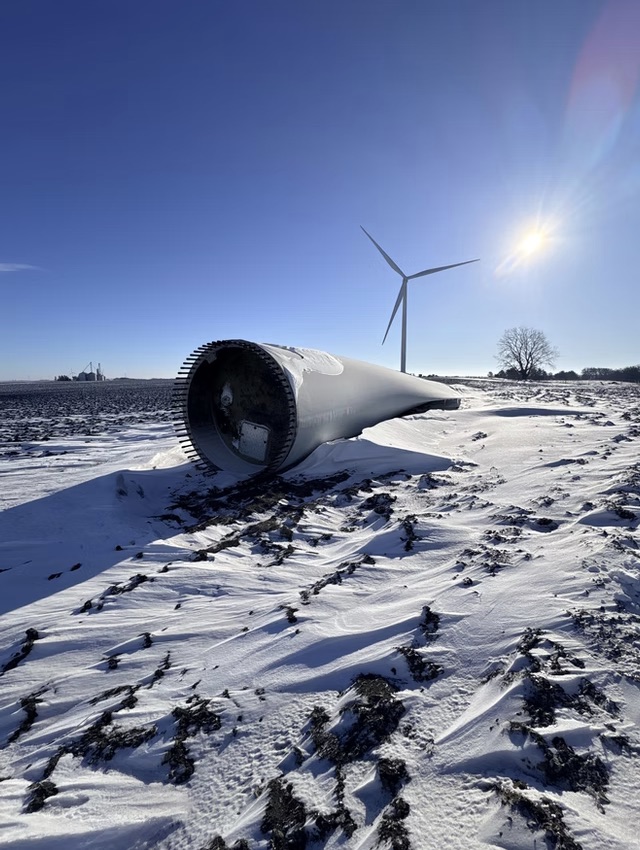
Repowering introduces hazards that new construction doesn't. Legacy foundations, aging electrical infrastructure, and existing components are removed and replaced in place — often on ridge-mounted or high-altitude sites where winter comes early and doesn't leave. Ice-loaded rotor blades present unpredictable dynamic loads during removal. Access roads cut for a construction crew years ago have degraded; a crane with a precise turning radius and a hard slope tolerance doesn't negotiate with a rutted, frost-heaved mountain road.
Cold-weather dismantlement also demands an honest look at what standard safety protocols were written for. Our industry's safety culture is strong — but a lot of baseline procedures were built around construction activity, not the specific physical demands of taking equipment apart in sustained icing conditions. Identifying that gap before mobilization, and building procedures that close it, isn't optional.
Heat stress, the fire risk
In high-heat environments, heat stress is the first hazard on the list — and the one most often squeezed when a project falls behind schedule. When ambient temperatures push past 100°F, cognitive function and reaction time degrade well before the body signals distress. Heat illness escalates fast. Mandatory hydration schedules, work-rest rotations, shaded rest stations, and buddy accountability systems get established in pre-mobilization planning and enforced without exception in the field. A fatigued, overheated crew working around suspended loads and energized equipment is a serious incident waiting to happen. That's not acceptable on any project we run.
Fire risk follows closely — especially on dry grassland and rangeland sites where metal cutting is underway. Angle grinders and torches generate sparks at scale, and drought-stressed vegetation closes the margin between a hot cut and an ignition event fast. Our standard practice: water tanks staged at active cutting areas, work zones wetted before and during operations, designated fire watches, and continuous monitoring of relative humidity and wind speed. Control the environment around the hazard before it becomes an incident. Don't manage an incident you could have prevented.
Flooding, mud, and the ground beneath your crane.
Extreme rainfall across the Gulf South and agricultural wind corridors creates conditions that get chronically underestimated at the planning stage. In coastal-plain environments, a significant weather event can flip an active job site into a floodplain within hours. Saturated ground undermines the load-bearing capacity that crane operations depend on absolutely. In tilled agricultural fields, a single rain event can make a workable surface impassable overnight.
Ground bearing assessments, temporary mating deployment plans, and wet-weather contingency protocols are not reactive documents — they're completed before mobilization and staged for immediate implementation when conditions change. Felling turbine towers in soft or muddy conditions narrows the margin for error in ways that demand pre-planned fall zones, deliberate equipment positioning, and experienced judgment. Not field improvisation.
Mountain grades and the move nobody budgets for
Ridge-mounted wind projects produce exceptional power and present exceptional logistics problems. Getting large crane equipment to a ridgeline turbine pad is an engineering challenge that has to be solved before decommissioning begins, not during it. Access road grades, switchback geometry, culvert weight limits, vertical clearances — all of it requires formal assessment during pre-mobilization site evaluation, and frequently, remediation.
On a well-planned project, road upgrades and ground preparation are budget line items with scope and cost attached. On a poorly planned project, there are surprises that compress schedules, inflate costs, and put crews in the position of making decisions under pressure that should have been made — at a desk — weeks earlier. I've seen both. One of them is a lot more expensive.
Preparation is the only constant
No amount of planning eliminates weather and terrain risk on a wind project. What it does is replace reactive scrambling with controlled response. The teams that consistently perform in extreme conditions are the ones who treated those conditions as the known operating environment from day one. They built mitigation plans before arrival, evaluated every material risk in advance, and showed up on day one already prepared for the worst the site could offer.
That's the standard to which we should ourselves. Every project. Every site. Every time.
Cody Earle is the CEO of Destructable INC, a wind turbine decommissioning and field services company providing full cradle-to-grave, turnkey solutions including equipment recovery and materials recycling. Cody works at the intersection of field operations and corporate strategy, focused on bringing professional standards to complex repower and decommissioning engagements across the country.
Destructable INC | www.destructable.com
Author: Cody Earle
Volume: 2026 May/June