




Building Through the Storm


Several years ago, while constructing a large structure in Roswell, New Mexico, our team experienced a massive storm that perfectly illustrated how quickly conditions can escalate. More than thirty inches of snow fell in less than twenty-four hours, effectively shutting down the entire city.
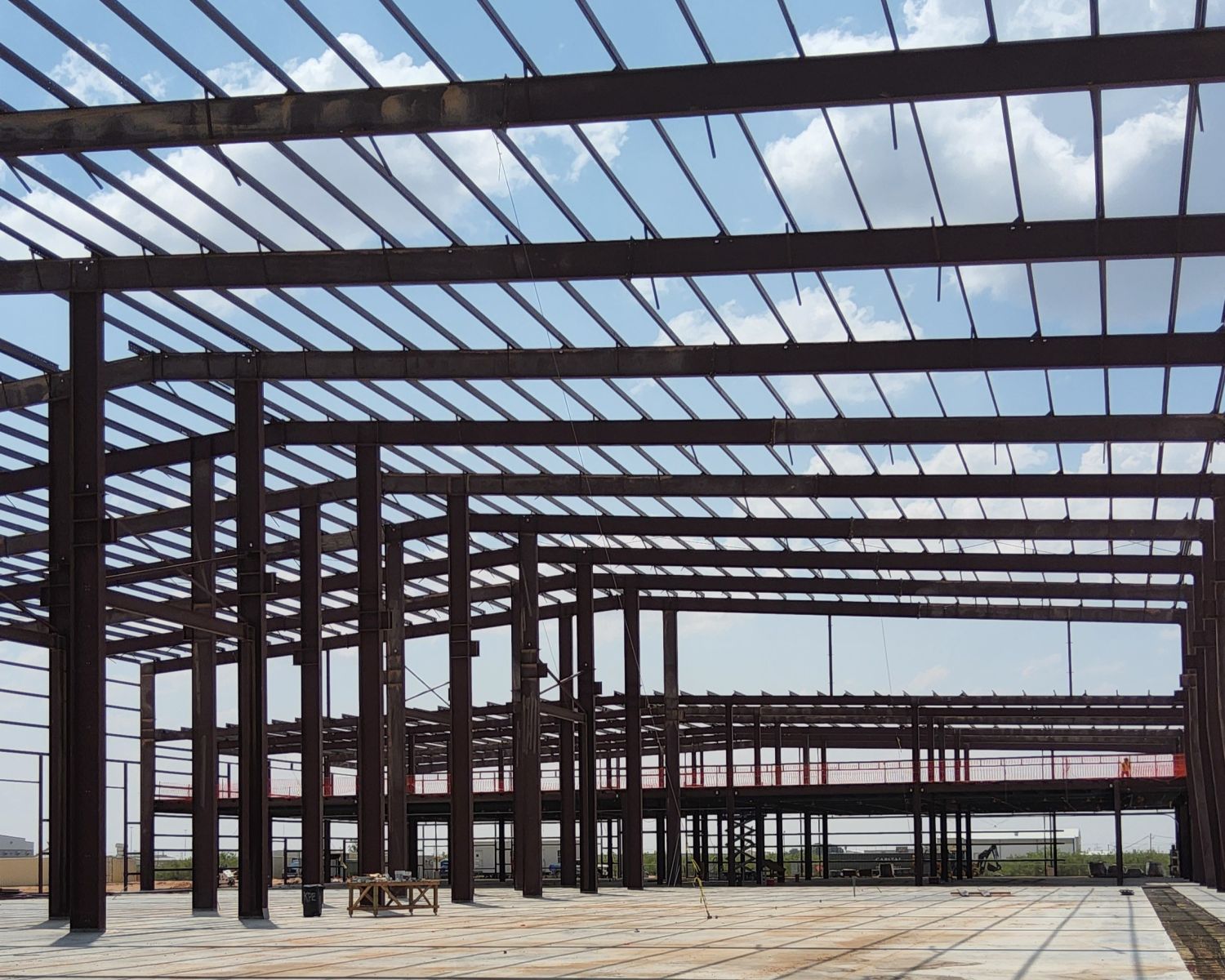
At the time, the building structure was only partially completed. Incomplete buildings are extremely vulnerable because their structural systems are not fully assembled. That means the loads created by weather events can easily exceed what the structure is capable of carrying at that stage of construction.
As the snow accumulated, our immediate concern became protecting the building itself.
Crews worked to clear snow from the roof and prevent excessive loads from building up on the structure. Snow was pushed away from the building perimeter, creating massive piles along the edges of the facility. Workers banded together in a last-minute pivot from construction to conservation.
What allowed the team to respond so quickly? Preparation.
Before arriving at the construction site, we had already talked through what to do if something like that happened. Roswell, New Mexico normally enjoys pretty mild winters, but, as any seasoned tradesperson knows, you have to expect the unexpected. Because those discussions had already taken place, the response was coordinated rather than reactive.
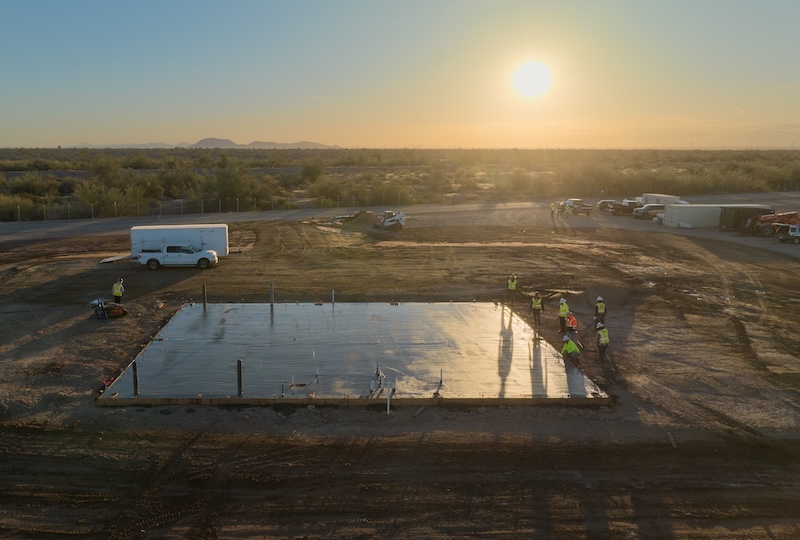
Another challenge showed up on a wind farm operations and maintenance facility we were working on in Texas. This time our opponent was wind. Obviously, wind farm locations are chosen for their propensity for wind. Our issue was that this particular site had very strong winds blowing almost constantly, which became a serious issue once we started installing the building enclosure.
For nearly three weeks, we tried to sheet the building during normal working hours. At that pace, the schedule was doomed to slip indefinitely. We eventually realized that continuing the same approach wasn’t going to work. The weather wasn’t going to cooperate, and waiting for it to change wasn’t a strategy.
Instead of fighting the wind during the day, we decided to reorganize the entire operation around the conditions we could rely on: Wind speeds consistently dropped overnight.
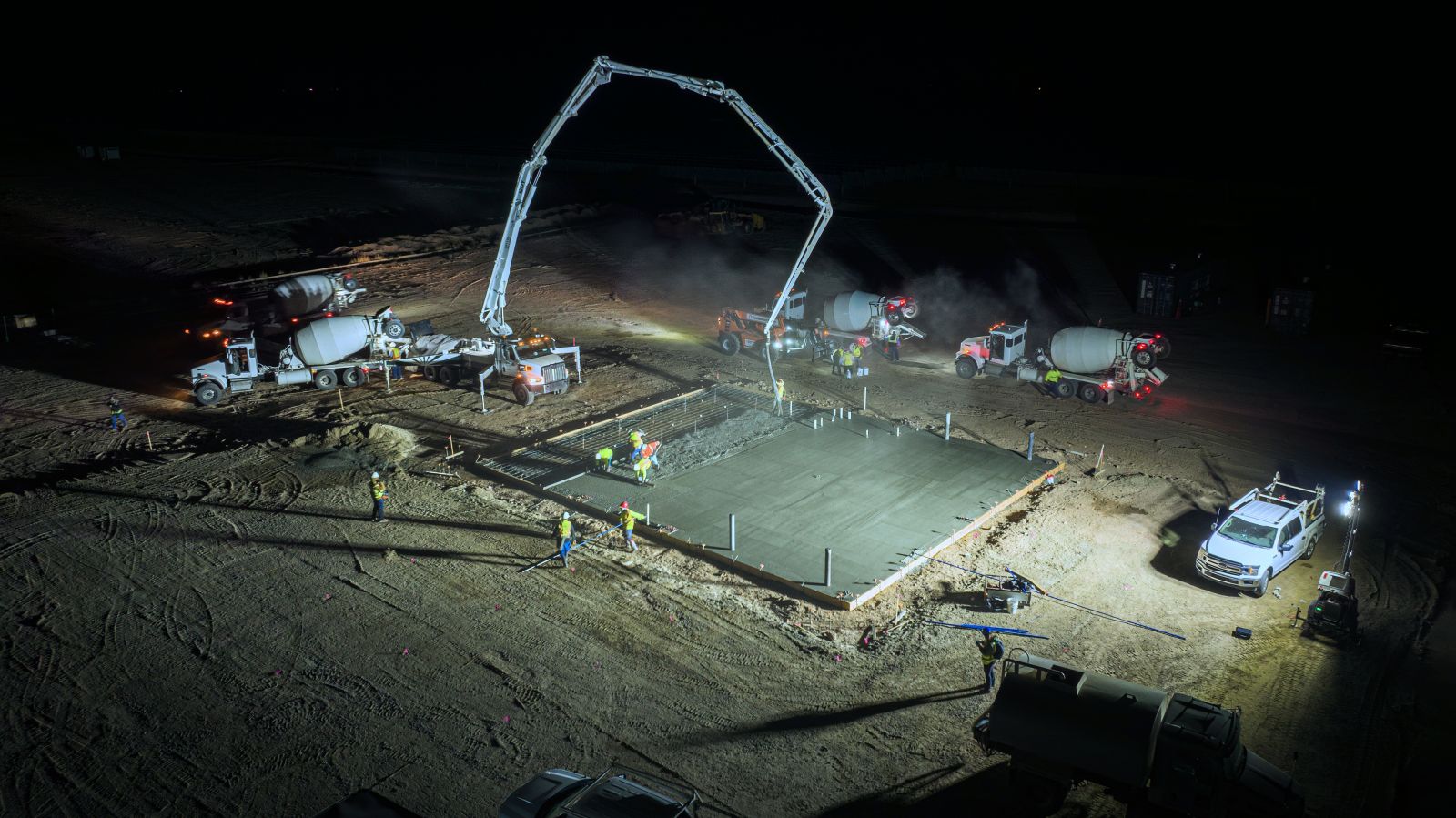
So, we shifted to night work. Light towers were mobilized across the site. Safety planning was adjusted. Equipment and materials were staged so crews could work efficiently under temporary lighting. For several nights in a row, we ran twelve-hour overnight shifts installing the enclosure. Although it required additional planning and increased costs in the short term, it allowed the project to regain control of the schedule. Often, the best solution is simply recognizing that if conditions aren’t going to change their plans, you have to change yours.
What experience teaches you
When schedules begin to slip and site conditions deteriorate, construction projects can quickly become contentious; stakeholders begin protecting their own interests rather than focusing on solving the problem for the project as a whole. In extreme environments, collaboration becomes just as important as construction expertise. Here are three recommendations to keep you in control of any project:
- First, communicate early and communicate often. Project teams should maintain a clear understanding of the risks facing the project and review them regularly with all stakeholders. Weather events, terrain challenges, and logistics constraints should never be surprises.
- Second, assumptions must be clearly documented during the planning phase. Remote projects often involve uncertainty, whether that is subsurface conditions, terrain constraints, or environmental exposure. Clearly qualifying those assumptions ensures that expectations remain aligned as the project progresses.
- Third, collaboration must extend across the entire stakeholder group. Owners, contractors, subcontractors, and suppliers all influence how projects respond to changing conditions. When everyone understands the risks and the mitigation strategy, the team can move quickly when disruptions occur.
If you can plan for eighty percent of the things that might happen, then, when conditions change, you’re only dealing with the twenty percent that actually require a new decision.
That preparation begins with identifying risks early and discussing them openly across the project team. Weather risks, terrain constraints, and site logistics should all be evaluated and revisited regularly. If the response has already been discussed and agreed upon, execution becomes much easier.
The goal is to ensure that when conditions change, the team is not encountering the problem for the first time. Weather events are going to happen. It’s how you manage them that dictates the outcome.
 Jared Hellums is the CEO of Constructable, a U.S.-based design-build contractor specializing in industrial and energy infrastructure projects. With extensive experience delivering facilities in remote and challenging environments, he has led teams constructing renewable energy and industrial buildings across the United States. His work focuses on practical strategies for managing risk, logistics, and collaboration on complex construction projects.
Constructable | constructable.ai
Author: Jared Hellums
Volume: 2026 May/June