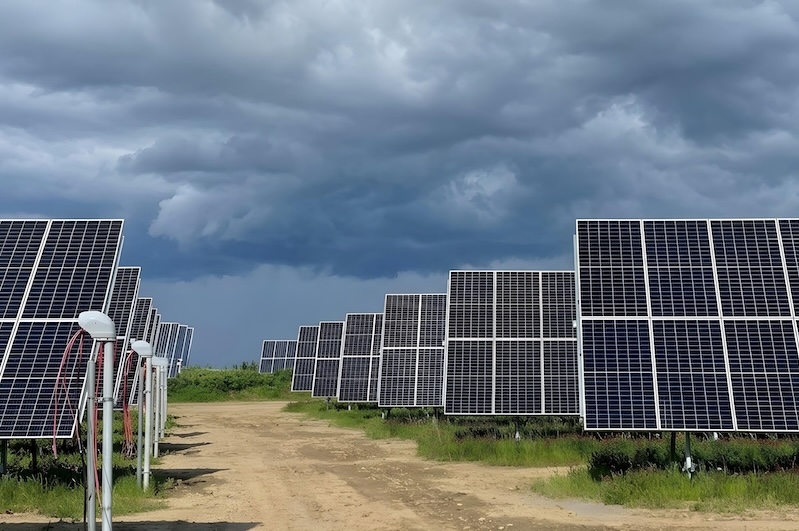




While solar tracker software is known for its role in maximizing production, it also plays a key role in mitigating risks. It can increase energy production in challenging situations, minimize damage from weather events, and reduce O&M costs. In the face of escalating climate change threats and heightened solar industry pressures, tracker software is rising to the challenges to keep solar sites productive and protected. Q:&n....
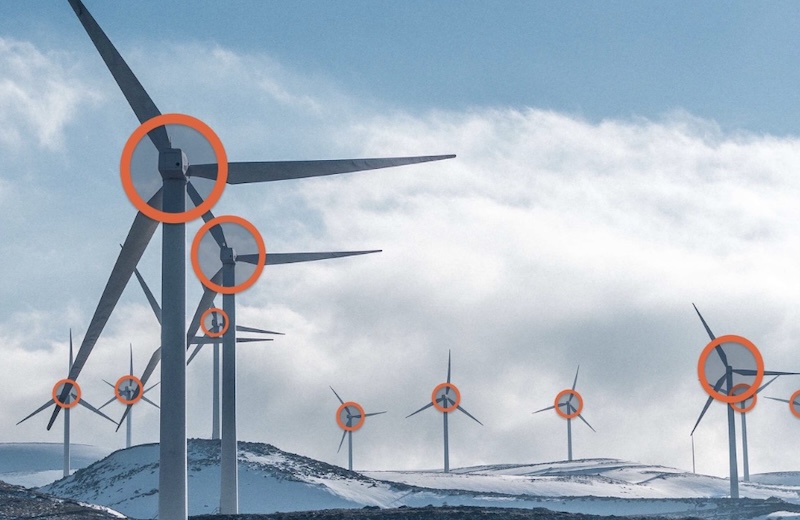
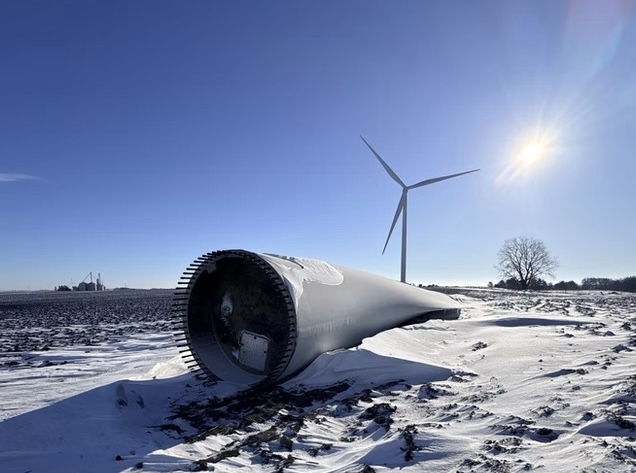
As wind development pushes into more remote and environmentally sensitive terrain, site access is no longer a secondary concern. It is a primary project risk. Unstable soils, seasonal flooding, protected wetlands, and water crossings can derail permitting, trigger regulatory violations, and expose developers to costly remediation. Temporary bridging, when done properly, is a genuine project enabler. Done poorly, it becomes a liability that compou....
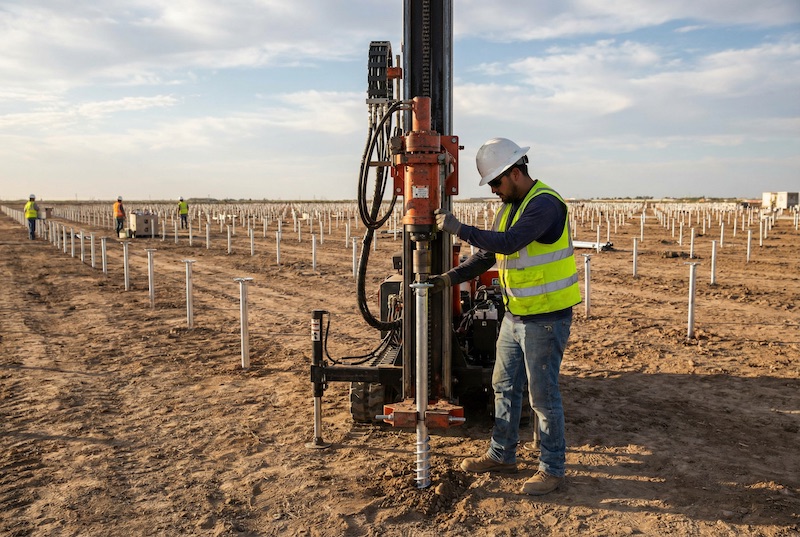
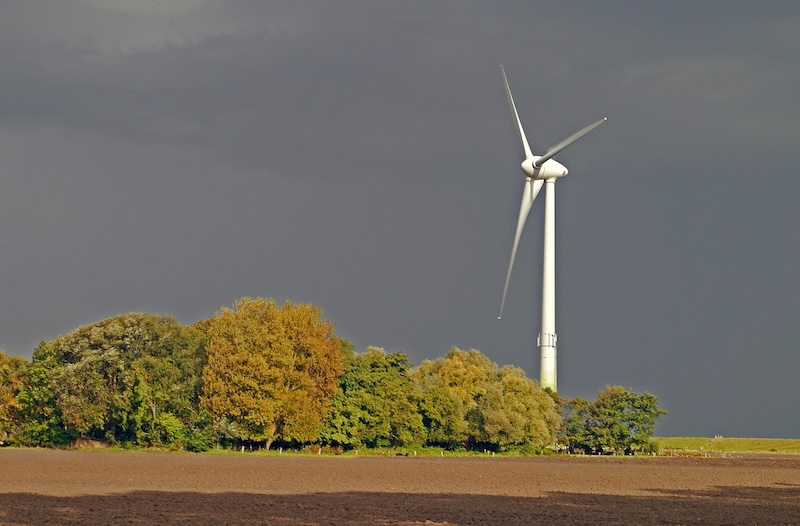
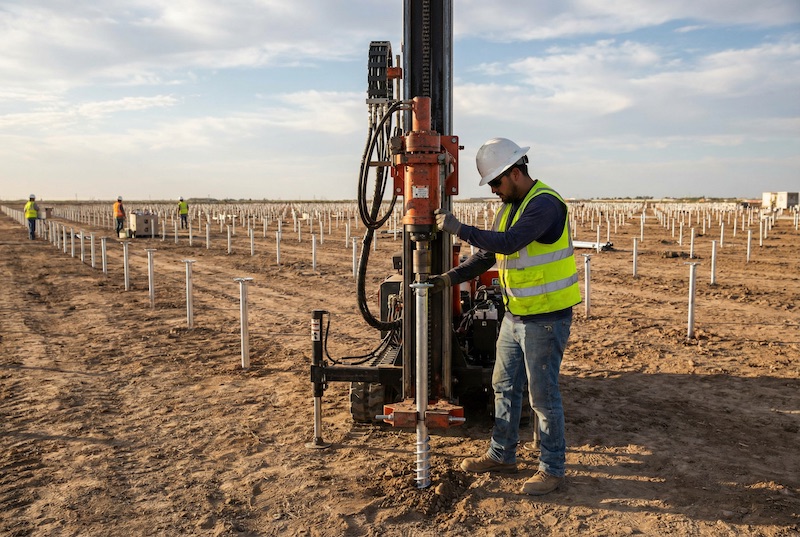
The solar industry has spent the last decade relentlessly driving down cost. Module prices fell. Installation efficiencies improved. Supply chains have globalized. In many ways, the playbook worked. But as development pushes into more challenging terrain: rocky soils, variable geotechnical conditions, and remote locations, that same cost-first mindset is beginning to show its limits. Developers now routinely confront conditions earl....
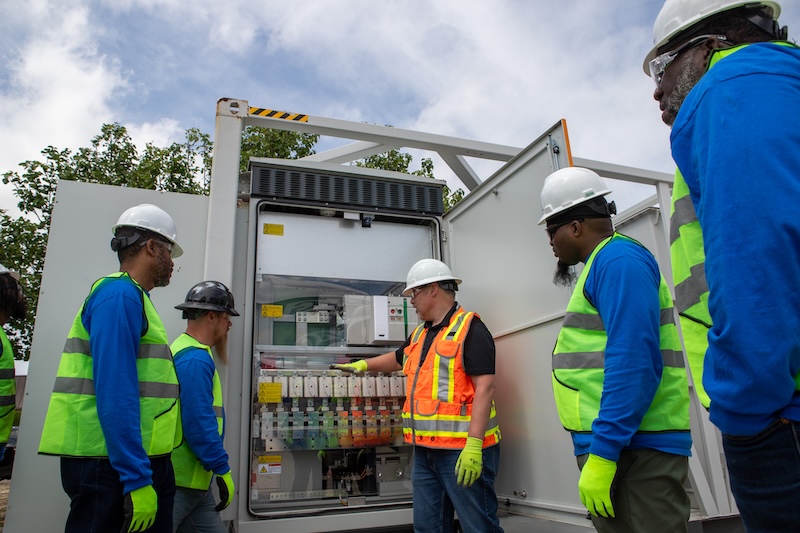
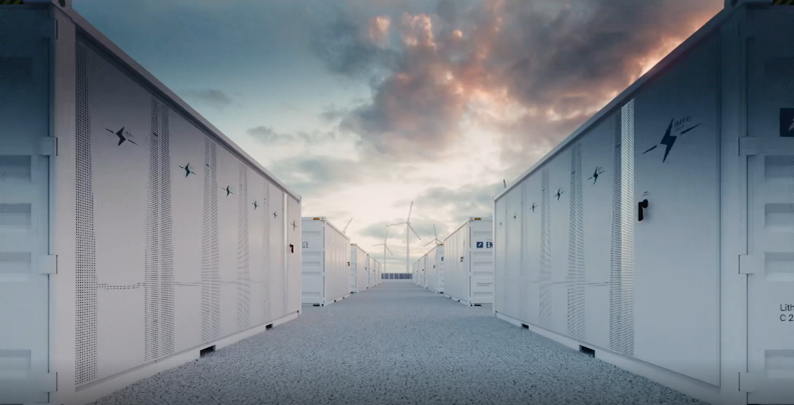
As the clean energy industry continues its rapid expansion, utility-scale solar and battery energy storage systems (BESS) are being deployed in increasingly challenging environments. From extreme desert heat in the Southwest to hurricane-prone regions along the Gulf Coast, today’s projects are operating in conditions that test both infrastructure and human performance. Extreme weather is no longer an exception — it is the operating environmen....
Energy Storage
Schaltbau North America
Wind
Jeremy Sheldon
Wind
Bora Tokyay
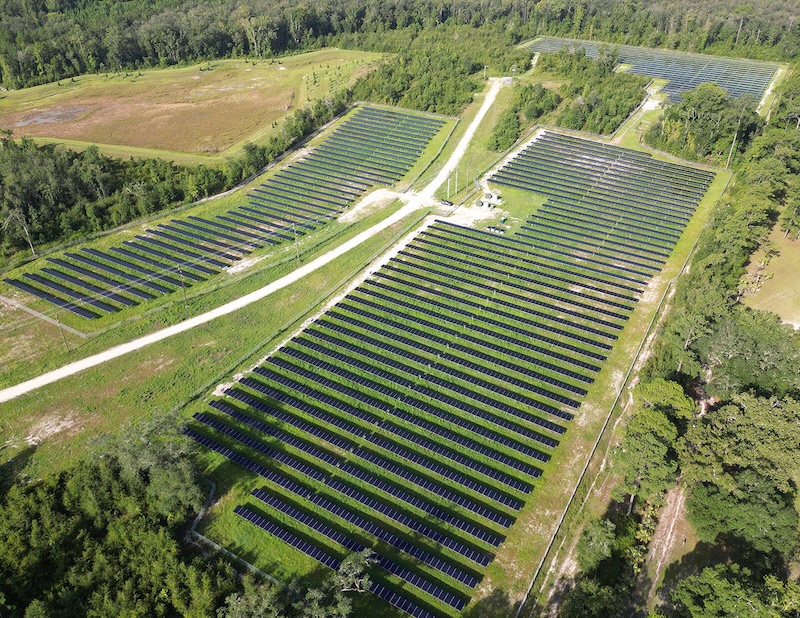
BHI, the U.S Branch of Bank Hapoalim, B.M. and a full-service commercial bank, announced that BHI has provided Origis Energy with $75 million in financing to support a diversified portfolio of renewable energy projects. BHI acted as a Co Lead Arranger to a $900 million syndicated corporate facility which Origis is tapping to support its next phase of growth.
Founded in 2008 and headquartered in Miami, Florida, Origis Energy, is a leading developer and Independent Power Producer deploying a wide range of sustainable solutions for grid power generation, performance optimization, and long-term operation of solar and energy storage plants across the United States.
Through diversified development across CAISO, ERCOT, MISO and the Southeast, Origis has amassed a total portfolio size of 22GW across a mixture of solar, BESS and hybrid projects. With 2.9GW operating or in-construction and a pipeline of 19GW across 110 projects (6.9GW of which is in the advanced stages of development) Origis maintains a highly curated pipeline focused on projects with the strongest path to commercialization and COD.
“At BHI, the renewable energy sector continues to shine as a core priority within our investment strategy,” said Assaf Nathan, First Vice President, International C&I and Project Finance at BHI. “The sector itself is a fundamental component of how economies will grow and compete in the years ahead and we see significant long-term opportunity through deploying capital to meaningfully support the innovation and scale of the sector’s ongoing development.”
“The opportunity to build a more resilient and sustainable energy future has never been greater,” said Deborah Kross, Head of Capital Markets at Origis Energy. “Renewable energy is playing an increasingly important role in how communities, businesses, and economies power their growth. We’re thankful for the backing from BHI and all our financial partners which will enable us to continue developing solutions that deliver long-term value while helping shape a cleaner, more reliable energy landscape.”
BHI | www.bhiusa.com
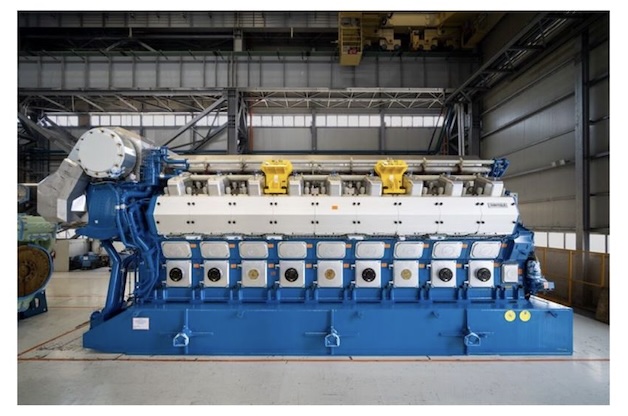
Technology group Wärtsilä has secured a contract for 452 MW of power generation equipment and a long-term Operation and Maintenance (O&M) agreement with the Pecos Power Plant, owned by Mercuria Americas and Continental Resources. This milestone project, located in Pecos, Texas, USA, is designed to deliver flexible generation to maintain grid reliability in a power system with rapidly growing renewable penetration. Wärtsilä booked an initial order for 226MW in Q1 2025, increased the order by 226MW in Q3 2025, and the O&M agreement was signed in Q4 2025.
The Pecos Power Plant, developed by Peak Reliability (a Mercuria Company) in partnership with Wärtsilä, combines proven development expertise with advanced power generation technology to deliver reliable and efficient energy to West Texas. The facility consists of 24 Wärtsilä 1850SG reciprocating engines that help meet the region’s growing electricity demand. Overall, the project highlights Wärtsilä’s capability in delivering comprehensive power plant solutions and underscores the company’s growing role as a lifecycle partner for large-scale independent power producers.
“The flexibility of Wärtsilä’s technology will allow us to maximize our operational efficiency in an increasingly volatile power market. This further allows us to reliably serve our customers when they need power most. The region is experiencing record-breaking demand for electricity, and this project will play an important role in meeting this demand,” says Martin Parizek, Managing Director of Peak Reliability.
The development effort led by the Peak Reliability team in strong collaboration with the Project Development team of Wärtsilä played a pivotal role in enabling the project to deliver power to the grid quickly. This natural gas plant will bring critical dispatchable energy generation to an area of ERCOT (Electric Reliability Council of Texas) that is situated in one of the world's largest pools of renewable energy. In addition to enhancing the reliability of the ERCOT grid, the power plant will also support west Texas industries and businesses through low cost, efficient, reliable power.
"Wärtsilä understands the pressing need to meet growing power demand with solutions that support energy supply, reliability and sustainability. By supporting delivery of end-to-end power supply projects from concept to execution, Wärtsilä is driving customer efficiency by reducing risks and time to market. Furthermore, our world-class expertise in operating and maintaining plants allows customers to focus on their core business, while we ensure optimal performance,” comments Risto Paldanius, Vice President, Americas at Wärtsilä Energy.
The Operation and Maintenance agreement covers the full buildout of the project, forming a significant O&M power plant project for Wärtsilä Energy. With this agreement, Wärtsilä will be responsible for ensuring the long-term performance, availability and reliability of the plant, supporting secure power supply in the ERCOT system.
The plant is expected to commence commercial operations in 2027.
Wärtsilä | www.wartsila.com
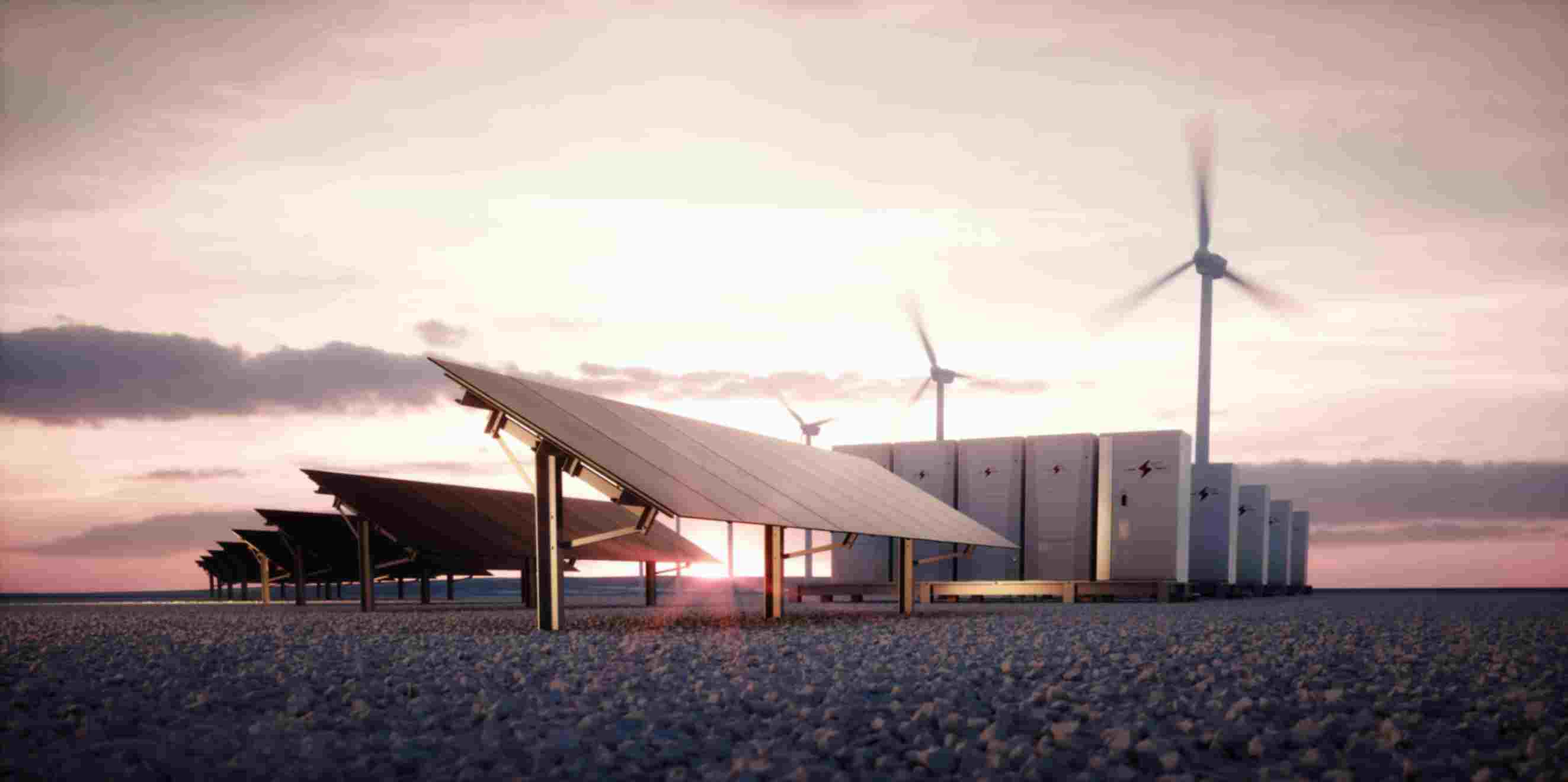
Vote Solar, a leading nonprofit organization advancing bold, state-based policy and regulatory solutions to make solar power more accessible, affordable, and reliable, is advocating for comprehensive data center accountability policies nationwide. These policies would ensure that energy demand from data centers is matched with new clean supply, such as solar paired with storage, keeping electricity affordable and reliable for all.
“New industries shouldn’t drive up costs for working families,” said Sachu Constantine, Vote Solar’s Executive Director. “With policies that hold data centers accountable, we can tie new energy demand to new clean supply— especially fast, scalable resources like solar that can be deployed more quickly and affordably than many traditional power sources.”
Requiring large energy users to invest in new solar and other clean resources helps meet rising demand without triggering costly infrastructure upgrades that drive up rates. Fair rules ensure that growth doesn’t come at the expense of families and communities.
“Community power – rooftop solar, batteries, and smart devices working together across homes and businesses – is the fastest, most cost-effective way to meet surging energy demand from data centers while strengthening grid flexibility and resilience,” said Constantine. “With smart planning now, we can avoid unnecessary grid stress and expensive infrastructure buildout that drives future rate hikes, instead tapping the energy resources already in our communities to deliver reliable power and lower costs for everyone.”
Vote Solar is actively working on data center accountability policies across 9 states: California, New Jersey, North Carolina, South Carolina, Pennsylvania, Nevada, Illinois, Michigan, and Minnesota. For the latest updates on our work, follow our website: votesolar.org
Vote Solar is actively working in state legislatures, where decision makers are working to pass laws that require data centers to bring or pay for their own clean energy—so everyday customers aren’t stuck with the bill:
New Jersey: lawmakers are advancing proposals to make data centers pay the full costs of their energy demand, and to require data centers to bring their own new clean energy.
Illinois & Minnesota: Both states are pushing similar legislation that would require large energy users to fund clean energy, cover grid upgrade costs, and operate more flexibly to reduce strain on the system.
In other states, utilities and regulators are already implementing or negotiating these kinds of protections:
California: Vote Solar is actively participating in the CPUC’s landmark advanced electric rate design rulemaking, which will shape how electricity costs are allocated among residential customers, businesses, and emerging large energy users for years to come. A key priority will be establishing strong data center guardrails to ensure large new electricity loads pay their fair share, bring new clean energy resources to the grid, and do not shift costs onto California households.
Pennsylvania: A new settlement with PPL, a utility with one of the highest levels of data center growth forecasted in the country, would require data centers to commit to long-term contracts, pay upfront for grid upgrades, and contribute funding to low-income energy programs.
Michigan: A major agreement with Google set a strong precedent, requiring the company to fully pay for new clean energy and battery storage to power its data center, instead of shifting costs to customers. The contract signals a commitment to clean energy, but its confidential structure underscores the need for regulatory oversight. Vote Solar is actively working on a regulatory case to ensure real renewable energy investments and community power networks are meaningfully incorporated to deliver benefits to local communities.
Nevada: The ongoing NV Energy Integrated Resource Plan (IRP) will allow us an opportunity to push for more local clean energy solutions to displace data center driven energy demand.
North Carolina: A settlement with Duke Energy led to a “Clean Transition Tariff” that will protect residential customers from the increased energy demands from data centers by requiring them to bring their own power. Separately, the NCUC recently ordered more reporting and transparency on large energy users, laying the groundwork for a future large load tariff.
South Carolina: A 2025 settlement set the stage for a formal investigation into large-load tariffs beginning in 2026, creating an opportunity to establish clearer rules so that major energy users like data centers contribute fairly to grid costs and help protect affordability for residents.
Vote Solar | https://votesolar.org/
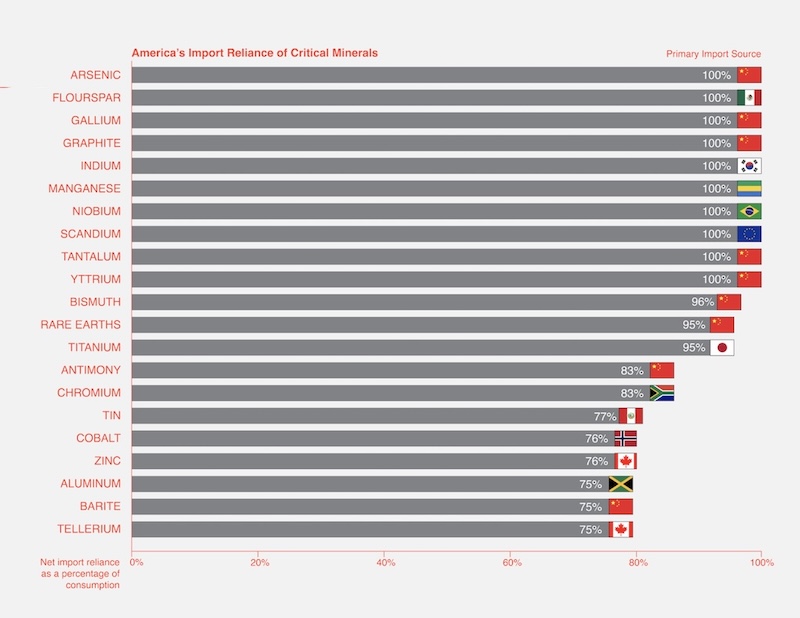
ElementUSA, in partnership with Colorado School of Mines, announced a $67 million award from the U.S. Department of Energy(DOE) to advance the design, construction, commissioning and operation of a rare earth element (REE) processing facility in St. John the Baptist Parish, Louisiana. The award builds on ElementUSA’s ongoing $29.9 million project with the Department of War (DOW) focused on gallium and scandium recovery and commercialization. Together, these programs materially advance ElementUSA’s plan to onshore critical mineral supply chains by scaling a proven, proprietary process that converts bauxite residue, the byproduct of alumina refining, into pig iron and a diversified suite of critical minerals and REEs.
“We are honored to receive the Department of Energy's support and to partner with Colorado School of Mines on this important initiative," said Ellis Sullivan, Chief Executive Officer of ElementUSA. "This project represents a significant step toward establishing a new domestic source of critical minerals and rare earth elements essential to advanced manufacturing, semiconductors, energy systems and national security. Beyond gallium and scandium, this program advances the recovery of a uniquely valuable mixed rare earth oxide basket with strong heavy rare earth and yttrium content. By combining Colorado School of Mines' world-class expertise with ElementUSA's commercial development platform, we are advancing a practical pathway to recover strategic materials from bauxite residue at commercial scale while strengthening America's critical mineral supply chains and transforming an underutilized industrial waste stream into a nationally strategic resource.”
Technical credibility, scale and commercial pathway
ElementUSA & Colorado School of Mines collaboration
ElementUSA’s Critical Resource Accelerator (CRA) in Cedar Park, Texas, is the company’s integrated lab to pilot hub for process validation, product qualification and scale up. The CRA collaborates closely with Colorado School of Mines on technical validation, mineral characterization, development and scale up studies. Led by Elizabeth Holley, the Colorado School of Mines Waste to Value Center brings together an interdisciplinary team to advance recovery of critical minerals from mine waste – from site selection through implementation. ElementUSA applauds Holley’s pioneering leadership and CSM’s scientific contributions to accelerating domestic critical minerals capabilities.
Strategic impact and commercialization
The DOE and DOW awards strengthen ElementUSA’s ability to finalize long term offtake agreements, attract additional financing, and accelerate facility buildout and commissioning of operations in Louisiana. ElementUSA is engaged with defense primes, semiconductor and advanced materials companies, and specialty off-takers on product qualification and contractual pathways that will enable phased commercial deliveries as the facility scales.
ElementUSA | www.elementusaminerals.com
Colorado School of Mines | https://www.mines.edu/
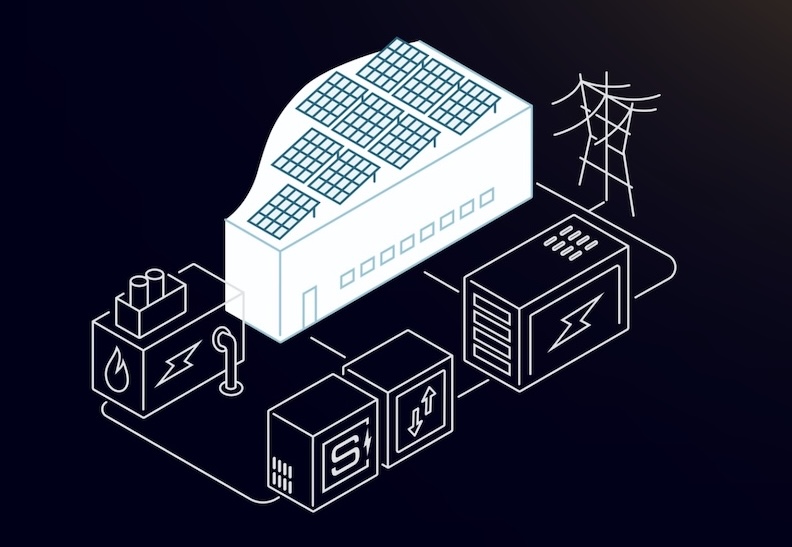
Scale, a leader in advanced on-site energy solutions, has been awarded a $4.2 million grant from the California Energy Commission for the Santa Barbara City College (SBCC) Community Resilience Hub Project. The grant, awarded through the Community Energy Reliability and Resilience Investment (CERRI) program, will help support a campus microgrid that integrates solar, battery storage, and EV charging.
Santa Barbara County’s grid is particularly vulnerable to grid outages, with more than twice the average outage duration and frequency of the rest of Southern California Edison’s system. The region ranks in the 99.4th percentile for natural disaster risk according to the Federal Emergency Management Agency (FEMA), and the local grid relies on a single power line crossing 40 miles of terrain prone to wildfires, earthquakes, and landslides.
To address these challenges, the CERRI Program will help Scale implement the SBCC Community Resilience Hub project by funding non-solar generation components of the system, including battery and microgrid components. The microgrid will establish the campus as a designated Community Resilience Hub by providing backup power during outages, which will ensure critical services including EV chargers remain operational during emergencies and enable SBCC to support the surrounding community.
“We’re proud to have the support of the Energy Commission on this important project,” said Shea Hughes, Scale’s VP of Business Development. “Santa Barbara faces unique grid reliability challenges and vulnerabilities that make local resilience solutions such as solar, battery storage, and microgrids a critical need for communities in the area.”
Thanks to the reliable, resilient energy provided by the microgrid, the campus will be able to serve as a safe gathering place where residents can receive supplies, charge electronics, and access medical treatment. SBCC already has an existing disaster relief agreement with the American Red Cross, and this project will further strengthen its role as a lifeline for the community during emergencies.
Beyond its role during grid outages, the microgrid will also benefit SBCC during regular “blue sky” operations. By integrating battery storage with solar generation, the microgrid will reduce peak demand by storing solar energy during the day and discharging it during high-demand periods, reducing electricity costs. The system will also reduce strain on the broader grid and position SBCC as a leader in energy innovation and resilience.
The project is partnering with the Community Environmental Council in Santa Barbara, which will support local engagement activities. The local workforce will also benefit from the project through the creation of union-supported jobs and internships.
As of May 2026, the project is in the planning and design stage.
Scale | scalemicrogrids.com
California Energy Commission | https://www.energy.ca.gov/

The state of Arizona has become one of the nation's most concentrated buildout zones for utility-scale solar, battery energy storage systems (BESS) and hyperscale data centers — and the fire and safety demands that come with those facilities are unlike anything conventional fire departments are equipped to handle. Rural Metro Fire Central Arizona is positioning itself as the specialized fire and emergency medical services partner those facilities require, and is the preferred fire and EMS partner for Hyperscale Power Infrastructure developers in Pinal County and across the region. This continues strong momentum Rural Metro is building with hyperscalers across California, Idaho and Arizona.

The scale of the buildout is significant. Arizona now ranks third in the nation in utility-scale energy storage capacity, with 19.3 gigawatt-hours of BESS installed as of 2025. Nationally, BESS installations surpassed 57 gigawatt-hours in 2025 — a 29 percent year-over-year increase — with Arizona among just three states accounting for nearly three-quarters of that capacity, according to the Solar Energy Industries Association's Energy Storage Market Outlook Q2 2026.
Operating across Maricopa and Pinal counties since 1948, Rural Metro Fire is uniquely suited to support the industrial corridors where this new energy and digital infrastructure is rising — areas often outside traditional tax-funded fire districts.
"Solar farms, BESS facilities and data centers need highly competent, nimble and specialized fire protection services, and that's why they are all turning to Rural Metro in Pinal County. The hazard profile at these sites — lithium-ion thermal runaway, high-voltage electrical systems and sheer physical scale — demands responders who have trained specifically for these environments. The complexity of these sites requires partners who collaborate with developers, builders, hyperscalers and operators all the way along the development path. That's the conversation we're already in across Arizona."
— Tim Soule, Chief of Rural Metro Fire Central Arizona
Rural Metro's ability to scale rapidly into complex new service environments was demonstrated in December 2025 in Arizona, when the San Tan Valley Town Council unanimously approved an exclusive fire services agreement covering the newly incorporated municipality's roughly 100,000 residents. The same flexible, full-service model is what Rural Metro Fire offers industrial campuses, energy facilities and master-planned developments.
Building on that momentum, Rural Metro Fire is now expanding into Southern Pinal County in partnership with several Hyperscale Power Infrastructure companies, and expects to announce later this year new fire department infrastructure — stations, apparatus and specialized response capability — purpose-built to serve hyperscale campuses and the residential communities nearby. Developers and operators evaluating sites in the Pinal County corridor can engage Rural Metro at the pre-development stage to build fire and EMS coverage into their project timelines from day one.
Services include fire suppression, paramedic EMS, vehicle and technical rescue, commercial fire inspections, plan reviews and pre-incident planning for complex industrial sites.
Energy infrastructure developers, hyperscalers and industrial operators with projects in Pinal County or anywhere in Arizona are encouraged to contact Rural Metro Fire directly at ruralmetrofire.com/arizona-industrial or 480.931.3089 to begin pre-development conversations.
Rural Metro Fire Central Arizona | ruralmetrofire.com
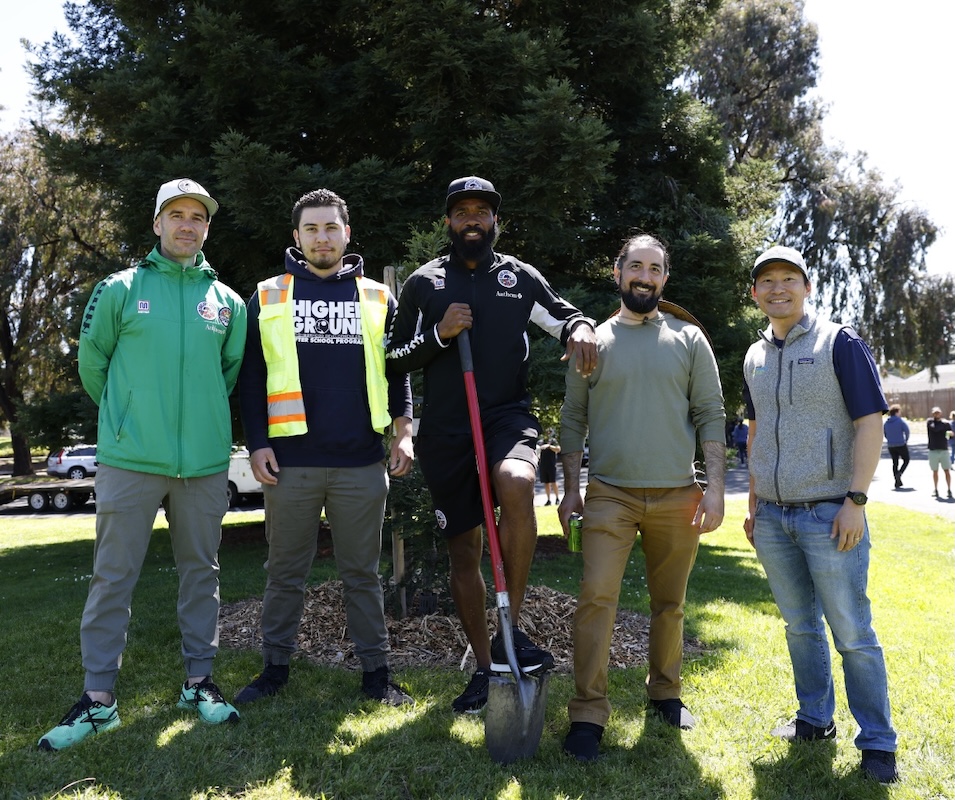
Who: Ava Community Energy (Howard Chang, CEO) and Prologis executives will be joined by State Senator Jesse Arrequin, Oakland City representatives Councilmember Rowena Brown and Chief Resilience Officer Daniel Hamilton and others.
What: Ava Community Energy and Prologis will launch the first of five partnership sites where Prologis is housing rooftop solar power generation. This partnership will benefit the community and make solar power available to disadvantaged communities and homes that would never have had the opportunity for solar installation. This will also provide 20% discounts on energy costs for low-income residents participating in Ava’s Solar Discount Program.
When: Friday, June 5, 2026
12:00 p.m. - 2:00 p.m.
Speaking program begins at 1:00 p.m.
Where: Prologis Warehouse: Oakland 1
500 85th Avenue, Oakland, CA
Why: This is part of the state’s DAC-GT program, where disadvantaged communities can benefit from solar power generation that they would never have the ability to place on their own homes.
Ava began offering their Solar Discount Program in 2021 and since that time their customers enrolled in this program have saved more than $3 millions combined.
Ava is committed to finding ways to have more of its clean energy generated locally, for use by local customers.
This is just one of the many initiatives that Ava Community Energy has launched to make the transition to carbon-free energy easier and more accessible for all. We would welcome the opportunity to talk to you about this project and the many others.
Ava Community Energy | https://avaenergy.org/

Wind May 15, 2026
As wind development pushes into more remote and environmentally sensitive terrain, site access is no longer a secondary concern. It is a primary project risk. Unstable soils, seasonal flooding, protected wetlands, and water crossings can derail permi....

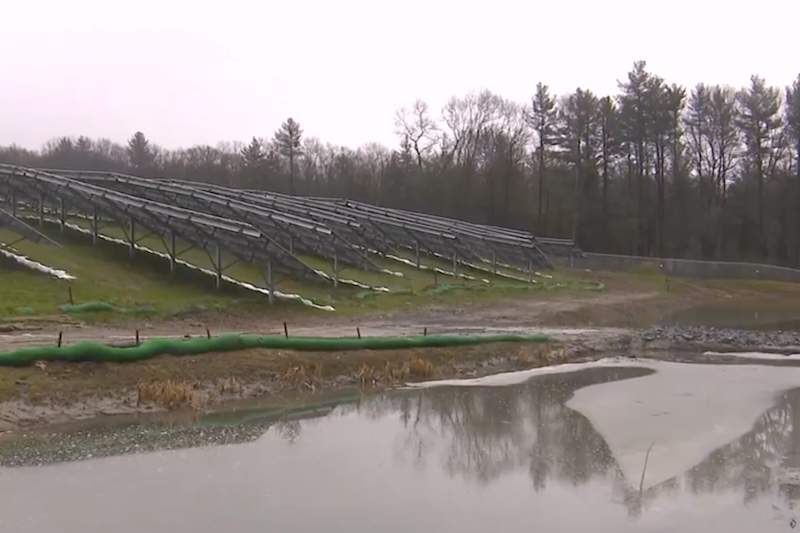
A decade ago, most utility-scale solar projects were built on flat, well-drained land. Today, those sites are largely gone. What remains are parcels that sit lower, drain poorly, or come with a history of standing water. At the same time, storms a....

The season for hail storms is getting longer, producing storms with large hail more frequently during an expanded season. Case in point: On March 10, 2026, softball-sized hail fell in northern Illinois. While that might not have been news had it occu....
The solar industry has spent the last decade relentlessly driving down cost. Module prices fell. Installation efficiencies improved. Supply chains have globalized. In many ways, the playbook worked. But as development pushes into more c....

.gif?r=7710)
As wind development pushes into more rem....
They equip existing wind turbines with n....
Half of North America's installed wind f....

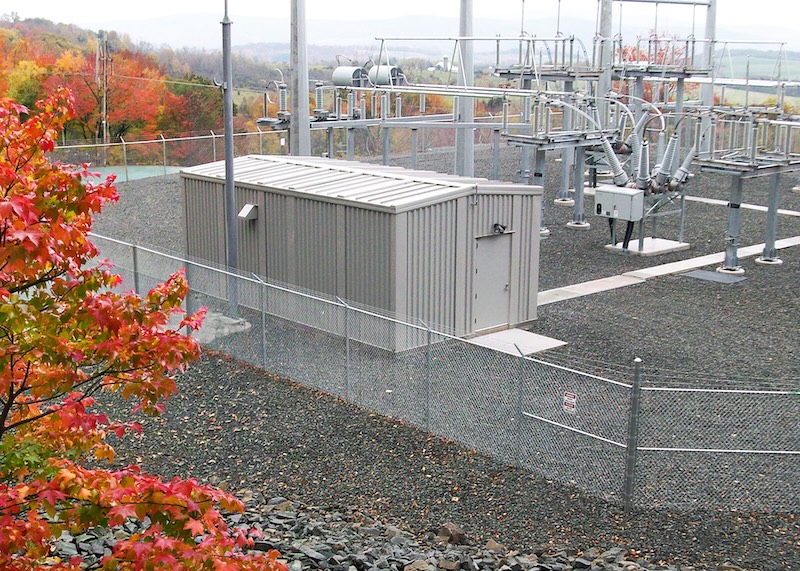
Extreme weather events such as hurricanes, tornadoes, earthquakes and blizzards have increased over the past several years. Alongside this trend, the need to protect critical onsite energy storage equipment has grown in order to maintain grid reliabi....

From hurricanes to ice storms and derechos, severe weather is hitting harder and more often. Energy infrastructure is under unprecedented strain, and the traditional methods of grid hardening are no longer enough. For decades, utilities have....
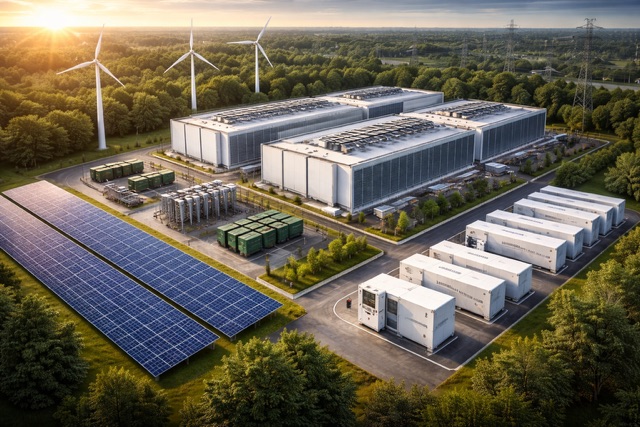
Americans are watching their electricity bills climb, and many are pointing the finger at the massive data centers sprouting up across the country. It's an understandable reaction. The U.S. Department of Energy U.S. says that data center energy ....

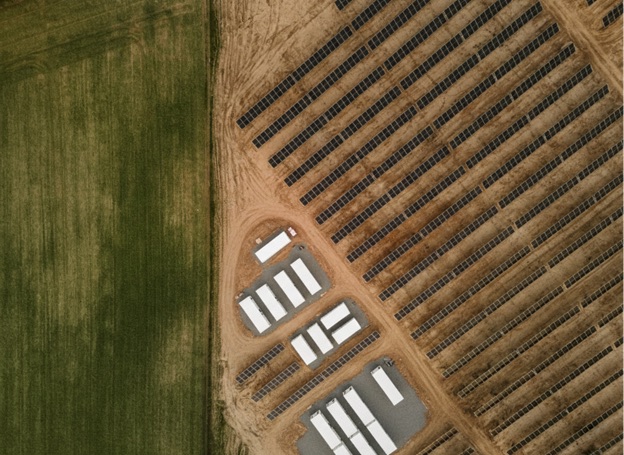
The bond between solar energy and storage is undergoing a profound transformation. What started as a supplemental technology to reduce renewable energy intermittency is now becoming a defining prerequisite to how solar projects are financed, built, a....
When a complex, entrenched system faces immense strain, it can either generate the capacity for transformational change or distort in unproductive ways. The North American power grid is experiencing exactly this tension. After years of relative stasi....

Digital substations are a key component in the ongoing digital transformation of electric power systems. While this modernization brings unprecedented efficiency and visibility improvements, it also opens the door for potential cybersecurity issues. ....