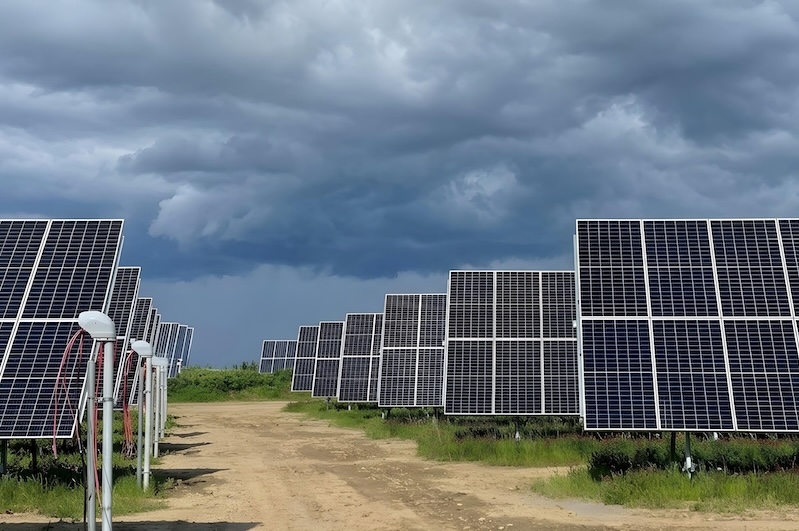




While solar tracker software is known for its role in maximizing production, it also plays a key role in mitigating risks. It can increase energy production in challenging situations, minimize damage from weather events, and reduce O&M costs. In the face of escalating climate change threats and heightened solar industry pressures, tracker software is rising to the challenges to keep solar sites productive and protected. Q:&n....
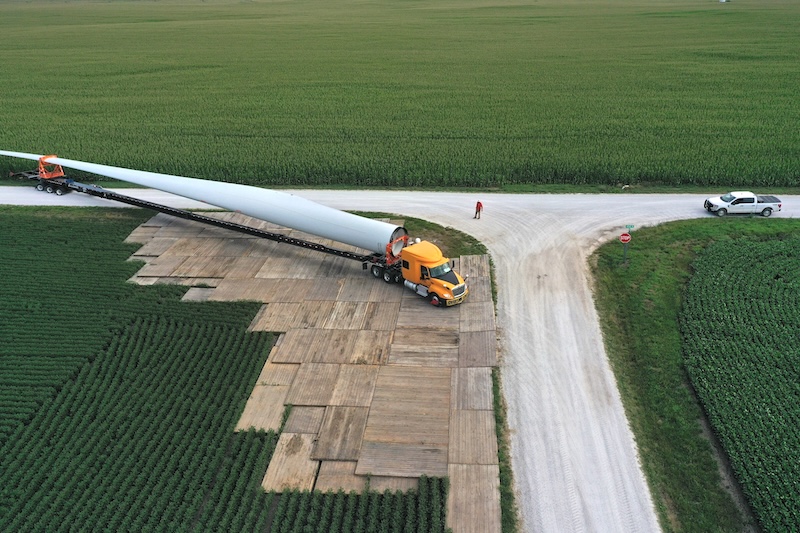
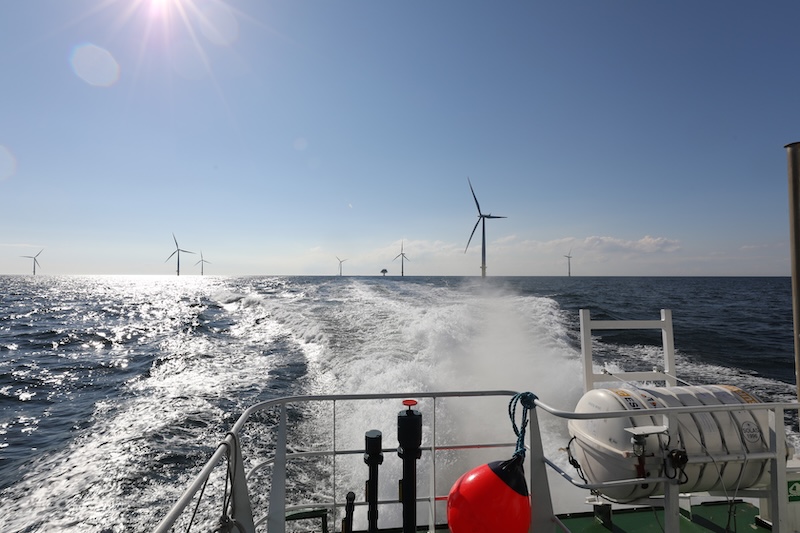
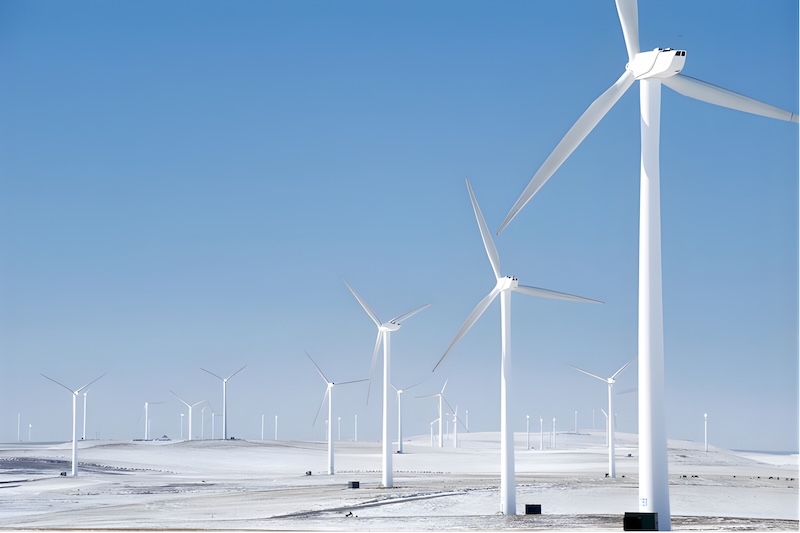
As wind development pushes into more remote and environmentally sensitive terrain, site access is no longer a secondary concern. It is a primary project risk. Unstable soils, seasonal flooding, protected wetlands, and water crossings can derail permitting, trigger regulatory violations, and expose developers to costly remediation. Temporary bridging, when done properly, is a genuine project enabler. Done poorly, it becomes a liability that compou....
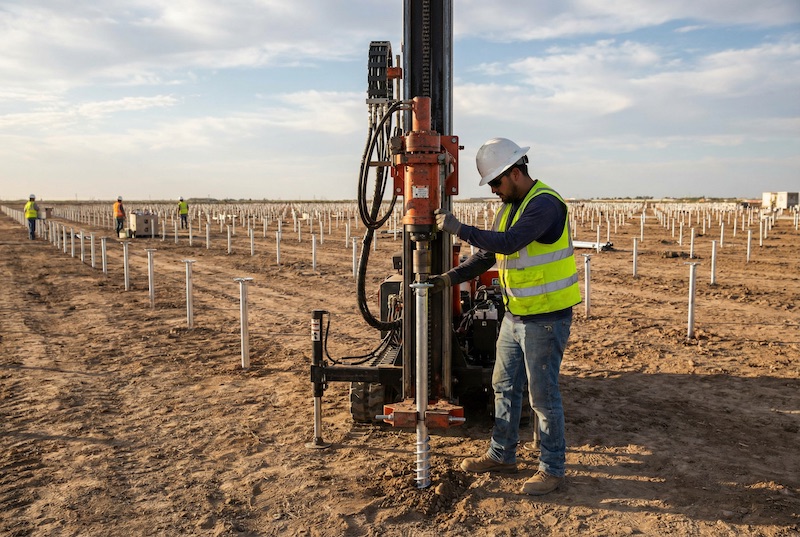
The solar industry has spent the last decade relentlessly driving down cost. Module prices fell. Installation efficiencies improved. Supply chains have globalized. In many ways, the playbook worked. But as development pushes into more challenging terrain: rocky soils, variable geotechnical conditions, and remote locations, that same cost-first mindset is beginning to show its limits. Developers now routinely confront conditions earl....
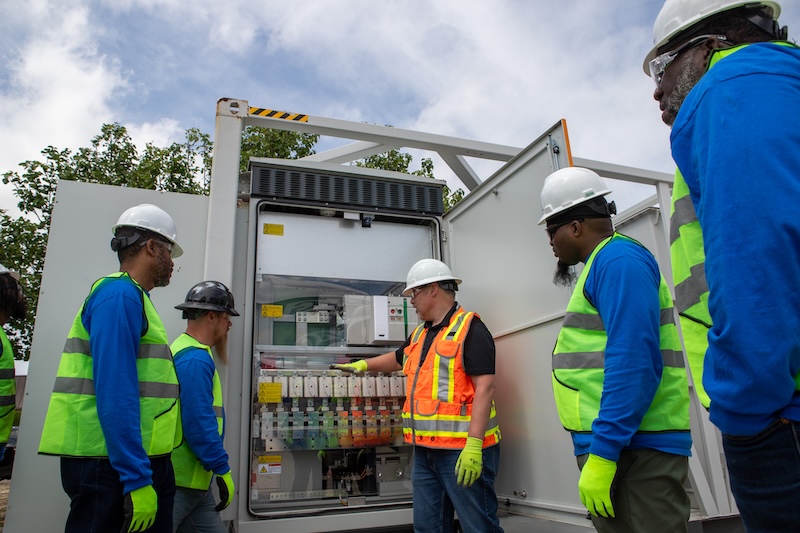
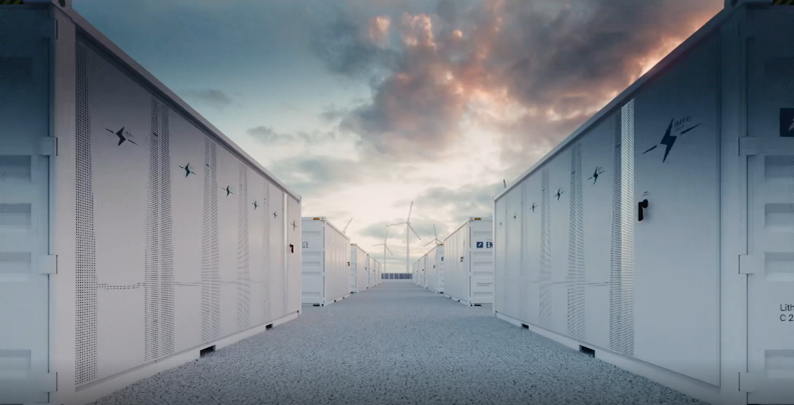
As the clean energy industry continues its rapid expansion, utility-scale solar and battery energy storage systems (BESS) are being deployed in increasingly challenging environments. From extreme desert heat in the Southwest to hurricane-prone regions along the Gulf Coast, today’s projects are operating in conditions that test both infrastructure and human performance. Extreme weather is no longer an exception — it is the operating environmen....
Energy Storage
Schaltbau North America
Wind
Jeremy Sheldon
Wind
Bora Tokyay
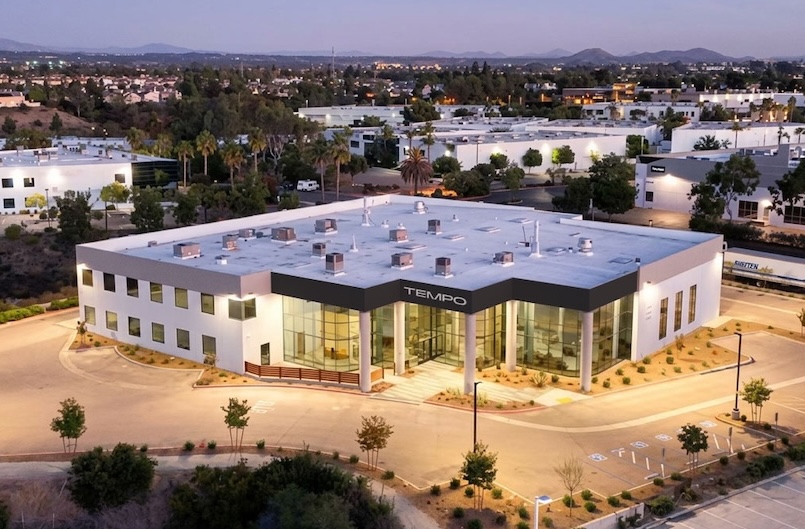
Tempo, a leader in thermochemical energy storage (TCES) systems for industrial electrification, announced its new corporate headquarters in San Diego, marking a critical step in the company’s transition to commercial scale. Located in San Diego’s Sorrento Mesa innovation corridor, the 35,000-square-foot facility is designed to support materials development, engineering, prototype assembly, and system testing. While this facility serves as the company's central "innovation engine," Tempo is finalizing global gigawatt-scale production capabilities with tier-1 contract manufacturing partners to be announced later this year, ensuring a seamless transition to high-volume delivery.
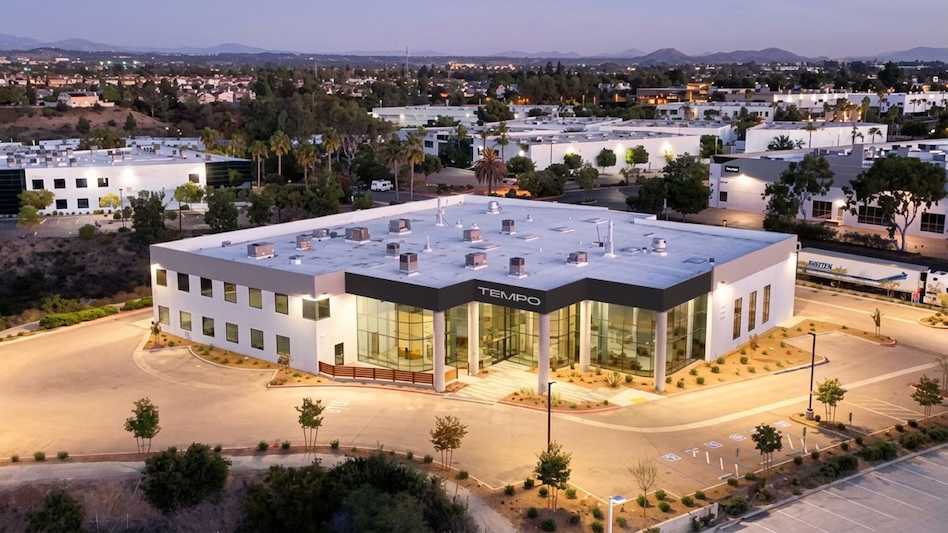
The new facility features significant electrical infrastructure to support full-scale product testing, dedicated machine shop facilities for rapid prototyping, and environmentally controlled R&D areas to accelerate the deployment of containerized thermal batteries.
"Our new headquarters is built with the infrastructure required for scale," said Pasquale Romano, CEO of Tempo. "Industrial electrification is moving to broad deployments, and success depends on factory-built, repeatable products. By delivering high-grade heat at a Levelized Cost of Storage (LCOS) lower than Lithium Iron Phosphate (LFP) systems, we are making the transition from natural gas to electrified heat an economic 'no-brainer' for heavy industry. This facility strengthens our capabilities while positioning us within one of the country’s deepest pools of technical talent."
Electrifying Industrial Heat
Tempo develops TCES systems that enable industrial operators to electrify high-temperature processes traditionally powered by fossil fuels. By storing electricity as thermochemical energy and delivering it on demand, the platform provides a continuous stream of combustion-free, high-temperature air, enabling heavy industries such as cement, chemicals, and metals to replace combustion with electrified heat.
Key capabilities of the Tempo platform include:
Backed by Leading Climate Investors
Tempo is backed by leading climate and energy investors, including Breakthrough Energy Ventures, Khosla Ventures, and Prelude Ventures. The company’s new headquarters reflects its continued momentum as it transitions from technical validation to commercial deployment across industrial sectors.
Tempo | www.tempoenergy.com

RWE and Meta announced a new long-term corporate power purchase agreement (PPA) for the electricity generated by the 298-megawatt (MWac) Rabbit's Foot Solar project in northeast Texas.
The Rabbit's Foot project in Bowie County, Texas, began onsite construction earlier this year. Once operational, the energy generated at Rabbit's Foot will support Meta's goal of matching its operations with 100 percent clean energy. The Rabbit's Foot Solar project is expected to begin commercial operation by the end of 2027.
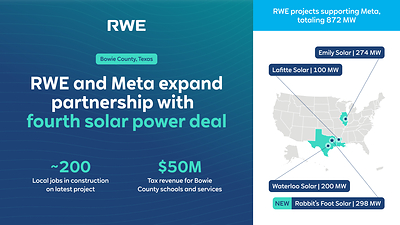
This new corporate PPA with Meta further strengthens the growing partnership between the two companies. RWE and Meta have previously signed PPAs for projects totaling 574 megawatts (MW), including the 274 MW Emily Solar project (formerly County Run Solar) in Illinois, the 100 MW Lafitte Solar project in Louisiana, and the 200 MW Waterloo Solar facility in Texas. With Rabbit's Foot Solar, the two companies now have signed agreements totaling 872 MW over the last two years.
Ingmar Ritzenhofen, Chief Commercial Officer, RWE Americas: "Our partnership with Meta continues to grow as we work together to deliver reliable power that supports their energy commitments. This agreement for the Rabbit's Foot Solar project demonstrates how collaboration can drive meaningful economic growth and community benefits. By investing in Bowie County, we're not only creating approximately 200 local construction jobs, but also generating substantial long-term tax revenue that will help support schools, technical education programs, emergency services, and critical road maintenance and infrastructure improvements across the community."
Amanda Yang, Head of Clean and Renewable Energy, Meta: "Through our continued partnership with RWE, the Rabbit's Foot Solar project will bring new generation to the Texas grid while creating local jobs and delivering lasting economic benefits to Bowie County. We're proud to deepen our collaboration with RWE with our expanded portfolio."
Economic and Community Benefits of Rabbit's Foot Solar Project
The Rabbit's Foot project is expected to create nearly 200 local construction jobs and generate more than $50 million in long-term tax revenues over 40 years for Bowie County, the DeKalb Independent School District, Texarkana College and Emergency District #6.
RWE Americas | americas.rwe.com
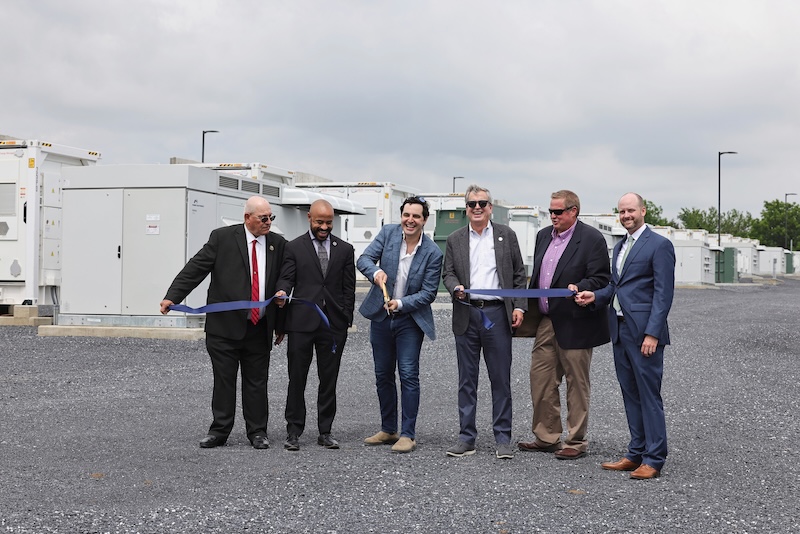
Elevate Infrastructure ("Elevate") and ArcLight Capital Partners ("ArcLight") celebrated the ribbon cutting of Prospect Power Storage ("Prospect Power"), following the successful completion and commencement of operations of the 150 Megawatt (MW) / 600 Megawatt hour (MWh) battery energy storage facility in Rockingham County, Virginia. Representatives from Elevate, ArcLight, Dominion Energy, state and local officials, community leaders, and project partners gathered to commemorate the completion of Prospect Power, the largest standalone battery storage asset in Virginia and the PJM Interconnection.
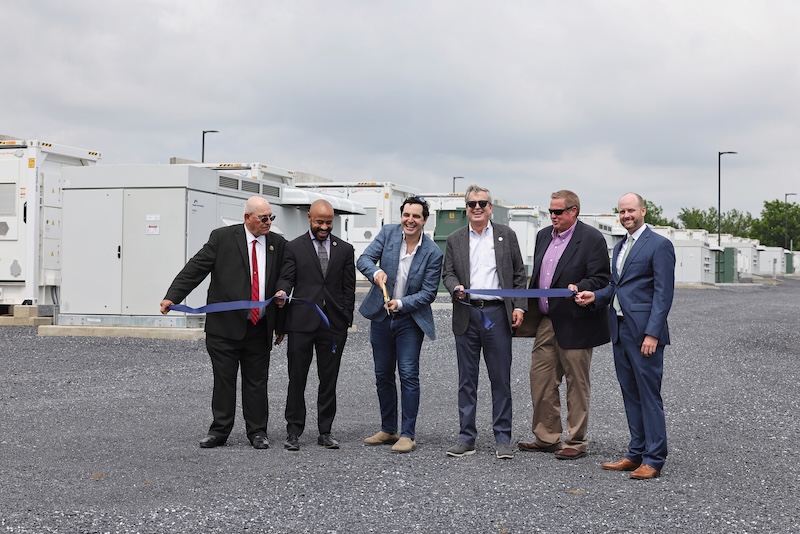
Prospect Power Ribbon Cutting
The facility will play a critical role in supporting grid reliability, enhancing system flexibility, and meeting rapidly growing electricity demand across the Commonwealth.
"Today marks an important milestone for Elevate and for Virginia's energy future," said Joshua Rogol, Chief Executive Officer of Elevate. "Prospect Power demonstrates how Elevate executes utility-scale battery storage at scale to strengthen grid reliability, support economic growth, and help meet the increasing energy needs driven by data centers, artificial intelligence, and electrification. We are proud to bring this critical project into operation and grateful to our investors, partners, local stakeholders, and the Rockingham County community for helping make this project a reality."
Prospect Power reflects Elevate's broader strategy to invest in and operate critical energy infrastructure in markets experiencing rapid growth in electricity demand. Backed by ArcLight, Elevate is building a portfolio of utility-scale battery storage assets designed to strengthen grid reliability and support long-term economic growth.
"ArcLight has been investing and helping to build critical electric infrastructure for more than two decades, and Prospect Power represents the type of infrastructure the market needs to help support this next phase of growth," said Angelo Acconcia, Managing Partner of ArcLight Capital Partners. "As power needs accelerate, driven by AI infrastructure, reshoring, and electrification, we believe battery storage will play an increasingly important role in providing both grid capacity and reliability and Elevate is at the forefront of this."
Prospect Power is capable of delivering up to 150 MW of fast-response power and storing 600 MWh of energy, providing flexible capacity that can help balance supply and demand, manage peak loads, and improve overall grid performance. As electricity demand continues to accelerate across Virginia and the broader PJM region, battery storage resources are becoming an increasingly important component of a reliable and resilient electric grid.
"Battery storage is playing a growing role in supporting a reliable, resilient and diverse grid," said Stu Bresler, Chief Operating Officer of PJM. "This project increases battery storage capacity within PJM by more than 50%, marking a significant milestone for energy storage in our region. Resources like this add flexibility to the grid and help support reliability as demand continues to grow."
Prospect Power comes online as Virginia is advancing policies and investments aimed at strengthening the electric grid and supporting long-term economic development, with battery storage playing an increasingly important role in that strategy.
"As Virginia's energy needs continue to grow, projects like Prospect Power help ensure that we can maintain a reliable, affordable, and resilient electric grid for families and businesses across the Commonwealth," said Josephus Allmond, Virginia's Chief Energy Officer. "Utility-scale battery storage is becoming a key part of our energy strategy, helping maximize the value of existing infrastructure while providing the flexibility needed to meet rising demand. Governor Spanberger recently signed legislation to encourage additional battery storage development across Virginia, and Prospect Power demonstrates the kind of forward-looking investment that will help support both economic growth and long-term energy reliability."
Located in Rockingham County and strategically positioned to support one of the nation's fastest-growing electricity markets, Prospect Power is fully contracted under a 15-year power purchase agreement with Dominion Energy Virginia.
"Prospect Power demonstrates the strength of partnership and progress in action," said Cedric Green, Senior Vice President of Power Generation for Dominion Energy Virginia. "This project adds critical flexibility and reliability to the grid, helping ensure we can deliver power when our customers need it most while supporting Virginia's growing energy needs."
Beyond its contributions to grid reliability, Prospect Power is expected to deliver lasting benefits to Rockingham County through revenue-sharing payments and property tax contributions. The facility is also an annual sponsor of the Rockingham County Fair, demonstrating Elevate's commitment to being an active and engaged member of the community.
ArcLight and Elevate acquired Prospect Power in January 2026 as part of Elevate's strategy to develop, acquire and operate utility-scale battery storage assets in high-growth power markets where reliability, flexibility, and speed-to-market are increasingly critical. The completion marks the latest milestone in Elevate's expanding platform. In March, the New Jersey Board of Public Utilities selected Elevate's 150 MW / 600 MWh Garden State Reliability Project as part of the Garden State Energy Storage Program. In April, Elevate closed a $50 million Energy Transition Supplier Finance Facility supporting a solar and battery storage project contracted to power a data center, and the company also submitted 7,600 MWhs of new battery energy storage into the latest PJM queue process.
As electricity demand continues to rise across the United States, driven by data centers, advanced manufacturing, artificial intelligence, and electrification, Elevate and ArcLight are helping ensure reliable power is available where needed most. By delivering flexible, utility-scale energy infrastructure in high-growth markets, Elevate and ArcLight are helping build the infrastructure that powers communities, businesses, and the digital economy.
Elevate | www.elevateinfra.com
ArcLight | www.arclight.com
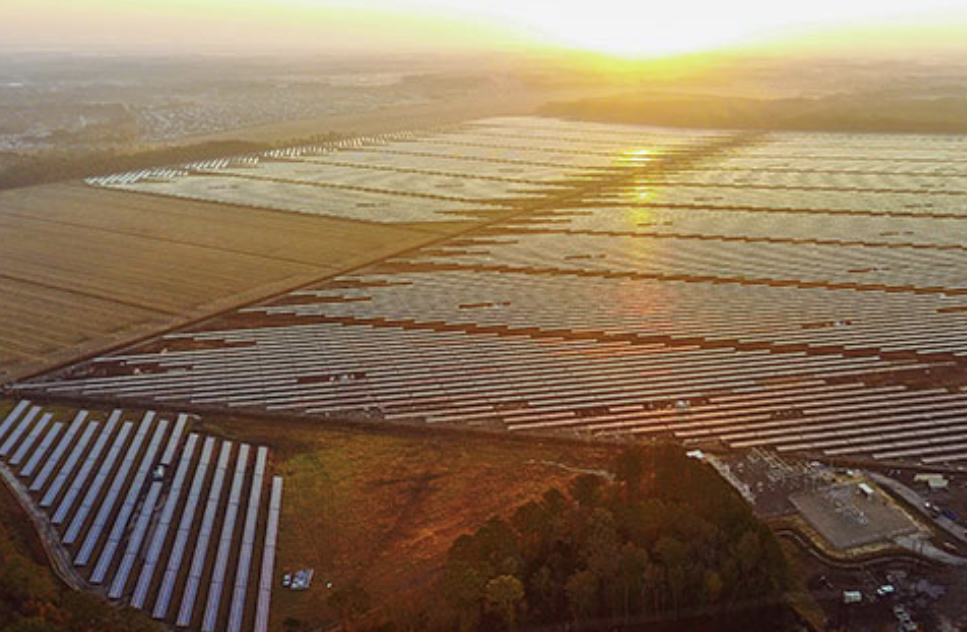
Cypress Creek Energy announced financial close on Phase 1 and Phase 2 of the Steel River Energy Center, marking a major milestone for one of the largest solar and battery storage developments in the United States. The transaction secures $3.5 billion in financing to support construction and long-term operation of the project's first two phases, which will add 1.63 gigawatts (GW) of solar and 1.9 gigawatt-hours (GWh) of battery storage to the regional grid. Upon full buildout, the three-phase project is expected to provide 2.45 GW of solar and 2.9 GWh of battery storage by 2029.
Strong Market Support
The financing process attracted significant interest from the lending community and was highly competitive, reflecting strong demand for large-scale energy infrastructure projects backed by experienced sponsors. Cypress Creek worked closely with a number of its core relationship banks on the transaction, underscoring the strength of those long-standing partnerships and continued confidence in the company's ability to execute projects at scale.
The financing was fully underwritten by initial coordinating lead arrangers Barclays, BNP Paribas, Santander, and Wells Fargo. Concurrent with the construction financing, Cypress Creek closed tax equity financing with a major tax equity investor. Long-term power sales for Phases 1 and 2 has been secured through a virtual power purchase agreement with an investment-grade corporate counterparty. Together, these transactions provide long-term revenue certainty and strengthen the project's financial foundation.
Kevin Smith, Chief Executive Officer, Cypress Creek Energy:
"This financing reflects both the scale of the project and the strong support we're seeing from the capital markets for high-quality energy infrastructure projects backed by experienced sponsors. We value the confidence and partnership of this exceptional group of financial institutions, many of whom we've worked with across prior transactions. Together, we're advancing infrastructure that can help meet Arkansas's and America's rapidly growing electricity demand while delivering long-term economic benefits to local communities."
Financing and Strategic Partners
The transaction brought together a group of leading global financial institutions and strategic partners with deep experience financing large-scale energy infrastructure projects.
Barclays and Santander acted as M&A advisor to support the transaction.
Andrew Platt, Head of Energy Structured Finance & Advisory US, Santander Corporate & Investment Banking:
"We are proud to have led the financing for these landmark projects and to have supported Cypress Creek Energy throughout every stage, from development through construction. We value our strong relationship and congratulate Cypress Creek Energy and its partners on this significant achievement."
Alok Garg, Head of Project & Asset Finance, Wells Fargo Corporate & Investment Banking:
"Wells Fargo is pleased to support Cypress Creek Energy as they pursue their strategy to build large scale energy infrastructure to satisfy growing electricity demand."
The Steel River Energy Center is one of the most significant new solar plus storage energy infrastructure projects in the nation, designed to help meet rapidly growing electricity demand with reliable, cost-effective power while strengthening grid dependability in the region. The project's battery storage systems will allow electricity to be delivered when it's needed most, supporting grid reliability, reducing outage risk, and helping maintain stable electricity prices.
Built on Arkansas steel, the project is prioritizing American-made materials, including 100% U.S.-made structural steel, with nearly all sourced from Mississippi County, Arkansas. By putting Arkansas steel to work at scale, the Steel River Energy Center reinforces the region's position as a growing hub for American steel manufacturing. The project will also utilize 100% domestically manufactured solar panels from First Solar, along with other key components sourced from Arkansas-based companies.
The project is expected to generate nearly $300 million in new tax revenue over its lifetime, directly benefiting local schools while helping fund public safety, roads, and other community priorities. Steel River is also expected to create approximately 700 construction jobs on site, along with additional jobs supporting construction activity through local hotels, restaurants, suppliers, and other businesses across the region.
Cypress Creek Energy | https://cypresscreekenergy.com/
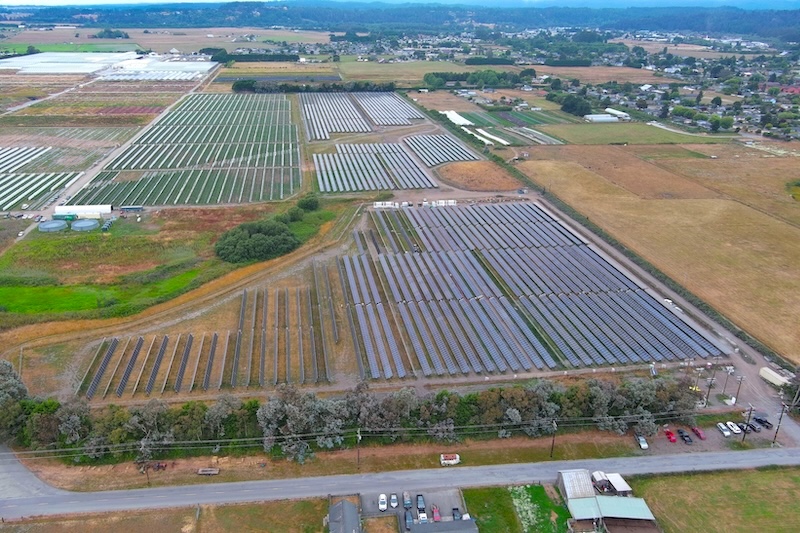
Renewable America, a California-based integrated solar and storage developer and EPC, announced that its project pipeline has reached 33 MWdc of solar and 31 MWh of battery storage across 9 late-stage community-scale projects. All target commercial operation between Q4 2026 and mid-2028. The portfolio is concentrated in communities that have historically had the least access to clean energy.
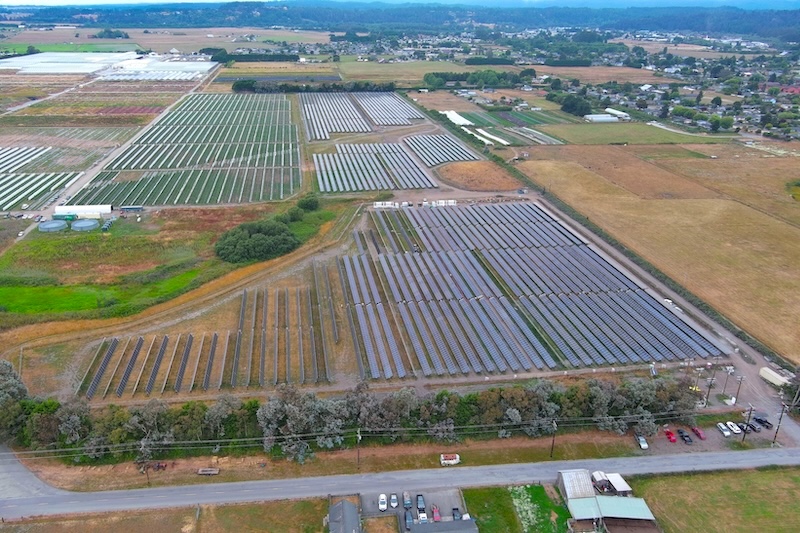
Six of the nine projects are located in designated Energy Communities, which qualify for additional IRS funding based on the areas’ high pollution burden. Three have been awarded Low Income Community Category 4 adders by the U.S. Treasury, meaning these projects will deliver clean power from environmentally disadvantaged communities to low-income households for whom rooftop solar has never been feasible. Power off-takers include major investor-owned utilities and top CCAs with credit rating in California.
All nine projects connect to California's distribution grid rather than the transmission system, the "middle mile" approach that Renewable America has championed since its founding.
"While California is a solar giant, what we still need is clean power that reaches the people who need it most,” says Ardi Arian, Founder and CEO of Renewable America, “This portfolio is built to serve renters, low-income households, and other customers in communities often left out of the energy transition.”
Nearly $1 million in interconnection and development securities have already been posted, interconnection agreements have been executed for the majority of sites, and the company holds strong site control across the entire portfolio.
As a licensed General B and C-10 contractor, Renewable America has built a strong track record across over 40 community-scale and commercial projects throughout California, completing more than 20 MW of solar and 10 MWh of energy storage since founding, including 15.4 MW installed in 2025. The company now has 199 MW of solar and 465 MWh of storage under development and is actively expanding its commercial and industrial focus, delivering customized energy solutions that lower operating costs and reduce carbon footprints.
Renewable America | https://www.renewableamerica.com/
FranklinWH Energy Storage Inc. announced that its FranklinWH System, a residential energy storage solution, is approved for San José Clean Energy's Peak Rewards for Smart Homes, a virtual power plant (VPP) program that pays homeowners to supply stored battery energy to the grid during periods of high electricity demand.
San José Clean Energy customers who enroll a 15 kWh FranklinWH aPower 2 battery receive a $120 upfront enrollment incentive and ongoing payments for every kilowatt-hour discharged during daily peak hours from 5 p.m. to 9 p.m. Total annual earnings may exceed $500 depending on event participation, with customers earning $0.13 per kWh. When the grid needs emergency support, additional compensation applies: $0.50 per kilowatt-hour during winter demand response events and $1.00 per kilowatt-hour during summer events.
Enrolled FranklinWH Systems respond to dispatch events automatically, requiring no action from the homeowner. A user-defined battery reserve ensures power remains available for household needs at all times. Homeowners can opt out of individual events through the FranklinWH App.
"As a company headquartered in San José, we are proud to help our neighbors participate in the city's evolving energy future," said Gary Lam, CEO and co-founder of FranklinWH. "People are looking for practical ways to lower energy costs and improve reliability at home. This program allows homeowners to get more value from their batteries while helping support the grid during periods of high demand."
The Peak Rewards for Smart Homes program is part of San José Clean Energy's effort to expand distributed energy resources and reduce pressure on the grid during periods of high demand. The program is supported by Uplight, which manages demand response coordination for participating devices, and Derapi, which provides the application programming interface (API) infrastructure supporting communications between FranklinWH Systems and grid management software.
"We're excited to help make connected energy assets easier for homeowners to use and easier for utilities to rely on," said Stina Brock, CEO of Derapi. "Seamless API integration is a critical part of turning distributed devices into flexible grid resources, and Derapi is helping create the secure connectivity needed for these programs to scale. By simplifying how devices enroll, share data, and participate, we can help unlock more value for customers, utilities, and the grid."
The San José Clean Energy program adds to FranklinWH's portfolio of more than 25 utility-led VPP and demand response programs across the United States. FranklinWH is headquartered in San José and manufactures its residential energy storage systems at its Santa Clara, California, facility, which is on pace to quadruple production output in 2026.
Enrollment is available to eligible San José Clean Energy customers with qualifying FranklinWH Systems on a first-come, first-served basis.
FranklinWH Energy Storage | franklinwh.com
Derapi | https://derapi.com/
Uplight | https://uplight.com/
Yokogawa Electric Corporation (TOKYO: 6841) announces the release of the latest version of OpreX Collaborative Information Server, a product in the OpreX Control and Safety Systems lineup, with enhancements that strengthen its usability, multi-vendor integration capabilities, and overall system security, thereby increasing its operability as an integrated human machine interface (HMI).
OpreX Collaborative Information Server provides an information infrastructure that collects and centrally manages the vast amounts of data generated by equipment and systems in plants, wherever they may be located around the world, enabling cross-functional visibility across all production activities. By delivering the necessary information at the right time through integrated and remote operation environments, the system supports efficient plant operations and rapid decision-making. The enhanced version will be released on June 12, 2026.
Development Background
Throughout the process industry, many different kinds of machinery and equipment are in use at manufacturing plants and other types of facilities. This is driving the need for an integrated HMI environment that will enable efficient operation and monitoring while providing an overview of the entire production facility.
At the same time, this demand by field operators for the migration to new systems is accompanied by a desire to retain the same screen layouts and operational look and feel of the control systems they are currently using. Although OpreX Collaborative Information Server is now increasingly used as an integrated HMI, additional engineering has sometimes been required to ensure a familiar operational environment and high compatibility with the human interface station (HIS) of Yokogawa’s CENTUM VP integrated production control system, which is part of the same OpreX Control and Safety Systems lineup.
Furthermore, as the use of devices and software from a variety of vendors has expanded in recent years, reducing the application development workload, improving interoperability, and enhancing security have become key challenges in building a common platform.
In response to these needs, Yokogawa has enhanced the functionality of OpreX Collaborative Information Server.
Main Features
1. Realization of integrated HMI with similar operability and high compatibility with conventional HIS
With OpreX Collaborative Information Server’s integrated operation and monitoring interface, it is now possible to directly access specific operation and monitoring windows of CENTUM VP’s HIS. This enables field operators to use OpreX Collaborative Information Server as an integrated HMI environment while maintaining the same functions, screen configurations, and operability as a conventional HIS.
In addition, screens from connected systems can be displayed via a remote desktop, further enhancing the convenience and usability of the integrated HMI environment.
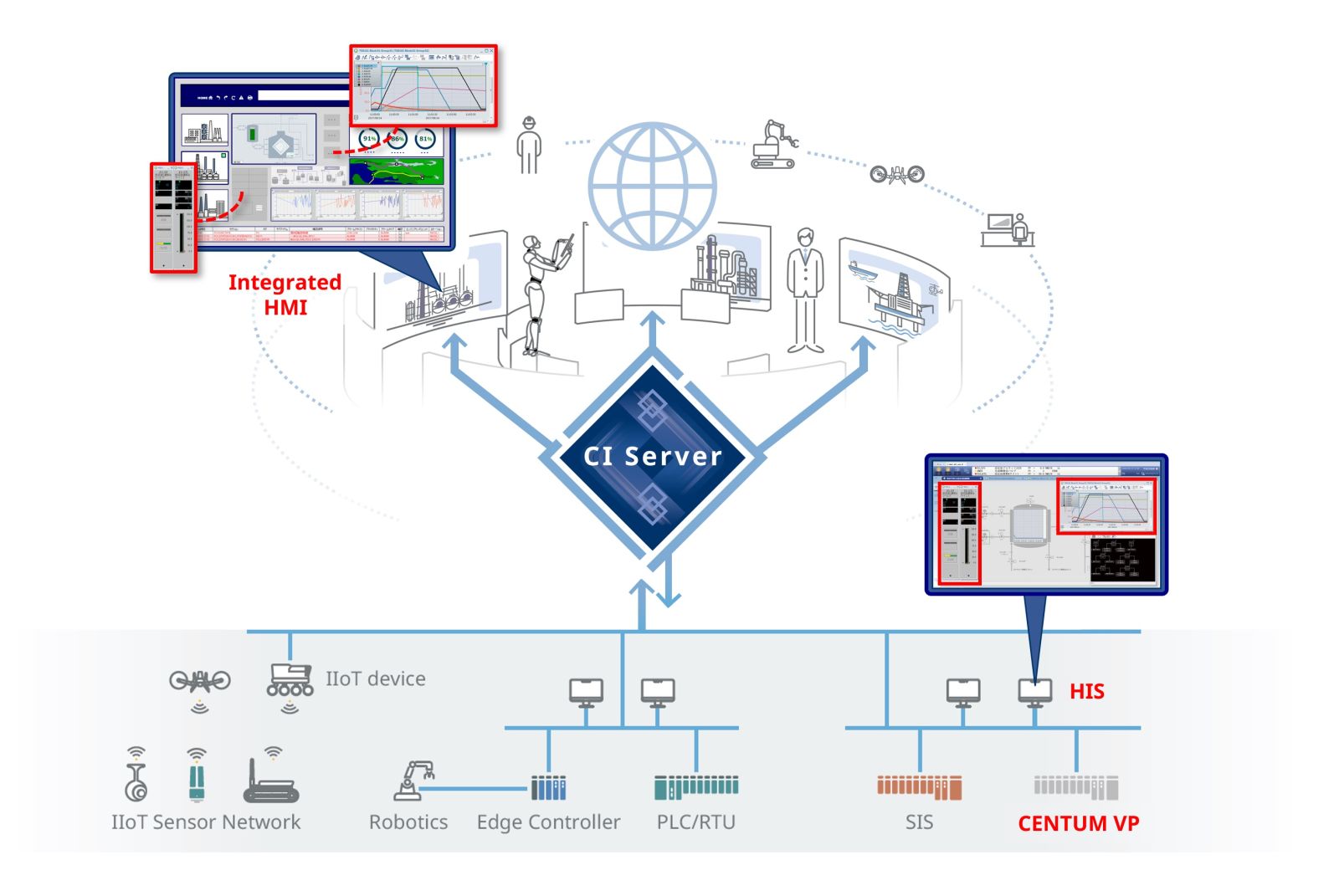
In the new version’s integrated operation and monitoring interface (upper left), it is now possible to directly access specific operation and monitoring windows of CENTUM VP (lower right)
2. Improved efficiency in application development
OpreX Collaborative Information Server’s OPC UA* server information model function has been enhanced to support the use of multiple information models when connecting to equipment from different vendors. This makes it easier to accommodate differences in device and system configurations, thereby improving the efficiency of application development and achieving high levels of integration and interoperability.
* OPC Unified Architecture(UA)standardized internationally in 2018 under IEC 62541, enhances interoperability through platform independence, robust security features, and comprehensive information modeling.
3. Reduction of IT security risks
OpreX Collaborative Information Server now supports Yokogawa’s IT Security Tool, a security configuration package that is based on the CIS Benchmarks*. Applying this tool enhances the settings of Windows computers with OpreX Collaborative Information Server installed, contributing to a reduction in security risks across the entire platform.
* The CIS Benchmarks are best-practice guidelines for secure system configuration published by the Center for Internet Security (CIS) in the United States. https://www.cisecurity.org/cis-benchmarks
Major Target Markets
Oil and gas, petrochemicals, chemicals, renewable energy, power, pulp and paper, pharmaceuticals, food, mining, iron and steel, water distribution, and wastewater treatment
Applications
Plant monitoring and control; data collection, provision, storage, etc.
OpreX Collaborative Information Server
OpreX | https://www.yokogawa.com/solutions/featured-topics/oprex/
Wind May 15, 2026
As wind development pushes into more remote and environmentally sensitive terrain, site access is no longer a secondary concern. It is a primary project risk. Unstable soils, seasonal flooding, protected wetlands, and water crossings can derail permi....

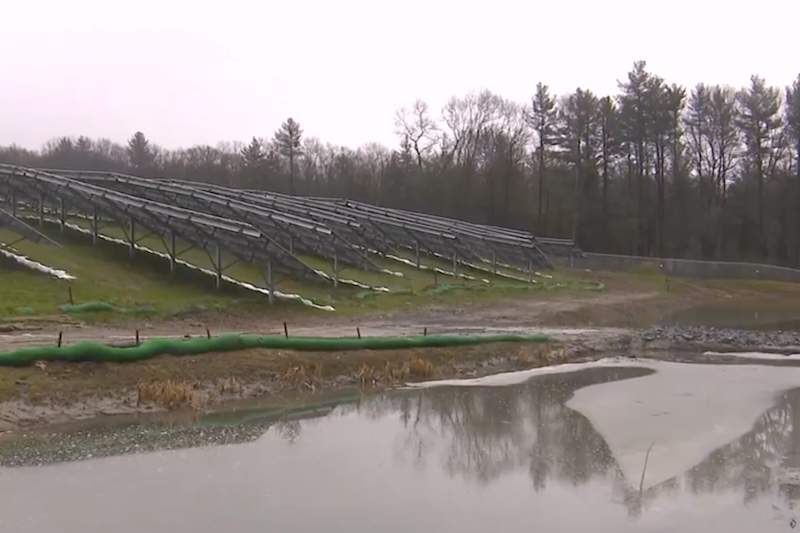
A decade ago, most utility-scale solar projects were built on flat, well-drained land. Today, those sites are largely gone. What remains are parcels that sit lower, drain poorly, or come with a history of standing water. At the same time, storms a....
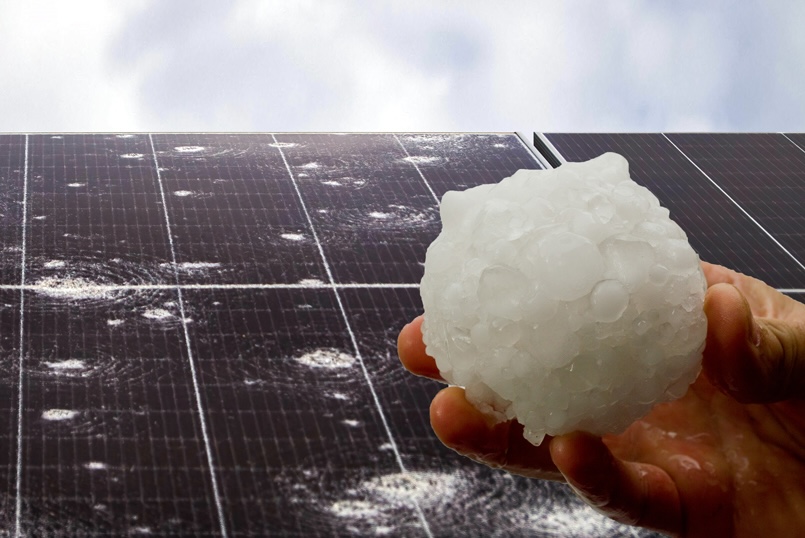
The season for hail storms is getting longer, producing storms with large hail more frequently during an expanded season. Case in point: On March 10, 2026, softball-sized hail fell in northern Illinois. While that might not have been news had it occu....
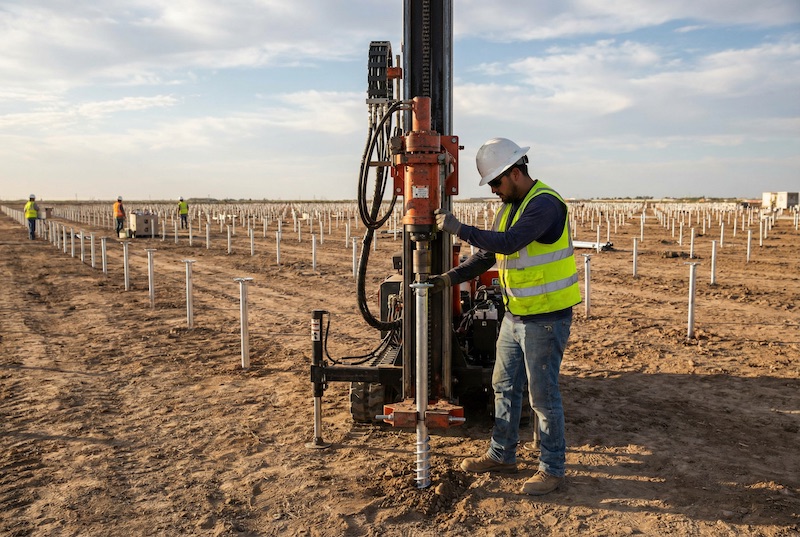
The solar industry has spent the last decade relentlessly driving down cost. Module prices fell. Installation efficiencies improved. Supply chains have globalized. In many ways, the playbook worked. But as development pushes into more c....

.gif?r=3326)
As wind development pushes into more rem....
They equip existing wind turbines with n....
Half of North America's installed wind f....

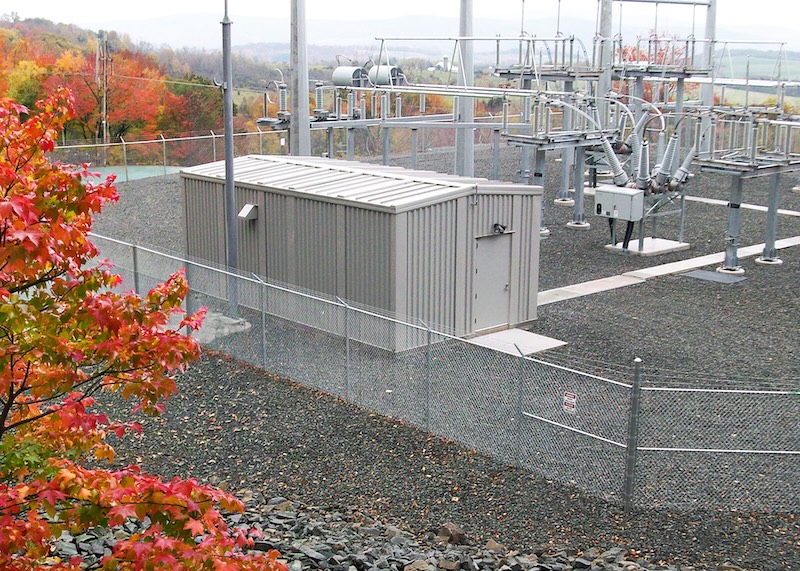
Extreme weather events such as hurricanes, tornadoes, earthquakes and blizzards have increased over the past several years. Alongside this trend, the need to protect critical onsite energy storage equipment has grown in order to maintain grid reliabi....

From hurricanes to ice storms and derechos, severe weather is hitting harder and more often. Energy infrastructure is under unprecedented strain, and the traditional methods of grid hardening are no longer enough. For decades, utilities have....
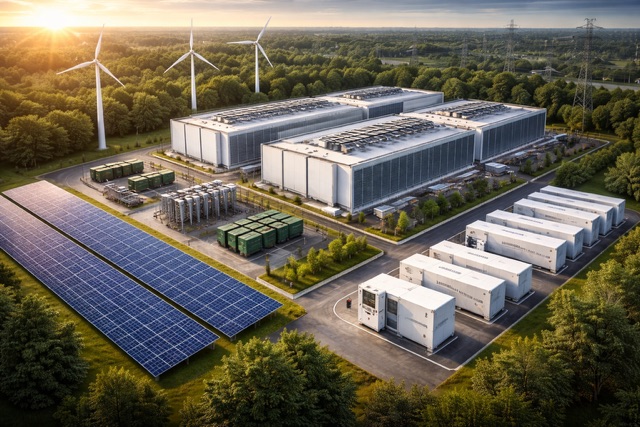
Americans are watching their electricity bills climb, and many are pointing the finger at the massive data centers sprouting up across the country. It's an understandable reaction. The U.S. Department of Energy U.S. says that data center energy ....

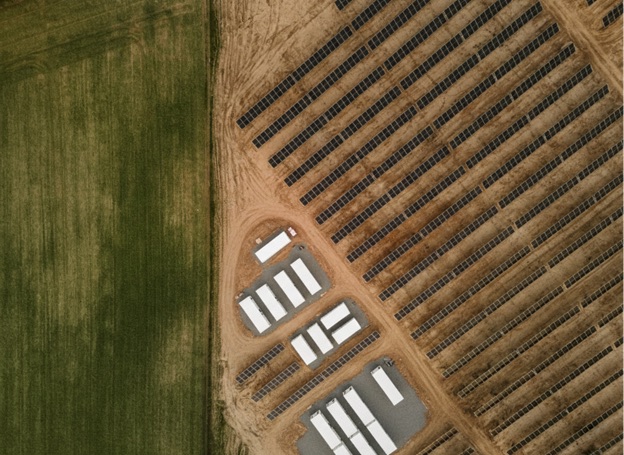
The bond between solar energy and storage is undergoing a profound transformation. What started as a supplemental technology to reduce renewable energy intermittency is now becoming a defining prerequisite to how solar projects are financed, built, a....
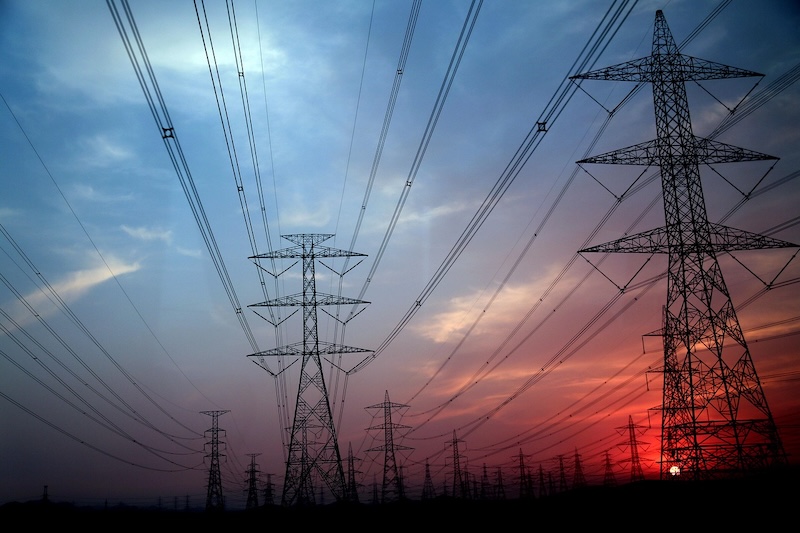
When a complex, entrenched system faces immense strain, it can either generate the capacity for transformational change or distort in unproductive ways. The North American power grid is experiencing exactly this tension. After years of relative stasi....

Digital substations are a key component in the ongoing digital transformation of electric power systems. While this modernization brings unprecedented efficiency and visibility improvements, it also opens the door for potential cybersecurity issues. ....