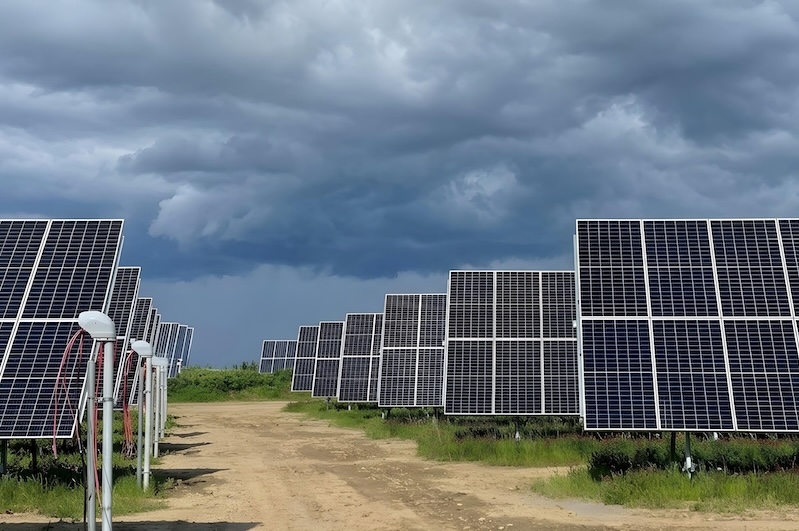




While solar tracker software is known for its role in maximizing production, it also plays a key role in mitigating risks. It can increase energy production in challenging situations, minimize damage from weather events, and reduce O&M costs. In the face of escalating climate change threats and heightened solar industry pressures, tracker software is rising to the challenges to keep solar sites productive and protected. Q:&n....
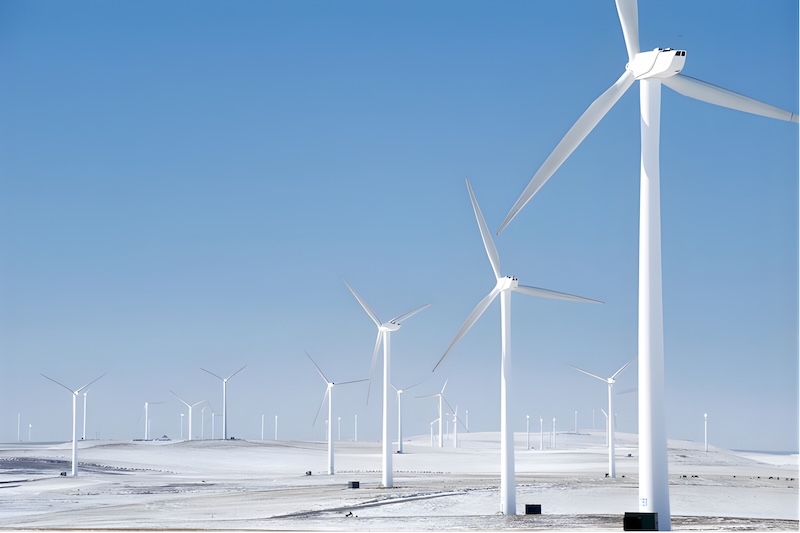
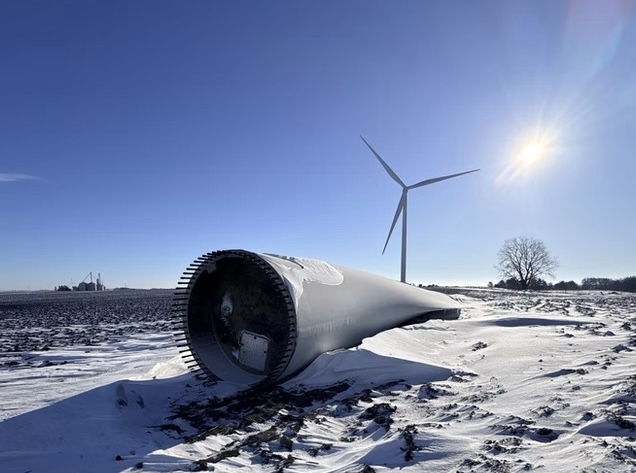
As wind development pushes into more remote and environmentally sensitive terrain, site access is no longer a secondary concern. It is a primary project risk. Unstable soils, seasonal flooding, protected wetlands, and water crossings can derail permitting, trigger regulatory violations, and expose developers to costly remediation. Temporary bridging, when done properly, is a genuine project enabler. Done poorly, it becomes a liability that compou....
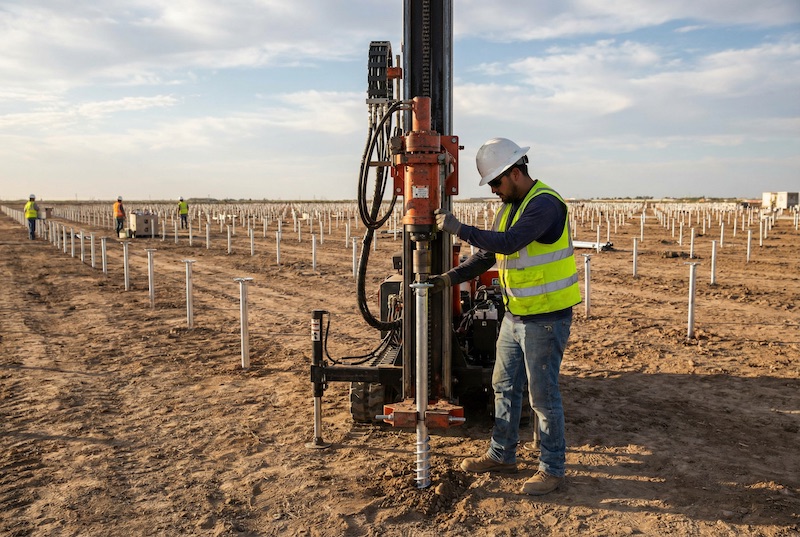
The solar industry has spent the last decade relentlessly driving down cost. Module prices fell. Installation efficiencies improved. Supply chains have globalized. In many ways, the playbook worked. But as development pushes into more challenging terrain: rocky soils, variable geotechnical conditions, and remote locations, that same cost-first mindset is beginning to show its limits. Developers now routinely confront conditions earl....
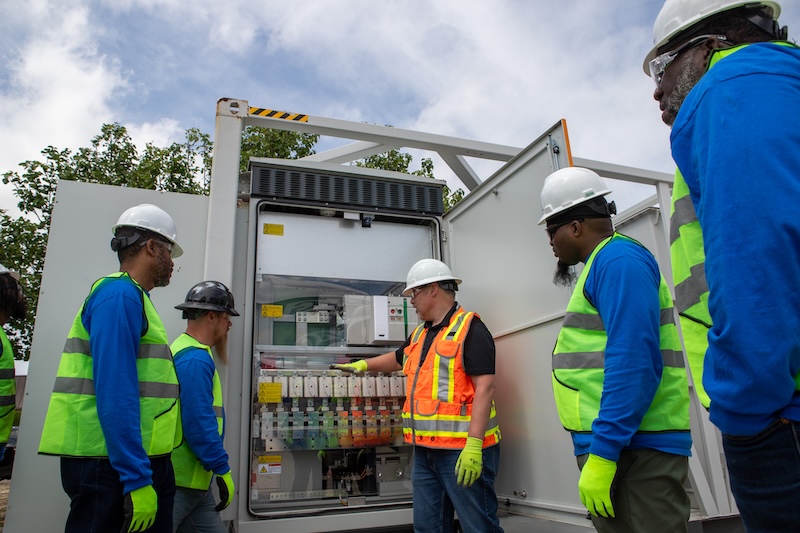
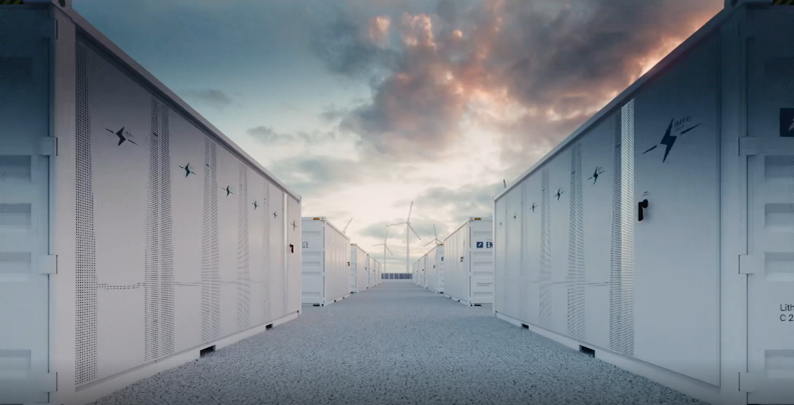
As the clean energy industry continues its rapid expansion, utility-scale solar and battery energy storage systems (BESS) are being deployed in increasingly challenging environments. From extreme desert heat in the Southwest to hurricane-prone regions along the Gulf Coast, today’s projects are operating in conditions that test both infrastructure and human performance. Extreme weather is no longer an exception — it is the operating environmen....
Energy Storage
Schaltbau North America
Wind
Jeremy Sheldon
Wind
Bora Tokyay
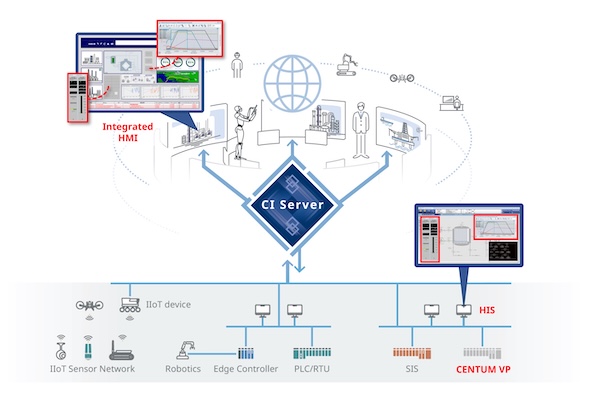
Yokogawa Electric Corporation (TOKYO: 6841) announces the release of the latest version of OpreX Collaborative Information Server, a product in the OpreX Control and Safety Systems lineup, with enhancements that strengthen its usability, multi-vendor integration capabilities, and overall system security, thereby increasing its operability as an integrated human machine interface (HMI).
OpreX Collaborative Information Server provides an information infrastructure that collects and centrally manages the vast amounts of data generated by equipment and systems in plants, wherever they may be located around the world, enabling cross-functional visibility across all production activities. By delivering the necessary information at the right time through integrated and remote operation environments, the system supports efficient plant operations and rapid decision-making. The enhanced version will be released on June 12, 2026.
Development Background
Throughout the process industry, many different kinds of machinery and equipment are in use at manufacturing plants and other types of facilities. This is driving the need for an integrated HMI environment that will enable efficient operation and monitoring while providing an overview of the entire production facility.
At the same time, this demand by field operators for the migration to new systems is accompanied by a desire to retain the same screen layouts and operational look and feel of the control systems they are currently using. Although OpreX Collaborative Information Server is now increasingly used as an integrated HMI, additional engineering has sometimes been required to ensure a familiar operational environment and high compatibility with the human interface station (HIS) of Yokogawa’s CENTUM VP integrated production control system, which is part of the same OpreX Control and Safety Systems lineup.
Furthermore, as the use of devices and software from a variety of vendors has expanded in recent years, reducing the application development workload, improving interoperability, and enhancing security have become key challenges in building a common platform.
In response to these needs, Yokogawa has enhanced the functionality of OpreX Collaborative Information Server.
Main Features
1. Realization of integrated HMI with similar operability and high compatibility with conventional HIS
With OpreX Collaborative Information Server’s integrated operation and monitoring interface, it is now possible to directly access specific operation and monitoring windows of CENTUM VP’s HIS. This enables field operators to use OpreX Collaborative Information Server as an integrated HMI environment while maintaining the same functions, screen configurations, and operability as a conventional HIS.
In addition, screens from connected systems can be displayed via a remote desktop, further enhancing the convenience and usability of the integrated HMI environment.
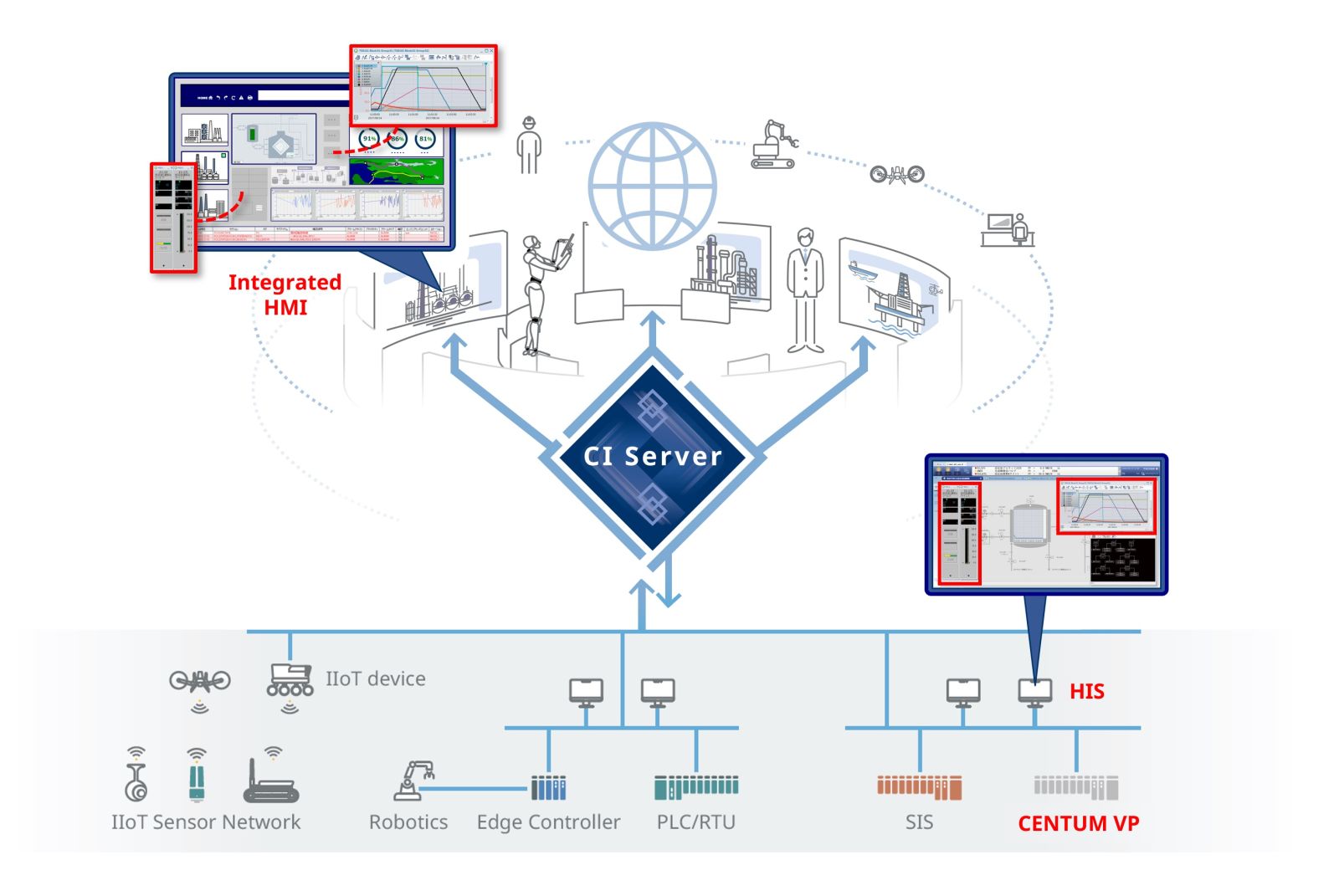
In the new version’s integrated operation and monitoring interface (upper left), it is now possible to directly access specific operation and monitoring windows of CENTUM VP (lower right)
2. Improved efficiency in application development
OpreX Collaborative Information Server’s OPC UA* server information model function has been enhanced to support the use of multiple information models when connecting to equipment from different vendors. This makes it easier to accommodate differences in device and system configurations, thereby improving the efficiency of application development and achieving high levels of integration and interoperability.
* OPC Unified Architecture(UA)standardized internationally in 2018 under IEC 62541, enhances interoperability through platform independence, robust security features, and comprehensive information modeling.
3. Reduction of IT security risks
OpreX Collaborative Information Server now supports Yokogawa’s IT Security Tool, a security configuration package that is based on the CIS Benchmarks*. Applying this tool enhances the settings of Windows computers with OpreX Collaborative Information Server installed, contributing to a reduction in security risks across the entire platform.
* The CIS Benchmarks are best-practice guidelines for secure system configuration published by the Center for Internet Security (CIS) in the United States. https://www.cisecurity.org/cis-benchmarks
Major Target Markets
Oil and gas, petrochemicals, chemicals, renewable energy, power, pulp and paper, pharmaceuticals, food, mining, iron and steel, water distribution, and wastewater treatment
Applications
Plant monitoring and control; data collection, provision, storage, etc.
OpreX Collaborative Information Server
OpreX | https://www.yokogawa.com/solutions/featured-topics/oprex/
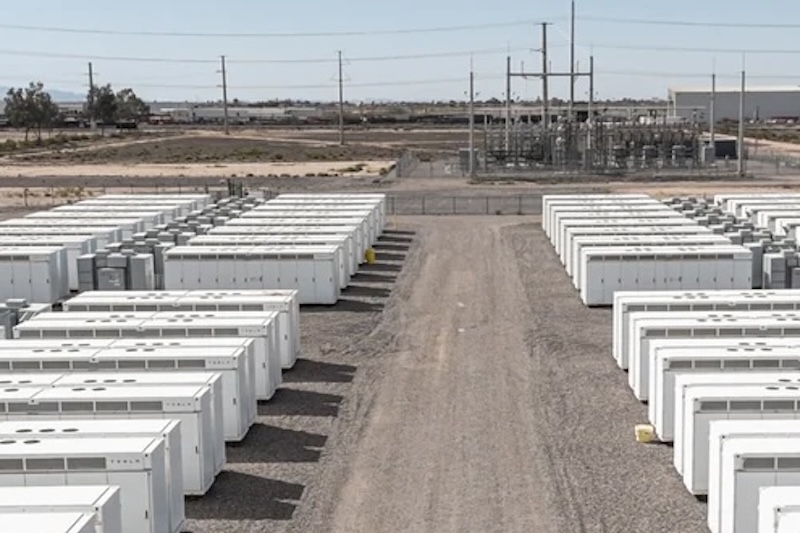
EDP Renewables North America LLC (EDPR NA) and Salt River Project (SRP), a not for-profit public power utility serving more than two million people in central Arizona, celebrated the completion of Flatland Energy Storage, a 200 megawatt (MW) / 800 megawatt-hour (MWh) battery energy storage system (BESS) in Coolidge, Arizona. Flatland Energy Storage has the capacity to power the equivalent of approximately 44,500 Arizona homes, helping ensure reliable electricity during periods of peak demand and supporting the state’s growing energy needs.
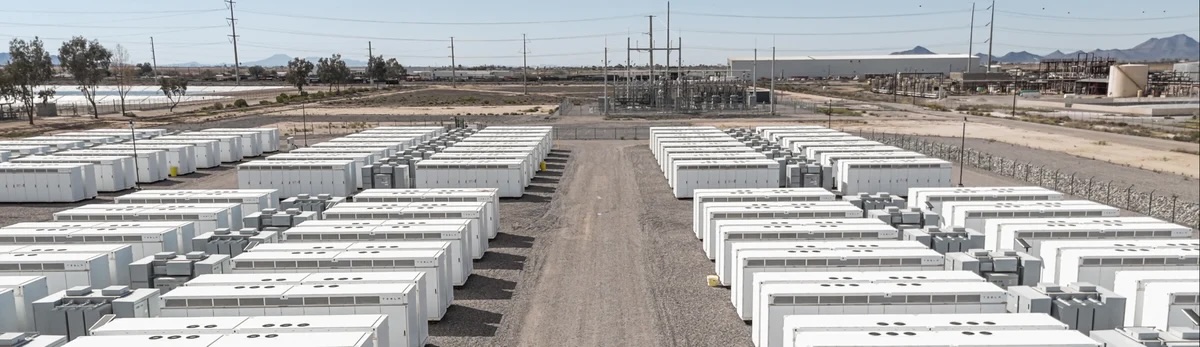
Located in Pinal County, Flatland Energy Storage demonstrates the increasing importance of utility-scale battery projects in enhancing grid flexibility and improving energy reliability. Flatland Energy Storage is the largest BESS within the EDP Group.
“Energy storage plays a critical role in maintaining a reliable and resilient electric grid, especially as demand continues to grow,” said Sandhya Ganapathy, CEO of EDP Renewables North America. “Projects like Flatland Energy Storage ensure power is available when it’s needed most, while also delivering meaningful, long-term benefits to the communities that host them.”
“Flatland Energy Storage is part of SRP’s all-of-the above approach to providing reliable, affordable and sustainable power to our customers,” said Bobby Olsen, SRP Associate General Manager and Chief Power System Executive. “SRP will continue to invest in battery energy storage resources as part of its growing resource portfolio.”
Flatland Energy Storage represents more than $20 million in local and regional economic impact over its lifetime, including:
Approximately 142 jobs supported during construction
City of Coolidge Mayor Jon Thompson said: “Flatland Energy Storage is a welcome investment in the City of Coolidge, strengthening essential services and supporting our community’s continued growth.”
EDPR NA has reinforced its commitment to community partnership with more than $28,000 in donations and memberships to local entities and organizations, including to the Coolidge Chamber of Commerce, the Cotton Day Festival, the Pinal County Fair and Junior Livestock Auction, the Pinal Partnership Reading Program, the Casa Grande Chamber of Commerce, and the Casa Grande Museum.
President and CEO of Pinal Partnership Craig McFarland said: “Meeting Arizona’s growing energy demand is critical to sustaining economic development and attracting future large‑scale investment to our region. EDP Renewables’ Flatland Energy Storage project bolsters the region’s commitment to responsible growth and reflects strong coordination with community stakeholders, consistent with Pinal Partnership’s all‑of‑the‑above approach to powering our county’s future.”
EDPR NA is a leading developer and operator of clean energy infrastructure in Arizona, with approximately 600 MW of gross operating capacity across solar and storage powering the equivalent of more than 113,000 homes. EDPR NA’s portfolio in Arizona includes Sun Streams Solar(158 MW), Brittlebush Solar (200 MW), and Table Top Solar & Energy Storage (96 MW solar and 96 MW BESS).
EDP Renewables North America | https://edp.com/en/north-america/na
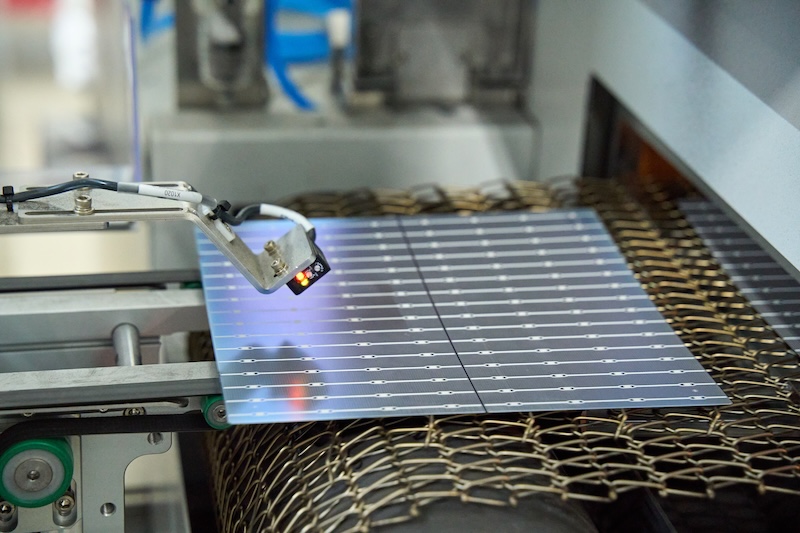
Qcells, a global leader in complete clean energy solutions, announced that it has begun manufacturing solar cells at its Cartersville, Georgia factory, marking a major milestone toward completing the country’s only vertically integrated solar manufacturing plant, where major components from ingot to finished module is made under one roof. The company expects to be at full production by Q3 2026 making this the largest operating solar cell factory in U.S. history. In addition to starting its cell production, Cartersville module assembly is now at full capacity, building 16,700 panels a day.
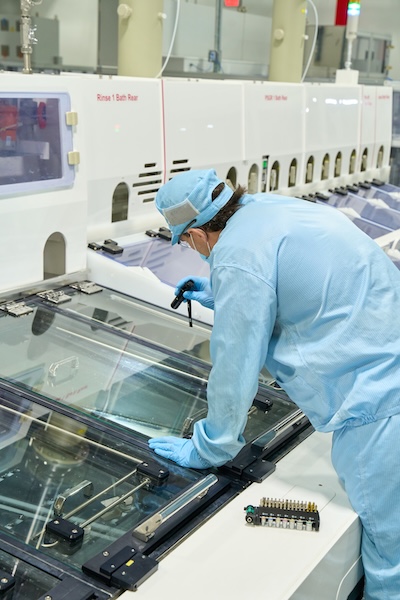
“Producing the first solar cells at Cartersville is a milestone for Qcells and for American manufacturing,” said Andy Park, Global CEO of Qcells. “As our ingot, wafer, and cell lines reach full capacity, we’ll be making the major components of a solar panel right here in Georgia. A dependable domestic supply chain doesn’t just create thousands of good-paying jobs, it gives our customers greater certainty on price, supply, and tariffs, and a product they can trust from start to finish.”
With cells in production, the factory will scale fast: by Q3 2026, Cartersville will make 3.3 GW each of ingots, wafers, cells, and 3.5 GW of modules a year. Together with the expanded Dalton factory, which tripled module capacity to 5.1 GW in late 2023, Qcells’ total module capacity in Georgia will reach 8.6 GW a year, or 47,000 panels a day, approximately the energy needed to power roughly 1.3 million U.S. homes for a year.
The Cartersville investment is also bringing thousands of skilled manufacturing jobs to Northwest Georgia. Together with the expanded Dalton campus, Qcells’ Georgia operations are expected to employ nearly 4,000 people — an estimated 3,800 direct jobs across Bartow and Whitfield Counties.
The modules produced in Cartersville will also help project developers and asset owners qualify for the 10% Domestic Content Bonus under the Investment Tax Credit. Because the major components of each module are made domestically, customers can pursue qualifying projects with greater confidence on pricing, supply and sourcing. With demand for fully domestic solar equipment growing, Qcells expects strong interest in Cartersville-produced modules.
Qcells’ fully integrated U.S. manufacturing platform also helps shield customers from supply chain disruptions and trade uncertainty. By producing major solar components domestically, the company gives customers greater visibility into sourcing, pricing and delivery timelines, reducing exposure to international supply constraints and tariff volatility. For developers and energy buyers focused on reliable, long-term project execution, that domestic supply chain is an increasingly decisive advantage.
That same domestic manufacturing footprint also positions Qcells to capture the full value of the Section 45X Advanced Manufacturing Production Tax Credit across the solar value chain. By producing ingots, wafers, cells and modules domestically, the company can claim credits at each stage of production — something no other U.S. solar manufacturer can currently do. That competitive advantage supports continued investment in American manufacturing, workforce development and long-term domestic supply chain growth.
The Cartersville factory is the first such operation built in the United States in more than a decade and will be home to the largest ingot and wafer plant ever constructed in the country. The launch of this facility is a testament to the company’s enduring commitment to a fully American supply chain that can power American homes, businesses, utilities and communities. The result of this investment means Qcells customers will benefit from both an easier path to qualifying for the domestic content tax credit and greater supply certainty for their projects.
Qcells | https://qcells.com/us
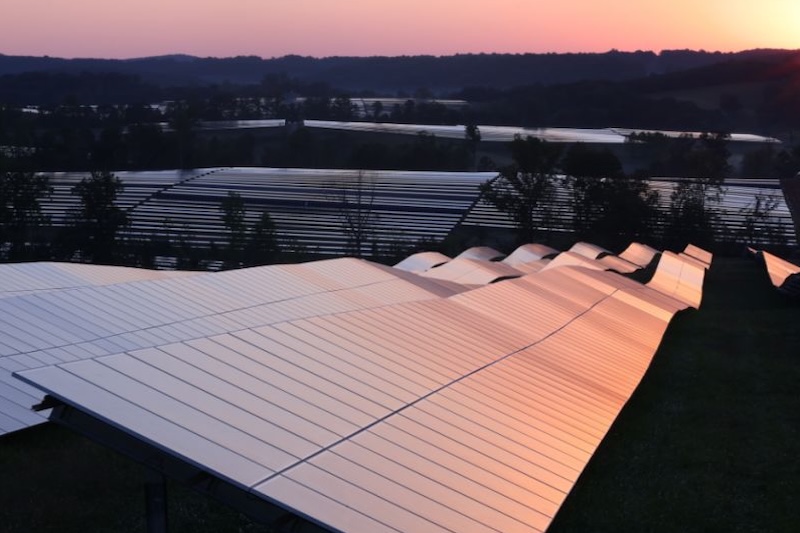
Apex Clean Energy announced the sale of a 28 MWdc portfolio of Illinois community solar projects to SolAmerica Energy, a leader in distributed generation focused on solar and battery storage. The portfolio—comprising four 7 MW projects spanning Ameren and ComEd territories—will deliver bill savings to residents and businesses through the state’s community solar program. The transaction marks Apex’s first with SolAmerica and its second distributed energy portfolio commercialization in six months, reflecting strong demand for ready-to-build projects that ease strain on the grid and deliver savings to American households.
“This portfolio reflects the depth and repeatability of Apex’s distributed energy platform, and we’re pleased to see these projects move into the hands of an experienced company like SolAmerica,” said Charlie Johnson, Apex head of distributed energy resources. “Bringing this volume of community solar to commercialization in today’s market is a credit to the team and to the partners who helped us get these projects across the finish line.”
“We are thrilled to finalize this acquisition with the Apex team, who were terrific partners throughout the entire process,” said John Buffington, vice president of business development for SolAmerica Energy. “This portfolio is a perfect fit for our long-term strategy. We are excited to increase our posture as an acquirer in the market and look forward to further additions to our portfolio as we continue to scale.”
The four projects are expected to begin commercial operations in 2027. Apex’s distributed energy resources team now manages a pipeline of approximately 950 MWdc spanning 12 states.
Apex Clean Energy | https://www.apexcleanenergy.com/
SolAmerica Energy | https://solamericaenergy.com/
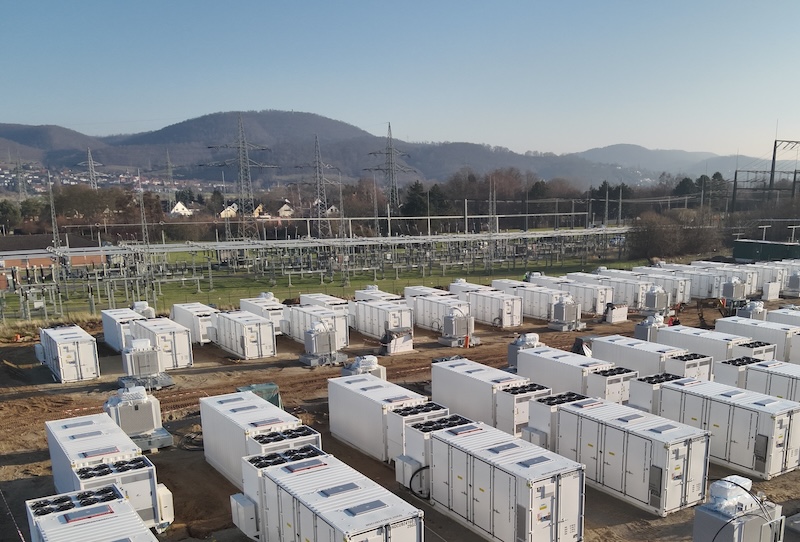
TWAICE, a leading provider of independent battery energy storage systems (BESS) analytics, has announced that it is providing its platform to the renewable energy company BayWa r.e., the third-party operations and maintenance (O&M) provider for the 137.5 MW / 282 MWh Alfeld project in Lower Saxony, Germany. Owned by Danish investment fund Scale Fund, the project represents a significant addition to Germany’s rapidly expanding battery storage market.
As large-scale BESS fleets continue to grow; operational efficiency becomes critical for long-term success. For that, independent analytics are playing a vital role in day-to-day operations. TWAICE provides a normalized, vendor-agnostic view of BESS performance, helping teams identify underperformance earlier, prioritize the right actions, and bring transparency into daily operations. For BayWa r.e., this supports a more proactive operating model, reducing manual troubleshooting and protecting performance and revenue. The platform provides BESS-native predictive analytics, including insights into imbalances, recoverable energy, and temperature trends. By translating asset data into recommendations, operations teams move beyond status monitoring and make faster, more confident decisions.
“Managing a growing storage fleet with large BESS like Alfeld means dealing with more assets, more alarms, and more data sources than ever before. The real challenge is knowing which signals actually matter before they turn into service tickets. TWAICE gives our engineers the head start they need to move from reactive to proactive operations, which ultimately drives better long-term asset performance and revenue,” said Simon Slapka, Managing Director of BayWa r.e. Data Services GmbH.
“As gigawatt-hours of new storage come online in Germany each year, the gap between how batteries are monitored and how they should be managed is widening. Independent analytics closes that gap,” said Stephan Rohr, CEO at TWAICE. “Alfeld is exactly the kind of project where getting operations right from day one determines long-term value.”
TWAICE | https://www.twaice.com/
BayWa r.e. | https://www.baywa-re.com/en

MN8 Energy LLC (MN8), a leading independent power producer in the United States, announced the commercial operation of two utility-scale solar projects totaling 260 megawatts (MWac) of capacity under long-term power purchase agreements with Microsoft. Long Point Solar, a 120 MW project in Brazoria County, Texas, and American Beech, a 140 MW project in Halifax County, North Carolina, are both fully online.
Long Point delivers new solar generation into the Electric Reliability Council of Texas (ERCOT) Houston load zone, one of the fastest-growing regions on the Texas grid. American Beech provides solar power to PJM Interconnection (PJM), supporting a market experiencing rapid infrastructure growth.
“As digital infrastructure scales across the U.S., energy solutions must scale with it,” said Moe Hanifi, Senior Vice President and Head of Revenue and Commodities at MN8 Energy. “These projects deliver new solar capacity into two critical power markets and highlight MN8’s role as a partner to Microsoft in meeting their sustainability goals.”
Completion of both projects underscores MN8’s track record of delivering contracted solar solutions for Microsoft and demonstrates the Company’s ability to originate, build, and operate at the speed and scale required by hyperscale energy customers.
Long Point and American Beech will bring millions of dollars to local governments through tax payments, ensuring schools, road maintenance and other critical local services are well-funded. The two projects each created more than 300 construction jobs and nearly a dozen permanent positions. MN8 has also contracted a locally based provider for long-term maintenance and vegetation management at Long Point.
MN8 Energy | https://mn8.com/

TOYO Co., Ltd. (Nasdaq: TOYO) (OTC: TOYWF), ("TOYO" or the "Company"), a solar manufacturing company, announced that it has officially executed two master supply agreements with two major U.S. solar energy developers, for cumulative purchase orders of approximately $185.6 million.
Under the terms of the separate agreements, TOYO will supply its high-efficiency solar modules to back a portfolio of commercial and utility-scale projects across the United States.
The multi-million-dollar commitments highlight growing commercial demand for TOYO's solar modules, which are engineered to offer superior power output, low degradation rates, and optimized levelized cost of energy for large-scale assets.
"Securing $185.6 million in cumulative new orders from two major U.S. renewable energy players is a validation of our operational credibility and commercial strategy," said Takahiko Onozuka, Chairman and Chief Executive Officer of TOYO. "Utility-scale buyers are increasingly prioritizing transparency, execution track record, and strict regulatory compliance. As a manufacturer structured from inception to meet rigorous U.S. standards, TOYO is well-positioned to serve as a long-term, assured partner to the domestic solar sector."
Delivery and Compliance Overview
Regarding financial impact, the Company notes that the revenue associated with the purchase orders will be recognized as physical product deliveries are completed, in accordance with GAAP revenue recognition standards.
TOYO | https://www.toyo-solar.com/

Wind May 15, 2026
As wind development pushes into more remote and environmentally sensitive terrain, site access is no longer a secondary concern. It is a primary project risk. Unstable soils, seasonal flooding, protected wetlands, and water crossings can derail permi....
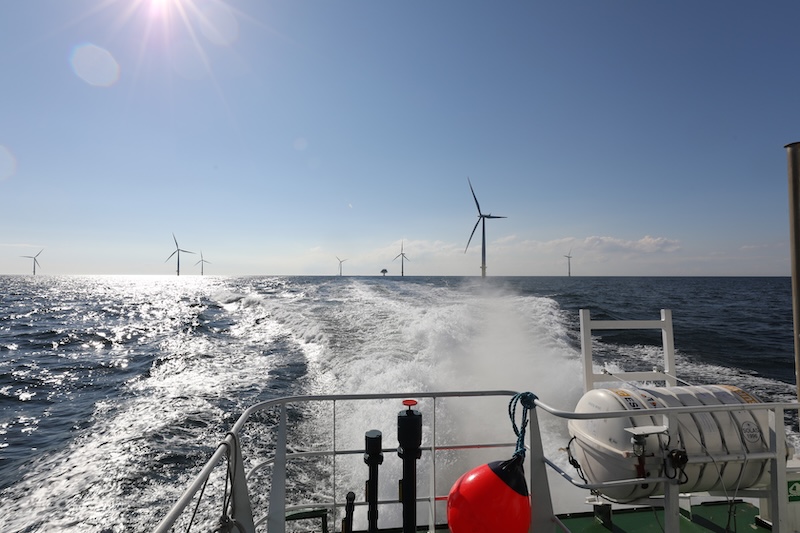

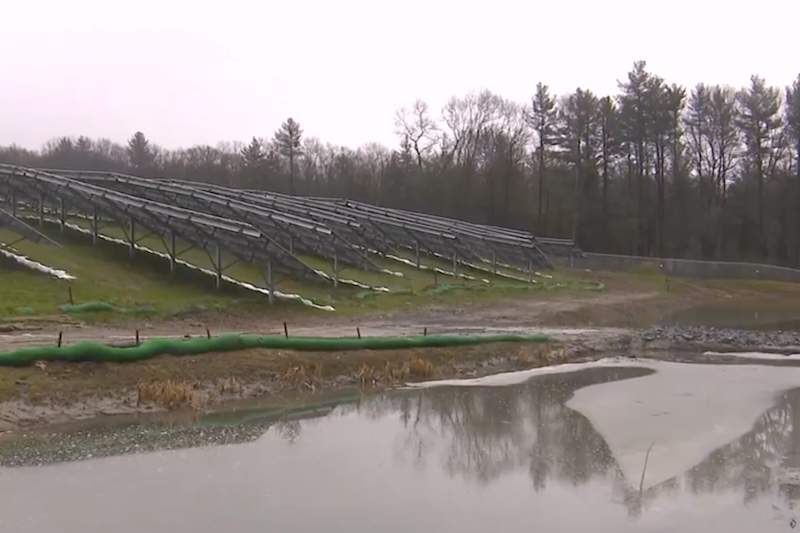
A decade ago, most utility-scale solar projects were built on flat, well-drained land. Today, those sites are largely gone. What remains are parcels that sit lower, drain poorly, or come with a history of standing water. At the same time, storms a....
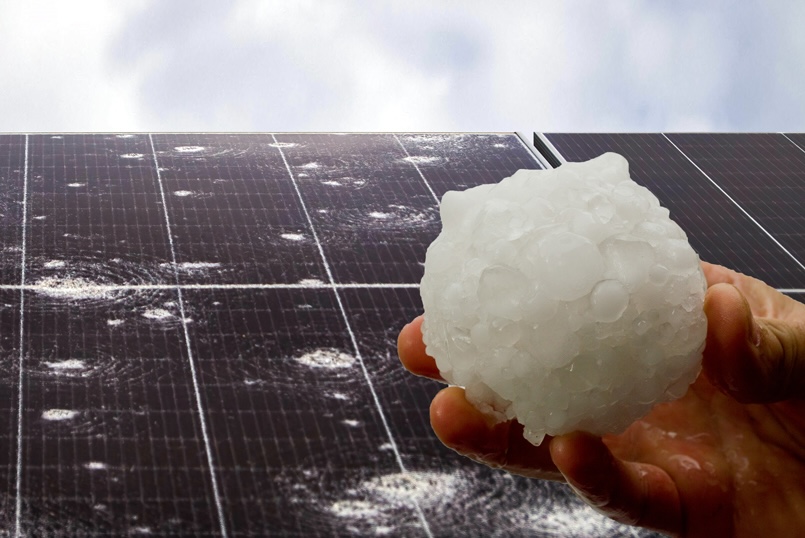
The season for hail storms is getting longer, producing storms with large hail more frequently during an expanded season. Case in point: On March 10, 2026, softball-sized hail fell in northern Illinois. While that might not have been news had it occu....
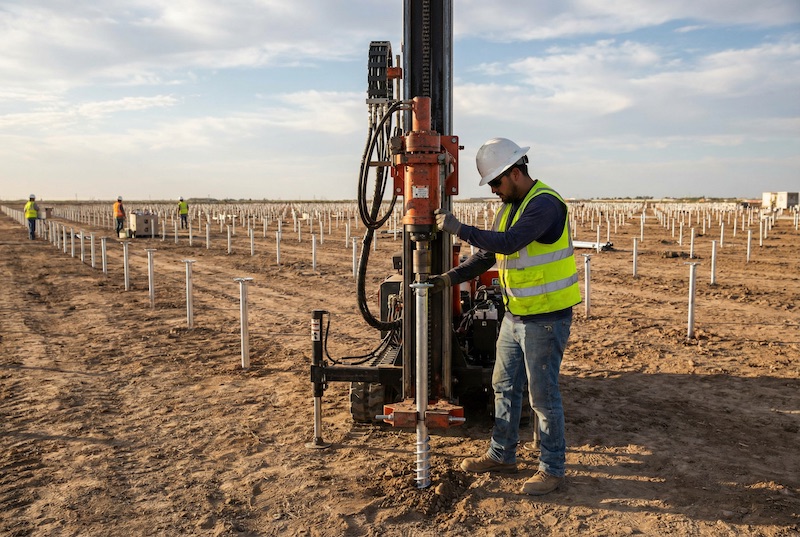
The solar industry has spent the last decade relentlessly driving down cost. Module prices fell. Installation efficiencies improved. Supply chains have globalized. In many ways, the playbook worked. But as development pushes into more c....

.gif?r=1813)
As wind development pushes into more rem....
They equip existing wind turbines with n....
Half of North America's installed wind f....

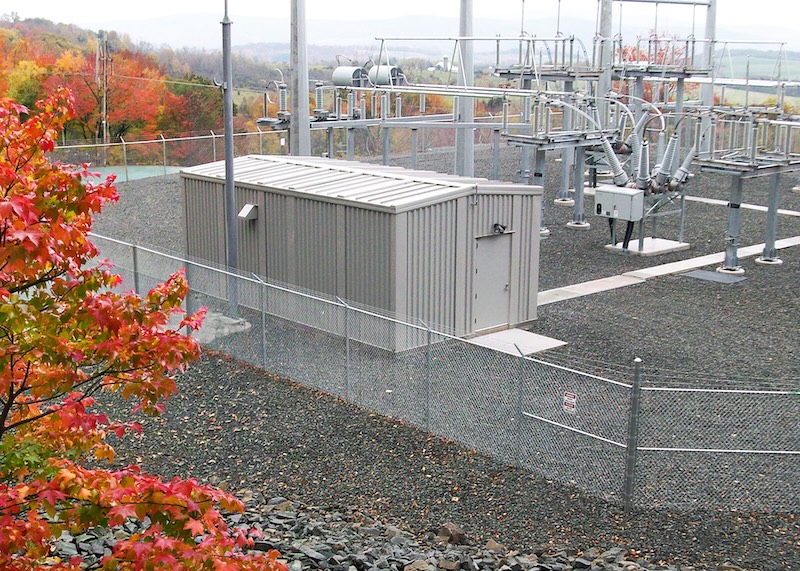
Extreme weather events such as hurricanes, tornadoes, earthquakes and blizzards have increased over the past several years. Alongside this trend, the need to protect critical onsite energy storage equipment has grown in order to maintain grid reliabi....

From hurricanes to ice storms and derechos, severe weather is hitting harder and more often. Energy infrastructure is under unprecedented strain, and the traditional methods of grid hardening are no longer enough. For decades, utilities have....
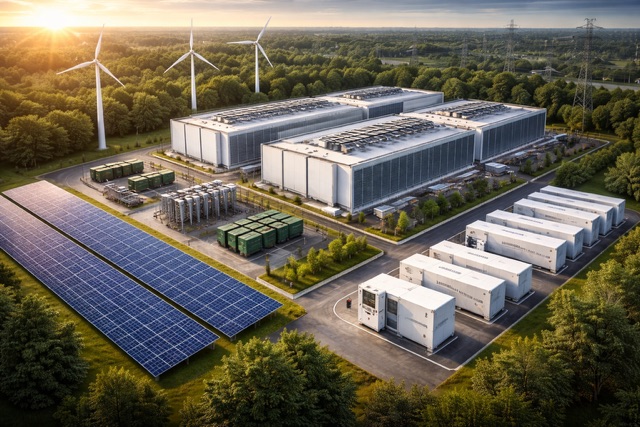
Americans are watching their electricity bills climb, and many are pointing the finger at the massive data centers sprouting up across the country. It's an understandable reaction. The U.S. Department of Energy U.S. says that data center energy ....

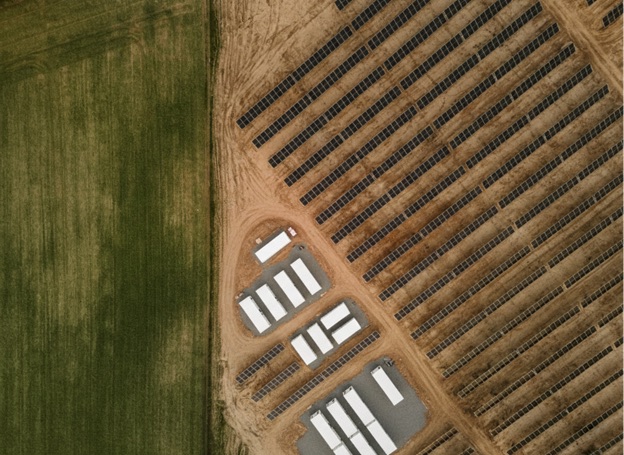
The bond between solar energy and storage is undergoing a profound transformation. What started as a supplemental technology to reduce renewable energy intermittency is now becoming a defining prerequisite to how solar projects are financed, built, a....
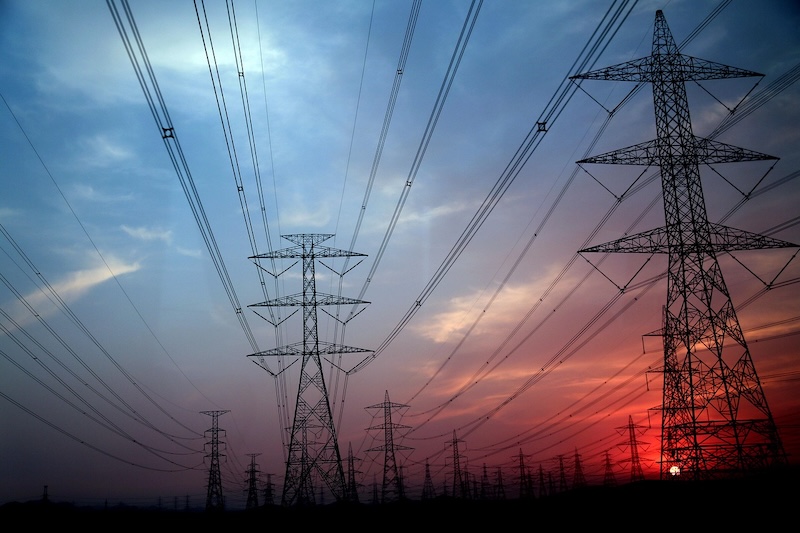
When a complex, entrenched system faces immense strain, it can either generate the capacity for transformational change or distort in unproductive ways. The North American power grid is experiencing exactly this tension. After years of relative stasi....

Digital substations are a key component in the ongoing digital transformation of electric power systems. While this modernization brings unprecedented efficiency and visibility improvements, it also opens the door for potential cybersecurity issues. ....