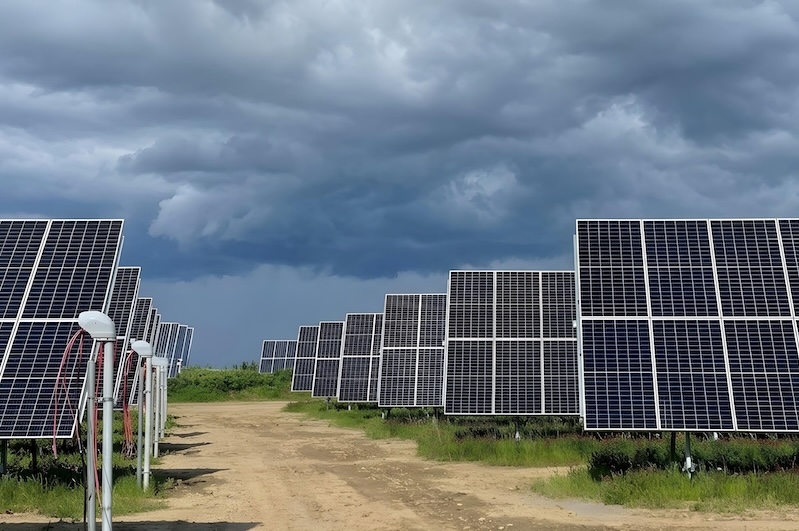




While solar tracker software is known for its role in maximizing production, it also plays a key role in mitigating risks. It can increase energy production in challenging situations, minimize damage from weather events, and reduce O&M costs. In the face of escalating climate change threats and heightened solar industry pressures, tracker software is rising to the challenges to keep solar sites productive and protected. Q:&n....
As wind development pushes into more remote and environmentally sensitive terrain, site access is no longer a secondary concern. It is a primary project risk. Unstable soils, seasonal flooding, protected wetlands, and water crossings can derail permitting, trigger regulatory violations, and expose developers to costly remediation. Temporary bridging, when done properly, is a genuine project enabler. Done poorly, it becomes a liability that compou....
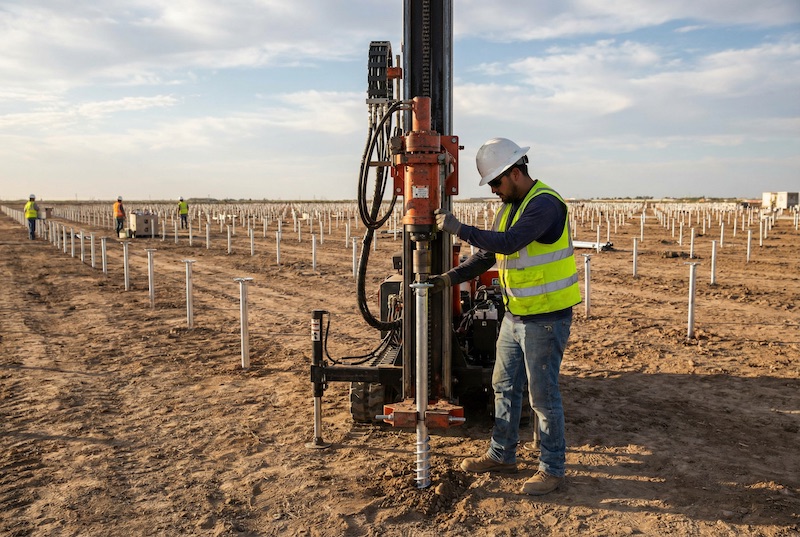
The solar industry has spent the last decade relentlessly driving down cost. Module prices fell. Installation efficiencies improved. Supply chains have globalized. In many ways, the playbook worked. But as development pushes into more challenging terrain: rocky soils, variable geotechnical conditions, and remote locations, that same cost-first mindset is beginning to show its limits. Developers now routinely confront conditions earl....
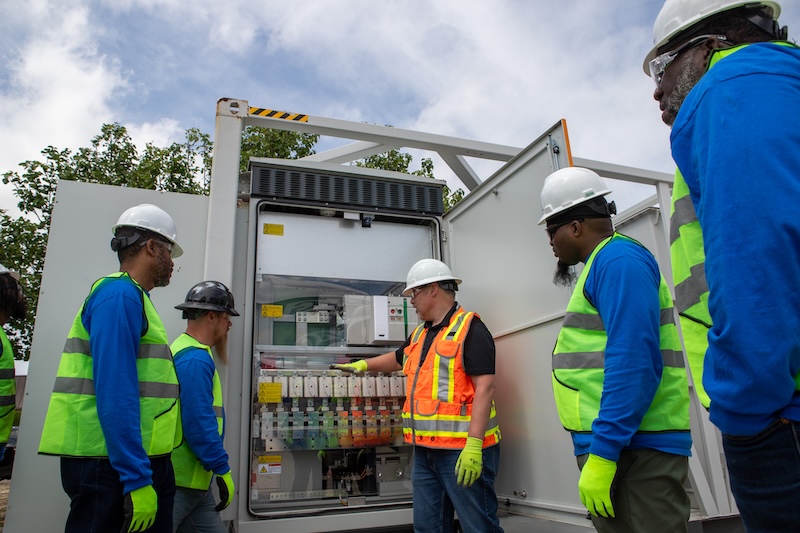
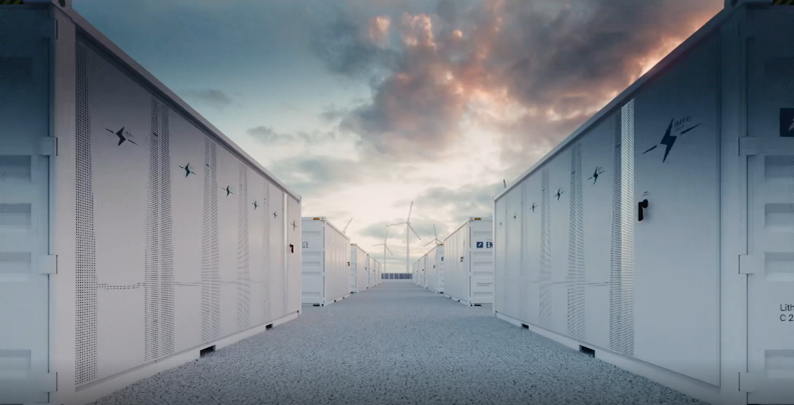
As the clean energy industry continues its rapid expansion, utility-scale solar and battery energy storage systems (BESS) are being deployed in increasingly challenging environments. From extreme desert heat in the Southwest to hurricane-prone regions along the Gulf Coast, today’s projects are operating in conditions that test both infrastructure and human performance. Extreme weather is no longer an exception — it is the operating environmen....
Energy Storage
Schaltbau North America
Wind
Jeremy Sheldon
Wind
Bora Tokyay
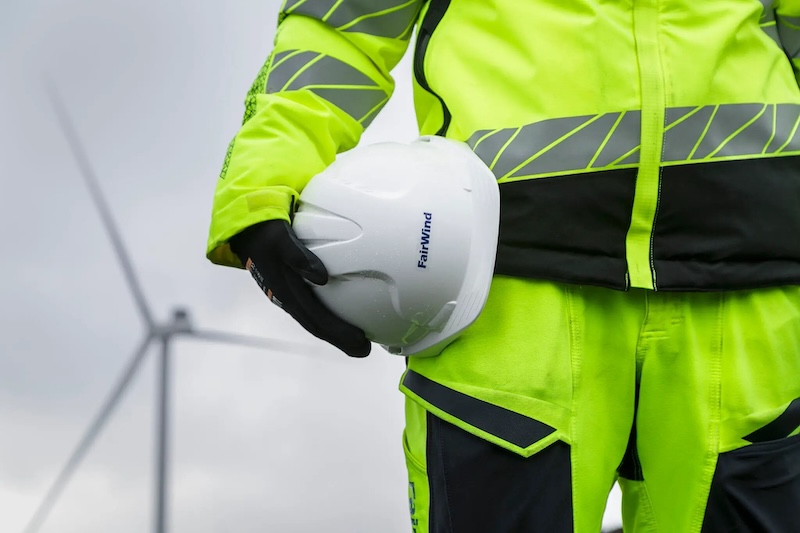
FairWind, a global leader in wind turbine installation and service, has acquired US-based rope access specialist Rope Partner in a deal that will accelerate the company’s growth strategy in the Americas. Colorado-based Rope Partner is a leading provider of at-height maintenance, inspection and performance enhancement services. The company specialises in blade repair, turbine cleaning and inspection and warranty verification services that support asset life extension and operational safety. Rope Partner's WindCorps technicians are the driving force behind the company's relationships with more than 40 blue chip wind energy asset owners and OEMs, and have built an unparalleled quality and safety record across more than two decades of operations.
With more than 20 years’ experience, Rope Partner also delivers comprehensive rope access technician training at its purpose-built facility in Denver, Colorado. All courses are certified by the US-based Society of Professional Rope Access Technicians (SPRAT). The company currently employs 135 people.
The acquisition significantly expands FairWind’s service offering in the Americas, enabling the delivery of integrated installation and maintenance solutions while leveraging Rope Partner’s established local client base, regional expertise, training capabilities, and its dedicated highly specialised technicians.
Stewart Mitchell, CEO at FairWind commented: “The US wind sector has seen rapid growth in recent years, and Rope Partner brings highly specialised expertise in blade repair and at-height services that directly complement our core capabilities. By combining our global experience in turbine installation and service with Rope Partner’s technical strengths, we are in a strong position to scale our presence and further support customers with high-quality solutions across the full lifecycle of assets.
“Rope Partner’s established training programmes will also enable us to further invest in developing a highly skilled, safety-driven workforce in the United States. As demand for wind energy continues to grow, access to qualified technicians will be critical to maintaining high standards across the industry and we look forward to driving this activity.”
Eric Stanfield, CEO at Rope Partner, said: "Joining FairWind not only strengthens our position in the North American renewables market but opens up exciting opportunities for growth as part of a world-leading wind energy company. We are looking forward to reaching new markets, bringing greater capability to our clients, and playing a bigger role in the global transition to sustainable energy, all while upholding the excellent safety and quality reputation that both companies have built over the years.”
FairWind has a workforce of more than 2,000 people in more than 40 countries across Europe, North America, South America, Asia, and Oceania. The business provides complete lifecycle solutions for the installation and maintenance of onshore and offshore wind turbines around the world.
FairWind | www.fairwind.com
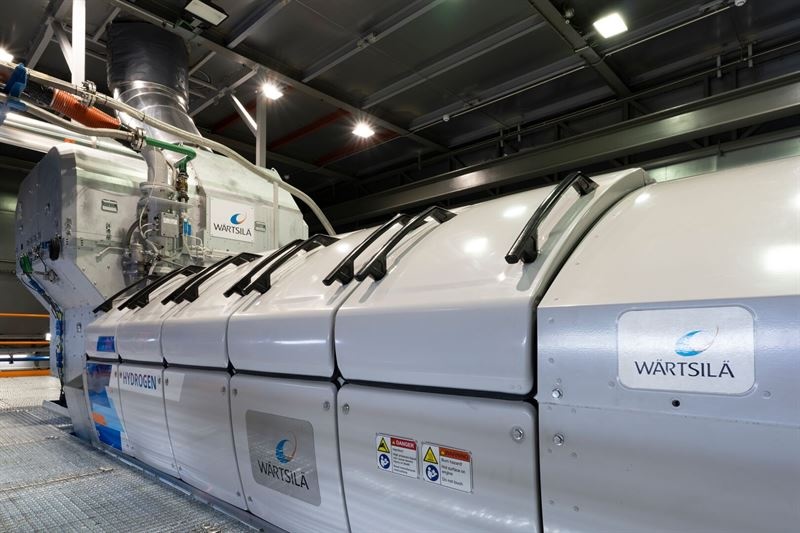
Technology group Wärtsilä has started validation of a new 100% hydrogen engine to power Spain’s national electricity grid in Bermeo, northern Spain – the world’s first demonstration of a large-scale, 100% hydrogen engine.
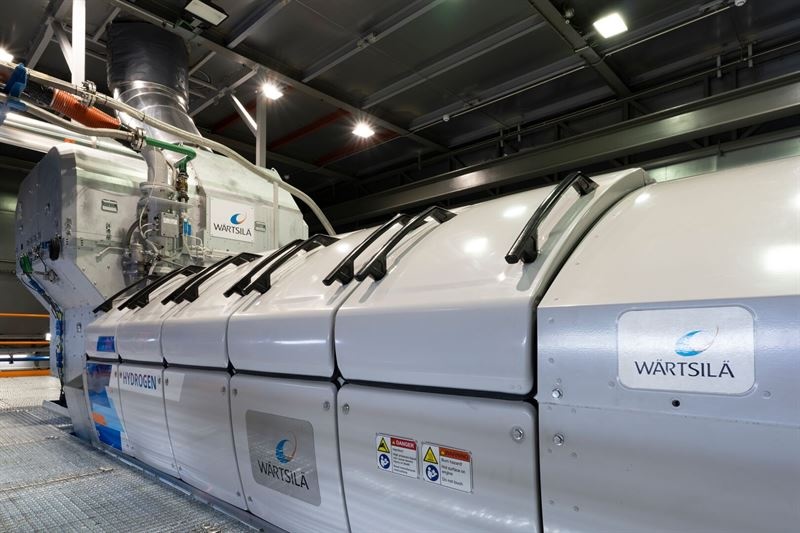
The trial marks a major step forward in proving that engine technology can operate on 100% sustainable fuels such as hydrogen, building on Wärtsilä’s earlier launch of the world’s first large-scale 100% hydrogen-ready engine power plant and opening a clear pathway towards fully renewable power systems. With global renewable energy generation set to grow by almost 4,600 GW by 2030, flexible technologies capable of balancing grids during periods of low wind and solar output are becoming increasingly critical.
Green hydrogen produces no carbon emissions, enabling clean power generation while supporting the decarbonisation of renewable-heavy grids. It can store excess renewable electricity and provide reliable power when wind or solar generation drops, helping to stabilise the system and improve energy reliability.
The Wärtsilä 31H2 engine, part of the Wärtsilä 31 platform, one of the world’s most efficient multi-fuel 4-stroke engines, shows that hydrogen can move beyond theory into real-world energy infrastructure. The Wärtsilä 31H2 engine is the world’s largest pure hydrogen engine, with performance currently being verified in Bermeo.
Rasmus Teir, Director of Technology Strategy & Decarbonisation at Wärtsilä, says: “This is a trial for the future of renewable power. As countries rapidly scale wind and solar energy, one of the biggest challenges facing the energy transition is how to maintain reliable electricity supplies sustainably during periods of low renewable generation or spikes in demand. Today, our Wärtsilä 31H2 hydrogen engine is operating on 100% hydrogen and supplying power to Spain’s national grid, demonstrating that large-scale hydrogen engines can provide the flexible, dispatchable sustainable power needed to support future renewable energy systems.”
“We have proven the technology is ready. Now, the focus must be on creating the right environment to scale it, underpinned by decisive regulation, investment clarity, and the infrastructure needed to accelerate the growth of renewable energy and sustainable fuels like hydrogen. The technology is here – now it’s time to scale it.”
The Wärtsilä 31 based power plant is designed to support rapidly growing, energy-intensive industries – including data centres, manufacturing facilities and industry – with flexible, sustainable power generation, and off-grid environments.
Spain, as one of the forerunners in renewable energy adaption, provided an ideal location for the trial thanks to its efforts to reduce exposure to fossil fuel volatility, making it a strong test bed for demonstrating the future potential of hydrogen technologies.
In June 2026, Wärtsilä’s customers from around the world witnessed the operation of the engine, marking a significant milestone in its commercial validation.
Wärtsilä | www.wartsila.com
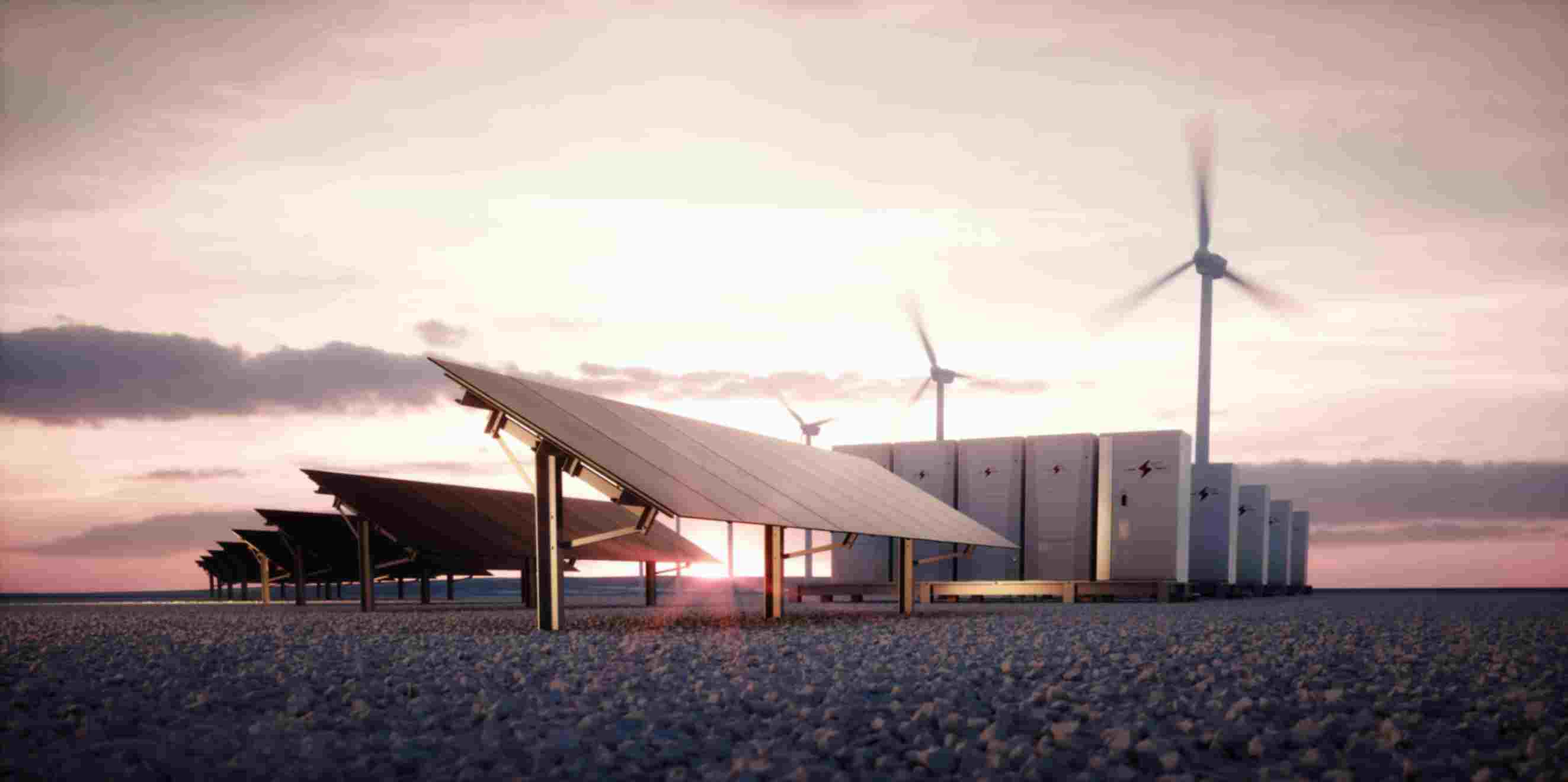
Vesper Energy will host a groundbreaking ceremony on June 24, 2026, to celebrate the launch of Nazareth Solar, a 201-MW utility-scale solar facility, which will generate enough energy to power approximately 53,000 Texas homes.
WHEN:
June 24
10:00 am CT, media arrival 9:00 am check-in
WHERE:
1300 Co Rd 2
Tulia, TX 79088
WHO:
Juan Suarez, Co-Chief Executive Officer, Vesper Energy
Mark Rostafin, Co-Chief Executive Officer, Vesper Energy
Zach Wald, Vice President, EPC, Vesper Energy
Karl Smith, Senior Manager, Vesper Energy
The project expands Vesper Energy’s partnership with Swisher County following the successful launch of Hornet Solar in 2025, one of the largest single-phase solar projects in the United States.
In honor of this important milestone in expanding reliable, locally generated energy in Texas, please join Vesper Energy for remarks from project leaders, a light breakfast, and photo and interview opportunities as we mark the project's official launch.
Vesper Energy | www.vesperenergy.com
Electrical Grid Monitoring (EGM) announced its patented Accurate Fault Location and Detection (AFLD) solution as the first technology that can accurately locate both the time and location of power distribution‑grid faults to within a single pole‑span distance, capabilities which could reduce U.S. customer power outage times from 3-5 hours to approximately one hour, and related utility crew-time costs by 80% from $7 billion annually to around $1 billion annually, based on published industry outage statistics.*
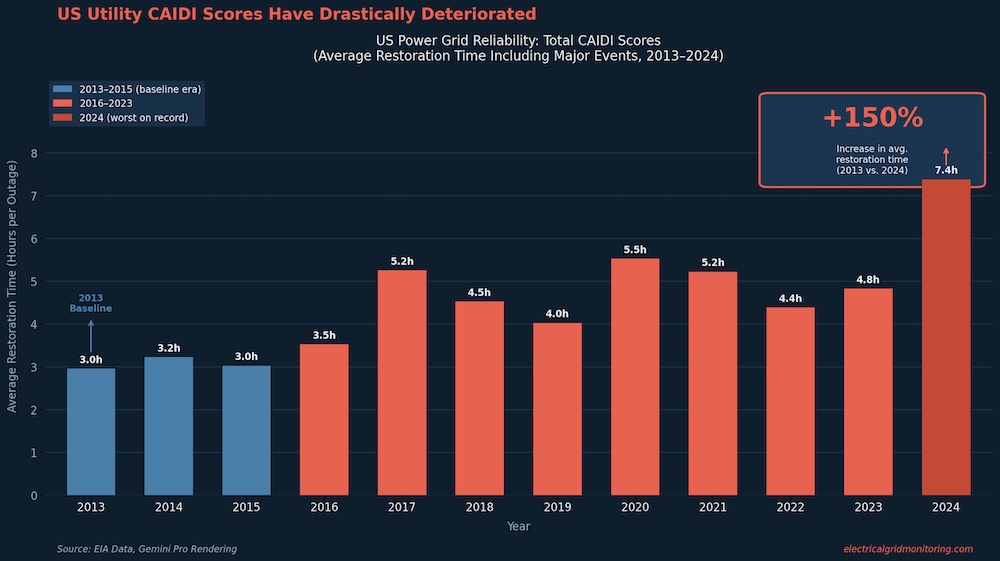
The EGM fault-location solution was independently tested in a blind study by the U.S. Department of Energy’s (DOE’s) National Laboratory of the Rockies (NLR) which then provided test data on fault location accuracy to EGM. According to EGM analysts, the study results, which consisted of 26 blind scenarios, showed promise that EGM’s patented Accurate Fault Location and Detection™ (AFLD) solution can locate multiple power distribution‑grid faults to within a single pole‑span distance. **
“We are pleased that the capabilities of EGM’s grid-fault location detection technology have been successfully validated through independent testing at NLR,” said Alex Levran, Ph.D., CEO of Electrical Grid Monitoring. “Our AFLD technology marks a significant advancement in grid‑reliability innovation by delivering an affordable solution that is unique in its ability to accurately identify both the time and location of a fault, which have traditionally been two of the most costly and time-consuming aspects of power-outage resolution.”
Levran explained that utility crews typically spend two-thirds of their time locating faults and one-third repairing them. By shortening detection and resolution times, EGM’s solution reduces costs for utilities and consumers and can potentially cut outage durations by half.
Addressing a costly challenge and reliability concerns
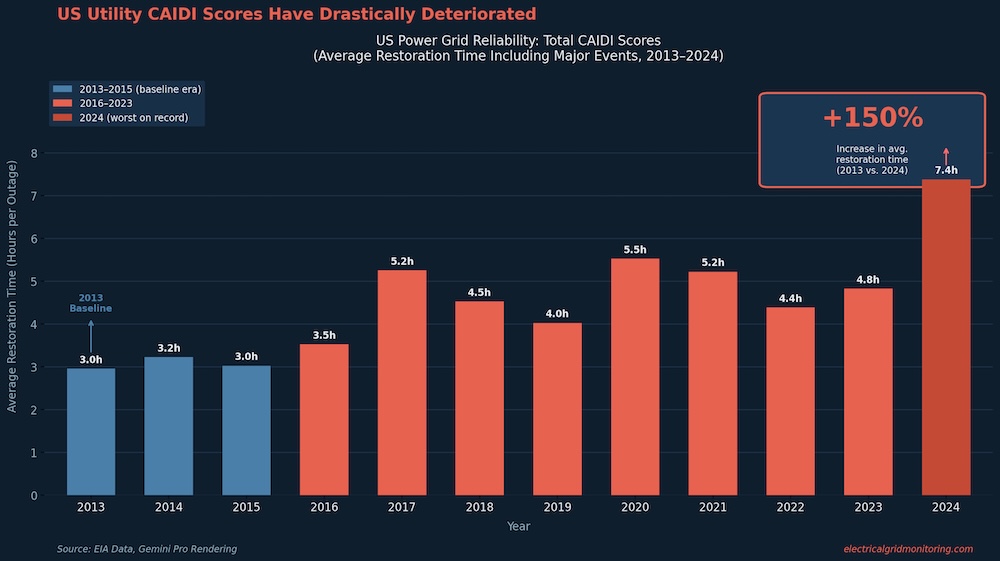
U.S. utilities spend approximately $7 billion annually to dispatch crews for locating and repairing 2.3 million*** power outages. Typical power outages last 2-3 hours, but challenging terrain can extend outages to 7 hours or more. While extreme weather events receive much attention, most interruptions are caused by everyday distribution faults such as branches on laterals, insulator failures, and momentary events.
According to industry estimates, more than 10 million utility “truck rolls” are dispatched yearly in the U.S., costing an average of $1,000 per trip—imposing substantial economic burdens on both utilities and consumers. However, annual utility maintenance costs are increasing due to an aging, overworked grid system, where vast areas contain “blind spots” because they lack detection systems to enable quick fault location and identification.
In its 2025 Report on Evaluating U.S. Grid Reliability and Security, the DOE warned that absent new firm capacity and continued retirement of reliable generation, customer outages could increase by up to 100 times by 2030, with outages rising to more than 800 hours annually in some regions.
The 2025 DOE Pathways to Commercial Liftoff Report says that U.S. electricity demand is expected to increase by 15%-20% in the next decade and double by 2050. In 2025, the DOE launched its “Accelerating Speed to Power” program. The program is designed to accelerate development timelines for large-scale transmission and generation projects to address the growing grid demands for AI, datacenters, and priority onshoring of U.S. manufacturing, while meeting rising demand for affordable, reliable and secure energy.
Reliability and affordability are critical because U.S. electricity prices have reached historic highs, especially in California, where consumers pay 34 cents per kilowatt—120% higher than 15 years ago. And U.S. power reliability metrics continue to worsen: System Average Interruption Duration Index (SAIDI) scores have risen nearly 300% since 2010, and Customer Average Interruption Duration Index (CAIDI) metrics have increased by 160%, according to the International Energy Agency (IEA).
The shift to U.S. manufacturing also requires lower energy rates for companies to profitably compete in international markets. The EGM Meta Alert system offers utilities a cost-effective solution by reducing grid-management expenses, and it will complement future grid configurations associated with mega-datacenters, Levran said. He also said that EGM is moving its own manufacturing facilities to the U.S. to improve efficiencies and reduce both costs and supply chain risks for its customers.
EGM’s system goes beyond fault detection, collecting critical electrical, mechanical, and environmental data—such as voltage, cable temperature, humidity, wind speed, and powerline movement. These parameters help utilities reduce the duration and risk of faults. For example, within minutes, the system can quickly identify incidents caused by heavy winds or fallen trees—such as wildfires, generating actionable data and real-time dashboards for operators.
The EGM Meta-Alert System offers a suite of applications to improve grid performance: power quality, wildfire protection, fault location, dynamic line ratings, and general telemetry. Utilities benefit from reduced service costs, prevention of major outages, and lower energy congestion.
With a return on investment (ROI) under one year, EGM’s offering helps sustain lower energy rates and unlike traditional pole-mounted devices requiring sensors on every pole, EGM deploys clusters of sensors at strategic feeder locations. Each sensor clamps directly onto power lines, capturing comprehensive fault signatures and measuring dozens of parameters previously unavailable. The data is transmitted in real-time to the EGM Meta-Alert™ software, which uses patented algorithms to triangulate fault locations.
The scale of the challenge drew Energy Growth Momentum, a London-based private-equity firm specializing in advancing digital solutions for decarbonized power, to invest in EGM. Energy Growth Momentum led the company’s Series B round, bringing current total funding for EGM to more than $40 million.
“At Energy Growth Momentum, we invest in highly scalable digital solutions that can have an outsized impact on the power grid and energy market,” said Chris Holcroft, an investor and board director at Energy Growth Momentum. “We are particularly focused on dislocations in the transmission and distribution grid, where demand for investment far outstrips supply,” Holcroft said.
Digital solutions can deliver reliability, efficiency, and affordability at scale, but at a fraction of the cost of building new infrastructure, Holcroft said. “EGM offers a complete, low-cost solution accessible to most utilities. We see tremendous potential in fault location for the U.S. market—with an annualized cost-savings potential between $7 billion and $20 billion.”
Alternatives to the EGM system each have limitations—they lack the ability to identify location or other key parameters, they require sensors to be mounted on every pole, which is impractical at utility scale—where networks span millions of poles. Other higher-end solutions are cost prohibitive for all but the largest utilities.
EGM is currently working with the Israel Electric Corporation and multiple U.S. investor‑owned utilities and cooperatives to deploy its technology on live distribution networks.
* & *** (Source: U.S. Public Service Commission data, Energy Information Agency (EIA) Form 861). The results of the EGM pilot study were presented at the Institute of Electrical and Electronics Engineers (IEEE) Conference in May 2026.
**NLR conducted the tests as part of its grid modernization and energy systems research activities. Reference to EGM technology does not constitute endorsement, recommendation, or certification by NLR, the U.S. Department of Energy, or the U.S. government.
Electric Grid Monitoring | https://electricalgridmonitoring.com/

Tempo, a leader in thermochemical energy storage (TCES) systems for industrial electrification, announced its new corporate headquarters in San Diego, marking a critical step in the company’s transition to commercial scale. Located in San Diego’s Sorrento Mesa innovation corridor, the 35,000-square-foot facility is designed to support materials development, engineering, prototype assembly, and system testing. While this facility serves as the company's central "innovation engine," Tempo is finalizing global gigawatt-scale production capabilities with tier-1 contract manufacturing partners to be announced later this year, ensuring a seamless transition to high-volume delivery.

The new facility features significant electrical infrastructure to support full-scale product testing, dedicated machine shop facilities for rapid prototyping, and environmentally controlled R&D areas to accelerate the deployment of containerized thermal batteries.
"Our new headquarters is built with the infrastructure required for scale," said Pasquale Romano, CEO of Tempo. "Industrial electrification is moving to broad deployments, and success depends on factory-built, repeatable products. By delivering high-grade heat at a Levelized Cost of Storage (LCOS) lower than Lithium Iron Phosphate (LFP) systems, we are making the transition from natural gas to electrified heat an economic 'no-brainer' for heavy industry. This facility strengthens our capabilities while positioning us within one of the country’s deepest pools of technical talent."
Electrifying Industrial Heat
Tempo develops TCES systems that enable industrial operators to electrify high-temperature processes traditionally powered by fossil fuels. By storing electricity as thermochemical energy and delivering it on demand, the platform provides a continuous stream of combustion-free, high-temperature air, enabling heavy industries such as cement, chemicals, and metals to replace combustion with electrified heat.
Key capabilities of the Tempo platform include:
Backed by Leading Climate Investors
Tempo is backed by leading climate and energy investors, including Breakthrough Energy Ventures, Khosla Ventures, and Prelude Ventures. The company’s new headquarters reflects its continued momentum as it transitions from technical validation to commercial deployment across industrial sectors.
Tempo | www.tempoenergy.com
RWE and Meta announced a new long-term corporate power purchase agreement (PPA) for the electricity generated by the 298-megawatt (MWac) Rabbit's Foot Solar project in northeast Texas.
The Rabbit's Foot project in Bowie County, Texas, began onsite construction earlier this year. Once operational, the energy generated at Rabbit's Foot will support Meta's goal of matching its operations with 100 percent clean energy. The Rabbit's Foot Solar project is expected to begin commercial operation by the end of 2027.
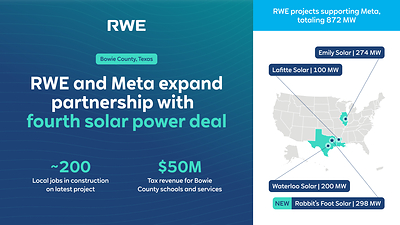
This new corporate PPA with Meta further strengthens the growing partnership between the two companies. RWE and Meta have previously signed PPAs for projects totaling 574 megawatts (MW), including the 274 MW Emily Solar project (formerly County Run Solar) in Illinois, the 100 MW Lafitte Solar project in Louisiana, and the 200 MW Waterloo Solar facility in Texas. With Rabbit's Foot Solar, the two companies now have signed agreements totaling 872 MW over the last two years.
Ingmar Ritzenhofen, Chief Commercial Officer, RWE Americas: "Our partnership with Meta continues to grow as we work together to deliver reliable power that supports their energy commitments. This agreement for the Rabbit's Foot Solar project demonstrates how collaboration can drive meaningful economic growth and community benefits. By investing in Bowie County, we're not only creating approximately 200 local construction jobs, but also generating substantial long-term tax revenue that will help support schools, technical education programs, emergency services, and critical road maintenance and infrastructure improvements across the community."
Amanda Yang, Head of Clean and Renewable Energy, Meta: "Through our continued partnership with RWE, the Rabbit's Foot Solar project will bring new generation to the Texas grid while creating local jobs and delivering lasting economic benefits to Bowie County. We're proud to deepen our collaboration with RWE with our expanded portfolio."
Economic and Community Benefits of Rabbit's Foot Solar Project
The Rabbit's Foot project is expected to create nearly 200 local construction jobs and generate more than $50 million in long-term tax revenues over 40 years for Bowie County, the DeKalb Independent School District, Texarkana College and Emergency District #6.
RWE Americas | americas.rwe.com
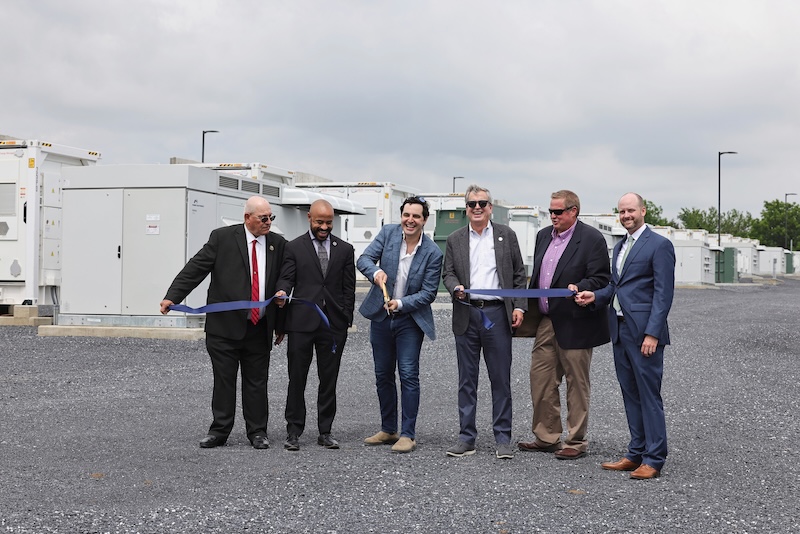
Elevate Infrastructure ("Elevate") and ArcLight Capital Partners ("ArcLight") celebrated the ribbon cutting of Prospect Power Storage ("Prospect Power"), following the successful completion and commencement of operations of the 150 Megawatt (MW) / 600 Megawatt hour (MWh) battery energy storage facility in Rockingham County, Virginia. Representatives from Elevate, ArcLight, Dominion Energy, state and local officials, community leaders, and project partners gathered to commemorate the completion of Prospect Power, the largest standalone battery storage asset in Virginia and the PJM Interconnection.
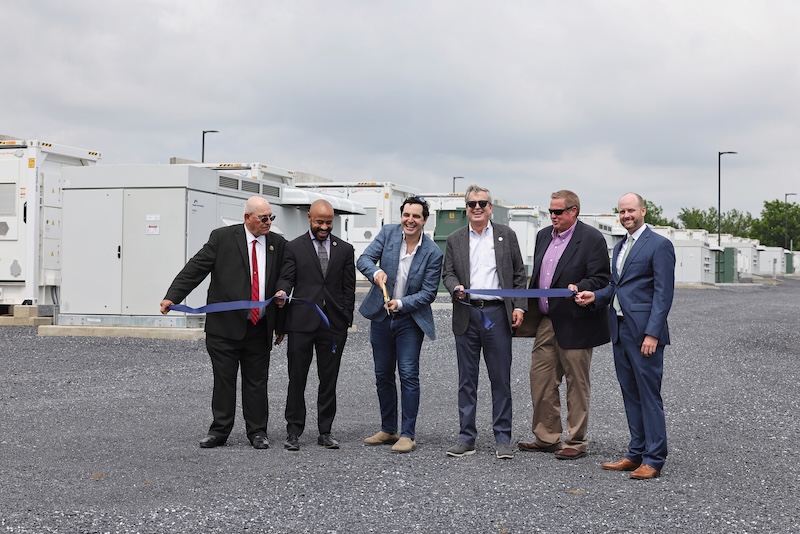
Prospect Power Ribbon Cutting
The facility will play a critical role in supporting grid reliability, enhancing system flexibility, and meeting rapidly growing electricity demand across the Commonwealth.
"Today marks an important milestone for Elevate and for Virginia's energy future," said Joshua Rogol, Chief Executive Officer of Elevate. "Prospect Power demonstrates how Elevate executes utility-scale battery storage at scale to strengthen grid reliability, support economic growth, and help meet the increasing energy needs driven by data centers, artificial intelligence, and electrification. We are proud to bring this critical project into operation and grateful to our investors, partners, local stakeholders, and the Rockingham County community for helping make this project a reality."
Prospect Power reflects Elevate's broader strategy to invest in and operate critical energy infrastructure in markets experiencing rapid growth in electricity demand. Backed by ArcLight, Elevate is building a portfolio of utility-scale battery storage assets designed to strengthen grid reliability and support long-term economic growth.
"ArcLight has been investing and helping to build critical electric infrastructure for more than two decades, and Prospect Power represents the type of infrastructure the market needs to help support this next phase of growth," said Angelo Acconcia, Managing Partner of ArcLight Capital Partners. "As power needs accelerate, driven by AI infrastructure, reshoring, and electrification, we believe battery storage will play an increasingly important role in providing both grid capacity and reliability and Elevate is at the forefront of this."
Prospect Power is capable of delivering up to 150 MW of fast-response power and storing 600 MWh of energy, providing flexible capacity that can help balance supply and demand, manage peak loads, and improve overall grid performance. As electricity demand continues to accelerate across Virginia and the broader PJM region, battery storage resources are becoming an increasingly important component of a reliable and resilient electric grid.
"Battery storage is playing a growing role in supporting a reliable, resilient and diverse grid," said Stu Bresler, Chief Operating Officer of PJM. "This project increases battery storage capacity within PJM by more than 50%, marking a significant milestone for energy storage in our region. Resources like this add flexibility to the grid and help support reliability as demand continues to grow."
Prospect Power comes online as Virginia is advancing policies and investments aimed at strengthening the electric grid and supporting long-term economic development, with battery storage playing an increasingly important role in that strategy.
"As Virginia's energy needs continue to grow, projects like Prospect Power help ensure that we can maintain a reliable, affordable, and resilient electric grid for families and businesses across the Commonwealth," said Josephus Allmond, Virginia's Chief Energy Officer. "Utility-scale battery storage is becoming a key part of our energy strategy, helping maximize the value of existing infrastructure while providing the flexibility needed to meet rising demand. Governor Spanberger recently signed legislation to encourage additional battery storage development across Virginia, and Prospect Power demonstrates the kind of forward-looking investment that will help support both economic growth and long-term energy reliability."
Located in Rockingham County and strategically positioned to support one of the nation's fastest-growing electricity markets, Prospect Power is fully contracted under a 15-year power purchase agreement with Dominion Energy Virginia.
"Prospect Power demonstrates the strength of partnership and progress in action," said Cedric Green, Senior Vice President of Power Generation for Dominion Energy Virginia. "This project adds critical flexibility and reliability to the grid, helping ensure we can deliver power when our customers need it most while supporting Virginia's growing energy needs."
Beyond its contributions to grid reliability, Prospect Power is expected to deliver lasting benefits to Rockingham County through revenue-sharing payments and property tax contributions. The facility is also an annual sponsor of the Rockingham County Fair, demonstrating Elevate's commitment to being an active and engaged member of the community.
ArcLight and Elevate acquired Prospect Power in January 2026 as part of Elevate's strategy to develop, acquire and operate utility-scale battery storage assets in high-growth power markets where reliability, flexibility, and speed-to-market are increasingly critical. The completion marks the latest milestone in Elevate's expanding platform. In March, the New Jersey Board of Public Utilities selected Elevate's 150 MW / 600 MWh Garden State Reliability Project as part of the Garden State Energy Storage Program. In April, Elevate closed a $50 million Energy Transition Supplier Finance Facility supporting a solar and battery storage project contracted to power a data center, and the company also submitted 7,600 MWhs of new battery energy storage into the latest PJM queue process.
As electricity demand continues to rise across the United States, driven by data centers, advanced manufacturing, artificial intelligence, and electrification, Elevate and ArcLight are helping ensure reliable power is available where needed most. By delivering flexible, utility-scale energy infrastructure in high-growth markets, Elevate and ArcLight are helping build the infrastructure that powers communities, businesses, and the digital economy.
Elevate | www.elevateinfra.com
ArcLight | www.arclight.com

Wind May 15, 2026
As wind development pushes into more remote and environmentally sensitive terrain, site access is no longer a secondary concern. It is a primary project risk. Unstable soils, seasonal flooding, protected wetlands, and water crossings can derail permi....

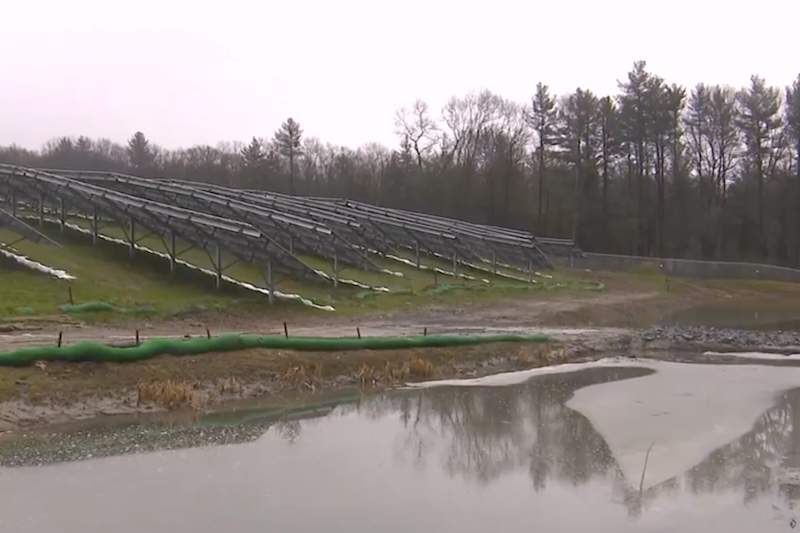
A decade ago, most utility-scale solar projects were built on flat, well-drained land. Today, those sites are largely gone. What remains are parcels that sit lower, drain poorly, or come with a history of standing water. At the same time, storms a....

The season for hail storms is getting longer, producing storms with large hail more frequently during an expanded season. Case in point: On March 10, 2026, softball-sized hail fell in northern Illinois. While that might not have been news had it occu....
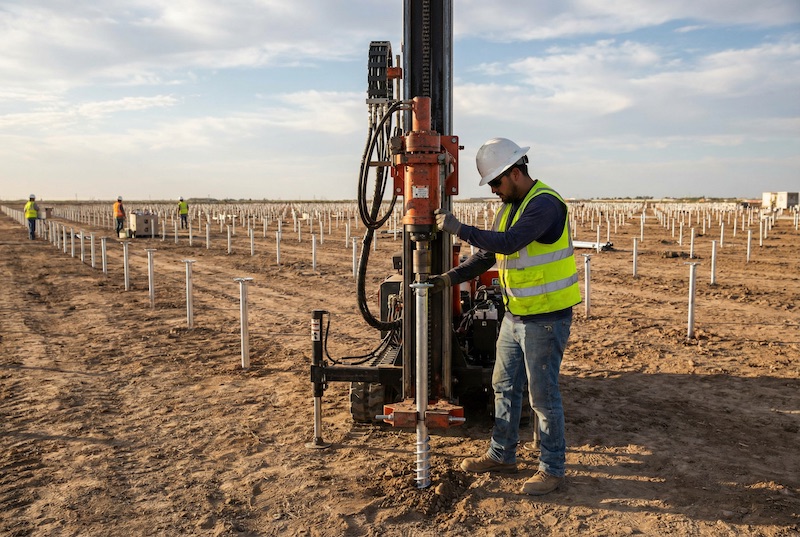
The solar industry has spent the last decade relentlessly driving down cost. Module prices fell. Installation efficiencies improved. Supply chains have globalized. In many ways, the playbook worked. But as development pushes into more c....

.gif?r=2583)
As wind development pushes into more rem....
They equip existing wind turbines with n....
Half of North America's installed wind f....


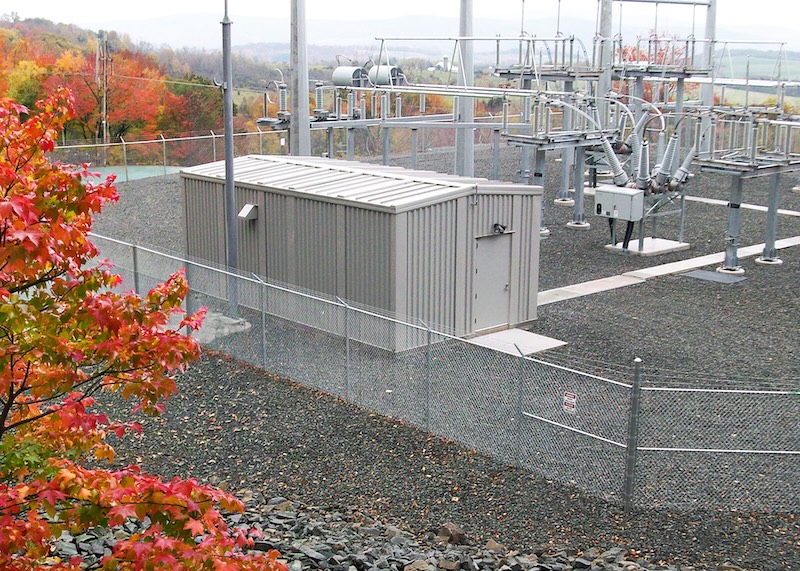
Extreme weather events such as hurricanes, tornadoes, earthquakes and blizzards have increased over the past several years. Alongside this trend, the need to protect critical onsite energy storage equipment has grown in order to maintain grid reliabi....

From hurricanes to ice storms and derechos, severe weather is hitting harder and more often. Energy infrastructure is under unprecedented strain, and the traditional methods of grid hardening are no longer enough. For decades, utilities have....
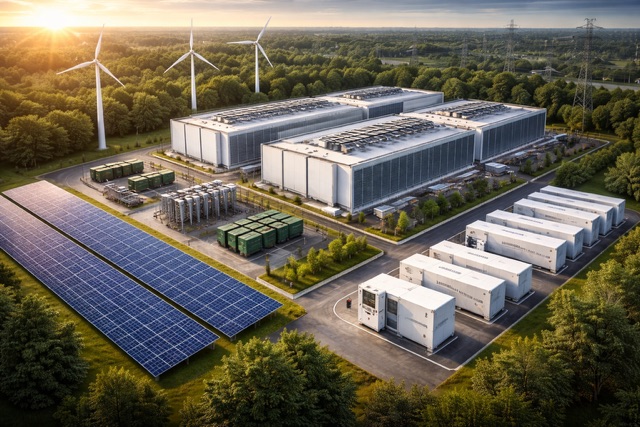
Americans are watching their electricity bills climb, and many are pointing the finger at the massive data centers sprouting up across the country. It's an understandable reaction. The U.S. Department of Energy U.S. says that data center energy ....


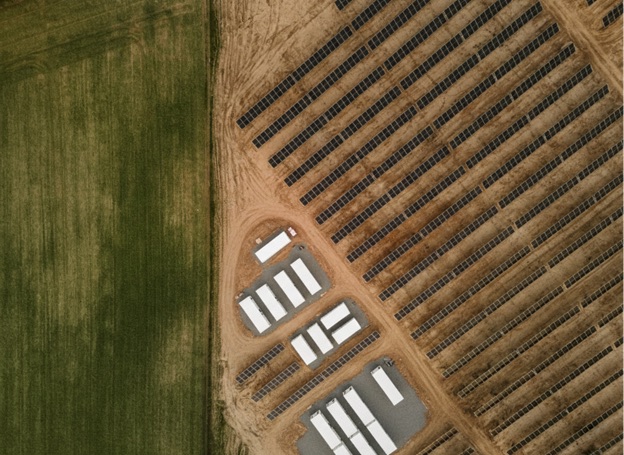
The bond between solar energy and storage is undergoing a profound transformation. What started as a supplemental technology to reduce renewable energy intermittency is now becoming a defining prerequisite to how solar projects are financed, built, a....
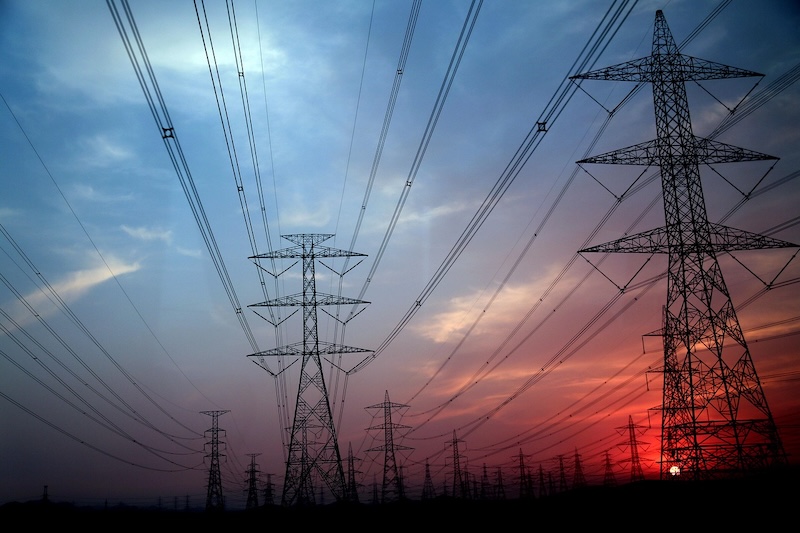
When a complex, entrenched system faces immense strain, it can either generate the capacity for transformational change or distort in unproductive ways. The North American power grid is experiencing exactly this tension. After years of relative stasi....

Digital substations are a key component in the ongoing digital transformation of electric power systems. While this modernization brings unprecedented efficiency and visibility improvements, it also opens the door for potential cybersecurity issues. ....