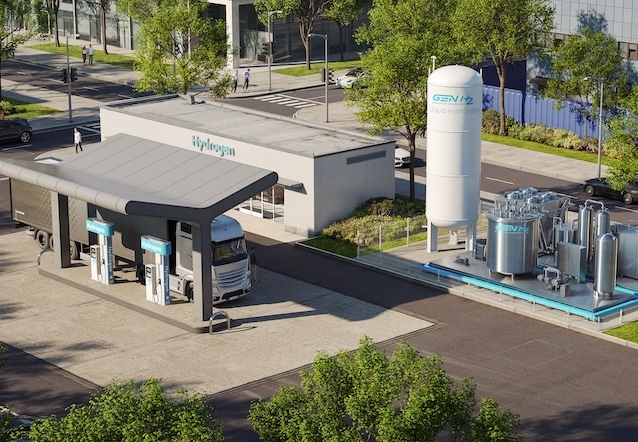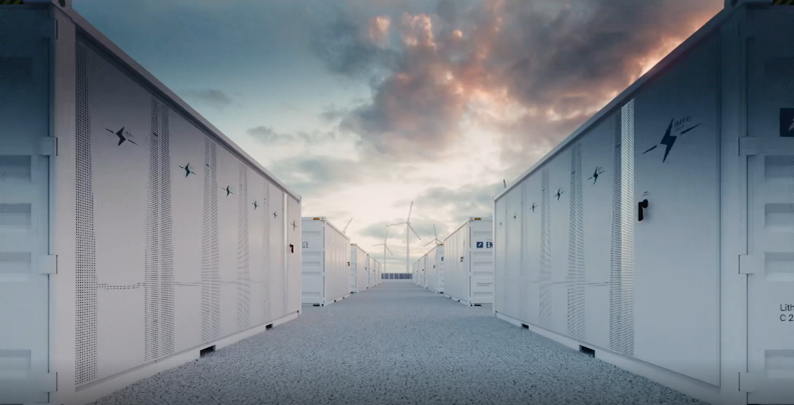




Energy transition is entering a new phase, defined less by how energy is generated and more by how it is stored, managed, and delivered. As energy systems become increasingly decentralized, the ability to provide reliable, high-density, long-duration storage is emerging as a foundational requirement — not an optional capability. Across utilities, industrial operations, ports, transit agencies, and data centers, the pressure is mounting to ba....
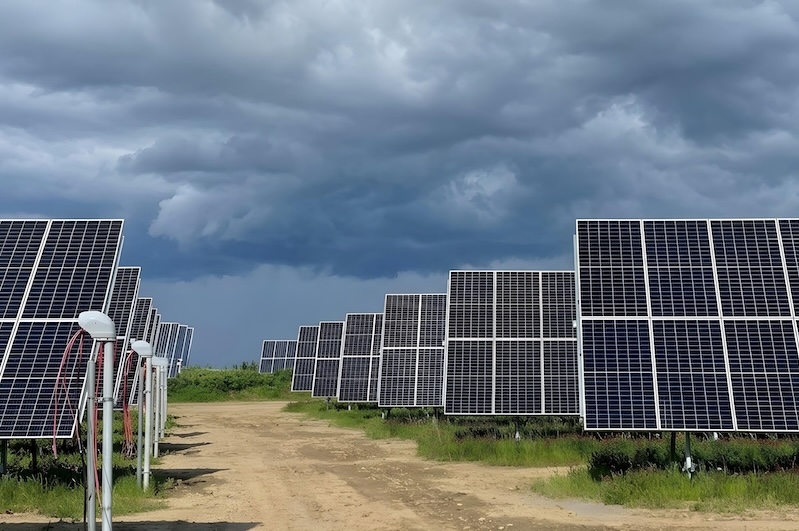
While solar tracker software is known for its role in maximizing production, it also plays a key role in mitigating risks. It can increase energy production in challenging situations, minimize damage from weather events, and reduce O&M costs. In the face of escalating climate change threats and heightened solar industry pressures, tracker software is rising to the challenges to keep solar sites productive and protected. Q:&n....
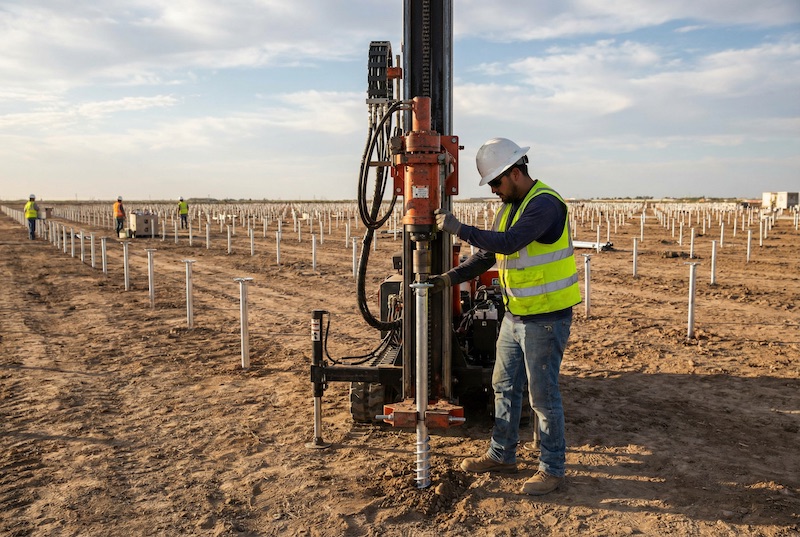
The solar industry has spent the last decade relentlessly driving down cost. Module prices fell. Installation efficiencies improved. Supply chains have globalized. In many ways, the playbook worked. But as development pushes into more challenging terrain: rocky soils, variable geotechnical conditions, and remote locations, that same cost-first mindset is beginning to show its limits. Developers now routinely confront conditions earl....
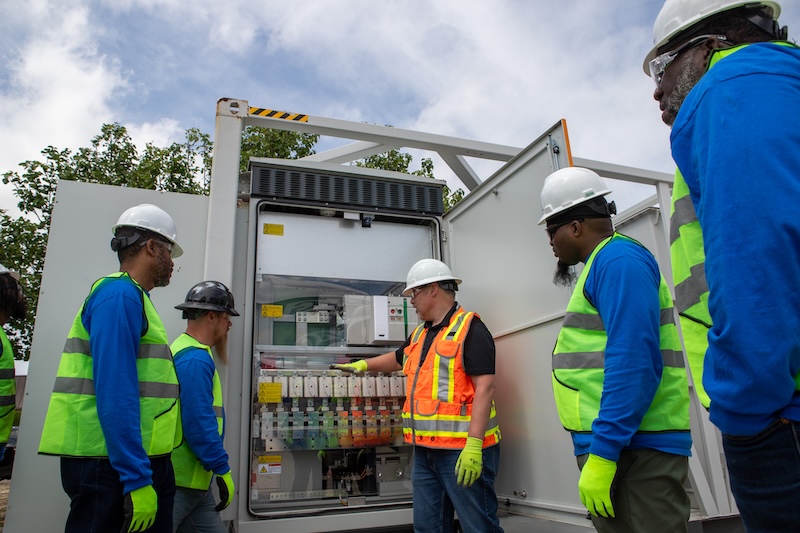
As the clean energy industry continues its rapid expansion, utility-scale solar and battery energy storage systems (BESS) are being deployed in increasingly challenging environments. From extreme desert heat in the Southwest to hurricane-prone regions along the Gulf Coast, today’s projects are operating in conditions that test both infrastructure and human performance. Extreme weather is no longer an exception — it is the operating environmen....
Energy Storage
Schaltbau North America
Wind
Jeremy Sheldon
Wind
Bora Tokyay
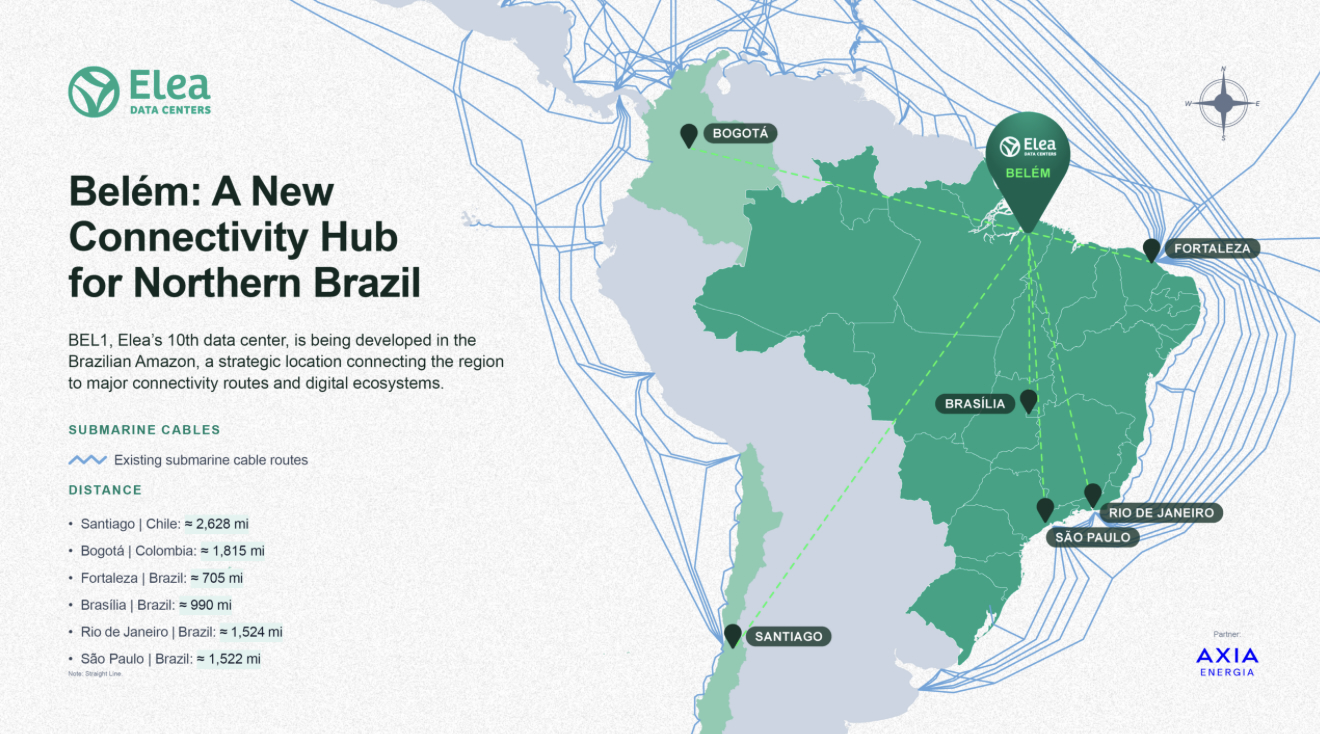
Elea Data Centers, in partnership with AXIA Energia, will launch the first Artificial Intelligence (AI) neutral data center in the Amazon region (BEL1), located in Belém, Pará state. With operations scheduled to begin in the second quarter of 2027, the facility will have an initial capacity of 7.5 MW, already backed by demand from large anchor clients, with potential expansion of up to 100 MW in future phases. Elea will be responsible for operating the facility, while AXIA will supply 100% renewable energy to the project.
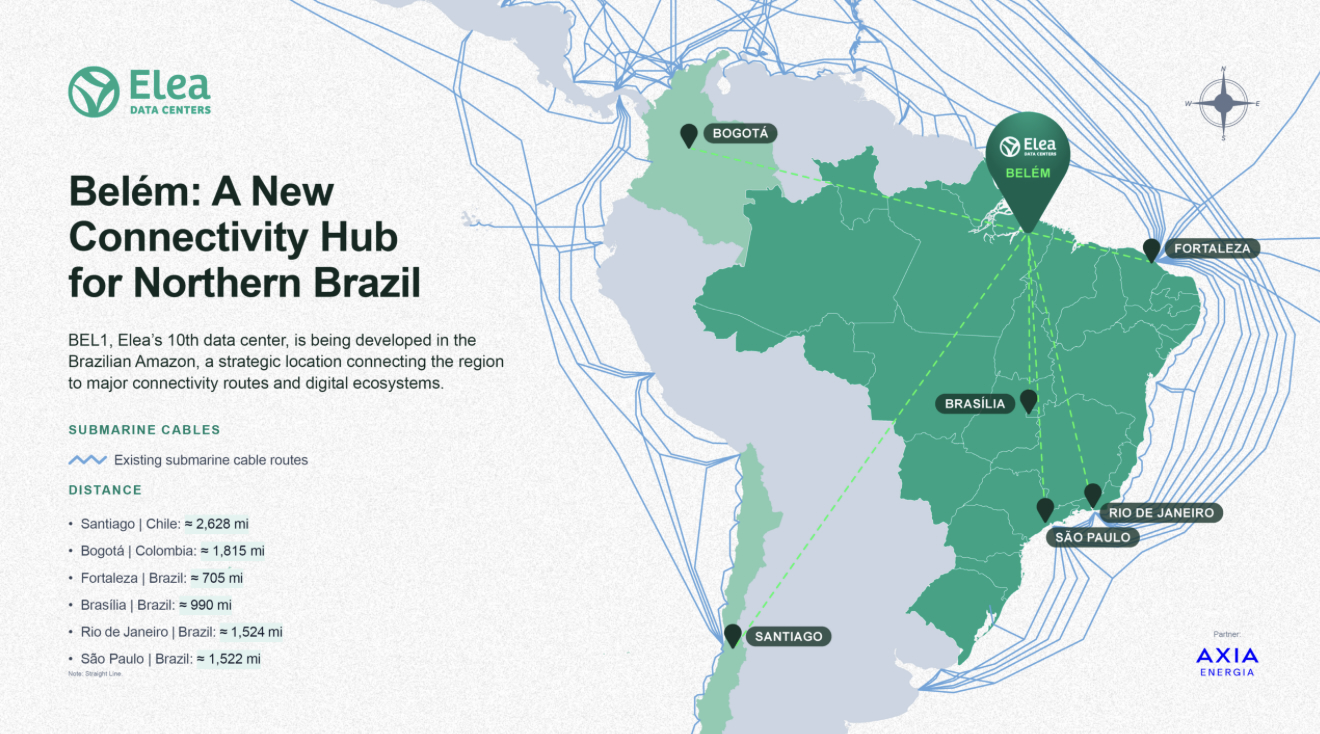
The data center will be built near the Miramar high-voltage substation, operated by AXIA, ensuring high energy reliability, flexibility for future expansions, and greater operational efficiency. In addition, the operation will be supplied with renewable energy under a Power Purchase Agreement (PPA), reinforcing both companies’ commitment to developing sustainable digital infrastructure.
“Expanding into Belém is a strategic move to broaden the geographic distribution of our platform and strengthen Brazil’s digital infrastructure. The project began to take shape in 2024 when Belém was confirmed as the host city for COP30, reinforcing the region’s potential to attract structural and sustainable investments. The North region will play a fundamental role in the Brazilian digital ecosystem by providing an alternative route to Fortaleza and by helping reduce digital inequality and boost regional competitiveness. BEL1 reaffirms our pioneering spirit and represents a legacy of COP30 by demonstrating the importance of developing sustainable digital infrastructure in strategic and remote regions,” states Alessandro Lombardi, CEO and founder of Elea Data Centers.
The project, which includes AXIA’s Commercialization and Land areas, positions the energy company prominently in the country’s growing data center market, solidifying its role as a provider of firm, clean energy for new ventures in the sector. AXIA will be responsible for ensuring the energy availability necessary for BEL1 and will work together with Elea to evaluate solutions to support the capacity expansions planned for future phases of the project.
“The partnership with Elea reinforces AXIA’s role as a provider of integrated solutions for its clients, enabling innovative and strategic business ventures and projects focused on digital transformation. As the largest 100% renewable energy company in the Southern Hemisphere, AXIA has a robust portfolio capable of guaranteeing firm, reliable, and sustainable energy for an enterprise of this magnitude, expanding connectivity and contributing to attracting investments that boost the economic development of the Amazon region,” states Ítalo Freitas, Vice President of Commercialization and Energy Solutions at AXIA.
Brazil’s North Region: An Emerging Connectivity Hub
From a connectivity perspective, Belém occupies a strategic position as a complementary and resilient route to the Fortaleza hub, the country’s main gateway for submarine cables. The city integrates into the Northern region’s connectivity network through the infoways of the Norte Conectado (Connected North) program and gains additional relevance with the expansion of coastal fiber routes connected to international systems such as routes from Europe to Latin America.
This combination strengthens route diversity, expands the resilience of Brazilian digital infrastructure, and positions Belém as a new strategic hub for the development of the digital economy in the Amazon.
Elea Data Centers | www.eleadatacenters.com
AXIA Energia | https://eleadatacenters.com/en
The Canadian Renewable Energy Association (CanREA) acknowledges the government of Quebec's tabling of its first Plan de gestion intégrée des ressources énergétiques (PGIRE), setting out renewable energy targets through 2050.
The PGIRE establishes targets of up to 25 GW of wind and up to 5 GW of solar by 2050 as part of a broader goal of 150 TWh to meet Quebec's energy needs. Wind and solar are among the lowest-cost ways to add new electricity supply, and the two most installed technologies in recent years worldwide. The PGIRE aligns with this global trend. Meeting its targets and accelerating the energy transition will require sustained renewable energy supply over many years: Quebec's current total capacity is 4.2 GW for wind and 0.02 GW for solar.
"Quebec's PGIRE places wind and solar at the heart of the province's electricity future and recognizes the important role of energy storage," said CanREA President and CEO Vittoria Bellissimo. "Our industry is ready to deliver affordable, reliable and quickly deployable electricity at the scale Quebec needs, which will require clear supply processes, regulatory predictability and new transmission lines to connect this additional clean power to the grid."
The plan recognizes that wind and solar are well-suited to meet the electricity needs of Quebec households and businesses. These technologies are among the most cost-competitive sources of new generation available. Quebec's electricity demand is growing with the electrification of transportation, heating and industry, and building more wind and solar is crucial to ensuring a successful energy transition. Energy storage complements both by keeping the power system running reliably and improving flexibility during periods of peak demand.
CanREA members contributed directly to the development of the PGIRE, including through the Vision énergie initiative, parliamentary hearings on Bill 69, a roundtable convened at the Maison du développement durable with the provincial economy, innovation and energy ministry, and as an intervenor in the Régie de l'énergie's review of the preliminary plan.
"Wind, solar and energy storage will be among the central drivers of Quebec's economic growth in the decades ahead, creating good jobs, delivering benefits to municipalities and Indigenous communities, and powering the sustainable development of many sectors of our economy," said Jean Habel, CanREA's Senior Director of Policy for Quebec and Atlantic Canada, who attended today's announcement at Hydro-Québec's research institute in Varennes. "CanREA members contributed to building this plan and are ready to help execute it."
Habel says the plan also makes it clear that building a modern electricity system requires sustained collaboration across all government departments.
CanREA will be reviewing the full PGIRE in detail and will engage with the government and Hydro-Québec as implementation progresses.
“Quebec's PGIRE places wind and solar at the heart of the province's electricity future and recognizes the important role of energy storage. Our industry is ready to deliver affordable, reliable and quickly deployable electricity at the scale Quebec needs, which will require clear supply processes, regulatory predictability and new transmission lines to connect this additional clean power to the grid.”
—Vittoria Bellissimo, President and CEO, Canadian Renewable Energy Association (CanREA)
“Wind, solar and energy storage will be among the central drivers of Quebec's economic growth in the decades ahead, creating good jobs, delivering benefits to municipalities and Indigenous communities, and powering the sustainable development of many sectors of our economy. CanREA members contributed to building this plan and are ready to help execute it."
—Jean Habel, Senior Director of Policy for Quebec and Atlantic Canada, Canadian Renewable Energy Association (CanREA)
Canadian Renewable Energy Association | renewablesassociation.ca
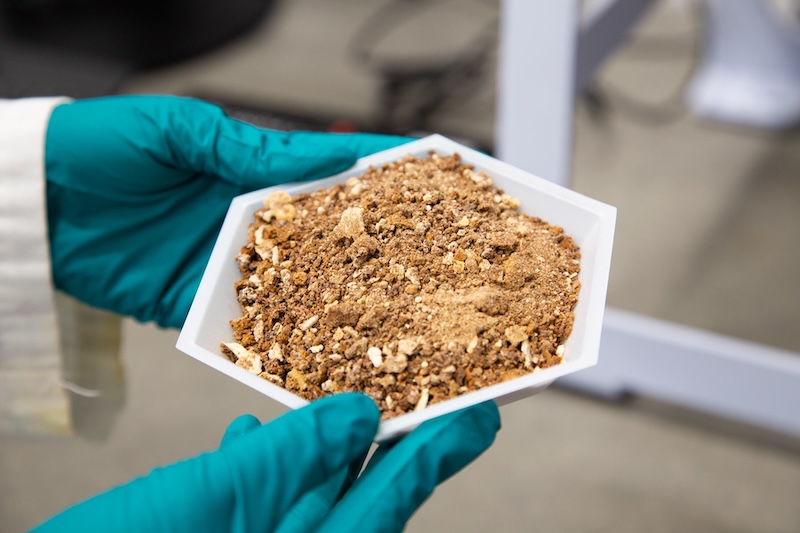
pH7 Technologies Inc. a Vancouver-based critical metals processing company, is pleased to announce up to $5 million in funding support from Natural Resources Canada through the Energy Innovation Program's Mining Decarbonization Demonstration Call for Proposals to evaluate a first-of-its-kind copper production technology using samples from [Trekor Metals’] Gibraltar Mine in British Columbia. The project will validate pH7's proprietary closed-loop copper extraction process, which converts low-grade sulfide ore directly into 99.9% pure copper cathodes on-site while generating green hydrogen as a valuable by-product. If successful, the project will generate the operational, environmental and economic data needed to support potential future scale-up and deployment across the Canadian mining sector.
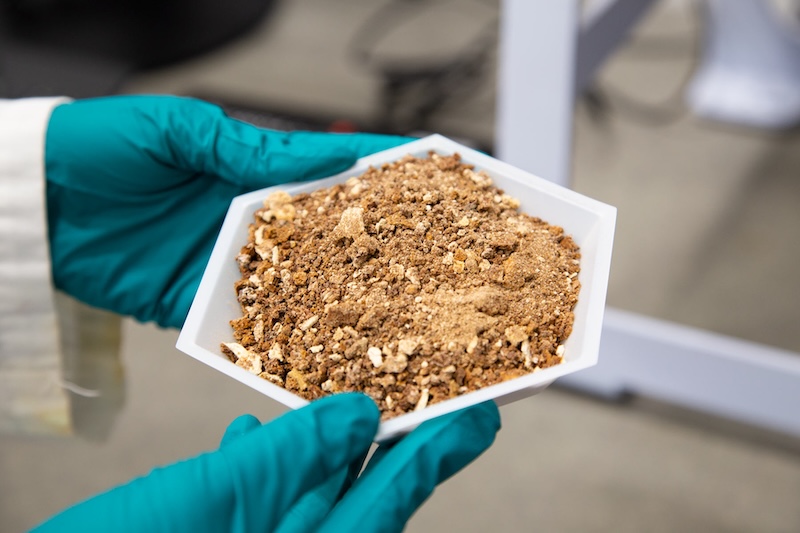
The technology represents a fundamentally different approach to copper production. By providing an additional pathway for producing high-purity copper cathodes directly at a mine site, pH7's process has the potential to significantly improve resource efficiency while strengthening domestic critical mineral supply chains.
"As demand for copper continues to grow due to electrification, renewable energy infrastructure, artificial intelligence and advanced manufacturing, the industry faces the challenge of increasing supply while reducing environmental impacts," said Mohammad Doostmohammadi, Founder and Chief Executive Officer of pH7 Technologies.
"The support from Natural Resources Canada validates the importance of developing innovative Canadian technologies that can strengthen critical mineral supply chains, improve resource efficiency and help decarbonize the mining industry."
The Honourable Tim Hodgson, Minister of Energy and Natural Resources
“Canada has the resources, talent and innovative technologies needed to be a global leader in critical minerals. Projects like this help strengthen domestic supply chains, improve the competitiveness of our mining sector and support economic growth while advancing more efficient and sustainable resource development.”
Adil Cheema, Director, Process Engineering, Trekor Metals
"Meeting future copper demand will require both new sources of supply and innovative approaches to improve the efficiency of existing operations. We are pleased to support the evaluation of emerging technologies such as pH7’s process and look forward to the insights generated through this program"
The project will advance through engineering and technology development phases, generating the technical data required to evaluate future demonstration opportunities and de-risk future commercial deployment. The NRCan funding is intended to support future construction and demonstration phases, pending technical and commercial evaluation from both sides.
By enabling the production of high-purity copper cathodes directly at mine sites, pH7's technology has the potential to increase recovery from low-grade resources, extend the value of existing mining assets and support Canada's leadership in sustainable critical minerals production.
pH7 Technologies | https://ph7technologies.com/

The National Electrical Manufacturers Association (NEMA) applauded the U.S. House of Representatives for passing Securing Community Upgrades for a Resilient Grid (SECURE Grid) Act, bipartisan legislation that would strengthen planning for America's electric distribution system against cyber, physical, and weather-related threats. NEMA commends U.S. Reps. Bob Latta (R-OH) and Doris Matsui (D-CA) for their leadership advancing the bill and urges the Senate to swiftly pass its companion measure.
“The power grid is the backbone of the U.S. economy, and modernizing our nation’s distribution infrastructure is essential to delivering the reliable power that supports economic growth and meets rising electricity demand,” said NEMA President and CEO Debra Phillips. “The SECURE Grid Act takes a comprehensive approach to ensuring states adopt durable distribution planning that reflects today’s evolving cyber, physical, and supply chain risks. By strengthening that proactive planning, this bipartisan bill will accelerate deployment of grid-hardening equipment, distributed energy resources behind-the-meter technologies, and the other innovations needed to modernize and protect America’s electric distribution system.”
The legislation would help states identify vulnerabilities and develop strategies to address emerging threats before they disrupt communities, businesses, and critical services.
NEMA has long supported policies that accelerate grid modernization and strengthen resilience while bolstering domestic manufacturing of critical electrical equipment that powers the nation.
National Electrical Manufacturers Association | makeitelectric.org

Schneider Electric, a global energy technology leader, announced the expansion of EcoCare, a next-generation service plan that combines AI-powered condition-based maintenance and 24/7 remote monitoring to now include 3-Phase UPS. It is designed to transform how organizations manage their critical assets and systems, applying energy intelligence to improve uptime, enhance safety, and streamline operational efficiency.

Operations are under increasing pressure as downtime costs range from $10,000 to $10 million per hour(1) and U.S. energy demand surges, with Schneider Electric's Research Institute projecting the country must add 1,000–2,000 TWh of electricity per decade to meet demand from AI, electrification, and industrial growth.
Meanwhile, a growing engineering skills gap—estimated to result in $8.5 trillion in unrealized global revenue by 2030—makes it more challenging to maintain safe, reliable, and compliant operations. Fragmented asset management and constrained investment further limit organizations' ability to prevent downtime, optimize maintenance, and extend asset lifespan.
In data center environments, current maintenance approaches are increasingly under strain, with power the leading cause of impactful outages—most often from UPS issues—and the majority of incidents still involving human error.
At the same time, 98% of sites face electrical safety risks, while 71% lack the spare parts needed to ensure business continuity. Further compounding the issue, 89% of organizations do not follow manufacturer-recommended maintenance practices.
"We're making invisible problems visible through digital connectivity—using data and AI to identify degradation and potential failures before they happen," said Bryan Stevens, Senior Vice President, US Services, Schneider Electric. "We're enabling organizations to transform operations in an unprecedented way - using predictive insights to reduce interventions and cost, improve risk management, and ultimately protect uptime in an increasingly complex environment."
Schneider Electric is the energy technology partner for the organizations that run critical operations, embedding energy intelligence across its services portfolio to turn real-time data into foresight, not hindsight.
Staying ahead of critical failures with 24/7 remote monitoring
EcoCare enables a shift to proactive, condition-based maintenance, starting with connected assets and remote monitoring. Whether through native connectivity or retrofitting with sensors and network management cards, critical operational and environmental data, such as temperature, wear, aging, partial discharge and battery status is continuously captured and analyzed.
Data flows securely into EcoStruxure IT architecture, which follows data protection best practices, including IEC 62443-4-1 standards and CREST-accredited penetration testing.
Schneider Electric's experts at the Connected Services Hub monitor UPS assets at the component level 24/7, using predictive analytics to detect early signs of failure and take proactive, AI-enabled action—remote troubleshooting or targeted on-site intervention—to mitigate downtime risks.
This results in shorter time‑to‑repair, improved first-time-fix rate, and less operational load so teams can concentrate on added value tasks.
Across industries, our customers have seen the value of 3-Phase UPS remote monitoring:
Optimizing maintenance calendar through AI-powered condition-based maintenance
EcoCare shifts operations teams from reactive firefighting to proactive insight, combining AI models – trained on the world's largest installed base of electrical assets and continuously refined by over 300 data scientists – with the expertise of more than 6,000 Schneider Electric experts.
With AI-powered condition-based maintenance, key data points are analyzed, such as wear, aging and temperature, and maintenance history to determine the optimized date for the next maintenance intervention. This adapts maintenance schedules to the real condition of assets, avoiding both unnecessary maintenance and the cost of intervening too late.
Condition-based maintenance can help:
At Compass Datacenters, a fleet of 78 EcoStruxure™ modular data centers achieved up to 20% OpEx savings over a two-year period by shifting from calendar-based to condition-based maintenance.
Unlocking exclusive benefits
EcoCare also provides exclusive, faster support for organizations' daily operations with:
A true partnership on asset lifecycle management
Schneider Electric delivers a unified approach to Asset Lifecycle Management Services, supporting customers across plants, data centers, buildings, and grids to operate critical energy systems reliably, safely, and efficiently. The 3-Phase UPS expansion builds on the recent launch of EcoCare for BMS and joins a growing EcoCare portfolio—spanning electrical distribution, single- and three-phase UPS, modular data centers, and building management systems—that reinforces Schneider Electric's leadership in energy technology and services.
EcoCare services are complemented by:
Related resources:
Schneider Electric | www.se.com
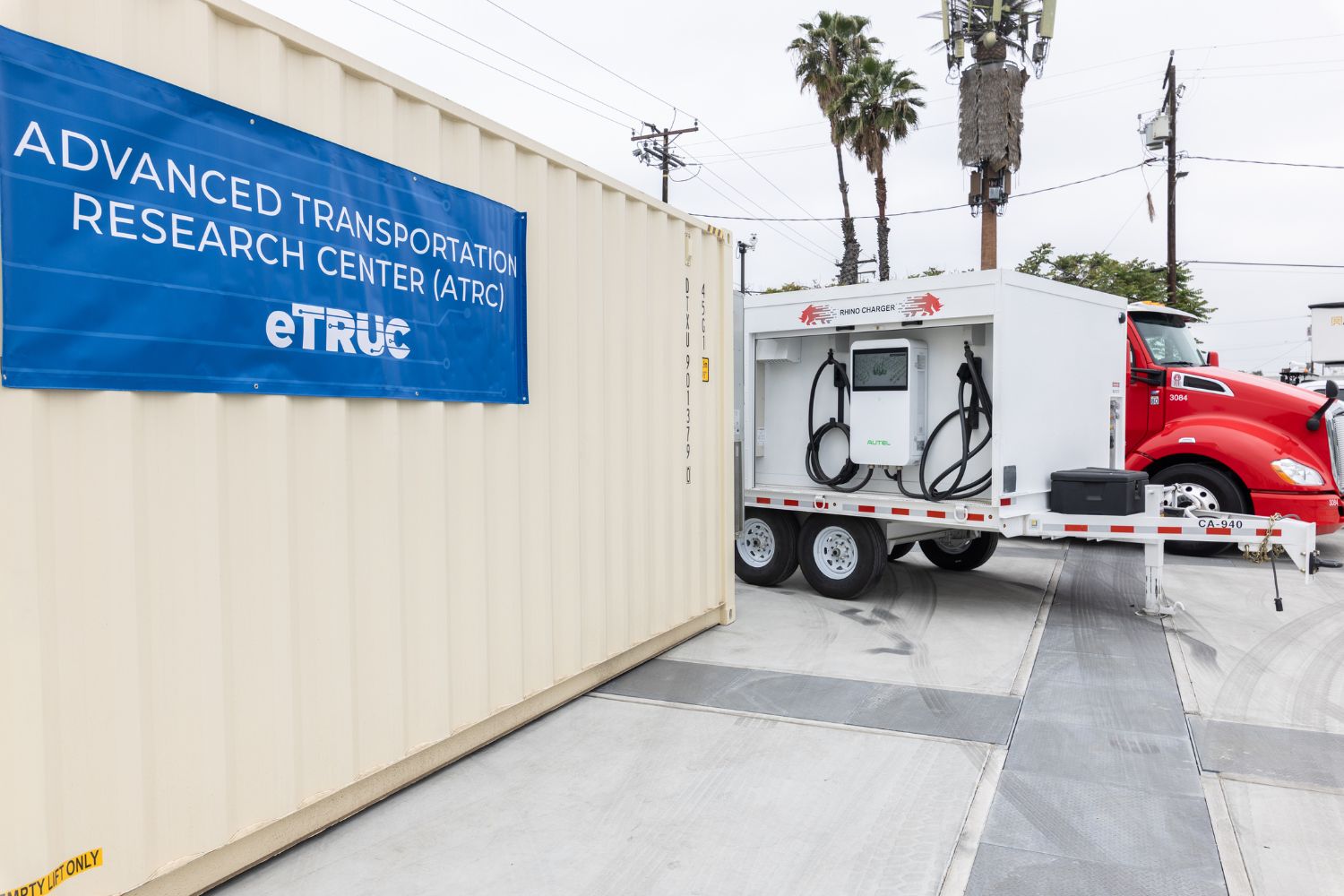
Sanalife Energy was chosen as part of a larger consortium to commission California's first commercial truck-charging research hub in Carson. Sanalife's E360 energy management system serves as the real-time monitoring engine for the project's electrification and data collection. The Carson site is one of two pilot demonstrations under the California Energy Commission grant GFO-20-306, part of the Electric Truck Research and Utilization Center (eTRUC) initiative, which researches high-power charging for Class 7 and 8 zero-emission freight trucks.
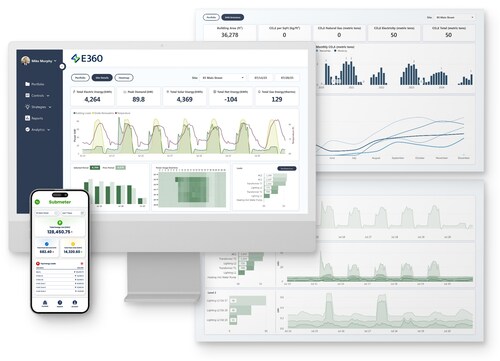
California is electrifying its medium- and heavy-duty fleets faster than its grid can add capacity. A single megawatt charger draws more power than 600 homes. The Carson hub pairs heavy-duty EV charging with on-site battery storage that shaves peak demand without slowing truck movement. E360 is the data behind it.
Sanalife's E360 system integrates all major on-site devices and provides power data at one-minute intervals from the heavy-duty EV chargers, the battery storage system, the medium-voltage switchgear, and the supporting transformers. That's up to 100X more granular than the cadence typical of utility metering.
"Megawatt charging will define commercial freight for the next decade," said Ashish Chona, Chief Commercial Officer at Sanalife Energy. "The operators running those sites either see every kilowatt in real time, or they are guessing at their peak bills. Carson proves E360 scales to that class of load. The hydrogen refueling stations are next."
The hub serves Class 7 and 8 battery-electric trucks operating along Southern California freight corridors. Burns & McDonnell coordinated the electrical design, and MHX hosts the site and provides the charging and switchgear infrastructure.
Carson is the gold standard. The data and operating strategies developed there are expected to transfer to commercial freight charging hubs across California and to the hydrogen refueling stations that will sit alongside them. Sanalife Energy has built E360 as the energy management platform for what comes next: electrification, hydrogen, and the mixed-fuel sites that bridge them.
Sanalife Energy | https://www.sanalifeenergy.com/
Electric Truck Research and Utilization Center | etruc.org
PowerBank Corporation (NASDAQ: PBK) (Cboe CA: PBK) (FSE: 103) ("PowerBank" or the "Company"), a leader in independent energy development and asset ownership in North America, is pleased to announce its wholly owned subsidiary Abundant Solar Power Inc. has executed an Operations and Maintenance Services Agreement (the "Agreement") with Honeywell International Inc. (NASDAQ: HON) ("Honeywell" or "HON") to provide operations and maintenance services for a 21 MW portfolio of three projects named SB 13-1, SB 13-2, and SB-14 (the "Projects"). The Projects are built on an industrial brownfield owned by Honeywell, which is regulated by the New York State Department of Environmental Conservation. The Projects have been moved from Honeywell International Inc. to Honeywell Aerospace Inc., following the planned spinoff of Honeywell Aerospace on June 29, 2026.
The Agreement outlines the roles, responsibilities, and performance standards governing the long-term management of the Projects. It establishes requirements for routine inspection, maintenance, repair, and operational monitoring to ensure the Projects function effectively and in compliance with applicable regulations. The Agreement also defines reporting obligations, cost responsibilities, and coordination protocols between the parties, while setting clear expectations for environmental protection, safety, and system reliability over the term of the Agreement.
PowerBank's President and Chief Operating Officer Andrew van Doorn commented, "Securing the O&M agreement on the Honeywell portfolio is a natural extension of the work our team has been executing from day one. When you develop, permit, build, and commission a project, you know it better than anyone, and that knowledge is exactly what makes for reliable long-term operations. This agreement reflects the strength of our full-cycle platform, and the trust Honeywell has placed in PowerBank to deliver not just megawatts, but lasting performance."
In September 2023, the Company completed the sale of the Projects to Honeywell and entered into an engineering, procurement, and construction ("EPC") agreement to build the Projects through to commercial operation. The Agreement follows the announcement of the successful commissioning of the SB 13-2 project.
The Agreement for the portfolio of Projects with Honeywell demonstrates PowerBank's vertically integrated business model, offering services across development, EPC, and Operations and Maintenance to provide megawatts of power. Having now developed and constructed over 100 megawatts of clean energy projects across North America, with a pipeline exceeding one gigawatt, PowerBank is increasingly well-positioned to serve not only traditional utility and community solar offtakers, but also the rapidly growing demand for reliable, on-site power generation driven by AI compute infrastructure and modular data centers.
PowerBank | www.powerbankcorp.com
Solar Jun 29, 2026
Building or operating energy infrastructure today entails managing more complexity with fewer people. Fueled by the data center buildout and rising energy demand, operators face long interconnection queues, greater project volume and scale, and an in....

Building or operating energy infrastructure today entails managing more complexity with fewer people. Fueled by the data center buildout and rising energy demand, operators face long interconnection queues, greater project volume and scale, and an in....
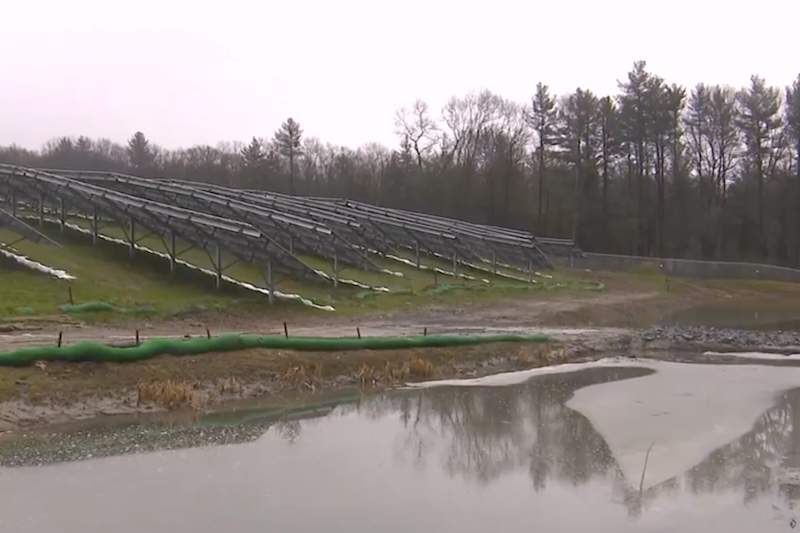
A decade ago, most utility-scale solar projects were built on flat, well-drained land. Today, those sites are largely gone. What remains are parcels that sit lower, drain poorly, or come with a history of standing water. At the same time, storms a....

The season for hail storms is getting longer, producing storms with large hail more frequently during an expanded season. Case in point: On March 10, 2026, softball-sized hail fell in northern Illinois. While that might not have been news had it occu....

.gif?r=5893)

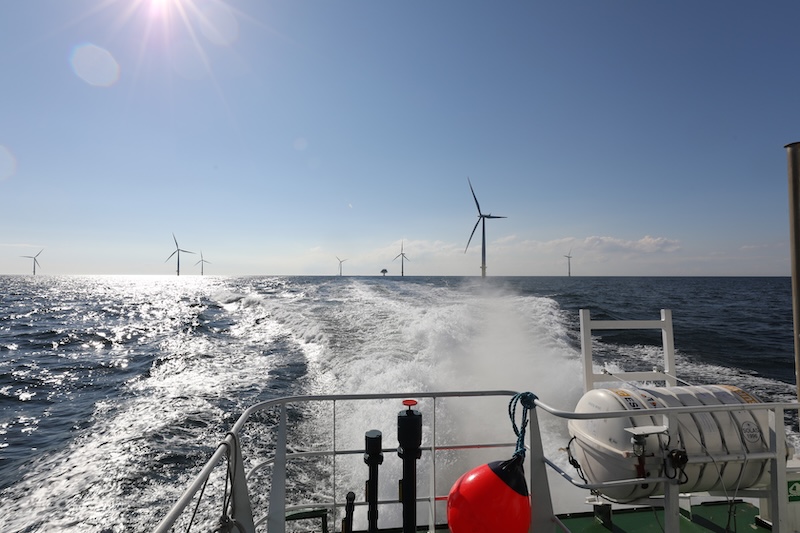
As wind development pushes into more rem....
They equip existing wind turbines with n....
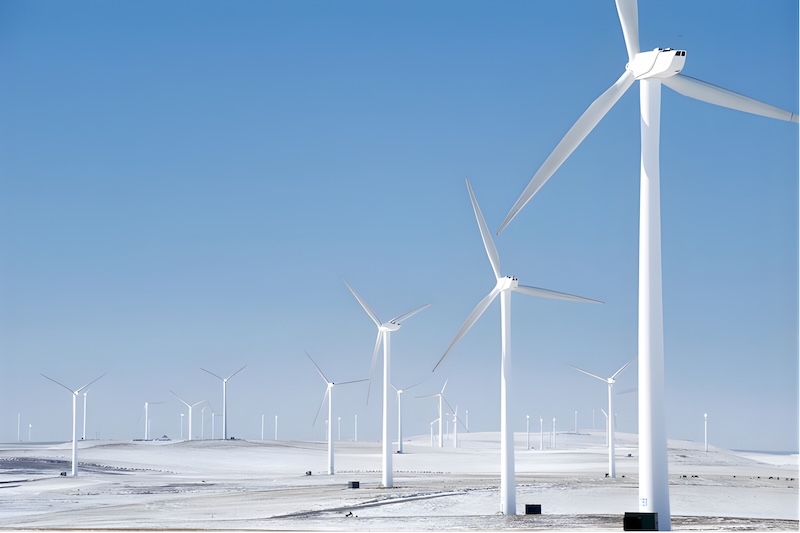
Half of North America's installed wind f....

Power transformers play a vital role in maintaining stability across electrical networks. Their failure can result in unplanned outages, high repair costs, and significant operational disruptions. Traditionally, transformer maintenance has relied on ....
The 54,000-square-foot Victory Pickleball looks ordinary from the parking lot. Inside, fifteen indoor pickleball courts host leagues, lessons, and open play seven days a week. Hiding on the southern roof is a 250kW solar array, while on a pad behind ....
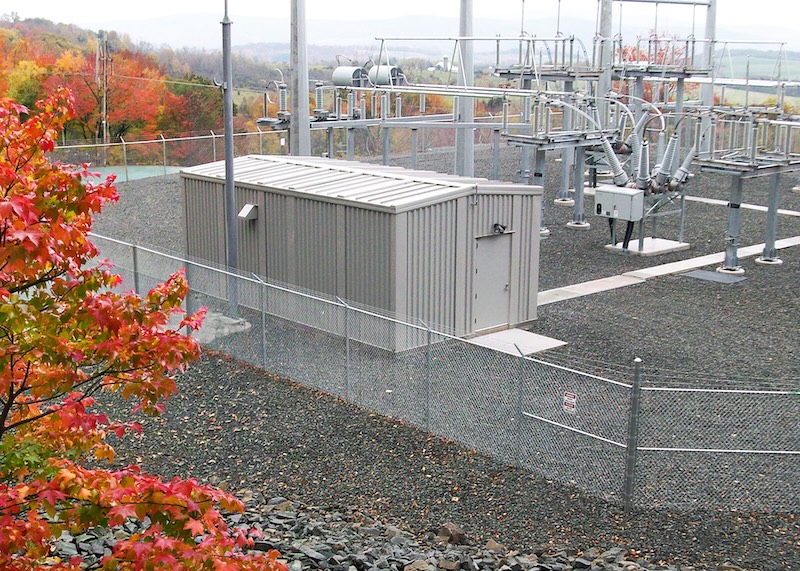
Extreme weather events such as hurricanes, tornadoes, earthquakes and blizzards have increased over the past several years. Alongside this trend, the need to protect critical onsite energy storage equipment has grown in order to maintain grid reliabi....


Energy transition is entering a new phase, defined less by how energy is generated and more by how it is stored, managed, and delivered. As energy systems become increasingly decentralized, the ability to provide reliable, high-density, long-duration....

American clean energy policy faces a gridlock. AI and cloud providers, the public, and government officials remain at odds over affordability and reliable power, imbuing tensions in regulatory dockets and legislative hearings throughout 2026. These s....
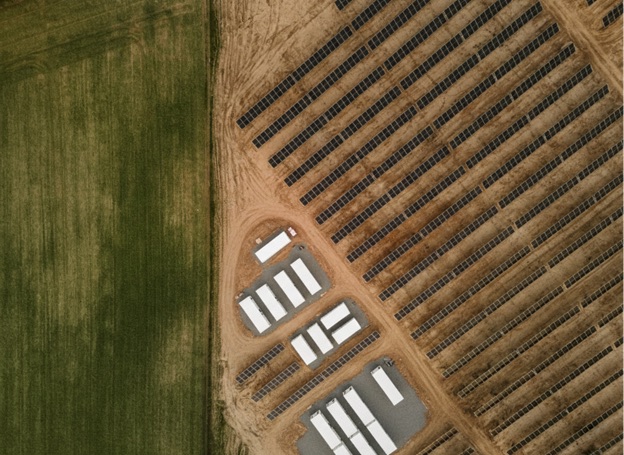
The bond between solar energy and storage is undergoing a profound transformation. What started as a supplemental technology to reduce renewable energy intermittency is now becoming a defining prerequisite to how solar projects are financed, built, a....