




From Transformer Diagnostics to Monitoring


Power transformers play a vital role in maintaining stability across electrical networks. Their failure can result in unplanned outages, high repair costs, and significant operational disruptions. Traditionally, transformer maintenance has relied on periodic inspections and offline testing methods. While effective, these approaches provide only limited visibility into the real-time health of equipment.
With increasing system complexity driven by renewable energy integration, dynamic loading conditions, and higher reliability expectations, utilities are shifting toward continuous monitoring and condition-based maintenance strategies. This transition marks a significant evolution from reactive maintenance practices to data-driven, predictive asset management.
Conventional transformer diagnostics include widely accepted methods such as Dissolved Gas Analysis (DGA), insulation resistance testing, winding resistance measurement, and partial discharge evaluation. These techniques remain essential for assessing transformer condition; however, they are typically performed offline and at scheduled intervals.
From conventional diagnostics to real-time monitoring
Modern monitoring systems are redefining this approach by enabling continuous or near real-time assessment of transformer health. Key parameters now monitored include:
- Thermal conditions such as oil and winding temperatures
- Electrical behavior including partial discharge activity
- Chemical indicators such as dissolved gas concentrations
- Mechanical characteristics through vibration analysis
By integrating these parameters into digital platforms, utilities can detect early warning signs of failure and take corrective action before critical conditions arise.
Smart transformers and digital intelligence
The concept of the “smart transformer” represents a major shift in asset management philosophy. A smart transformer is equipped with advanced sensors, communication interfaces, and data analytics capabilities that transform raw operational data into actionable insights.
Typical digital architectures include:
- Sensor networks capturing thermal, electrical, and chemical data
- Conversion of analog signals into digital formats
- Integration with supervisory control and data acquisition systems
- Communication using standardized protocols such as IEC 61850
- Analytical tools for predictive diagnostics and decision support
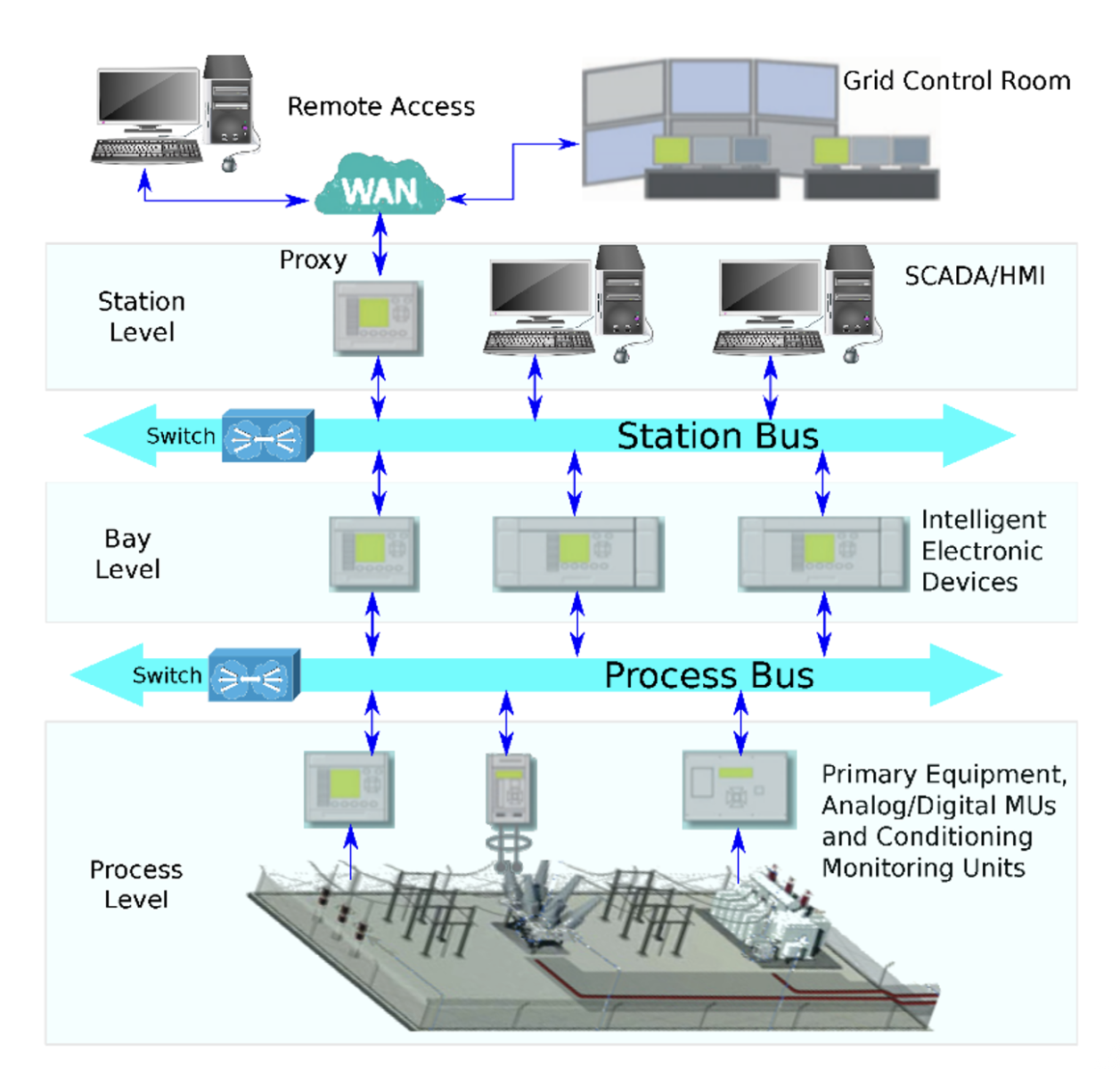
Fig. Digitally optimized transformer (Utility’s perspective)
Key diagnostic technologies driving transformation
- Thermal monitoring
Thermal stress is one of the primary contributors to insulation aging in transformers. Continuous monitoring of hotspot temperatures, oil conditions, and cooling system performance allows operators to identify overload conditions and inefficiencies. Fiber optic sensors are increasingly used for precise temperature measurement within transformer windings.
- Dissolved gas analysis
DGA remains a cornerstone of transformer diagnostics. The presence and concentration of gases such as hydrogen, methane, and acetylene provide valuable insights into internal faults such as overheating, partial discharge, and arcing. Online DGA systems enhance traditional methods by enabling real-time trend analysis.
- Partial discharge detection
Partial discharge is an early indicator of insulation degradation. Modern monitoring techniques include electrical, acoustic, and ultra-high-frequency detection methods. Combining multiple detection approaches improves diagnostic accuracy and enables better localization of faults.
- Bushing and mechanical monitoring
Failures in bushings and mechanical components are among the leading causes of transformer outages. Monitoring leakage current, capacitance changes, and vibration patterns helps detect deterioration and mechanical issues before they lead to catastrophic failure.
Digital substations and integrated systems
The adoption of digital substations has accelerated the integration of transformer monitoring into broader grid management systems. Communication standards such as IEC 61850 enable seamless interaction between monitoring devices, control systems, and protection equipment.
Benefits of digital integration include:
- Real-time visibility of equipment health
- Improved coordination between system components
- Reduced dependence on conventional wiring
- Enhanced data availability for operational planning
Emerging trends in asset management
- Artificial intelligence and predictive analytics
Advanced analytics and machine learning are increasingly used to process large volumes of operational data. These tools can identify patterns, predict failures, and support risk-based maintenance strategies.
- Lifecycle asset management
Utilities are adopting a holistic approach that covers the entire lifecycle of transformers—from design and commissioning to operation and end-of-life decisions. Digital records and performance data support optimized asset utilization and replacement planning.
- Integration with renewable energy systems
The increasing penetration of renewable energy introduces variability in loading conditions. Transformers must operate under fluctuating stress, requiring more flexible and dynamic monitoring solutions.
Practical benefits for utilities & industries
- Early detection of faults and reduction in unplanned outages
- Improved reliability and operational efficiency
- Optimization of maintenance strategies through condition-based approaches
- Enhanced safety through proactive failure prevention
- Better resource planning based on asset condition and risk
By leveraging these technologies, utilities can balance reliability and cost-effectiveness while meeting growing energy demands.
Conclusion
The evolution of transformer condition monitoring reflects a broader transition in the power sector toward digitalization and intelligent asset management. By integrating real-time diagnostics, advanced analytics, and standardized communication systems, utilities can significantly enhance the reliability and efficiency of their operations.
As power systems continue to evolve, digital monitoring will play a critical role in ensuring that transformer assets remain resilient, efficient, and capable of supporting the demands of modern energy infrastructure.
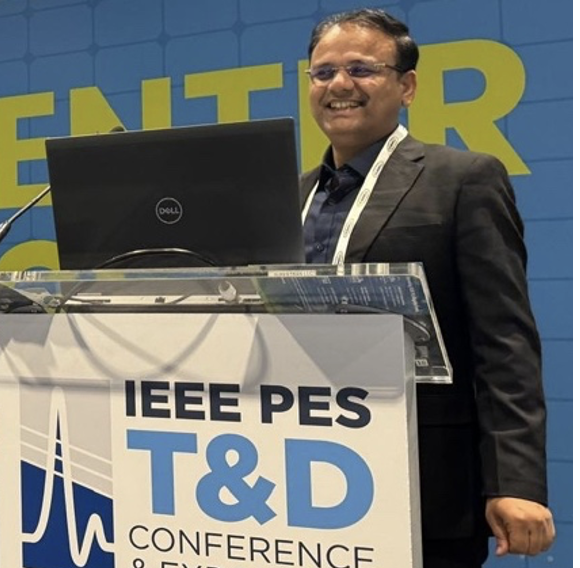 Imtiyaz Barkatali Surani is a Director of Transformer Services at supertran, which offers customizable transformer solutions, built to IEEE standards, with the flexibility to meet the specific requirements of any project or facility, including solar power generation and data centers. He has recently been elevated to SMIEEE (Member ID: 101450242). This is a valued recognition of him by the industry, acknowledging his more than 20 years’ of experience in power transformers, substations, renewable energy and high-voltage systems.
supertran | supertran.io
Author: Imtiyaz Barkatali Surani