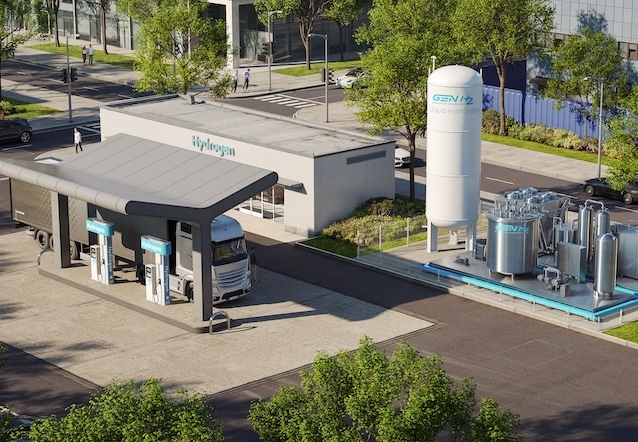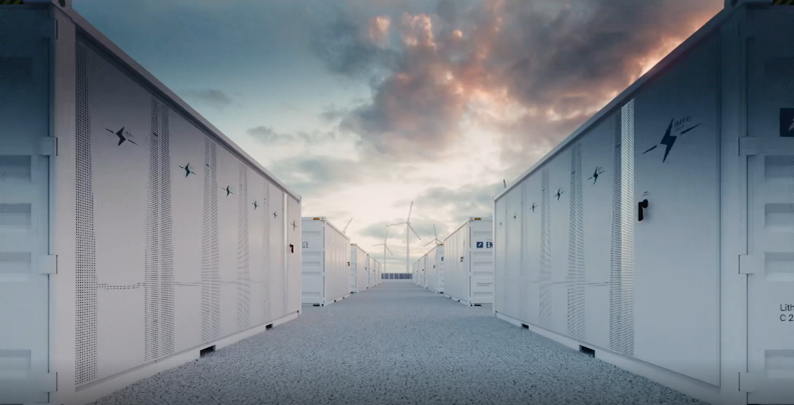



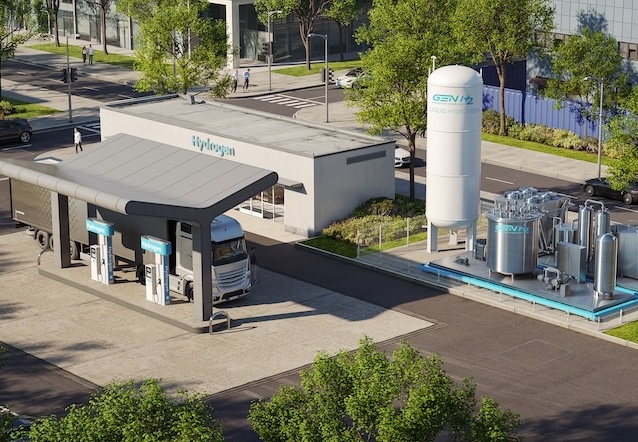
Energy transition is entering a new phase, defined less by how energy is generated and more by how it is stored, managed, and delivered. As energy systems become increasingly decentralized, the ability to provide reliable, high-density, long-duration storage is emerging as a foundational requirement — not an optional capability. Across utilities, industrial operations, ports, transit agencies, and data centers, the pressure is mounting to ba....
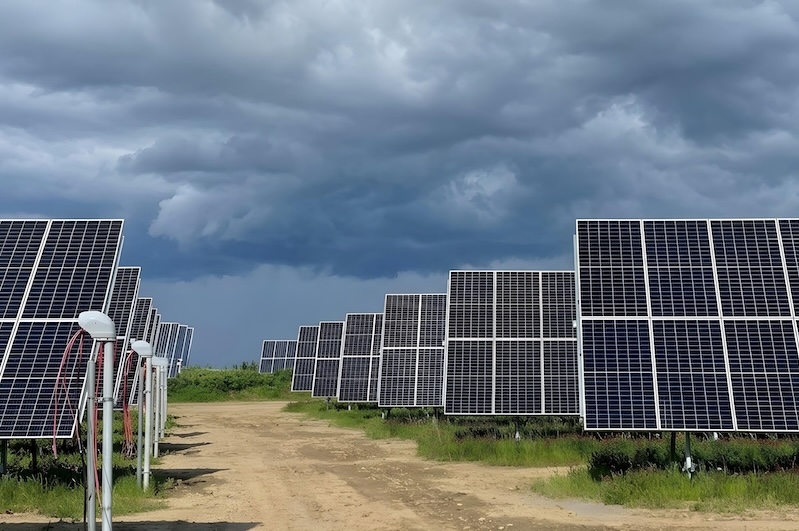
While solar tracker software is known for its role in maximizing production, it also plays a key role in mitigating risks. It can increase energy production in challenging situations, minimize damage from weather events, and reduce O&M costs. In the face of escalating climate change threats and heightened solar industry pressures, tracker software is rising to the challenges to keep solar sites productive and protected. Q:&n....
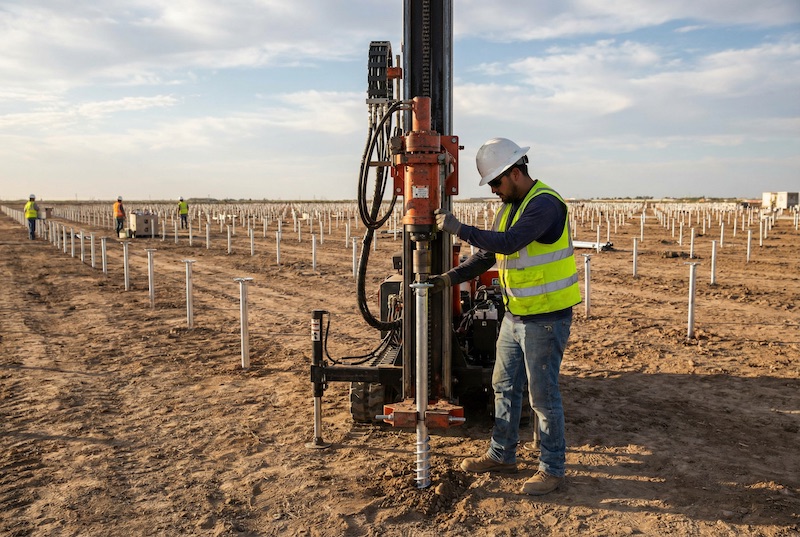
The solar industry has spent the last decade relentlessly driving down cost. Module prices fell. Installation efficiencies improved. Supply chains have globalized. In many ways, the playbook worked. But as development pushes into more challenging terrain: rocky soils, variable geotechnical conditions, and remote locations, that same cost-first mindset is beginning to show its limits. Developers now routinely confront conditions earl....
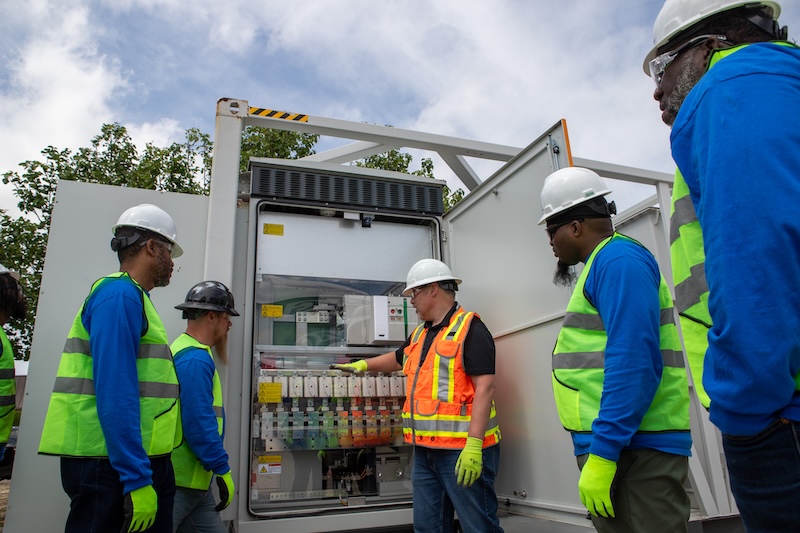
As the clean energy industry continues its rapid expansion, utility-scale solar and battery energy storage systems (BESS) are being deployed in increasingly challenging environments. From extreme desert heat in the Southwest to hurricane-prone regions along the Gulf Coast, today’s projects are operating in conditions that test both infrastructure and human performance. Extreme weather is no longer an exception — it is the operating environmen....
Energy Storage
Schaltbau North America
Wind
Jeremy Sheldon
Wind
Bora Tokyay
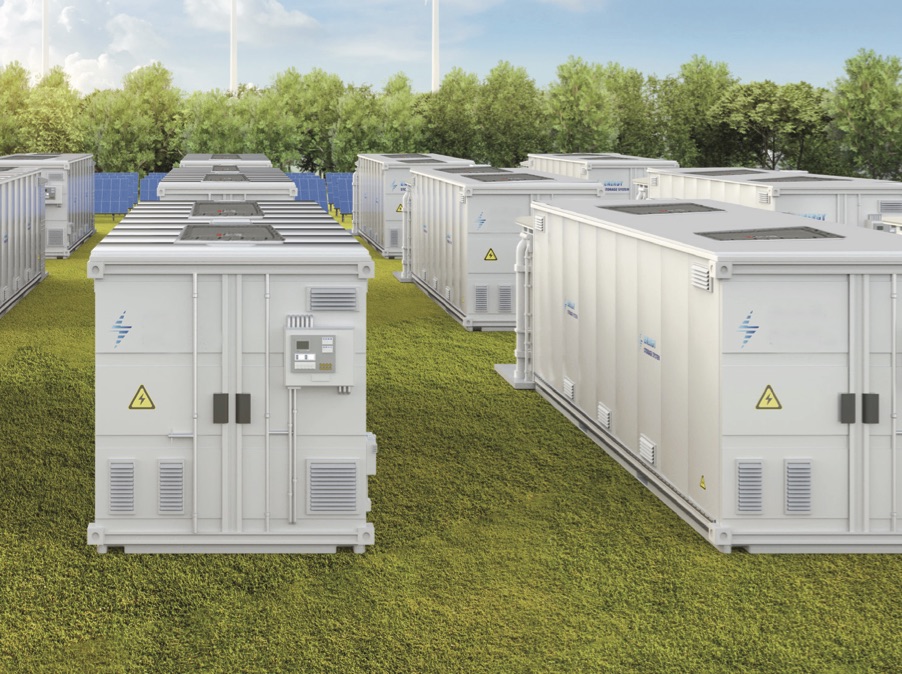
Containerized battery energy storage systems (BESS) have expanded rapidly in North America as utilities, businesses, and communities integrate batteries for grid stability, backup power, renewable energy integration, microgrid support, and hybrid energy systems.
This widespread adoption is one reason safety standards such as NFPA 855 have become more significant, as regulators and industry stakeholders seek consistent guidelines for safely installing and operating the expanding number of battery energy storage systems.
The National Fire Protection Association Standard 855, formally titled “Standard for the Installation of Stationary Energy Storage Systems,” is the primary fire-safety and installation standard in the United States for BESS and other stationary energy storage technologies. The document establishes minimum safety requirements governing how these systems must be designed, installed, operated, and protected in residential, commercial, and utility-scale settings.
The standard exists because large battery installations introduce unique hazards, particularly with lithium-ion batteries, including thermal runaway, flammable gas generation, and potential fire propagation between battery modules or containers.
NFPA 855 addresses these hazards by requiring a “layers of protection” approach to hazard mitigation and fire protection. Rather than relying on a single safeguard, the standard expects systems to incorporate several independent protections that collectively reduce the likelihood and severity of failures.
In practice, this means installations typically include combinations of monitoring, detection, containment, and suppression measures. These can involve early fire detection, gas detection, ventilation to address buildup of flammable gases, fire-suppression systems, explosion prevention and control, and design features intended to prevent or limit thermal runaway propagation between battery cells or modules.
Containerized BESS
The use of standardized container formats has become the dominant architecture in large scale battery storage because it simplifies manufacturing, transportation, and installation. It also allows systems to be scaled easily by adding additional containers to meet the desired energy demand.
This approach allows manufacturers to package batteries, cooling systems, power electronics, and safety equipment into a modular unit that can be transported by truck, rail, or ship and installed quickly at a site.
However, most utility-scale battery projects do not consist of just one container. Instead, many containerized units are deployed together in rows across a site, connected through power conversion systems and transformers to form a much larger energy storage plant.
A single project might include dozens or even hundreds of containers arranged in arrays. The combined capacity of these installations can range from tens of megawatt-hours for small grid support projects to hundreds or even thousands of megawatt-hours at the largest facilities.
Hydrogen Accumulation
According to Geof Brazier, Managing Director of BS&B Safety Systems Explosion Protection Division, in the most recent 2026 edition of NFPA 855, several new requirements were introduced related to battery system hazards and protection strategies, including expanded hazard-mitigation analysis, additional testing expectations, and stronger provisions related to fire and explosion risk management in large battery installations.
“One of the recognized safety concerns was the buildup of hydrogen and other combustible gases in containerized BESS, because hydrogen is highly flammable and can accumulate to a combustible concentration in enclosed spaces if not properly ventilated or monitored and controlled,” says Brazier.
Hydrogen rich gas can be generated during certain battery failure modes or abnormal operating conditions. In some battery chemistries, even traditional lead-acid batteries, hydrogen is produced as a normal byproduct during charging through electrolysis of water in the electrolyte and typically in small, easily ventilated quantities.
In BESS installations that use lithium-ion batteries, hydrogen and other combustible gases can be generated during thermal runaway or internal battery damage. When lithium-ion cells overheat or fail, chemical decomposition of the electrolyte and other cell components can produce a mixture of gases that may include hydrogen, carbon monoxide, methane, and other flammable compounds.
The danger arises when hydrogen or other flammable gases accumulate in an enclosed space and are then ignited by electrical equipment, static discharge, or other ignition sources.
Hydrogen has a very wide flammability range and a low minimum ignition energy. In air under typical conditions, it is flammable at concentrations of approximately 4% to 75% by volume; the lower end of this range, about 4%, is known as the lower flammability limit. Because it is lighter than air, hydrogen tends to accumulate near the ceiling or the upper portions of a container if ventilation is inadequate. This can further increase hydrogen concentrations in those upper areas.
In the lower ranges when hydrogen comprises less than 20% of the mixture in air by volume, an ignition can cause a deflagration event.
Unlike a detonation, which produces a supersonic shock wave of great destructive force, a deflagration is slower moving but still produces unacceptably high pressures in a confined structure. The expanding combustion gases press outward rapidly at high temperature and pressure and, if not intentionally relieved, the structure can suffer significant damage, and occupants or nearby individuals may be seriously injured.
When the percentage of hydrogen in the air is around 20%, detonation events can generate powerful shock waves that travel faster than the speed of sound.
“When you get into the higher percentages, you are dealing with explosions that can transition to an unprotectable detonation, so it is important to do the utmost to reduce the level of hydrogen accumulation in the container so the conditions for an explosion do not arise,” says Brazier.
The resulting deflagration or explosion may not only damage the container but may propagate fire driven overheating to adjacent BESS modules.
Because of these risks, Brazier says modern BESS designs emphasize early detection and layered protection strategies. These include monitoring battery temperature and voltage to detect failures early, detecting flammable gases before they reach hazardous concentrations, and providing controlled ventilation or explosion relief to prevent pressure buildup.
BS&B Safety Systems’ VSP Actuated Ventilation System is an NFPA 69 explosion prevention device designed to protect BESS enclosures by actively releasing combustible hydrogen and other accumulated gases before an explosive concentration arises.
Sensors continuously monitor combustible gas concentrations inside the enclosure. When elevated gas levels are detected, an actuator opens the vent flap to safely discharge the gases. Once concentrations return to acceptable levels, the actuator closes the flap, and normal operating conditions are restored. This automated cycle repeats as needed whenever elevated gas levels are detected, providing continuous protection for the enclosure.
“An explosion prevention device doesn’t necessarily have to respond to an explosion,” explains Brazier. “In this case, it responds before an explosion would occur to let the hydrogen out before it builds up into a combustible range.”
Containerized BESS are also increasingly fitted with explosion vents to control the pressure spikes and direct flame and gas when a thermal-runaway event causes a flammable atmosphere to ignite and a low concentration of combustible gas results in a deflagration.
Brazier says BS&B specifically designed its BESS-Saf™ as a family of explosion and pressure relief vents with BESS enclosure dynamics in mind. The vents support controlled pressure relief to help mitigate explosion risk resulting from thermal runaway and gas generation.
The low-burst-pressure explosion vent panels can be mounted on the container roof or upper exterior walls. In the event of a deflagration or explosion, the panel opens and vents to the open atmosphere, directing the discharge away with attention to avoidance of discharge across egress paths being essential.
The BS&B explosion vent type VSP-A is a breathable construction that permits combustible gases to pass through the device under normal operating conditions while providing a barrier from rain, snow and other climatic influences.
Flame-Free versions incorporate a flame arrester rated for hydrogen and other gas deflagration conditions with an explosion vent. This combination provides a reliable layer of protection for enclosures exposed to deflagration and overpressure risks.
“If hydrogen or other gases accumulate and a deflagration arises, the explosion vent opens to relieve overpressure while the integrated flame arrester quenches the flame front to mitigate the release of flame to the atmosphere,” says Brazier.
Pressure relief vents of this kind are often combined with gas detection and forced ventilation systems to keep concentrations below the lower flammable limit.
“Explosion venting is not mandatory [in NFPA 855], but it is one of the permitted methods for achieving explosion control,” explains Brazier. “Because venting is often a comparatively economical solution, it receives significant attention and is frequently viewed as the preferred cost-effective approach.”
According to Brazier, vent selection is determined through an evaluation of the enclosure’s size and structural capacity, the design strength, and the total vent area necessary to maintain internal forces within allowable limits.
Companies like BS&B Safety Systems are able to provide technical guidance throughout the specification process to help identify the appropriate explosion vent configurations, and materials to support an effective venting strategy aligned with applicable codes and standards.
“By working methodically through these parameters, the correct design approach can be established with confidence, aligning performance, safety, and compliance objectives,” says Brazier.
BS&B Safety Systems | https://bsbsystems.com/
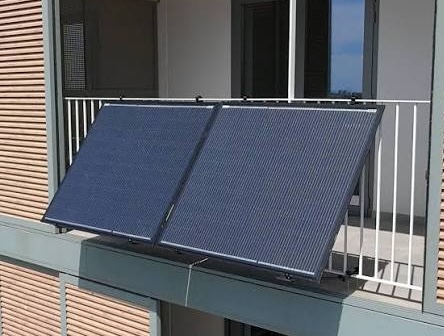
New Jersey lawmakers passed landmark legislation to expand access to affordable, easy-to-install “plug-in solar” systems to all, including renters and apartment-dwellers, yesterday by a unanimous vote. The Garden State Plug-In Solar Act (S2368/A4836) removes outdated restrictions that have historically blocked plug-in solar, and gives households a practical way to save on energy bills and take part in the clean energy transition.
Plug-in solar panels, which fit on a balcony, patio, or porch, provide a low-cost, accessible option for households to reduce electricity costs and reliance on expensive utility power. The technology is widely popular. An April FDU poll found nearly 80 percent of New Jerseyans support plug-in solar.
“New Jersey must ensure that our energy policies are able to lower costs for our residents, and this law is a direct step toward that goal,” said Senator John McKeon. “Plug-in solar puts clean, affordable energy within reach of every household in the state.”
"The Garden State Balcony Solar Act is a smart, practical step toward expanding access to affordable solar technology for residents who have historically been locked out of solar energy because access was largely limited to those with private rooftops,” said Assemblyman Clinton Calabrese. “Every New Jerseyan deserves the opportunity to choose cost-saving energy solutions."
“Generating clean energy at home is the fastest and most reliable way to protect NJ families from rising energy costs,” said Vote Solar Action Fund’s Senior Regional Director and convener of the NJ Shines Coalition, Elowyn Corby. “Plug-in solar is a simple way to protect families against rising bills, and against the impossible decisions that come with them, like whether to pay for energy or buy groceries. While there’s more work to be done to ensure that all families have access, this is a major step forward for clean energy and affordability in New Jersey.”
"New Jerseyans pay some of the highest electricity rates in the country, but until today the roughly 40 percent of households who rent or live in apartments had no way to do anything about it," said Permit Power Co-Founder and Chief of Advocacy Hannah Birnbaum. "This nation-leading legislation tears down those barriers and is critical to ensure that anyone with an electric bill can plug in solar and start saving.”
“New Jersey has been a national leader on solar for more than 20 years. But as solar has spread across the state, there are still hundreds of thousands of residents who don’t have a way to go solar. Plug-in solar is a simple concept – solar small enough to plug in but big enough to provide real environmental and bill benefits. Plug-in solar has rapidly expanded across Europe and it’s time to make it as easy as possible for all residents to go green by literally plugging into clean energy,” said Doug O’Malley, Director of Environment New Jersey.
“New Jersey families deserve every opportunity to lower their energy bills while building a cleaner, healthier future. By expanding access to plug-in solar, this legislation makes clean energy more affordable and accessible for renters, apartment dwellers, and homeowners alike. It's a commonsense step that puts more power in the hands of New Jersey residents while strengthening our clean energy future," said Allison McLeod, Interim Executive Director, New Jersey League of Conservation Voters.
“Today’s passage of The Garden State Plug-In Solar Act is a great step forward toward expanding access to clean, affordable energy in New Jersey,” said Anjuli Ramos-Busot, Director for the New Jersey Chapter of the Sierra Club. “With this legislation, renters and apartment-dwellers can now plug-in to lower their electric bills and generate more clean power for their surrounding community."
“At a time when New Jersey families are already facing high costs of living and increasing health risks within an unstable energy supply chain, access to reliable and cost-effective clean energy solutions like plug-in solar are more important than ever,” said Ben Haygood, Director, Johnson Center for Learning and Policy at Isles. “This is especially critical for families in overburdened communities like Trenton, who have historically been left out of efforts to expand clean energy access.”
"Waterspirit is proud that NJ's leadership is taking a step in the right direction toward peace through justice via solar energy for all.” said Rachel Dawn Davis, Public Policy & Justice Organizer, Waterspirit. “Plug-in solar will reduce water waste, increase energy affordability and access to the sun’s energy for every NJ resident. We look forward to timely implementation!"
NJ Shines Coalition | https://www.njshines.org/
Vote Solar | https://votesolar.org/

Yaskawa America, Inc. has earned Interaction Metrics' Outstanding CX Award for its 2025 customer experience, based on a third-party survey of their Distributors, OEMs, and End Users in the United States and Canada.
The survey, conducted by customer experience research firm Interaction Metrics, evaluated Yaskawa across 112 distinct performance dimensions, resulting in an overall score of 90 out of 100. Yaskawa's Net Promoter Score (NPS), the standard measure of customer likelihood to recommend, created by Bain & Company, came in at 66, climbing over 4 points from the prior year and well into the "excellent" tier on Bain's benchmark scale.
Several areas stood out not only for scoring well, but for being the dimensions most strongly correlated with overall satisfaction: Product Quality, Product Performance, Tech Support Problem Resolution, Application Engineering Technical Skills, and Training Instructors. In other words, Yaskawa scored highest on the things customers cared most about.
.jpg)
"I am delighted with the progress we've made, and clearly our customers are pleased as well," said Dennis Fitzgerald, Vice President of Customer Satisfaction at Yaskawa America.
That sentiment was echoed by customers themselves. "The fact that Yaskawa has invested in finding out how to help their customers speaks volumes about the company and the direction in which they are heading," said a large Distributor from the Northeast. “
In fact, an overall score of 90 with a rising NPS is rare in B2B," said Martha Brooke, Founder of Interaction Metrics. "But the number matters less than what sits behind it. Our TrueData model tells Yaskawa exactly where they're winning, and where to focus next. Most companies never get that clarity. “
The survey also identified specific areas where experience varied across customer segments, giving Yaskawa a concrete map of where to focus in 2026. The company plans to act on those findings throughout the year.
Yaskawa | https://www.yaskawa.com

Leading renewable energy consultancy and service provider, Natural Power, has supported egg Power in the successful acquisition and financing of the 90MW Chirmorie wind farm in South Ayrshire – egg Power’s largest renewable energy project in the UK to date, for which it has signed a power purchase agreement to supply Amazon. Acting as technical adviser, Natural Power delivered comprehensive due diligence services across both the acquisition and subsequent project financing phases, helping ensure a robust understanding of the project’s technical, environmental and commercial parameters.

The Chirmorie project marks a significant milestone for egg Power, part of Liberty Global, as it continues to expand its renewable energy portfolio. The acquisition is egg Power’s fourth UK renewable energy project rights acquisition and its first since securing a £400m construction debt-financing facility in December 2025.
During the acquisition phase, Natural Power provided detailed technical due diligence, supported by its in-house construction team, which contributed valuable insights into delivery considerations and project risks. Following the successful acquisition, the team was re-engaged to support the financing process - updating and refining its analysis to meet lender requirements and ensuring alignment with funding expectations.
Neil Marshall, Advisory Lead for Onshore Wind at Natural Power, said: “We are delighted to have supported egg Power on both the acquisition and financing of the Chirmorie wind farm. This project represents a significant step forward in the growth of egg’s UK renewable energy portfolio. By providing continuity between acquisition and financing, we were able to deliver a consistent, high-quality due diligence process that supports confident investment decisions.”
As investment in renewable energy continues to accelerate, the Chirmorie wind farm reinforces the importance of robust technical due diligence in underpinning successful transactions and delivering long-term asset value. The dual-phase support highlights Natural Power’s ability to work seamlessly across the project lifecycle from acquisition through to financial close, providing clients and lenders with the confidence needed to progress complex renewable energy developments.
Natural Power’s experience enables banks, developers, independent power producers (IPPs), utilities and investment funds to make good financial decisions when it comes to green energy projects. Find out more about due diligence services here: Renewable Energy Project Due Diligence | Natural Power
Natural Power | www.naturalpower.com

Kempower and PowerUp America are thrilled to announce the opening of their new electric vehicle charging site in Manchester, Kentucky. The opening marks a major milestone in providing local drivers and travelers with access to reliable, high-performance charging infrastructure in Eastern Kentucky and throughout the region.
Designed to offer flexibility for a wide range of electric vehicles, the site features four Kempower Flex Satellites equipped with both NACS and CCS1 plugs and up to 800 kW of available charging power.
The amenities of the site were developed with user experience and comfort in mind. The site includes pull-through accessibility and covered charging areas, allowing drivers to seamlessly plug in and power up.
“Reliable, user-friendly charging infrastructure plays an important role in making EV ownership accessible for more drivers,” said Kempower North America President Monil Malhotra. “As we celebrate the launch of PowerUp's new site in Kentucky, we look forward to continuing to expand access to fast-charging solutions, designed with the driver in mind, across a critical region for EV adoption.”
The Kentucky site is the first of 12 projects being delivered by PowerUp in partnership with Kempower. An additional 11 sites are currently under development across Georgia, further expanding reliable, high-performance EV charging infrastructure throughout the Southeast. Together, the two companies are building infrastructure designed around reliability, safety, and an exceptional driver experience.
“This site represents far more than another place to charge. It demonstrates what EV infrastructure should look like when reliability, safety, and the driver experience come first,” said Josh Turner, CEO of PowerUp. “We are honored to partner with Kempower to bring this vision to life, and we are grateful to the Kentucky Transportation Cabinet and the Manchester community for their partnership. This is the first of many communities where PowerUp will invest in infrastructure that drivers can depend on for years to come.”
Through their ongoing partnership, PowerUp and Kempower are expanding reliable EV charging across the Southeast, creating a connected network that supports local communities, regional travel, and the continued growth of electric transportation throughout the United States.
Kempower and PowerUp will celebrate the new charging site with a ribbon cutting ceremony on Friday, July 24 at 11 AM EST. The site is open and available for public use 24/7, located at 425 KY–80, Manchester, KY 40962.
Kempower | kempower.com
PowerUp America | powerupamerica.com
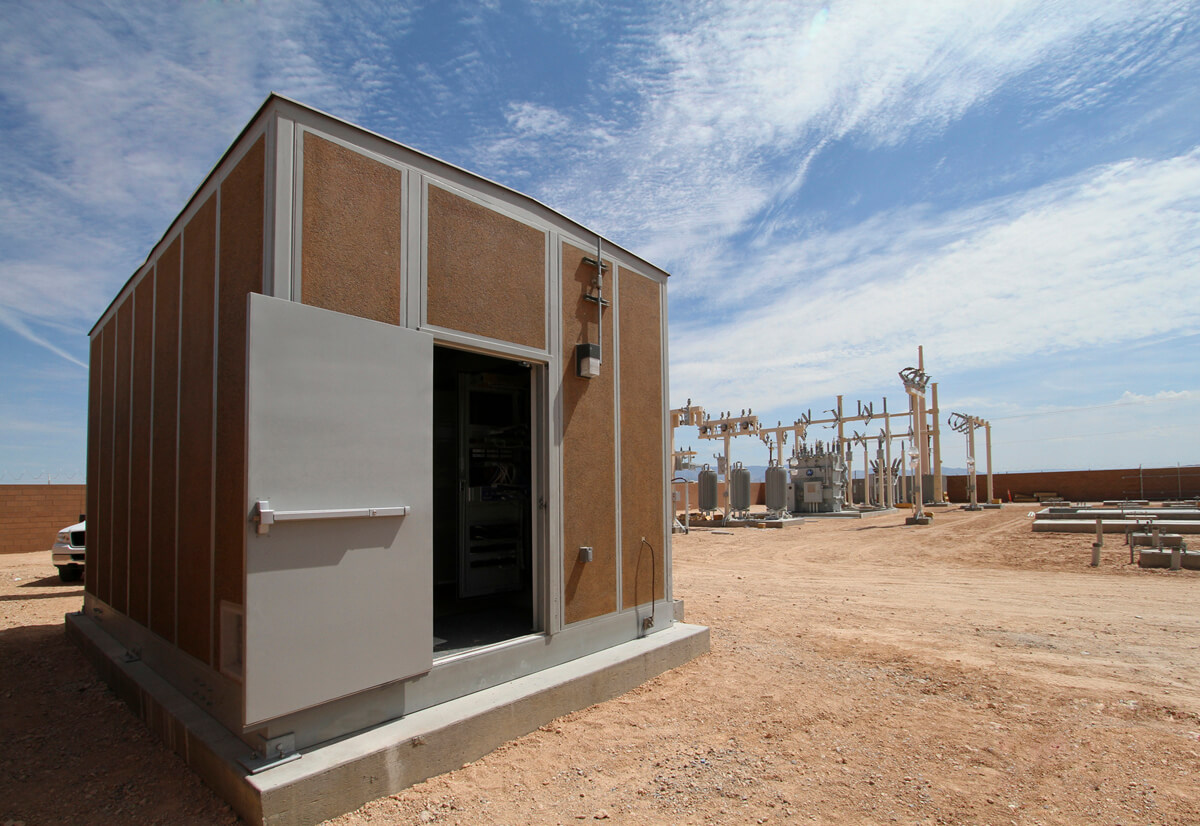
Alsym Energy, a developer of high-performance, non-flammable, low-cost sodium-ion batteries, and ERITY, an integrated services organization supporting the mining, resources and energy sectors, today announced the signing of a 9GWh Strategic Relationship Agreement (SRA). The collaboration establishes a formal framework to jointly identify, pursue, and deliver advanced battery energy storage systems (BESS) across multiple mining use-cases.
Mining is a major consumer of energy, typically supplied via diesel generators as operations are often far away from any grid connection. It is estimated that the mining sector consumes ~ 125 billion liters of diesel a year, comprising 30-50% of a given mine’s operating costs and contributing up to 3% of global greenhouse emissions. BESS offers substantial operational costs savings and is a reliable alternative.
This strategic alliance pairs Alsym Energy’s high performance, non-flammable battery technology with ERITY’s deep operational mining expertise to meet the soaring global demand for lower cost, efficient, and high-performance off-grid energy storage solutions that accelerate the transition to clean energy.
"We are thrilled to partner with Alsym Energy to identify and deliver BESS opportunities to market," said Manny Claassens, Chief Operating Officer (Energy), ERITY. "This collaboration allows us to address the pressing energy challenges faced by the mining industry, where energy demands are significant and operations are often located in remote areas with limited access to traditional power infrastructure. By integrating Alsym Energy's thermally stable, high-performance storage solutions into mining operations, we have an opportunity to help reduce operational costs, enhance energy resilience, and support improved safety and sustainability outcomes across the energy transition landscape."
Pioneering Clean Energy in Global Mining Operations
The focal point of the partnership will be BESS solutions for mining. ERITY operates across six continents, with major operations in Australia, Africa and Middle East. Specifically, Alsym Energy’s sodium-ion technology is slated for deployment across Volt Resources Limited (ASX:VRC) and Resource Mineral International Limited (ASX:RMI) existing operations and new projects being developed in Tanzania, Saudi Arabia, Finland and the United States, as well as BESS projects for non-affiliated mining companies.
Asimwe Kabunga, Chairman of both Volt Resources Limited and Resource Minerals International Limited, said "The mining sector is actively seeking energy solutions that improve reliability, enhance safety and support long-term operational sustainability. Non-flammable sodium-ion battery technology presents a compelling opportunity, particularly for remote operations where energy resilience is critical. We see significant potential for this technology across a number of projects within our portfolio. The ability to combine innovative battery technology with practical deployment expertise creates a strong platform for supporting the next generation of mining projects."
"Partnering with ERITY represents a major milestone in our mission to deliver safe, high-performance, and cost-effective energy storage worldwide," said Mukesh Chatter, CEO of Alsym Energy. "ERITY’s extensive reach in critical sectors - from data centers to global mineral extraction in key regions like Australia, Africa and Middle East - provides the perfect platform to deploy our non-flammable sodium-ion technology across an energy-intensive industry and in high temperature regions who are eager to lead the energy transition. "
The 9GWh agreement outlines a collaborative approach to develop and deploy tailored energy storage solutions in mining including:
In future, other potential areas of development include Electric Vehicle Charging Infrastructure, Commercial and Industrial Applications and Utility-Scale Energy Projects.
Alsym | alsym.com
ERITY | erity.com

The American Solar Energy Society (ASES) announced it has extended the early bird registration deadline for its 55th Annual National Solar Conference, SOLAR 2026: Solar for All, Y'all, to July 31, 2026. The extension offers potential attendees additional time to secure a 20% discount on registration for the event, which will take place October 19–21, 2026, in Austin, Texas.

SOLAR 2026 will bring together hundreds of renewable energy professionals, researchers, students, policymakers, advocates, and industry leaders from across the country for three days of knowledge sharing and networking. This year's conference is especially significant as ASES is partnering with ASES chapter Texas Solar Energy Society to celebrate the organization's 50th anniversary.
The conference will feature:
Highlighted Plenary Speakers
Early bird registration is now available through July 31, 2026, offering attendees a 20% discount on conference registration. To learn more about SOLAR 2026, view the full conference program, or register, visit ases.org/conference.
American Solar Energy Society | https://ases.org/

Solar Jun 29, 2026
Building or operating energy infrastructure today entails managing more complexity with fewer people. Fueled by the data center buildout and rising energy demand, operators face long interconnection queues, greater project volume and scale, and an in....

Building or operating energy infrastructure today entails managing more complexity with fewer people. Fueled by the data center buildout and rising energy demand, operators face long interconnection queues, greater project volume and scale, and an in....
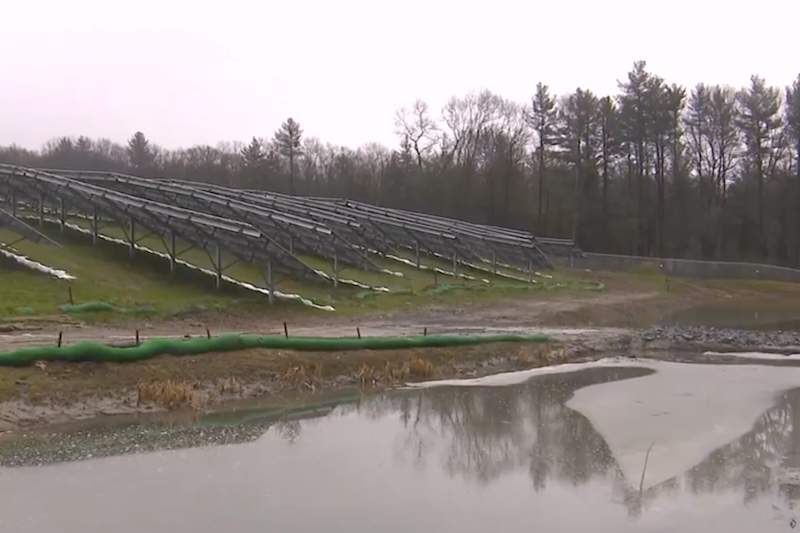
A decade ago, most utility-scale solar projects were built on flat, well-drained land. Today, those sites are largely gone. What remains are parcels that sit lower, drain poorly, or come with a history of standing water. At the same time, storms a....

The season for hail storms is getting longer, producing storms with large hail more frequently during an expanded season. Case in point: On March 10, 2026, softball-sized hail fell in northern Illinois. While that might not have been news had it occu....

As wind development pushes into more rem....
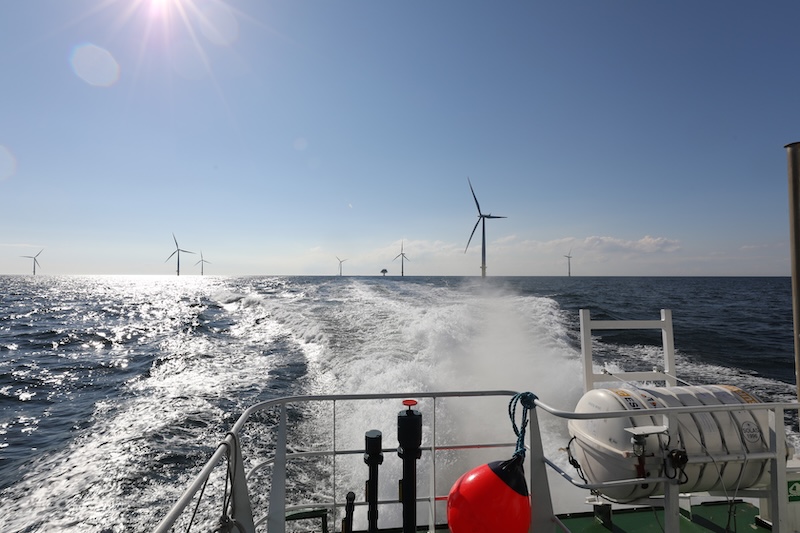
They equip existing wind turbines with n....

Half of North America's installed wind f....
Power transformers play a vital role in maintaining stability across electrical networks. Their failure can result in unplanned outages, high repair costs, and significant operational disruptions. Traditionally, transformer maintenance has relied on ....
The 54,000-square-foot Victory Pickleball looks ordinary from the parking lot. Inside, fifteen indoor pickleball courts host leagues, lessons, and open play seven days a week. Hiding on the southern roof is a 250kW solar array, while on a pad behind ....
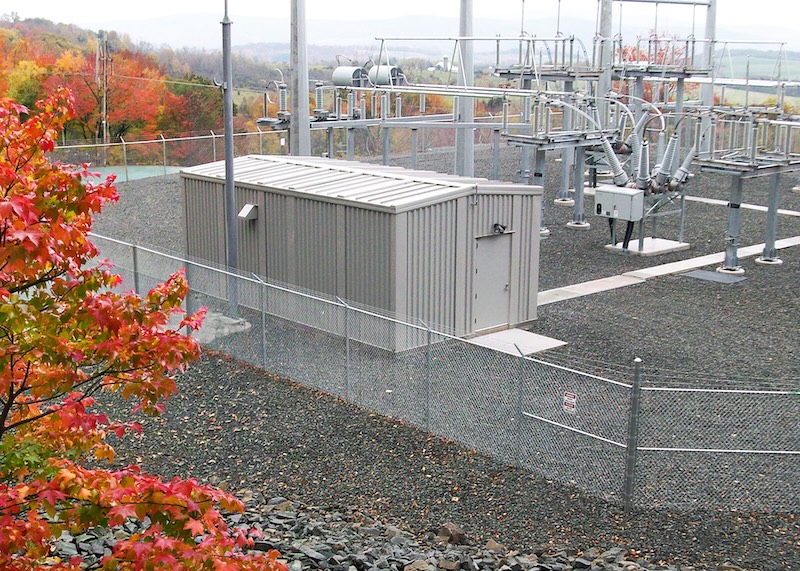
Extreme weather events such as hurricanes, tornadoes, earthquakes and blizzards have increased over the past several years. Alongside this trend, the need to protect critical onsite energy storage equipment has grown in order to maintain grid reliabi....
Energy transition is entering a new phase, defined less by how energy is generated and more by how it is stored, managed, and delivered. As energy systems become increasingly decentralized, the ability to provide reliable, high-density, long-duration....

American clean energy policy faces a gridlock. AI and cloud providers, the public, and government officials remain at odds over affordability and reliable power, imbuing tensions in regulatory dockets and legislative hearings throughout 2026. These s....
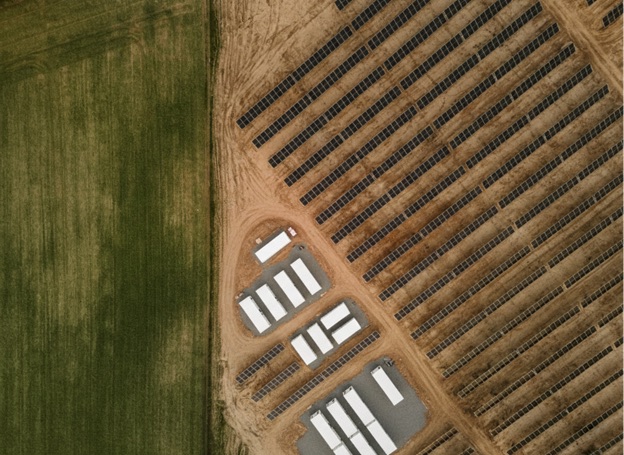
The bond between solar energy and storage is undergoing a profound transformation. What started as a supplemental technology to reduce renewable energy intermittency is now becoming a defining prerequisite to how solar projects are financed, built, a....