


Fire risk tops the headlines, but short circuit events may be the more immediate threat on your next project. Battery energy storage systems (BESS) are having a moment. After years of promise, the technology has reached an inflection point thanks to plummeting costs, utility-scale deployments, and continuing federal support. BESS has earned its reputation as the sector to watch by solving difficult grid problems. But momentum has a way of o....
In the North American power market, Demand Response (DR) is no longer confined to large industrial facilities turning off heavy machinery during peak hours. Driven by FERC Order 2222 and the rapid deployment of distributed energy resources (DERs), behind-the-meter C&I solar and Battery Energy Storage Systems (BESS) are increasingly relied upon to provide active grid support. Modern utility programs and Virtual Power Plants (VPPs) require C....
While not the world oldest profession, the reuse of products is a close second, dating back to when a caveman picked up a spear after his partner was eaten by a lion. Today, it is estimated that 45 percent of industries depend on it. Some examples are the auto industry relying on scrapyards for parts, heavy construction equipment, HVAC systems in buildings, utilities, plumbing, marine, military, aviation, and telecommunications — all rely on....
Artificial intelligence is rapidly becoming one of the most significant drivers of energy demand growth in modern history. As hyperscale data centers expand across North America to support AI processing, cloud infrastructure, and high-density computing, utilities and developers are accelerating investments in renewable energy projects at unprecedented speed. Much of the public conversation surrounding this transition has focused on solar photovol....
Energy Storage
Schaltbau North America
Energy Storage
Gary Lam
Energy Storage
Sequoya Cross
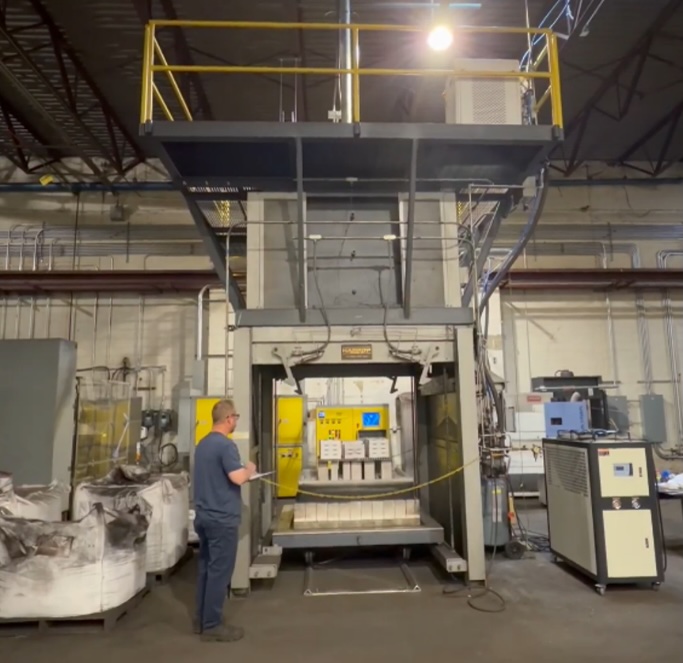
C-BATT and Semplastics announced that manufacturing scale-up of Obsidia, C-BATT's domestically sourced lithium-ion battery anode material, is now underway through an active $1.25 million U.S. Department of Energy (DOE) project. The announcement marks the start of the work—not simply the selection of the project.
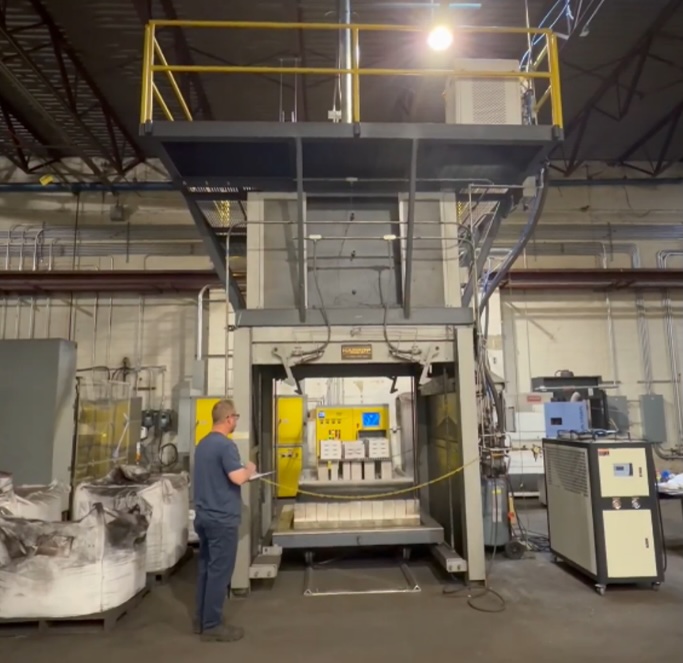
Over the 18-month program, the team will move Obsidia from batch production toward semicontinuous manufacturing, produce the material at larger scale and validate it in prototype full cells. The work is focused on proving that Obsidia can be made repeatedly, economically, and at useful scale.
Beyond the funding, the award is a meaningful vote of confidence in Obsidia from the DOE as a domestic critical-material solution that supports the goal of U.S. energy dominance. The project targets a major U.S. supply-chain vulnerability: reliance on imported battery-grade graphite. Obsidia combines silicon oxycarbide (SiOC) chemistry with abundant domestic carbon feedstocks, including abundant American coal.
Obsidia’s manufacturing path is also a core advantage. Many silicon-rich anode materials depend on chemical vapor deposition, intricate nanoscale structures, or other complex production steps. Obsidia is made through chemical mixing and thermal processing that can be adapted to familiar industrial equipment. C-BATT expects this simpler production route to shorten scale-up time, reduce factory complexity, and keep capital costs lower than many silicon-based approaches. Obsidia is also designed for use with conventional lithium-ion battery electrode processing.
“Battery companies do not just need promising chemistry. They need a material they can buy in volume and run through practical manufacturing,” said Josh McConkey, director of commercialization at C-BATT. “This project begins the work of proving that Obsidia can meet these demands while strengthening the American battery-material supply chain.”
The project team will develop, qualify, and optimize Obsidia made with cleaned waste coal fines, demonstrate semicontinuous production, and validate performance in full pouch cells. The team will also complete a life-cycle assessment, techno-economic analysis, and manufacturing feasibility studies that compare the domestic process with battery-grade natural graphite produced overseas.
Semplastics will lead SiOC resin development and manufacturing scale-up. C-BATT will lead Obsidia formulation, qualification, and battery-cell validation. CONSOL Innovations will support domestic feedstock selection, pyrolysis scale-up, and the project's techno-economic and life-cycle work.
The project team expects the Obsidia scale-up process to progress rapidly, due to C-BATT’s extensive work on simplifying the anode material synthesis processes.
C-BATT | www.c-batt.com
Semplastics | https://semplastics.com/
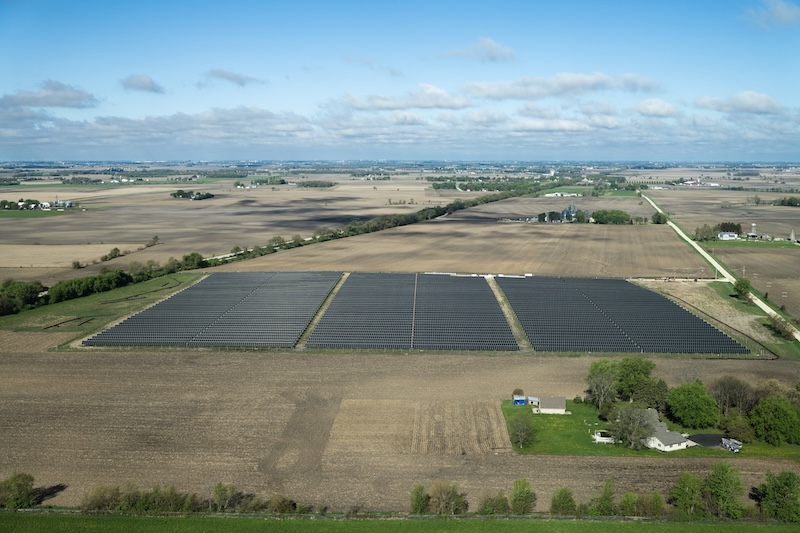
Dimension Energy, a leading developer, owner, and operator of distributed energy infrastructure, announced that it has secured $857 million of additional capital to accelerate the growth of its distributed solar platform. The new capital comprises a $200 million upsize of the company’s corporate credit facility, with lead lenders being Nuveen Energy Infrastructure Credit and funds and accounts managed by HPS Investment Partners, together with a $657 million construction-to-term debt and tax equity financing package.
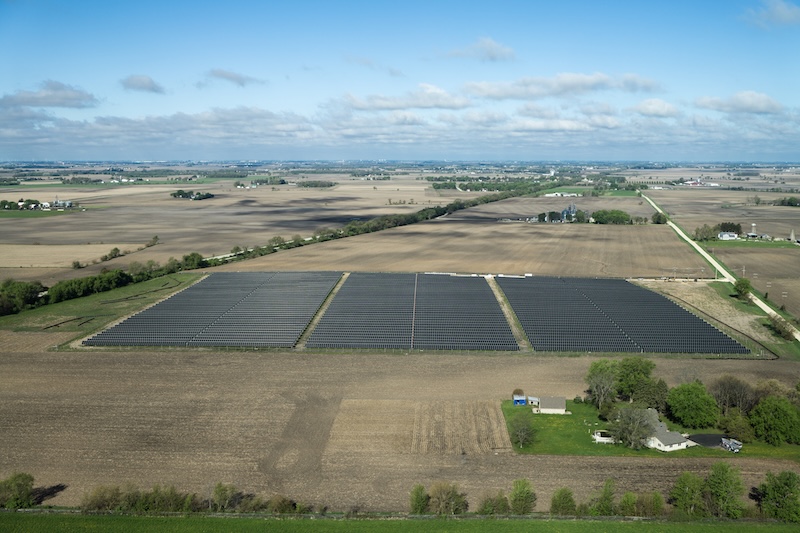
The upsized corporate facility brings Dimension’s total corporate credit facility to $650 million and provides additional flexibility to advance the company’s high-quality distributed solar pipeline, enabling projects to move efficiently from development into construction.
The $657 million financing will provide construction debt and tax equity financing for a portfolio of 29 distributed solar projects across Illinois, New Jersey, New York, Pennsylvania, and Virginia, totaling 149 MW. Advantage Capital served as tax equity investor. The debt package was led by MUFG Bank, First Citizens Bank, ING Capital, and National Bank of Canada, each serving as Coordinating Lead Arrangers, with Fifth Third Bank as Joint Lead Arranger.
Together, these financings build on Dimension’s strong momentum following the closing of a $650 million portfolio financing earlier this year and reflect its partners’ continued confidence in Dimension’s execution capabilities, financial strength, and scale. The additional capital will support Dimension’s continued delivery of affordable, reliable clean power to communities across the country.
“These new commitments from our financing partners reflect the strength of our platform,” said Rafael Dobrzynski, Co-Founder and Chief Executive Officer of Dimension Energy. “This capital will enable us to keep scaling with discipline and speed at a moment when demand for distributed power has never been higher.”
"Dimension has built a distributed solar platform with the execution discipline and portfolio quality that gives us confidence to scale alongside them,” said Don Dimitrievich, Global Head of Nuveen Energy Infrastructure Credit. “With power demand accelerating and transmission and distribution costs rising alongside generation costs, distributed solar is well positioned to deliver reliable power closer to load. Upsizing our commitment reflects Nuveen Energy Infrastructure Credit's continued conviction and confidence in Dimension's ability to execute at scale, and we're excited to keep supporting their growth given the market opportunity."
“We’re pleased to partner with Dimension Energy as the company continues to scale its distributed solar platform,” said Tom Bitting, Managing Director at Advantage Capital. “The Dimension team has built a strong track record of moving quality projects from development through construction. We’re proud to provide tax equity that supports that growth and helps bring reliable, affordable power to more communities across the country.”
“MUFG is pleased to support Dimension Energy’s latest solar portfolio, which will provide long-term sustainable energy to various communities across the U.S.,” said Fred Zelaya, Managing Director at MUFG.
Dimension currently owns over 600 MW of distributed energy assets operating and under construction. These financings will support the company’s growth to 1 GW of operating assets by 2028.
Dimension Energy | www.dimension-energy.com
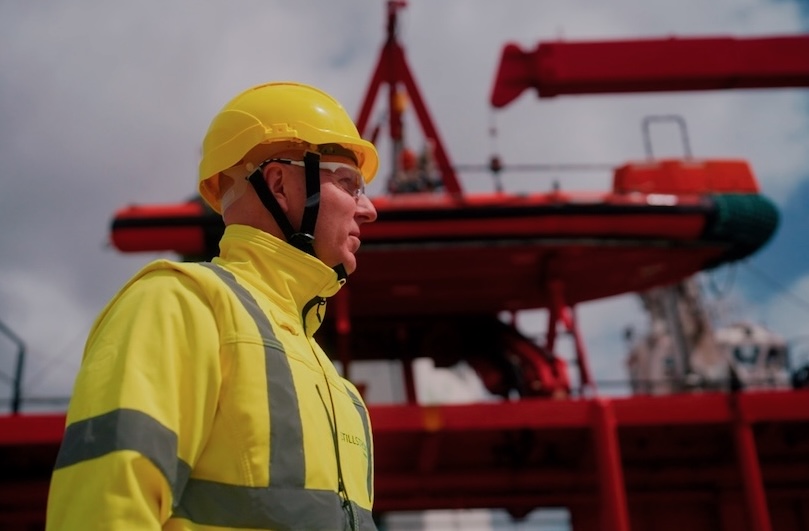
Stillstrom by Maersk has successfully proven that offshore vessel charging can be fully automated, removing one of the practical barriers to hybrid and electric support vessels operating on dynamic positioning (DP) in offshore wind farms. Connecting a vessel to an offshore power source while it holds position on DP means managing a moving cable safely, a task that has traditionally needed manual oversight and carries cost and risk. A trial of the Stillstrom Offshore eCharger (SOeC), witnessed by DNV as part of its technology qualification process, demonstrated Stillstrom's cable control system managing the cable automatically, from initial connection through to the vessel returning to position.
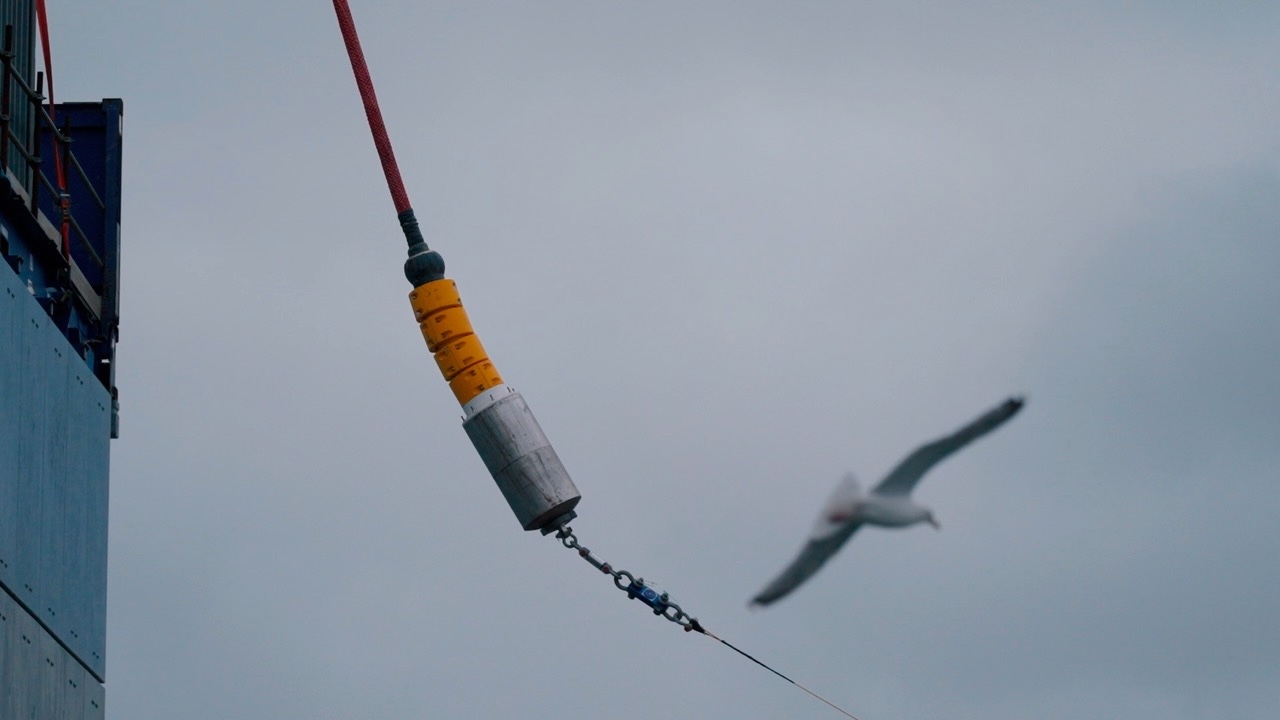
The trial was performed in collaboration with offshore wind vessel operator ESVAGT, and Semco Maritime, a long-term development partner for Stillstrom, which helped set up the test from its yard in Esbjerg, Denmark.
During the trial, the charging connector was deployed to the vessel from a height of 15.5 metres, representative of the wind turbine or substation height at which a Stillstrom system would be mounted in the field. The cable reel on the tower held 125 metres of cable, with the technology automatically paying out more cable as the vessel moved further away and reeling it back in as it returned, maintaining a constant cable profile throughout.
The trial tested five elements - control system performance for automated cable control, RTK GPS as a position reference for that control, synchronised line speed between the tower-mounted cable reel and the electric pull-in winch placed on the vessel, the user interface and logging features for monitoring and data collection, and the system's behaviour under realistic yard conditions.
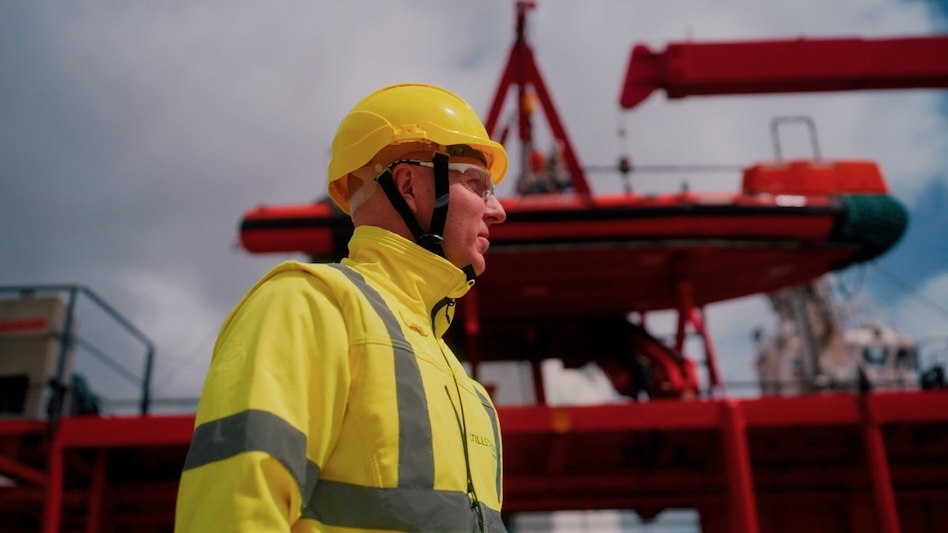
Stillstrom's CEO Kristian Borum Jørgensen said: “Cable control is one of the trickier parts of offshore charging to get right, and this successful trial showed our system safely managing it automatically as the vessel moves and communicating reliably well beyond our planned range.
“None of this happens without having the right partners in the room, and ESVAGT and Semco Maritime have helped drive this forward. This is another meaningful step, giving the sector further confidence in our offshore power and charging solution as we move towards full-scale deployment.”
Stillstrom has been pioneering offshore power and charging solutions to decarbonise the maritime sector from its bases in Copenhagen and Aberdeen and is on the cusp of commercial rollout. This latest assessment followed yard and harbour trials carried out in 2024 and a dry test completed in February 2026. The next step is a more integrated test involving an SOV and the full system, ahead of an eventual sea trial for final certification, which may also serve as the technology's first deployment.
Stillstrom | https://stillstrom.com
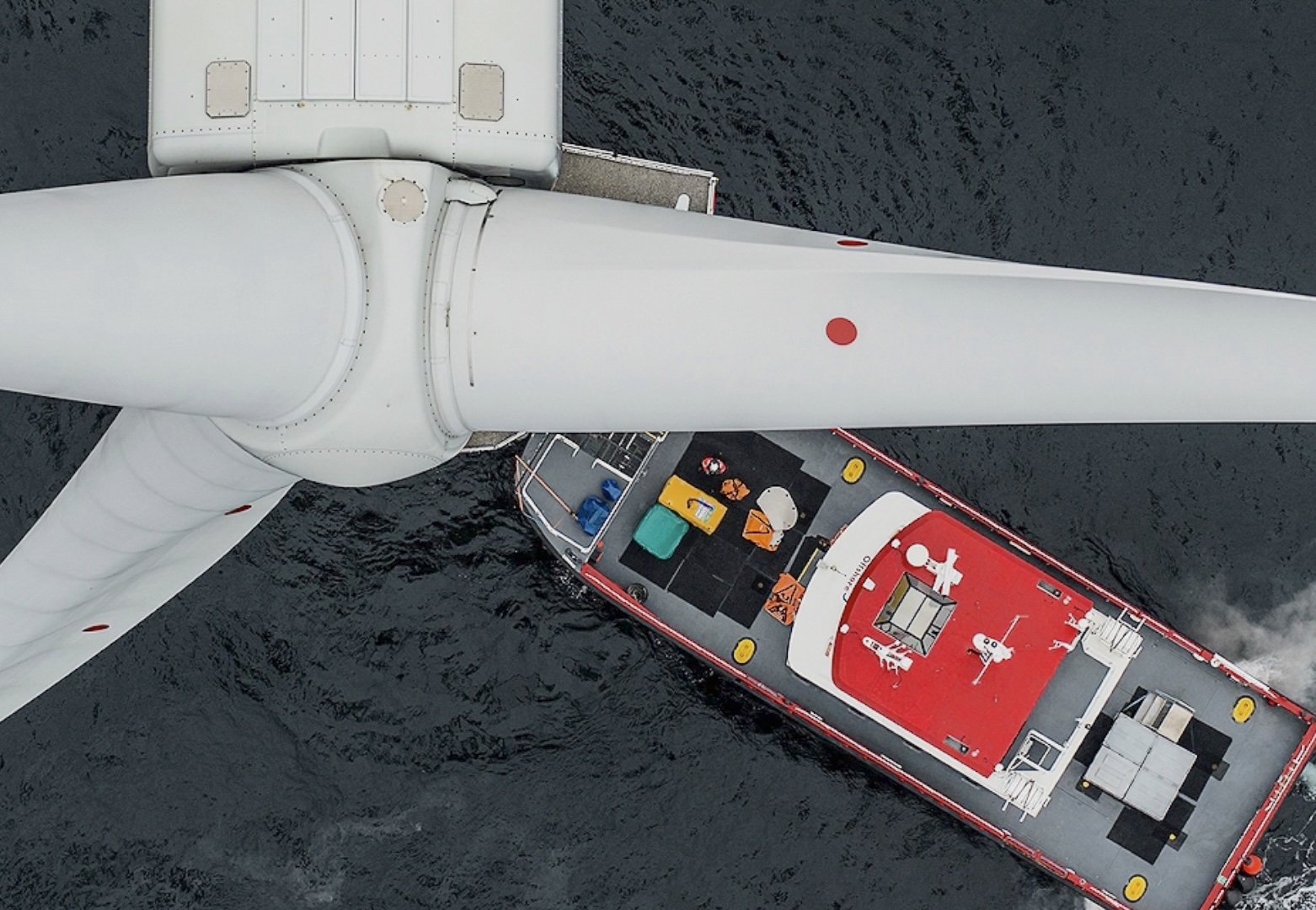
Statkraft Peru, a leading renewable energy generation company and subsidiary of the Norwegian state-owned company Statkraft, has selected Vestas for the development of the 72 MW Emma Wind Farm in Peru, located in the Piura region. This project marks Vestas' return to the Peruvian market with its 4 MW platform and reinforces both companies' commitment to the energy transition and the country's sustainable development.
Under this contract, Vestas will be responsible for the supply and installation of 16 V163-4.5 MW wind turbines, with a hub height of 119 meters. Delivery of the main components is scheduled for the second quarter of 2027, while turbine commissioning is expected in the first quarter of 2028.
"We are very proud to support Statkraft in the development of the Emma Wind Farm. This project reinforces our confidence in Peru's growth potential as one of the most attractive renewable energy markets in the region. Wind energy will continue to play a key role in diversifying the country's energy mix, delivering competitiveness, security, and long-term sustainability. We remain committed to supporting the development of Peru's energy sector with cutting-edge technology, local expertise, and solutions that create value for our customers and the local economy.” says Andrés Gismondi, Vice President of Sales at Vestas for the Southern Cone and Northern Latin America.
This new project strengthens the presence Vestas has built in Peru over more than ten years through the operation and maintenance of 62 wind turbines, totaling 100 MW of installed capacity.
Vestas | www.vestas.com
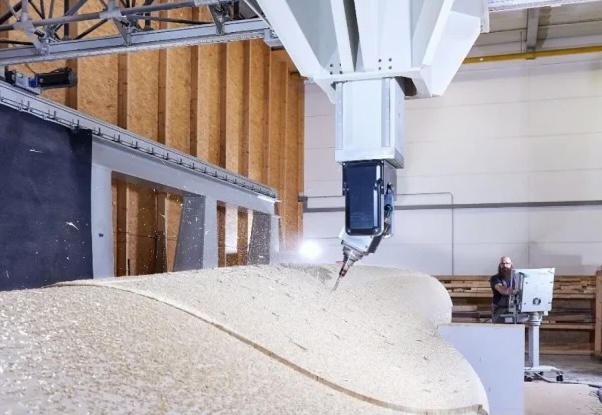
A consortium made up of German companies Voodin Blade Technology and Anker-Tec, together with Lithuanian firms VMG Wood Invest and VMG Technics, is planning to build a pioneering wind-turbine wooden blade factory in Navarra. The projected investment exceeds €100 million, and the project has secured €48.18 million in funding from the European Union’s Innovation Fund. Named VB1F, the future plant would specialise in manufacturing wind-turbine blades made from laminated veneer lumber (LVL), a material that, according to its backers, will make it possible to produce fully recyclable components as an alternative to traditional fibreglass blades.
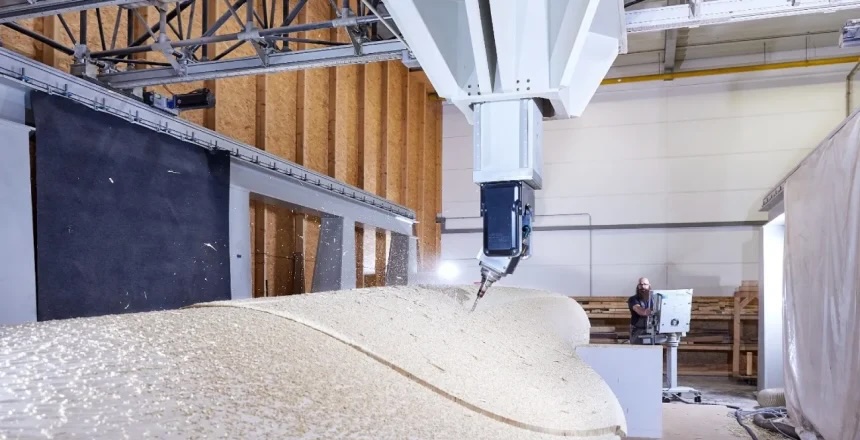
A fully recyclable material as an alternative to fibreglass
Voodin Blade Technology notes that the wind industry has built a $50 billion market on a material that cannot be recycled due to its structure, meaning around 78% of decommissioned fibreglass blades end up in landfill. With the VB1F project, the company is proposing an alternative: fully recyclable wooden turbine blades, produced without moulds and through a fully automated process.
Up to 450 local jobs and capacity for 160 blade sets a year
The consortium expects the facility to become operational in 2031 and to reach a production capacity of up to 160 blade sets a year. According to its estimates, the project will generate around 13.5 million MWh of electricity over the next decade and avoid the emission of more than 2.4 million tonnes of CO2, as well as creating around 450 local jobs.
Navarra | https://investinnavarra.com/en
Offshore wind foundation manufacturer CS WIND Offshore has begun operating a custom-built, automated milling machine from Danish machining expert CNC Onsite at its Aalborg facility in Denmark to create high-precision cable penetrations in transition pieces destined for offshore wind farms. This process ensures that cables powering external workspace lighting and platform cranes can be sealed with maximum reliability.
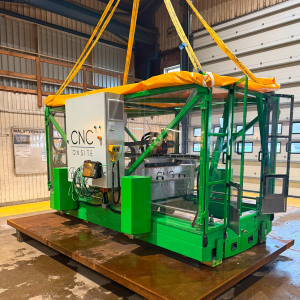 Delivering sub-millimeter precision, CNC Onsite’s new magnet-mounted gantry machine replaces manual cutting with a CNC-controlled milling machine that produces clean-cut penetration holes. These six cable holes per transition piece require precise edges to allow for the flawless sealing required around the power cables, a requirement in harsh ocean environments. CS WIND Offshore ordered the customized gantry machine to also mill the 12 pressure relief holes per transition piece, holes designed to relieve pressure and prevent structural warping under rough sea conditions.
“We required a tolerance of one millimeter to eliminate micro-gaps and completely isolate the internal electrical routing,” says Flemming Smidt Pedersen, Senior Manager, Production Engineering, at CS WIND Offshore. “At sea, this watertight integrity is absolute.”
The cables passing through these points power the platform cranes tasked with hoisting critical spare parts to the turbines, as well as the signal lights that illuminate identification numbers on each wind turbine.
“Surpassing our target to achieve a tolerance of just 0.3 millimeters through this entirely dust-free process has allowed us to secure this vital infrastructure while maintaining a cleaner, optimized manufacturing environment,” adds Pedersen.
Engineering Precision for Large-Scale Components
With a height of 2 meters, a length of 3.6 meters and a width of 2.3 meters, CNC Onsite’s 4-axis gantry machine was developed at the company’s headquarters in Vejle, Denmark, in a workshop dedicated to producing customized, high-precision solutions.
“We specially developed the mobile gantry milling system to deliver consistent, high-precision results on steel components. These parts are massive and virtually impossible to move into a standard machine. Therefore, we bring the machine to the workpiece instead. This project was a perfect fit for us, as our specialty is bringing precision machining directly to the component," says Søren Kellenberger, CEO of CNC Onsite.
Leveraging CNC Onsite’s background in maritime and energy projects, the company designed the mobile gantry machine to produce cable transits in a single automated pass, completely eliminating the need for manual flame-cutting and grinding.
The company also developed a proprietary magnetic fastening mechanism to provide a stable, vibration-free foundation without the need for traditional, invasive clamping. By utilizing powerful electromagnets, the machine locks directly onto the curved structure of the transition piece with high clamping force, yet leaves the high-grade steel surface completely unmarked. This approach is a significant benefit for transition piece manufacturers, as it prevents surface scarring and eliminates rework.
Managing Complex Geometry
To accommodate the diagonal routing of the cables through the structure, the penetration wall requires a 45-degree angle. CNC Onsite easily meets this specification with its adjustable machining angle ranging from 28 to 90 degrees. For this specific scope of work, the penetration holes measure 180 millimeters by 350 millimeters. However, the gantry machine is highly versatile, capable of processing openings ranging from minor 50-millimeter-diameter utility holes up to large-scale structural oval penetrations measuring 2,575 millimeters by 550 millimeters.
The 4.8-ton mobile machine manages significant geometric challenges in the manufacturing facility, where each 370-ton transition piece spans 7.8 meters in diameter and must be rotated on rollers to align the cutting zones. Equipped with an adjustable wheeled maneuvering setup, the machine tracks the cylinder's rotation, minimizing manual handling during repositioning.
"This integration of advanced gantry engineering and sub-millimeter precision confirms that manufacturing of large complex steel structures can be optimized to meet the increasingly stringent technical standards of the global offshore energy sector,” concludes Kellenberger.
CNC Onsite | www.cnc-onsite.dk
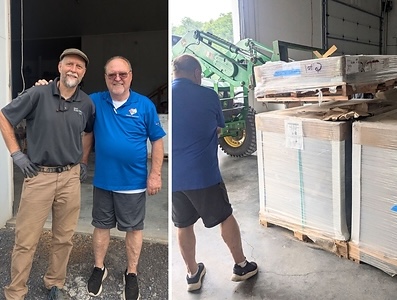
Got Electric, LLC has donated 57 surplus Heliene 380-watt solar panels to Shenandoah County SEARCH Inc., a nonprofit organization that provides residential care for adults with intellectual and developmental disabilities and operates a community thrift store in Mount Jackson, Virginia.
Twelve panels are designated for installation at the SEARCH group home by Green Hill Solar during the week of July 27. The remaining 45 panels will support a larger solar installation at the SEARCH Thrift Store once the organization raises approximately $29,000 in additional funding.
"We are honored to partner with GiveSolar to support Shenandoah County SEARCH and the important work it does for adults with intellectual and developmental disabilities," said Andy Hershberger, Director of Virginia Operations for Got Electric, LLC. "By donating these solar panels, we are giving surplus equipment a meaningful new purpose while helping SEARCH reduce its long-term energy expenses and direct more resources toward resident care, enrichment opportunities and the continued success of its community thrift store."
The donation builds upon a relationship between Hershberger and GiveSolar Director Jeff Heie that spans more than a decade. The two previously collaborated on a volunteer-supported solar installation at Eastern Mennonite School and, in 2025, helped direct surplus solar panels from Got Electric to Athens Area Habitat for Humanity in Athens, Georgia.
When Hershberger contacted Heie about another opportunity to place surplus panels with nonprofit organizations, GiveSolar connected Got Electric with SEARCH. GiveSolar also contributed $500 toward the group home's remaining solar installation expenses.
"Many nonprofits understand the long-term value of solar energy but struggle to secure the upfront capital required to install a system," said Heie. "A solar panel donation can provide the traction and leverage needed to raise the remaining funds. Got Electric had panels available, and GiveSolar was able to connect them with SEARCH, an organization that can use the resulting savings to further its mission for years to come."
The group home's solar system is projected to produce approximately 5,644 kilowatt-hours annually and offset an estimated 75% of its electricity use. Its estimated levelized energy cost is $0.05 per kilowatt-hour for the energy produced by solar.
The larger thrift store system is projected to produce approximately 24,702 kilowatt-hours annually and offset more than 65% of the store's electricity use.
SEARCH spent approximately $11,500 on electricity during its July 2025 through June 2026 fiscal year. Reducing those expenses will allow the nonprofit to direct more resources toward resident care, staffing, home improvements, enrichment activities and the continued operation of its community thrift store.
"This is transformational. What appears to be a solar project is really a mission project," said Kim Cassford, board member of Shenandoah County SEARCH Inc. "By harnessing the power of the sun, SEARCH is creating a renewable source of funding that will benefit our residents for decades to come. We expect to save well into the six figures over the next 20 years, resources that can be reinvested directly into resident care, staffing, home improvements and life-enriching opportunities."
Founded in 1978, SEARCH operates an eight-bed, state-licensed group home that provides 24-hour support to adults with intellectual and developmental disabilities. Some residents have called SEARCH home for more than two decades.
"For most people, lower utility bills simply mean saving money. For SEARCH, they mean creating opportunities," said Robin Tull, group home administrator. "Every dollar we save through solar energy can be redirected to the things that truly matter, from outings and celebrations to the everyday household supplies that keep our home running."
The SEARCH Thrift Store further supports the organization's mission while providing affordable clothing, furniture and household goods to the surrounding community. In 2025, the store completed 10,871 customer transactions, with an average unit price of $3.93.
Members of the public who would like to support the thrift store solar installation may donate online at https://www.shenandoahsearch.org/support-us or mail a check payable to SEARCH to 5742 Main Street, Mount Jackson, VA 22842, with "Solar" written in the memo line.
Got Electric | https://gotelectric.net/
Shenandoah County SEARCH Inc. | www.shenandoahsearch.org
Alternative Energies Jul 23, 2026
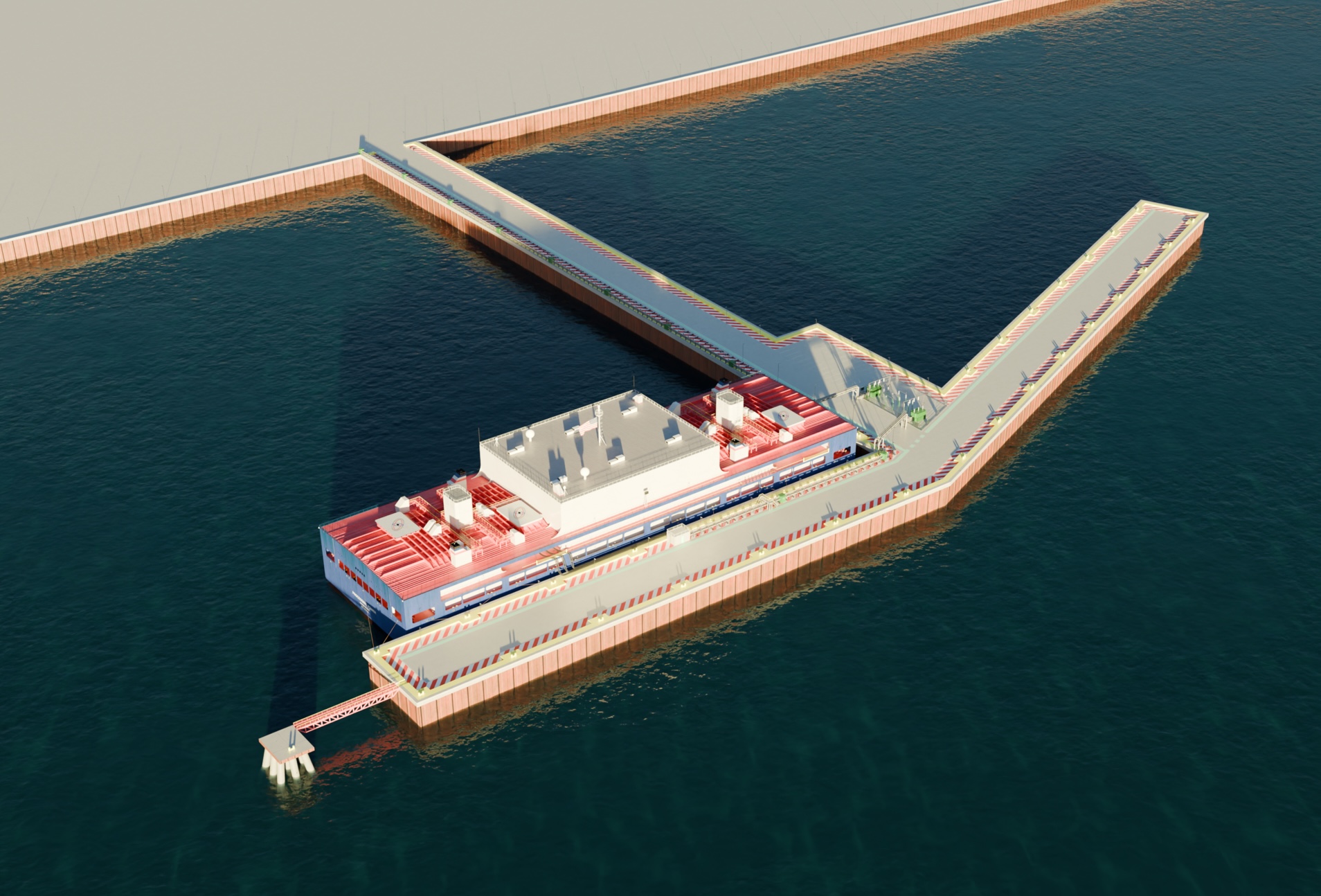
Every industrial revolution comes with its own infrastructure, which must scale rapidly in order to fuel the innovation and associated disruption that comes in its wake. Data centers are the factories of the AI revolution, and their rapid growth — ....
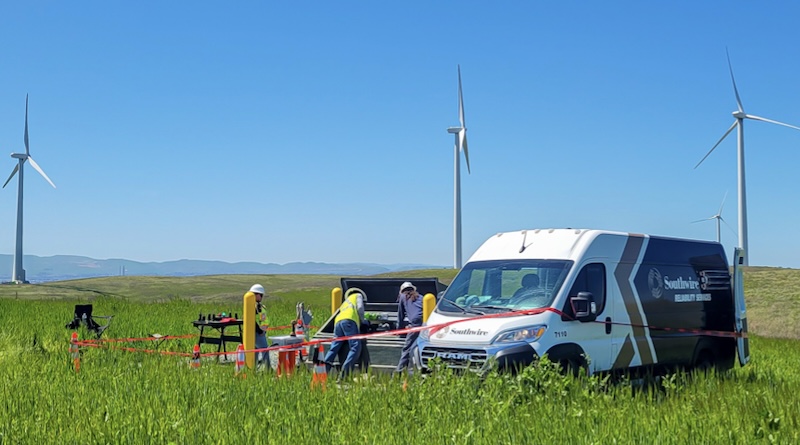
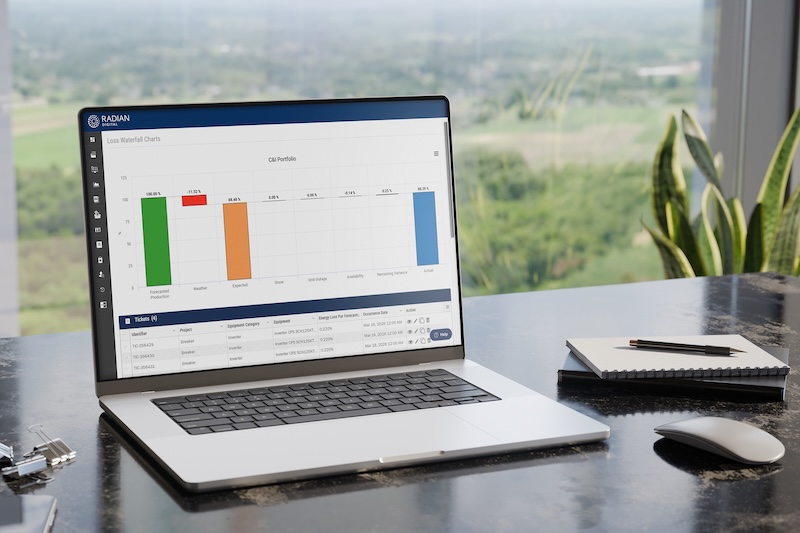
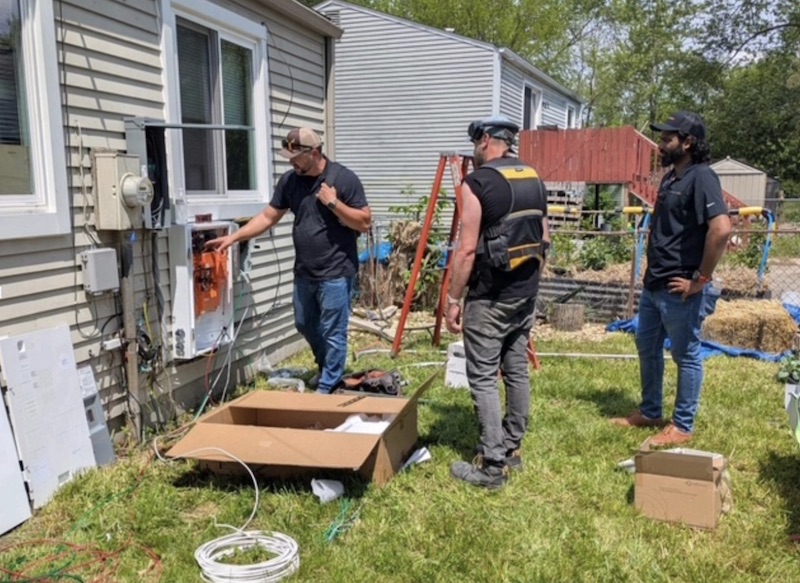
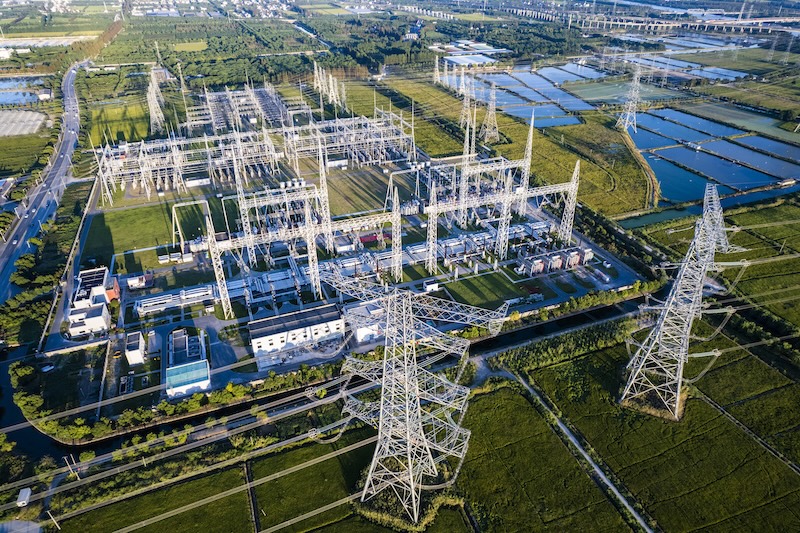
Energy systems are undergoing rapid transformation, reshaping how power is generated, delivered, and used across the economy. The growth of renewable energy is introducing new variability to the grid, while electrification is expanding across the sec....
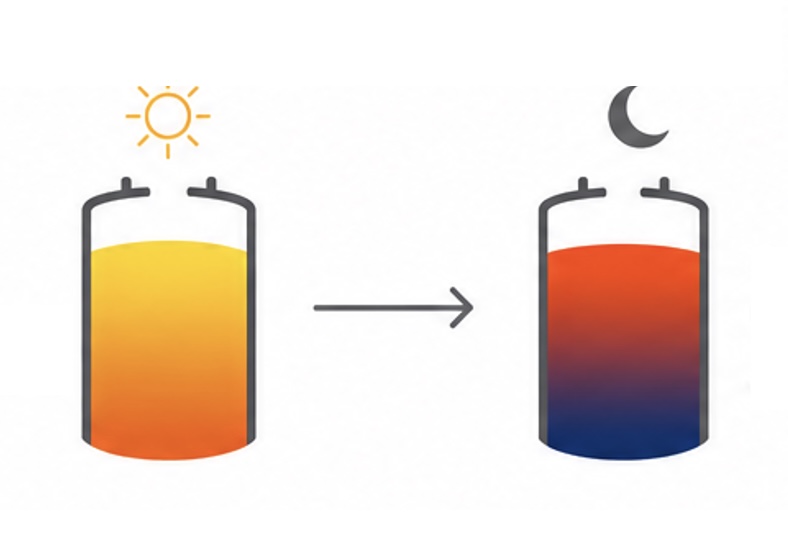
Electric demand growth is outpacing infrastructure readiness. Across North America, utilities are simultaneously facing the rapid expansion of electric vehicle charging, large-scale data center development, electrified HVAC adoption, manufacturing re....
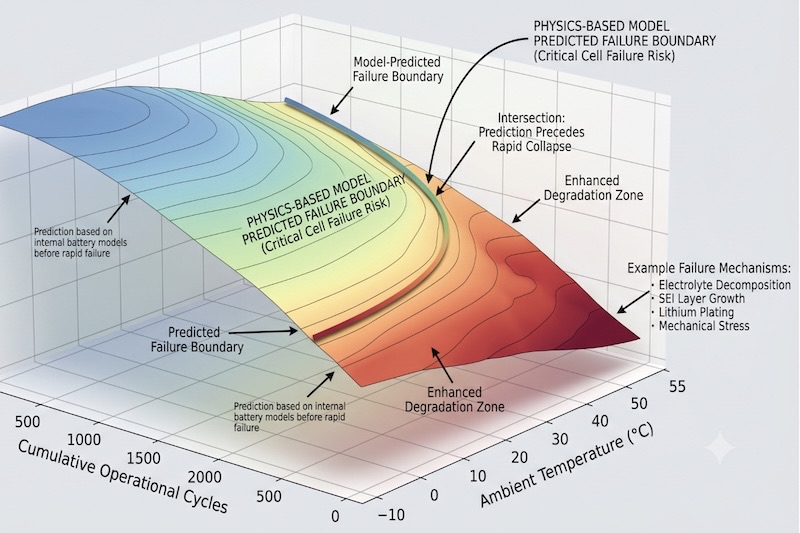
The utility-scale and commercial solar sectors are scaling at an unprecedented rate across the United States. Driven by sustained capital inflows, state-level mandates, and evolving federal tax frameworks, total installed capacity continues to hit hi....
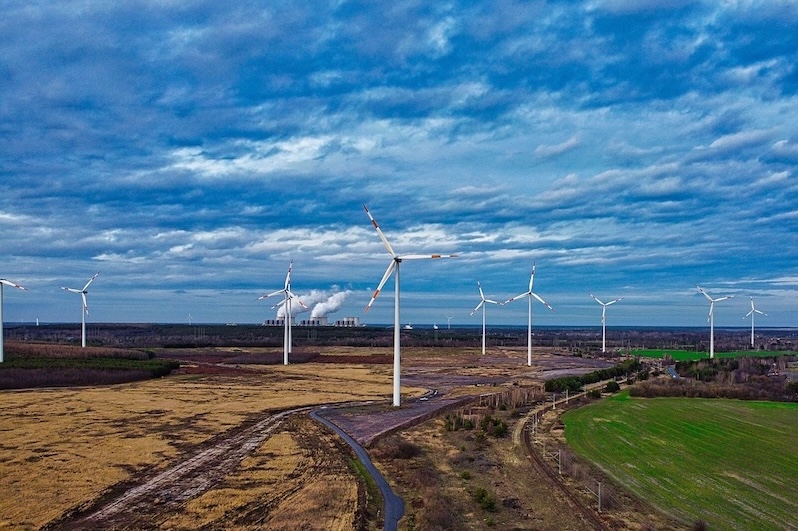
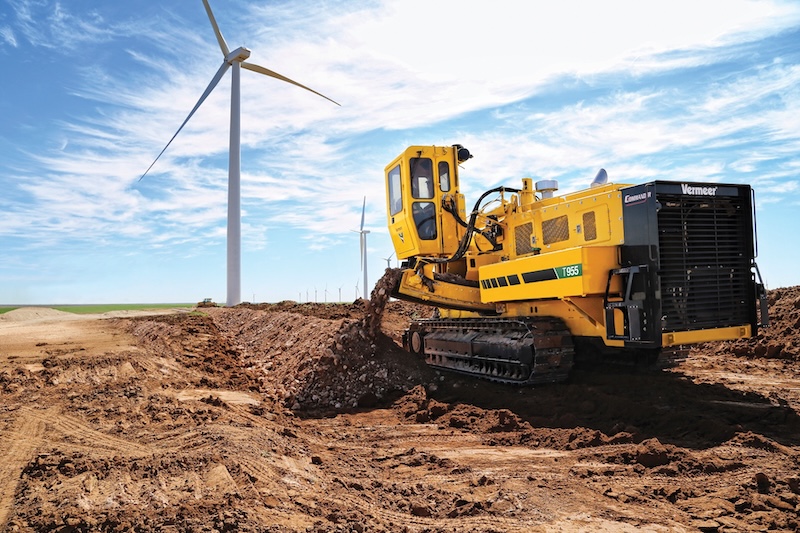
Texas leads the United States in install....
Data centers — driven by rapid AI adop....
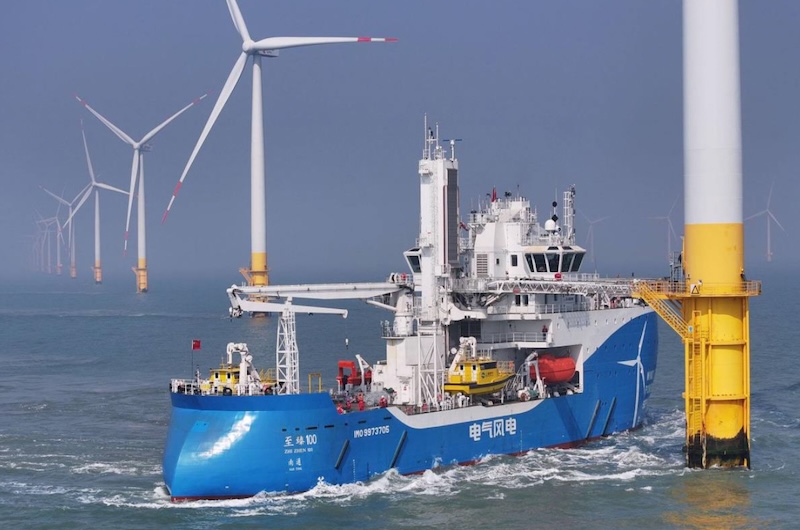
The offshore wind industry is scaling fa....
The American electric grid was designed around a principle that made sense for its time: generate power far away, move it long distances, and deliver it to homes and businesses that had no role in the system beyond paying the bill. For more than a ce....
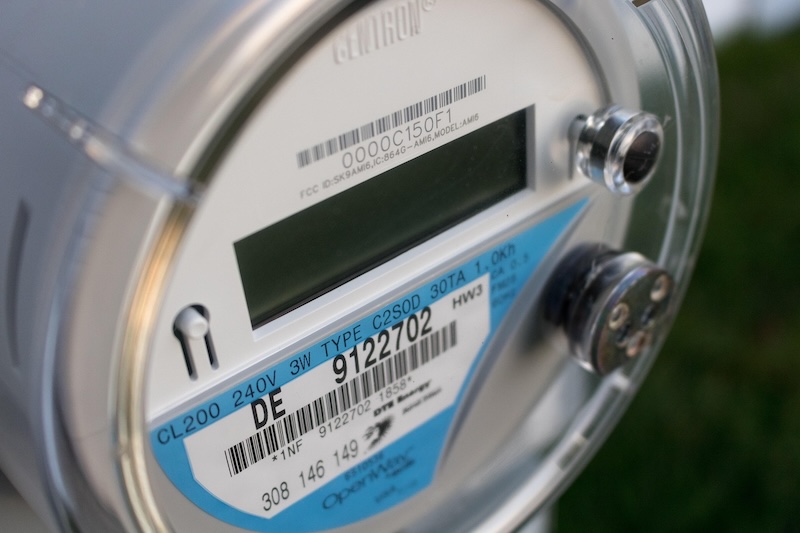
Over the years, utilities have had a complicated relationship with renewable energy. As homeowners and businesses adopt energy sources like solar and battery storage for self-generated power, the impact on utilities may be reduced revenue and oversup....
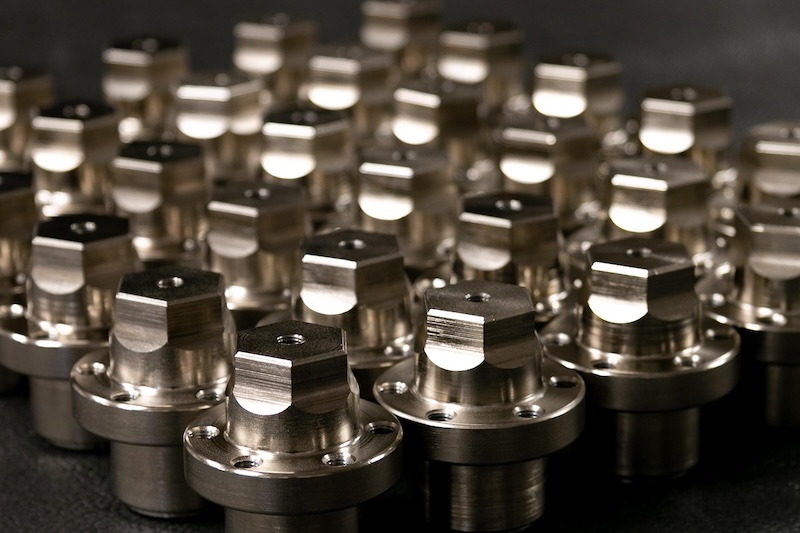
While not the world oldest profession, the reuse of products is a close second, dating back to when a caveman picked up a spear after his partner was eaten by a lion. Today, it is estimated that 45 percent of industries depend on it. Some examples....
Every industrial revolution comes with its own infrastructure, which must scale rapidly in order to fuel the innovation and associated disruption that comes in its wake. Data centers are the factories of the AI revolution, and their rapid growth — ....
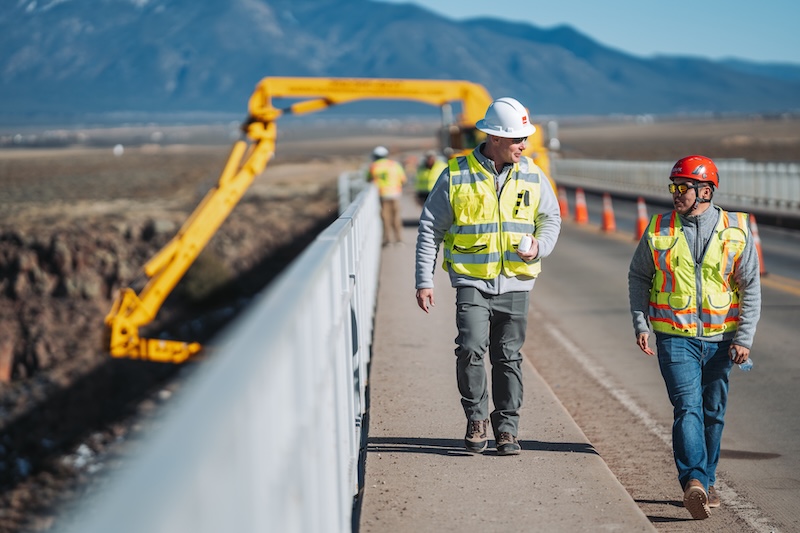
Environmental review and permitting requirements are changing faster than many infrastructure projects can adapt. Utilities, independent power producers, and commercial developers now operate in a more complex environment shaped by shifting federal p....
From extreme ice in the Midwest to the high winds in the Southeast, extreme weather is becoming more frequent and consequential for utilities and the communities they impact. For decades, choosing a conductor often centered on ampacity, cost, and sta....