




The Energy Equation and Virtual Power Plants


Over the years, utilities have had a complicated relationship with renewable energy. As homeowners and businesses adopt energy sources like solar and battery storage for self-generated power, the impact on utilities may be reduced revenue and oversupply during solar production hours, causing the dreaded “Duck Curve.”
But that dynamic is changing. Due to electrification, increased energy consumption by data centers, an aging grid and other forces, utilities are leveraging distributed energy resources to meet rapidly growing energy demands.
Utilities, especially cooperative utilities, are turning to energy storage assets or capacity that is already installed or is going to be installed to help levelize peak demand and manage grid voltage fluctuation.
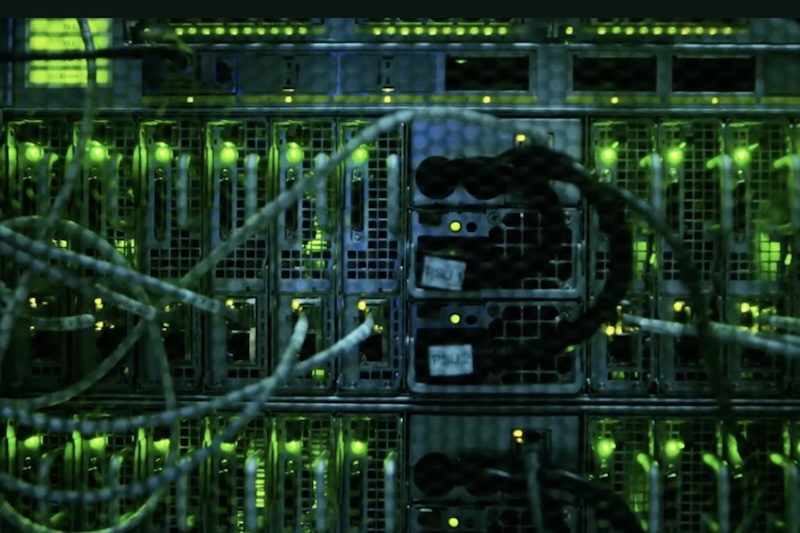
According to The American Clean Power Association, U.S. electricity demand is experiencing a historic surge, with forecasts projecting 35-50 percent growth by 2040, driven by AI data centers, manufacturing and electrification.
The importance of virtual power plants (VPPs) continues to grow as utilities look to identify, harness and incorporate additional power sources.
VPP advantages
A VPP pools heterogeneous distributed energy resources (DERS) like rooftop solar, batteries, electric vehicles, electric water heaters, smart thermostats and home standby generators. The resources are aggregated and can function as a single resource, just as conventional power plants do.
VPPs can ramp up and down just as often as (or even more quickly than) dispatchable centralized power plants. Plus, VPPs can do so virtually without limiting the geographical coverage of resources when grid conditions and relevant regulations allow.
VPPs can also be asset-light, meaning they are not subject to the liabilities associated with land use, waste management and stranded asset risks of traditional power plants.
Aggregators can operate VPPs to provide services to the grid, especially electricity markets. VPPs can incorporate advanced software, such as machine-learning algorithms, and their central IT systems can process large amounts of data, including weather forecasts, real-time electricity prices and ever-changing grid status, to optimize the operation of DERs.
Some utilities have adopted advanced control solutions such as distributed energy resources management systems (DERMSs) to operate VPPs. A DERMS is a utility enterprise system that enables proactive control of the grid and DERs (to the extent that the utility is allowed to dispatch customer-sited resources). In this way, a VPP can serve as a bridge between the prosumers who own DERs and power systems and markets, providing an even wider range of grid benefits.
All about the inverter
For homeowners with solar, battery storage, a standby generator or other power source who want to enroll in a VPP, they must have an approved inverter or, in the case of a home standby generator an approved automatic transfer switch (ATS), that can speak to and receive demand signals from the utility.
The inverter transmits data, including how much capacity there is, how much is available, how much is being discharged, how many kilowatt hours it can produce and the kilowatts it can support.
During times of extreme electricity demand (like a record-breaking heatwave or a cold snap), the utility sends a "dispatch" signal to the VPP network. Individual systems automatically respond by discharging a small amount of energy to help the grid. This reduces the need for the utility to turn on expensive, high-emission "peaker" plants.
By sharing energy, homeowners can help prevent local brownouts and lower the overall cost of electricity. In addition, in exchange for this service, the homeowner receives financial rewards, ranging from upfront rebates to performance-based checks.
It’s important to know that homeowners can determine how much energy they’d like to reserve for their own backup needs. VPP programs allow “contributors” to set a "Backup Reserve" limit so it’s assured they’ll still have backup power when they need it.
The current “approved hardware” system is confusing. However, basically it boils down to, if you have an approved inverter or ATS, your battery, solar, EV, standby generator and other elements, you can participate in a VPP.
Inverter evolution
In an interesting twist, inverter manufacturers that started off as hardware suppliers are now being asked to develop sophisticated software.
To handle those dual requirements, we’re seeing inverter companies decouple these two functions. The mechanicals are staying on the inverter side and the software is being developed as a standalone since each component requires different certifications.
However, what makes it challenging is that even though there's the 2030.5 standard communication protocol that all inverters must meet, each utility uses different aggregators and demand response managers who have their own protocols. For example, one aggregator might require five-second communication while another specifies 15-minute intervals.
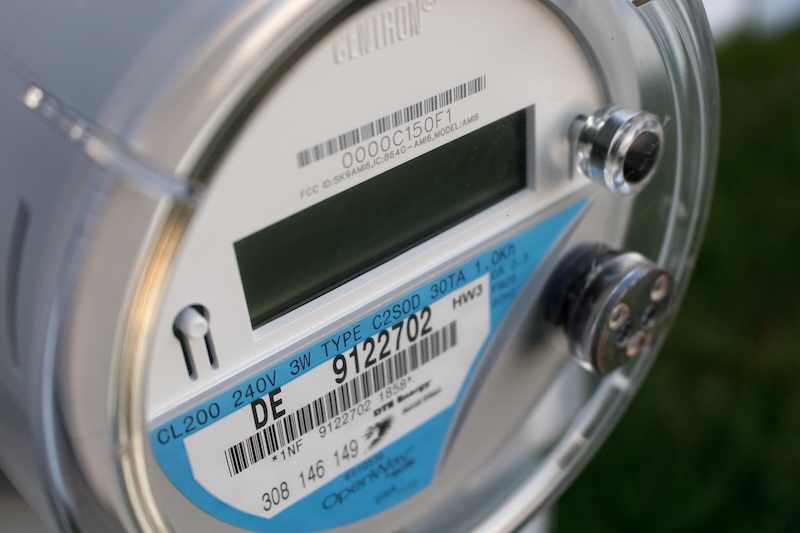
To meet the wide range of requirements, new electronic devices, like smart meters and meter collars, are being added to home ecosystems to make utility communication happen faster. A grid edge device is a perfect solution to take the demand signal and communicate it to a system but also be able to transmit data back out to the utility very quickly.
Challenges ahead
In addition to inverter challenges, there are other issues that must be addressed.
Naturally, cybersecurity in our grid infrastructure is incredibly important. However, a significant concern is the fact that many inverters are controlled by foreign entities.
Communication systems that manage and store data in the United States are desirable. One solution is a gateway device to provide a firewall between all of the assets that are in the field and the utility.
Another obstacle is the lack of transparency and simplicity. For homeowners and manufacturers, it can be extremely difficult to find easy-to-understand information on the VPP programs and how to enroll. That’s unfortunate since the future of VPPs and effectively meeting the country’s energy needs hinges on aggregating and utilizing the power that’s already being generated.
To encourage more DER participation by homeowners, I would like to see utilities provide a reduced rate to participants so that they can recharge their batteries after an event at a lower cost.
On the other hand, there are some utilities who have generous incentives. For example, Oregon’s Solar + Storage Rebate Program provides homeowners with a rebate of $5,000 for a solar electric system and up to $2,500 for an energy storage system. In the Northeast, homeowners who enroll in ConnectedSolutions earn $1,200 - 1,500 annually for sharing their solar battery storage with the electrical grid during times of peak demand.
VPPs are still in the early stage of development and we are seeing more and more utility DER programs come online across the country, which typically means improvements will be made, universal issues will be addressed and more accessibility and efficiency will be achieved.
 Sequoya Cross is a nationally recognized leader in the renewable energy industry with 20 years of experience. She is currently vice president of energy storage for Briggs & Stratton Energy Solutions and served on the California Solar & Storage Association (CALSSA) board of directors for two years. She is the former CEO of two solar companies and was the COO for SimpliPHI Power prior to its acquisition by Briggs & Stratton in 2021.
Briggs & Stratton Energy Solutions | energy.briggsandstratton.com/
Author: Sequoya Cross
Volume: 2026 July/August