




Beyond Megawatts: Emerging waste streams in clean energy transition


Artificial intelligence is rapidly becoming one of the most significant drivers of energy demand growth in modern history. As hyperscale data centers expand across North America to support AI processing, cloud infrastructure, and high-density computing, utilities and developers are accelerating investments in renewable energy projects at unprecedented speed. Much of the public conversation surrounding this transition has focused on solar photovoltaic (PV) deployment. New utility-scale solar farms, community solar projects, and large-scale repowering initiatives have placed PV module efficiency and PV recycling squarely in the spotlight. As newer, higher-output modules continue entering the market, first-generation systems are increasingly being upgraded or replaced in pursuit of improved production, land utilization, and operational efficiency.
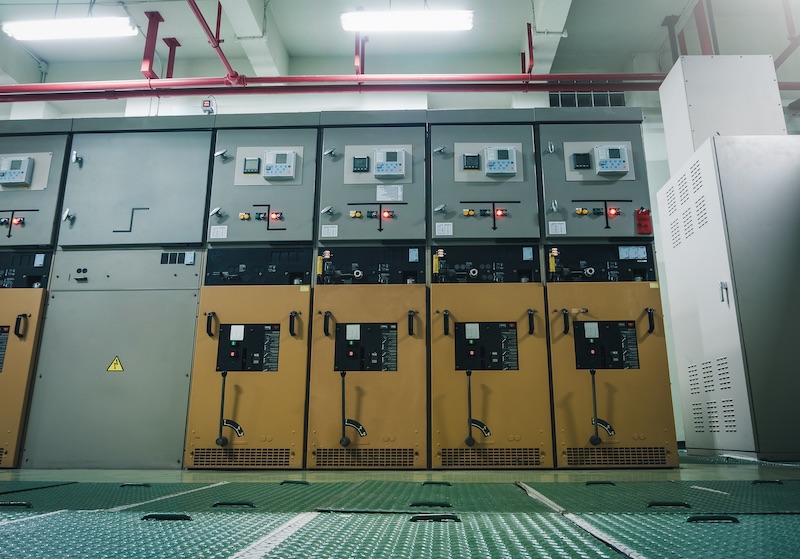
While the clean energy industry has increasingly turned its attention to PV module recycling, two additional infrastructure waste streams are expanding rapidly with far less visibility: battery energy storage systems (BESS) and the supporting electrical infrastructure required to operate them. As AI-driven power demand accelerates, energy storage is becoming essential to grid stability and renewable integration. Large-scale battery systems are now being deployed alongside solar projects, data centers, utility substations, and microgrid applications across the country. At the same time, battery technologies are evolving at a pace that is dramatically shortening infrastructure replacement cycles.
In many projects, battery systems installed only a few years ago are already being evaluated for replacement with newer technologies offering higher energy density, faster charging capabilities, improved thermal management, and longer operational life. While these advancements improve overall system efficiency, they also generate growing volumes of end-of-life battery material requiring transportation, handling, dismantling, reuse evaluation, or recycling. Battery waste streams span a wide and growing range of chemistries, each with its own handling requirements.
Legacy lead-acid systems continue operating in backup and industrial applications, while nickel metal hydride (NiMH) systems remain present in older hybrid transportation and industrial infrastructure. Meanwhile, lithium-ion chemistries continue dominating new deployments, bringing their own unique transportation, fire mitigation, and recovery challenges. The operational challenges associated with battery management extend far beyond the cells themselves. Damaged, defective, recalled, or thermally compromised batteries often require specialized packaging, staging, transportation, and downstream processing procedures. In many cases, decommissioning costs are influenced not only by chemistry, but by labor-intensive dismantling requirements, freight constraints, and the large percentage of non-recoverable plastics, steel, cooling systems, and structural materials contained within modern energy storage systems. But battery systems are only part of the story. As more advanced renewable technologies are deployed, many facilities require significant upgrades to the electrical infrastructure supporting them. Switchgear, inverters, transformers, UPS systems, disconnects, power distribution equipment, and control electronics are increasingly being removed, upgraded, or replaced to meet evolving energy demands.
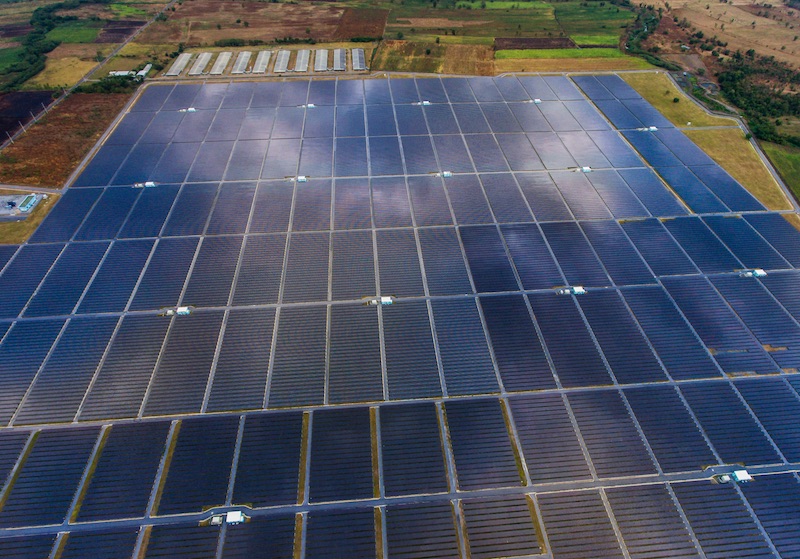
Unlike solar modules, these materials rarely receive the same level of public attention despite representing substantial volumes of copper, aluminum, steel, electronic components, insulation materials, oils, plastics, and other recoverable or regulated materials. In many cases, the transition to cleaner energy is not simply generating new infrastructure, it is accelerating the retirement and replacement of the infrastructure already in place.
For utilities, recyclers, energy developers, and infrastructure operators, this evolution presents both opportunity and challenge. Safe logistics, regulatory compliance, environmental stewardship, commodity recovery, and secure downstream management are becoming more important as renewable deployment continues to scale.
In response, companies operating within the recycling, logistics, and recovery sectors are working alongside utilities, renewable developers, data centers, manufacturers, and downstream processors to develop scalable solutions for managing these emerging waste streams responsibly. From utility-scale battery systems and damaged energy storage units to switchgear, transformers, UPS systems, and decommissioned electrical infrastructure, the industry is rapidly adapting to support the operational realities of the clean energy transition.
This includes advancements in transportation methods, materials recovery, reuse evaluation, safety protocols, and environmental compliance across an increasingly diverse range of technologies and chemistries.
The long-term sustainability of renewable infrastructure will depend not only on how quickly new systems are deployed, but on how effectively aging equipment, evolving technologies, and end-of-life materials are managed throughout the full lifecycle of the energy ecosystem.
Robert Laughlin is the Vice President of Business Development at METech Recycling, and has more than 30 years of experience in technology infrastructure and lifecycle management. He has spent the past decade helping organizations across energy, telecom, healthcare, aerospace, and enterprise sectors responsibly manage end-of-life technology. His work focuses on building national asset disposition programs that recover value while meeting environmental compliance and data security standards.
METech Recycling | www.metechrecycling.com
Author: Robert Laughlin
Volume: 2026 July/August