




Navigating Environmental Complexity in Energy Infrastructure Projects


Environmental review and permitting requirements are changing faster than many infrastructure projects can adapt. Utilities, independent power producers, and commercial developers now operate in a more complex environment shaped by shifting federal priorities and evolving state and local rules. Even as federal agencies pursue permitting reform, states and municipalities often add new requirements to address perceived gaps. That can upend assumptions made early in development and create uncertainty around cost, scope, and schedule. At the same time, local communities and stakeholders are paying closer attention to environmental impacts. When teams address those issues too late, they often create avoidable delays which add expense and greater project risk.
The real cost of late‑stage environmental risk
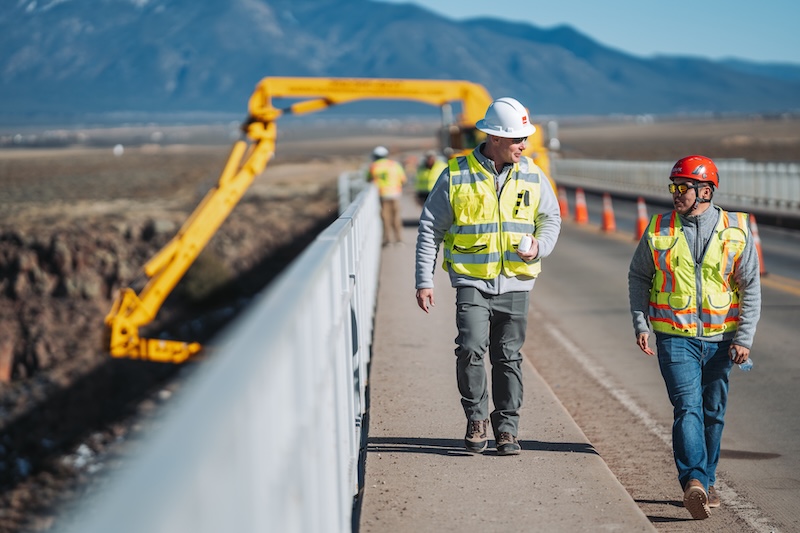
When teams identify environmental issues late, the effects are immediate. Schedules slip while teams evaluate newly discovered risks. Costs rise as engineers revise designs or re-sequence construction. Compliance also becomes harder when regulators and stakeholders are brought in under compressed timelines. These outcomes underscore the value of integrating environmental considerations into planning rather than treating them as a downstream obligation.
Environmental requirements rarely exist in isolation. Federal permits often intersect with state standards, local ordinances, conservation easements, and landowner expectations. Those accumulated layers become much harder to manage once construction plans are set. Early engagement gives teams time to identify constraints while flexibility still exists — before routes are finalized, construction methods are locked in, or major capital is committed. That visibility allows teams to weigh tradeoffs, adjust designs deliberately, and build environmental risk into project decisions instead of reacting to it later.
Too often, environmental or cultural specialists are brought in only after a project falls out of compliance or late-stage design uncovers a permitting problem. By then, construction may stop, operations may be disrupted, and organizations may face substantial fines. The opportunity to collaborate proactively with regulators is also far more limited. Restoring compliance at that stage is almost always more difficult and more expensive than addressing risk early.
Early engagement preserves options and reduces risk
Large, multi-site infrastructure programs make the value of early environmental integration especially clear. Consider a gas utility’s development and reclamation work. By evaluating environmental and cultural constraints during initial planning through desktop reviews and targeted field assessments, teams can inform routing, design, and sequencing before construction begins. That early insight helps avoid or mitigate impacts and supports proactive engagement with regulators when needed. After construction, teams can also review assets to confirm reclamation continues to meet regulatory requirements and landowner expectations.
Localized regulations add another layer of risk. Conservation easements, municipal ordinances, and state-specific requirements can materially affect project feasibility if teams do not identify them early. In fast-moving sectors such as data centers and energy, teams sometimes discover restrictions only after routing or site selection is underway. Those oversights can force redesigns and delay approvals. When teams understand how requirements vary across jurisdictions, they can anticipate constraints, make better decisions, and preserve schedule certainty.
Technology’s role in smarter early planning
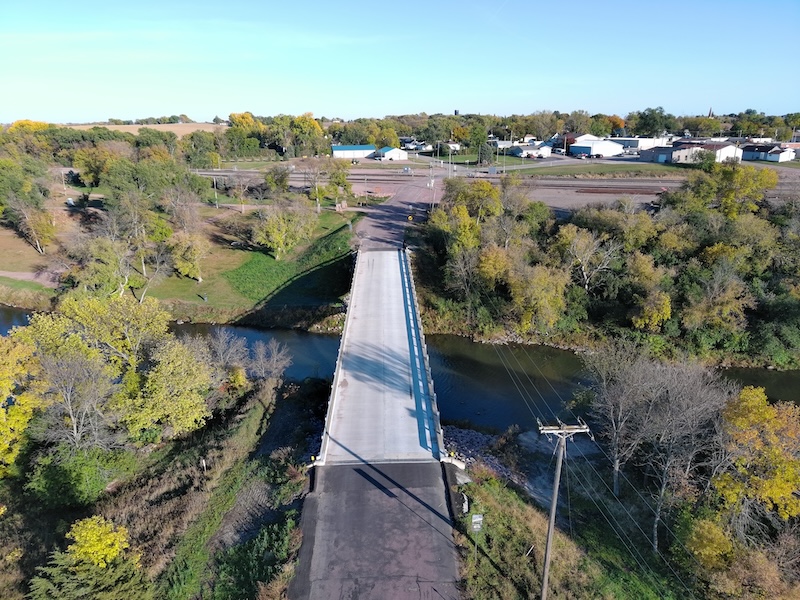
Technology has also improved how teams identify and manage environmental risk. High-resolution surveys, drone-based data collection, and advanced imaging tools allow teams to assess large areas more quickly and precisely. Used well, these tools help focus fieldwork where it matters most to reduce unnecessary disturbance and strengthen early planning assumptions. They do not replace field expertise; they help teams apply it more effectively.
Breaking down silos
Teams also need to integrate environmental information across disciplines. Environmental specialists add the most value when they work closely with engineering, surveying, right-of-way, and design teams. Shared data platforms now make it easier to view environmental constraints alongside route alignments and land considerations in real time. That visibility reduces miscommunication, speeds decisions, and helps teams adapt before conflicts become costly.
Early environmental involvement often shapes foundational decisions — where infrastructure goes, how crews build it, and when construction occurs. While upfront review requires more effort early on, it can reduce long-term risk, improve regulatory predictability, and support smoother execution. On many projects, the ability to anticipate environmental complexity determines whether work stays on track or stalls over avoidable issues.
As infrastructure investment grows under continued environmental scrutiny, teams can no longer treat environmental insight as secondary. Successful projects increasingly depend on aligning environmental understanding with technical planning from the start. Organizations that do that are better positioned to manage uncertainty, reduce risk, and deliver durable infrastructure in a changing regulatory landscape.
Grady Wolf is Director of Environmental, Cultural & GIS at Ulteig, working as a partner to the organizations entrusted with the task of building, maintaining and revitalizing our nation’s infrastructure.
Ulteig | ulteig.com
Author: Grady Wolf
Volume: 2026 July/August