




Building a Smarter and More Sustainable Grid


Energy systems are undergoing rapid transformation, reshaping how power is generated, delivered, and used across the economy. The growth of renewable energy is introducing new variability to the grid, while electrification is expanding across the sectors that power modern life, from data centers and transportation to advanced manufacturing and healthcare. Together, these shifts are increasing demand, straining aging infrastructure, and accelerating the need for grid modernization.
This is not just a regional trend. Over the past decade, global electricity generation has grown at an average rate of 2.6 percent per year, roughly twice the pace of total energy demand. In 2024, North America and Europe accounted for nearly 30 percent of global electricity generation, totaling 9,514 TWh.1 In North America, continued growth in a mature energy market highlights the scale of the challenge ahead. As demand rises, renewable generation expands, and reliability expectations increase, the case for a modern and resilient grid becomes even stronger.
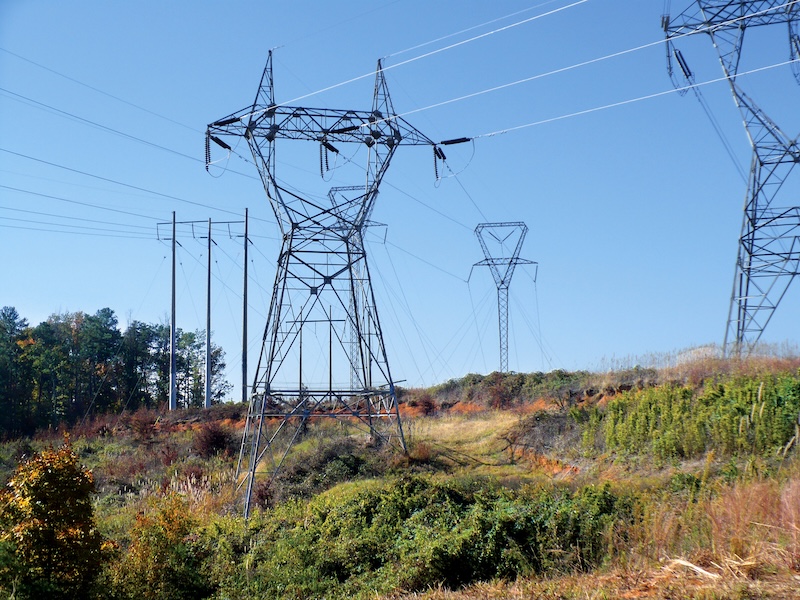
Electricity has become an operational currency for businesses, communities, and essential services alike. In a world where the cost of downtime continues to rise, grid reliability and resilience have never been more important. A modernized grid is not only critical to meeting rising demand but also to ensuring a more sustainable, stable, and secure energy future.
The grid is evolving, as are the challenges
Modernizing the grid presents a significant opportunity, but the path forward is complex. Aging infrastructure, rising demand, and a changing energy mix are straining grid performance, while the shift from traditional generation to renewables is introducing fluctuating power flows that can make stability harder to manage.
Interconnection delays, regulatory hurdles, and the scale of long-term investment required can also slow progress. In densely populated or land-constrained regions, environmental and permitting constraints add another layer of complexity. In some cases, these pressures are also changing how large energy users plan for growth, with data center operators exploring “bring your own power” strategies to address access, timing, and reliability concerns. Cyber and physical security risks, workforce capability gaps, and the need for equitable investment across communities further complicate the transition.
From one-way power flow to a more dynamic network
Traditionally, electricity flowed in a single direction, from generator to consumer. Today, that model is evolving rapidly as renewable energy sources, distributed assets, and connected users transform how power flows across the grid. With electricity now flowing in multiple directions, the grid must operate faster, more intelligently, and with greater flexibility.
This is where smart grids play a critical role. As energy demand grows and the power mix becomes increasingly diverse, smart grids provide the advanced capabilities needed to manage, optimize, and strengthen power transmission and distribution.
What makes a grid smarter
One of the key advantages of a smart grid is enhanced visibility into system performance. Using advanced sensors, communication technologies, and analytics, utilities can monitor conditions in real time, detect issues earlier, and manage power flows more effectively.
Smart grids also make it easier to integrate renewable energy sources such as solar and wind. Because these energy sources can vary over time, the grid must continuously balance electricity supply and demand. Smart grid technologies provide that flexibility through automation, storage, and demand response strategies.
With improved data and predictive capabilities, smart grids can also strengthen outage response, reduce disruptions, and support a resilient power system. These capabilities are becoming increasingly important as electrification expands across areas such as transportation and industry, adding new load to the network.
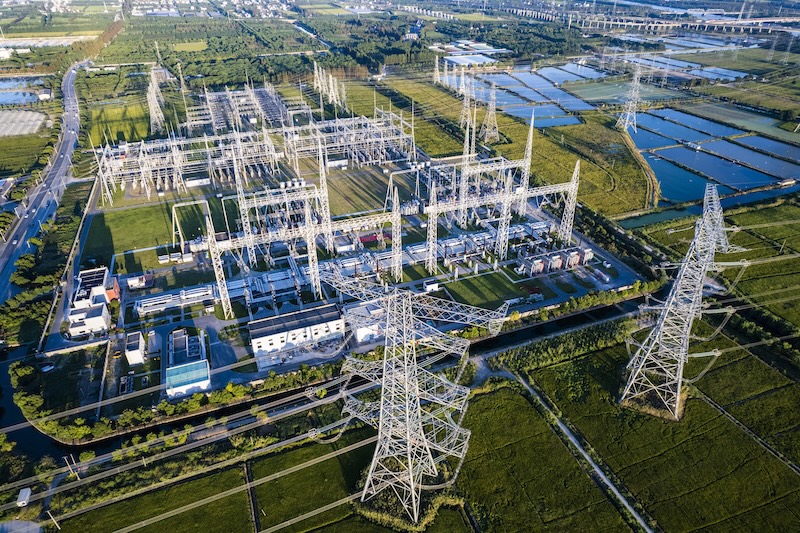
Turning insight into action
Grid modernization is not only about expanding infrastructure. It is also about building an intelligent, responsive network that can adapt to the evolving dynamics of the energy system. That requires stronger visibility into grid performance and asset condition, especially in underground networks, where much of the system has traditionally been difficult to monitor.
A new generation of enabling technologies is helping to close that visibility gap. These capabilities support reliable underground connections, help improve installation consistency, strengthen asset traceability, and provide real-time insight into factors such as current, voltage, power quality, and cable system health. Together, they are helping utilities move from reactive maintenance to proactive, data-informed grid management, with stronger tools to identify issues early, reduce downtime, and support long-term resilience.
Building the foundation for what comes next
As demands on the grid continue to grow, modernization will require infrastructure upgrades and greater system intelligence. It will depend on creating a network that is visible, connected, and equipped to respond to change. Smart grid capabilities are helping to lay that foundation, allowing utilities to navigate change with greater confidence while supporting a more reliable and sustainable energy future.
¹ Statistical Review of World Energy 2025, 74th Edition, Energy Institute.
 Andy Piepel currently serves as Vice President R&D for the 3M Electrical Markets Division, overseeing Research and Development globally. Andy started his 3M career in new product development and has gained extensive experience in development and commercialization across a range of products and technologies in the electronics, energy, transportation and industrial markets in his nearly 30-year career. In addition to his US work experience, he has also lived and worked abroad as an R&D Leader in Shanghai, China and Düsseldorf, Germany. He earned his Bachelor of Science degrees in Chemistry and Chemical Engineering from the University of Minnesota. Andy is passionate about developing “what’s next” and delivering the products, technologies and experiences that place organizations on the leading edge.
3M | www.3m.com
Author: Andy Piepel
Volume: 2026 July/August