




The New Architecture of the American Grid is Taking Shape in Neighborhoods, Not Power Plants


The American electric grid was designed around a principle that made sense for its time: generate power far away, move it long distances, and deliver it to homes and businesses that had no role in the system beyond paying the bill. For more than a century, that arrangement was so stable that most people never thought about it. Now it is being rebuilt, and some of the most interesting parts of that rebuilding are not happening at the utility scale. They are happening in neighborhoods.
Power moved in one direction, from the plant to the home. The system was designed to keep it that way.
That is changing. Solar, residential batteries, electric vehicles and AI-assisted energy management systems are giving homeowners a more active role in how electricity is produced, stored and used. Utilities, municipalities and grid operators are increasingly treating residential batteries as flexible energy resources that can help with grid reliability, peak demand and resilience during extreme weather.
Cities are moving in the same direction, and some of what they are doing is worth paying attention to.
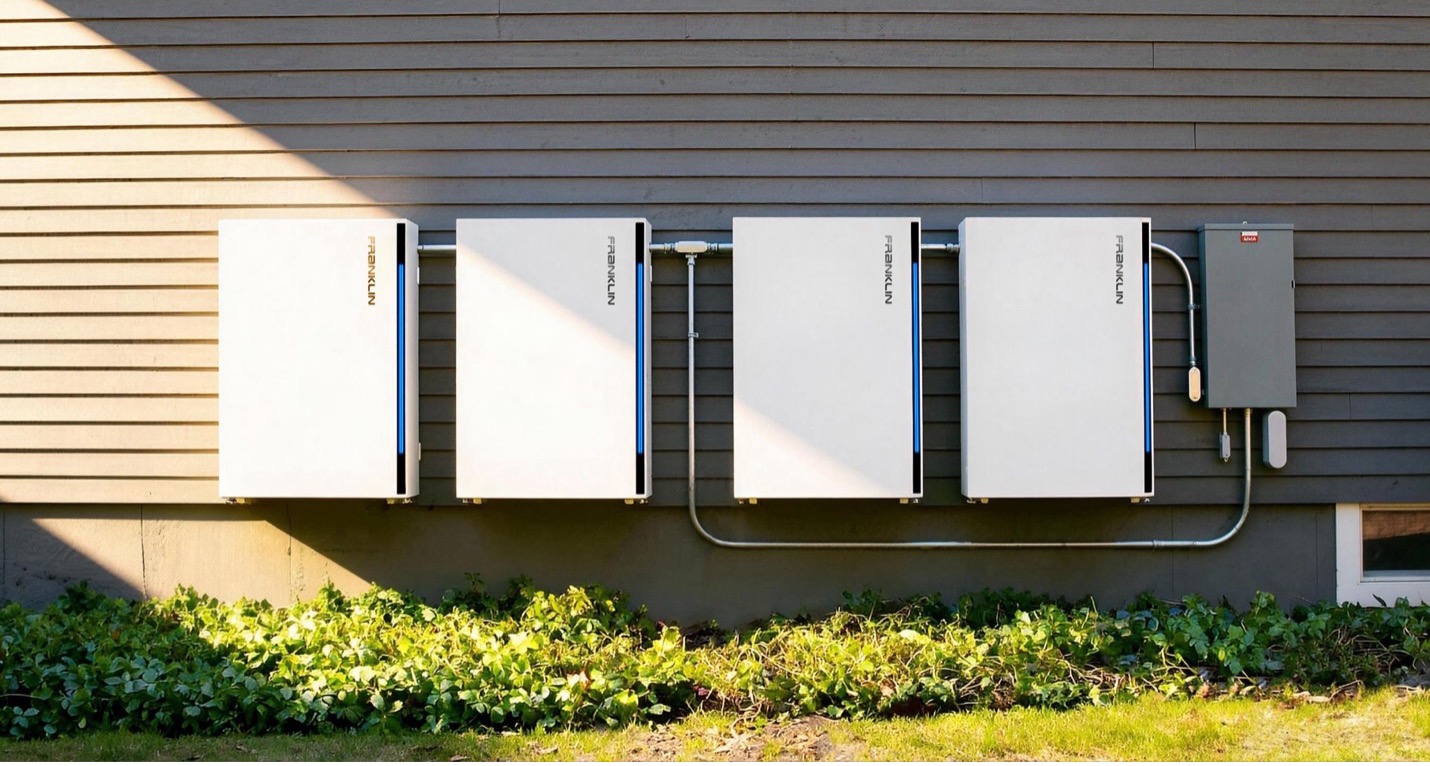
Energy storage systems being installed in Ann Arbor, Michigan as part of the A2SEU pilot program.
In Michigan, the Ann Arbor Sustainable Energy Utility launched what is believed to be the first city-owned residential solar and battery program in the United States. The pilot is deploying 150 home energy management and storage systems in the Bryant neighborhood, where some households spend more than a third of their income on utility costs. City leaders plan to expand the program to 1,000 homes next year.
New Orleans is doing something similarly interesting. The Neighborhood Power Plan, funded by a $30 million settlement between Entergy and the city, will deploy solar-plus-storage systems at approximately 1,500 homes and as many as 250 community institutions throughout Orleans Parish. When those systems are aggregated, they are designed to function as the largest virtual power plant (VPP) on the Gulf Coast. Community centers and clinics in the program will also serve as emergency hubs during severe weather.
Both programs treat distributed home storage as infrastructure. That is a different way of thinking about it than the industry has traditionally used.
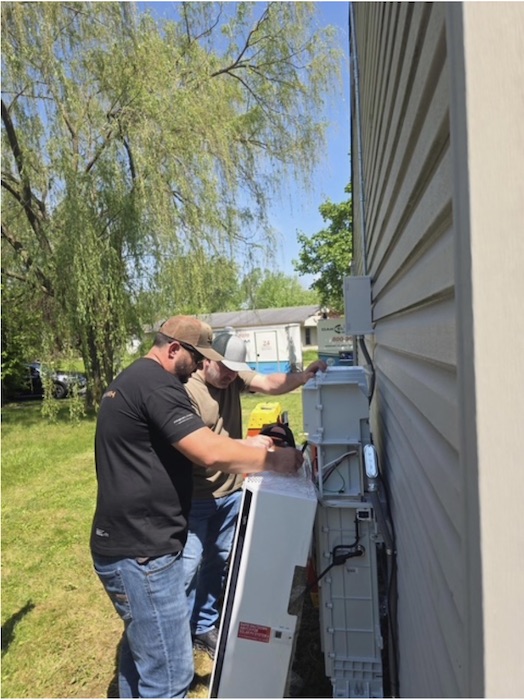 The federal residential clean energy tax credit under Section 25D began phasing out at the end of 2025, shifting the economics for many homeowners. Utility VPP and demand response programs have continued to expand, giving homeowners another way to offset the cost of ownership. As the incentive landscape evolves, tax credit eligibility at the project level is becoming a more important consideration for installers and financing partners.
The numbers coming out of some of those programs are notable. In Arizona, one homeowner received more than $1,055 in bill credits in a single billing period through a utility VPP program. In Massachusetts, ConnectedSolutions participants earn between $800 and $1,200 annually per battery. Green Mountain Power in Vermont offers up to $3,400 for a ten-year enrollment commitment. In Connecticut, homeowners in qualifying communities earn up to $2,100 per battery per year.
A residential battery is not just a backup power device. It is an asset that can deliver value to the grid while also benefiting the homeowner. As more utilities and cities build programs around that idea, the financial case for residential storage becomes less dependent on any single policy and more grounded in actual performance.
Getting there requires technology that works cleanly across different utility environments. Installers working across multiple territories need systems that commission quickly and connect to utility platforms without having to re-engineer every integration. The homeowner experience is part of it too. People should be able to generate, store, manage and use energy through a single integrated platform rather than a collection of disconnected devices. When that is how systems are built, deployment is faster and utility programs are easier to run at scale.
The public conversation about the energy transition still tends to focus on large infrastructure. Transmission, utility-scale solar, grid-scale storage. Those investments will continue to matter. However, in the markets where residential VPP programs are running, the technology is performing and the economics are working. Cities and utilities are finding that distributed home storage fits into their planning in ways that were not realistic a few years ago.
The distributed grid is no longer a prediction. In a growing number of American neighborhoods, it is already the reality.
Gary Lam is CEO and co-founder of FranklinWH Energy Storage, headquartered in the San Francisco Bay Area. FranklinWH participates in more than 25 utility-led VPP and demand response programs across the United States.
FranklinWH Energy Storage | www.franklinwh.com
Author: Gary Lam
Volume: 2026 July/August