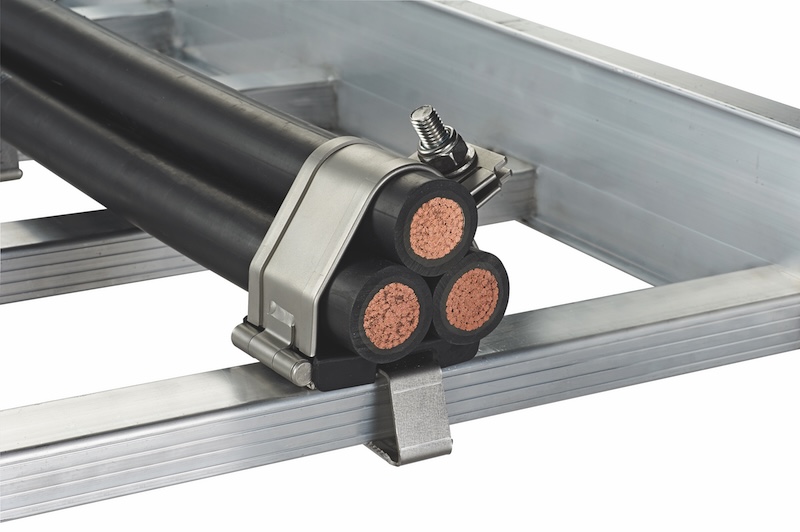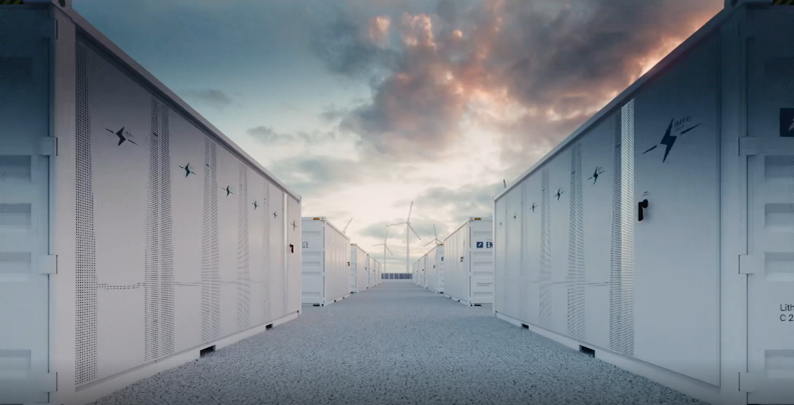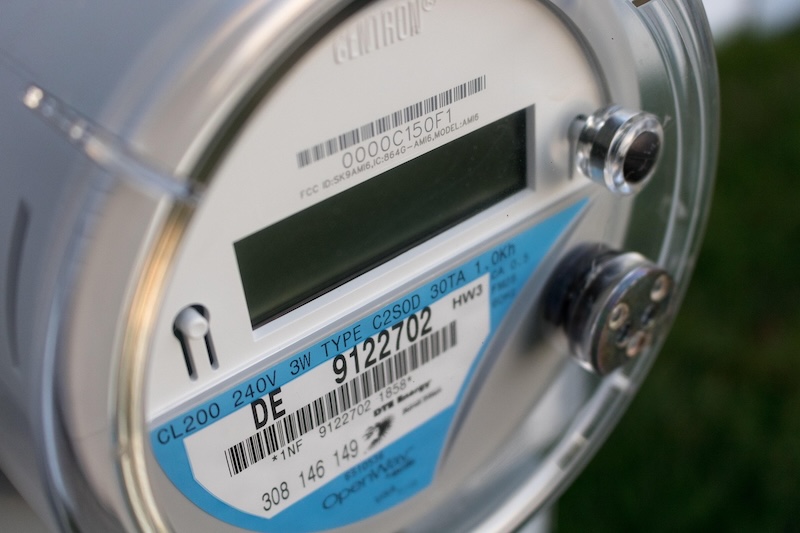



Fire risk tops the headlines, but short circuit events may be the more immediate threat on your next project. Battery energy storage systems (BESS) are having a moment. After years of promise, the technology has reached an inflection point thanks to plummeting costs, utility-scale deployments, and continuing federal support. BESS has earned its reputation as the sector to watch by solving difficult grid problems. But momentum has a way of o....
In the North American power market, Demand Response (DR) is no longer confined to large industrial facilities turning off heavy machinery during peak hours. Driven by FERC Order 2222 and the rapid deployment of distributed energy resources (DERs), behind-the-meter C&I solar and Battery Energy Storage Systems (BESS) are increasingly relied upon to provide active grid support. Modern utility programs and Virtual Power Plants (VPPs) require C....
While not the world oldest profession, the reuse of products is a close second, dating back to when a caveman picked up a spear after his partner was eaten by a lion. Today, it is estimated that 45 percent of industries depend on it. Some examples are the auto industry relying on scrapyards for parts, heavy construction equipment, HVAC systems in buildings, utilities, plumbing, marine, military, aviation, and telecommunications — all rely on....
Artificial intelligence is rapidly becoming one of the most significant drivers of energy demand growth in modern history. As hyperscale data centers expand across North America to support AI processing, cloud infrastructure, and high-density computing, utilities and developers are accelerating investments in renewable energy projects at unprecedented speed. Much of the public conversation surrounding this transition has focused on solar photovol....
Energy Storage
Schaltbau North America
Energy Storage
Gary Lam
Energy Storage
Sequoya Cross
Global Battery Materials Corp. ("GBM" or the "Company") announces that it has signed a Letter of Agreement ("LOA") with five First Nations — Dokis, Henvey Inlet, Magnetawan, Shawanaga and Wasauksing, with respect to engagement, including a potential investment transaction, in the Kearney Graphite Project ("Kearney" or the "Project") in northeastern Ontario. The five First Nations have formed the Gizhe Manidoo O-Miigwewinan Limited Partnership ("GMM LP") to facilitate their collective engagement in the Project. The LOA reflects the interests of all five Nations in ensuring the Project's responsible development and commits both parties to negotiating a Partnership Framework exploring potential opportunities for equity ownership, an energy partnership, and long-term stewardship of the surrounding lands and waters.

The LOA, signed by GBM and the Chiefs of the five First Nations, establishes a process to develop a Partnership Framework between GBM and GMM LP for the restart of the Kearney Mine to ensure mutual benefits for both parties, including equity participation and an energy partnership, while protecting the environment and respecting Indigenous Rights.
Wasauksing Chief Shane Tabobondung commented: "This is an early and significant milestone in our relationship with the Company for the Kearney Graphite Project. This LOA reflects how business is to be conducted in our traditional territories and lands – business that is conducted with and led by our First Nations for the long-term protection of our lands and the responsible and sustainable development of our resources for the benefit of our people."
"Today's agreement establishes the foundation for a long-term relationship built upon mutual trust, transparency, and shared success," said Karl Trudeau, COO of Mining at GBM. "As we advance the Kearney Graphite Project following the positive results of our Preliminary Economic Assessment, we remain committed to working alongside the five First Nations to build a project that reflects responsible resource development, environmental stewardship, and meaningful Indigenous participation from planning through operations."
GBM believes that the future of Canada's critical minerals industry will increasingly be built upon long-term partnerships between Indigenous communities, responsible resource developers, and governments. The establishment of a Kearney Partnership Framework is intended to serve as an example of this collaborative approach while supporting regional economic development, environmental responsibility, and supply chain security for North America's critical minerals sector.
"Partnership is how we do business," said Eric Miller, CEO of GBM. "The five First Nations coming together to form a partnership and sign this agreement with a defined path toward equity participation in Kearney is a powerful statement of partnership and shared commitment to long-term stewardship. Advancing economic reconciliation through meaningful Indigenous ownership is becoming the standard for responsible critical minerals development in Canada, and we intend to lead by example. We're not just restarting a mine; we're building a lasting relationship."
This announcement follows the Preliminary Economic Assessment for the Kearney Graphite Project, which evaluated the restart of the prior-producing Kearney Mine and confirmed its strong economics with a 67% internal rate of return and 1.3-year payback. GBM intends to advance a Definitive Feasibility Study as the next step in the Project's development. The Project is the foundation of GBM's integrated mine-to-anode supply chain being built in North America.
Global Battery Materials | www.globalbatterymaterials.com
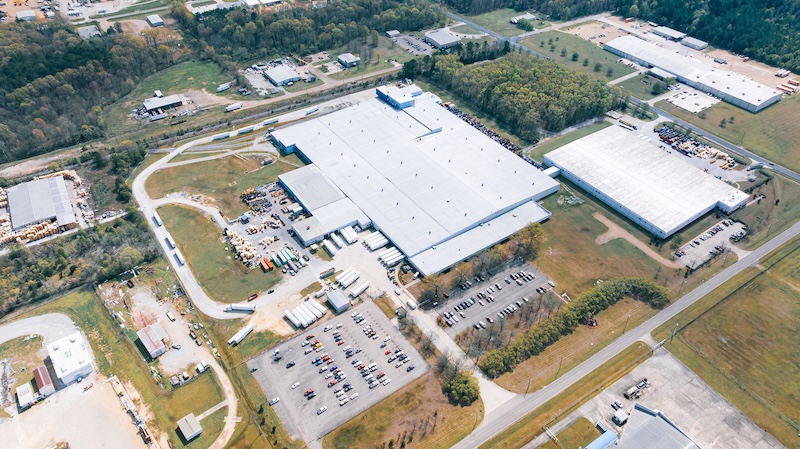
Southwire is pleased to announce that it is expanding its Starkville, Miss. operations, a move that will add approximately 380,000 square feet to the location's footprint. This project, representing a corporate investment of more than $256 million, is expected to create 128 new jobs and reinforces the company's commitment to its team members, customers and communities. The expansion is part of Southwire's companywide commitment of more than two billion dollars in modernization efforts across its footprint.
As one of the wire and cable solutions providers in North America, Southwire continues to enhance its proven legacy and trusted reputation by building upon its strengths to attain sustainable, strategic growth.
Southwire's Starkville Plant was originally opened by Phelps-Dodge in 1979 and acquired by Southwire in 1989. This project marks the second expansion on the campus, following the initial 2010 expansion, which underscored Southwire's commitment to customer service through the addition of an onsite distribution center.
The expansion and upgrades at the Starkville Plant will enhance the experience for Southwire's team members by supporting a safer, more efficient work environment, strengthening its focus on quality and better positioning the company to serve its customers, communities and stakeholders for years to come.
Construction is expected to begin in late 2026 with full capacity anticipated to come online in 2028.
QUOTES:
"This expansion represents another meaningful step in Southwire's long-term strategy to modernize our operations, strengthen our manufacturing footprint and continue delivering exceptional service to our customers. Starkville has been an important part of Southwire's story for decades, and this investment reflects our confidence in the team, the community and the opportunities ahead as we continue building for the future."
– Ganesh Ramaswamy, Southwire's President and CEO
"Southwire's quarter-of-a-billion-dollar investment and the nearly 130 jobs it will create are another example of the incredible momentum we're seeing across Mississippi. This project is more proof that Mississippi gets the job done. And the fact is that Southwire wouldn't be expanding here if our state couldn't deliver results. This is another big win for Starkville and Mississippi."
– Governor Tate Reeves, State of Mississippi
"Across Southwire, we are making significant investments to modernize our footprint and position our company for long-term growth. This expansion in Starkville is an important part of that effort, connecting to our more than two-billion-dollar investment in modernization and helping us build the capacity needed to meet the growing demand driven by electrification, market growth and the rapid expansion of data centers. It is an exciting time for our industry, for Southwire and for our team in Starkville as we continue strengthening our ability to support growth across North America and best serve our customers."
– Rohan Kelkar, Southwire's Executive Vice President, Power and Industrial
"This is an exciting moment for our team in Starkville and for the community we are proud to call home. Southwire's continued investment in this location reflects the company's confidence in our people, our operations and the important role Starkville plays in supporting our customers. As we look ahead, this expansion will help us build on our strong foundation, create new opportunities and continue making a positive impact in the community."
– Erik Adams, Plant Manager, Southwire Starkville Plant
"Companies don't make investments of this size unless the conditions are right. And Southwire's expansion in Starkville is another prime example of the advantages Mississippi continues to deliver to manufacturers, including speed to market, reliable infrastructure, a skilled workforce and a competitive cost of doing business. Those are the qualities that drive reinvestment from existing employers and keep Mississippi competitive for future projects."
– Bill Cork, Mississippi Development Authority Executive Director
"Southwire's decision to continue investing in Starkville is the result of collaboration and a shared commitment to creating an environment where manufacturers can succeed. By bringing the right partners to the table, ensuring the workforce and infrastructure are prepared to support growth and helping position this community for long-term investment, we know that is always a winning combination. We're grateful for Southwire's continued confidence in Starkville, Oktibbeha County and the entire GTR Region. We look forward to the opportunities this expansion will create for Starkville and Oktibbeha County and the region."
– Meryl Fisackerly, Golden Triangle Development LINK CEO
"The city of Starkville is gratified and excited to have the tremendous financial commitment of one of our most important industries. Southwire's growth here in Starkville shows their faith in the value of continuing to be part of our community. Their expansion will be the largest single economic development project that the city has seen, and it furthers the narrative that Starkville is a great place for business investment. Southwire brings over 100 high-paying jobs and increased value to our city, serving as the bellwether to other industries that we are open for business. We look forward to their success and will work to make certain that the faith of their investment is well placed."
– Mayor Lynn Spruill, City of Starkville
"It's always exciting to see an existing industry choose to grow right here at home. Southwire has been a valued member of our community for decades, and this investment says a lot about the confidence they have in Oktibbeha County. We're grateful for their continued commitment and look forward to seeing the positive impact these new jobs will have on our community for years to come."
– Marvell Howard, President, Oktibbeha County Board of Supervisors
Southwire | www.southwire.com
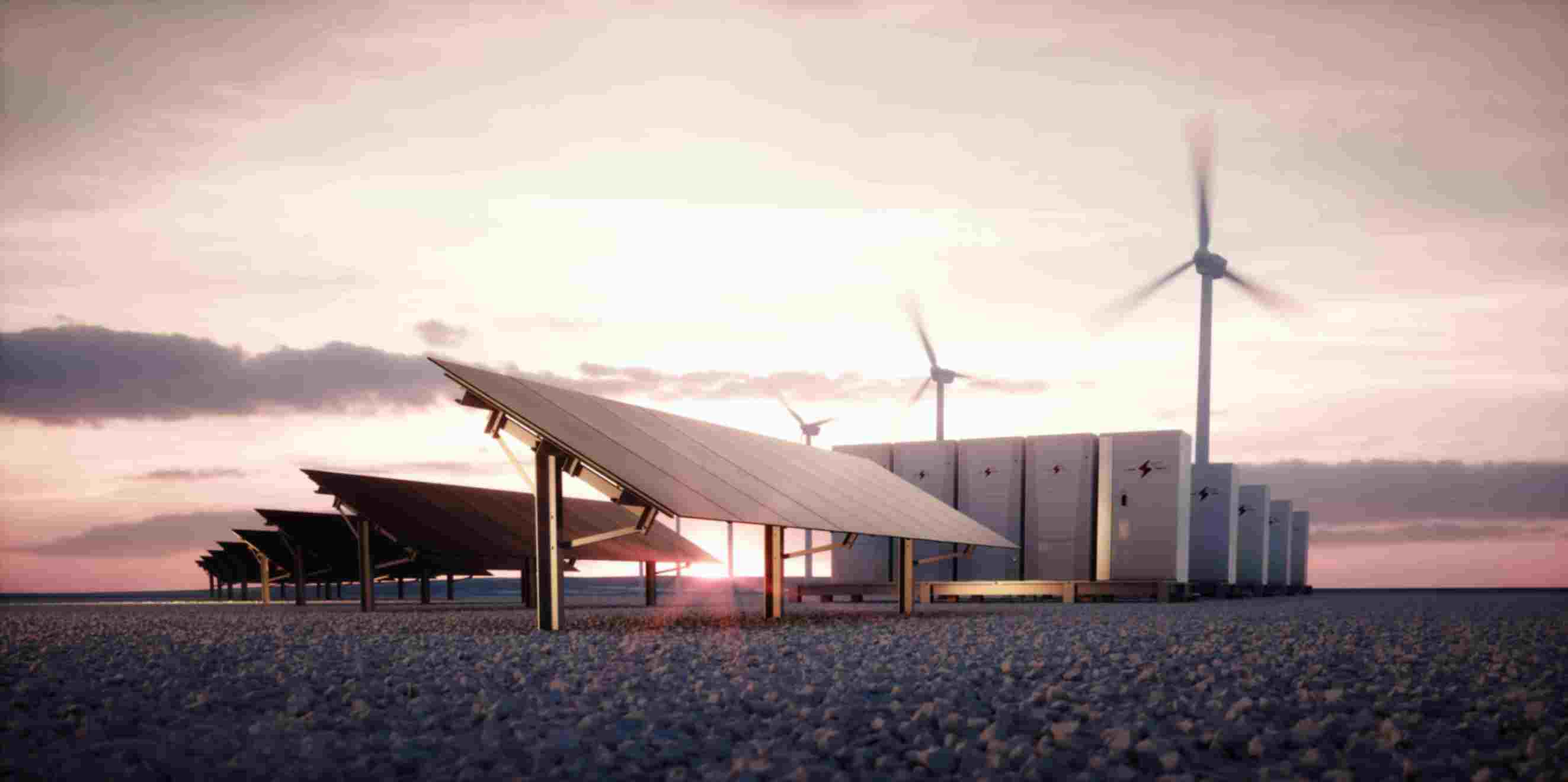
Silfab Solar, a leader in American-made solar panels, applauds the thoughtful and responsive polysilicon policy by President Trump to further reshore American jobs and promote domestic manufacturing in support of the growing U.S. solar industry.
The White House decision regarding Section 232 tariffs on imports of polysilicon and its derivatives further strengthens U.S. manufacturers like Silfab Solar, which has invested hundreds of millions of dollars at U.S. facilities, employs thousands of American workers, and is planning further expansions to continue producing high-quality, extremely powerful solar panels and solar cells.
“Silfab Solar and the Trump administration share a common goal – to level the playing field and enable companies like ours to expand in the U.S. and build American products supported by a domestic supply chain,” said Paolo Maccario, Silfab President and CEO. “True energy independence for the United States emerges from policies like Section 232.”
Maccario said implementation of Section 232 tariffs coincides with Silfab’s future growth plans in North America, and as it begins full-scale production of solar cells at its new South Carolina facility.
“The decision from the White House to promote domestic production of polysilicon only strengthens our commitment and desire to be an even bigger provider of superior American-made products,” Maccario said. “Reducing dependencies on China for raw materials is good news, especially as Silfab ramps up its solar cell production lines.”
Silfab Solar | www.silfabsolar.com

David Energy, the only energy supplier that guarantees businesses lower power bills every month compared to the utility, announced a partnership with Wonder, a food technology platform with 140 physical locations across the Northeast. David Energy has installed free batteries at each of Wonder’s eligible 21 New York City locations. The 120-volt, plug-in batteries offset the power usage in Wonder’s all-electric kitchens by charging when power is cheap, and discharging when electricity is more expensive, which will save Wonder thousands of dollars annually per location compared to what they would have paid the utility.
Beyond the cost benefits, the deployment reflects Wonder’s broader approach to building smarter, more efficient restaurants. By pairing all-electric kitchens with intelligent energy management technology, Wonder is creating a scalable operating model that reduces peak demand on the grid while improving operational efficiency.
“As we grow our real estate footprint, we're constantly evaluating solutions that can improve operational efficiency across our locations,” said Abe Nasrallah, Senior Vice President of Development at Wonder. “David Energy’s batteries were simple to install, required minimal operational changes, and are expected to deliver meaningful cost savings across our New York City locations. The collaboration between our teams has given us a framework for incorporating energy infrastructure into both our current portfolio and future store developments.”
The batteries give Wonder control over its energy bill at a time of rising prices and help the company further leverage its real estate portfolio to make a positive environmental impact. Many of Wonder’s locations are enrolled in programs that support the grid at times of peak demand. These programs help reduce the chance of power outages and the need for New Yorkers to rely on polluting peaker power plants in the hottest days of summer.
“The team at Wonder really understands how these small batteries can be a game changer for their operations,” said James McGinniss, CEO of David Energy. “We’re excited to be able to bring this cutting-edge battery technology to a partner that is a leader in food tech. We look forward to how we can bring these repeatable, high-impact battery rollouts to new Wonder locations here in New York City and beyond.”
Wonder and David Energy are now working together on back-of-house design for new 2027 location builds in New York City to factor in ideal battery placements.
David Energy | https://www.davidenergy.com/
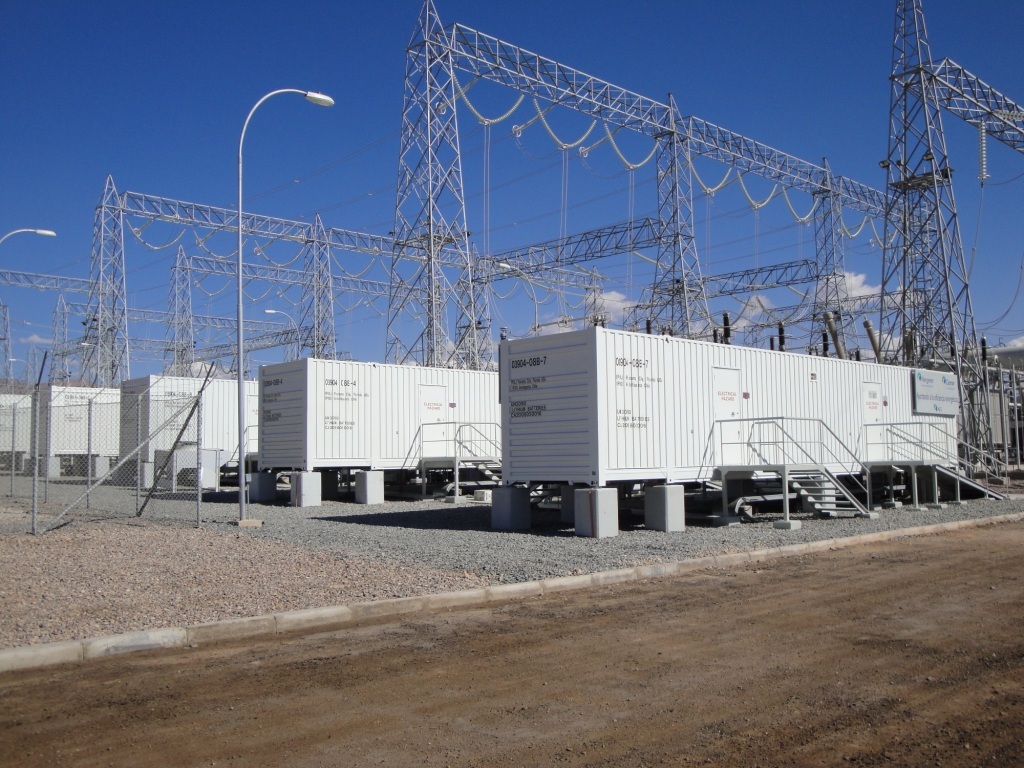
Twain Financial Partners ("Twain"), a specialty finance firm investing across the power, digital infrastructure, and real estate sectors, closed its inaugural securitized letter of credit facility (the "Securitization"), establishing a platform designed to meet the growing demand for interconnection security credit solutions for digital infrastructure, renewable energy, battery energy storage and thermal generation projects.
On August 6, 2026, Twain closed the first letter of credit transaction for the Securitization, supporting the MISO ERAS M2 interconnection security posting requirement for a utility-scale battery energy storage project under development by a global infrastructure developer and manager. The M2 posting represents a key milestone in the MISO interconnection process, enabling the project to advance to the next stage of the interconnection study process.
The transaction demonstrates Twain's ability to deliver letter of credit solutions that help data center and energy developers satisfy increasingly significant interconnection security requirements while preserving liquidity for project development and other capital needs.
"As interconnection security posting requirements continue to increase and interconnection timelines become longer, developers are facing growing capital demands across their development portfolios," said Ari Katz, Vice President of Business Development at Twain. "The closing of our inaugural securitized letter of credit facility marks an important milestone for Twain and positions us to provide data center and energy developers with an efficient, reliable, and scalable source of letter of credit capacity. We look forward to building long-term partnerships that help accelerate the development of critical digital and energy infrastructure."
Guggenheim Securities, LLC served as sole structuring advisor and sole placement agent to Twain in connection with the securitized letter of credit facility; White & Case LLP acted as Counsel for Twain. Sheppard, Mullin, Richter & Hampton LLP acted as Counsel for Twain on the letter of credit transaction.
Twain Financial Partners | https://twainfinancial.com/

Cadeler announces that it has signed firm contracts with COSCO Shipping Offshore shipyard in Qidong, China, for the construction of two new T-class offshore wind installation vessels, scheduled for delivery in 2030 and 2031. Earlier this year, Cadeler secured the equity financing for this investment as part of its long-term strategy to become the preferred offshore wind installation partner and to support the continued growth of the offshore wind industry. The new T-class series vessels have been engineered to be the largest and most capable vessels ever introduced to this market, incorporating breakthrough technologies and operational capabilities that extend well beyond current industry standards.
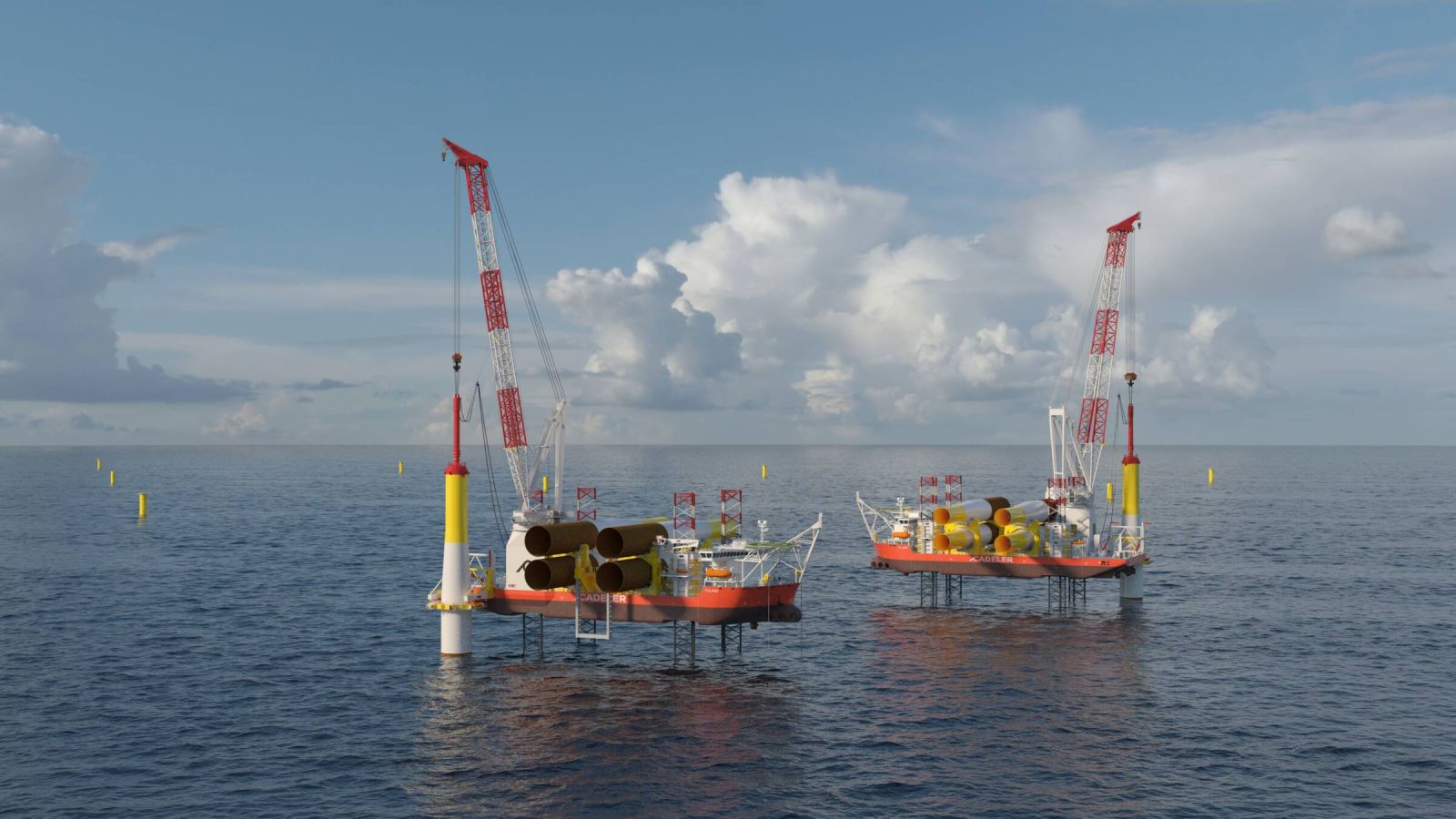
Designed to tackle increasingly complex projects with greater efficiency, versatility and performance, they are expected to open access to new opportunities while reinforcing Cadeler's long-term competitive advantage and commitment to innovation.
The contract builds on Cadeler's established collaboration with COSCO Shipping Offshore shipyard, which has already constructed several vessels as part of Cadeler's newbuild programme. The agreement was secured on competitive commercial terms and reinforces the strong relationship between the two companies. The contract price for the two T-class vessels is approximately EUR 805 million in aggregate.
Mikkel Gleerup, CEO of Cadeler, comments: "As offshore wind projects become larger and more technically demanding, developers need installation partners with the experience, specialised capabilities and modern fleet to deliver them safely and reliably. Our investment in the T-class reflects our commitment to staying ahead of future customer requirements, delivering best-in-class technical solutions and raising the bar for excellence in offshore wind installation.
"We are pleased to continue our collaboration with COSCO Shipping Offshore shipyard, with whom we have built a strong and trusted working relationship over several years. Their understanding of our requirements and commitment to quality have made them a valued partner as we continue expanding our fleet."
The T-class vessels form part of Cadeler's long-term fleet expansion strategy and reflect Cadeler’s continued investment in the capabilities required to support the accelerating build-out of offshore wind across key markets. Cadeler is already in discussions with key clients for the deployment of the T-class vessels.
Cadeler | www.cadeler.com

The International Solar Alliance (ISA), led by its Director General, Mr Ashish Khanna, concluded a high-level and technical mission to Papua New Guinea (PNG) from 4 to 7 August 2026, deepening ISA's engagement with the Government of PNG on solar energy deployment, investment mobilisation, and capacity building. Over three days in Port Moresby, the delegation met ministers, utilities, industrial energy users, academic institutions, and development finance partners to translate the commitments made under the Country Partnership Framework (CPF) into implementable projects and partnerships.
The mission formed part of ISA's wider effort to support Small Island Developing States (SIDS) in accelerating their clean energy transitions. ISA and PNG signed the CPF at the Eighth Session of the ISA Assembly in 2025 and have since strengthened engagement through bilateral discussions, including exchanges held during the SIDS Ministerial Dialogue in Bali in June 2026, where both sides identified priority areas for cooperation spanning solar energy deployment, capacity building, investment mobilisation, and institutional strengthening.
During the visit, ISA announced a Solar Technology Application Resource Centre (STAR-C) at the Don Bosco Technological Institute (DBTI) in Port Moresby, aimed at building the local technical capacity that PNG will need to install, operate, and maintain solar systems at scale. The announcement was accompanied by an interaction at the institute, where the delegation engaged with faculty and students on the skills, curricula, and certification pathways that the centre will support. The STAR-C builds on capacity-building work already underway, with ISA having trained participants from Papua New Guinea through a dedicated programme, laying the groundwork for a larger, sustained skilling effort in the years ahead.
The delegation engaged in a series of high-level meetings during the mission, including with Papua New Guinea's Prime Minister, Minister of Energy, the Finance Minister, and senior representatives from the country's energy and resource industries. These conversations examined opportunities to expand solar deployment across Papua New Guinea's islands, to strengthen the regulatory frameworks needed for scaling rooftop solar, and to advance solar and storage solutions for energy-intensive sectors such as mining. The delegation also met representatives of the World Bank Group and the Asian Development Bank to discuss financing pathways for a pipeline of bankable solar projects.
On advancing areas of cooperation between ISA and the Government of PNG, Hon’ble Prime Minister, Mr James Marape, said, “Energy security sits at the centre of Papua New Guinea's development ambitions, and our partnership with the International Solar Alliance gives us a practical route towards it. The Country Partnership Framework has moved from agreement to action, with project assessments underway and a training centre now announced in Port Moresby. My government will continue to work with ISA, our utilities, our industries, and our financing partners to turn this pipeline into power for our people.”
Highlighting PNG's commitment to expanding solar energy, Hon. Peter Namea Isoaimo, Minister of Energy, PNG, said, “Papua New Guinea's people live across hundreds of islands and highland communities, and too many of them still wait for reliable power. Solar allows us to reach them faster and at lower cost than any other option, and it shields our households and industries from the price of imported fuel. Working with the International Solar Alliance, we are putting in place the regulation, the projects, and now the skills base that will carry this transition forward.”
Reflecting on the outcomes of the mission, Mr Ashish Khanna, Director General, International Solar Alliance, said, “Papua New Guinea demonstrates the transformative potential of solar energy in addressing the unique challenges of island nations and remote communities as exemplified by ISA’s SIDS program for bringing together island countries for shared knowledge and project pipeline. From expanding solar rooftops for consumers, solar mini grids for communities and developing solar projects to attract private investments, all captured through a national solar energy roadmap and a well-functioning STAR -C at Don Bosco Institute, ISA is committed to developing an ecosystem for affordable and reliable power essential for growth and expanding energy access in PNG. We leave Port Moresby with a shared vision, clear priorities, and a strong foundation to translate ambition into action.”
The delegation visited a solar power plant with a Battery Energy Storage System (BESS) at the Napa Napa refinery, where solar-plus-storage technology is already serving an industrial load. The visit underlined the commercial case for solar in a country where grid supply remains concentrated in urban centres and where remote islands and industrial users continue to depend on costly imported diesel and other fossil fuels. For PNG, solar offers a practical pathway to diversify the energy mix, strengthen energy security, and reduce exposure to volatile fuel import costs. Since the Country Partnership Framework (CPF) was signed, ISA's engagement has already produced tangible progress, including assessing the feasibility of two 50 MW solar projects under the CPF, while continuing to support the country in developing the regulatory framework needed to scale up solar technologies.
ISA and the Government of PNG expect the mission to strengthen the institutional and political partnership between them, produce an agreed pipeline of priority projects and technical assistance under the CPF, and deepen engagement with utilities and academic institutions, reinforcing PNG's transition towards a more diversified and resilient energy future. The PNG mission forms part of a wider ISA mission across the Pacific that also covers Fiji, Vanuatu, and Kiribati.
International Solar Alliance | www.isa.int
Alternative Energies Jul 23, 2026
Every industrial revolution comes with its own infrastructure, which must scale rapidly in order to fuel the innovation and associated disruption that comes in its wake. Data centers are the factories of the AI revolution, and their rapid growth — ....
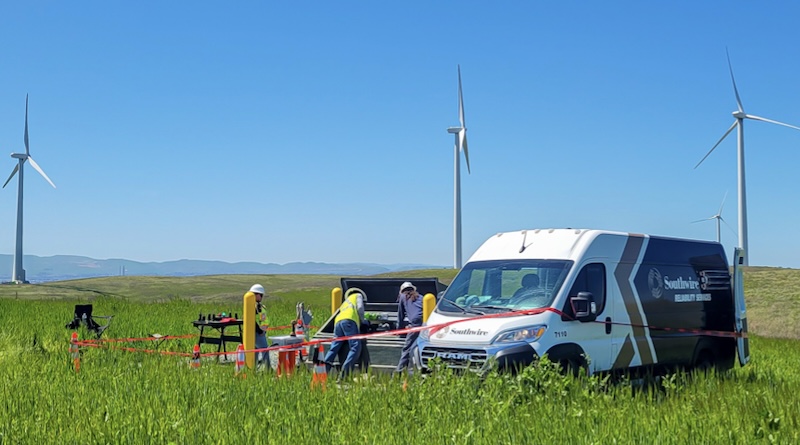
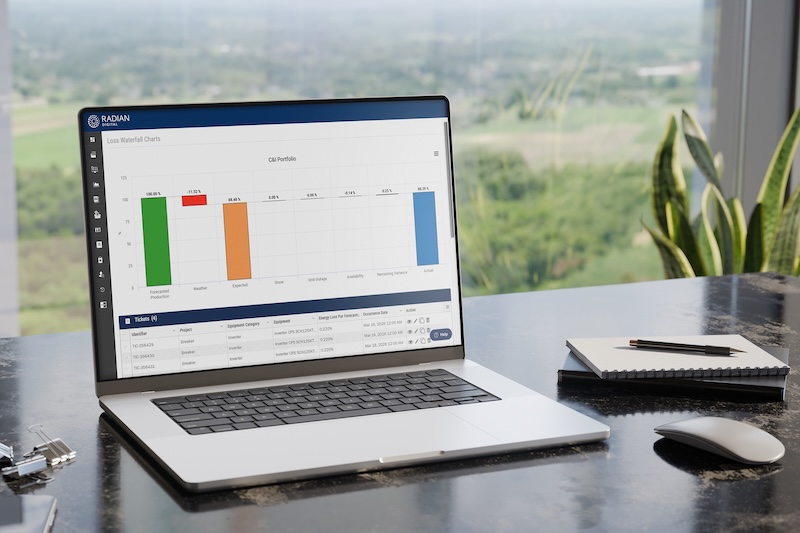
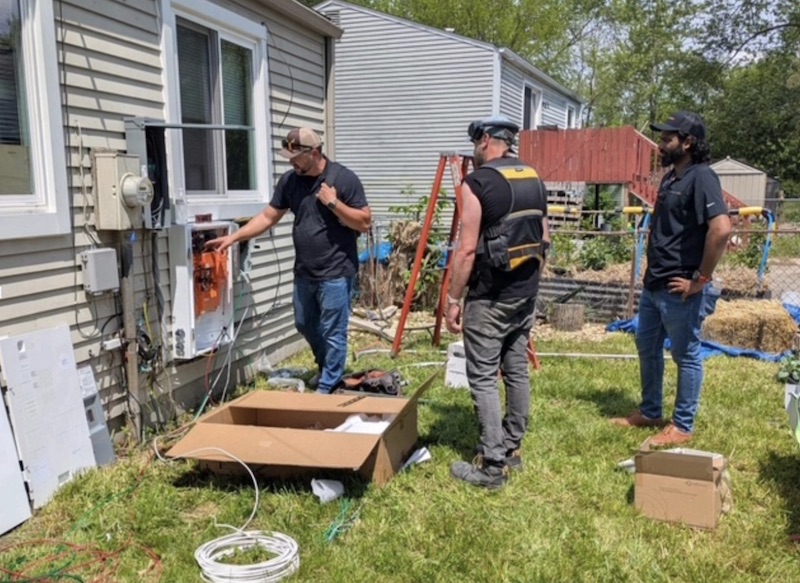
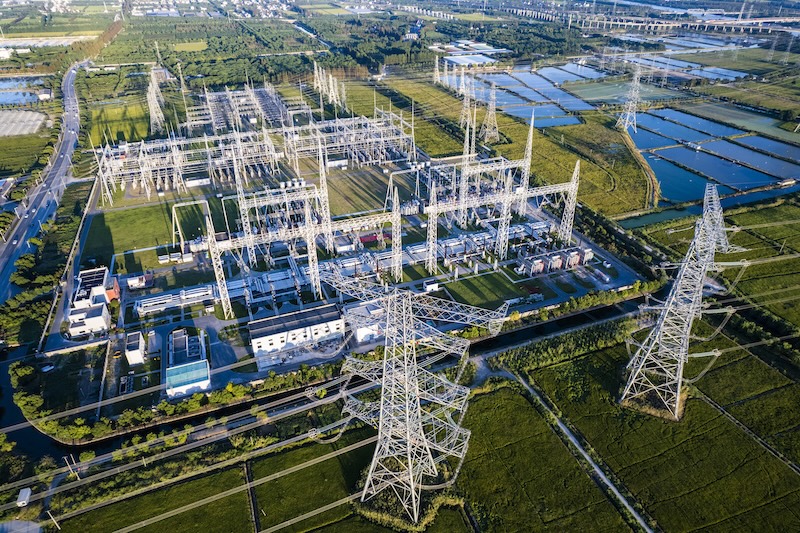
Energy systems are undergoing rapid transformation, reshaping how power is generated, delivered, and used across the economy. The growth of renewable energy is introducing new variability to the grid, while electrification is expanding across the sec....
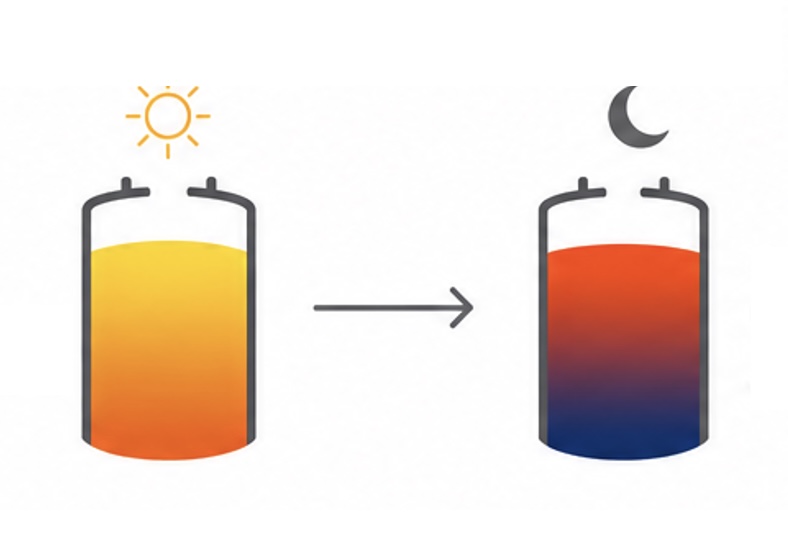
Electric demand growth is outpacing infrastructure readiness. Across North America, utilities are simultaneously facing the rapid expansion of electric vehicle charging, large-scale data center development, electrified HVAC adoption, manufacturing re....
The utility-scale and commercial solar sectors are scaling at an unprecedented rate across the United States. Driven by sustained capital inflows, state-level mandates, and evolving federal tax frameworks, total installed capacity continues to hit hi....
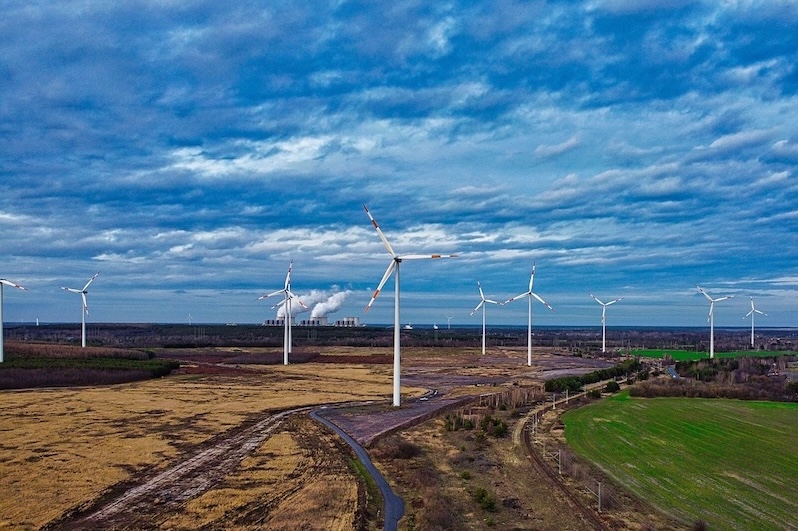
Texas leads the United States in install....
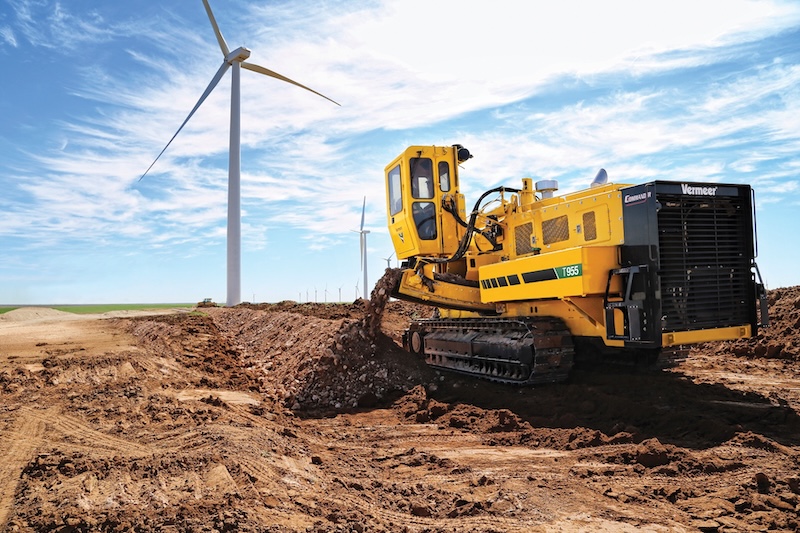
Data centers — driven by rapid AI adop....
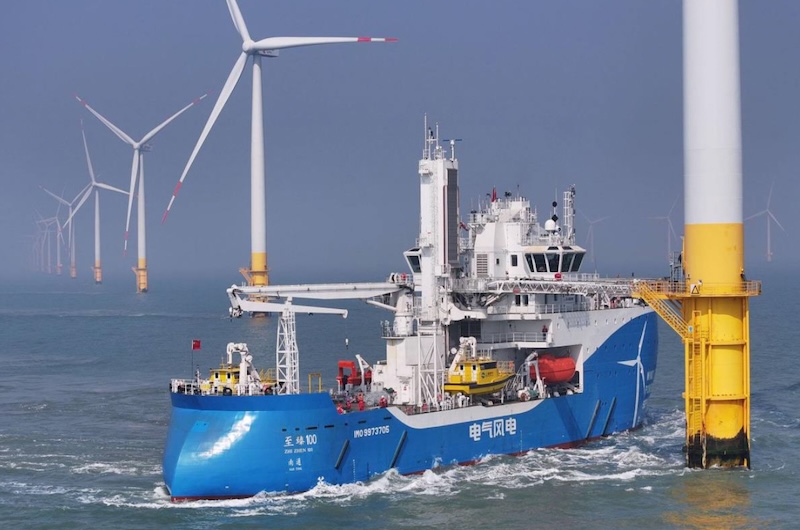
The offshore wind industry is scaling fa....
The American electric grid was designed around a principle that made sense for its time: generate power far away, move it long distances, and deliver it to homes and businesses that had no role in the system beyond paying the bill. For more than a ce....
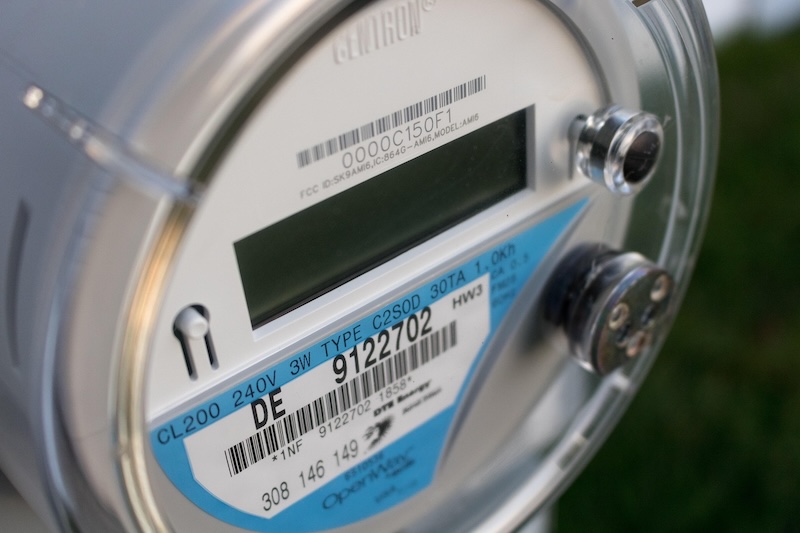
Over the years, utilities have had a complicated relationship with renewable energy. As homeowners and businesses adopt energy sources like solar and battery storage for self-generated power, the impact on utilities may be reduced revenue and oversup....

While not the world oldest profession, the reuse of products is a close second, dating back to when a caveman picked up a spear after his partner was eaten by a lion. Today, it is estimated that 45 percent of industries depend on it. Some examples....
Every industrial revolution comes with its own infrastructure, which must scale rapidly in order to fuel the innovation and associated disruption that comes in its wake. Data centers are the factories of the AI revolution, and their rapid growth — ....
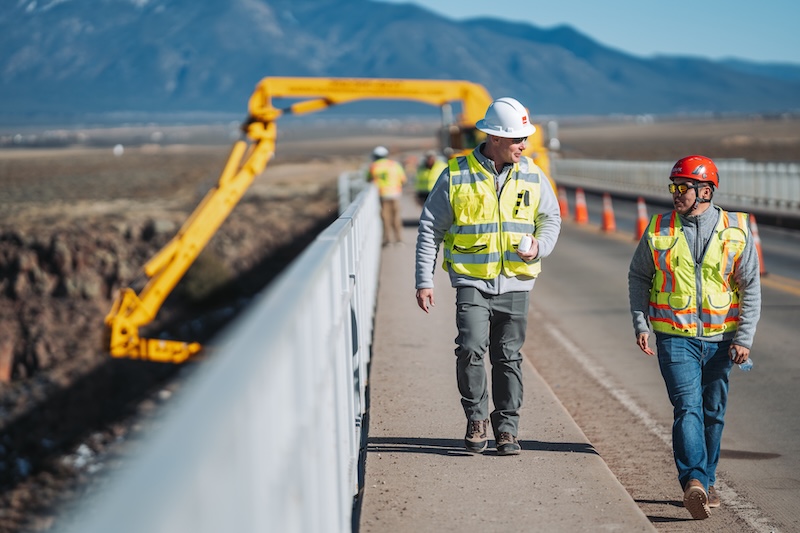
Environmental review and permitting requirements are changing faster than many infrastructure projects can adapt. Utilities, independent power producers, and commercial developers now operate in a more complex environment shaped by shifting federal p....
From extreme ice in the Midwest to the high winds in the Southeast, extreme weather is becoming more frequent and consequential for utilities and the communities they impact. For decades, choosing a conductor often centered on ampacity, cost, and sta....