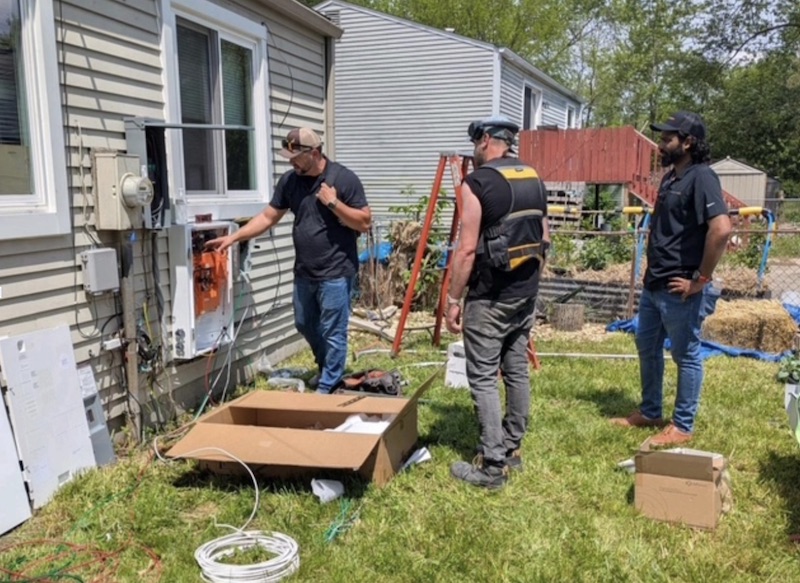



While not the world oldest profession, the reuse of products is a close second, dating back to when a caveman picked up a spear after his partner was eaten by a lion. Today, it is estimated that 45 percent of industries depend on it. Some examples are the auto industry relying on scrapyards for parts, heavy construction equipment, HVAC systems in buildings, utilities, plumbing, marine, military, aviation, and telecommunications — all rely on....
Fire risk tops the headlines, but short circuit events may be the more immediate threat on your next project. Battery energy storage systems (BESS) are having a moment. After years of promise, the technology has reached an inflection point thanks to plummeting costs, utility-scale deployments, and continuing federal support. BESS has earned its reputation as the sector to watch by solving difficult grid problems. But momentum has a way of o....
In the North American power market, Demand Response (DR) is no longer confined to large industrial facilities turning off heavy machinery during peak hours. Driven by FERC Order 2222 and the rapid deployment of distributed energy resources (DERs), behind-the-meter C&I solar and Battery Energy Storage Systems (BESS) are increasingly relied upon to provide active grid support. Modern utility programs and Virtual Power Plants (VPPs) require C....
Artificial intelligence is rapidly becoming one of the most significant drivers of energy demand growth in modern history. As hyperscale data centers expand across North America to support AI processing, cloud infrastructure, and high-density computing, utilities and developers are accelerating investments in renewable energy projects at unprecedented speed. Much of the public conversation surrounding this transition has focused on solar photovol....
Energy Storage
Schaltbau North America
Energy Storage
Gary Lam
Energy Storage
Sequoya Cross

rPlus Energies announced two major milestones in Idaho: the successful commissioning of the 125-megawatt (MWac) Pleasant Valley Solar 2 project and the start of construction on the 400 MWac Blacks Creek Energy Center in Ada County.
Together, these projects represent the latest chapter in rPlus Energies' continued investment in Idaho's energy future. Including projects already in operation, currently under construction, or under contract, rPlus Energies has now developed more than 1 gigawatt of solar and storage projects across the state.
"Pleasant Valley Solar 2 and Blacks Creek Energy Center represent important additions to Idaho's energy infrastructure as we work to meet the evolving needs of the communities we serve," said Lisa Grow, President and CEO of Idaho Power. "As Idaho's energy needs continue to increase, we need a balanced portfolio of energy resources. We appreciate our strong partnership with rPlus Energies and the role these projects will play in helping provide reliable, affordable energy for our customers and communities."
The projects combined represent an investment of more than $750 million in Idaho and will create hundreds of construction jobs as well as permanent jobs on site once the projects are completed. Through Idaho's 3.5% solar energy tax on gross earnings, the projects will also provide a long-term source of revenue for the state and local taxing entities while also supporting local businesses and strengthening local communities.
Pleasant Valley Solar 2 project partners provided $375,000 in workforce development scholarships to students at Boise State University and the College of Western Idaho, helping prepare Idaho's next generation of skilled workers.
"We're proud of what we've built and continue to build in Idaho and even prouder of the partnerships that made it possible," said Luigi Resta, President and CEO of rPlus Energies. "Pleasant Valley Solar 2 and Blacks Creek Energy Center are critical for supporting Idaho’s continued economic growth and we envision this development as the next chapter in our long-term investment and commitment to the state."
rPlus Energies | https://www.rplusenergies.com/

Sila, an advanced battery technology company, announced it has secured $300 million in a private equity round led by Atreides Management, and Sutter Hill Ventures. The round is joined by 8VC, Bessemer Venture Partners, Matrix Partners, funds and accounts advised by T. Rowe Price Associates, Inc, and other existing and new investors. The raise will accelerate U.S. production of Sila’s silicon-carbon (Si/C) anode technology, Titan Silicon® and support a planned Phase 2 expansion at Sila’s plant in Moses Lake, Washington.
The United States cannot rely on foreign supply chains for the materials that power the country’s economy and national security. China controls the battery anode mineral supply chain, with more than 90% of anode material processing and over 80% of global battery cell production, leaving American manufacturers of critical technologies – from drones to sensors to electric vehicles – exposed to single points of failure. A trade dispute, an export restriction, or a supply disruption could stall production across multiple critical technologies at once.
Sila’s team pioneered the modern silicon-carbon (Si/C) anode, a breakthrough technology that delivers 20-40% higher energy density than traditional graphite, enabling batteries that are smaller, lighter, and capable of ultra-fast charging. By pairing American intellectual property with gigascale manufacturing in the United States, Sila is building the blueprint for supply chain security of critical technology.
“This funding allows us to further scale our operations and deliver on the promise of American innovation, strengthen the foundation of our domestic manufacturing capabilities and ensure that critical industries have a secure and reliable supply of advanced batteries,” said Gene Berdichevsky, Sila Co-Founder and CEO.
Sila completed construction and began operations at Moses Lake in fall 2025 and is currently ramping production. Spanning a 160-acre site, Sila’s Moses Lake facility is first-of-a-kind silicon anode plant engineered for scale and designed to expand from its initial 2 GWh of Phase 1 capacity to as much as 250 GWh over the next five years, which would make it the largest anode production facility in the world. As production ramps up, Sila expects the facility to create hundreds of good-paying American jobs, supporting workers, families, and the local economy in Washington State.
“Sila’s transition from a groundbreaking material science inventor to a gigascale manufacturing company is a masterclass in American operational discipline,” commented Vic Miller, Sutter Hill Ventures. “We have watched them translate laboratory breakthroughs into reality, proving that the leap from the lab to the factory floor is not only essential, but achievable in the United States with the right technology and team.”
Sila | https://www.silanano.com/
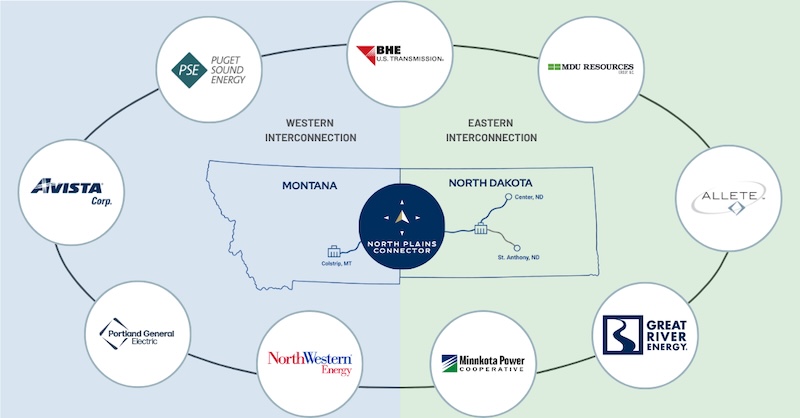
The North Plains Connector Utility Consortium endorses the U.S. Department of Energy's 2026 National Transmission Needs Study and its clear recognition of the critical role interregional transmission will play in meeting America's growing electricity demands. The study reinforces what utilities and grid planners are increasingly seeing firsthand: long-term transmission investment is essential to maintaining reliability and delivering power where and when it is needed most.
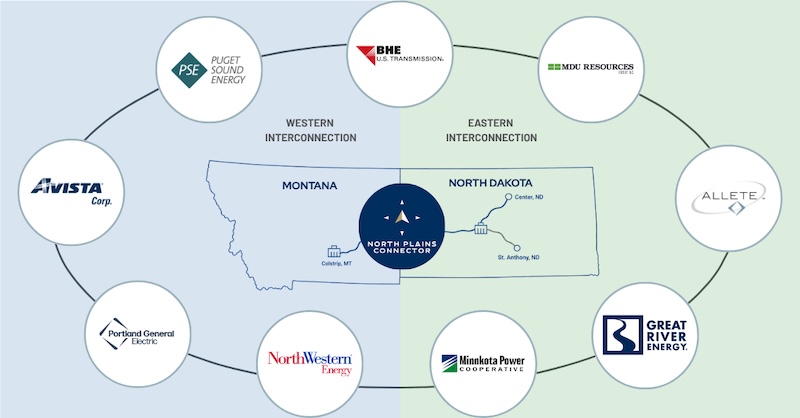
As electricity demand continues to rise and regional grid constraints become more pronounced, interregional transmission offers one of the most cost effective and flexible solutions. The Transmission Needs Study notes interregional transmission has "the highest potential value to relieve transmission congestion and provide resource adequacy benefits." By increasing transfer capability between regions and improving access to diverse energy resources, interregional projects like North Plains Connector can enhance grid stability, optimize the use of generation and transmission assets across multiple markets, strengthen reliability, and improve system resilience. Connecting regions enables utilities to share resources more efficiently, respond more effectively to changing system conditions, and deliver affordable and reliable electricity to businesses and residential customers.
The Consortium is particularly encouraged that the study identifies North Plains Connector as a transmission solution capable of addressing future capacity and reliability needs. As the study notes, North Plains Connector can provide value by "enabling cross-interconnection power transactions with generation resources that experience different weather patterns,"allowing regions to share resources more efficiently and respond more effectively to changing system conditions. By connecting markets that currently operate in isolation, the project can strengthen reliability, improve system resilience, optimize the use of existing generation and transmission assets, and deliver long-term benefits to utilities, customers, and the broader electric system.
North Plains Connector | www.northplainsconnector.com
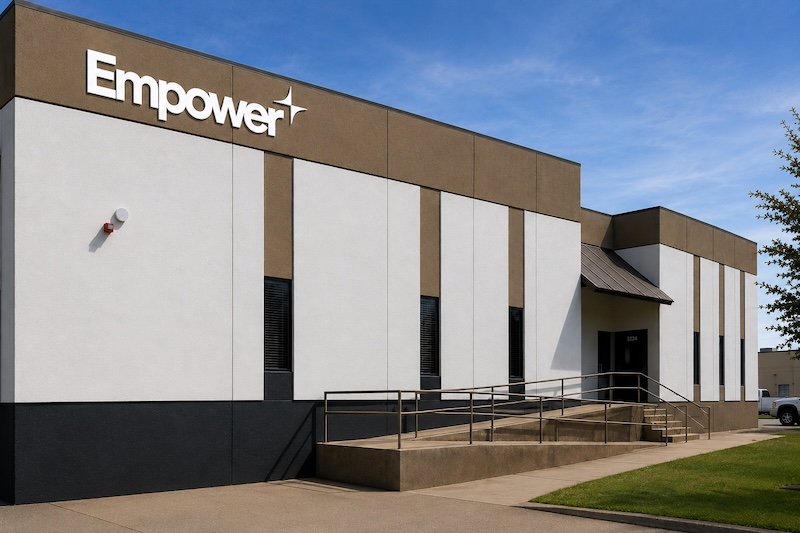
Empower EIT, a vertically integrated lithium technology and operating company, has completed the commissioning of its 17,000-square-foot Dallas Operations & Innovation Center as the company targets first commercial sales in 2027. Leveraging its proprietary direct lithium extraction (DLE) and conversion technology, the company processed extracted lithium chloride and converted it into battery-grade lithium carbonate.
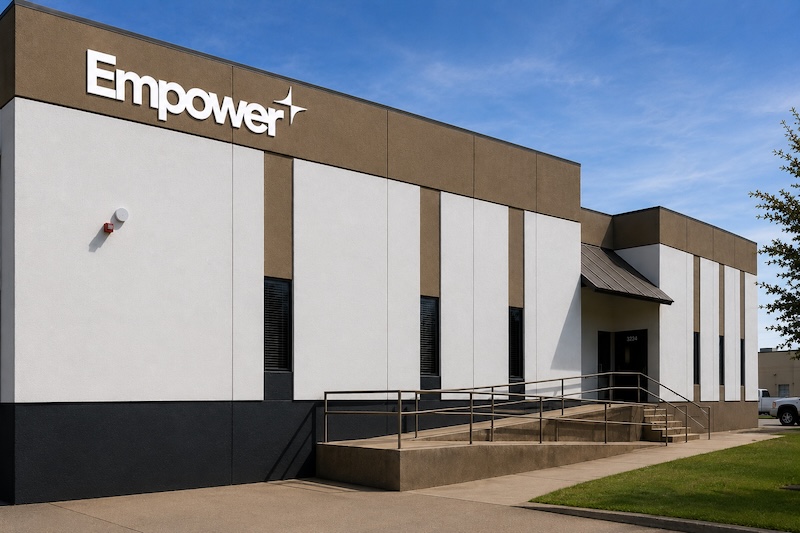
The most recent processing involved five campaigns that produced battery-grade lithium carbonate from eluate representing 40,000 gallons of brine each, extending proven capabilities from multiple domestic brine resources in previous trials. All five campaigns were sent for independent third-party testing, which verified that Empower EIT consistently produced battery-grade lithium carbonate at 99.68% to 99.91% purity.
Empower EIT has also expanded its executive leadership team with Jim Chaney joining the company as senior advisor. Chaney has more than 40 years of experience in the oil and gas industry, most recently with Hunt Oil.
“With our Dallas Operations & Innovation Center fully commissioned and the addition of Jim Chaney rounding out our leadership team, we’ve achieved two important milestones on our path to commercialization,” said Patrick Dowling, CEO of Empower EIT. “We are well positioned to meet our goal of first commercial sales in 2027 as we focus on asset acquisition, evaluating and testing additional U.S. mineral assets, strategic capital partnerships and offtake partnerships.”
As Empower EIT continues to progress toward commercialization, Chaney will play a critical role in advancing the company’s reservoir strategy, technical diligence and integration of subsurface expertise across its expanding energy and lithium portfolio.
“Empower EIT’s combination of differentiating technology, experienced leadership and strategic commercialization roadmap positions the company as a fully domestic, vertically integrated lithium platform,” Chaney said. “When I retired from Hunt, I was looking for a smaller, aggressive company I could support, and I’m excited to join Empower EIT at this pivotal point in the company’s growth.”
Third-party testing has validated Empower EIT’s proprietary DLE and conversion technology, demonstrating the company’s ability to execute the complete lithium processing value chain, from the field to the finished product. In addition to the full processing of brine through DLE to battery-grade lithium carbonate, the Dallas Operations & Innovation Center is equipped with an environmental lab to support resource owners in brine testing, resource validation and the design of lithium recovery systems from bench through field-deployable systems.
“The commissioning of our Dallas Operations & Innovation Center represents the culmination of more than a decade of research, development and technical optimization. Combined with the field deployments to date, this validates that our technology is ready to support commercial deployment,” said Preston McEachern, Chief Technology Officer for Empower EIT. “We’re ready to help additional resource owners unlock value through resource validation, efficient processing and conversion to battery-grade materials, and technology partnerships.”
As demand for battery-grade materials continues to grow to support domestic energy storage and electrification, Empower EIT is committed to strengthening the domestic critical minerals supply chain by providing an integrated, fully U.S.-based lithium processing solution.
Empower EIT has shipped battery-grade lithium carbonate to a confidential offtake partner for final evaluation.
Empower EIT | empowereit.com
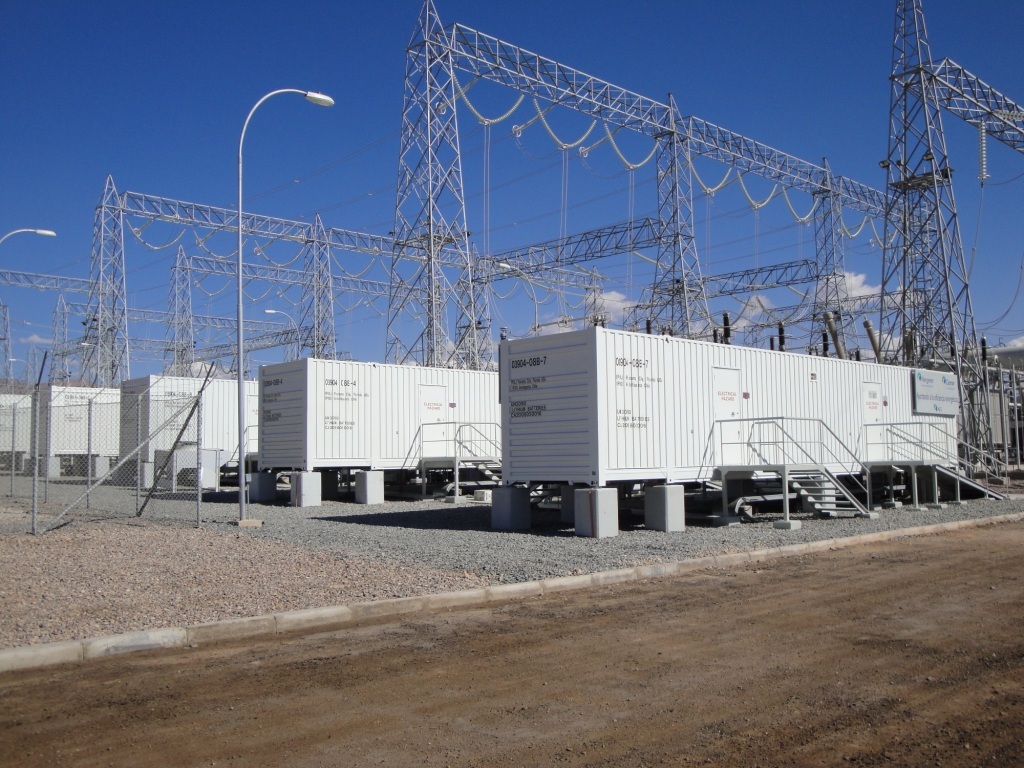
AmpUp, a leading provider of electric vehicle (EV) charging management solutions with offices in East Hartford, Connecticut, announced that the Connecticut Public Utilities Regulatory Authority (PURA) has selected its Adapt & Earn managed charging project for deployment at scale, the only project chosen to scale among the four completed pilots evaluated in Cycle 1 of the state's Innovative Energy Solutions (IES) Program. PURA's July 1, 2026, decision in Docket No. 22-08-07 invites AmpUp and Connecticut's electric utilities to jointly propose a statewide program design, opening a path to bring managed charging to public and shared EV chargers across the state.
By delivering grid flexibility where property owners and vehicle operators differ, Adapt & Earn solved a long-standing challenge that excluded public charging from grid programs. Since drivers at workplaces, multifamily buildings, train stations, fleets, and campuses lack direct utility relationships with these chargers, AmpUp provided incentives natively via its platform, eliminating the need for vehicle telematics, advanced enrollment, or additional hardware. Participants simply allowed short charging pauses during peak hours to receive immediate wallet credits within the AmpUp app.
The 18-month pilot, conducted with Eversource Energy, enrolled more than 1,000 charging ports across approximately 200 locations spanning eight commercial customer segments. According to PURA's decision and the program's independent evaluation, the project achieved the following results:
"The IES Program was designed to find innovations that deliver real, measurable benefits to Connecticut ratepayers, and AmpUp's project did exactly that," said PURA Vice Chairman David Arconti, Jr. "By demonstrating that public EV charging can serve as a flexible grid resource at a fraction of the cost of traditional peaking resources, this project charts a path toward a more affordable, reliable grid as EV adoption grows."
"Historically, managed charging has been confined to private garages and individual utility bills. We demonstrated its viability at public charging stations, where drivers have no direct relationship with the utility, proving that drivers will participate if the process is seamless and the compensation is efficient," stated David Jackson, COO of AmpUp. "Our selection as the sole Cycle 1 pilot to scale reflects the dedication of our team, our collaboration with Eversource and PURA, and the Connecticut drivers who demonstrated that EVs are the most flexible load ever plugged into the grid. The IES program proved what's possible; now we scale it."
The results build on findings AmpUp announced in September 2025, when the pilot delivered grid relief three times more efficiently than a standard peaker plant. PURA's full decision is available here.
AmpUp | www.ampup.io
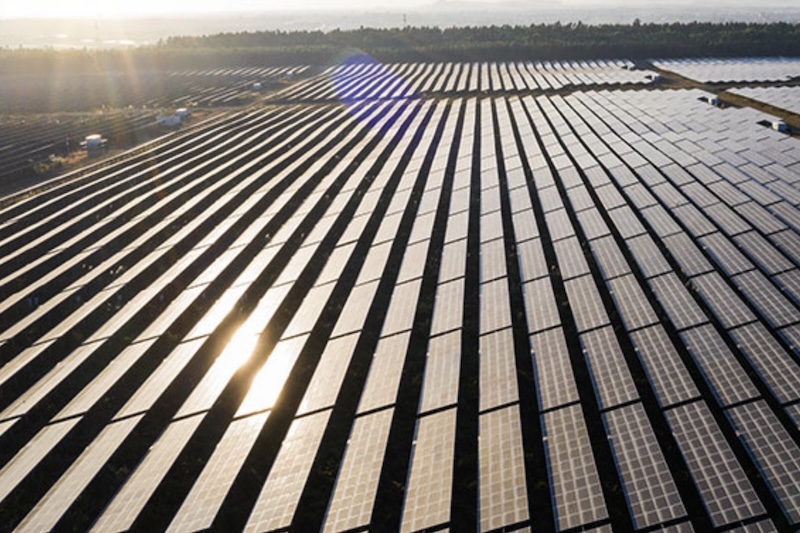
GameChange Energy, a global energy infrastructure company, announced that its Genius Tracker solar tracker systems have been selected for the Pepper and Lucky 7 utility-scale solar projects in Texas, developed by Sabanci Renewables. Together, the two projects represent approximately 286 MWdc of new solar generation and are expected to begin commercial operation in the second half of 2027. The projects will supply renewable energy under a long-term agreement with Meta, supporting the growing electricity demand created by hyperscale data center operations.
As AI, cloud computing, and digital infrastructure continue to accelerate, data centers have become one of the fastest-growing sources of electricity demand in the United States. Across Texas and other key markets, developers are increasingly pairing new utility-scale solar generation with long-term power purchase agreements to help meet this demand with reliable, cost-effective renewable energy.
GameChange Energy's Genius Tracker platform was selected to support both Pepper and Lucky 7, continuing the company's growing role in delivering high-performance solar infrastructure for mission-critical energy applications.
"The rapid expansion of data centers is fundamentally changing how new power generation is being developed," said Phillip Vyhanek, Chief Executive Officer of GameChange Energy. "We're proud that Genius Tracker was selected for the Pepper and Lucky 7 projects, which demonstrate how utility-scale solar can help support the enormous energy requirements of modern digital infrastructure. We believe this represents just the beginning of a significant growth opportunity as developers and hyperscale customers continue investing in new renewable energy projects."
Texas has become one of the nation's leading markets for both data center development and utility-scale solar deployment, making it a strategic location for projects that connect renewable energy generation with rapidly expanding digital infrastructure. Similar projects are expected to accelerate across the United States as technology companies continue investing in AI and cloud computing facilities.
GameChange Energy's Genius Tracker systems are designed to maximize energy production while reducing installation time and long-term operating costs. With more than 68 GW of solar tracker and fixed-tilt systems deployed worldwide, the company continues to support some of the world's largest renewable energy projects across diverse climates and site conditions.
GameChange Energy | www.gamechangeenergy.com
Sabanci Renewables | https://www.sabancict.com/en/
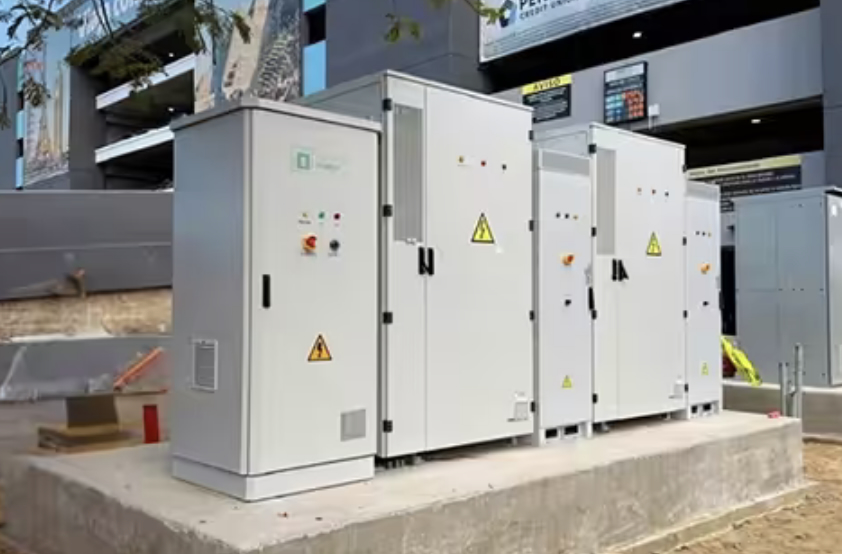
Fortress Power, a leading manufacturer of advanced energy storage solutions, announced a strategic partnership with Flip Energy, a technology platform that helps connect distributed energy resources with virtual power plant (VPP) and grid services programs. Through this collaboration, Fortress Power and Flip Energy will work together to expand and enhance VPP opportunities for Fortress Power battery owners across the United States and Puerto Rico.
Fortress Power has already established itself as a leader in the VPP space, with its energy storage systems participating in more than a dozen VPP programs nationwide and in Puerto Rico. Through successful programs such as LUMA’s Clean Energy Program (CBES) in Puerto Rico and Rocky Mountain Power’s Wattsmart Battery Program, Fortress Power customers have been able to earn incentives while supporting grid reliability and helping utilities better manage energy demand.
Through the partnership with Flip Energy, Fortress Power will continue strengthening its VPP ecosystem by improving both existing VPP integrations and future program expansion. Flip Energy will help streamline connections between Fortress Power systems and grid services programs, making it easier for more battery owners to participate in opportunities that provide additional value from their energy storage systems.
Fortress Power systems are already eligible for some of the industry’s most attractive VPP incentives, creating new opportunities for homeowners and businesses to maximize the return on their energy storage investment while contributing to a more stable and resilient electric grid.
“Virtual power plants represent the future of energy management, and Fortress Power is committed to helping homeowners and small business owners unlock the full value of their battery systems,” said Jing Yu, CEO of Fortress Power. “By partnering with Flip Energy, we are strengthening our existing VPP integrations while expanding access to new grid services programs. Together, we are creating more opportunities for system owners to benefit financially from their energy storage systems while supporting a more resilient and reliable energy grid.”
Flip Energy provides a technology platform that enables battery manufacturers, installers, utilities, and energy partners to integrate, operate and optimize energy storage systems across grid services opportunities. By streamlining VPP operations and participation, Flip helps accelerate the adoption of distributed energy resources while enabling battery owners to reliably provide stored energy when the grid needs it most.
“Fortress Power has already done the hard work of building a strong foundation in the VPP market,” said Sail Nepal, Co-Founder and CTO of Flip Energy. “They have proven their commitment through successful programs like LUMA’s CBES program in Puerto Rico and Rocky Mountain Power’s Wattsmart Battery Program. We’re excited to work with the Fortress team to help scale that work, strengthen existing integrations, and make it easier for more battery owners to participate in programs that support the grid and create new revenue opportunities.”
Why Fortress Power + Flip Energy Matters:
The partnership further enhances Fortress Power’s growing Energy Broker platform, which helps customers and installers identify available energy programs and maximize incentives associated with energy storage adoption. With a broad portfolio of VPP integrations and commitment to innovation, Fortress Power continues to make energy storage more valuable, accessible, and connected.
Fortress Power | www.fortresspower.com

Alternative Energies Jul 13, 2026
PowerCell Group AB (publ) and ECL announced a strategic partnership to deploy industrial-grade hydrogen fuel cell power across ECL's AI data center platform. The agreement comprises a firm purchase order for PowerCell PS190 fuel cell systems, alongsi....
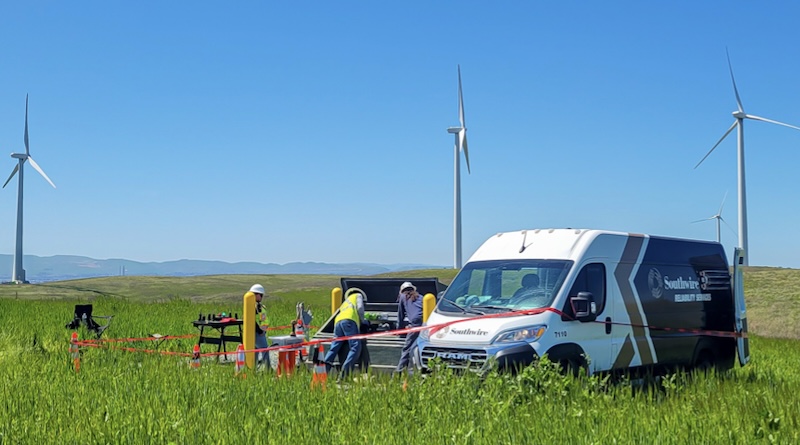
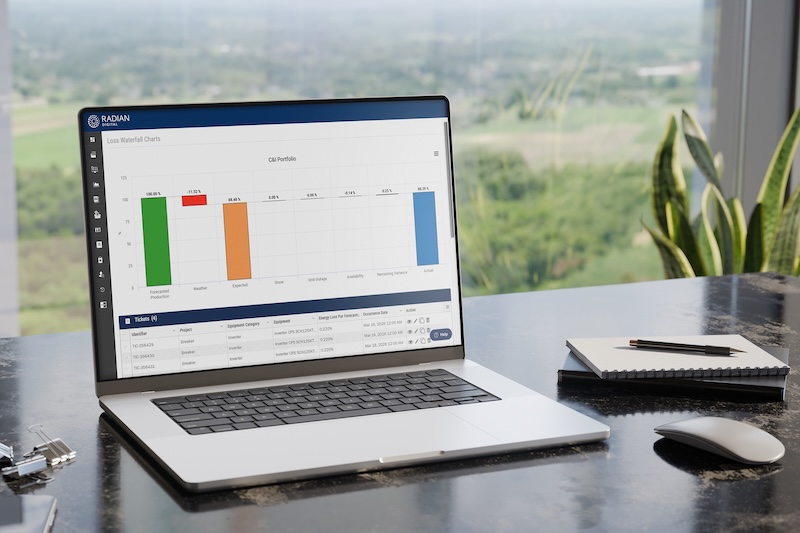
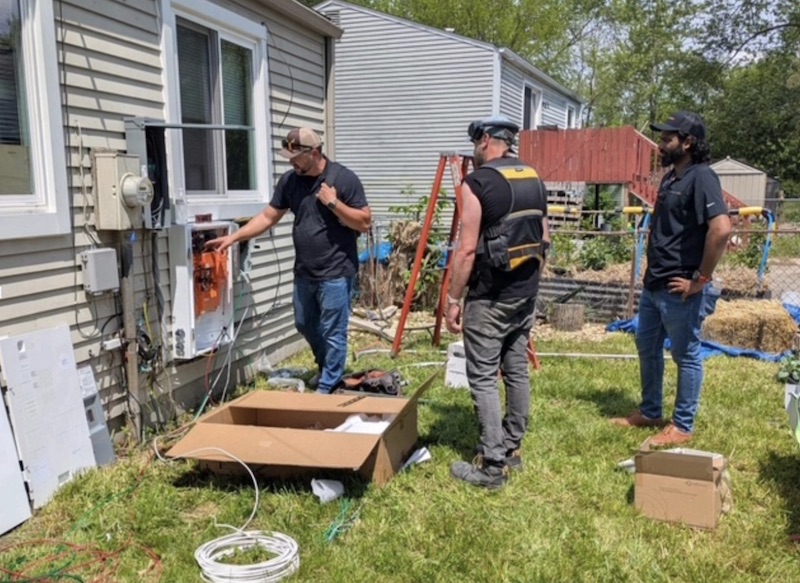
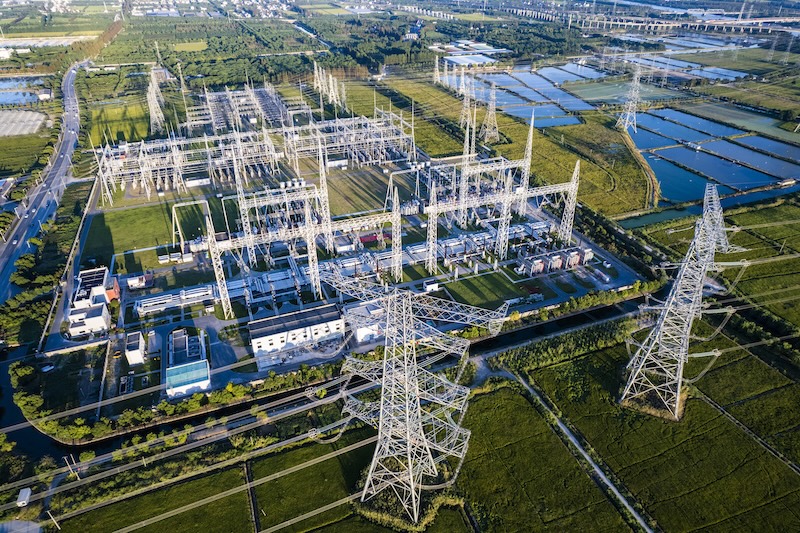
Energy systems are undergoing rapid transformation, reshaping how power is generated, delivered, and used across the economy. The growth of renewable energy is introducing new variability to the grid, while electrification is expanding across the sec....
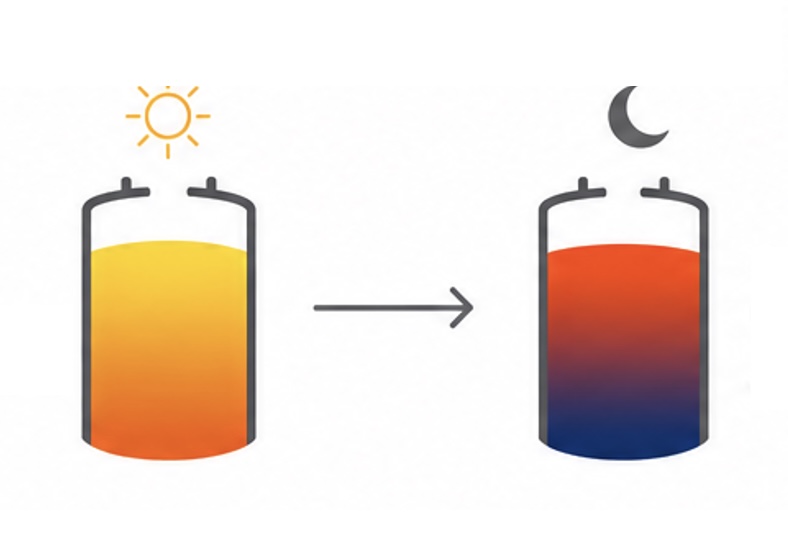
Electric demand growth is outpacing infrastructure readiness. Across North America, utilities are simultaneously facing the rapid expansion of electric vehicle charging, large-scale data center development, electrified HVAC adoption, manufacturing re....
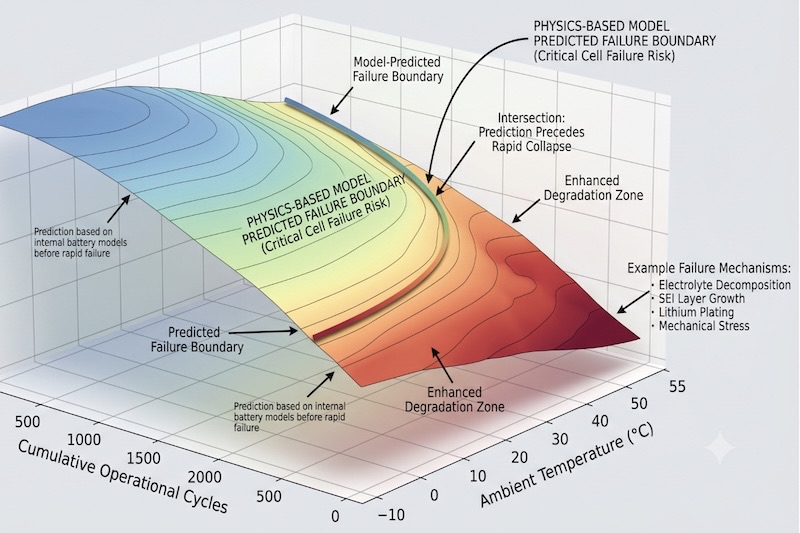
The utility-scale and commercial solar sectors are scaling at an unprecedented rate across the United States. Driven by sustained capital inflows, state-level mandates, and evolving federal tax frameworks, total installed capacity continues to hit hi....
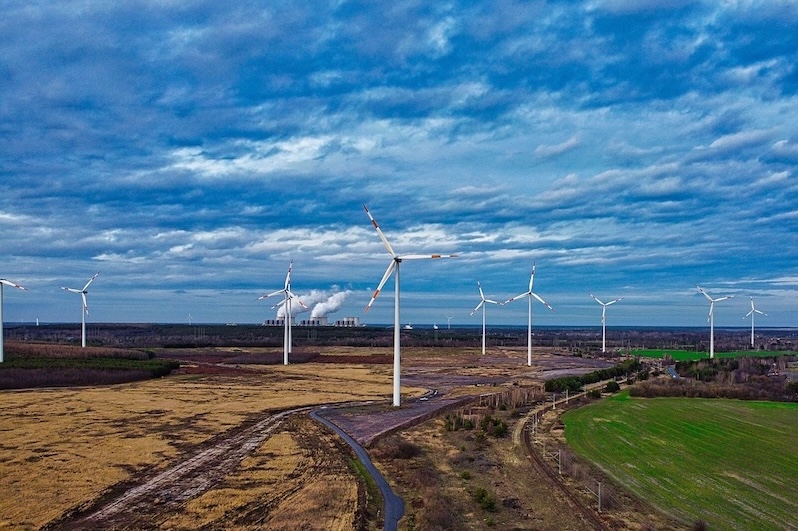
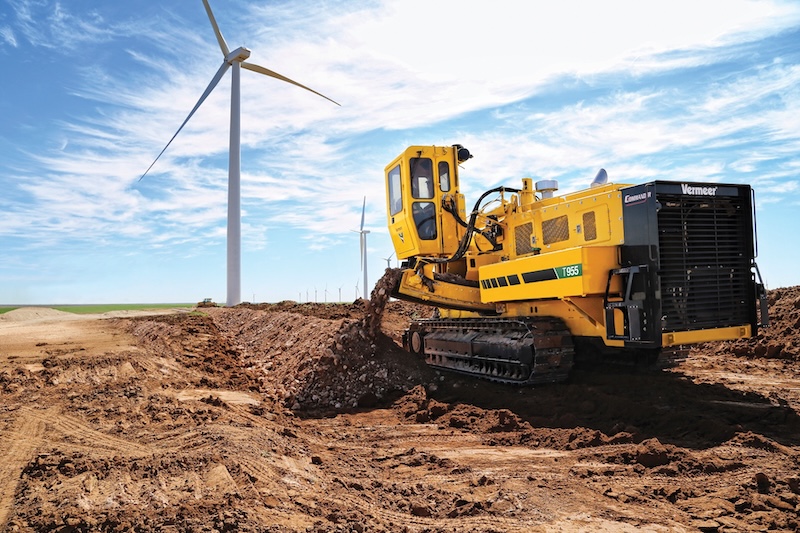
Texas leads the United States in install....
Data centers — driven by rapid AI adop....
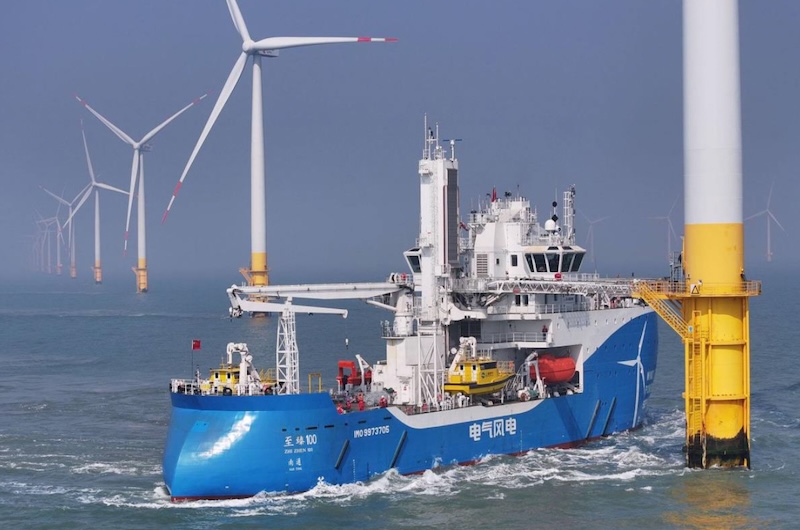
The offshore wind industry is scaling fa....
The American electric grid was designed around a principle that made sense for its time: generate power far away, move it long distances, and deliver it to homes and businesses that had no role in the system beyond paying the bill. For more than a ce....
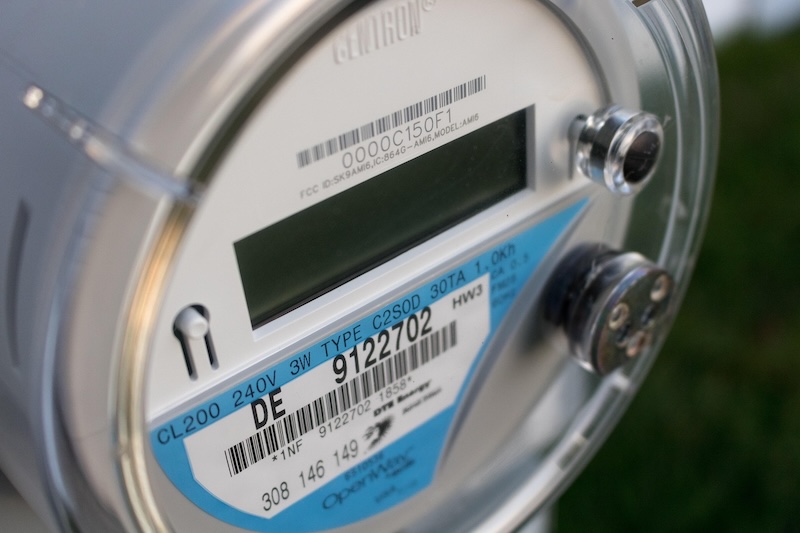
Over the years, utilities have had a complicated relationship with renewable energy. As homeowners and businesses adopt energy sources like solar and battery storage for self-generated power, the impact on utilities may be reduced revenue and oversup....
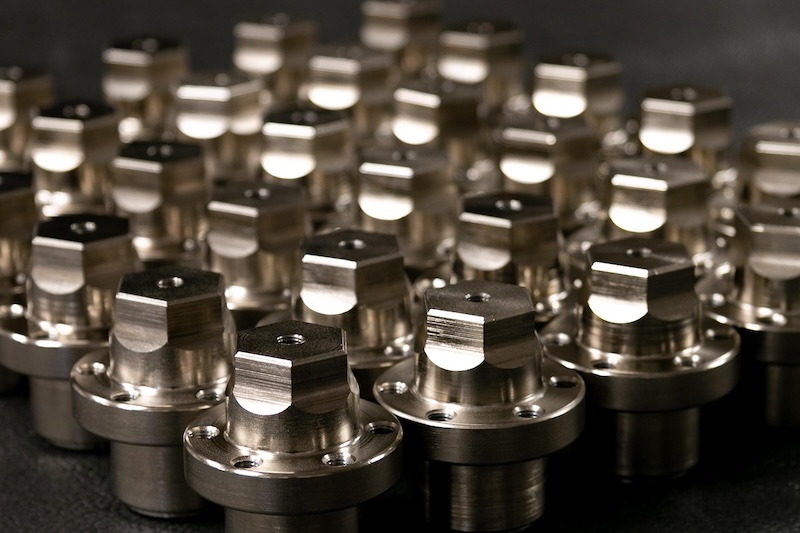
While not the world oldest profession, the reuse of products is a close second, dating back to when a caveman picked up a spear after his partner was eaten by a lion. Today, it is estimated that 45 percent of industries depend on it. Some examples....
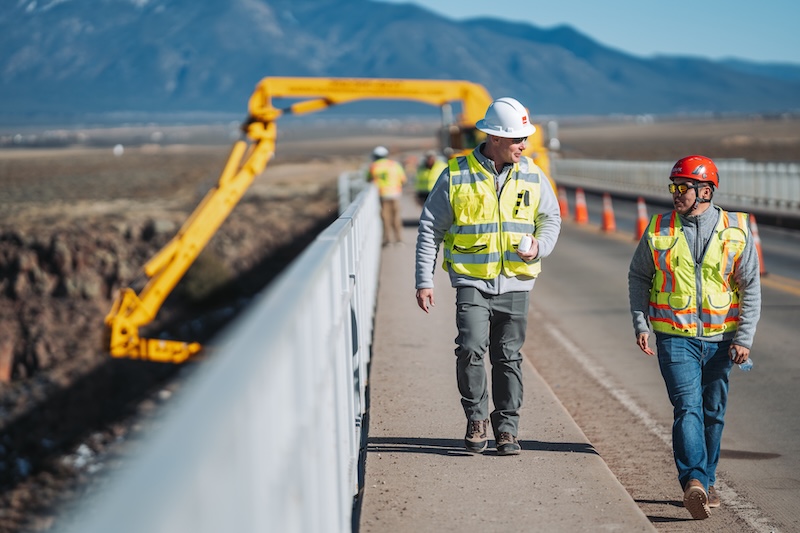
Environmental review and permitting requirements are changing faster than many infrastructure projects can adapt. Utilities, independent power producers, and commercial developers now operate in a more complex environment shaped by shifting federal p....

PowerCell Group AB (publ) and ECL announced a strategic partnership to deploy industrial-grade hydrogen fuel cell power across ECL's AI data center platform. The agreement comprises a firm purchase order for PowerCell PS190 fuel cell systems, alongsi....
From extreme ice in the Midwest to the high winds in the Southeast, extreme weather is becoming more frequent and consequential for utilities and the communities they impact. For decades, choosing a conductor often centered on ampacity, cost, and sta....