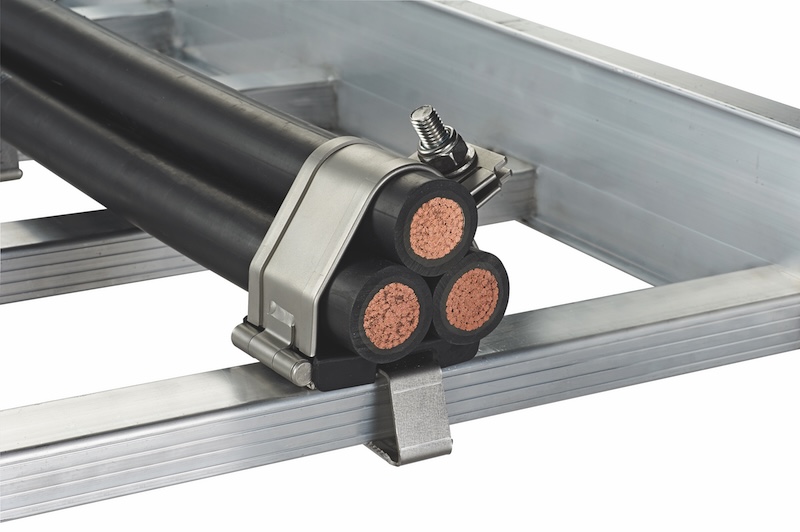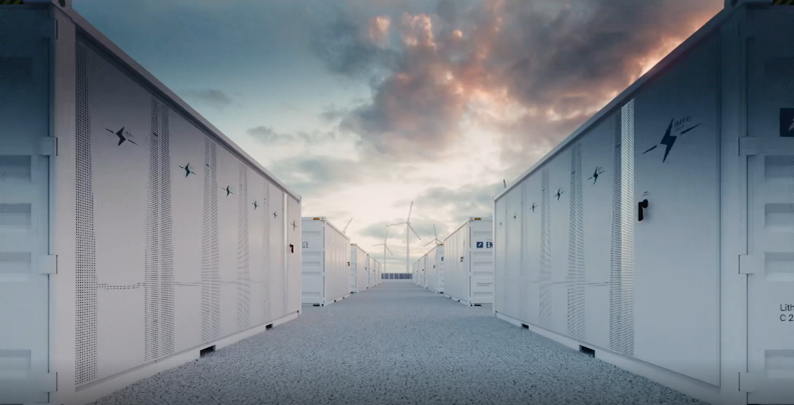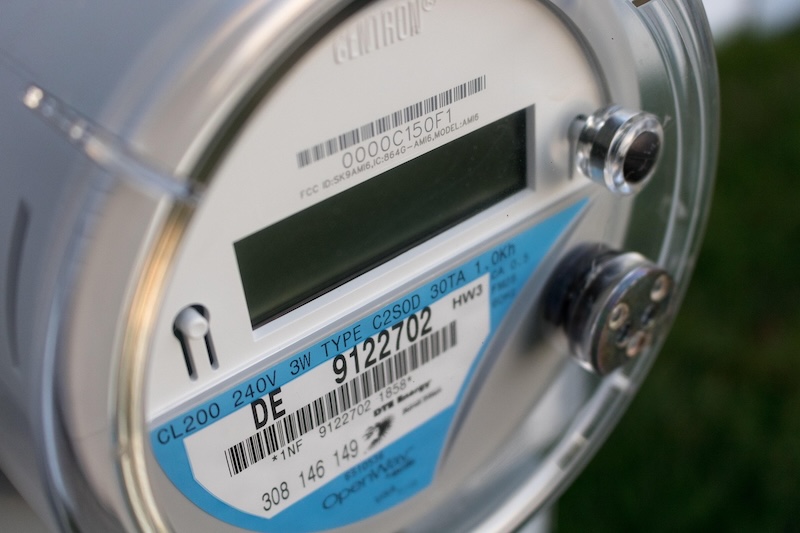



Fire risk tops the headlines, but short circuit events may be the more immediate threat on your next project. Battery energy storage systems (BESS) are having a moment. After years of promise, the technology has reached an inflection point thanks to plummeting costs, utility-scale deployments, and continuing federal support. BESS has earned its reputation as the sector to watch by solving difficult grid problems. But momentum has a way of o....
In the North American power market, Demand Response (DR) is no longer confined to large industrial facilities turning off heavy machinery during peak hours. Driven by FERC Order 2222 and the rapid deployment of distributed energy resources (DERs), behind-the-meter C&I solar and Battery Energy Storage Systems (BESS) are increasingly relied upon to provide active grid support. Modern utility programs and Virtual Power Plants (VPPs) require C....
While not the world oldest profession, the reuse of products is a close second, dating back to when a caveman picked up a spear after his partner was eaten by a lion. Today, it is estimated that 45 percent of industries depend on it. Some examples are the auto industry relying on scrapyards for parts, heavy construction equipment, HVAC systems in buildings, utilities, plumbing, marine, military, aviation, and telecommunications — all rely on....
Artificial intelligence is rapidly becoming one of the most significant drivers of energy demand growth in modern history. As hyperscale data centers expand across North America to support AI processing, cloud infrastructure, and high-density computing, utilities and developers are accelerating investments in renewable energy projects at unprecedented speed. Much of the public conversation surrounding this transition has focused on solar photovol....
Energy Storage
Schaltbau North America
Energy Storage
Gary Lam
Energy Storage
Sequoya Cross
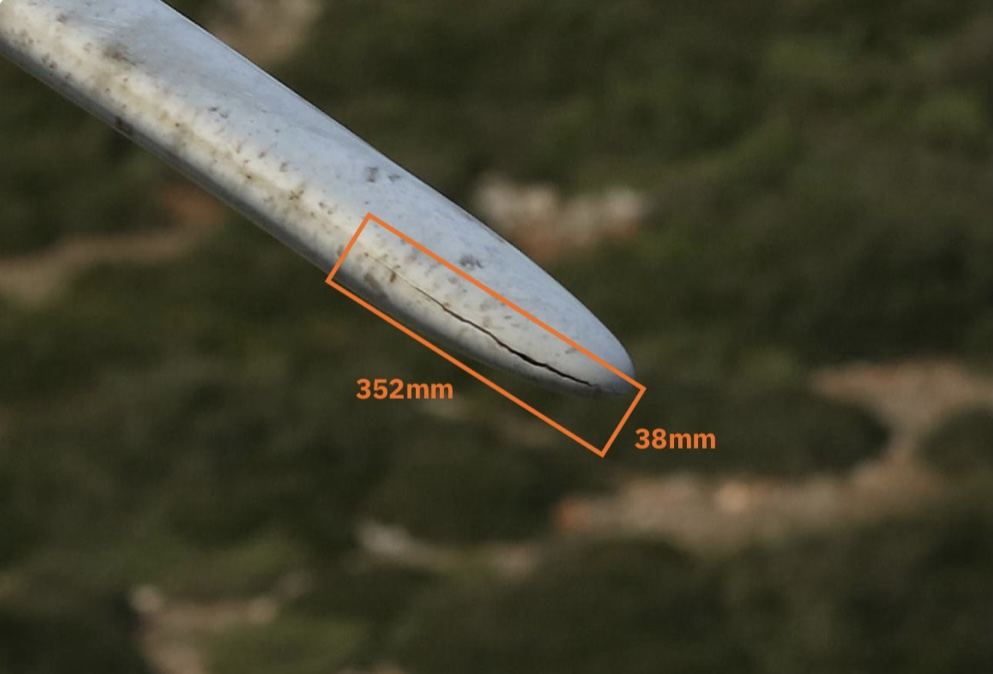
Perceptual Robotics, the wind turbine inspection and maintenance technology company has secured over £4 million in funding so far this year. The funding combines investment from new and existing shareholders (Investing for Purpose, Loggerhead Ventures and One Planet Capital) alongside support co-funded by Innovate UK, part of UK Research and Innovation (UKRI). The funding will help the company expand what it offers to the wind industry, increase its presence across existing and new markets, strengthen its offshore capabilities, and continue scaling the products that customers rely on every day.

Perceptual Robotics is grateful to Innovate UK for its continued support of innovation in the UK technology sector, alongside the backing of its shareholders and investors, in reaching this milestone.
Since its last investment round, Perceptual Robotics has expanded internationally, growing its customer base across Europe, North America, Latin America and beyond. Its technology now supports inspections in environments ranging from the forests of northern Sweden to the Caribbean and some of the world’s largest wind turbines.
Matthew Jellicoe, director of OnePlanet. Capital, said of the round. “It has been great to see such strong investor support for Perceptual Robotics.The business has strong momentum now across both onshore and offshore wind, and it is clear there are multiple verticals that the company can expand into over the next 24 months.”
Evangelos Kosmidis, CEO & General Partner from Loggerhead said “Perceptual Robotics has continued to demonstrate the technical expertise, commercial vision, and execution needed to become a key enabler in the wind energy sector while advancing the resilience and efficiency of the clean energy transition. The company’s continued progress has further strengthened our confidence in the team and the impact they are well positioned to create.”
Eleonore Cottarel, Partner, Investing For Purpose, said “Perceptual Robotics exemplifies the type of company we want to support: one that combines technological innovation with meaningful, measurable environmental impact. By helping wind assets operate more efficiently, safely and for longer, the company is strengthening the resilience of renewable energy infrastructure while accelerating the clean energy transition. We are delighted to back Kostas and the team as they continue to scale their impact internationally.”
“This funding is a vote of confidence in the work our team has put in over the last few years, and in the direction we’re taking the business. It gives us the resources to move faster on the products our customers are asking for.” said Kostas Karachalios, CEO of Perceptual Robotics.
The company’s development has been driven by ongoing conversations with operators, service providers and blade experts about the practical problems they face, whether that’s inspection speed, damage prioritisation, or finding better ways to manage growing fleets. Those conversations have shaped developments including autonomous inspection systems, AI-assisted damage detection, the Repair Now Ratio, and platform integrations released over recent years.
With this new funding, Perceptual Robotics aims to move faster, delivering more products, more capability, and support for more turbines, while continuing to build tools that help the wind industry keep turbines generating power and blades in service for longer.
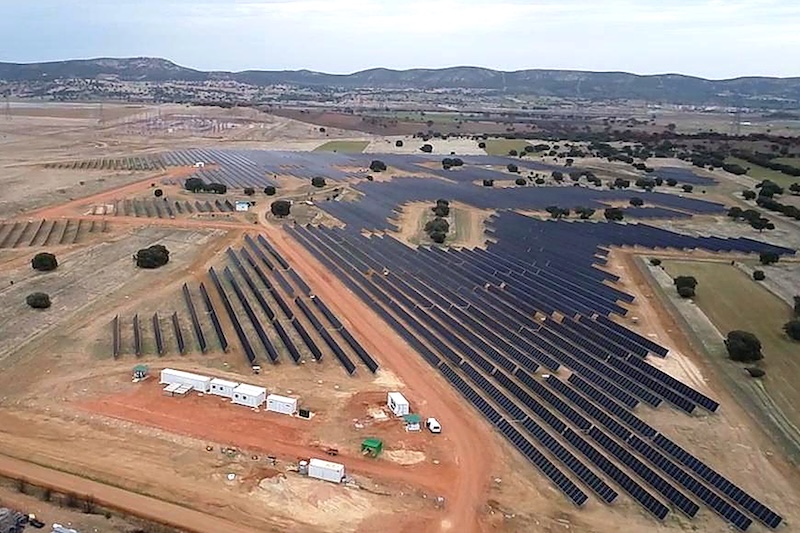
Zelestra, a global, multi-technology, customer-focused renewable energy company, has expanded their energy engagements with Tesla across markets with the signing of a new 140 MWac power purchase agreement (PPA) for Lumen Farm solar project in Texas.
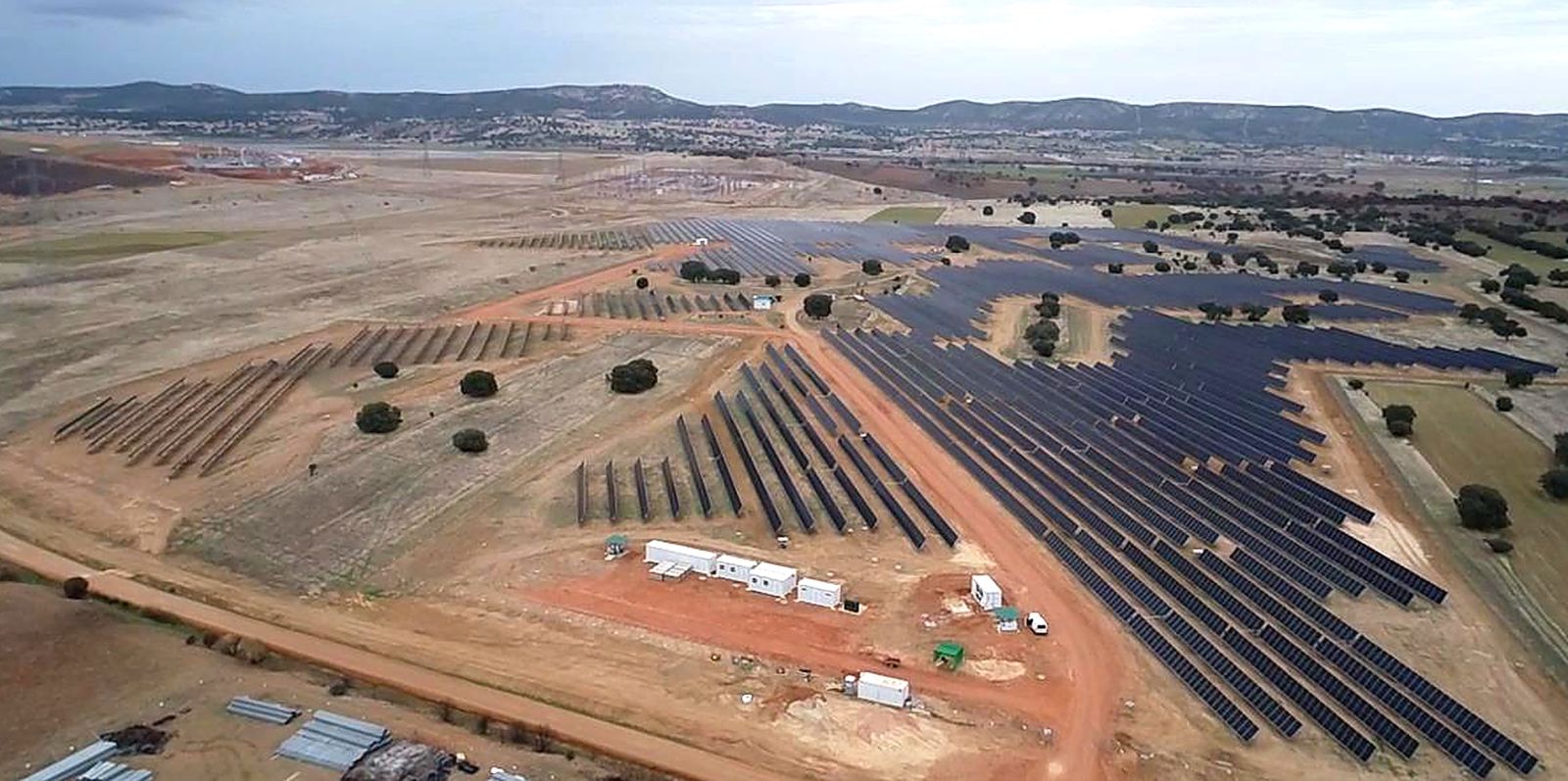
Separately, Zelestra signed a 57 MWac PPA with Tesla in 2024 for the output of the Brazatortas I, II and IV solar plants, in the Castilla-La Mancha region of Spain.
Zelestra anticipates starting construction at Lumen Farm, located in northeast Texas, by 2027, with full operations anticipated by 2029.
Phil North, Zelestra’s US CEO, said: “As a trusted global partner, we can deliver bespoke solutions for clients in multiple geographies. As such, we are excited to expand our relationship with Tesla to the US. We aim to deliver the project and bring the new solar plant online as quickly as possible to support Tesla’s growing energy needs in Texas.”
Zelestra is advancing its position in the US energy landscape with innovative, multi-technology solutions tailored to the evolving needs of hyperscalers, corporate partners, and other customers. The company is developing a robust portfolio of more than 16 GW of renewable energy projects across key markets.
Zelestra | https://zelestra.energy/en
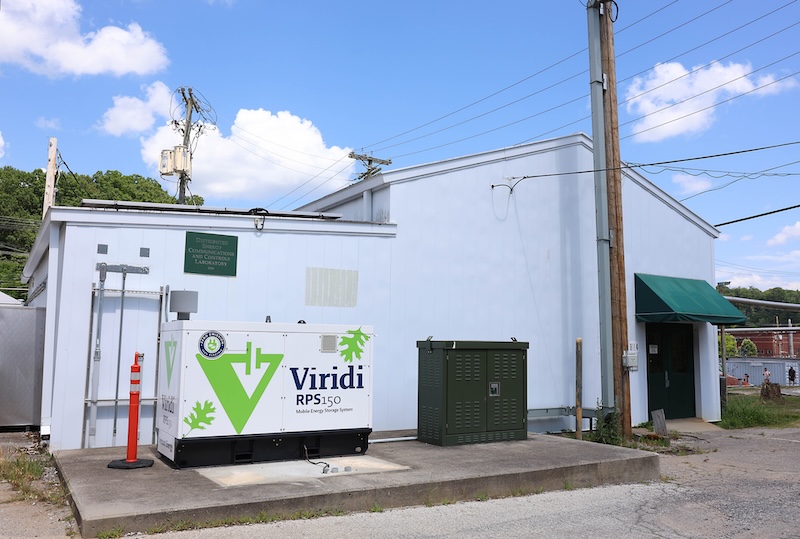
Viridi, the industry leader in fail-safe battery energy storage systems (BESS), announced a strategic partnership with Oak Ridge National Laboratory (ORNL), a U.S. Department of Energy (DOE) national laboratory, to support research into next-generation utility grid technologies that advance grid resilience and reliability. As part of the partnership, Viridi's BESS was selected and installed at ORNL's Grid Research Innovation and Development Center (GRID-C) as part of the testing platform for a DOE resource integration and evaluation project.
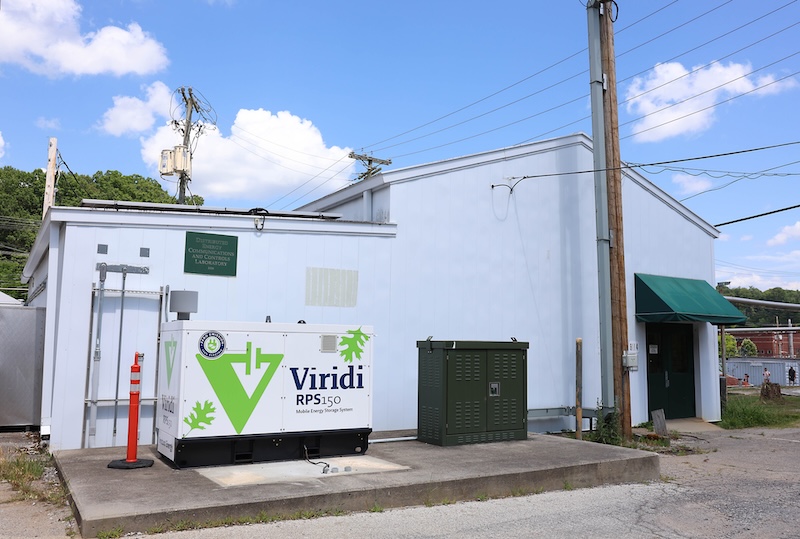
This research began with ORNL developing a system for controlling clusters of grid resources to meet utility needs. The developed technology was first tested in an indoor laboratory using emulated energy sources and battery storage. But it was important to follow up with testing in a live grid with real resources to correct any issues emerging from complex equipment interactions and real-world battery charging dynamics.
Viridi’s RPS 150 was installed at GRID-C’s Power Distribution Field Test Site to support the research. ORNL integrated its converter system with Viridi’s battery to validate the technology. Testing has now concluded, and ORNL is expected to present the project's findings in the coming months.
“This project bridges an important gap by integrating real electrical equipment to understand realistic performance challenges, proving the robustness of ORNL’s new control strategies and AC/DC architecture for supporting the future grid," said Dr. Madhu Sudhan Chinthavali, Electrical Systems Integration Program Manager at Oak Ridge National Laboratory. "Viridi’s battery integrated seamlessly with our management system, and its engineering team supported our researchers throughout testing and integration, making them a valuable partner."
As demand on the electric grid continues to grow, BESSs have become a critical component of grid infrastructure. Utilities across the country are under increasing pressure to modernize aging grid systems, integrate distributed energy resources, and improve resilience against disruptions. The ability to coordinate energy storage across multiple components of the grid is emerging as one of the most important capabilities in that effort.
"Being selected by Oak Ridge National Laboratory to support the project is a milestone for Viridi and a validation of what we have built”, said Jon M. Williams, CEO, Viridi. “When a DOE national lab chooses your technology to support their research, it is the highest bar a battery system can meet. We built Viridi's fail-safe BESS to perform in exactly these kinds of environments, and we are proud to be partnering with ORNL to advance the grid modernization solutions that utilities across the country need.”
The collaboration marks the beginning of an ongoing research relationship between Viridi and ORNL, with additional joint projects planned. For Viridi, the partnership represents a significant step in its mission to bring safe, reliable battery energy storage to the infrastructure applications that matter most, from grid modernization research to real-world utility deployment.
Viridi | www.viridiparente.com
Oak Ridge National Laboratory | https://www.ornl.gov/
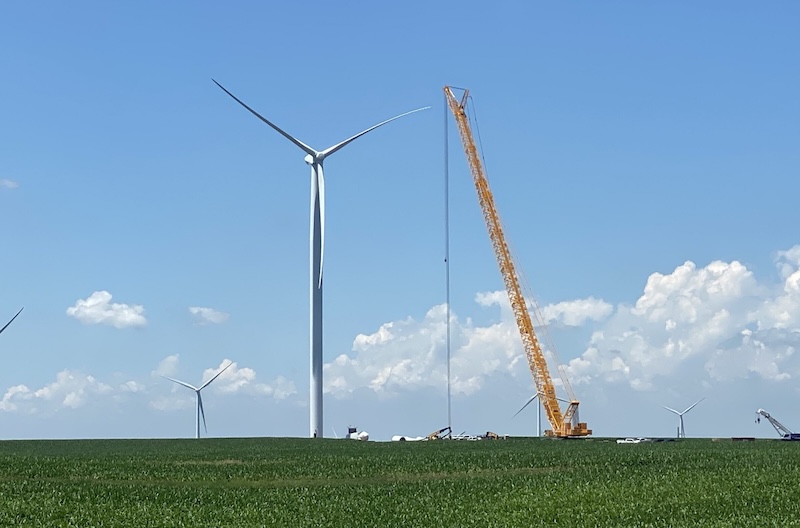
Enertis Applus+, a global engineering consultancy firm with extended expertise in the renewable energy and storage sectors, served as independent technical advisor to MN8 Energy in its acquisition of Greenbacker Renewable Energy Company LLC. This landmark transaction will create one of the largest clean power platforms in the United States, with more than 6 GW of operating and under-construction renewable energy and battery energy storage (BESS) capacity across 33 states.
As part of the transaction, Enertis Applus+ supported MN8 Energy through a multi-phase technical due diligence process covering Greenbacker's wind portfolio, comprising 19 assets in various stages of operation. Given its scale and complexity, Enertis Applus+ conducted an in-depth technical review focused on asset performance, operational risks, and long-term outlook.
The services provided included operational performance assessments, energy yield forecasting, operations and maintenance (O&M) and technology reviews, and long-term operating expenditure (OPEX) forecasting. Enertis Applus+ also performed site visits, drone-based blade inspections, SCADA reviews, technical useful life assessments. Findings from the field investigations were then incorporated into updated energy yield and OPEX forecasts.
“We value the opportunity to have supported MN8 Energy in this landmark transaction,” said Iñaki Herrero, Managing Director, North America, at Enertis Applus+. “This acquisition brings together a highly diversified portfolio of renewable energy and energy storage assets. Our team was pleased to bring our extensive expertise and provide the technical insights and independent assessments needed to support MN8 Energy’s evaluation of the wind portfolio.”
The transaction represents another milestone in Enertis Applus+ extensive track record of supporting investors, developers, lenders, and asset owners in complex renewable energy acquisitions and financing transactions in the United States and globally.
Enertis Applus+ | https://enertisapplus.com/

Mocean Energy has entered the AI infrastructure market with Blue Core, an offshore data centre concept designed to generate its own power and slash the vast cost of energy that data centres require.
The Edinburgh-based company is raising Pre-Series A funding to develop the technology alongside its existing offshore power business.
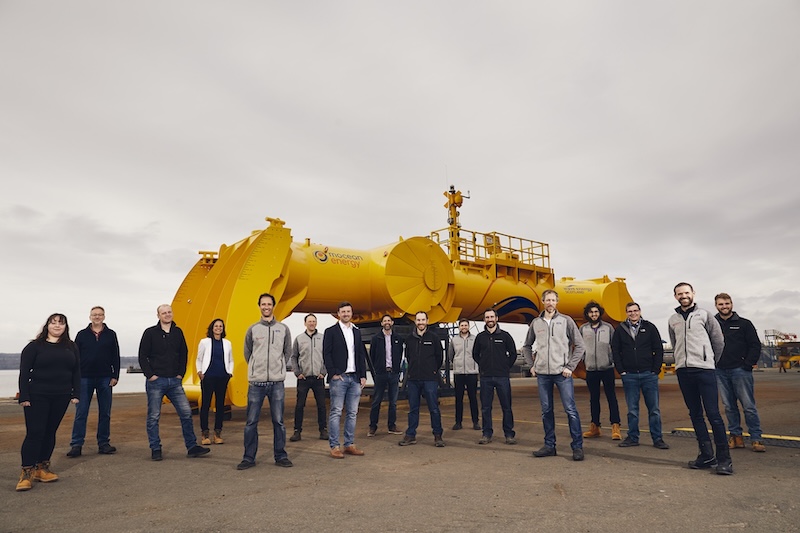
Mocean team and supporting contractors who helped build Blue Star just after the fabrication was complete
The move responds to a capacity problem facing the AI sector. Global demand for AI-optimised computing is set to quadruple over the next decade, according to the International Energy Agency, with AI data centres projected to consume 1,200 TWh a year by 2035, roughly four times the UK's total annual electricity consumption.
Local opposition to new data centre sites is a growing problem for the sector alongside constraints on land, water and grid capacity, while energy costs remain the single biggest driver of data centre economics. Many operators wait years for a grid connection and fall back on gas turbines just to get online.
Blue Core is designed to remove those constraints by moving the data centre out to sea. Each unit combines wave energy, offshore solar and battery storage to power on-board AI server racks.
Each unit is connected via low-Earth orbit satellite communications, generates between 500 kW and 1 MW without a grid connection, and can be combined with other units to form farms. The system is designed primarily for AI inference workloads. Cooling, which typically consumes 15% to 35% of an onshore data centre's energy budget, is expected to account for around 5% at sea, using a closed-loop system that exchanges heat with the ocean rather than drawing on a community's drinking water.
Cameron McNatt, Managing Director of Mocean Energy, said: “We've spent years proving this technology works in some of the harshest sea conditions anywhere in the world. Blue Core takes that same proven system and points it at a much bigger problem. AI data centres are going to need more power than the grid can easily give them, and the ocean can provide that.
“We're not trying to build another data centre. We're trying to remove the barriers around power, land and social licensing that are currently holding the industry back.
“Because Blue Core is built like an assembly line rather than a megaproject, units are manufactured and deployed one at a time. This means a single unit and a thousand-unit farm come from the same building block and any unit can be pulled out for maintenance or a GPU upgrade without disrupting the rest. When sited in national waters, the farms also provide sovereign infrastructure rather than a lease on another country's cloud.”
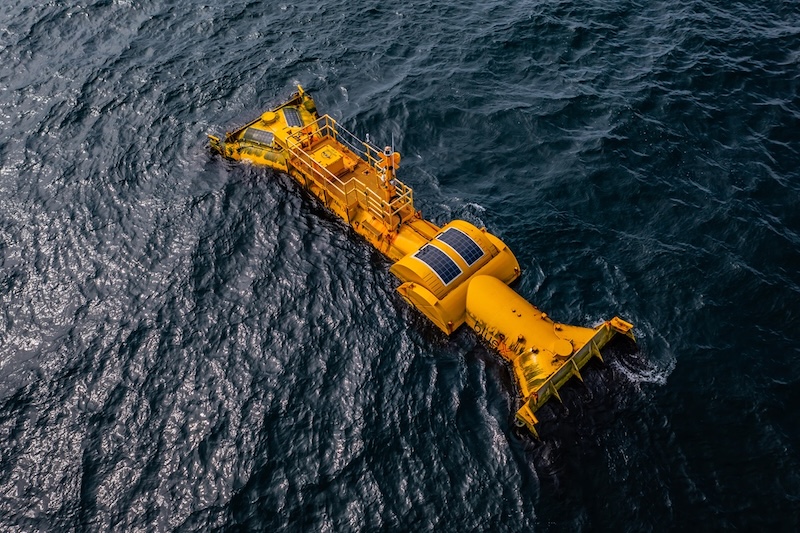
Blue Star deployed with solar panels
Investment is already moving into ocean-based data centre infrastructure. Microsoft's Project Natick found an underwater data centre was eight times more reliable than an identical onshore setup, and China already has an offshore data centre in operation backed by around $226m. Swedish wave energy developer CorPower Ocean raised €140m in Series B and EU funding in 2025, while Panthalassa raised $140m for a floating AI data centre concept on the strength of the idea alone.
Y Combinator, the prestigious US accelerator behind Airbnb, Stripe and Coinbase, has now put its own weight behind the idea, naming "Compute at Sea" among its latest Requests for Startups.
Blue Core builds on Blue Star, Mocean's existing offshore power system, which has completed 18 months of full-scale testing in harsh sea conditions with international offshore energy companies and technology developers, including several energy supermajors. The two systems share the same core technology - power conversion, mooring and controls - proven across a decade at sea. Mocean has secured a further Blue Star pilot, with first sales forecast for 2028.
Mocean's roadmap targets its first Blue Star sales in 2028. In parallel, Blue Core is expected to deliver its first offshore demonstrator and begin early commercial deployments from 2030, working towards a ten-year target of 6GW - roughly 2% of projected AI data centre demand. Once a unit is built, its power is effectively free for the life of the asset, and Mocean estimates the approach could save around 13 million tonnes of CO2 a year by 2035.
The current £5m funding round is supported by £2.8m of non-dilutive funding already secured.
Mocean Energy | https://www.mocean.energy/
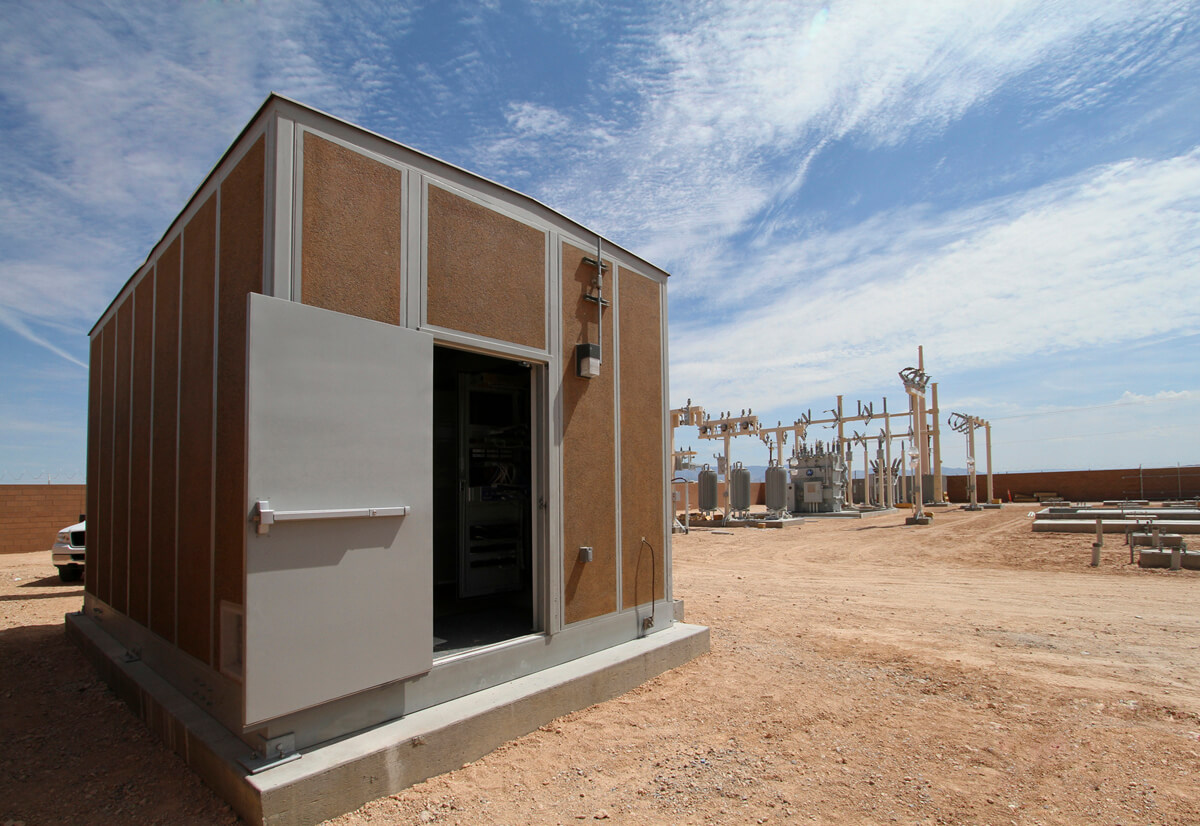
Beam Global (Nasdaq: BEEM), a leading provider of innovative and sustainable infrastructure solutions for the electrification of transportation, energy storage and security, and smart city infrastructure, announced that it has received a follow-on order from the City of Dallas for ten EV ARC off-grid, solar-powered electric vehicle (EV) charging systems. The systems will be deployed in the third quarter to support the charging of the City's EV fleet.
This latest order marks the City of Dallas' fourth separate deployment of Beam Global EV ARC systems since its initial purchase in April 2025, reflecting the City's continued investment in resilient, sustainable charging infrastructure and validating the unique value of EV ARC systems. The purchase was made through Beam Global's U.S. General Services Administration (GSA) Multiple Award Schedule (MAS) Contract.
The EV ARC systems provide rapidly deployable EV charging infrastructure without the need for construction, trenching, utility grid connection or electrical permitting. Each system generates and stores its own renewable electricity, enabling dependable EV charging while reducing emissions, avoiding utility costs and providing operational resilience during grid outages or emergency situations.
“We are delighted to continue to serve the City of Dallas and to provide them with our unique and compelling products,” said Desmond Wheatley, CEO of Beam Global. “With thousands of EV ARC systems deployed across the U.S., Europe and the Middle East and 15 years of successful field operations with this product, we can say with confidence that no one can match our capabilities. Beam Global’s portfolio of products has never been more relevant. No EV ARC owner or user has seen an increase in their fuel costs due to inflation, shortages or geopolitical instabilities such as those we are seeing in the Gulf today. Our battery solutions are powering drones, defense and military applications, and AI-driven robotics. Our communications, energy and smart cities solutions are making cities safer and more efficient. We anticipate continued acceptance and growth in sales of our products as the electrification of transportation continues to expand globally.”
The City of Dallas continues to expand its EV charging capabilities with infrastructure designed to be rapidly deployed, relocated when necessary, and operated independently of the utility grid. Beam Global's EV ARC systems provide an immediate charging solution that minimizes site disruption while supporting the City's long-term fleet electrification objectives.
Beam Global | www.beamforall.com
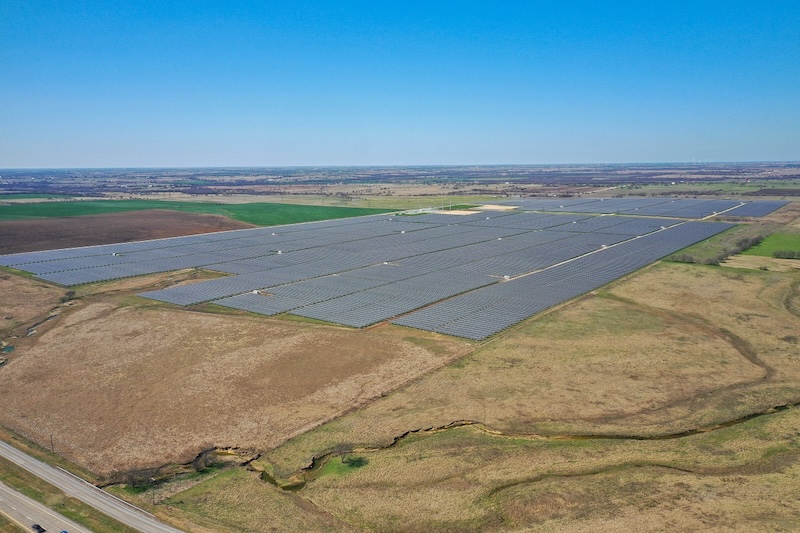
Adapture Renewables, Inc. ("Adapture"), a utility-scale solar and energy storage developer, owner and operator, and REC Power, a nationwide independent power producer, announced the completion of a transaction involving a nationwide portfolio of fifteen operating distributed generation solar photovoltaic (PV) projects totaling 68 MW (DC). The transaction is a 100% sale of Adapture's ownership interests in the projects, which REC Power will own and operate going forward.
The portfolio comprises operating assets across seven states — Montana, Tennessee, Minnesota, North Carolina, Nebraska, Utah, and California. The sale allows Adapture to concentrate its capital and in-house development, EPC management, legal, and project finance capabilities on the larger utility-scale solar and storage projects at the center of its growth strategy. For REC Power, the acquisition adds 68 MW of operating solar capacity and a geographically diverse set of established assets to its existing operating base spanning multiple distributed power technologies.
"This transaction reflects the disciplined way we manage our portfolio. These are well-established performing assets, and REC Power is a strong long-term owner and operator for them. The sale allows us to focus our resources on the larger utility-scale projects that define our pipeline and where we can deliver the greatest impact," said Christina Conrad, Vice President of M&A, Adapture Renewables.
The acquisition materially expands REC Power’s national operating portfolio beyond 410 MW across 25 states with highly rated PPA counterparties. With nearly 30 years of experience building, financing, owning, and operating distributed power assets, REC Power continues to pursue strategic front-of-the-meter acquisitions that complement its nationwide operating fleet of solar, battery storage, fuel cell and genset resources.
“Adapture has built a portfolio of high-quality operating projects, and these assets complement our existing fleet well in terms of geography, counterparties and long-term value,” said Matt Miller, Chief Investment Officer of REC Power. “This transaction demonstrates our ability to be a trusted partner to asset owners looking to divest high-quality assets as their business strategies evolve. We look forward to building on the operational foundation already in place and continuing to operate these projects reliably for the customers they serve.”
REC Power is owned by ArcLight Capital Partners, a leading infrastructure investor.
Accredant Capital served as exclusive sell-side advisor to Adapture Renewables on the transaction, with Foley & Lardner LLP serving as outside legal counsel. Orrick, Herrington & Sutcliffe LLP served as legal counsel to REC Power in connection with the transaction.
Adapture Renewables | https://adapturerenewables.com/
REC Power | https://recpower.com/

Alternative Energies Jul 23, 2026
Every industrial revolution comes with its own infrastructure, which must scale rapidly in order to fuel the innovation and associated disruption that comes in its wake. Data centers are the factories of the AI revolution, and their rapid growth — ....
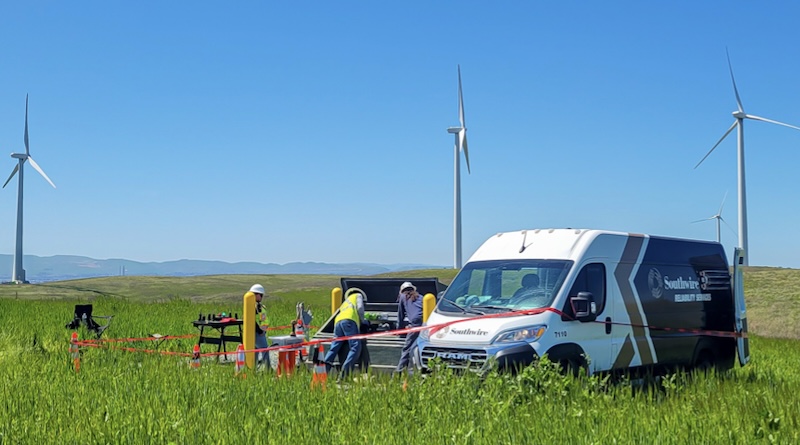

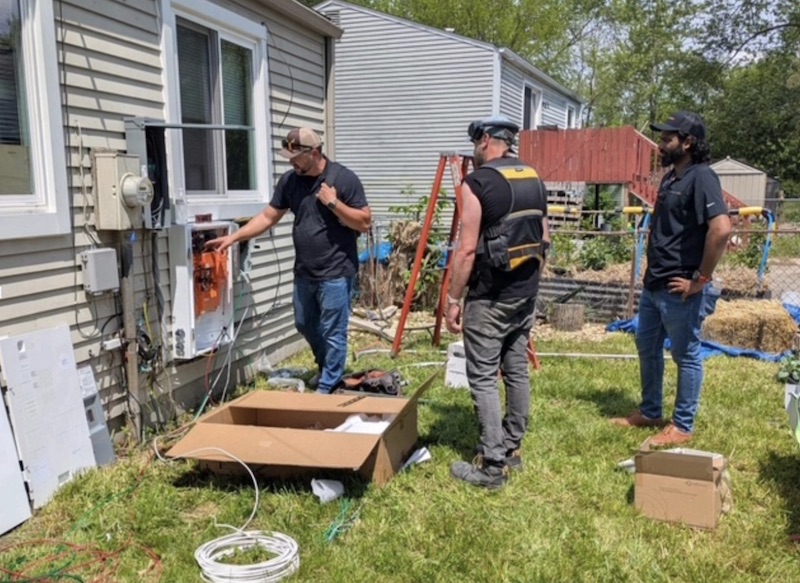
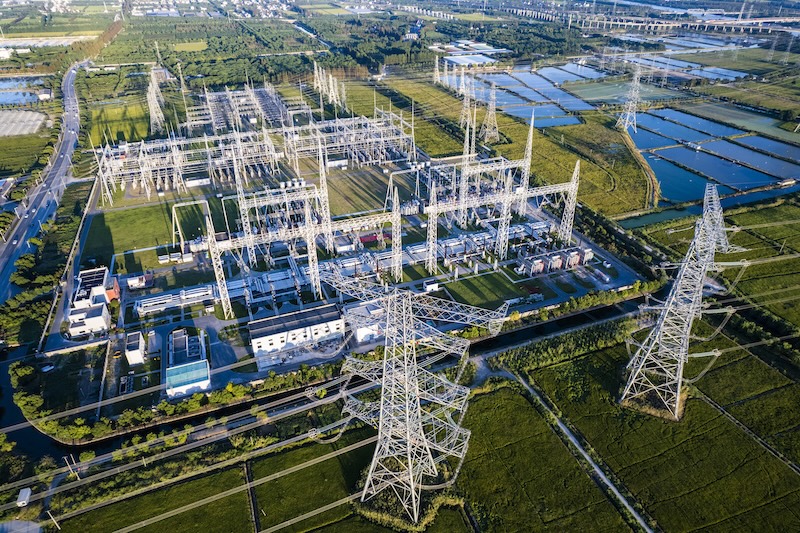
Energy systems are undergoing rapid transformation, reshaping how power is generated, delivered, and used across the economy. The growth of renewable energy is introducing new variability to the grid, while electrification is expanding across the sec....
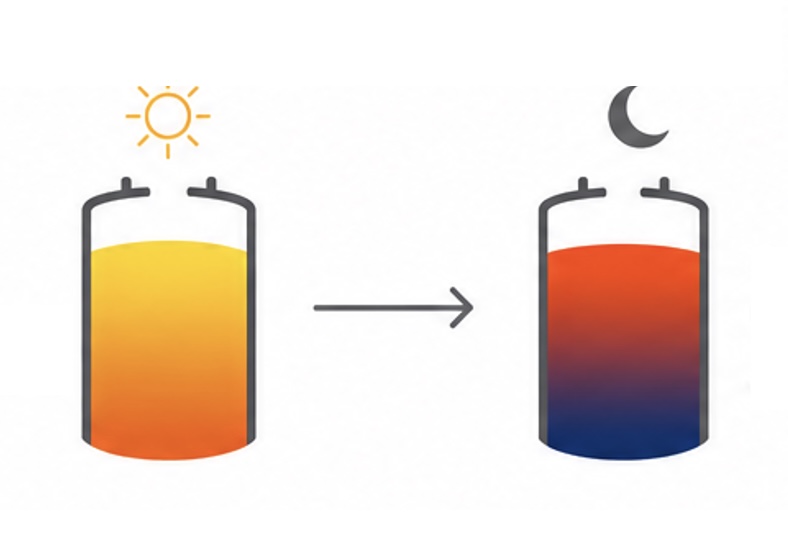
Electric demand growth is outpacing infrastructure readiness. Across North America, utilities are simultaneously facing the rapid expansion of electric vehicle charging, large-scale data center development, electrified HVAC adoption, manufacturing re....
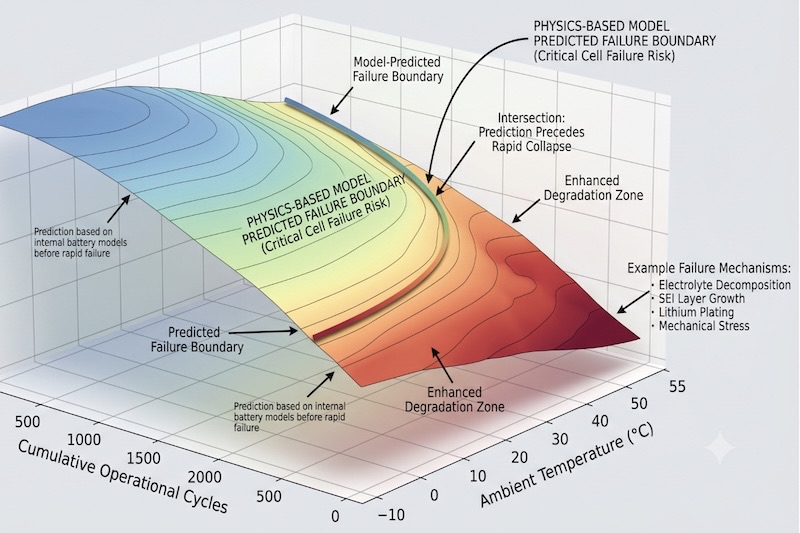
The utility-scale and commercial solar sectors are scaling at an unprecedented rate across the United States. Driven by sustained capital inflows, state-level mandates, and evolving federal tax frameworks, total installed capacity continues to hit hi....
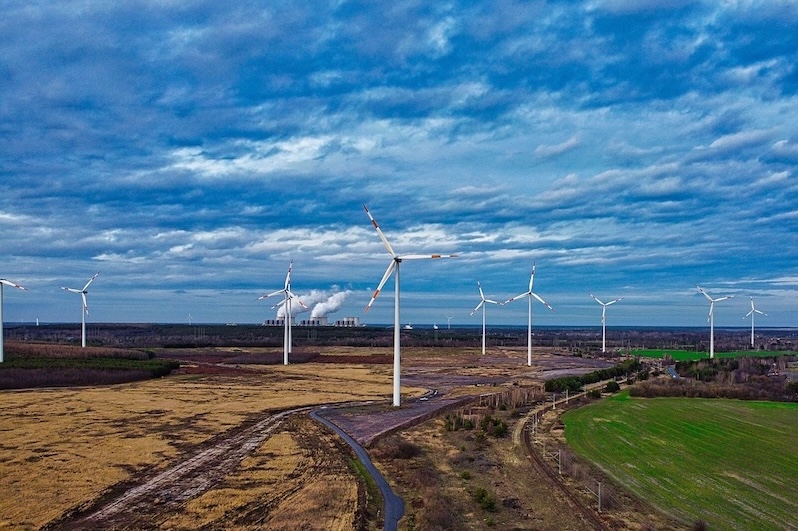
Texas leads the United States in install....

Data centers — driven by rapid AI adop....
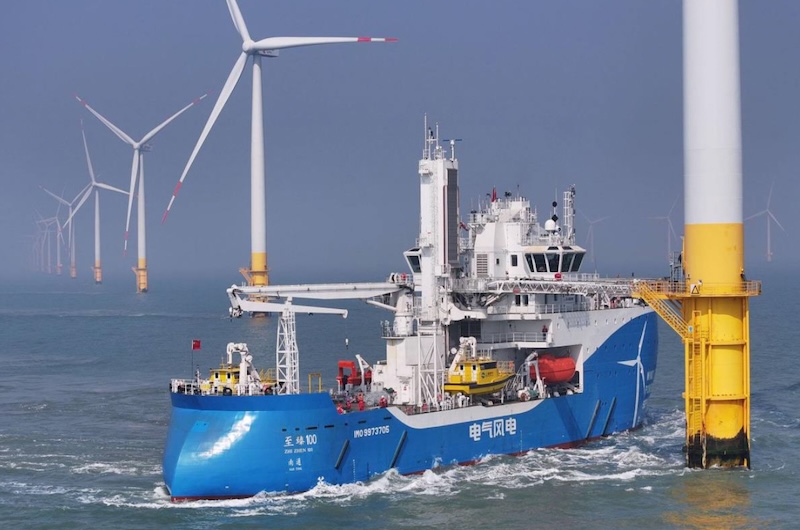
The offshore wind industry is scaling fa....
The American electric grid was designed around a principle that made sense for its time: generate power far away, move it long distances, and deliver it to homes and businesses that had no role in the system beyond paying the bill. For more than a ce....
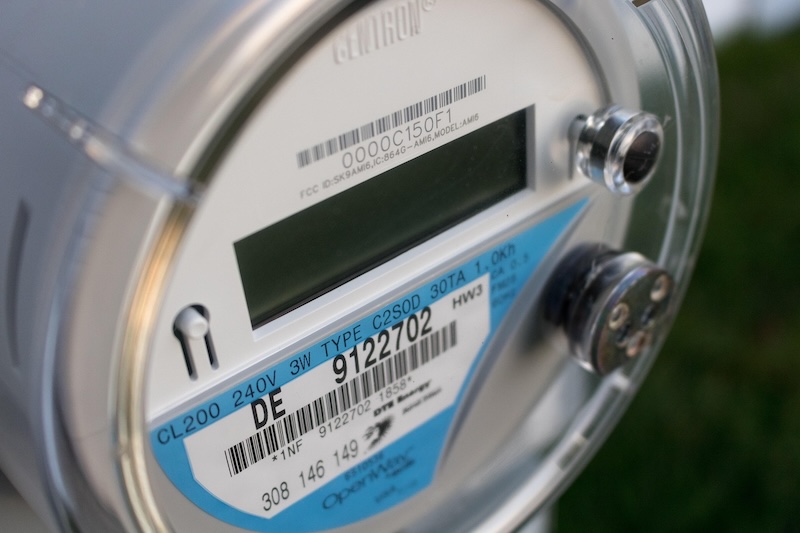
Over the years, utilities have had a complicated relationship with renewable energy. As homeowners and businesses adopt energy sources like solar and battery storage for self-generated power, the impact on utilities may be reduced revenue and oversup....

While not the world oldest profession, the reuse of products is a close second, dating back to when a caveman picked up a spear after his partner was eaten by a lion. Today, it is estimated that 45 percent of industries depend on it. Some examples....
Every industrial revolution comes with its own infrastructure, which must scale rapidly in order to fuel the innovation and associated disruption that comes in its wake. Data centers are the factories of the AI revolution, and their rapid growth — ....
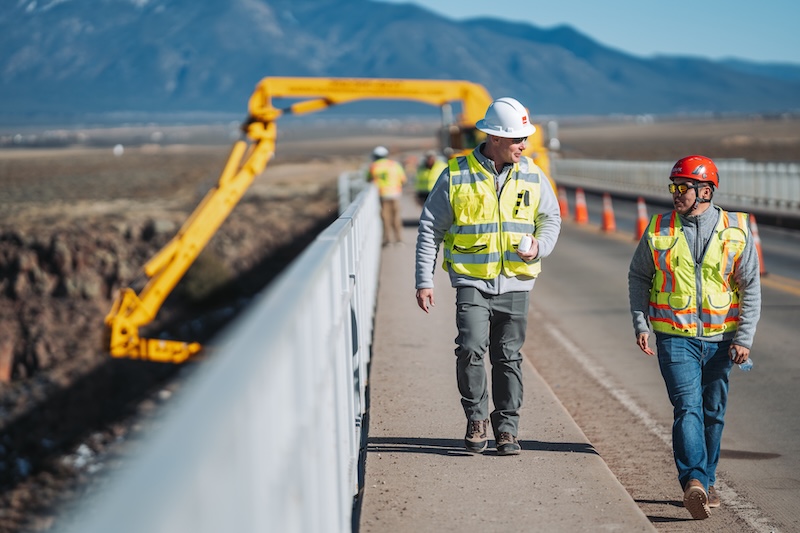
Environmental review and permitting requirements are changing faster than many infrastructure projects can adapt. Utilities, independent power producers, and commercial developers now operate in a more complex environment shaped by shifting federal p....
From extreme ice in the Midwest to the high winds in the Southeast, extreme weather is becoming more frequent and consequential for utilities and the communities they impact. For decades, choosing a conductor often centered on ampacity, cost, and sta....