



Electric vehicle (EV) charging and vehicle‑to‑grid (V2G) technology are turning millions of vehicles and chargers into a virtual power plant. This rapidly growing machine‑to‑machine (M2M) network is now becoming critical grid infrastructure that needs a new kind of cyber resilience to withstand both physical and digital extremes. In this environment, the primary risk is no longer data theft, but the manipulation of real-time control syste....
Module selection rarely starts with wattage alone. In practice, teams work backward from a small set of constraints that determine whether a module fits cleanly into an existing system, or forces redesigns later. Those constraints recur throughout project development: electrical limits tied to operating current, mechanical behavior under wind and snow loading, logistics shaped by shipping and handling, and the way small penalties in each area ....
Each time you try to procure solar modules, inverters, or battery energy storage equipment, you are at risk. Import tariffs can be the root cause, and they can put your projects at risk of cost overruns, timeline delays, and other complications. Understanding tariffs and their impacts allows you to manage risk proactively and plan for stability, even when in dynamic markets. Tariffs, a primer A tariff is a tax collected at the port....
For years, solar panel cleaning has been framed mainly as a performance lever: remove soiling, increase output, improve ROI. That value still matters, but the sector is maturing. More asset owners now view cleaning as something else as well: a repeatable, close-contact opportunity to reduce avoidable stressors on the array and spot early warning signs that can precede equipment failures, including thermal events. This is not a clai....
Energy Storage
Schaltbau North America
Wind
Yvan Gelbart
Wind
David Weingot
The Ohio State University & Columbus State Community College team has been named the Year Three winner of the Battery Workforce Challenge, a three-year collegiate engineering competition that challenged 11 teams from across North America to design and build an advanced battery pack for the commercial Ram ProMaster EV platform. The McMaster University and Mohawk College team came in second place and two teams tied for third place – the Rose-Hulman Institute of Technology and Ivy Tech Community College team and the other third place team is University of Alabama and Shelton State Community College team.
Managed by Argonne National Laboratory and sponsored by the U.S. Department of Energy (DOE) and Stellantis, the Battery Workforce Challenge provides students with hands-on experience in battery design, validation, safety, build, and vehicle integration.
Over the past three years, students progressed through a series of technical milestones that reflect contemporary challenges in the industry. Throughout the program, students demonstrated their ability to meet demanding engineering standards without compromising safety. By working through real-world engineering processes, participants gained practical experience that will set them apart as they enter the workforce.
In the first year of the competition, teams established their architecture strategy before considering design trade-offs in year two. In year 3, the teams studied trade-offs for battery packaging, finalized the design, and started their manufacturing supply strategies.
Judges named The Ohio State University and the Columbus State Community College team the Year Three winner for its superior project-management plan, team cohesiveness, and efficiency in completing each phase of the challenge.
"For the past three years, the students working in the Battery Workforce Challenge have faced the same technical, design and commercial strategic choices as the mobility industry as a whole. They have worked hard and demonstrated innovative thinking, gaining hands-on experience at problem solving and the power of working in a team environment, which are all critical skills for success in the automotive arena," said Micky Bly, Senior Vice President, Global Propulsion Systems Engineering – Stellantis N.V. "I'm proud that several Challenge students have joined the Stellantis team to launch their professional careers. The skills and dedication shown by the Battery Workforce Challenge participants will be a benefit to our industry in the years ahead."
The Battery Workforce Challenge | https://www.linkedin.com/company/battery-workforce-challenge/

Qcells, a leading complete energy solutions provider, announced its collaboration with Jabil, a global engineering, supply chain, and manufacturing solutions provider, to offer its first domestically assembled residential energy storage system (ESS) to the U.S. residential solar and energy storage market. Assembled at Jabil’s Auburn Hills, Michigan facility, the new battery storage system is a domestic content eligible version of Qcells’ third-generation residential ESS, known as Q.HOME CORE G3. The product is now commercially available and ready to ship to customers nationwide.
Today’s announcement marks a continuation of Qcells’ existing collaboration with Jabil to assemble Qcells microinverters in Michigan, which are used for Qcells AC module products. To-date, Qcells and Hanwha have invested a total of $17 million in residential solar-plus-storage manufacturing in Michigan. This latest investment–totaling $11.6 million–in advanced manufacturing operations for Q.HOME CORE G3 and future ESS products is expected to contribute to job growth at Jabil’s Auburn Hills, Michigan factory.
These investments in Michigan reflect Qcells’ broader commitment to onshoring its domestic clean energy supply chain and boosting local economies. In Georgia, Qcells has invested nearly $3 billion in building a U.S. solar supply chain, and is closing in on completing the construction of a one-of-a-kind factory in Cartersville, GA that will build critical solar components – ingots, wafers, cells and modules – under one roof.
“Teaming up with Jabil to launch the domestic content version of the Q.HOME CORE G3 battery system marks a significant milestone for Qcells, as we accelerate our efforts to create an integrated domestic solar-plus-storage supply chain,” said Il Hyeong No, head of Qcells North America’s Residential Business. “Pairing our solar panels from Georgia with our battery systems from Michigan can help unlock significant value for homeowners, particularly when installed in the ‘Grid Support’ configuration, paving the way for utility bill savings.”
Q.HOME CORE G3 pairs seamlessly with Qcells’ AC module products, Q.PEAK DUO AC and Q.TRON AC, which are both assembled in Georgia, as well as integrated microinverters manufactured in Michigan. Combined, the products make up a cohesive AC-coupled system architecture, designed to maximize performance, simplify system installation, and reduce energy bills for homeowners. Together, the technologies round out a complete home energy solution defined by streamlined system design, installation and after-market support, all backed by a single brand and warrantor.
“We’re excited to collaborate with Qcells on assembling the domestic content version of their Q.HOME CORE G3 here in the United States,” said Brent Tompkins, senior vice president of Global Business Units, Renewables and Energy Infrastructure, at Jabil. “By combining advanced energy storage innovation with scalable U.S.-based production, this initiative can help strengthen domestic supply chains, support job creation and accelerate the adoption of reliable, clean energy nationwide.”
Built for energy economics, Q.HOME CORE G3’s “Grid Support” configuration helps homeowners avoid costly utility rates by charging their battery with excess daytime solar or off-peak utility power and dispatching stored energy for consumption during on-peak rates in the evening. Homeowners impacted by frequent power outages also have the option to add battery backup capabilities for extra grid resilience.
Q.HOME CORE G3’s integration with competitive financing products offered by Qcells’ in-house financier, EnFin by Qcells, allows homeowners to access flexible TPO products including Power Purchase Agreements (PPAs) and leasing options. Combining Q.HOME CORE G3 with EnFin financing enables access to affordable solar and storage through a single ecosystem—delivering a streamlined, end-to-end residential energy platform for both installers and homeowners.
Qcells will formally debut its domestic content Q.HOME CORE G3 product at scheduled roadshow events this month.
Qcells | https://us.qcells.com/qhome-core-g3/

Oregon and Maryland recently took important steps to expedite the process for clean energy projects to connect to the grid, to help ensure that delays in this process do not prevent projects from qualifying for expiring federal tax credits. Oregon and Maryland became the nation’s second and third states, respectively, to implement “phased interconnection” policies. Both states established emergency rulemaking proceedings earlier this year to support clean energy projects in qualifying for federal tax credits that are ending as a result of the One Big Beautiful Bill Act (OBBBA), by streamlining and removing barriers in the development process. Maryland’s revised interconnection rules went into effect on May 6, and Oregon’s are effective as of April 1.
OBBBA, which was signed into law on July 4th, 2025, rapidly accelerated the end dates of the Residential Clean Energy Tax Credit (Section 25D) and Investment Tax Credit (Section 48E). While the Residential Clean Energy Tax Credit was terminated on December 31st, 2025, the Investment Tax Credit is set to expire on December 31st, 2027. To qualify for that tax credit, projects must meet IRS “placed in service” requirements; this is typically demonstrated through a utility’s issuance of permission to operate (PTO) by that date. Delays in the interconnection process, such as extended construction timelines for required grid upgrades, could cause projects to miss that deadline, creating significant financial risk for customers counting on those credits.
When grid upgrades are required for a clean energy project to connect to the electric grid, those upgrades often take months or years, during which time the project cannot begin operation. “Phased interconnection,” also called temporary permission to operate (T-PTO), provisions allow projects to begin operation on a temporary or limited basis while awaiting completion of required grid upgrades. As a result, phased interconnection provides a pathway for projects to demonstrate “placed in service” status earlier, increasing the likelihood that they can qualify for tax credits before they expire.
Phased interconnection is a new concept for electric generating projects that connect to the distribution grid. Until now, it has only been implemented in the District of Columbia, which adopted the approach in December 2025. The Interstate Renewable Energy Council (IREC), an independent nonprofit that participates in state regulatory proceedings, has been influential in advancing the concept of phased interconnection and was active in the related proceedings in the District, Maryland, and Oregon.
Maryland and Oregon took different approaches to the design of their phased interconnection provisions. Maryland’s new policy allows projects that require a grid upgrade to receive T-PTO if they sign a temporary limited export agreement or temporarily operate in non-export mode. Utilities must provide T-PTO to the customer within 20 business days of receiving the required documents and approvals. Once the necessary grid upgrades are completed, the project can transition to full-capacity operation. In Oregon, if the utility determines that grid upgrades will not be completed within the standard 600-day construction timeline set by the Commission’s ruling, the customer can request further study to determine if the project can operate in a limited capacity. After the study, the project can receive official approval to operate at a specified level of export determined in the study results. As in Maryland, once upgrades are completed, the project can transition to full-capacity operation.
David Golembeski, IREC Senior Program Manager, praised the actions. “At a time when grid upgrades are increasingly prevalent, phased interconnection gives customers and utilities flexibility to allow projects to begin operation quicker, unlocking additional grid capacity while avoiding unnecessary delays. IREC applauds Maryland and Oregon for leveraging phased interconnection to support tax credit access for clean energy projects, and urges regulators to make phased interconnection a permanent fixture of their state’s interconnection process.”
Dexter Hendricks, Senior Manager, Interconnection Policy, at the Coalition for Community Solar Access (CCSA), also expressed support for the rulings, noting that “Maryland and Oregon are taking important steps to expedite interconnection processes to keep clean energy projects moving at this critical time. By adopting phased interconnection provisions, both states are enabling projects to move forward while grid upgrades are completed. This approach offers a clear model for other states looking to ensure that interconnection bottlenecks do not prevent otherwise viable projects from meeting ITC qualification deadlines.”
“By enabling temporary operation and expanding flexible interconnection options, Maryland and Oregon are helping critical solar and storage projects to move forward while longer-term grid upgrades catch up,” said Kevin Lucas, Vice President of Policy Analysis for the Solar Energy Industries Association. “Other states should embrace this phased interconnection approach to ensure that urgently needed solar and battery energy storage projects can come online and help lower costs for Americans as quickly as possible.”
Both states’ phased interconnection policies emerged from emergency rulemaking proceedings established in response to OBBBA. Under these expedited processes, the Commissions were able to cut several months off the normal rulemaking process. Under the emergency process, the new rules are temporary and are “live” until early September in Oregon and until October in Maryland unless they are adopted through the normal rulemaking process, at which point they will become permanent.
Maryland, Oregon, and the District provide a model for other states seeking to help ensure clean energy projects do not miss out on tax credits due to delays. Beyond these short-term goals, phased interconnection holds significant promise as a long-term interconnection solution. Additional benefits of this approach include helping projects to meet deadlines associated with state programs or incentives, mitigating risks related to project financing requirements, and/or improving project economics by enabling earlier operation and revenue generation. As a result, phased interconnection can provide significant near- and long-term value to solar developers, residents, and businesses.
Interstate Renewable Energy Council | irecusa.org
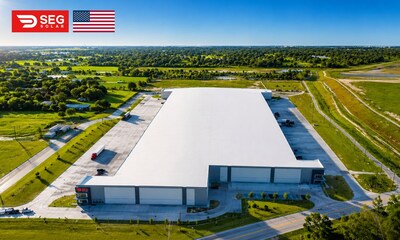
SEG Solar ("SEG"), a leading U.S. solar module manufacturer, announced that it will establish a new 4-gigawatt (GW) solar manufacturing facility in Houston, Texas. Building on the success of its first 2 GW solar module factory, this expansion will increase SEG's total annual U.S. module production capacity to approximately 6 GW. Commercial operations at the new facility are expected to commence in Q3 2026.
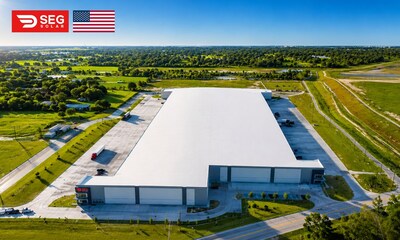
The new facility includes nearly 500,000 square feet and represents an investment of over $200 million and the creation of up to 800 new jobs. This expansion is part of SEG's long-term localization strategy and will result in SEG becoming one of the largest 100% U.S.-owned module manufacturers. The domestically-produced modules will provide greater product quality, traceability and delivery speed to increase value for partners and customers.
"This new facility marks an important milestone for SEG," said Timothy Johnson, VP of Operations of SEG Solar. "It will further strengthen our U.S. manufacturing capabilities while supporting ongoing technology innovation. The plant is designed with the flexibility to integrate next-generation technologies, including HJT, as the industry evolves."
The announcement follows SEG's previously disclosed plan to develop a 5 GW ingot and wafer manufacturing facility in Indonesia, which is expected to begin construction in Q2 2026. Once completed, SEG will be positioned to deliver modules through a fully integrated supply chain spanning ingots, wafers and cells — an increasingly important capability in today's evolving policy and trade environment. SEG has been validated as a non-PFE for FEOC compliance purposes by multiple independent third parties and currently provides modules with non-PFE solar cells.
SEG Solar | https://www.segsolar.com/
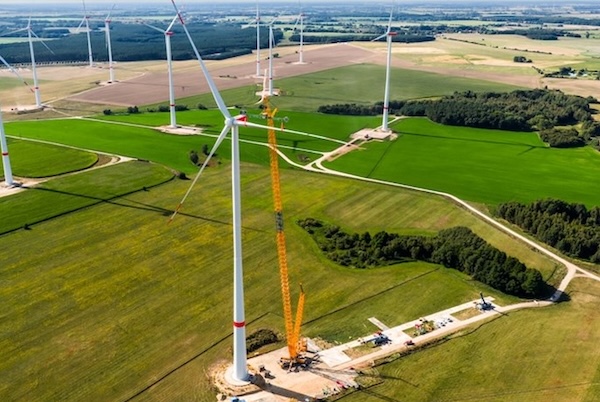
German energy park developer UKA has sold Vietlübbe wind farm, the third transaction of its kind this year. The wind farm located in the German state of Mecklenburg-Western Pomerania comprises 14 state-of-the-art wind turbines with a total rated capacity of around 80 megawatts. The turbines went into full operation in November 2025.
Stefan Kath, COO of the Operations Division at UKA: "We are delighted that we could complete our third successful transaction in 2026 with the sale of our Vietlübbe wind farm. This demonstrates that UKA has the expertise and delivery capability to complete large-scale projects to a high quality standard, even in times of challenging markets."
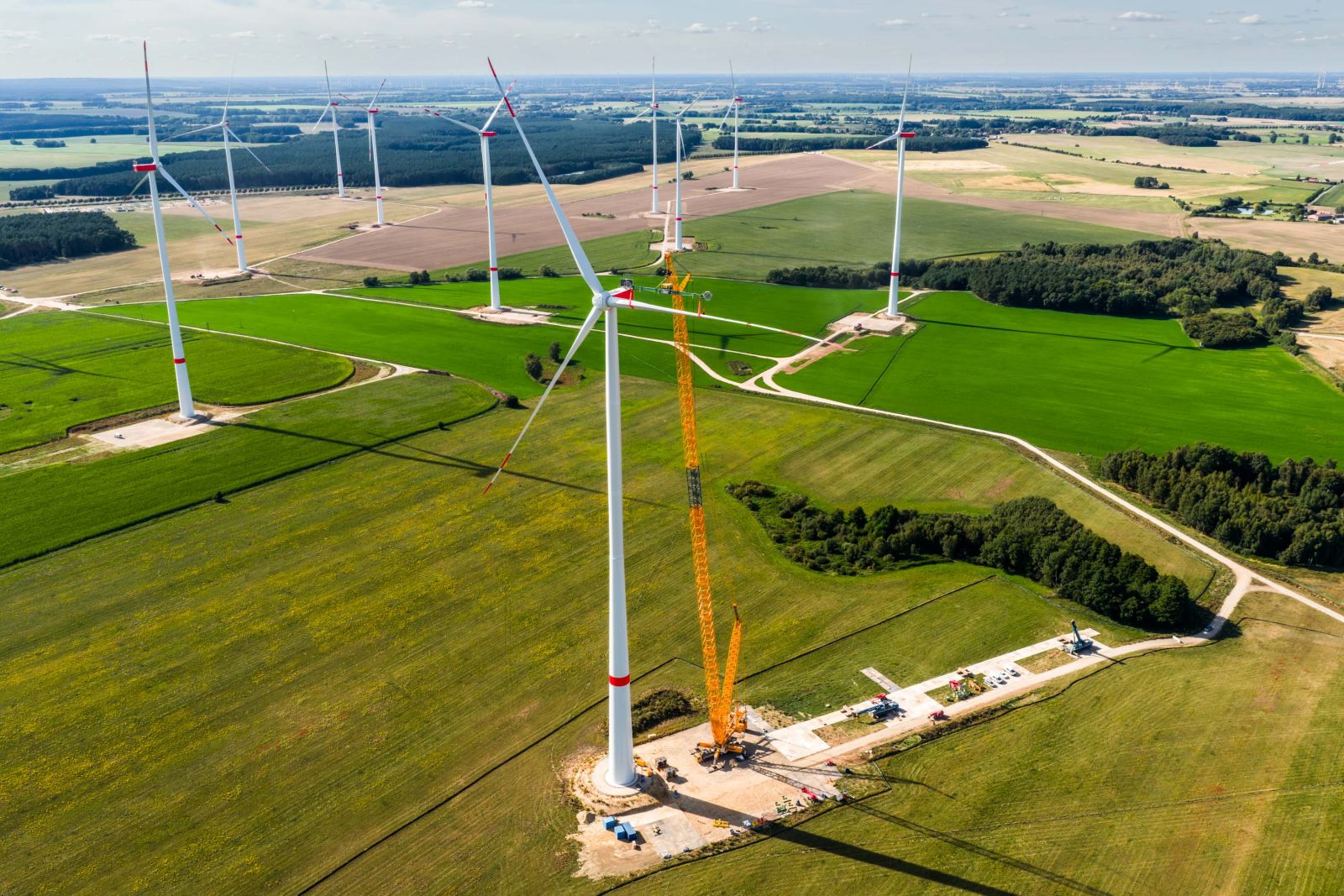
The wind farms already sold this year were the Görzig and Niederasphe projects with around 20 and 28 megawatts total rated capacity respectively. Altogether, the three wind farms sold this year can supply the equivalent of over 100,000 three-person households with secure and clean energy.
Call for Bids: Opportunity for Interested Parties
Currently, the UKA Group has wind projects with a total capacity of 1.6 GW under construction. A further six turnkey wind projects with a total of about 326 megawatts of rated capacity are for sale in a tender in Germany. They are currently either under construction or are being prepared for construction and will be commissioned at the beginning of 2027 at the latest. Interested parties can email the company at [email protected] to receive more information about this process.
With over 25 years of experience, over 80 wind farm projects completed and a global project pipeline of around 19 gigawatts, UKA is one of the leading project developers for renewable energy in Germany. As a full-service provider, UKA plans, builds, operates and sells wind and photovoltaic parks, thus helping shape a future power supply that is that is climate friendly and keeps electricity generation costs low.
UKA | www.uka-group.com
Myers Emergency & Power Systems, a U.S.-based leader in intelligent power infrastructure solutions, announced that its EnerShed 2.0 Battery Energy Storage System (BESS) has successfully passed the UL 9540A Large-Scale Fire Test 6th Edition conducted by CSA Group, a leading Nationally Recognized Testing Laboratory with a strong presence in the BESS industry. Myers is the first company to achieve this milestone in North America, working with CSA Group for compliance testing to the newly published 6th Edition of the UL 9540A standard, marking a significant step forward in the commercialization of EnerShed 2.0 and reinforcing the company’s market leadership in safety and regulatory compliance.
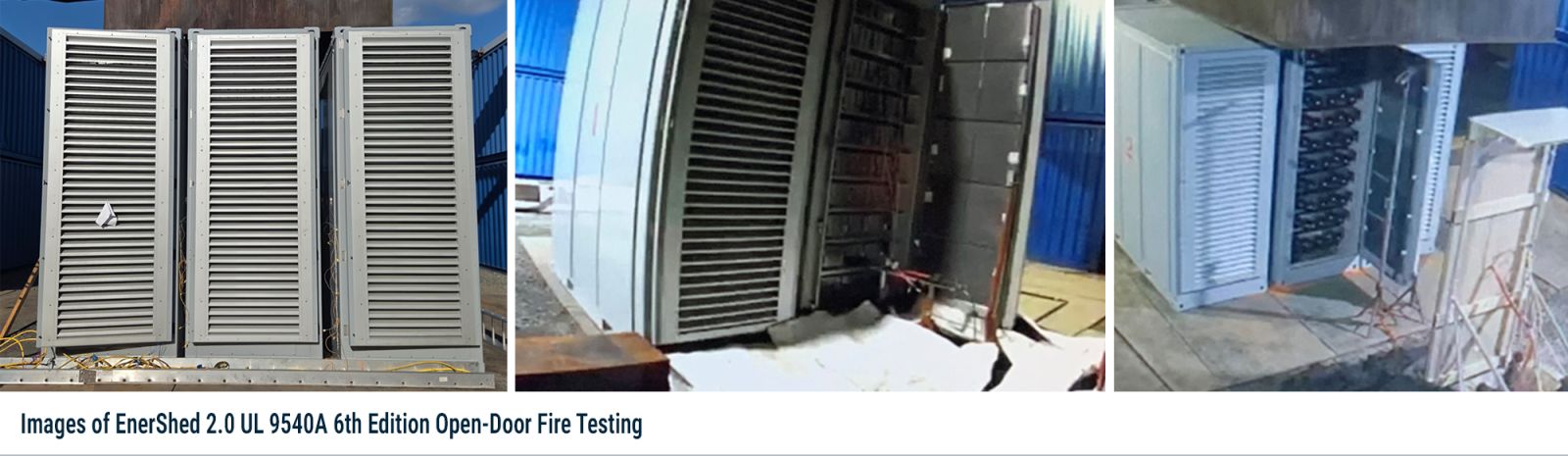
“At Myers, safety is not a checkbox. It is a core engineering principle that shapes every product decision we make,” said Troy Renken, Chief Product Officer of Myers. “Successfully completing the UL 9540A 6th Edition Large-Scale Fire Test reflects our commitment to designing systems that customers and communities can trust, while also staying ahead of evolving codes and standards. Being the first in our industry to achieve this milestone cements Myers’ position as an emerging market leader in the BESS category.”
Published in March 2026, the UL 9540A 6th Edition introduces the most substantial updates to the standard in years, including formal integration of LSFT testing into the certification framework. Manufacturers must now demonstrate that a thermal runaway event in one unit will not propagate to adjacent units under defined conditions. To support transparency and validation, Myers completed this testing at Safe Laboratories under the observation of CSA Group and independent subject matter experts, including Atar Fire, a leading fire protection engineering firm with nearly two decades of experience.
“As BESS safety standards continue to evolve, large-scale fire testing under UL 9540A, 6th Edition is critical to demonstrating system compliance under real-world fire conditions,” says Dana Parmenter, Commercial Vice President, Industrial, CSA Group. “To support these requirements, CSA Group has invested in specialized capabilities and technical expertise to deliver rigorous, high-precision large-scale fire testing. Working with Myers, CSA Group supported and observed this testing, helping generate system-level fire performance data for the EnerShed 2.0 system to support safety validation and the evaluation of fire propagation risk.”
Rigorous Testing, Proven Results
EnerShed 2.0 underwent testing in extremely demanding, real-world conditions with unit spacing at a mere two inches apart. Its innovative air-cooled architecture, passive barriers, and open module design required a more robust test scenario than conventional liquid-cooled systems—and it passed. Results showed no fire propagation in adjacent enclosures, the most stringent outcome defined by the standard. These results validate the system’s compliance with fire safety performance obligations under extreme conditions.
“Large-scale fire testing represents the highest level of system safety validation in the battery energy storage industry,” said Nicholas Bartlett, P.E., Senior Fire Protection Engineer at Atar Fire. “EnerShed 2.0’s unique design required a demanding test protocol intended to simulate worst-case scenarios. Myers’ decision to conduct open-door testing under these extreme conditions reflects a strong commitment to both transparency and safety at the highest levels, and we recognize their successful completion of testing under the 6th Edition standard.”
Advancing Market Readiness
Passing the UL 9540A 6th Edition LSFT represents a key milestone in EnerShed 2.0’s path to market. As authorities having jurisdiction (AHJs), insurers, and developers increasingly rely on large-scale fire test data for permitting and deployment, this achievement supports project readiness and streamlines approval processes—giving Myers’ customers, partners, and project stakeholders the confidence they need to move forward.
Myers’ leadership in achieving this first-of-its-kind certification underscores the company’s commitment to engineering excellence, regulatory compliance, and the responsible commercialization of next-generation BESS technology.
To learn more about EnerShed 2.0, visit: bess.myerseps.com.
Myers Emergency & Power Systems | www.myerseps.com
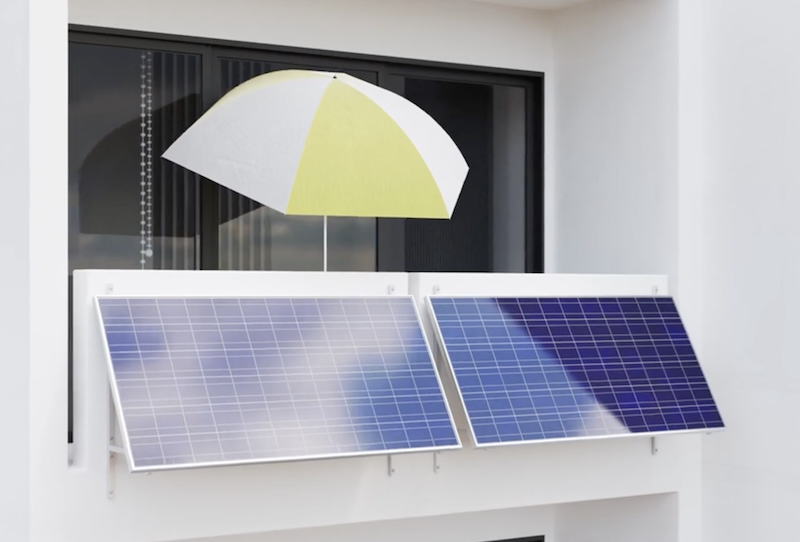
Colorado lawmakers have passed HB26-1007, a plug-in solar bill to help expand access to solar and energy bill savings across the state. The landmark legislation eliminates barriers to plug-in solar, making it easier for more households—even those without rooftop access— to adopt affordable solar systems and reduce their energy bills.
Vote Solar, a nonprofit organization working to advance state-level policies to expand access to solar, was a key player in advancing the plug-in solar legislation in Colorado. With the passage of this bill, plug-in solar will help more communities participate in the clean energy transition, creating stronger local economies, cleaner air, less dependence on utilities, and more affordable energy bills for everyone.
“Plug-in solar represents a powerful opportunity to democratize energy: making it affordable, accessible, and practical for all communities, regardless of rooftop stability and homeownership,” said Sachu Constantine, Vote Solar’s Executive Director.
As households across the country are bracing for an increase in their summer electricity bills, plug-in solar helps more families access the cost savings that solar provides by allowing easy installation of portable systems on their porches, balconies, or windows. The bill also prevents HOAs and landlords from unreasonably restricting the installation of plug-in solar panels. This win for Coloradans builds on national momentum toward a more sustainable, affordable energy system, with over 20 other states considering similar bills.
“With plug-in solar now approved, Colorado is opening the door to a more inclusive energy future—one where anyone can benefit from, and contribute to, a future powered by the sun,” said Chauntille Roberts, Vote Solar’s West Regional Director. “We’re grateful legislators have taken this important step to make solar more accessible to all.”
“Colorado is setting an example for the nation. With the right policies in place, families can gain greater control over their energy costs, communities can benefit from stronger local economies and cleaner air, and we can reduce the dependence on expensive utility power,” said Constantine.
Vote Solar | votesolar.org
Alternative Energies May 05, 2026
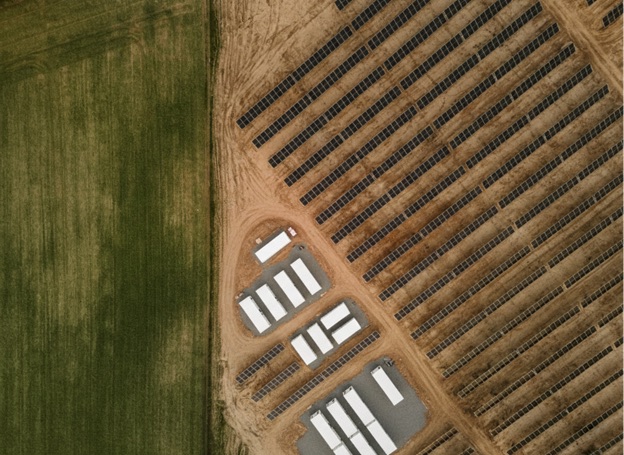
The bond between solar energy and storage is undergoing a profound transformation. What started as a supplemental technology to reduce renewable energy intermittency is now becoming a defining prerequisite to how solar projects are financed, built, a....


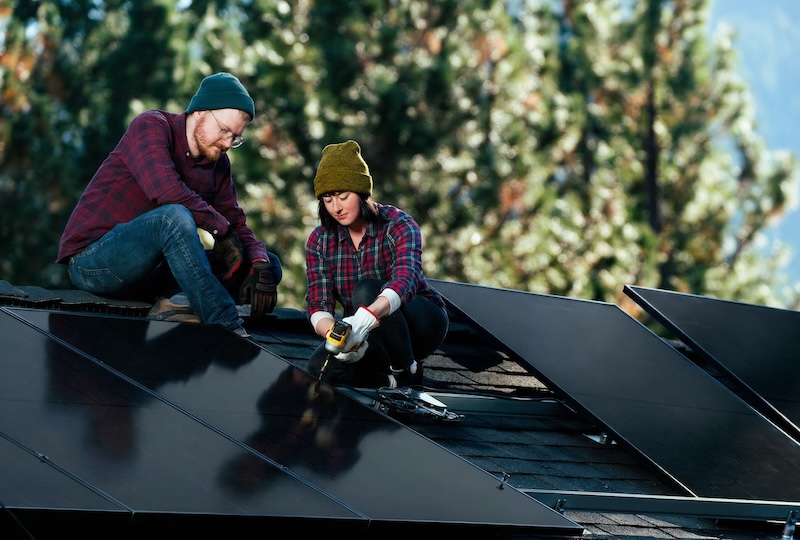
As the residential solar landscape adapts to the abrupt termination of 25D, and rapidly rising energy prices are putting pressure on consumers, more homeowners are turning to DIY solar for an affordable solution that helps to cut costs. Contrary to p....
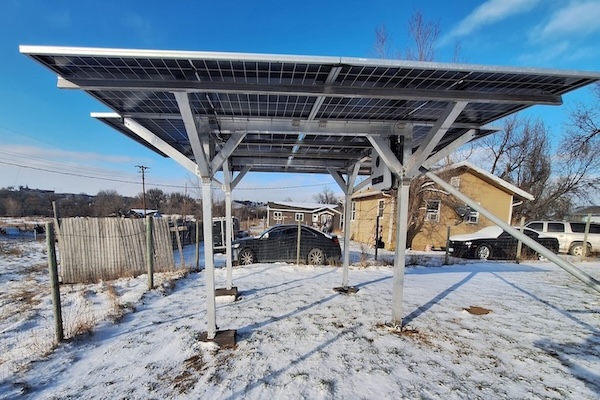
In an historic first, the Oglala Lakota Nation on South Dakota’s Pine Ridge Reservation has become the national vanguard of a new solar frontier: high-power, plug-in solar appliances. Led by Chief Henry Red Cloud and John Red Cloud at Red Cloud Ren....
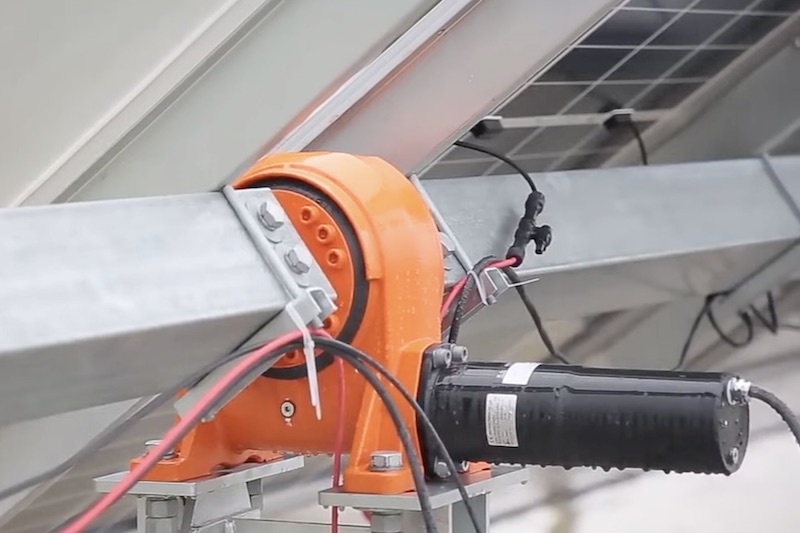
In the early 2000s, as utility-scale solar installations began to ramp up, solar trackers became an invaluable tool in the race for greater efficiency and economic viability. Now they are a standard feature in utility-scale solar farms worldwide. Cur....

.gif?r=1253)
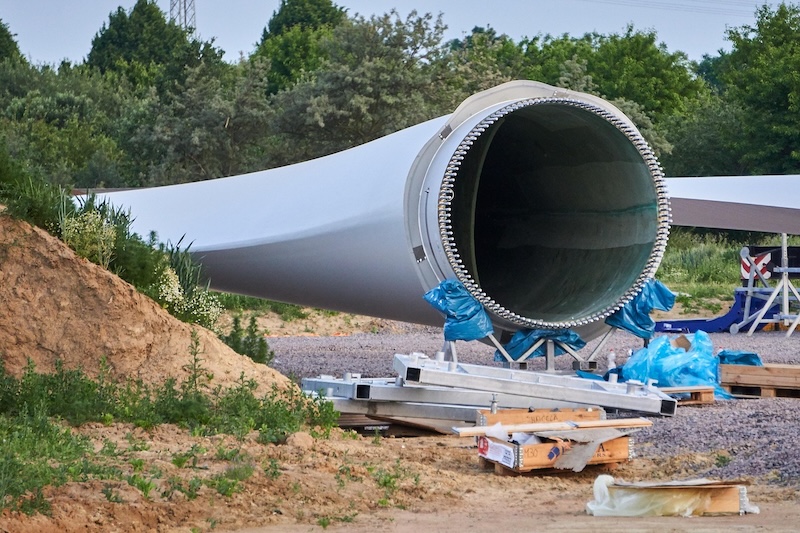
Wind energy turbines have become one of ....

The American wind industry has reached a....
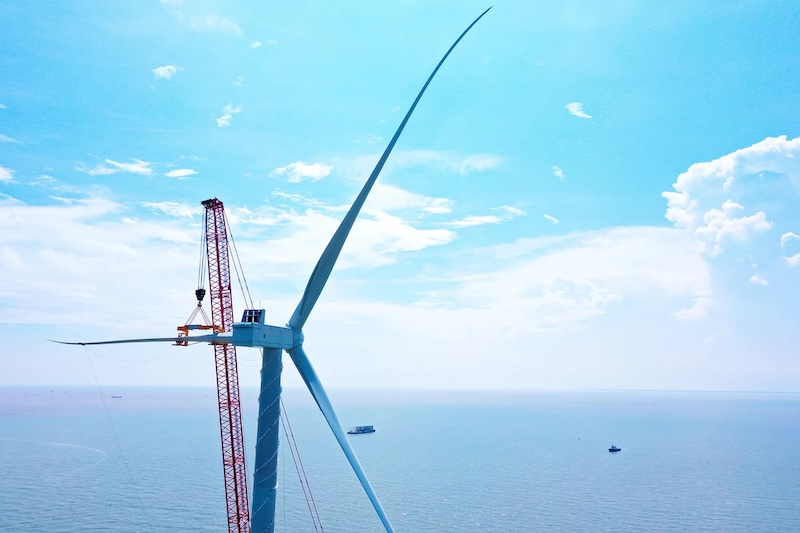
The U.S. offshore wind sector has been g....

Electric vehicle (EV) charging and vehicle‑to‑grid (V2G) technology are turning millions of vehicles and chargers into a virtual power plant. This rapidly growing machine‑to‑machine (M2M) network is now becoming critical grid infrastructure t....
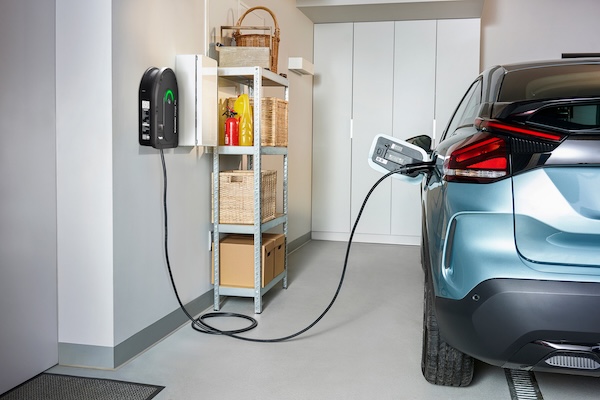
As more consumers consider electric vehicles (EVs), professionals have a critical role in helping homeowners understand what it truly means to be ready for home charging. Since U.S. EV credits expired in the fall of 2025, the conversation around EV a....
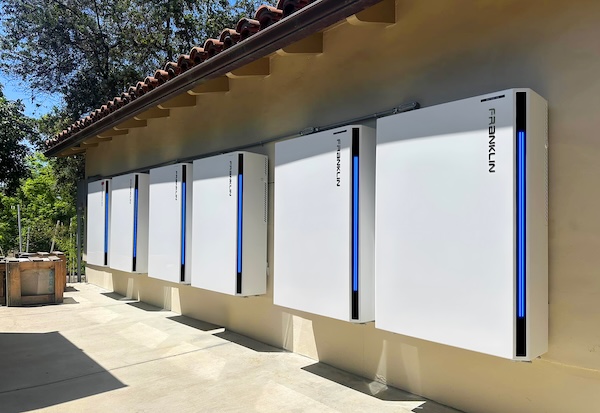
On sweltering summer evenings, with millions of A/C units running simultaneously, grid stress rises fast, heightening the risk of outages. Increasingly today, the solution to those rolling blackouts is not bigger power plants: the humble home battery....


The bond between solar energy and storage is undergoing a profound transformation. What started as a supplemental technology to reduce renewable energy intermittency is now becoming a defining prerequisite to how solar projects are financed, built, a....
When a complex, entrenched system faces immense strain, it can either generate the capacity for transformational change or distort in unproductive ways. The North American power grid is experiencing exactly this tension. After years of relative stasi....
Digital substations are a key component in the ongoing digital transformation of electric power systems. While this modernization brings unprecedented efficiency and visibility improvements, it also opens the door for potential cybersecurity issues. ....