





How to Educate Your Customers on Prepping for EV at Home


As more consumers consider electric vehicles (EVs), professionals have a critical role in helping homeowners understand what it truly means to be ready for home charging. Since U.S. EV credits expired in the fall of 2025, the conversation around EV affordability is changing. That means that consumers are thinking more carefully about the total cost of EV ownership. For those who are eager to switch to an EV despite the incentives ending, this is the moment when professionals can help consumers avoid one of the most common surprises: many homes are not prepared to support an EV charger without first upgrading the electrical panel.
With the electrical panel at the core of the home energy system, before homeowners consider chargers, cables, or charging speeds, they need to understand whether their existing infrastructure can handle the additional demand.
At the same time, EV charging is arriving alongside a broader change in home energy use. Research shows that households are adding more high-demand electric appliances such as heat pumps, induction ranges, and electric water heaters — all in addition to EV chargers. Many are trying to place these loads on infrastructure that was never designed for them. This means professionals need to guide homeowners through decisions that balance immediate needs with long-term electrification.
Below are the key points that professionals should emphasize when educating customers about EV readiness.

Step 1: Help them determine what amp service they have today
Most homes in the U.S. operate with either 100-amp or 200-amp service. Homes built before 1985 are far more likely to be 100-amp. That might have been enough for the load profile of the 1980s (when homes more frequently heated with oil, cooked with gas, and had only a handful of large loads) but that is not what an electrified life looks like now.
Homeowners have more electronics than ever, and if they add a Level 2 charger to support their EV, the panel may no longer be able to power the house safely.
Step 2: Teach consumers that capacity is more than amps
Even if an existing service could accommodate the new load, the bigger question is whether the panel can manage the load intelligently, not just supply it. This means an EV charger might wait until the heat pump cycles down or the laundry machine finishes, rather than stacking multiple high-draw loads all at once. A panel upgrade isn’t always mandatory if intelligent scheduling and coordination can sometimes avoid or delay it.
Even more importantly, the next generation of home energy systems depends on the digital intelligence built into the panel and charger, not just the physical amperage. With a software-defined approach, the panel can actively coordinate loads, shifting EV charging to the right moment and preventing multiple high-draw appliances from running at once. This software-defined approach helps homeowners get more from the existing infrastructure while preparing the home for future electrification.
This is important because it reframes the panel conversation from a binary yes/no into an optimization question: What is the most cost-efficient way to get a home EV-ready and future-ready?
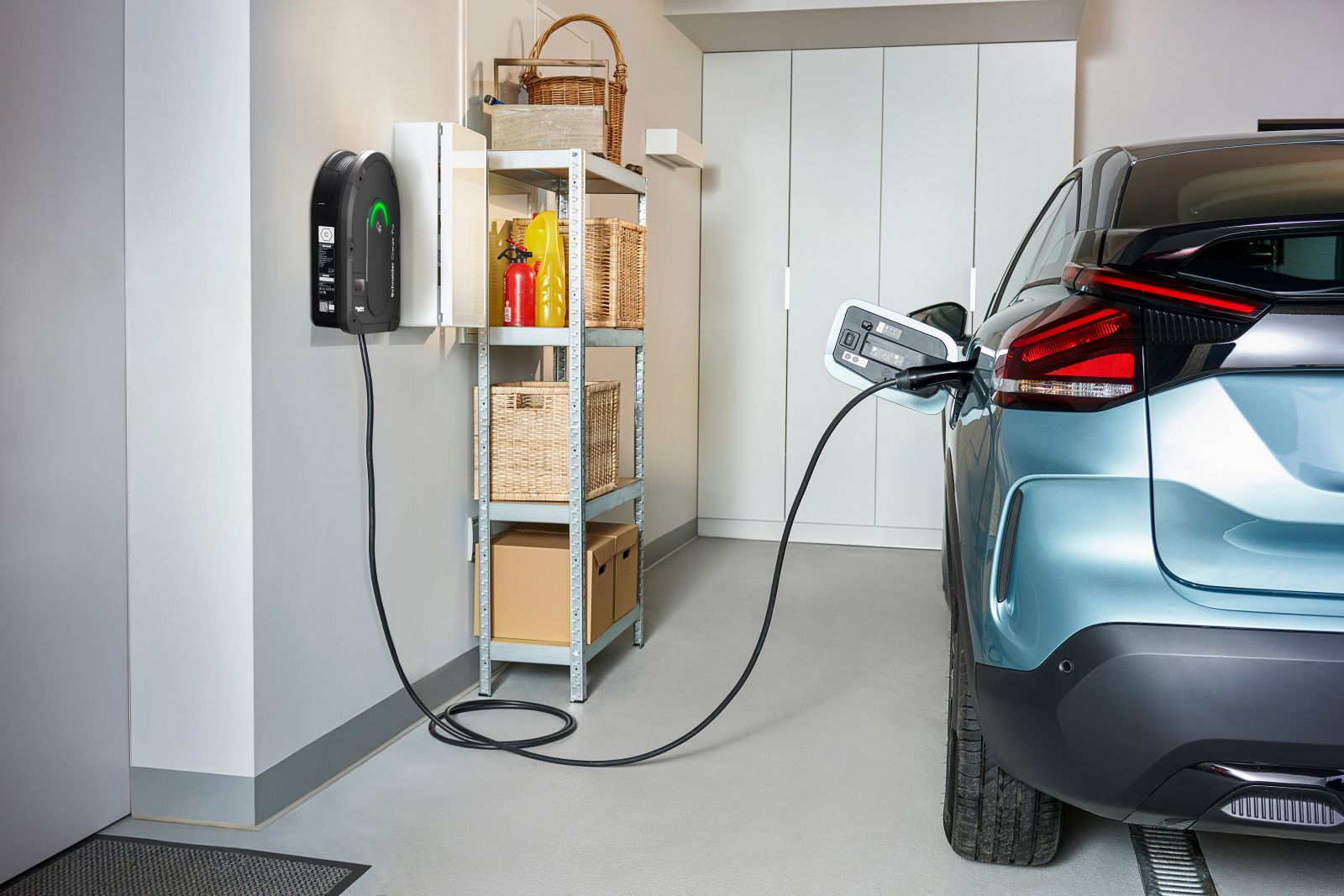
Step 3: Highlight the broader benefits of upgrading
A consumer may see a panel upgrade as just another cost tied to buying an EV, but it’s more helpful to view it as an upgrade to the home itself. Professionals can guide homeowners to understand that a modernized panel improves safety, increases resale value, makes future appliance electrification easier, provides transparency into major loads, and gives the homeowner greater control and flexibility. The EV may be the trigger, but the panel is the backbone.
Owning an EV also opens homeowners’ eyes to the broader potential of electrification. Once they experience the convenience and long-term financial benefits of home charging, they’re more likely to consider electrifying heating, hot water, cooking, and other significant loads. That first electric upgrade often leads to the next, which is why homeowners shouldn’t treat the charger as a single-use case. When they upgrade the panel, they should think beyond the immediate need and consider whether their home can support additional electrical appliances in the future without being constrained by outdated infrastructure.
Why this matters for the future of home electrification
The shift from fossil fuels to electric isn’t just about choosing a new vehicle; it’s about ensuring the home is ready to support that choice. The most critical EV decision rarely happens at the dealership. It occurs at the service panel in the basement or garage.
The EV may spark the transition, but the panel determines what’s possible. When professionals help homeowners understand this connection, they give them the confidence to make informed decisions that lead to a safer, more resilient, and future-ready home.
Scott Harden is SVP, Chief Technology Officer – Connected Offers/Home Solutions at Schneider Electric. As part of Schneider Electric's global Energy Management business, responsible for defining and leading the technology roadmap for all software applications and systems supporting the residential New Energy Landscape portfolio. Scott oversees innovation, research, and development initiatives across multiple global competency centers, collaborating with cross-functional teams to drive strategic objectives for Home & Distribution solutions worldwide.
He joined Schneider Electric from Microsoft in March 2022 where he was the CTO, Worldwide Energy & Sustainability. The global role was responsible for Microsoft's technology vision for Energy & Sustainability by providing thought leadership on trends, competition, alliances, solutions, as well as long-term growth plans for Microsoft in top industry accounts. In addition to his work at Schneider Electric, Harden serves on the board of directors for the Smart Electric Power Alliance. He lives in Boston, Massachusetts and is a graduate of the University of Oklahoma where he received a degree in Architecture and Engineering.
Schneider Electric | www.se.com
Author: Scott Harden
Volume: 2026 January/February