




Keeping Solar Accessible Without Going It Alone: DIY training and support


As the residential solar landscape adapts to the abrupt termination of 25D, and rapidly rising energy prices are putting pressure on consumers, more homeowners are turning to DIY solar for an affordable solution that helps to cut costs. Contrary to popular belief, homeowners have been successfully installing their own solar systems since the 1970s — today, it’s easier and more supported than ever. What was once a fringe pursuit has grown into a billion-dollar market within the DIY space, expanding year over year as more people seek cost-effective, self-reliant alternatives to rising energy costs and expensive national turnkey installers.
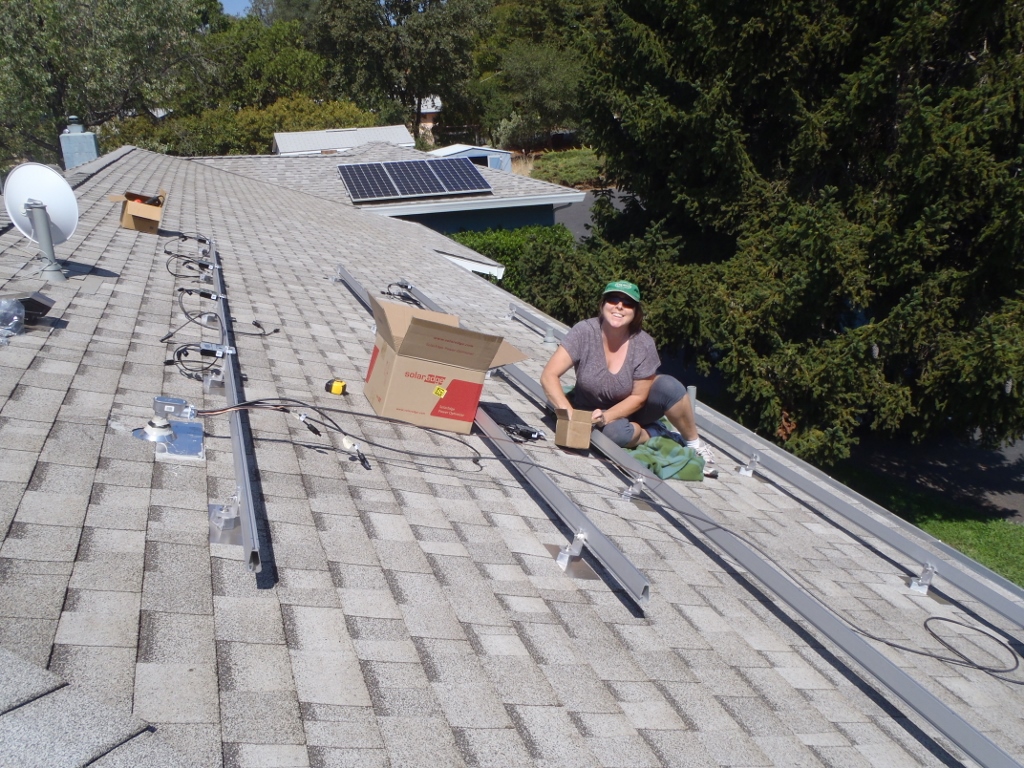
While DIY solar may sound intimidating, it does not have to mean being completely alone. DIY solar exists on a spectrum. Some homeowners buy a kit and hire a local installer. Others handle the physical installation themselves, but lean on experts for design, permitting, or interconnection. While still others handle the entire process independently. What matters most is that guidance, expert services, and training are available when needed. Today’s DIY solar ecosystem is built around supported projects where homeowners stay in control without being left to guess their way through complex technical or regulatory steps. There are three critical phases during which DIY solar homeowners should lean on support services and available training to make sure their solar installation is a success.
- Design: The foundation of a successful DIY system
An intelligent PV system design sets the stage for success, and this is where many DIY efforts either succeed smoothly or run into problems later. The first step in the design stage is understanding energy usage by reviewing at least 12 months of electric bills to capture seasonal swings and avoid sizing a system based on a misleading annual average. Just as important as looking to the past to understand energy usage, is looking towards the future. For instance, will an EV, heat pump, hot tub, or workshop be added? Are the kids going to move out? These changes can dramatically impact energy demand; designing for the future can prevent over or under sizing a PV system.
Site conditions matter just as much as design. Roof age, layout, orientation, and shading all impact system size and performance. South-facing roofs are ideal, but east- and west-facing arrays can also work well with the right expectations. Electrical service details such as panel capacity, breaker space, and service rating, also influence how a system can be interconnected. With all of these factors, it can be worthwhile to work with an expert to validate design and perform energy modeling.
One of the most common DIY mistakes is relying on quick online calculators that ignore shading or assume generic conditions. Better design tools, including publicly available production models, provide more realistic estimates and help homeowners understand tradeoffs between system size, cost, and output. Even for hands-on DIYers, having a design reviewed or created by an expert can prevent product compatibility issues, improve performance, and ensure the system is built with UL-listed, commonly accepted equipment.
- Permitting and interconnection: Where process matters most
Permitting and utility interconnection can be the most intimidating parts of DIY solar, but they do not have to be. The key is addressing them early and concurrently with design. Local authorities having jurisdiction (AHJs) typically provide permit checklists and inspection requirements that provide a clear roadmap for what will be reviewed. Automated permitting pathways are becoming more common. In jurisdictions that support them, streamlined programs can issue permits faster for eligible residential systems by running automated code checks.
Still, having an expert create or review plan sets, single-line diagrams (SLDs), labeling, and utility interconnection paperwork can save a ton of time and prevent last-minute surprises. This is an area where attention to detail pays off, as small errors can lead to repeated resubmissions and weeks of lost time. Whether you’re going it completely alone or getting expert guidance, it is important to keep timelines in mind in order to avoid delays as utilities often have delays for interconnection approval.
A frequent pitfall at this stage is ordering non-returnable equipment before permits are approved. If an AHJ or utility requires a design change, homeowners can be stuck with unusable equipment. DIY models that provide expert support and training services reduce this risk by keeping designs flexible during the permitting phase and revising plans when needed.
- Installation and troubleshooting: Hands-on, with a safety net
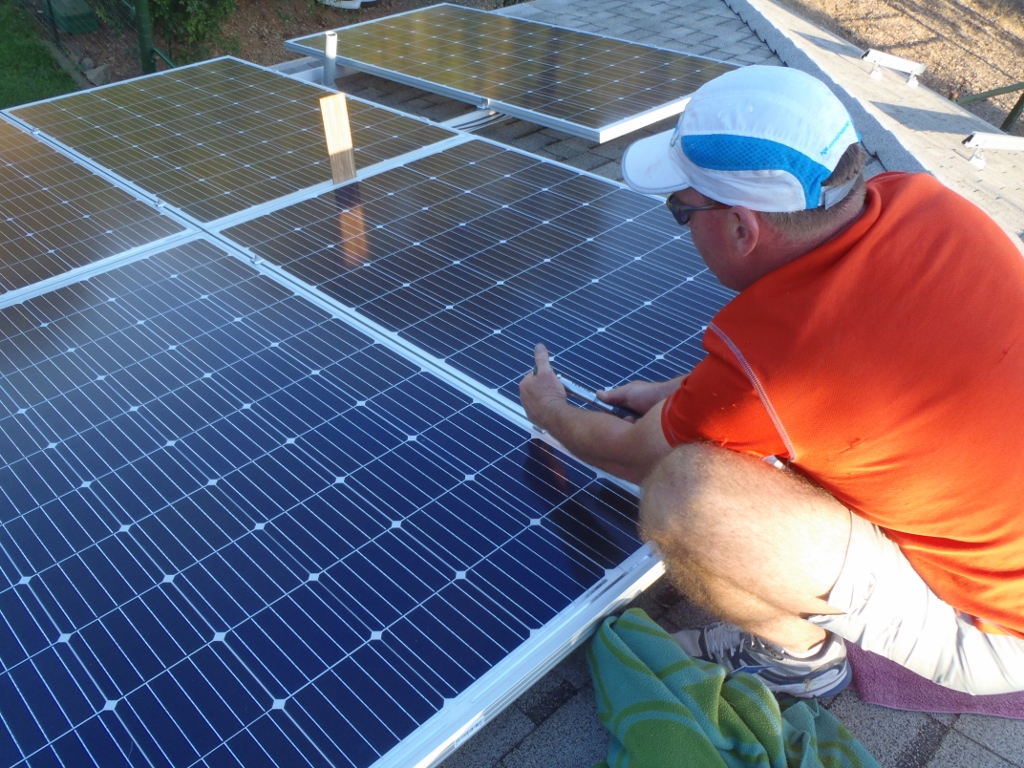
For many homeowners, the most approachable and enjoyable part of DIY solar is the physical installation. Mounting racking, attaching modules, and managing wiring are largely mechanical tasks that can be handled with common tools by people who are comfortable working on a roof. Modern residential PV systems are designed to be installer-friendly, with plug-and-play connectors and clear instructions.
That said, safety and sequencing matter. Roof safety, weather conditions, and proper use of fall protection should always come first. Electrical work deserves extra caution, especially at points where conductors are terminated or service equipment is involved. That’s why many successful DIY projects follow a hybrid approach in which the homeowner handles the roof and assembly work, while a licensed electrician completes the service panel tie-in, disconnecting means, battery integration, and final verification.
Clear documentation, a complete bill of materials, and access to troubleshooting support make a big difference during the installation phase. That’s why buying a complete kit from one source, versus piecemealing a project together, can lead to a more successful DIY project. When questions arise on topics about rapid shutdown requirements, labeling, or commissioning steps, having someone to call can turn a stressful moment into a quick fix.
Knowing what to do yourself — and when to get help
In a post-25D environment, keeping solar accessible is all about flexibility. Homeowners do not have to choose between fully turnkey systems and going it alone. The most successful DIY projects treat solar as a supported build, not a solo experiment. By picking the right level of DIY and knowing when to lean on guidance, training, and professional support, solar can remain both affordable and achievable for a wide range of households.
 Deep Patel is the founder and CEO of Gigawatt Inc., the parent company of Unbound Solar and Real Goods. Unbound Solar has provided DIY solar kits and expert support for over 19 years, serving homeowners, contractors, and professionals. Real Goods, established in 1978, is a legacy brand in the solar industry known for reliable solar and energy storage products. Through these brands, Deep is focused on expanding access to clean energy by combining education, high-quality components, and a customer-first approach.
Gigawatt Inc. | www.gigawattinc.com
Author: Deep Patel
Volume: 2026 March/April