


Southern California offers exceptional solar resources, but the same dry conditions that support photovoltaic (PV) generation create a persistent operational challenge: soiling. Dust and airborne particles accumulate on PV modules, reducing the sunlight reaching the cells and lowering energy production. At utility scale, the solution is not as simple as cleaning more frequently. Cleaning hundreds of thousands of modules requires labor, equipme....
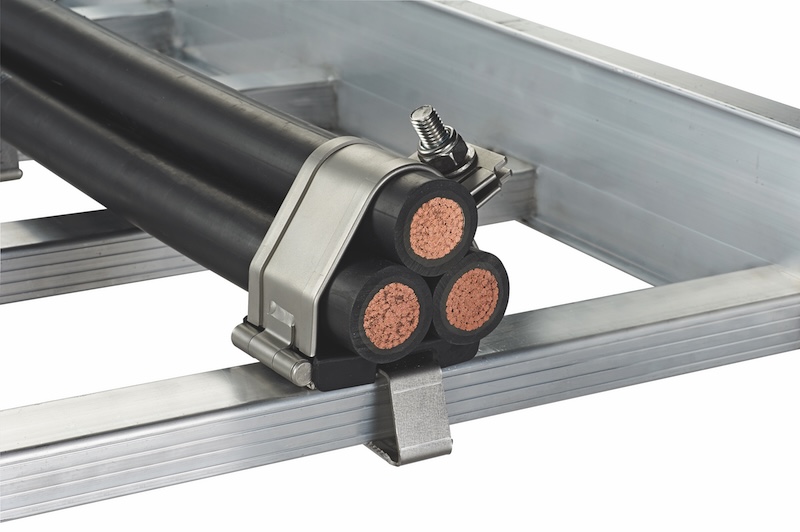
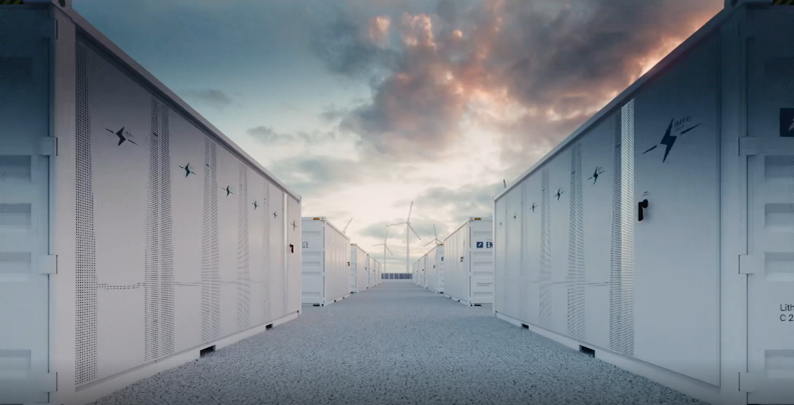
Fire risk tops the headlines, but short circuit events may be the more immediate threat on your next project. Battery energy storage systems (BESS) are having a moment. After years of promise, the technology has reached an inflection point thanks to plummeting costs, utility-scale deployments, and continuing federal support. BESS has earned its reputation as the sector to watch by solving difficult grid problems. But momentum has a way of o....
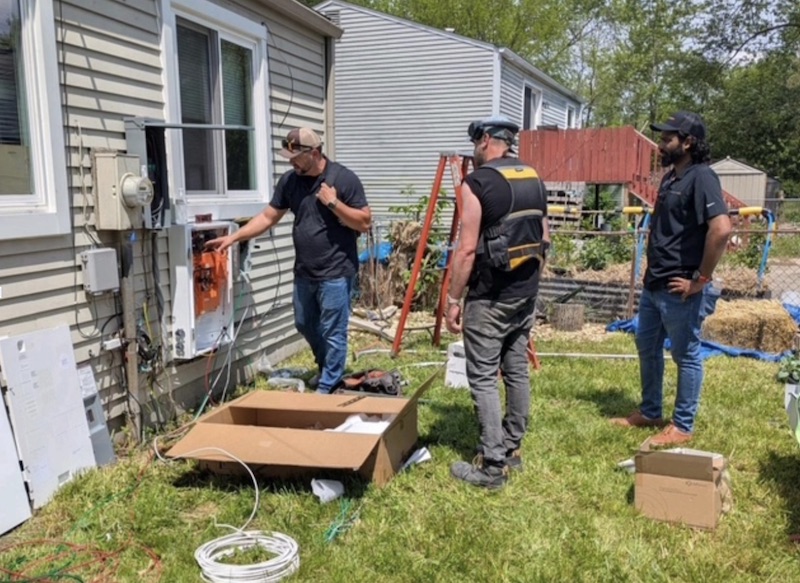
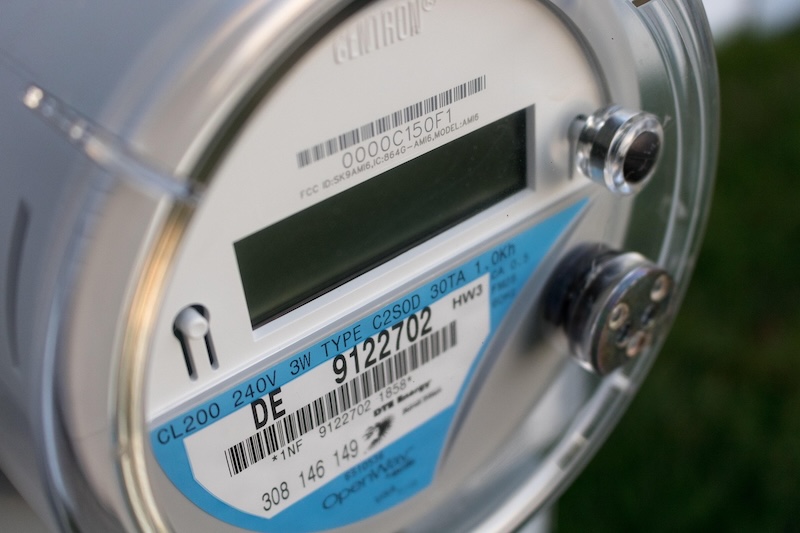
In the North American power market, Demand Response (DR) is no longer confined to large industrial facilities turning off heavy machinery during peak hours. Driven by FERC Order 2222 and the rapid deployment of distributed energy resources (DERs), behind-the-meter C&I solar and Battery Energy Storage Systems (BESS) are increasingly relied upon to provide active grid support. Modern utility programs and Virtual Power Plants (VPPs) require C....
While not the world oldest profession, the reuse of products is a close second, dating back to when a caveman picked up a spear after his partner was eaten by a lion. Today, it is estimated that 45 percent of industries depend on it. Some examples are the auto industry relying on scrapyards for parts, heavy construction equipment, HVAC systems in buildings, utilities, plumbing, marine, military, aviation, and telecommunications — all rely on....
Energy Storage
Schaltbau North America
Energy Storage
Gary Lam
Energy Storage
Sequoya Cross
Driivz, a Vontier company and leading global software supplier to EV charging operators and service providers, announced its integration with WEX, a global leader in intelligent payment solutions. The agreement will provide a seamless billing experience for electric fleets using WEX payments at Driivz-managed chargers globally.
EV fleet operators worldwide use the Driivz smart charging and energy management platform to improve operational efficiency and provide a consistent charging experience. Driivz also provides robust billing capabilities and transparent reporting for EV fleet operations, ensuring public charging sessions are billed directly to the fleet operators and home charging sessions for take-home fleet assets are reimbursable.
This collaboration will further enhance the EV fleet charging experience for drivers, enabling any driver using the WEX DriverDash mobile app or the WEX RFID card to charge on a public charging port managed by the Driivz platform.
“Driivz has a legacy of providing reliability, efficiency and scalability in EV charging management for EV fleet operators. The partnership with WEX further expands on our commitment to provide a positive experience across all of our charging destinations,” said Shiri Levi-Laor, CEO at Driivz. “Maintaining a best-in-class experience at the charging port will continue to drive EV adoption and support ambitious fleet electrification goals.”
The Open Charge Point Interface (OCPI) certified integration of WEX payments to the Driivz platform provides the standardized communication needed to access chargers across different charging networks without requiring multiple accounts. This interoperability will allow drivers and fleet managers to book charging at any WEX network location, ensuring timely, reliable charging for medium- to heavy-duty EV fleets.
“Fleet electrification is moving beyond the early-adopter stage, and operators need solutions that can scale with the demands of their businesses,” said Sarah Booth, senior director, EV and Connected Fleet at WEX. “By connecting WEX’s fleet payment capabilities with Driivz’s charging platform, we’re helping fleet operators bring EV charging into their broader fleet management strategy with greater confidence and control.”
WEX and Driivz completed their first integration at an electrifying hub in California, serving large, medium and heavy-duty operations.
To learn more about Driivz and the platform’s capabilities for electric fleets, visit www.driivz.com/solutions/ev-fleets/.
Driivz | https://driivz.com/
WEX | www.wexinc.com

Schneider Electric, a global energy technology leader, announced the Canadian launch of Schneider Charge, a residential Level 2 electric vehicle (EV) charger designed to make home charging simpler, smarter and more accessible for Canadian households. Its standout feature, SmartAmp dynamic load management, automatically adjusts charging output to a home’s available electrical capacity, helping many homeowners add a Level 2 charger without the cost and complexity of an electrical panel or service upgrade which can cost up to $9,000 or even higher in some cases based on geographical location and upgrade scope.
With close to one million plug-in vehicles already on Canadian roads and federal incentives drawing more drivers toward electric, home charging has become central to the EV ownership experience. Charging at home offers convenience, lower running costs and daily readiness, yet uncertainty around installation and home readiness can slow adoption for many Canadians. Schneider Charge is built to remove that barrier.
“Canadians shouldn’t have to choose between charging at home and taking on an expensive electrical upgrade,” said David O’Reilly, Vice President, Home & Commercial Solutions Division, Schneider Electric Canada. “With SmartAmp built in, Schneider Charge works within a home’s existing electrical capacity, allowing more people to plug in with confidence and enjoy the convenience and daily readiness that make EV ownership easier.”
Charging that works within the home you already have
At the heart of Schneider Charge is SmartAmp, built-in load management that monitors a home’s electrical use in real time and dynamically adjusts charging speed, so the system stays within the panel’s capacity. Because monitoring is built in using panel-installed current transformers, included with the system, there is no need for additional energy-monitoring hardware, and load monitoring continues even without a Wi-Fi connection. The result is a faster, simpler installation and, in many homes, a Level 2 charger added without a costly panel or service upgrade.
Through the Schneider Charge app, drivers can build a smart charging schedule around time-of-use electricity rates, monitor charging sessions and prioritize charging when power is least expensive, helping to optimize home energy use and manage costs.
Built for Canadian driveways and Canadian winters
Schneider Charge delivers up to 11.5 kW/ 48A of Level 2 charging and is available in two connector options, NACS (J3400) and J1772, so it pairs with the EV in the driveway today and the one that may follow. Rated for both indoor and outdoor installation, it is built to perform in temperatures as low as -30°C, is ENERGY STAR certified and is backed by a three-year warranty
For electricians and contractors, Schneider Charge is engineered for an easier install. The eSetup app makes commissioning simple and repeatable to help reduce labour time on the job, and homeowners in Canada can be connected with certified installation through Schneider Electric’s partnership with the Qmerit installer network.
Schneider Charge is available for purchase via electrical distributors and online portals of key major retailers, with in-store availability at major retailers across Canada to follow later this year. For more information visit Schneider Charge: Level 2 home EV charger | Schneider Electric Canada.
Schneider Electric | www.se.com

ELECTRA AI ("ELECTRA"), the AI Brain for Batteries platform, and Iron Horse Acquisition II Corp. (Nasdaq: IRHO) ("Iron Horse") announced that ELECTRA has entered into a technical collaboration with MinTech, a Korea-based specialist in battery diagnostic equipment and testing technology, to advance AI-powered analysis and risk prediction for battery energy storage systems (BESS).
Grid-scale storage is only as trustworthy as the ability to see inside it. A single undetected fault in a BESS can cascade into downtime, lost revenue, or safety risk — and today most operators only learn of a problem once it has already surfaced. This collaboration is built to change that: to turn raw operational data into foresight.
Under the project, MinTech is feeding operational data from its battery diagnostic and inspection equipment into ELECTRA's Battery Fleet Analytics solution, delivered on a SaaS basis through the AI Brain for Batteries platform. There, ELECTRA's AI models transform that data into real-time state diagnosis, deep analytics, and — most critically — risk prediction, flagging emerging issues before they become failures.
The result pairs two complementary strengths: MinTech's expertise in the battery diagnostics and inspection layer with ELECTRA's intelligence layer. Together, they give BESS operators earlier, clearer visibility into battery health, moving the industry from reacting to failure toward preventing it.
"MinTech brings deep expertise at the diagnostics layer, and ELECTRA brings the intelligence layer that turns operational data into predictive insight," said Fabrizio Martini, CEO and Co-Founder of ELECTRA AI.
Both companies expect to continue exploring future cooperation across battery diagnostics, AI-based battery analytics, and battery risk prediction.
ELECTRA AI | https://www.electrabrain.ai/investors/
Iron Horse Acquisition II Corp. | www.ironhorseacquisitions.com
MinTech | https://www.g-MinTech.co.kr

Tandem PV, a leader in perovskite-silicon tandem solar technology, announced it has been selected for the U.S. Department of Energy’s Advanced Research Projects Agency-Energy (ARPA-E) SCALEUP Ready program. The selection represents approximately $7.7M in funding to accelerate the commercial scale-up and U.S. manufacturing of Tandem PV’s next-generation solar technology.
Tandem PV’s project, “Tandems for American National Dominance in Energy Manufacturing (TANDEM),” will advance the company’s high-efficiency tandem solar panels toward large-scale commercial production. By combining an ultra-thin perovskite layer with conventional silicon, Tandem PV’s technology is designed to generate significantly more power from the same panel footprint, which improves solar economics while strengthening domestic energy manufacturing.
"Being selected by ARPA-E for SCALEUP Ready is a strong validation of our technology, our team and our path to scale," said Scott Wharton, CEO of Tandem PV. "The Department of Energy has backed Tandem PV since our earliest days, and we're grateful for that continued support. This project will help us move faster toward high-volume U.S. manufacturing at a time when America needs more affordable, reliable power."
ARPA-E’s SCALEUP Ready program is designed to accelerate promising energy technologies toward market adoption and commercial deployment. Tandem PV’s selection builds on years of technology development and advances the company’s goal of delivering high-performance, domestically manufactured solar panels at commercial scale.
Tandem PV | https://www.tandempv.com/
38 Degrees North (“38DN”), a community solar and distributed renewables platform, and EIG, a leading institutional investor in the global energy and infrastructure sectors, announced the closing of a new debt facility that will strengthen 38DN’s ongoing acquisition of projects, advance late-stage developments, and support the continued growth of its portfolio.
Demand for community solar and distributed energy solutions is surging, as AI-driven load growth, aging grid infrastructure, and extreme weather drive electricity costs higher. 38DN’s decentralized systems ease grid strain, deliver direct savings opportunities to customers, and build localized resilience.
The financing will advance 38DN’s pipeline of development and near-term acquisitions, with the ability to expand as new opportunities arise. In July 2025, the company announced an equity investment from Climate Adaptive Infrastructure (CAI), Kimmeridge and existing investor, S2G Investments. The new debt facility from EIG brings the company’s total growth capital raised to more than $300 million to date.
“This investment strengthens our ability to execute on our large development-stage and construction-ready portfolio, as well as new opportunities we are evaluating. As with our equity investors, EIG is a partner we will grow with as the market opportunity presents,” said Ryan Bennett, Partner at 38DN. “EIG is a highly experienced and thoughtful investor. Their confidence in our business is a meaningful validation of the platform we have built, our execution capabilities, our stability as a middle-market independent power producer, and where we are headed.”
"We are pleased to partner with 38 Degrees North, a highly regarded developer and asset aggregator with significant experience in distributed solar," said Shalin Parikh, Head of Energy Transition, Americas at EIG. "This transaction reflects EIG's continued commitment to supporting experienced management teams and investing in energy transition infrastructure needed to meet today’s electricity demands. We believe 38 Degrees North has built a differentiated platform and is well positioned for continued growth, and we look forward to supporting the company as it advances its development pipeline."
This transaction is consistent with EIG's strategy of providing flexible capital solutions to established energy transition platforms and infrastructure businesses.
38 Degrees North | https://www.38degreesn.com/
EIG | www.eigpartners.com

Lightstar Renewables, under its subsidiary NJ Solar 2000 LLC, has been selected for 8 conditional awards in the first solicitation of New Jersey's Dual-Use Solar Energy Pilot Program. Lightstar was one of only three developers to receive conditional awards in this competitive inaugural solicitation. The awards total approximately 27.3 megawatts (MW) of planned dual-use solar capacity across Monmouth, Salem, Warren, and Cumberland counties, placing Lightstar among the very first developers chosen in this landmark state program.
The Pilot Program, administered by the New Jersey Board of Public Utilities (NJBPU) under the Dual-Use Solar Energy Act of 2021, is designed to demonstrate that clean energy generation and active farming can share the same land. In its inaugural solicitation, the NJBPU conditionally approved 16 projects statewide, representing 52.06 MW of solar generation capacity.
"Being named one of only three developers selected in New Jersey's inaugural dual-use program reflects both the strength of our approach and the trust that farmers, communities, and regulators place in Lightstar," said Kelly Buchanan, Senior Manager, Policy Strategy at Lightstar. "These are conditional approvals, which is exactly where we expect to be at this stage. We have cleared an important milestone, and we are committed to meeting every program requirement and working closely with landowners and state partners as these projects advance. Our focus is simple: keep farmland productive, give farmers a reliable second stream of income, and add clean power to the grid."
A Landmark Program for New Jersey Agriculture
The Dual-Use Solar Energy Pilot Program pairs solar generation with working farmland, allowing landowners to continue agricultural or horticultural production while adding renewable energy to the state's grid. Across the program, approved projects combine solar with crops and livestock production including soybeans, hay, grains, vegetables, fruits, and grazing animals.
State leaders have framed the awards as a milestone for both agriculture and clean energy. As reported by CleanTechnica, New Jersey Senator Bob Smith said: "When we passed the Dual-Use Solar Energy Act, this is exactly the progress we hoped to see: New Jersey farmers producing food and clean power on the same acre of land. These 16 projects prove we don't have to choose between keeping farmland in active production and building the generation capacity our state needs - we can have both."
NJBPU President Ben Hertz-Shargel added: "This pilot dual-use program will enable us to support New Jersey farmers in making their operations more profitable while adding capacity to the grid. It ensures farmland remains in active agricultural or horticultural production while enhancing the value of established farming practices. Combining that with new clean electric supply for the grid represents a true win-win for the Garden State."
The program drew strong early interest, receiving 33 preliminary proposals totaling roughly 140 MW in its first solicitation. Lessons from the pilot will inform how New Jersey establishes a permanent agrivoltaics program, with total deployment potentially reaching 200 MW over the next three years.
The Road Ahead
Lightstar emphasizes that these are conditional approvals and an important early milestone in a multi-stage state program. The awards depend on completing regulatory filings, coordinating with the New Jersey Department of Environmental Protection, and meeting program requirements over a 36-month development window.
"We would rather under-promise and over-deliver," said Buchanan. "It is early in the process, so we are not putting dates on construction or operations yet. What we can say confidently is that we are committed to seeing these projects through each step, and we will keep our farming partners and communities informed as they progress."
Lightstar | https://www.lightstar.com

Kempower, a leading provider of DC fast-charging solutions for electric vehicles, has released a new white paper analyzing real-world data from Kempower ChargEye-connected public charging sites across North America. The findings show that charging plug count has a significantly stronger relationship with site utilization than total installed charging power. Kempower ChargEye is Kempower’s cloud-based EV charging management software, designed to help operators manage and optimize charging infrastructure and operations.
The white paper examines how charging site design can influence utilization, energy delivered and long-term site economics. Kempower’s ChargEye data shows that the number of charging plugs has about three times more impact on site utilization than installed charging power.
“Public charging is increasingly becoming an infrastructure utilization challenge, not simply a power deployment challenge,” said Jed Routh, Vice President, Markets & Products North America at Kempower. “Our ChargEye data shows that giving more vehicles access to charging and dynamically distributing available power can help operators get more from their charging infrastructure.”
The analysis also found that on an average EV charging sites using distributed charging achieved 83% higher utilization than fixed-power charging dispenser deployments across the North American ChargEye-connected public sites analyzed. Kempower’s distributed charging architecture dynamically shares available power between multiple charging points based on real-time vehicle demand.
Download the full white paper, to explore the complete North American data and analysis.
Kempower | kempower.com

Solar Aug 21, 2026
Southern California offers exceptional solar resources, but the same dry conditions that support photovoltaic (PV) generation create a persistent operational challenge: soiling. Dust and airborne particles accumulate on PV modules, reducing the sunli....

Southern California offers exceptional solar resources, but the same dry conditions that support photovoltaic (PV) generation create a persistent operational challenge: soiling. Dust and airborne particles accumulate on PV modules, reducing the sunli....
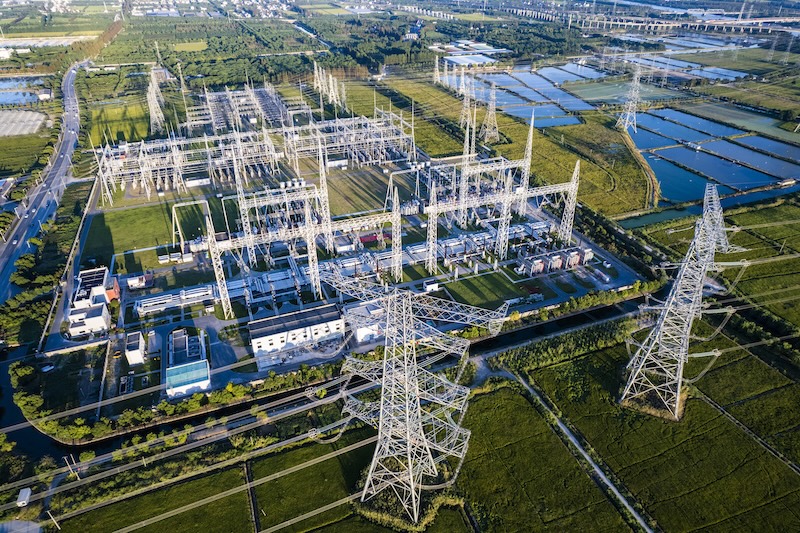
Energy systems are undergoing rapid transformation, reshaping how power is generated, delivered, and used across the economy. The growth of renewable energy is introducing new variability to the grid, while electrification is expanding across the sec....
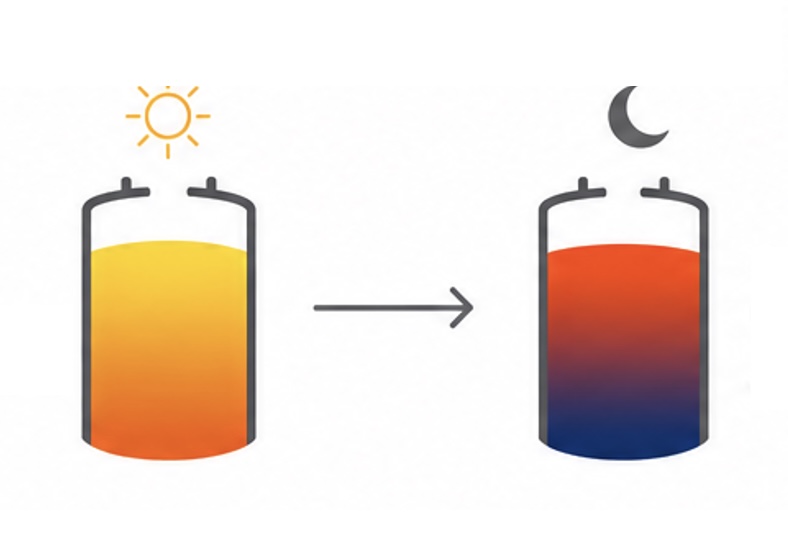
Electric demand growth is outpacing infrastructure readiness. Across North America, utilities are simultaneously facing the rapid expansion of electric vehicle charging, large-scale data center development, electrified HVAC adoption, manufacturing re....
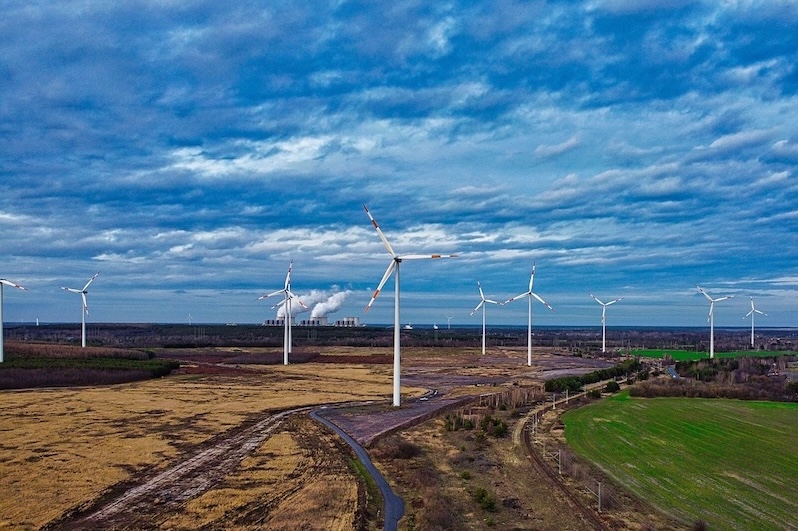
Texas leads the United States in install....
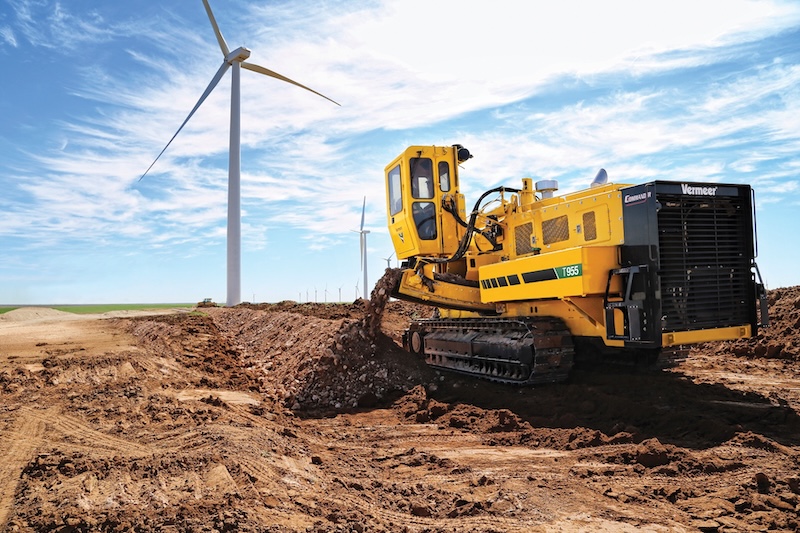
Data centers — driven by rapid AI adop....
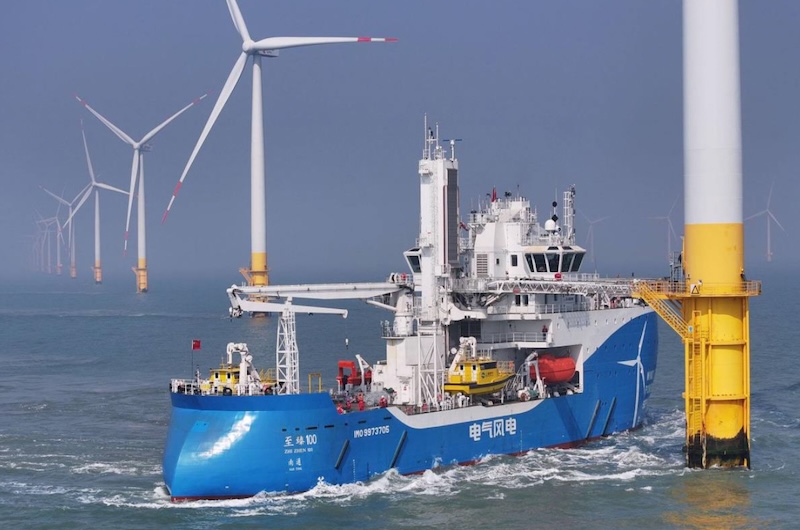
The offshore wind industry is scaling fa....
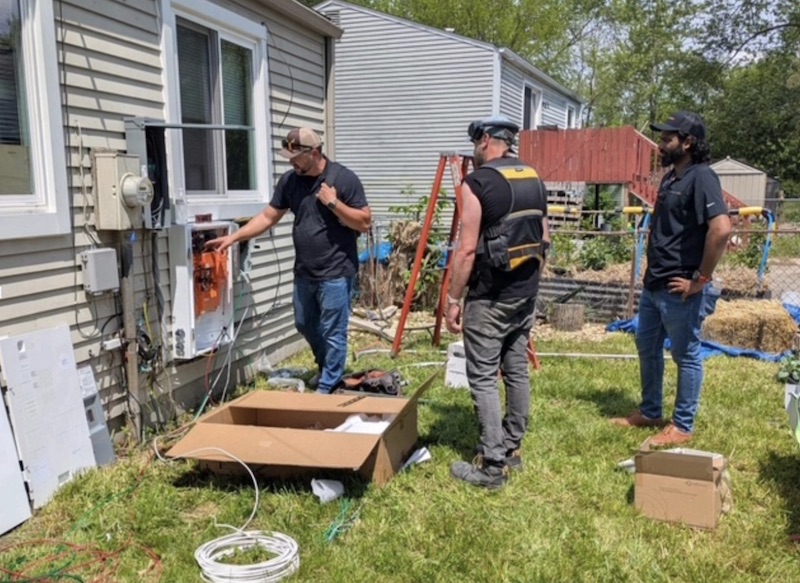
The American electric grid was designed around a principle that made sense for its time: generate power far away, move it long distances, and deliver it to homes and businesses that had no role in the system beyond paying the bill. For more than a ce....
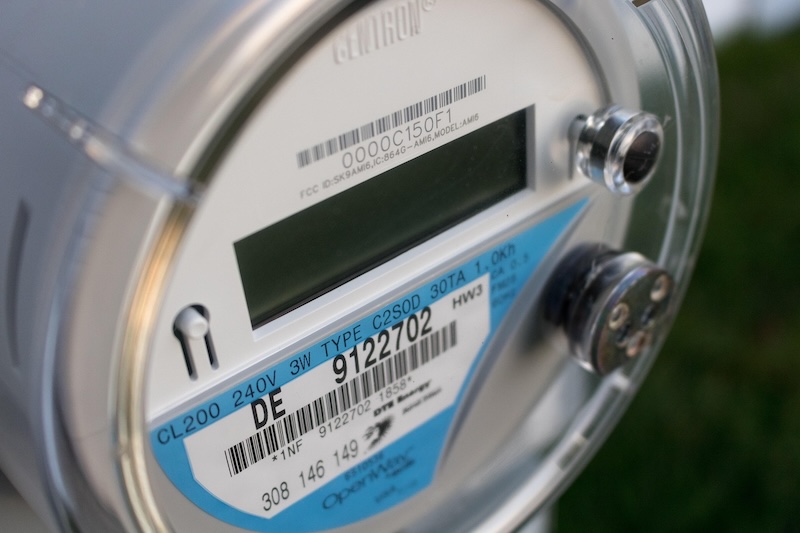
Over the years, utilities have had a complicated relationship with renewable energy. As homeowners and businesses adopt energy sources like solar and battery storage for self-generated power, the impact on utilities may be reduced revenue and oversup....

While not the world oldest profession, the reuse of products is a close second, dating back to when a caveman picked up a spear after his partner was eaten by a lion. Today, it is estimated that 45 percent of industries depend on it. Some examples....
Every industrial revolution comes with its own infrastructure, which must scale rapidly in order to fuel the innovation and associated disruption that comes in its wake. Data centers are the factories of the AI revolution, and their rapid growth — ....
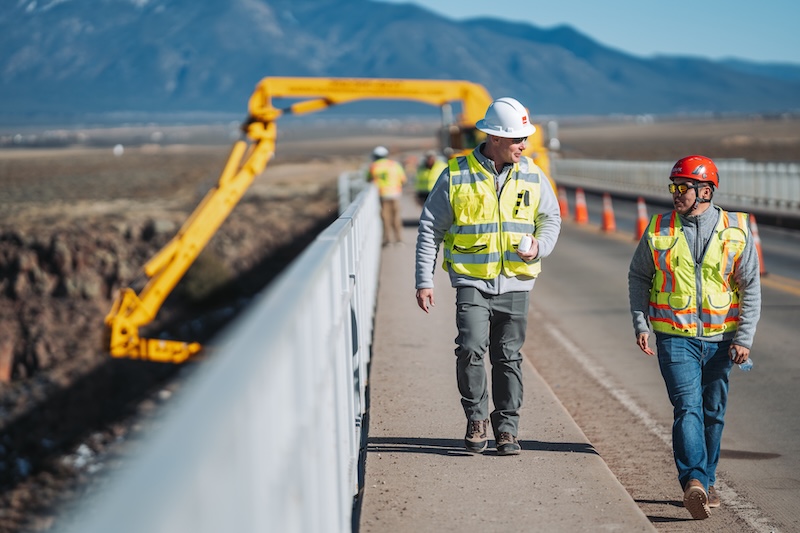
Environmental review and permitting requirements are changing faster than many infrastructure projects can adapt. Utilities, independent power producers, and commercial developers now operate in a more complex environment shaped by shifting federal p....
From extreme ice in the Midwest to the high winds in the Southeast, extreme weather is becoming more frequent and consequential for utilities and the communities they impact. For decades, choosing a conductor often centered on ampacity, cost, and sta....