



.jpg?r=6816)
Battery energy storage is a critical technology to reducing our dependence on fossil fuels and build a low carbon future. Renewable energy generation is fundamentally different from traditional fossil fuel energy generation in that energy cannot be produced on demand. Coal can be burned whenever power is needed—wind and solar energy rely on the wind blowing and the sun shining. Solar energy presents a particular problem in that it cannot be pro....

As technological advancements occur through new developments in the offshore wind energy industry, there will be times where these large projects may impact the cultural heritage of humanity's past in our waters. Federal, State, and Tribal government agencies in the United States have regulations in place to protect archaeological cultural resources within and outside their territorial boundaries. The success of offshore projects relies on buildi....
The growth and rapid evolution of the offshore wind industry and the introduction of new, US Jones Act-compliant offshore wind vessels mean that wind operations may involve the use of Jones Act seamen, maritime employees, and other non-maritime employees. Such workers variously fall under the purview of the Jones Act, the Longshore and Harbor Workers’ Compensation Act (LHWCA), and other laws that determine their rights and remedies in cases of ....

Identifying trees, grasslands, and wetlands on landscape-scale project sites has never been simple or clear-cut. Aerial photos are subject to divergent interpretations. Field surveys incur higher costs from hours spent documenting and mapping observations, and datasets such as the National Land Cover Database can be too coarse to capture nuances in the terrain. While landscapes change constantly, regulatory officials request informati....
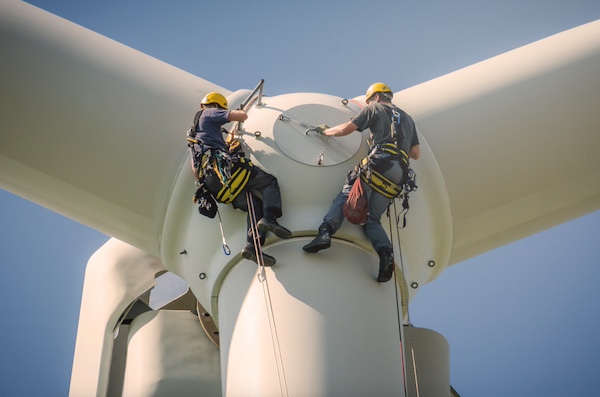

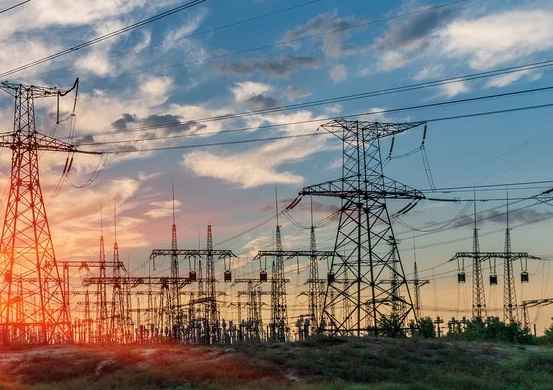
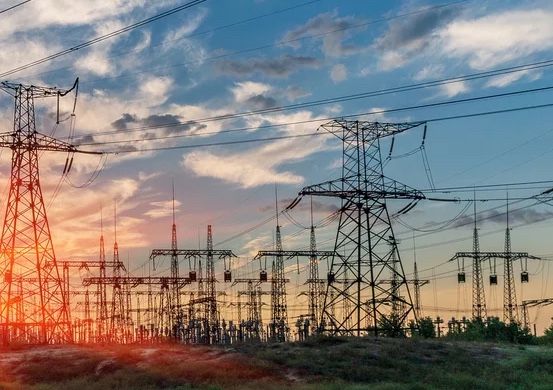
The American Clean Power Association (ACP) released the following statement from CEO Jason Grumet after the White House and the U.S. Department of Energy announced several new measures to deploy and expand high-voltage transmission:
“Today’s announcements reinforce the urgent need to expand and strengthen our nation’s electric grid. Our nation’s economic, security, and climate goals all hinge on the timely permitting, siting, and construction of large high-voltage transmission projects.
“As we work to build new transmission, we must also maximize the capacity and efficiency of the current grid. The American Clean Power Association applauds the White House’s goal of upgrading 100,000 miles of transmission lines with advanced conductors and grid-enhancing technologies.
“ACP looks forward to working with federal agencies and member companies to ensure that qualifying high-voltage, high-value projects can take full advantage of a more coordinated and efficient permitting process. It’s also essential that Congress builds upon these efforts with meaningful permitting reform that further improves the process for building high-impact transmission lines.”
ACP | cleanpower.org
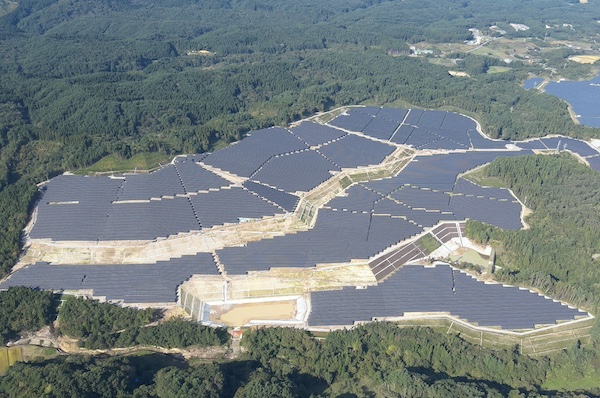
Enfinity Global Inc., a leader in renewable energy, has secured $195 million (¥29.2 billion) in long-term financing for a 70 MW solar power plant in Japan. Nomura Securities International Inc., a global financial institution, acted as initial lead arranger/sole bookrunner and Aozora Bank, one of the leading Japanese commercial banks, acted as lead arranger/agent.
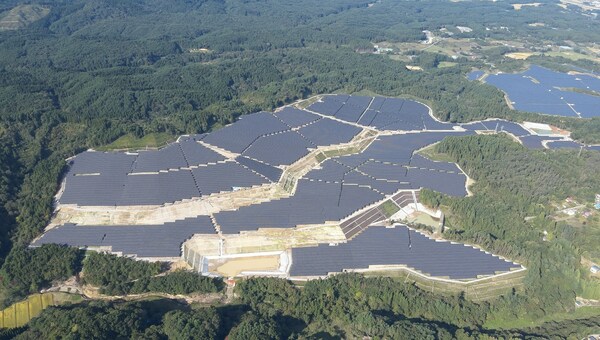
Located in Aomori Prefecture in northern Japan, this recently completed solar power plant is expected to produce more than 75 GWh of clean energy annually, enough to supply 11% of Aomori City's residential energy demand, or about 15,600 households, and offset 35,000 tons of CO2 emissions annually. The Aomori solar power plant stands out as a successful example of the effective utilization of bifacial solar panels in one of the world's snowiest cities.
This newly operational solar power plant is part of the 250 MW solar PV portfolio owned by Enfinity Global in Japan, where the company is positioned as one of the industry leaders.
"We are committed to supporting Japan's plan to become carbon neutral by 2050 by leveraging our global capabilities and being a long-term investor. We appreciate the confidence of our financing partners, Nomura and Aozora", said Carlos Domenech, CEO of Enfinity Global. "Japan is at an inflection point where clean energy has become a competitive necessity".
"Nomura is excited to provide a bespoke financing solution to support Enfinity Global in its goal of helping Japanreach carbon neutrality", said Vinod Mukani, Head of Nomura's Infrastructure and Power Business (IPB). "Nomura is delighted to support and provide liquidity to its clients, particularly those like Enfinity Global who have experienced and talented teams and an attractive business strategy which is contributing towards the transition to a clean energy economy."
"Aozora is pleased to have the opportunity to support Enfinity Global's solar projects in Japan", said Hiroki Nakazato, Managing Executive Officer, Head of Environment Business Group. "Aozora will continue to focus on financing that supports our customers' initiatives to develop renewable energy and the energy transition for a carbon-free economy."
Enfinity Global I https://enfinity.global/


The New York Power Authority (NYPA) received more than 85 responses to its recent Request for Qualifications (RFQ) to pre-qualify renewable development companies and investors that meet requirements to collaborate with NYPA on the development of renewable energy generating projects, including solar photovoltaic, wind, battery storage, green hydrogen, geothermal, and related transmission. The RFQ closed for submissions on April 19, more than a month after its release on March 12. NYPA will now evaluate the responses and select investors and developers it will pre-qualify to work with on renewable development initiatives.
NYPA President and CEO Justin E. Driscoll said, “NYPA is prepared to offer our experience and expertise to build renewables that will help advance the state’s bold climate goals; however, we are going to need qualified partners that are ready, willing and able to support our mission and help us achieve the state’s goals. We are pleased to see such a robust response to this Renewables RFQ and look forward to identifying and working with a stable of collaborators with diverse expertise to help us complete projects that will benefit all New Yorkers for decades to come.”
The RFQ sought information from renewable developers outlining their experience and qualifications, allowing NYPA to evaluate respondents for pre-qualification that will last up to five years. NYPA anticipates inviting the respondents identified from this RFQ to respond to future Requests for Proposals or other procurement offerings where there will be the opportunity to submit complete project proposals, including terms and costs. A robust response to an earlier NYPA Request for Information, as well as discussions with stakeholders, including those consulted in NYPA’s first annual conferral process completed late last year, helped inform this RFQ development.
NYPA expects to inform respondents on whether they have been pre-qualified for collaborations with NYPA by the end of May.
The Power Authority’s positive impact on New York’s carbon footprint dates to the 1950s and 1960s when it constructed the state’s largest hydroelectric power plants in Niagara and Massena. Over decades of innovation—from modernized generation and transmission to renewable energy and clean transportation—NYPA is now well-positioned to help the state move into the next era of renewable energy production and realize its bold clean energy goals.
The 2023-24 Enacted State Budget provided NYPA with enhanced authority to plan, design, develop, finance, construct, own, operate, maintain and improve renewable energy generation and storage projects—either alone or in collaboration with other entities—to help support the state's renewable energy goals in the Climate Leadership and Community Protection Act, maintain an adequate and reliable supply of electric power and energy in the state, and support the new REACH program, which will enable low-income and moderate-income electricity customers to receive bill credits through the production of renewable energy by NYPA. NYPA will publish its first biennial strategic plan for renewable energy development in January 2025.
NYPA | www.nypa.gov
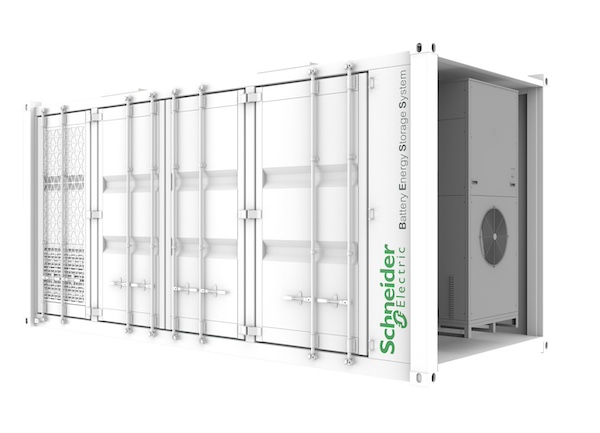
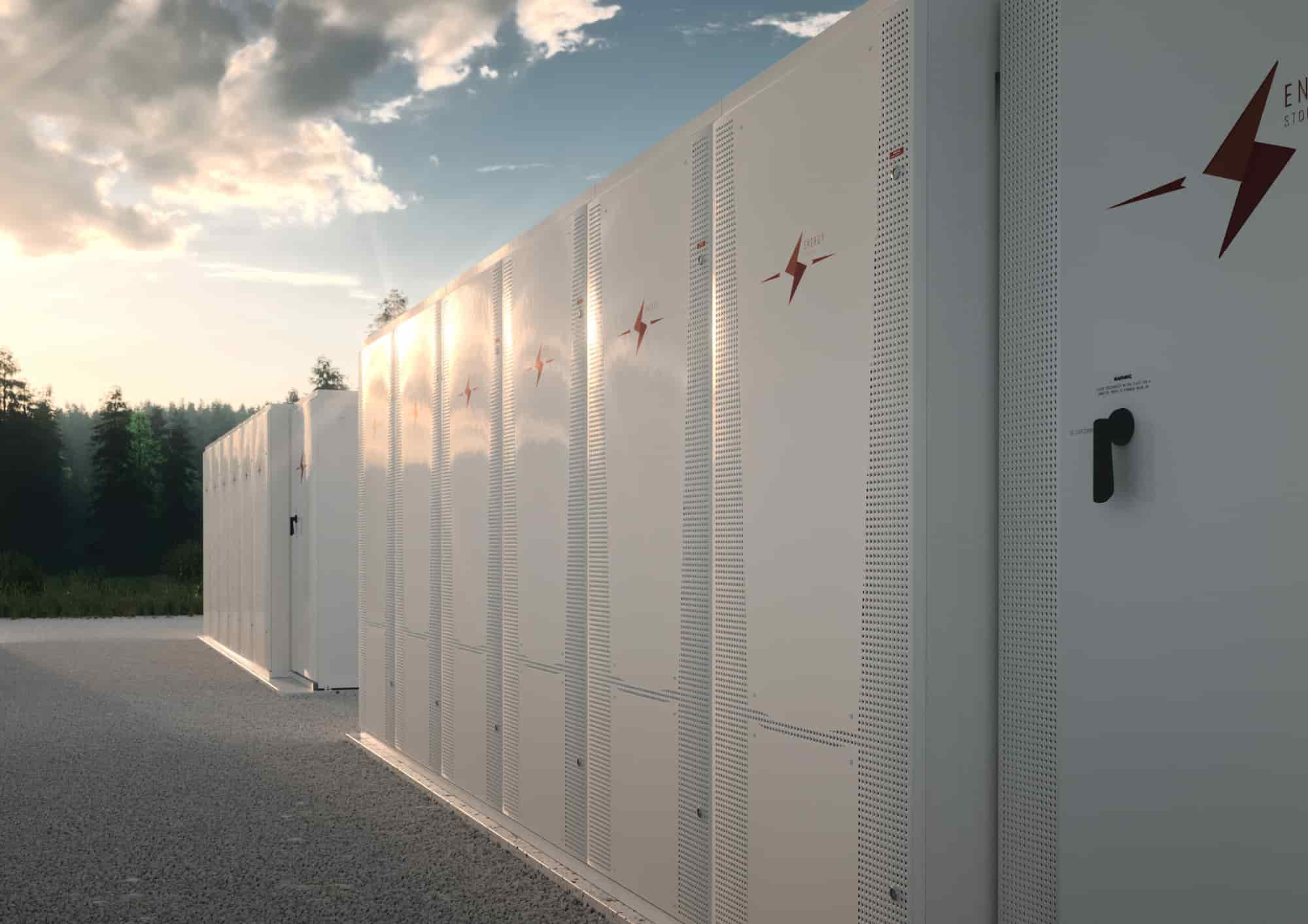
Schneider Electric, the global leader in digital transformation of energy management and automation, announced a Battery Energy Storage System (BESS) designed and engineered to be a part of a flexible, scalable, and highly efficient architecture. BESS is the cornerstone for a fully integrated microgrid solution that is driven by Schneider Electric's controls, optimization, and world-renowned digital and field services.
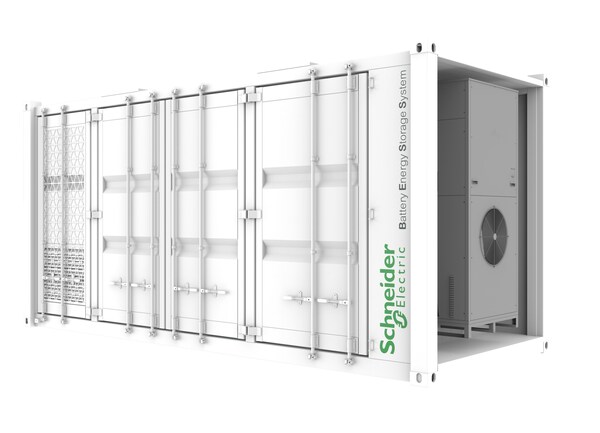
Graybar, a leading distributor of electrical, communications, data networking products, and provider of supply chain management and logistics services, is the inaugural channel partner for Schneider Electric's new BESS, offered as part of the EcoStruxure Microgrid Flex system. Renewable energy is a growing part of Graybar's comprehensive portfolio of solutions.
"With over two decades of expertise in battery conversion, we are proud to introduce a solution meticulously crafted to serve multiple energy needs," said Jana Gerber, Schneider Electric's President of North America Microgrids. "Our aim is to streamline energy expenditures while amplifying the use of renewable resources, including solar PV. Combining our proven track record of innovation with Graybar's focus on renewable energy solutions will accelerate this mission."
As part of a microgrid system, BESS captures energy from different sources, accumulates this energy, and stores it in rechargeable batteries for later use. Battery Energy Storage is the Distributed Energy Resource that enables most customer energy-use cases, including resiliency, demand-charge reduction, grid services, renewable self-consumption, decarbonization of electrical energy, and variable generation smoothing.
Comprised of a battery system, battery management system, power conversion system, and controller, BESS has been tested and validated to work as an integral component of Schneider Electric's standardized microgrid system, EcoStruxure™ Microgrid Flex, and fully integrated into the software suite, which includes EcoStruxure Microgrid Operation, and EcoStruxure Microgrid Advisor. With a scalable configuration and advanced safety controls, BESS features include:
There are two connection-ready BESS options available: a small, hybrid 7-feet NEMA 3R Enclosure that is both AC and DC coupled and a medium 20-feet NEMA 3R Enclosure that is AC coupled. Sizes for the family range from 60kW to 2MW in 2h and 4h configurations.
The stored energy from a BESS can be discharged to supply power to office, industrial, and commercial facilities, electric vehicles, or the grid.
"Our new Battery Energy Storage System marks a significant step forward in bringing resilient, sustainable, and economical energy solutions to the market," Gerber said. "Amidst the global pursuit of net-zero objectives and the imperative for an enhanced grid, BESS strategically harnesses onsite generation capabilities to deliver substantial energy savings while maximizing renewable integration."
"Graybar is proud to be at the forefront of innovation as the inaugural channel partner for Schneider Electric's state-of-the-art Battery Energy Storage System," said Kathleen M. Mazzarella, Chairman, President, and Chief Executive Officer of Graybar. "Together, Graybar and Schneider Electric remain dedicated to advancing sustainable technologies that deliver exceptional performance and value to our mutual customers."
To learn more about incorporating a BESS within an existing or planned microgrid, please visit this link. For more information about microgrid technologies and energy resiliency, check out this blog.
Schneider Electric | www.se.com
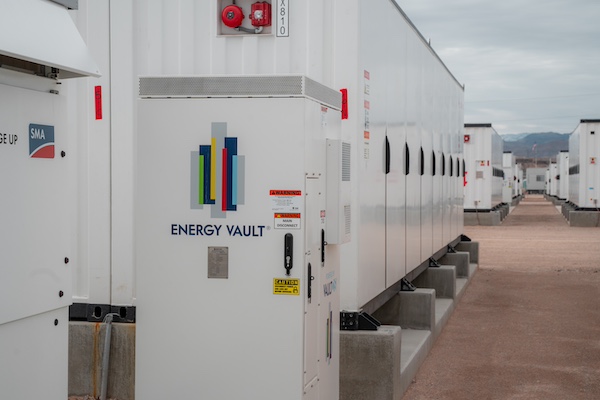
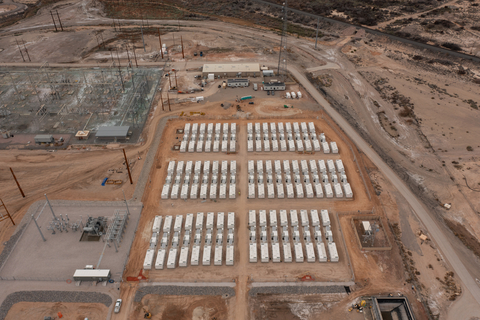
Energy Vault Holdings, Inc. (NYSE: NRGV) (“Energy Vault” or the “Company”), a leader in sustainable grid-scale energy storage solutions, and NV Energy, Nevada’s largest public utility, announced the completion and beginning of commercial operation of the Reid Gardner Battery Energy Storage System (BESS) in Moapa, Nevada.
Built on the site of a decommissioned coal-fired electric generating facility, the 220MW/440MWh grid-tied BESS, one of the largest in Nevada, is a 2-hour energy storage system that is designed to store and dispatch excess renewable energy, including wind and solar power. The BESS is charged and discharged on a daily basis and designed to dispatch stored renewable energy at peak consumption hours to help meet the high demand during Nevada’s peak load hours. The system, which is now being operated at full capacity by NV Energy, leverages Energy Vault’s integration platform and energy management system (Vault-OS).
“The completion of the Reid Gardner Battery Energy Storage System, on budget and on schedule in a compressed time schedule, stands as a testament to Energy Vault’s commitment to the efficient delivery of sophisticated high-performance energy storage systems to customers like NV Energy,” said Marco Terruzzin, Chief Commercial & Product Officer, Energy Vault. “We are grateful for NV Energy’s strong partnership throughout this process, from the start of planning until the commencement of operations today. It’s our goal at Energy Vault to serve as the energy storage company of choice for utilities, IPPs and large energy users, and we are proud to deliver a system that will provide clean energy and grid resiliency to Nevada communities while also advancing the state’s carbon neutrality goals.”
“We truly appreciated the dedication and quick work of Energy Vault to ensure the Reid Gardner Battery Energy Storage System came in on time and on budget. It was clear from the start that this project was a priority for Energy Vault, from the top levels of the company all the way down,” said Jimmy Daghlian, Vice President of Renewables, NV Energy. “The overall construction process moved very quickly – which allowed us to bring the project in service for our customers ahead of schedule and ahead of the hot summer months. We appreciate Energy Vault’s problem-solving spirit, commitment, and partnership in bringing this project to life.”
Energy Vault | www.energyvault.com
NV Energy | https://www.nvenergy.com/
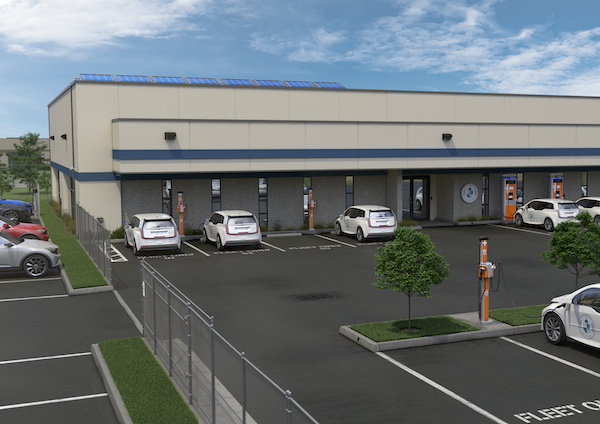
ChargePoint (NYSE: CHPT), a leading provider of networked charging solutions for electric vehicles (EVs), announced enhancements to its software offering which enables electric and mixed fuel fleets to find, use, and pay for charging from a single application, including seamless driver reimbursement when they charge their company EV at home.
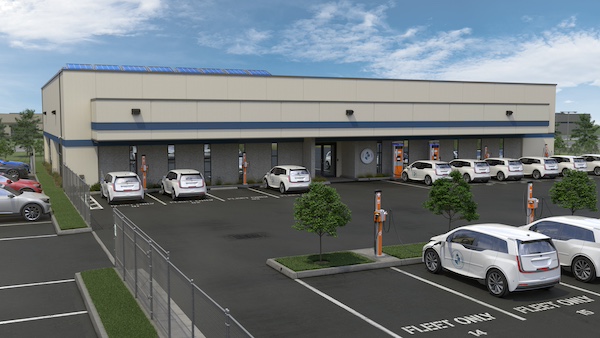
“We continue to bring to market new, innovative solutions that enable a frictionless charging experience for EV drivers and fleet operators alike,” said Rich Mohr, SVP, Americas at ChargePoint. “We are committed to enabling an unmatched driver experience with solutions such as home charging reimbursement, while also giving our customers optimal fleet management tools to minimize total cost of ownership.”
Derived from the successful line of in-dash software solutions ChargePoint supplies to more than a dozen automotive manufacturers, the software is available to fleet operators in app format. Critically for larger fleet management companies, the option to integrate the technology into their existing branded fleet offering via ChargePoint’s open API is available.
To maximize the benefits of the enhanced software, organizations that manage take-home fleets can purchase ChargePoint’s Home Flex residential charging station for their drivers, enabling reimbursement for home charging. With this integration, company EV drivers can conveniently charge at home, eliminating the time and labor costs of stopping during the workday to fuel, and simultaneously reduce costs thanks to lower residential electricity rates. When a driver needs to charge on the road, the software enables access to more than 900,000 global charging locations1. An early partner integrating this ChargePoint technology within their own offering is fuel card provider WEX.
The software includes a comprehensive portfolio of solutions which enable fleet operators to gain enhanced insight and metrics into driver performance, including preferred pricing, proactive monitoring, and reporting. Comprehensive reports on charging activity, energy usage and costs help fleet operators identify opportunities for efficiency based on when and where their drivers charge.
1 The ChargePoint network features more than 286,000 active ports under management, including more than 100,000 in Europe. Additionally, ChargePoint enables access to more than 631,000 roaming ports, of which more than 500,000 are in Europe.
ChargePoint | https://www.chargepoint.com/
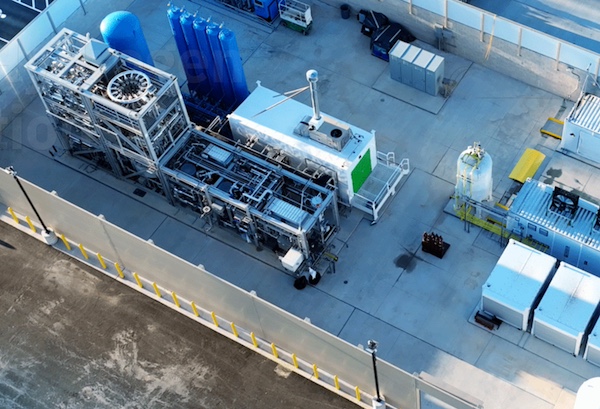
Hyliion Holdings Corp. (NYSE: HYLN) (“Hyliion”), a developer of sustainable electricity-producing technology, and BayoTech, an innovator in hydrogen production, transportation and storage solutions, announced the signing of a Partnership Agreement (Agreement) aimed at leveraging the expertise of both companies to offer comprehensive power solutions to their existing and future customers. The partnership will allow the companies to introduce their innovative solutions to each other's customer bases.
Recognizing the complementary nature of their products and customer needs, the companies have entered into the Agreement to support the advancement of sustainable power generation using hydrogen. Hyliion's innovative KARNO generator, which can operate on multiple fuel types including hydrogen, is designed for a variety of applications such as prime power, renewables matching, and for energy arbitrage. BayoTech’s BayoGaaS hydrogen production hubs and their highly efficient, high-pressure transport trailers and storage units aim to ensure a reliable hydrogen supply chain for customers. This partnership will enhance the product offerings of both companies, supporting the shift towards more sustainable power solutions across industries.
“By pairing BayoTech's hydrogen solutions with Hyliion's KARNO generator technology, we will empower customers with a cleaner, more efficient alternative to traditional diesel gensets,” said Mauricio “Mo” Vargas, President and CEO of BayoTech. “Our commitment to revolutionizing the hydrogen supply chain through local production hubs aligns perfectly with Hyliion's mission to deliver net-zero carbon electricity. Together, we're not just challenging the status quo – we're reshaping it for a more sustainable future."
"Hydrogen holds great potential as a zero-carbon energy source, yet its widespread adoption faces infrastructural challenges. Companies like BayoTech solve this problem, allowing customers to use hydrogen in their operations today. Our collaboration will provide a comprehensive solution in the future tailored to customers' needs, accelerating a faster adoption of new power generation technologies," said Thomas Healy, Founder and CEO of Hyliion.
Hyliion's KARNO generator is currently undergoing advanced stages of development and is slated for field deployment with early adopter customers in the latter half of 2024.
BayoTech | www.bayotech.us
Hyliion | www.hyliion.com
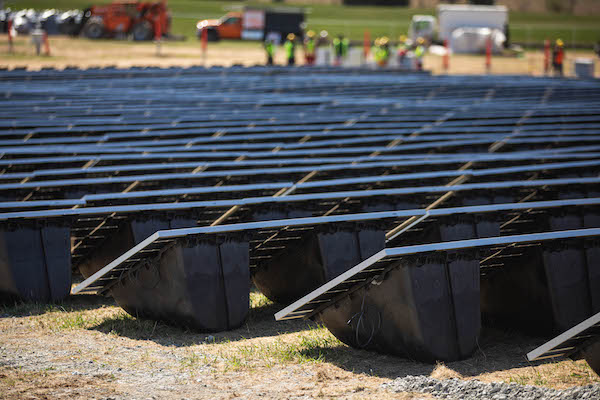
Alternative Energies May 15, 2023
The United States is slow to anger, but relentlessly seeks victory once it enters a struggle, throwing all its resources into the conflict. “When we go to war, we should have a purpose that our people understand and support,” as former Secretary ....

Unleashing trillions of dollars for a resilient energy future is within our grasp — if we can successfully navigate investment risk and project uncertainties.
The money is there — so where are the projects?
A cleaner and more secure energy future will depend on tapping trillions of dollars of capital. The need to mobilize money and markets to enable the energy transition was one of the key findings of one of the largest studies ever conducted among the global energy sector C-suite. This will mean finding ways to reduce the barriers and uncertainties that prevent money from flowing into the projects and technologies that will transform the energy system. It will also mean fostering greater collaboration and alignment among key players in the energy space.
 Interestingly, the study found that insufficient access to finance was not considered the primary cause of the current global energy crisis. In fact, capital was seen to be available — but not being unlocked. Why is that? The answer lies in the differing risk profiles of energy transition investments around the world. These risks manifest in multiple ways, including uncertainties relating to project planning, public education, stakeholder engagement, permitting, approvals, policy at national and local levels, funding and incentives, technology availability, and supply chains.
These risks need to be addressed to create more appealing investment opportunities for both public and private sector funders. This will require smart policy and regulatory frameworks that drive returns from long-term investment into energy infrastructure. It will also require investors to recognize that resilient energy infrastructure is more than an ESG play — it is a smart investment in the context of doing business in the 21st century.
Make de-risking investment profiles a number one priority
According to the study, 80 percent of respondents believe the lack of capital being deployed to accelerate the transition is the primary barrier to building the infrastructure required to improve energy security. At the same time, investors are looking for opportunities to invest in infrastructure that meets ESG and sustainability criteria. This suggests an imbalance between the supply and demand of capital for energy transition projects.
How can we close the gap?
One way is to link investors directly to energy companies. Not only would this enable true collaboration and non-traditional partnerships, but it would change the way project financing is conceived and structured — ultimately aiding in potentially satisfying the risk appetite of latent but hugely influential investors, such as pension funds. The current mismatch of investor appetite and investable projects reveals a need for improving risk profiles, as well as a mindset shift towards how we bring investment and developer stakeholders together for mutual benefit. The circular dilemma remains: one sector is looking for capital to undertake projects within their skill to deploy, while another sector wonders where the investable projects are.
This conflict is being played out around the world; promising project announcements are made, only to be followed by slow progress (or no action at all). This inertia results when risks are compounded and poorly understood. To encourage collaboration between project developers and investors with an ESG focus, more attractive investment opportunities can be created by pulling several levers: public and private investment strategies, green bonds and other sustainable finance instruments, and innovative financing models such as impact investing.

Expedite permitting to speed the adoption of new technologies
Another effective strategy to de-risk investment profiles is found in leveraging new technologies and approaches that reduce costs, increase efficiency, and enhance the reliability of energy supply. Research shows that 62 percent of respondents indicated a moderate or significant increase in investment in new and transitional technologies respectively, highlighting the growing interest in innovative solutions to drive the energy transition forward.
Hydrogen, carbon capture and storage, large-scale energy storage, and smart grids are some of the emerging technologies identified by survey respondents as having the greatest potential to transform the energy system and create new investment opportunities. However, these technologies face challenges such as long lag times between conception and implementation.
If the regulatory environment makes sense, then policy uncertainty is reduced, and the all-important permitting pathways are well understood and can be navigated. Currently, the lack of clear, timely, and fit-for-purpose permitting is a major roadblock to the energy transition. To truly unleash the potential of transitional technologies requires the acceleration of regulatory systems that better respond to the nuance and complexity of such technologies (rather than the current one-size-fits all approach). In addition, permitting processes must also be expedited to dramatically decrease the period between innovation, commercialization, and implementation. One of the key elements of faster permitting is effective consultation with stakeholders and engagement with communities where these projects will be housed for decades. This is a highly complex area that requires both technical and communication skills.
The power of collaboration, consistency, and systems thinking
The report also reveals the need for greater collaboration among companies in the energy space to build a more resilient system. The report shows that, in achieving net zero, there is a near-equal split between those increasing investment (47 percent of respondents), and those decreasing investment (39 percent of respondents). This illustrates the complexity and diversity of the system around the world. A more resilient system will require all its components – goals and actions – to be aligned towards a common outcome.
Another way to de-risk the energy transition is to establish consistent, transparent, and supportive policy frameworks that encourage investment and drive technological innovation. The energy transition depends on policy to guide its direction and speed by affecting how investors feel and how the markets behave. However, inconsistent or inadequate policy can also be a source of uncertainty and instability. For example, shifting political priorities, conflicting international standards, and the lack of market-based mechanisms can hinder the deployment of sustainable technologies, resulting in a reluctance to commit resources to long-term projects.

Variations in country-to-country deployment creates disparities in energy transition progress. For instance, the 2022 Inflation Reduction Act in the US has posed challenges for the rest of the world, by potentially channeling energy transition investment away from other markets and into the US. This highlights the need for a globally unified approach to energy policy that balances various national interests while addressing a global problem.
To facilitate the energy transition, it is imperative to establish stable, cohesive, and forward-looking policies that align with global goals and standards. By harmonizing international standards, and providing clear and consistent signals, governments and policymakers can generate investor confidence, helping to foster a robust energy ecosystem that propels the sector forward.
Furthermore, substantive and far-reaching discussions at international events like the United Nations Conference of the Parties (COP), are essential to facilitate this global alignment. These events provide an opportunity to de-risk the energy transition through consistent policy that enables countries to work together, ensuring that the global community can tackle the challenges and opportunities of the energy transition as a united front.
Keeping net-zero ambitions on track
Despite the challenges faced by the energy sector, the latest research reveals a key positive: 91 percent of energy leaders surveyed are working towards achieving net zero. This demonstrates a strong commitment to the transition and clear recognition of its importance. It also emphasizes the need to accelerate our efforts, streamline processes, and reduce barriers to realizing net-zero ambitions — and further underscores the need to de-risk energy transition investment by removing uncertainties.
The solution is collaborating and harmonizing our goals with the main players in the energy sector across the private and public sectors, while establishing consistent, transparent, and supportive policy frameworks that encourage investment and drive technological innovation.
These tasks, while daunting, are achievable. They require vision, leadership, and action from all stakeholders involved. By adopting a new mindset about how we participate in the energy system and what our obligations are, we can stimulate the rapid progress needed on the road to net zero.
Dr. Tej Gidda (Ph.D., M.Sc., BSc Eng) is an educator and engineer with over 20 years of experience in the energy and environmental fields. As GHD Global Leader – Future Energy, Tej is passionate about moving society along the path towards a future of secure, reliable, and affordable low-carbon energy. His focus is on helping public and private sector clients set and deliver on decarbonization goals in order to achieve long-lasting positive change for customers, communities, and the climate. Tej enjoys fostering the next generation of clean energy champions as an Adjunct Professor at the University of Waterloo Department of Civil and Environmental Engineering.
GHD | www.ghd.com
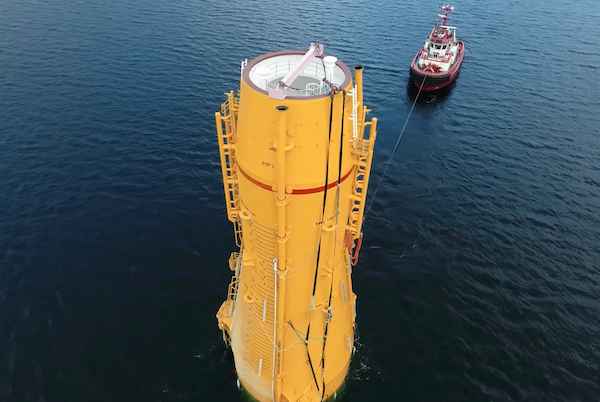
The Kincardine floating wind farm, located off the east coast of Scotland, was a landmark development: the first commercial-scale project of its kind in the UK sector. Therefore, it has been closely watched by the industry throughout its installation. With two of the turbines now having gone through heavy maintenance, it has also provided valuable lessons into the O&M processes of floating wind projects.
In late May, the second floating wind turbine from the five-turbine development arrived in the port of Massvlakte, Rotterdam, for maintenance. An Anchor Handling Tug Supply (AHTS)
vessel was used to deliver the KIN-02 turbine two weeks after a Platform Supply Vessel (PSV) and AHTS had worked to disconnect the turbine from the wind farm site. The towing vessel became the third vessel used in the operation.
This is not the first turbine disconnected from the site and towed for maintenance. In the summer of 2022, KIN-03 became the world’s first-ever floating wind turbine that required heavy maintenance (i.e. being disconnected and towed for repair). It was also towed from Scotland to Massvlakte.
Each of these operations has provided valuable lessons for the ever-watchful industry in how to navigate the complexities of heavy maintenance in floating wind as the market segment grows.
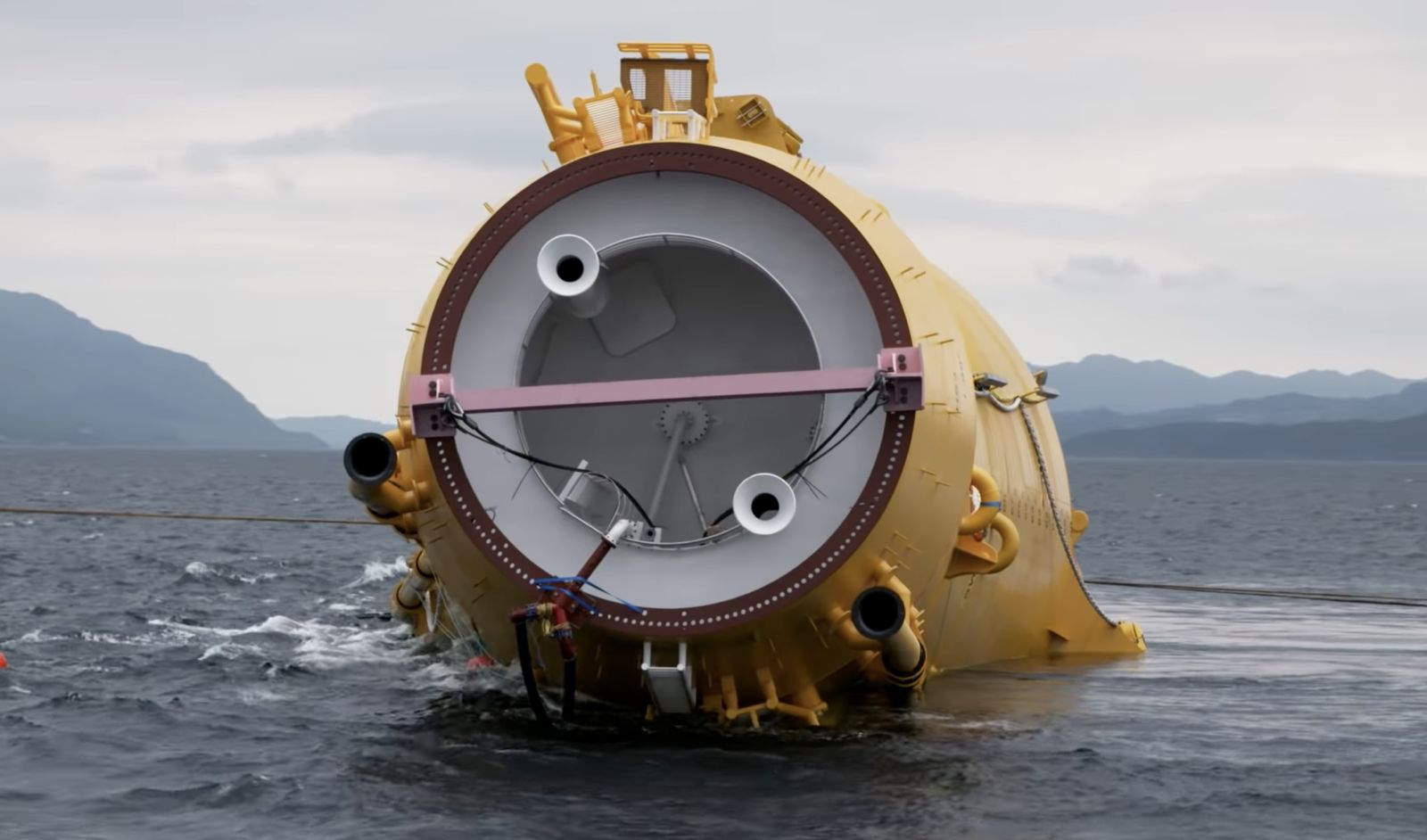
The heavy maintenance process
When one of Kincardine’s five floating 9.5 MW turbines (KIN-03) suffered a technical failure in May 2022, a major technical component needed to be replaced. The heavy maintenance strategy selected by the developer and the offshore contractors consisted in disconnecting and towing the turbine and its floater to Rotterdam for maintenance, followed by a return tow and re-connection. All of the infrastructure, such as crane and tower access, remained at the quay following the construction phase. (Note, the following analysis only covers KIN-03, as details of the second turbine operation are not yet available).
Comparing the net vessel days for both the maintenance and the installation campaigns at this project highlights how using a dedicated marine spread can positively impact operations.
For this first-ever operation, a total of 17.2 net vessel days were required during turbine reconnection—only a slight increase on the 14.6 net vessel days that were required for the first hook-up operation performed during the initial installation in 2021. However, it exceeds the average of eight net vessel days during installation. The marine spread used in the heavy maintenance operation differed from that used during installation. Due to this, it did not benefit from the learning curve and experience gained throughout the initial installation, which ultimately led to the lower average vessel days.
The array cable re-connection operation encountered a similar effect. The process was performed by one AHTS that spent 10 net vessel days on the operation. This compares to the installation campaign, where the array cable second-end pull-in lasted a maximum of 23.7 hours using a cable layer.
Overall, the turbine shutdown duration can be broken up as 14 days at the quay for maintenance, 52 days from turbine disconnection to turbine reconnection, and 94 days from disconnection to the end of post-reconnection activities.
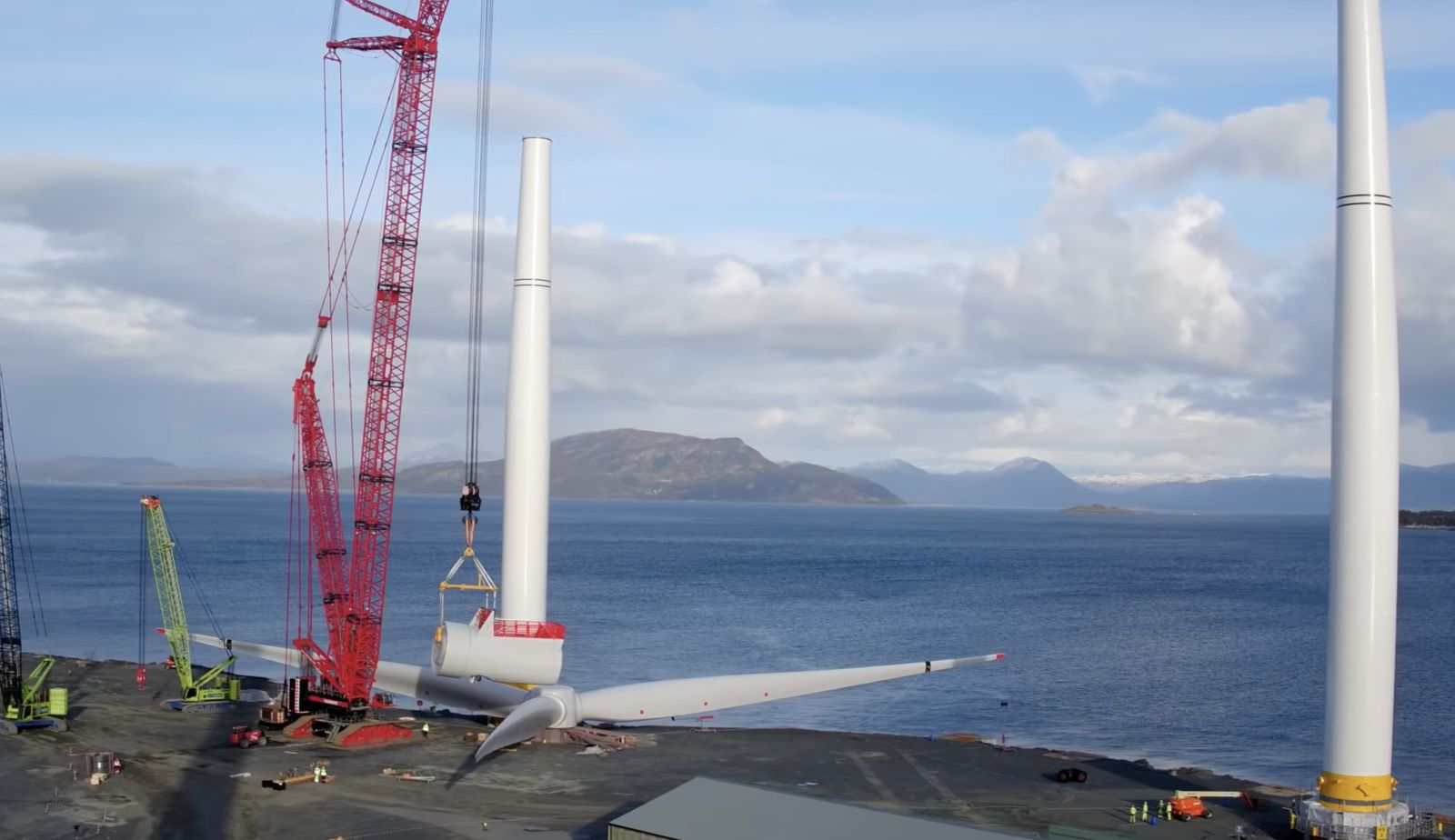
What developers should keep in mind for heavy maintenance operations
This analysis has uncovered two main lessons developers should consider when planning a floating wind project: the need to identify an appropriate O&M port, and to guarantee that a secure fleet is available.
Floating wind O&M operations require a port with both sufficient room and a deep-water quay. The port must also be equipped with a heavy crane with sufficient tip height to accommodate large floaters and reach turbine elevation. Distance to the wind farm should also be taken into account, as shorter distances will reduce towing time and, therefore, minimize transit and non-productive turbine time.
During the heavy maintenance period for KIN-03 and KIN-02, the selected quay (which had also been utilized in the initial installation phase of the wind farm project), was already busy as a marshalling area for other North Sea projects. This complicated the schedule significantly, as the availability of the quay and its facilities had to be navigated alongside these other projects. This highlights the importance of abundant quay availability both for installation (long-term planning) and maintenance that may be needed on short notice.
At the time of the first turbine’s maintenance program (June 2022), the North Sea AHTS market was in an exceptional situation: the largest bollard pull AHTS units contracted at over $200,000 a day, the highest rate in over a decade.
During this time, the spot market was close to selling out due to medium-term commitments, alongside the demand for high bollard pull vessels for the installation phase at a Norwegian floating wind farm project. The Norwegian project required the use of four AHTS above a 200t bollard pull. With spot rates ranging from $63,000 to $210,000 for the vessels contracted for Kincardine’s maintenance, the total cost of the marine spread used in the first repair campaign was more than $4 million.
Developers should therefore consider the need to structure maintenance contracts with AHTS companies, either through frame agreements or long-term charters, to decrease their exposure to spot market day rates as the market tightens in the future.
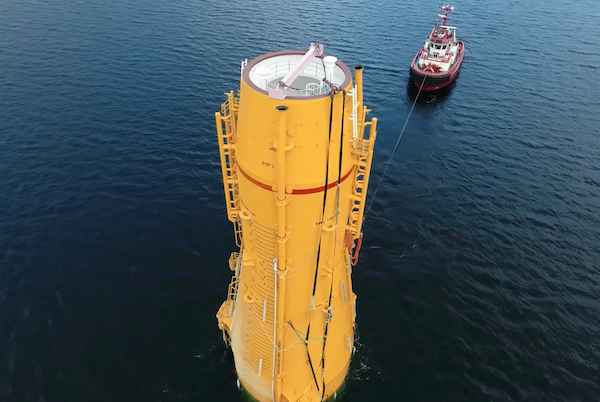
While these lessons are relevant for floating wind developers now, new players are looking towards alternative heavy O&M maintenance options for the future. Two crane concepts are especially relevant in this instance. The first method is for a crane to be included in the turbine nacelle to be able to directly lift the component which requires repair from the floater, as is currently seen on onshore turbines. This method is already employed in onshore turbines and could be applicable for offshore. The second method is self-elevating cranes with several such solutions already in development.
The heavy maintenance operations conducted on floating turbines at the Kincardine wind farm have provided invaluable insights for industry players, especially developers. The complex process of disconnecting and towing turbines for repairs highlights the need for meticulous planning and exploration of alternative maintenance strategies, some of which are already in the pipeline. As the industry evolves, careful consideration of ports, and securing fleet contracts, will be crucial in driving efficient and cost-effective O&M practices for the floating wind market.
Sarah McLean is Market Research Analyst at Spinergie, a maritime technology company specializing in emission, vessel performance, and operation optimization.
Spinergie | www.spinergie.com
According to the Energy Information Administration (EIA), developers plan to add 54.5 gigawatts (GW) of new utility-scale electric generating capacity to the U.S. power grid in 2023. More than half of this capacity will be solar. Wind power and battery storage are expected to account for roughly 11 percent and 17 percent, respectively.
A large percentage of new installations are being developed in areas that are prone to extreme weather events and natural disasters (e.g., Texas and California), including high wind, tornadoes, hail, flooding, earthquakes, wildfires, etc. With the frequency and severity of many of these events increasing, project developers, asset owners, and tax equity partners are under growing pressure to better understand and mitigate risk.
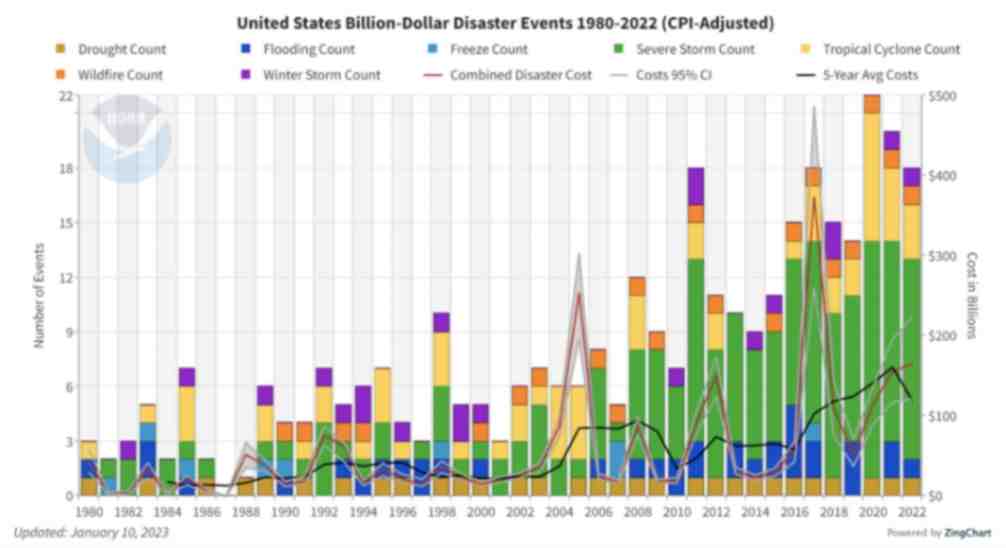
Figure 1. The history of billion-dollar disasters in the United States each year from 1980 to 2022 (source: NOAA)
In terms of loss prevention, a Catastrophe (CAT) Modeling Study is the first step to understanding the exposure and potential financial loss from natural hazards or extreme weather events. CAT studies form the foundation for wider risk management strategies, and have significant implications for insurance costs and coverage.
Despite their importance, developers often view these studies as little more than a formality required for project financing. As a result, they are often conducted late in the development cycle, typically after a site has been selected. However, a strong case can be made for engaging early with an independent third party to perform a more rigorous site-specific technical assessment. Doing so can provide several advantages over traditional assessments conducted by insurance brokerage affiliates, who may not possess the specialty expertise or technical understanding needed to properly apply models or interpret the results they generate. One notable advantage of early-stage catastrophe studies is to help ensure that the range of insurance costs, which can vary from year to year with market forces, are adequately incorporated into the project financial projections.
The evolving threat of natural disasters
Over the past decade, the financial impact of natural hazard events globally has been almost three trillion dollars. In the U.S. alone, the 10-year average annual cost of natural disaster events exceeding $1 billion increased more than fourfold between the 1980s ($18.4 billion) and the 2010s ($84.5 billion).

Investors, insurers, and financiers of renewable projects have taken notice of this trend, and are subsequently adapting their behavior and standards accordingly. In the solar market, for example, insurance premiums increased roughly four-fold from 2019 to 2021. The impetus for this increase can largely be traced back to a severe storm in Texas in 2019, which resulted in an $80 million loss on 13,000 solar panels that were damaged by hail.
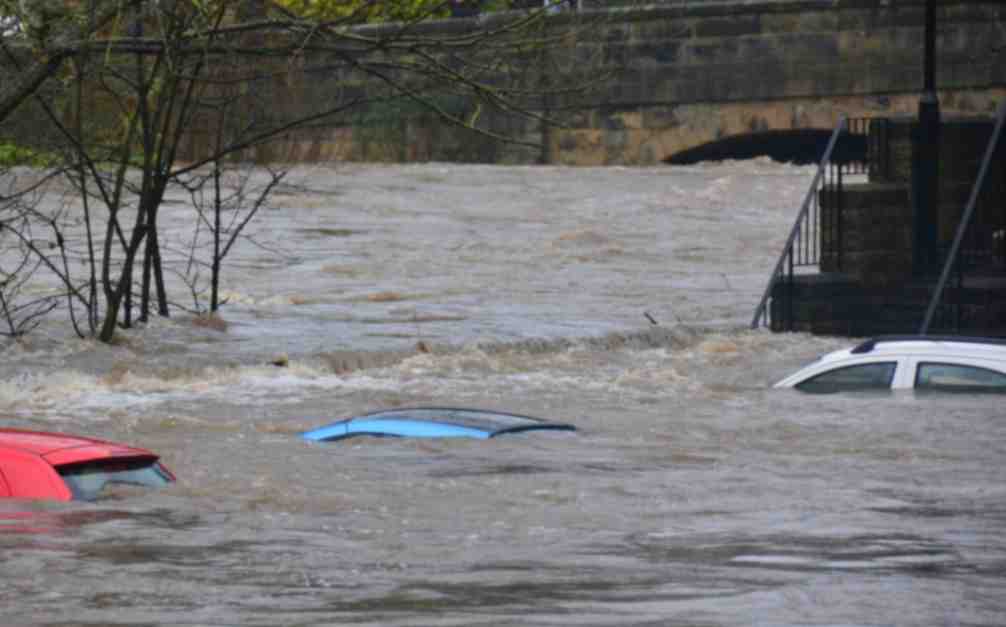
The event awakened the industry to the hazards severe storms present, particularly when it comes to large-scale solar arrays. Since then, the impact of convective weather on existing and planned installations has been more thoroughly evaluated during the underwriting process. However, far less attention has been given to the potential for other natural disasters; events like floods and earthquakes have not yet resulted in large losses and/or claims on renewable projects (including wind farms). The extraordinary and widespread effect of the recent Canadian wildfires may alter this behavior moving forward.
A thorough assessment, starting with a CAT study, is key to quantifying the probability of their occurrence — and estimating potential losses — so that appropriate measures can be taken to mitigate risk.
All models are not created equal
Industrywide, certain misconceptions persist around the use of CAT models to estimate losses from an extreme weather event or natural disaster.
Often, the perception is that risk assessors only need a handful of model inputs to arrive at an accurate figure, with the geographic location being the most important variable. While it’s true that many practitioners running models will pre-specify certain project characteristics regardless of the asset’s design (for example, the use of steel moment frames without trackers for all solar arrays in a given region or state), failure to account for even minor details can lead to loss estimates that are off by multiple orders of magnitude.
The evaluation process has recently become even more complex with the addition of battery energy storage. Relative to standalone solar and wind farms, very little real-world experience and data on the impact of extreme weather events has been accrued on these large-scale storage installations. Such projects require an even greater level of granularity to help ensure that all risks are identified and addressed.
Even when the most advanced modeling software tools are used (which allow for thousands of lines of inputs), there is still a great deal that is subject to interpretation. If the practitioner does not possess the expertise or technical ability needed to understand the model, the margin for error can increase substantially. Ultimately, this can lead to overpaying for insurance. Worse, you may end up with a policy with insufficient coverage. In both cases, the profitability of the asset is impacted.
Supplementing CAT studies
In certain instances, it may be necessary to supplement CAT models with an even more detailed analysis of the individual property, equipment, policies, and procedures. In this way, an unbundled risk assessment can be developed that is tailored to the project. Supplemental information (site-specific wind speed studies and hydrological studies, structural assessment, flood maps, etc.) can be considered to adjust vulnerability models.
This provides an added layer of assurance that goes beyond the pre-defined asset descriptions in the software used by traditional studies or assessments. By leveraging expert elicitations, onsite investigations, and rigorous engineering-based methods, it is possible to discretely evaluate asset-specific components as part of the typical financial loss estimate study: this includes Normal Expected Loss (NEL), also known as Scenario Expected Loss (SEL); Probable Maximum Loss (PML), also known as Scenario Upper Loss (SUL); and Probabilistic Loss (PL).
Understanding the specific vulnerabilities and consequences can afford project stakeholders unique insights into quantifying and prioritizing risks, as well as identifying proper mitigation recommendations.
Every project is unique
The increasing frequency and severity of natural disasters and extreme weather events globally is placing an added burden on the renewable industry, especially when it comes to project risk assessment and mitigation. Insurers have signaled that insurance may no longer be the main basis for transferring risk; traditional risk management, as well as site and technology selection, must be considered by developers, purchasers, and financiers.
As one of the first steps in understanding exposure and the potential capital loss from a given event, CAT studies are becoming an increasingly important piece of the risk management puzzle. Developers should treat them as such by engaging early in the project lifecycle with an independent third-party practitioner with the specialty knowledge, tools, and expertise to properly interpret models and quantify risk.
Hazards and potential losses can vary significantly depending on the project design and the specific location. Every asset should be evaluated rigorously and thoroughly to minimize the margin for error, and maximize profitability over its life.
 Chris LeBoeuf is Global Head of the Extreme Loads and Structural Risk division of ABS Group, based in San Antonio, Texas. He leads a team of more than 60 engineers and scientists in the US, UK, and Singapore, specializing in management of risks to structures and equipment related to extreme loading events, including wind, flood, seismic and blast. Chris has more than 20 years of professional experience as an engineering consultant, and is a recognized expert in the study of blast effects and blast analysis, as well as design of buildings. He holds a Bachelor of Science in Civil Engineering from The University of Texas at San Antonio, and is a registered Professional Engineer in 12 states.
ABS Group | www.abs-group.com

Throughout my life and career as a real estate developer in New York City, I’ve had many successes. In what is clearly one of my most unusual development projects in a long career filled with them, I initiated the building of a solar farm to help t....

I’m just going to say it, BIPV is dumb. Hear me out…. Solar is the most affordable form of energy that has ever existed on the planet, but only because the industry has been working towards it for the past 15 years. Governments,....
Heat waves encircled much of the earth last year, pushing temperatures to their highest in recorded history. The water around Florida was “hot-tub hot” — topping 101° and bleaching and killing coral in waters around the peninsula. Phoenix had ....

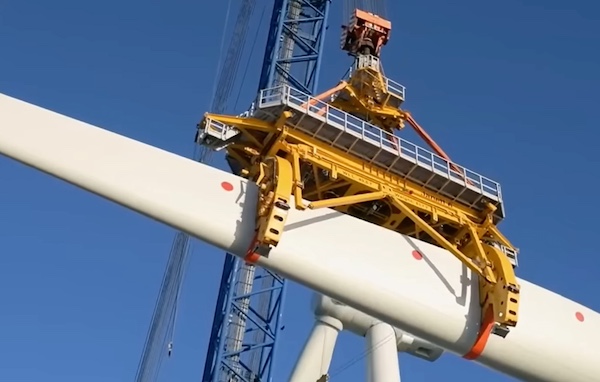
Wind turbines play a pivotal role in the global transition to sustainable energy sources. However, the harsh environmental conditions in which wind turbines operate, such as extreme temperatures, high humidity, and exposure to various contaminants, p....
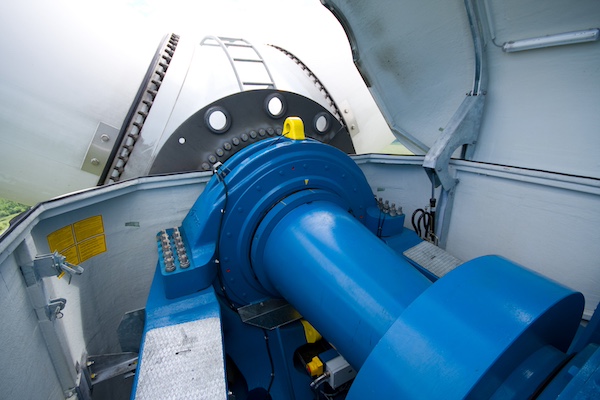
Wind energy remains the leading non-hydro renewable technology, and one of the fastest-growing of all power generation technologies. The key to making wind even more competitive is maximizing energy production and efficiently maintaining the assets. ....
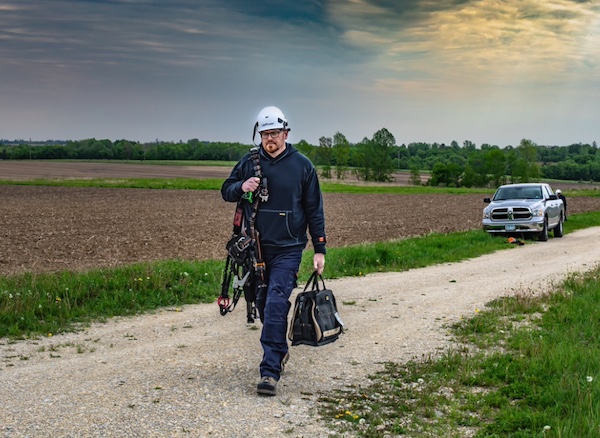
The allure of wind turbines is undeniable. For those fortunate enough to visit these engineering marvels, it’s an experience filled with awe and learning. However, the magnificence of these structures comes with inherent risks, making safety an abs....


Battery energy storage is a critical technology to reducing our dependence on fossil fuels and build a low carbon future. Renewable energy generation is fundamentally different from traditional fossil fuel energy generation in that energy cannot be p....
Not enough people know that hydrogen fuel cells are a zero-emission energy technology. Even fewer know water vapor's outsized role in electrochemical processes and reactions. Producing electricity through a clean electrochemical process with water....

In the ever-evolving landscape of sustainable transportation, a ground-breaking shift is here: 2024 ushers in a revolutionary change in Electric Vehicle (EV) tax credits in the United States. Under the Inflation Reduction Act (IRA), a transforma....


Now more than ever, it would be difficult to overstate the importance of the renewable energy industry. Indeed, it seems that few other industries depend as heavily on constant and rapid innovation. This industry, however, is somewhat unique in its e....

University of Toronto’s latest student residence welcomes the future of living with spaces that are warmed by laptops and shower water. In September 2023, one of North America’s largest residential passive homes, Harmony Commons, located....
For decades, demand response (DR) has proven a tried-and-true conservation tactic to mitigate energy usage during peak demand hours. Historically, those peak demand hours were relatively predictable, with increases in demand paralleling commuter and ....