



2025 was a roller-coaster year for US renewables. The economic landscape for the sector, which had already been shifting over the last couple of years, has changed significantly. The phase out of financial support from state and federal governments, combined with higher interest rates and the increased cost of capital, has eaten into project returns and has pushed costs back onto developers. In fact, whereas pre-2020 renewables projects saw Inter....
2025 was a roller-coaster year for US renewables. The economic landscape for the sector, which had already been shifting over the last couple of years, has changed significantly. The phase out of financial support from state and federal governments, combined with higher interest rates and the increased cost of capital, has eaten into project returns and has pushed costs back onto developers. In fact, whereas pre-2020 renewables projects saw Inter....
In the wind industry, building sustainable systems involves more than just constructing turbines; it also entails developing and implementing effective maintenance strategies. For renewable energy companies to thrive, they need a workforce of well-trained wind or turbine technicians to develop, operate, and maintain critical infrastructure. To build sustainable systems that power the future of energy, wind energy companies must first inv....
Over the past decade, wind energy has evolved from a niche technology to a core pillar of global clean power. According to the Global Wind Energy Council, its installed capacity has more than doubled since 2013 to exceed 1,000 gigawatts in 2024. As turbines spread across plains, coasts, complex terrain, and offshore sites, the challenge is not just generating power but predicting how much wind will actually arrive. Precision forecasts help develo....
Energy Storage
FranklinWH Energy Storage Inc.
Energy Storage
Claude Colp
Energy Storage
TRC Companies
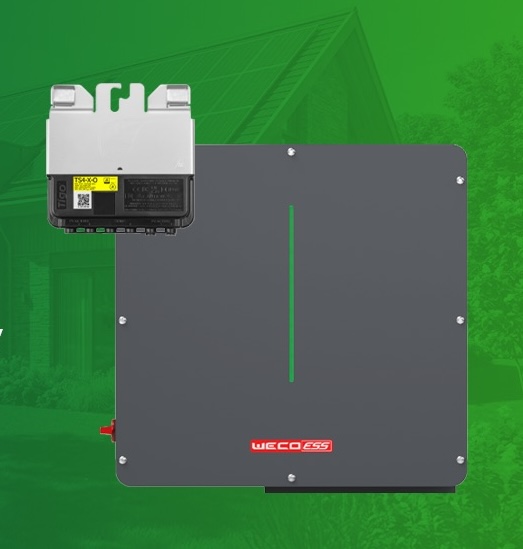
Tigo Energy, Inc. (NASDAQ: TYGO) (“Tigo” or “Company”), a leading provider of intelligent solar and energy software solutions, announced the Company has signed a certificate of compatibility with Weco S.r.l., documenting the compatibility between Tigo Flex MLPE products and hybrid solar inverters from Weco. The certification covers certain single-phase and three-phase Weco products and members of the Tigo TS4-A and TS4-X product families, when properly designed and installed. Together, these products are designed to deliver high-quality, enhanced value through a system that generates and manages solar energy more efficiently and delivers the features residential energy customers demand.
“The compatibility between our inverter solutions and Tigo optimizers represents a significant step forward for the entire industry, and confirms our commitment to simplifying the work of solar professionals,” said Federico Cusumano, R&D manager at Weco S.r.l. “Thanks to this certification, designers and installers can now benefit from greater sizing flexibility to optimize system configurations according to the precise requirements of each customer site. Together, Weco and Tigo are delivering a more integrated, intelligent energy ecosystem focused on long-term value for the end customer.”
The use of Tigo MLPE technology with hybrid inverters, such as those provided by Weco, enhances overall solar performance, particularly in installations that include partial shading, module mismatch, or constraints inherent to residential rooftop architecture and layout. With optimization from Tigo, solar systems become more efficient, versatile, and capable of delivering stable energy production even under non-ideal conditions. Tigo and Weco will host a joint webinar where installers can gain deeper insight into the two companies' product portfolios and explore real-world case studies that demonstrate how the technologies work together.
“For Tigo, this announcement is first and foremost about giving installers greater control at the module level without adding complexity to system design,” said Gal Bauer, senior director of validation, growth, and product management at Tigo Energy. “Certified compatibility with Weco inverters ensures that Tigo Flex MLPE technology can be deployed exactly where it delivers the most value, while maintaining a smooth commissioning process and predictable system behavior. This is yet another concrete example of how Tigo continues to build an open ecosystem that prioritizes safety, flexibility, and long-term system performance.”
A complete list of Weco products certified for use with Tigo MLPE products is available at the Tigo MLPE compatibility page, here. Installers are invited to sign up for the joint technical webinar with Tigo and Weco representatives here, scheduled for Thursday, Feb. 5 at 4:30 p.m. CET. Information about the Tigo TS4 range of Flex MLPE can be found on the Tigo product page, and commercial inquiries can be made via the sales contact form, here.
Weco | https://wecobatteries.com/
Tigo Energy | www.tigoenergy.com

For more than 80 years, TAMKO has built its reputation by doing what it says it will do: standing behind its products, supporting contractors, and protecting homeowners. Today, that long-standing commitment continues as TAMKO announces its strategic alignment with the Roofing & Solar Reform Alliance (RSRA) and industry advocate Adam Bensman.
This alignment reflects not a new brand direction, but the culmination of focused development over the last five years, marked by the rollout of high-performance products like Titan XT and StormFighter FLEX shingles, the expansion of The TAMKO Edge contractor program, and continued investment in innovation, transparency, and contractor support.
Focused on mutual benefit – serving homeowners, empowering contractors, and strengthening communities, TAMKO’s alignment with RSRA reinforces a belief that has guided the company for decades: integrity matters, transparency builds trust, and protection goes beyond the roof. “At TAMKO, commitment isn’t a slogan; it’s how we operate,” said Alex Hines, Vice President of Sales and Chief Revenue Officer. “We are intentional about supporting contractors, protecting homeowners, and strengthening the communities we serve. Adam Bensman and RSRA share those same values, and this alignment reflects our shared belief that transparency and accountability are essential to the future of our industry.”
Founded on the principle of Fighting for What’s Right, RSRA has become a respected voice for reform advocating for collaboration fair treatment of contractors, ethical business practices, and providing exceptional service to protections for homeowners navigating roofing and solar projects.
“It’s crystal clear that TAMKO’s values and commitment to excellence in both relationships and product development are focused on homeowners and contractors, not just shareholders,” said Bensman. “TAMKO has a long history of standing with contractors and investing in the long-term health of the industry. We share the belief that homeowners come first and that trust, accountability, and transparency are what will keep this industry strong.”
As a privately held, independent manufacturer, TAMKO understands that being smaller means trying harder. That mindset drives the company to innovate not only in products, but in programs and processes designed to help contractors protect their reputation, reduce call-backs, and deliver on their promises to homeowners.
As part of this effort, TAMKO and RSRA will collaborate on industry education, advocacy initiatives, contractor outreach, and public awareness efforts that strengthen trust across the industry.
This announcement underscores TAMKO’s brand promise Performance that Protects - delivered through products that perform as promised, programs that support contractor growth, and leadership guided by integrity.
TAMKO Building Products | www.tamko.com

The National Electrical Manufacturers Association (NEMA) expanded its Make It American domestic content certification program to include a product specification for Electrics. Electric motors are present in all aspects of daily life, powering fans, pumps and compressors in appliances, computers, HVAC systems, vehicles, and manufacturing operations.
NEMA’s Make It American program empowers the market to identify products and manufacturing facilities that meet best-in-class processes and standards to achieve domestic content requirements. Through rigorous third-party audits, participating companies verify that their facilities, processes, products, and supply chain management systems meet the requirements of the Build America, Buy America (BABA) Act.
Today, companies can certify their facilities to NEMA’s Make It American Process Standard and their products across seven categories using NEMA’s BABA Product Specifications – including NEMA’s BABA Product Specification for Electric Motors.
“The electroindustry is on the front lines meeting the nation’s rapidly increasing energy needs and driving economic growth,” said NEMA President and CEO Debra Phillips. “Our economy relies on strong domestic supply chains to drive that growth, including electric motors that underpin industrial production, grid-connected infrastructure and modern technology. Expanding NEMA’s federally recognized Make It American program to include motors supports bolstered U.S. manufacturing of a technology critical to energy reliability, resilience, and security.”
Electric motor systems convert approximately 50 percent of all electricity into mechanical energy for driving modern society. Electric motors are used across the economy — running HVAC systems in buildings, moving water through drinking water and wastewater facilities, supporting advanced manufacturing, powering key parts of the electric grid, and enabling electric vehicles.
Like the BABA Product Specifications for Variable Frequency Drives, Grid Management & Automation technologies, and other electrical products, the BABA Product Specification for Electric Motors meets increasing U.S. market demand for the technologies at the center of the effort to meet unprecedented demand for electricity.
"ABB is excited to see NEMA's Make It American certification program recognizing the vital role electric motors play in supporting the U.S. jobs and supplying essential components for critical infrastructure," said Benjamin Hinds, Executive Vice President of Product Management at ABB. "This standard simplifies the process for customers to identify motors that meet domestic content requirements, helping strengthen U.S. manufacturing".
Both NEMA’s Make It American Process Standard for facilities and NEMA’s seven Product Specifications provide greater certainty and confidence to manufacturers, government agencies, and procurement officials seeking to source materials with enhanced levels of U.S.-manufactured content. To date, 10 companies have certified at least one facility to NEMA’s Make It American Process Standard. Read about the program’s expansion and growing list of participants, here.
NEMA’s Make It American Certification Program identifies facilities and products that have undergone a rigorous, independent third-party supply chain evaluation to support domestic content requirements, providing certainty to customers and promoting investment in energy infrastructure made here at home. In October 2025, the U.S. Federal Highway Administration (FHWA) listed the NEMA Make It American program as an official industry resource guiding manufacturers through federal domestic preference requirements for infrastructure projects receiving federal funds.
National Electrical Manufacturers Association | makeitelectric.org

A U.S. judge in D.C. court has allowed Empire Wind to resume work after granting their injunction request against the administration’s lease suspension and stop construction order issued December 22, 2025. Despite the government’s argument that new national security concerns from a recent classified study prompted the action, District of Columbia Judge Nichols granted the injunction because of the lack of notice given to the project before the order was issued and the successful demonstration of irreparable harm to the project. Together, these outweighed the Government’s claim of the potential risk to public safety interests during construction, citing Natural Resources Defense Council v. Winter, 8:07-cv-00335. Additionally, the judge noted the Administration failed to respond to most of Empire Wind’s claims, nor did they contest that the construction pause was an arbitrary and capricious action.
Empire Wind 1, which is currently 60% complete, is set to provide 810 MW of power generation to New York and has created more than 2,000 jobs to build the South Brooklyn Marine Terminal, sparked investments, and kindled the construction of at least eight new vessels from Pennsylvania, Louisiana and Mississippi shipyards. To build this project, the developer purchased export cables from a South Carolina factory and cable components from Upstate New York that prompted the construction of a new factory—microcosms of a supply chain that stretches across 30 states. Coastal Virginia Offshore Wind-Commercial (2,586 MW), Sunrise Wind (924 MW), and Vineyard Wind 1 (800 MW) are still subject to the construction pause and lease suspension.
In response, Oceantic Network has released the following statement from CEO Liz Burdock:
“Oceantic welcomes today’s ruling that allows Empire Wind to once again advance toward delivering reliable, affordable power to 500,000 homes and supporting good-paying jobs to communities across New York. Empire Wind is critical to securing New York’s electric grid, stabilizing rising energy costs for local communities, creating jobs, and achieving energy independence, underscoring the importance of building out America’s energy infrastructure to meet rising electricity demand.”
There are significant economic consequences associated with pausing the construction of the five U.S. projects during installation:
This latest ruling follows recent industry court victories against the administration’s attempts to slow down offshore wind. Just days ago, a federal judge allowed Revolution Wind to resume work after granting their injunction request against the administration’s lease suspension and stop construction order issued December 22, 2025, citing a lack of urgency to resolve the security concerns which didn’t indicate an emergency suspension was necessary. In December, a federal judge vacated the Administration’s previous permitting pause, ruling it unlawful.
Oceantic Network | https://oceantic.org/

ABM (NYSE: ABM), a leading provider of energy infrastructure and facility solutions, has been selected by the Alexandria, Virginia, Transit Company (DASH), to deliver critical EV charging infrastructure that supports the growing electrification of the city's public bus fleet. Under the agreement, ABM provided and installed an in-route pantograph charger, accompanying power cabinets, electrical infrastructure, and civil foundation work. The solution enables DASH buses to charge while in service, expanding route flexibility and supporting uninterrupted operations for Alexandria’s fast-growing electric fleet.
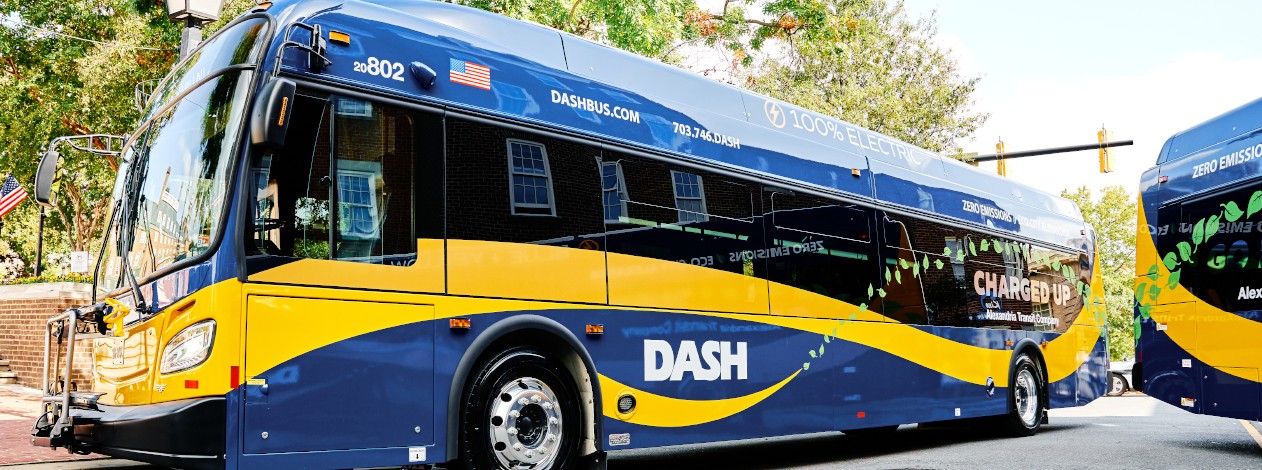
“This project represents a forward-thinking investment in clean, reliable transit,” said Mark Hawkinson, President of Technical Solutions, ABM. “We’re proud to help DASH take this important step in expanding their electric bus capabilities and enhancing service for the Alexandria community.”
A Milestone in Fleet Electrification
The installation is part of the first phase of a broader electrification plan for DASH, transporting more than 15,000 riders daily and over 5.3 million riders annually. By enabling in-route charging, the project helps extend operational range, reduce downtime, and lower greenhouse gas emissions—all while supporting a better rider experience.
The milestone was completed through the EV Charging Station Equipment and Services cooperative purchasing agreement under NASPO ValuePoint, a national cooperative purchasing program that allows public entities to streamline the procurement of high-quality, vetted infrastructure solutions.
Rider-Centered Benefits
DASH riders will directly benefit from this upgrade as it enhances operational flexibility, keeps buses on schedule, and ensures a reliable service experience. For the agency, it provides a scalable solution as electrification expands and further in-route or depot charging assets are deployed in future phases.
ABM | www.abm.com

Helio Corporation (OTCID: HLEO) ("Helio" or the "Company") announced that it will host a live Ask-Me-Anything (AMA) session next Tuesday, January 27th, focused on the technology and economic fundamentals underlying the Company's space-based solar power ("SBSP") initiative.
The AMA will be hosted by:
and will feature participation from:
Gregory T. Delory, Chief Technology Officer with over 25 years of experience as a space scientist and project leader across university, NASA, aerospace, and startup flight programs-including suborbital rockets, NASA Explorer missions, lunar and Mars orbiters, Europa Clipper, and commercial lunar landers-and holds a Ph.D. in Physics from the University of California, Berkeley;
Paul Turin, Chief Engineer with over 35 years of experience in the design, assembly, test and delivery of mechanical systems for over 120 instruments and mechanisms on over 35 space flight missions during a career at The University of California Space Sciences Laboratory-and holds a bachelor in Mechanical Engineering from University of California, Berkeley; and
Oliver Fildes, Project Systems Engineer with 15 years of experience on projects such as Mars Sample Return and the James Webb Space Telescope, who oversees day-to-day operational execution. He holds both a Master and Bachelor degree in Aerospace Engineering from UCLA.
The session will include an in-depth technical and economic discussion of Helio's approach to space-based energy systems, key system design considerations, and the broader commercial framework for SBSP deployment. The webinar will be hosted live via Zoom.
The AMA is intended to provide shareholders, industry participants, and interested observers with an opportunity to better understand the engineering principles, scalability considerations, and economic drivers associated with Helio's SBSP strategy. Topics will include power-beaming technology, orbital and ground infrastructure requirements, levelized cost of electricity (LCOE), cost-structure considerations, and the potential role of space-based energy within future global power markets.
Helio believes that open technical dialogue and transparency are essential as space-based solar power continues to progress from early-stage research toward potential commercialization. Details regarding access to the AMA session will be made available through the Company's standard investor communication channels or by sending an email to: [email protected].
Helio | www.helio.space
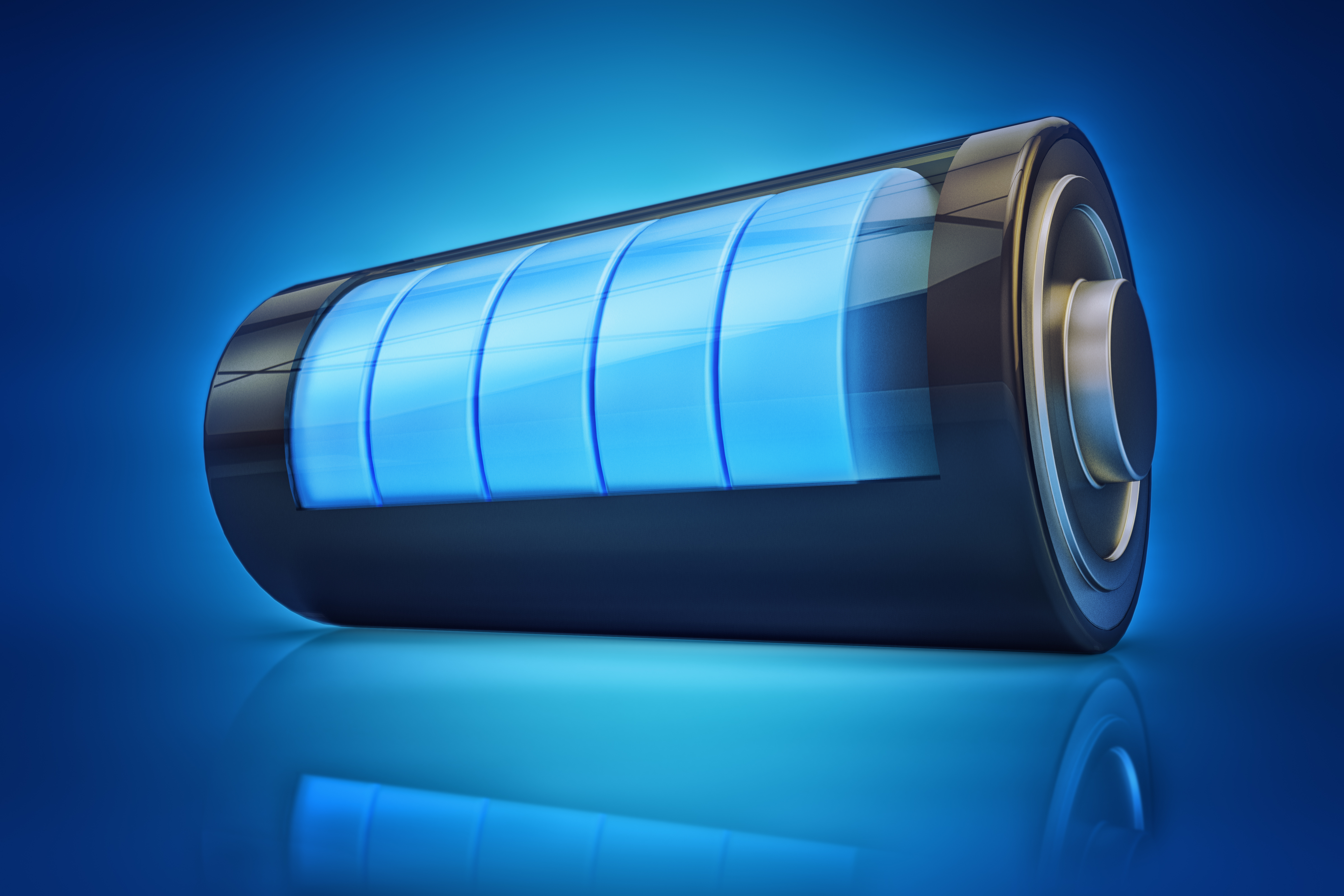
Elevate Renewables ("Elevate"), an ArcLight portfolio company and leading developer, owner and operator of energy storage and hybrid generation assets, announced the acquisition of Prospect Power Storage (“Prospect Power”), the largest standalone battery storage asset in the PJM Interconnection, from Swift Current Energy. The 150 MW/600 MWh project, located in Rockingham County near Northern Virginia’s “Data Center Alley,” is currently under construction and scheduled to begin operations in mid-2026.
Prospect Power is fully contracted under a 15-year power purchase agreement with Dominion Energy Virginia, positioning the project as an essential energy resource to ensure cost-effective grid reliability and meet the rapidly growing demand for power across the Mid-Atlantic region.
“The acquisition of Prospect Power underscores our commitment to building the energy infrastructure required to ensure continuous power for data centers,” said Joshua Rogol, Chief Executive Officer of Elevate. “With its scale and strategic location within PJM, this project exemplifies the critical investments we are making to support the increased need for grid reliability and sustainability driven by growing power demand.”
Prospect Power continues Elevate’s strategy of partnering with premier energy developers and stakeholders to scale battery storage and deliver reliable, flexible power across PJM and other high-growth U.S. power markets. In 2024, Elevate announced a 15 MW/60 MWh battery storage infrastructure project at the Arthur Kill Power Station in Staten Island, NY, which will be the largest battery storage installation in New York City upon completion.
“PJM is experiencing accelerating demand driven by AI, data center growth, and electrification,” Rogol added. “Prospect Power will provide the fast-responding, flexible capacity needed to manage peak loads and improve overall grid performance.”
Elevate | www.elevaterenewables.com

Alternative Energies Jan 16, 2026
2025 was a roller-coaster year for US renewables. The economic landscape for the sector, which had already been shifting over the last couple of years, has changed significantly. The phase out of financial support from state and federal governments, ....

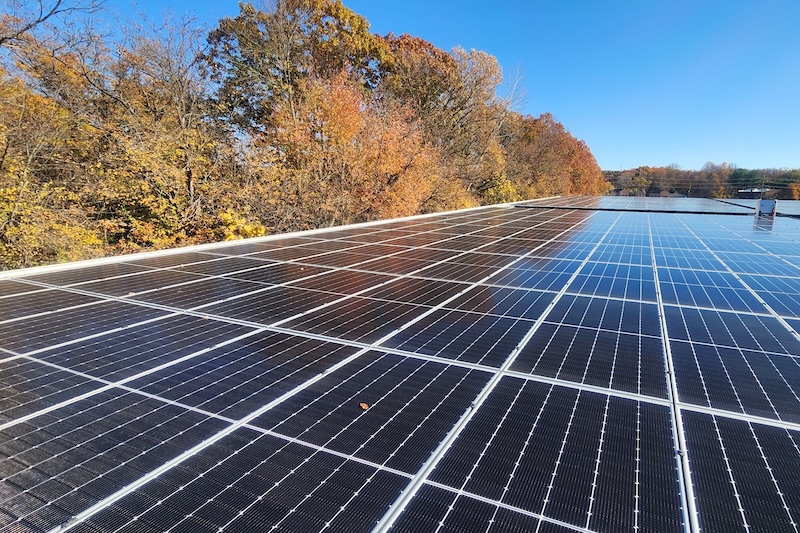
The year ahead may reward companies that aren’t built on government incentives alone. Quality, service, and lean operations will define the winners. The renewable energy sector has weathered uncertainty before, and 2025 was no exception as gov....
The solar industry’s rapid evolution is a story of innovation, fierce competition, and dramatic exits. As countries move toward decarbonization and grow the share of renewable energy in the total energy mix, the commercial solar panel sector has se....
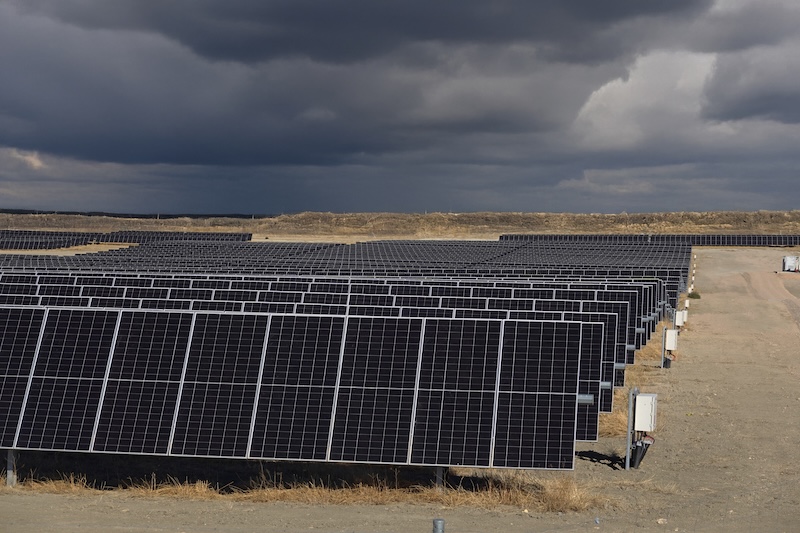
Utility-scale solar plants are under mounting pressure to deliver maximum energy output while meeting strict performance guarantees. This pressure is reshaping the role of irradiance monitoring, where precision now directly affects a project's financ....

.gif?r=8640)
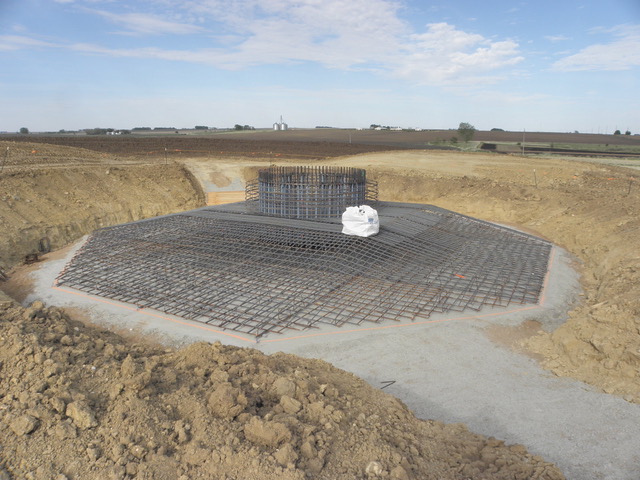

In the wind industry, building sustainab....
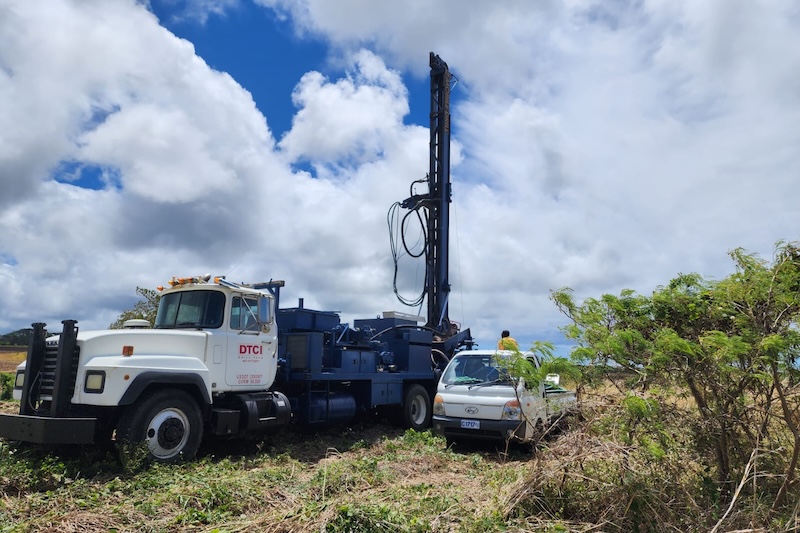
Barbados has taken a decisive step towar....


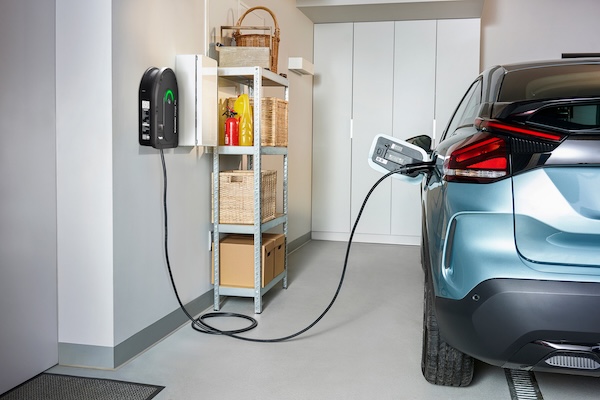
As more consumers consider electric vehicles (EVs), professionals have a critical role in helping homeowners understand what it truly means to be ready for home charging. Since U.S. EV credits expired in the fall of 2025, the conversation around EV a....
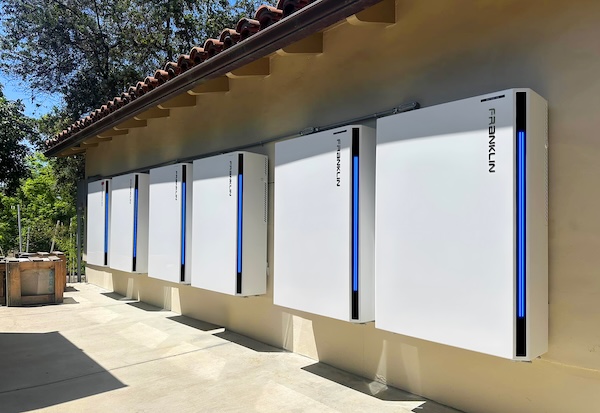
On sweltering summer evenings, with millions of A/C units running simultaneously, grid stress rises fast, heightening the risk of outages. Increasingly today, the solution to those rolling blackouts is not bigger power plants: the humble home battery....
When industry professionals discuss BESS equipment, conversations naturally gravitate toward battery chemistry, inverter technology, and software controls. But one of the most critical components determining long-term BESS project performance, effici....


2025 was a roller-coaster year for US renewables. The economic landscape for the sector, which had already been shifting over the last couple of years, has changed significantly. The phase out of financial support from state and federal governments, ....

We ask a lot of drones today, between monitoring for fires, delivering aid, securing borders or even rebuilding communications after disasters. Yet their biggest limitation remains the same: endurance. Most spend hours recharging or waiting for ....
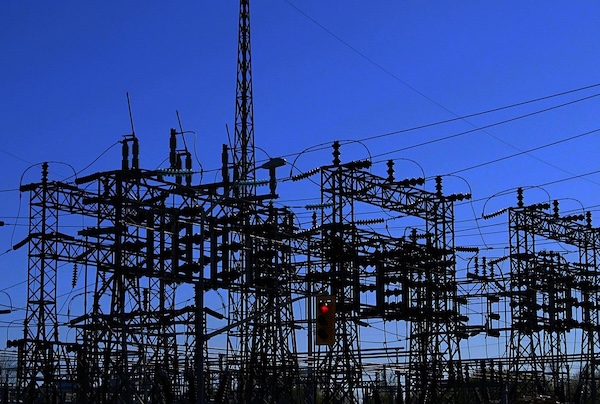
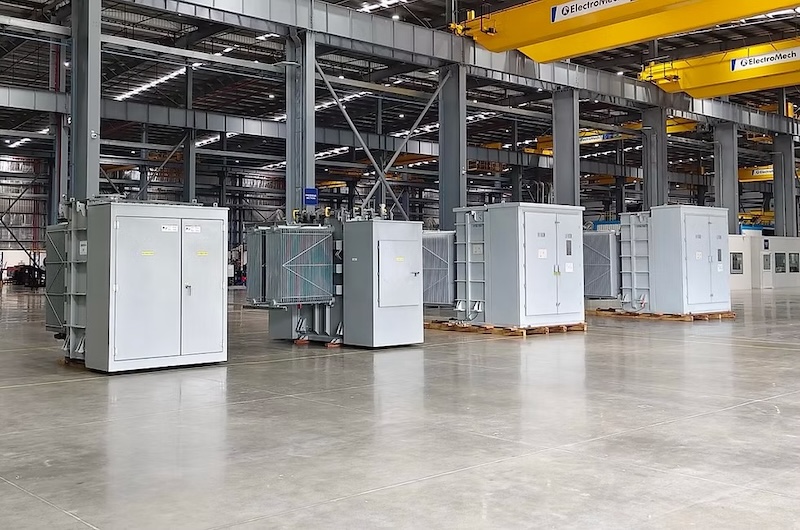
Modernizing the electric grid involves more than upgrading control systems with sophisticated software—it requires embedding sensors and automated controls across the entire system. It's not only the digital brains that manage the network but also ....


_Page_12_Image_0003.jpg)