




Rethinking Head Protection in Modern Utility Work


Utility work is evolving. So are the risks that come with it. As infrastructure grows more complex and jobsite conditions become less predictable, organizations are being challenged to rethink how they approach worker safety. From elevated tasks to congested substations and uneven terrain, today’s environments introduce a wider range of head-related impact scenarios.
At the same time, industry standards and expectations are shifting. Updated guidance is prompting a closer look at whether traditional approaches to head protection are sufficient for modern jobsite demands. This convergence of more complex risks and higher performance expectations is driving a broader rethink of head protection.
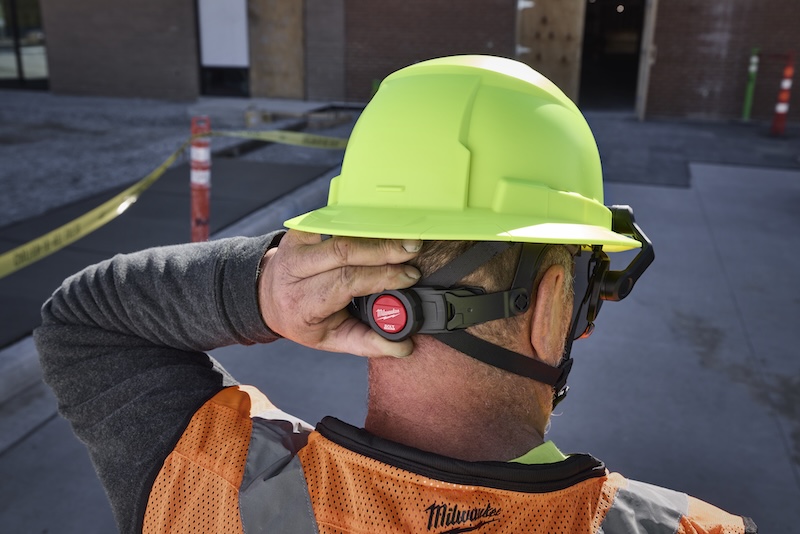
Why head protection matters
At the core of utility operations is a shared commitment to keeping workers safe. Protecting the people who maintain critical infrastructure not only supports their health and well‑being, but also helps ensure reliable service and uninterrupted operations.
Among workplace injuries, head injuries remain some of the most severe and costly. They are often associated with extended recovery times, long‑term health considerations, and operational disruption. As expectations around safety performance continue to rise, organizations are taking a closer look at how effectively their current approaches align with the realities of the work being performed.
Traumatic brain injury risk in high‑hazard environments
Utility workers face elevated exposure to traumatic brain injuries (TBIs), reflecting the inherently demanding nature of the work. These conditions introduce a wide range of potential impact scenarios, particularly when balance is lost or footing is compromised. According to the Bureau of Labor Statistics, falls remain one of the leading contributors to head injuries across industry jobsites, accounting for a significant share of workplace TBIs. Even relatively short falls or off‑balance incidents can generate dangerous impact forces, particularly when the head strikes a surface at an angle rather than straight on.
These types of incidents often involve what are known as oblique impacts, a combination of linear and rotational forces that can increase the severity of injury. This highlights the importance of understanding not just how often head injuries occur, but the types of impacts workers actually experience on the job.
Type 1 head protection considerations
Type 1 hard hats are engineered primarily to protect against impacts to the top of the head. While they offer important protection in certain scenarios, their performance is focused on vertical impact events. However, the way head protection has traditionally been designed does not always reflect the full range of impact scenarios encountered in the field. This highlights a gap between how protection has traditionally been designed and the range of impact scenarios workers may encounter in the field.
Type 2 safety helmets: a higher standard of protection
Type 2 safety helmets are designed to address these gaps by providing protection for both the top and sides of the head. Evaluated under national standards such as American National Standards Institute (ANSI), Type 2 helmets are engineered to manage a broader range of impact scenarios. This includes not only direct impacts, but also angled or off‑center forces that can occur during a slip, trip, or fall. By accounting for these dynamics, Type 2 helmets align more closely with how head injuries are likely to occur in the field.
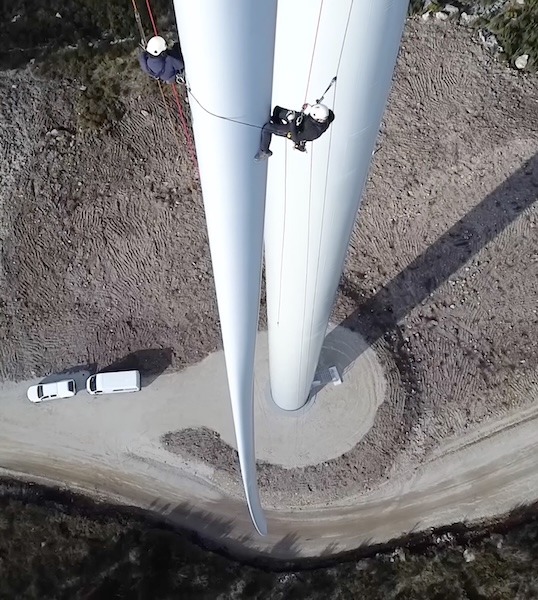 By expanding both coverage and performance criteria, Type 2 helmets are designed to better address a wider range of impact scenarios compared to traditional Type 1 protection. As a result, they are increasingly relevant for modern utility energy job sites and support a more proactive approach to head protection as risks continue to evolve.
Secure fit and retention at height
Another critical factor in head protection effectiveness is retention. During a fall or sudden movement, protective equipment must remain in place to do its job. Some modern safety helmets include chin straps and advanced suspension systems that help keep the helmet properly positioned, even when working at height or in dynamic environments; this secure fit supports safer operations during climbing, elevated tasks, and confined movement.
The bottom line for utility professionals
Utility environments continue to evolve, bringing new safety challenges along with them. The growing adoption of Type 2 safety helmets reflects a broader shift toward improved head protection, reduced injury severity, and closer alignment with real‑world job site conditions.
For organizations focused on mitigating slip, trip, and fall hazards, Type 2 ANSI‑rated head protection, combined with secure fit systems and advanced protective features, represents a forward‑looking approach to worker safety.
Kyle Anderson is Group Manager of Product Marketing at Milwaukee Tool, a manufacturer of solutions that lead to safer, more efficient jobsites.
Milwaukee Tool | www.milwaukeetool.com
Author: Kyle Anderson
Volume: 2026 July/August