




Project Vanguard: Building a veteran-led community for America’s energy future


When I transitioned from the military back in the 90s, there were no programs or organizations looking out for our veterans during transition, or at least none that I was aware of. That has changed for the better over the last several decades, but we can do better.
Last year, I had the opportunity to work with an active-duty Marine named Zach. Zach was a pilot in the military and was getting ready to transition out of the military. While he knew he no longer wanted to fly planes, he was unsure about what industry to transition toward. I took Zach to a networking event and introduced him to several leaders in the industry. Within just a few weeks, Zach had secured his next position and adventure; he started as a project manager just a few months later.
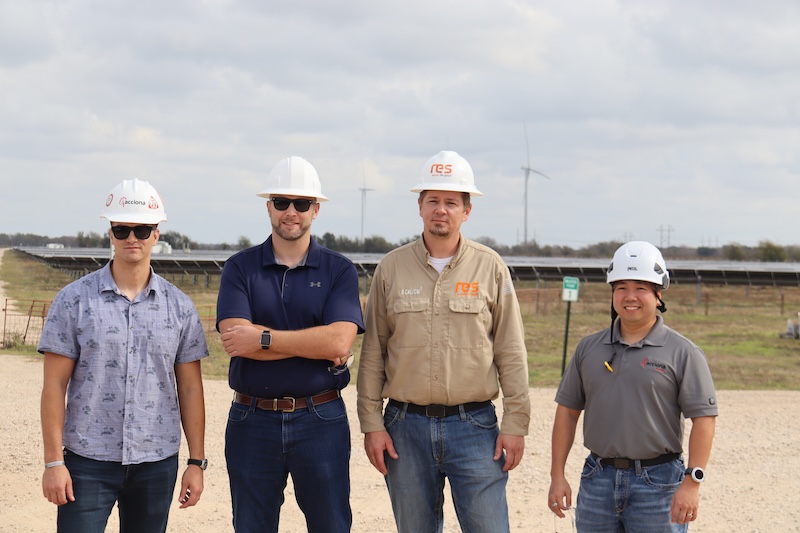
At Project Vanguard, we are focused on connecting military veterans with opportunities in the energy sector while supporting the broader goals of national security through energy independence and workforce development. We leverage the leadership, technical skills, and mission-oriented mindset of veterans to strengthen the American energy industry, particularly as the country navigates the transition toward a more diversified and resilient energy system. Currently, veterans represent 10 percent of the workforce in the energy sector. Our goal is to double that within the next 10 years.
We describe ourselves as a “community of veterans in energy”, emphasizing collaboration and veterans helping to support other veterans. Our stated mission centers on helping veterans enter and advance within the energy workforce, accelerating energy related projects, and promoting “common sense energy policy”. Our philosophy is built around the idea that energy security and national security are fundamentally linked, and that strengthening domestic energy production contributes directly to economic stability and national resilience.
We focus on workforce development by helping veterans transition into the energy industry. The energy industry, especially clean energy, transmission, and infrastructure sectors, faces ongoing labor shortages as demand grows. Veterans represent a natural talent pool for these roles due to their experience with complex systems, logistics, safety protocols, and team leadership. We aim to bridge the gap between military service and civilian employment by helping veterans translate their skills into energy careers. We frame this transition as a continuation of service, allowing veterans to remain engaged in mission driven work while contributing to long term national objectives such as energy independence and infrastructure modernization.
We learn early on in our military careers how to adapt and overcome obstacles that are thrown our way. As you will hear, most of us repeat the old adage - No plan survives first contact. Military personnel find out what that means quickly: whether during training or in battle, as plans change rapidly, we must pivot quickly to ensure the best outcome for our unit and comrades. In the renewable sector, we know this all too well. Some have even coined it the Solar Coaster.
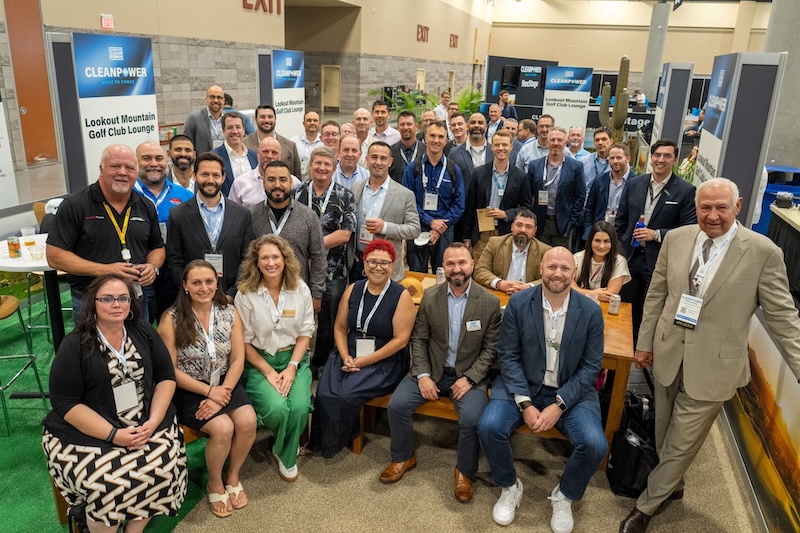
Networking and professional development form another central component of our initiative. We promote the creation of professional networks that connect veterans with industry professionals, project developers, and community leaders. Through events, mentorship, and community engagement, we seek to reduce barriers to entry for veterans unfamiliar with the energy industry while also helping employers access a reliable and disciplined workforce. The emphasis on networking reflects the recognition that career transitions often depend as much on relationships and exposure as on technical training.
Beyond employment, we advocate for responsible energy development at the community level. We support energy projects that are developed safely and efficiently, emphasizing their potential to generate local economic benefits such as job creation and increased tax revenue for municipalities. This approach aligns with trends in energy development while promoting an all of the above attitude. We know that public acceptance and community engagement increasingly influence projects. By involving veterans who often hold strong credibility within local communities, we aim to build trust around energy infrastructure projects and reduce friction between developers and stakeholders.
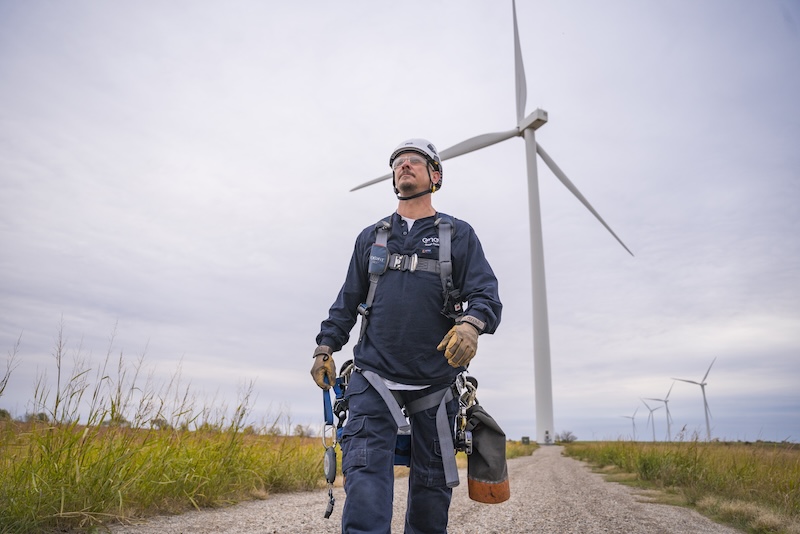
Another major pillar within our mission is the connection between energy production and national security. Many veterans have experience protecting energy supply chains during military service, and we believe that expanding domestic energy capacity reduces dependence on foreign energy sources. Investments in energy infrastructure, transmission systems, and renewable technologies are viewed not only as economic or environmental decisions, but also strategic ones that enhance national resilience. We understand that reliance on other countries for energy gives them power over us, and energy independence is the only way to truly be secure as a nation.
In summary, we are attempting to accomplish three interconnected goals: helping veterans build meaningful careers in the energy sector, strengthening domestic energy development through workforce and community engagement, and reinforcing the link between energy security and national security. By aligning veteran leadership with the evolving needs of the energy industry, we aim to create economic opportunities for individuals and long term strategic benefits for the nation.
Rickey Stuchell is Director of Land Acquisition & Utilities at Rinker Design Associates, LLC. He is also proud to be a Fellow at Project Vanguard, The Community of Veterans in Clean Energy, where he serves as a Community Leader in Verginia. He brings more than 22 years of experience in the real estate industry, including over 20 years specializing in land acquisition and right-of-way projects across the United States. Throughout his career, he has led and supported complex acquisition efforts for public infrastructure and private development projects, providing expertise in valuation, negotiations, due diligence, and project execution. In recent years, Rickey has focused extensively on renewable energy development and has developed a strong passion for advancing emerging technologies within the energy sector. He partners with corporations and development teams to support the siting and development of utility-scale wind, solar, and energy storage projects, working closely with stakeholders to identify viable project locations and complete critical due diligence activities necessary for successful project delivery. His background as a Certified General Real Estate Appraiser and Certified Machine & Equipment Appraiser provides a unique perspective in evaluating both real property and specialized assets, allowing him to bridge the gap between land development, valuation, and infrastructure deployment. His experience spans coordination with landowners, utilities, engineers, and development teams to move projects from early feasibility through acquisition and construction phases.
Rinker Design Associates, LLC | www.rdacivil.com
Project Vanguard | projectvanguard.com
Author: Rickey Stuchell
Volume: 2026 March/April