




Lifting Wind Energy to New Heights


Wind projects are being delivered under tighter schedules, with more interfaces and less room for disruption. In that environment, lifting carries more weight than it once did. No longer just a technical operation, lifting is one of the clearest points at which planning, logistics, safety, and project control are put to the test.
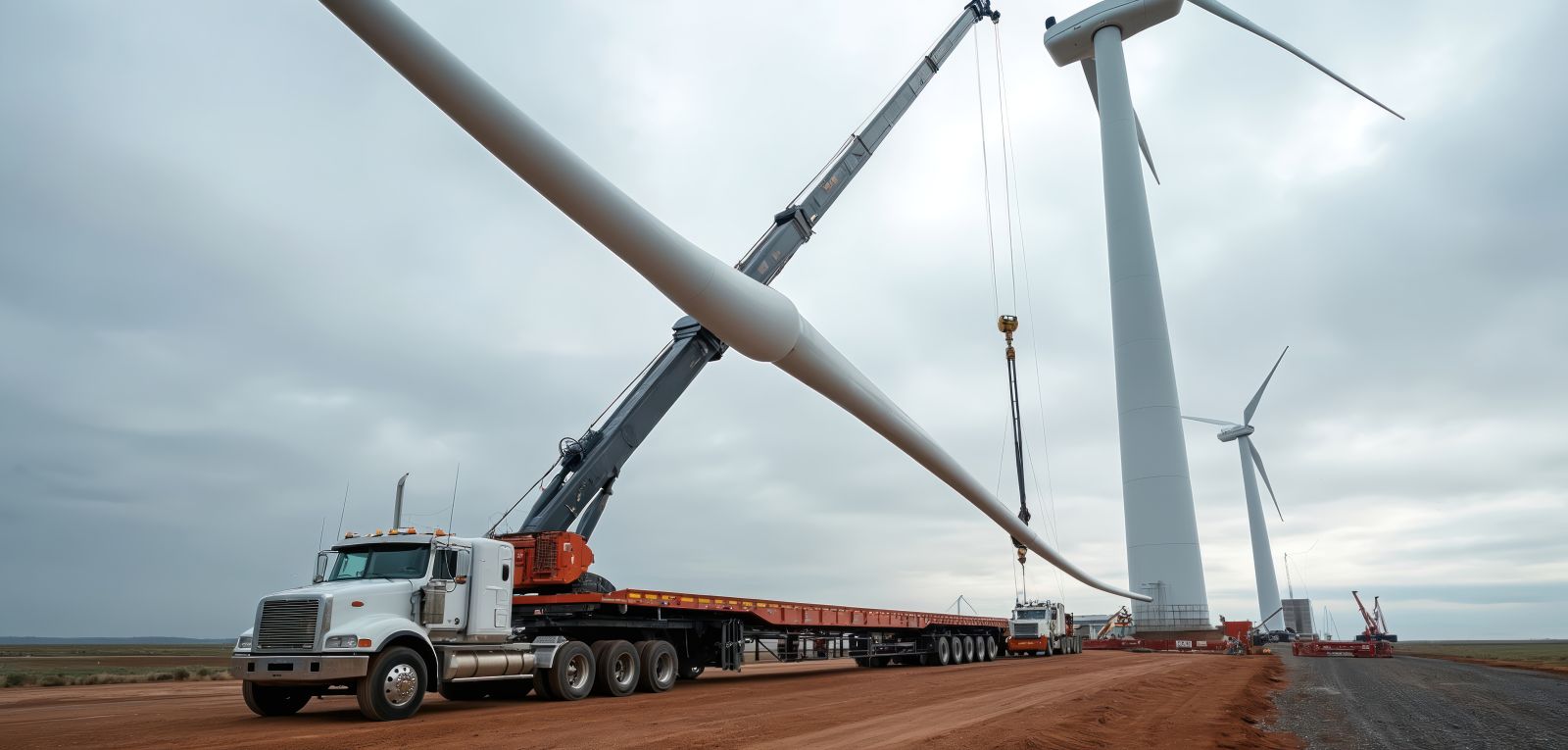
Lifting operations are the most visible stage of delivery, from blades suspended over the quayside to nacelles carefully positioned with exact precision. These activities depend on the alignment of cranes, vessels, and weather windows within a highly choreographed operation.
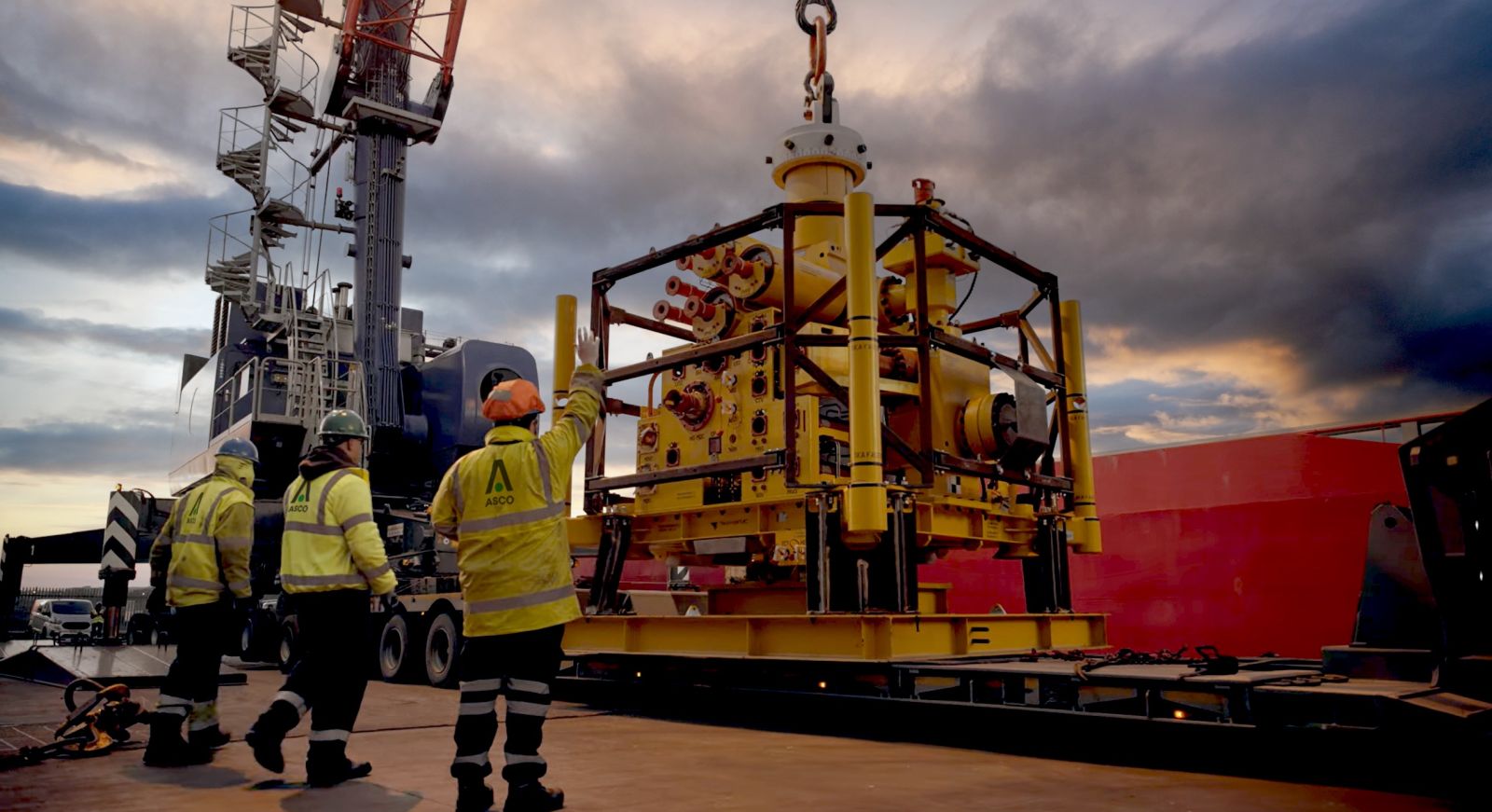
What is not often seen is that by the time a component leaves the ground, many of the most important decisions have already been made. In today’s wind operations, that matters more than ever. Projects are larger, schedules are tighter, and the cost of disruption is higher. Early choices around lift planning, coordination and logistics can have consequences far beyond the lift itself.
When hoisting next-generation wind turbine components such as 10-ton blades, the margin for error is small. However, the maturity of approach to lifting operations varies significantly across projects and regions; in many cases, traditional logistics planning methods struggle to account for critical variables like unpredictable weather and global supply chain disruption.
As a result, lifting is no longer a standalone activity. It is increasingly a fully integrated engineering, logistics, and risk management process, where decisions made early in the project lifecycle directly influence safety, efficiency, and overall delivery performance.
From routine task to critical path risk
The wind sector has become increasingly complex, with turbines increasing in size, installation vessels becoming more specialized, and project timelines tightening. Lifting operations have become a critical path, carrying significant technical, commercial, and safety risks. What was once considered a routine operation is now central to overall project delivery.
The challenge now is not simply lifting bigger components, but managing the interfaces around the lift well enough to protect the wider project. As projects scale, lifts are shaped as much by ports, vessels, workforce readiness, and delivery planning as the operation itself. When one element slips, the effects can quickly spread across schedules, marine operations, manufacturing, and installation, creating compounded risk across the entire project lifecycle and adding cost.
Thinking beyond the lift
Valuable simulations can illustrate, in practical terms, how success depends on treating offshore wind as an industrial operation. That means planning around large, dedicated hubs for manufacturing, marshalling, and integration, alongside different tow-out strategies and new ways of linking fabrication with offshore activity. Integration, in particular, is one of the most critical aspects of floating offshore wind construction, carrying significant interface risks and requiring the right lifting capability, as well as the necessary competence and expertise to execute safely and efficiently. It also requires a clear understanding of how constraints in integration berths, vessels, weather, and installation schedules interact at scale.
Modelling these pressures across multiple scenarios gives developers, ports, and policymakers clearer evidence of where constraints sit, how risk moves through the system, and where targeted investment and coordination can have the greatest impact.
The role of lift assurance in managing risk
Before a lift is executed, it undergoes thorough scrutiny with engineering checks, risk assessments, and independent verification. Lift assurance providers play a critical role, acting as a second line of defense. They ensure that every lift is not only technically sound but also compliant with regulatory requirements and industry best practice.
By identifying and mitigating risks early, lifting assurance allows operators to de-risk complex operations before execution begins. It also brings lifting expertise into projects at the right stage, while engineering, planning, and logistics decisions are still being shaped, rather than after key parameters are fixed. This early involvement is key; once vessel strategies are agreed or port infrastructure selected, the opportunity to influence safe and efficient lifting can become significantly constrained.
Integrating safety into growth
The bigger question for wind is not whether it can handle heavier lifts, it’s whether projects are being designed and delivered in a way that allows those lifts to happen without creating avoidable pressure elsewhere.
The next step for wind goes beyond greater lifting capability to greater control around the lift itself. The projects that perform best will be the ones that integrate planning, logistics, and execution well enough to reduce disruption before it starts.
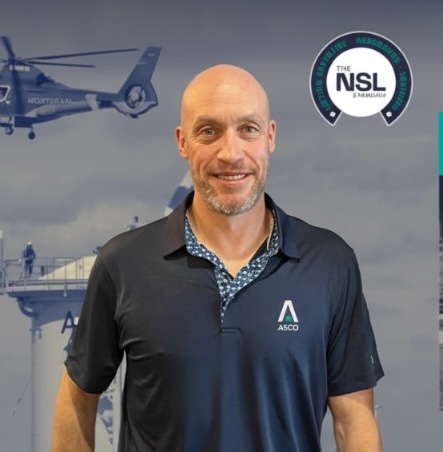 Mark Bruce is Operations Manage at ASCO. From large-scale supply bases and quaysides to warehouses and specialist facilities, ASCO’c global infrastructure supports customer projects across multiple sectors, from energy, to defense, metals, fashion textiles, and more. Advanced technology and integrated control centers give clients visibility, control, and continuity from start to finish.
ASCO | ascoworld.com
Author: Mark Bruce
Volume: 2026 May/June