




A Two-Pronged Approach to Solar Construction Challenges


While the solar construction industry navigates shifting economic currents and funding uncertainties, the underlying demand for renewable energy remains robust. The explosive growth of Artificial Intelligence data centers and steady adoption of electric vehicles are creating long-term energy needs that solar power is uniquely positioned to meet. For contractors, this environment presents a dual challenge: capitalizing on this long-term opportunity while finding new efficiencies to overcome the increasing complexity of jobsites and a persistent shortage of skilled labor.
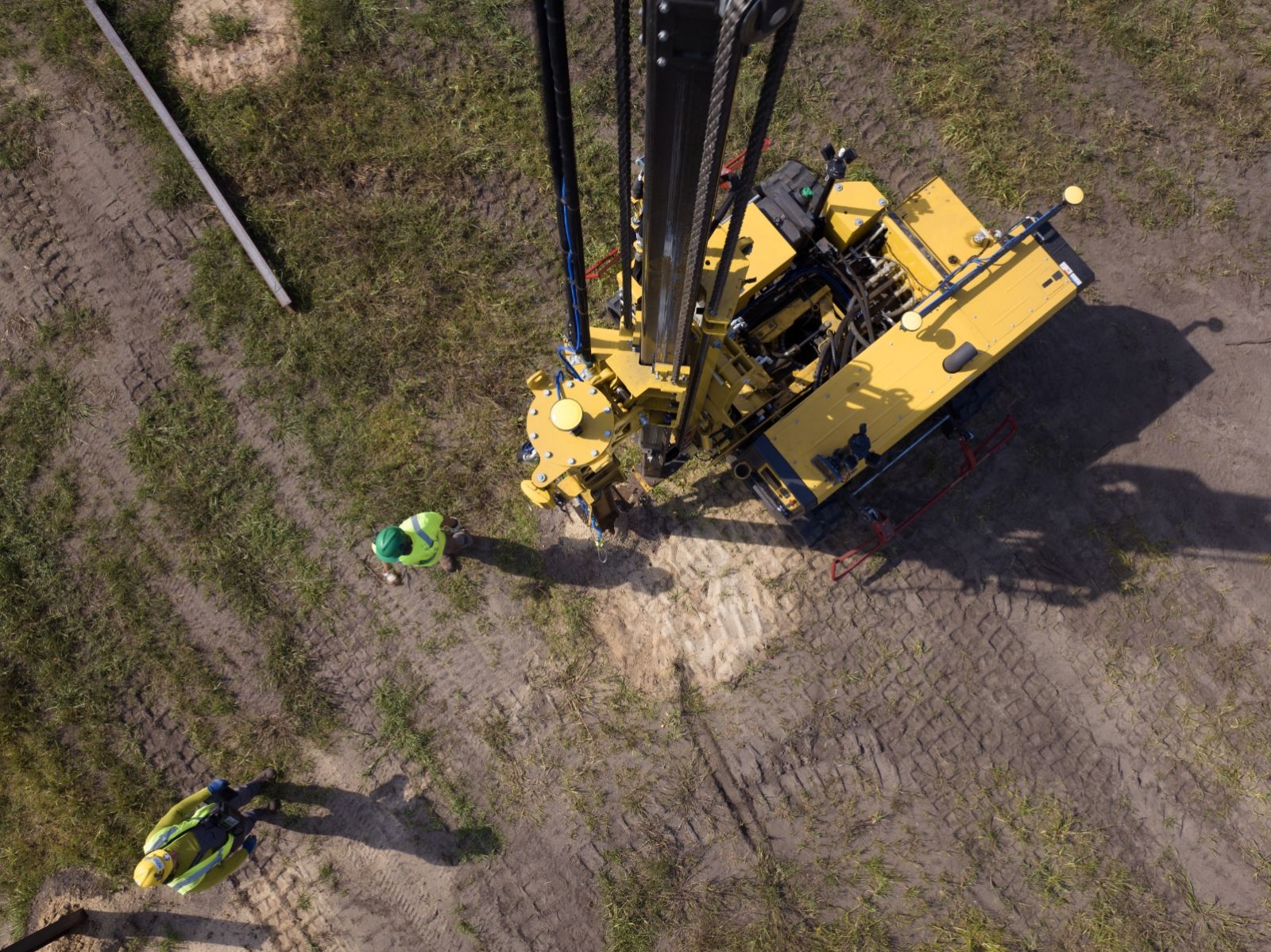
Modern solar projects often span hundreds of acres of difficult, uneven terrain. The days of working on a perfectly flat site are gone; contractors must now contend with everything from soft soils to hard rock on a single project. Addressing these issues requires more than just a single solution; it demands a two-pronged approach that begins with robust mechanical design and is enhanced by intelligent automation.
Part 1: Mechanics conquer the terrain
The foundational challenge on any solar project is the ground itself. In response, the latest generation of solar construction equipment, specifically pile drivers, is being designed to deliver more productivity and versatility. These new models are engineered from the ground up to handle the demanding and unpredictable conditions found on today’s solar sites. The ability to eliminate setup and teardown time is a crucial advantage that directly addresses tight project timelines and the bottom line.
This holistic approach to equipment design is critical. It involves pairing intelligent software with purpose-built hardware. For example, advanced hammer systems that apply hydraulic downforce give operators superior control to handle variable soil conditions. In soft, sandy soil where piles can be easily overdriven, the combination of sensors in the mast and precise hydraulic control helps the machine stop at the target elevation. Conversely, in challenging conditions like shale or hard clay, the same system minimizes damage to the top of the pile, helping to eliminate the need for remediation work.
This focus on holistic design delivers tangible benefits for fleet management. Machine versatility translates into needing less equipment for the project.
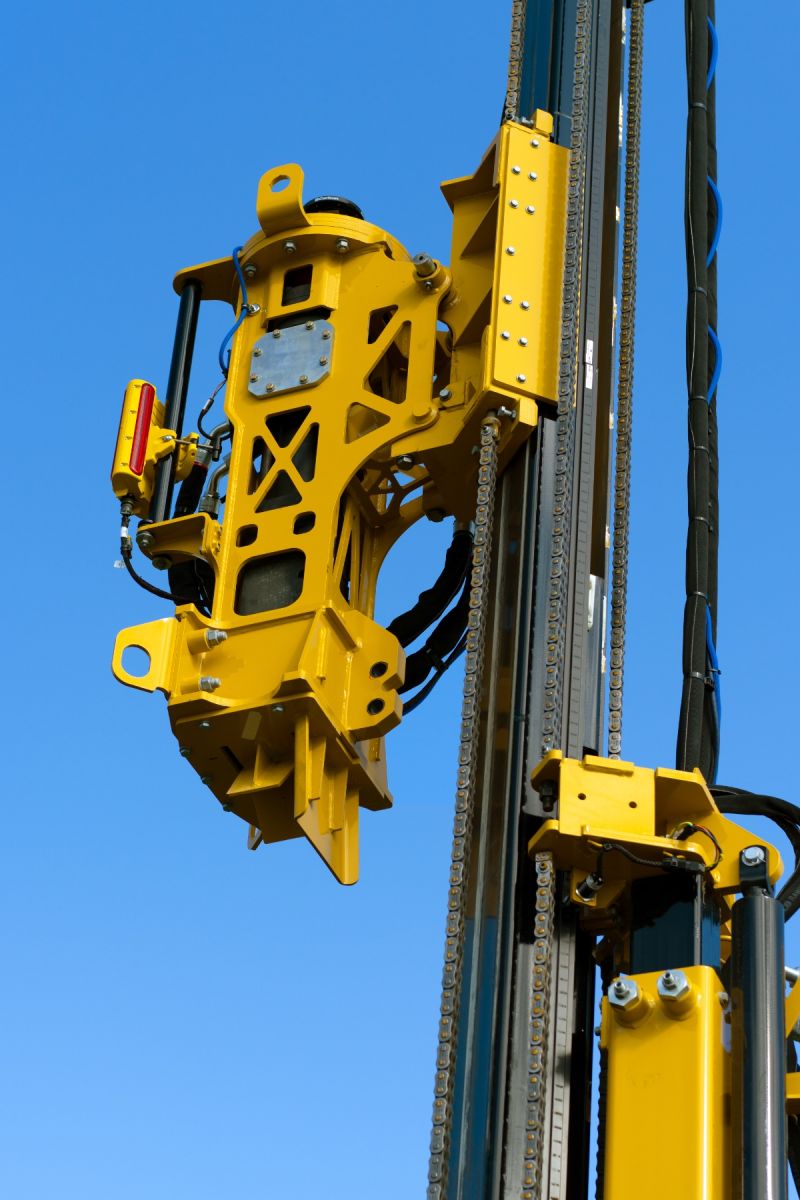 This design philosophy extends to every component. Enhanced undercarriage designs with greater ground clearance prevent machines from getting bogged down in muddy conditions, while excavator-style track rails are easier to clean out, which is a critical feature in freezing weather. This dedication to mechanical improvement is also evident in the machine’s powertrain. A larger engine provides a significant boost in ground speed, reducing the time it takes to track between installation blocks on large sites. That additional horsepower also translates to more hydraulic power for the hammer, helping crews maintain productivity when driving piles in the challenging conditions.
Part 2: Automation addresses the labor gap
Once a machine is mechanically capable of handling the terrain, the next challenge is making sure it can be operated efficiently by a modern workforce. As experienced operators become harder to find, technology is stepping in to bridge the gap. Automation in this context is not just about speed; it is about making the operator's job simpler and more consistent.
The integration of GPS was the first step, but the industry is now moving toward true machine automation. Point-to-point systems, for example, can reduce the number of manual operator inputs required to move from one pile to the next: from eleven down to just four. This streamlines the most repetitive part of the job and provides a level of consistency that is difficult to maintain manually, especially toward the end of a long shift. The next evolution of this is row-to-row automation, which handles the process of turning the machine at the end of a row and perfectly aligning it for the next sequence of piles. By automating these repetitive steps, operators can focus more on quality control and overall site awareness. The most significant benefit is the accelerated learning curve for new operators, allowing them to achieve high levels of productivity much more quickly.
The future is a partnership
Successfully navigating the future of solar construction requires a deep collaboration between the builders on the ground and the engineers designing the equipment. The most effective solutions are born from unfiltered feedback gathered directly from mechanics and operators on the jobsite.
The collaborative relationship between contractors and equipment manufacturers becomes increasingly crucial as automation adoption accelerates. While significant progress has been made in pile driving automation, industry leaders are already addressing the next efficiency challenges. Innovation-focused equipment partners are developing comprehensive solutions that optimize material handling and streamline the entire construction workflow. This progressive approach means that, as soon as one challenge is solved, the industry is already tackling the next opportunity for improvement.
Ed Savage is Lead Product Manager at Vermeer Corporation, Pella, Iowa.
Vermeer | www.vermeer.com
Author: Ed Savage
Volume: 2025 November/December