



What Solar Operators Should Know About Vegetation Management


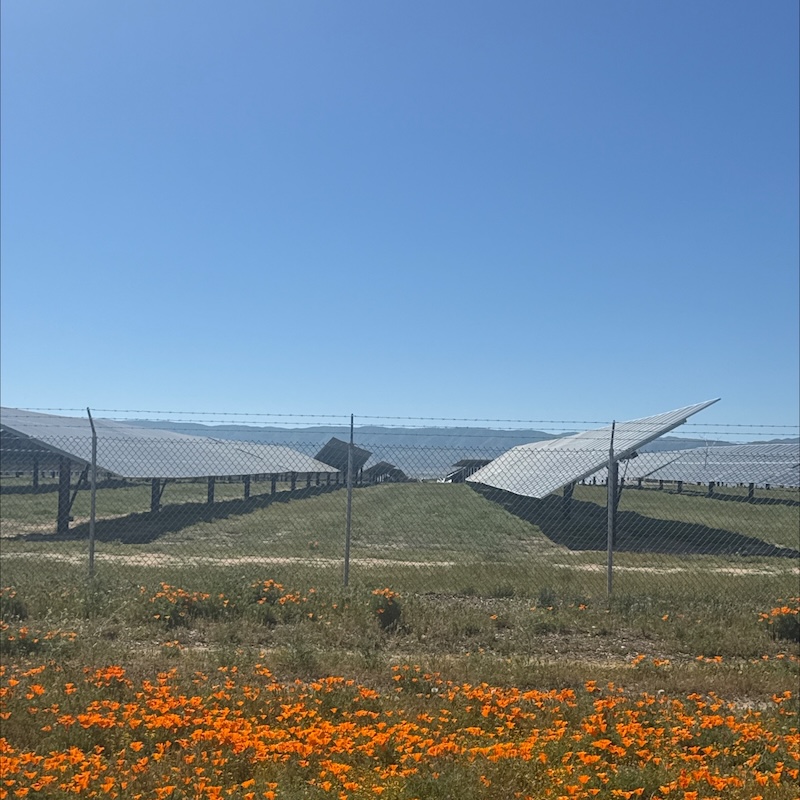
Picture two solar sites side by side. Just outside the fence of one, native wildflowers bloom in dense, thriving patches. Inside the fence, the same species that grew there naturally for years are gone, replaced by a mat of invasive weeds and grasses. The difference is not soil or sun. It is a comprehensive approach to vegetation and solar planning.
Across North America, utility-scale solar operators are facing a vegetation management challenge that is costing them more than necessary. The expertise to address it exists, and the right partner can make a measurable difference in both cost and outcomes.
Gap between construction and long-term maintenance
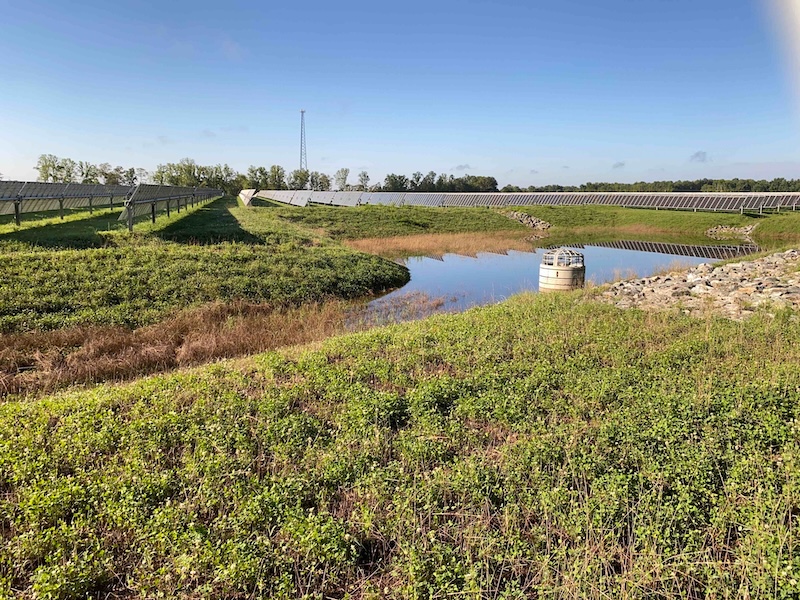
Vegetation management considerations at solar sites can be left out when making long term maintenance planning goals. During construction, capital budgets support land clearing and professional seeding programs that establish desirable plant communities (including pollinator-friendly species) before the site transitions to operations. Once that handoff happens, ongoing vegetation management becomes an operations expense that was not always fully anticipated at the planning stage. Having a vision for long term maintenance that is comprehensive before construction is ideal.
Working within those budget realities, many operators turn to local contractors hired to mow on a per-mow basis. While a practical solution to an immediate need, indiscriminate mowing over time tends to favor the hardiest, fastest growing species — typically grasses and non-native invasives — while gradually eliminating the more desirable plant communities that were established during construction. The capital investment in seeding, often three to four times the cost of a single mow, quietly disappears.
A more effective approach
Rather than treating all vegetation the same, a more effective approach for solar sites uses a combination of timed mowing, selective herbicide application, growth regulators, and targeted species treatment over time to shape the plant community toward a desired outcome. This science-based framework is built on best practices across many disciplines, and customized by region across territories.
Timing matters more than most operators realize. Mowing at the wrong point in the growing season can eliminate desirable species at exactly the moment they are setting seed. Mowing at the right time, combined with selective treatment of the faster growing problem species, can reduce how often and the extent mowing is needed. Operators who currently mow five or six times a year often find that a thoughtfully managed solar site achieves the same compliance outcomes in two or three passes.
Planning tools that track plant development and bloom times based on local climate conditions (known as phenological tools) help managers schedule the right activity at the right moment rather than relying on a fixed calendar. This kind of science-based scheduling is where a knowledgeable vegetation management partner adds significant value.
New sites and established sites require different strategies
Sites still in development benefit from the opportunity to align the construction phase seeding plan with a realistic long term maintenance strategy from the start. Seeding methods vary widely in their effectiveness for establishing native species. Working with a vegetation management partner during the construction phase helps ensure that the investment made in the ground translates into a plant community that can actually be maintained cost effectively through operations.
What works in the Northeast looks very different from what works in the Southeast or the desert Southwest. Regional differences in climate, soil type, native plant communities, and invasive species pressure mean that a vegetation program designed for one geography may be ineffective or even counterproductive in another. A partner with regional expertise understands which species are likely to become problems, when they are most vulnerable to treatment, and which desirable species are worth protecting and encouraging in that specific environment.
For sites in the middle of their operational life, ongoing vegetation management is an opportunity to course correct. If early mowing practices have allowed tall grasses or invasives to take hold, targeted intervention can begin shifting the balance without a full reset. Incremental adjustments to timing, treatment, and species selection can steadily improve site conditions while keeping maintenance costs in check.
For established sites where the plant community has shifted significantly over time, a more structured recovery plan may be needed. Targeted treatment of dominant invasive species, adjusted mowing timing, and strategic reseeding can begin to restore a more desirable and manageable plant community within one to two growing seasons. A partner with experience across different site types and regions can assess what is realistic and build a program that fits the site, the budget, and the long-term goals of the operator.
The broader opportunity
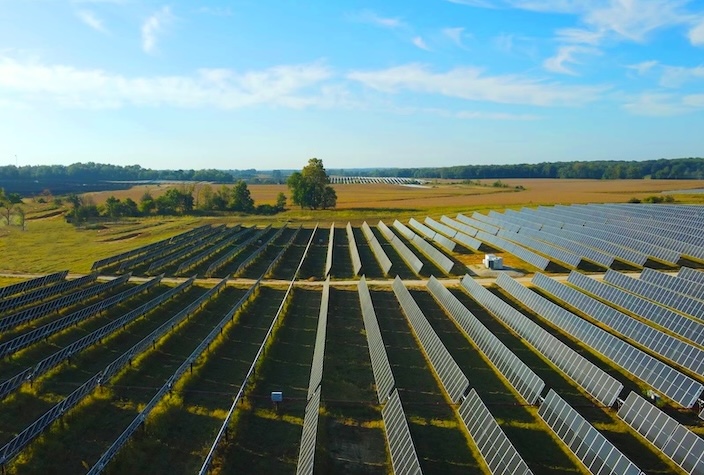
Some operators are choosing to go further, converting the land within and around their arrays from grass dominated cover to certified pollinator habitat. Native flowering plants and forbs (broadleaf herbaceous plants that are not grasses) are generally more drought tolerant and lower maintenance once established. They support local pollinator populations and biodiversity, and can carry real public perception value in communities where solar development is visible and scrutinized. In certain areas, particularly the west, many native species are wildfire adapted and present a lower risk of propagating unexpected thermal events than invasive grasses and plant species.
A single utility-scale solar site can encompass thousands of acres. Managed with intention, that land represents a meaningful environmental asset. The acreage involved means that even incremental improvements in vegetation management practice have an outsized impact on cost, compliance, and ecological outcome.
Finding the right partner
Solar operators bring deep expertise in energy production. Vegetation management is a different discipline. Pairing with a partner who brings scientific knowledge, field experience, and the ability to scale programs across multiple sites can relieve a significant operational burden. It is important to establish a consistent maintenance program for predictable budgeting. The right program reduces maintenance costs, protects prior investments, supports compliance, and improves the long-term condition of the site.
Operators who invest in a suitable vegetation management program will find the land working in their favor rather than against it. A well-managed site costs less to maintain, performs better over time, and reflects well on the people who built it. That is a return worth investing in.
Vince Mikulanis is Director of Western Operations at Davey Resource Group, which works with clients to optimize cost, achieve compliance, improve response time and customer satisfaction, and enhance reliability.
Davey Resource Group | www.davey.com
Author: Vince Mikulanis
Volume: 2026 July/August