




The Perimeter Problem in Renewable Energy


Solar is booming. The U.S. Energy Information Administration expects nearly 70 gigawatts of new solar capacity to come online in 2026 and 2027 alone, a 49 percent jump in U.S. operating capacity compared to the end of 2025. By 2027, solar is on track to overtake hydroelectric as a power source. That kind of growth draws attention. Including from the wrong people.
Solar farms aren’t compact facilities with controlled entrances and staffed loading docks. They’re wide-open sites spread across acres, often built in remote areas with limited on-site oversight. As these facilities multiply, so does their exposure to theft, vandalism, and physical attack.
The energy industry has invested heavily in cybersecurity. Physical security deserves the same urgency.
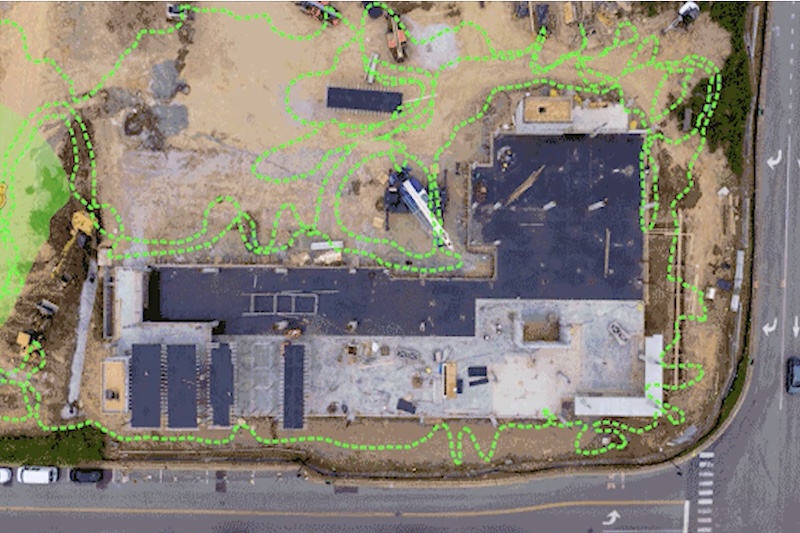
Physical risk: A solar priority
The consequences of inadequate physical security are real and costly. In 2024, vandals caused hundreds of thousands of dollars in damage at a solar farm in Maine. That’s just one documented case. Across the industry, damaged panels, stolen copper, cut fencing, broken equipment, and compromised access points are adding up to ballooning repair costs, insurance claims, and project delays.
Waiting for law enforcement to react isn’t a strategy. It’s a gamble. And for solar operators running remote sites, it’s often a losing one.
Why the fence line is no longer enough
For a compact facility, the perimeter is straightforward. For a solar farm, it isn’t. It includes access roads, gates, cable runs, equipment yards, inverter areas, laydown yards, and long stretches of fencing far from any road or building. There are blind spots everywhere.
Fencing still matters. So do locks, lighting, signage, license plate recognition, and access controls. These measures slow intruders down and make entry harder. But they share a critical limitation: they can’t tell the difference between a contractor, a stray deer, and someone who just cut a section of your perimeter wire. And they do nothing to close the gap between detection and response. That gap is the real problem.
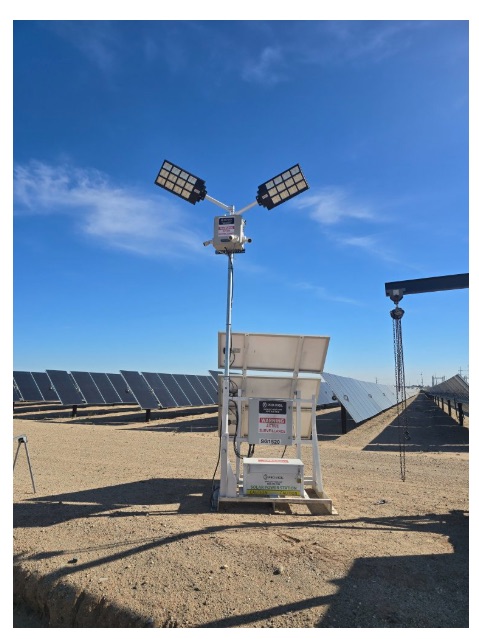 From passive footage to active security
Passive video has its place. It can document when a criminal entered, what they took, and how they fled. That matters for insurance claims and police reports. But it doesn’t stop anything. Solar operators need a different goal: identify suspicious activity, verify the threat, and deter it while there’s still time to prevent damage.
That starts with strategic camera placement. Not just where equipment is easy to install, but where risk is actually concentrated: gates, access roads, storage areas, high-value components, and perimeter sections where an intruder could work undetected. Both fixed and mobile surveillance units can extend visibility across large, remote sites.
Visibility alone isn’t enough. The next layer is verification. AI-powered monitoring accelerates detection, but not every alert requires the same response. Wind, animals, and authorized after-hours workers all trigger false alarms. Trained human review filters the noise from genuine threats, quickly.
Then comes the step that actually changes outcomes: deterrence. Audio and visual warnings, triggered by a live monitor who has verified the threat, can stop a bad actor in their tracks. If the intruder doesn’t leave, authorities get the call.
Planning for risk from day one
Many solar sites, especially during construction, lack traditional infrastructure: no permanent power, no reliable internet, no on-site staff. A workable security plan accounts for that from the start.
That means deploying security systems built for remote, rural environments. Solar-powered mobile monitoring units can deliver connectivity and visibility coverage without relying on permanent infrastructure. The requirement isn’t rigid coverage. It’s flexible coverage that follows risk as a site evolves from construction through full operation.
The solar industry’s growth isn’t slowing. The farms best positioned for that growth won’t just have the best panels or the best grid connections. They’ll be the ones that treated physical security as an operational baseline, measured not by how many cameras they installed, but by how fast they could see a threat coming and stop it.
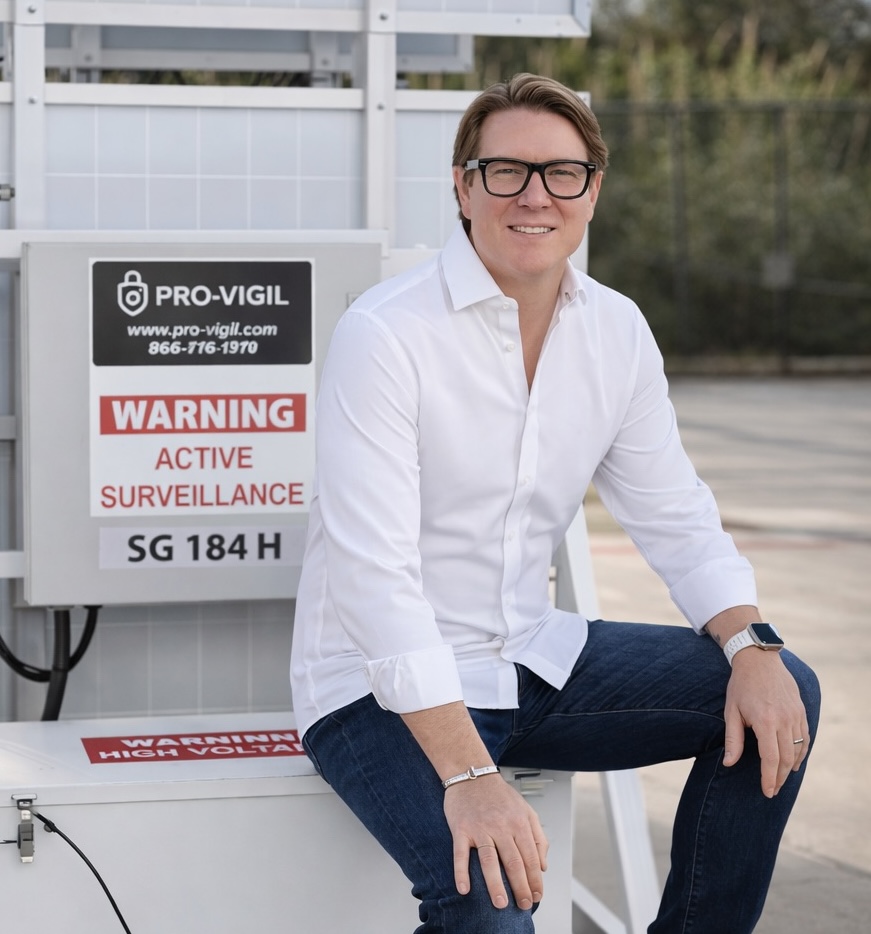 Jeremy White founded Pro-Vigil in 2006 and helped to pioneer the remote video monitoring industry. His entrepreneurial spirit and leadership style has been key in the success of Pro-Vigil and the industry as a whole. Pro-Vigil is a provider of AI-enabled remote video monitoring solutions.
Pro-Vigil | pro-vigil.com
Author: Jeremy White
Volume: 2026 July/August