




Staying Connected When the Grid Goes Down


In late October 2012, when Hurricane Sandy struck the east coast, the damage extended far beyond what could be seen. Flooded streets and fallen trees were only part of the story. What lingered was the sudden loss of electricity across entire regions, with millions of homes going dark — some for days, others for weeks. At first, the inconvenience felt manageable. Candles replaced overhead lights and people waited it out. But as hours turned into days, the reality set in: modern life is inseparable from access to power.
Communication was one of the first and most critical challenges to break down. As phone batteries drained, so did people’s ability to check in with loved ones, receive emergency alerts, or access real-time information. In a moment when connection mattered most, it faltered. Across affected areas, a common scene unfolded — people sitting in their cars, engines idling, charging their phones. It was a flawed workaround, dependent on limited fuel supplies and far from a sustainable solution. At the same time, other disruptions worsened conditions; refrigerators warmed, food spoiled, and homes lost heat as temperatures dipped. Gas stations struggled to operate without electricity, ATMs went offline, and access to everyday essentials became increasingly uncertain.
Events like this underscore a fundamental truth: the systems that support daily life are often centralized and, in extreme conditions, surprisingly fragile. When the grid fails, it is not just the lights that go out — the effects ripple outward, impacting safety, health, and overall stability. In the aftermath, the conversation began to shift from recovery to resilience. How could individuals and communities better prepare for future disruptions? What would it look like to have access to power that didn’t rely entirely on large-scale infrastructure?
One answer has emerged in the form of decentralized, off-grid energy solutions, particularly those that draw from renewable sources: Solar. Unlike traditional backup systems that depend on fuel, which may be difficult to access during emergencies, solar-based technologies offer a different kind of reliability; they operate independently of the grid, providing power as long as there is sunlight available. What makes these systems especially compelling is not just their sustainability, but their practicality in moments of need. Even modest amounts of power can have a meaningful impact during an outage, whether it’s charging a phone, powering a light, or running a radio to stay informed.
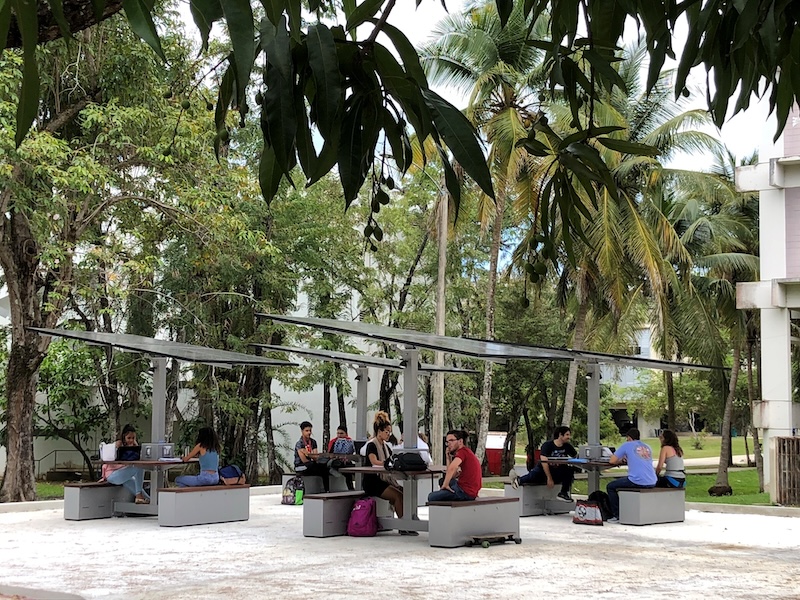
These solutions are also highly adaptable. They range from compact, portable setups designed for short-term use to more comprehensive systems capable of supporting essential household functions over longer periods. This flexibility allows individuals to tailor their approach based on their environment, risks, and priorities. In areas affected by widespread outages, access to shared power sources can transform public spaces into informal support hubs. These are places where people gather not only to recharge devices, but to reconnect with one another.
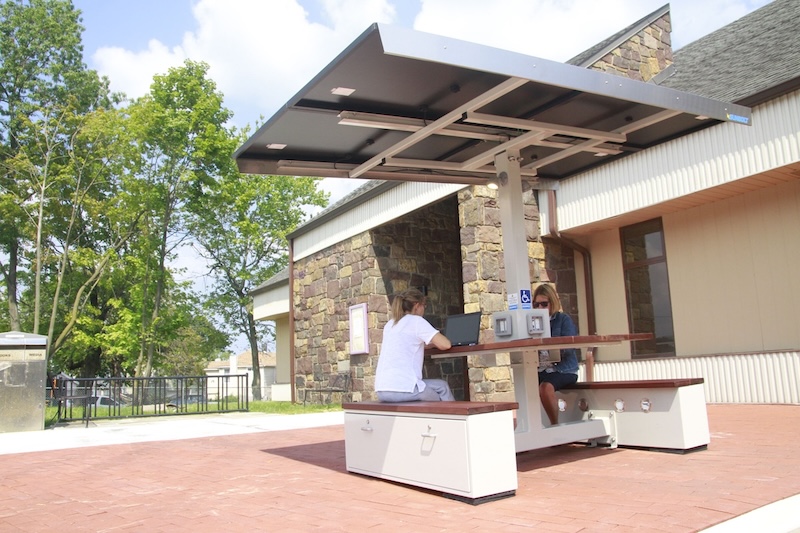
Advancements in design and usability have further expanded accessibility. What once required technical expertise is now within reach for the average user, with many systems designed for simplicity and ease of use. While these technologies are often associated with emergency scenarios, their relevance extends well beyond moments of crisis. They reflect a broader shift toward resilience and self-sufficiency, an acknowledgment that while disruptions cannot always be prevented, their impact can be reduced.
Extreme weather events are inevitable. The question is no longer whether outages will occur, but how prepared we are when they do. Reliable, independent access to power does not eliminate risk, but it fundamentally changes how that risk is experienced: offering continuity in moments of disruption and connection when it matters most. Resilience is not defined by avoiding hardship, but by being equipped to navigate it.
Vanessa Branco is the Chief Sales & Marketing Officer at Sunbolt, where she leads the company’s sales, marketing, growth strategy, and customer acquisition efforts for its solar-powered outdoor workstations and charging solutions. At Sunbolt, Vanessa plays a key role in expanding the reach of sustainable, off-grid solar infrastructure for campuses, public spaces, and communities.
Sunbolt | gosunbolt.com
Author: Vanessa Branco
Volume: 2026 May/June