




Is Your Business Ready for Climate Disruption?


Renewable energy is working to reduce fossil fuel reliance and cut CO₂ emissions. And yet, as we focus on mitigating future impacts, many communities are already living with the consequences of climate change. Warming temperatures, heavier precipitation, and more frequent extreme weather are disrupting staffing, customers, operations, and supply chains. Floods, damaging storms, wildfires, and extreme heat are no longer hypothetical but operational realities.
Strengthening the grid is essential. Our industry is investing in more resilient solar and storage systems, smarter forecasting, and enhanced operations and maintenance to keep power flowing when it’s needed most. But infrastructure resilience alone is not enough. The more pressing question is this: will your company be able to operate during and after a climate emergency?
Vermont has experienced two consecutive years of devastating floods alongside prolonged drought —even a rare tornado that damaged a solar array. Across North America, floods and wildfires continue to leave lasting impacts on communities and businesses alike. Some insurers reports that 50 percent of renewable energy claims in North America in 2019 resulted from weather-related incidents.
Climate disruption is a present and growing risk. The question is not whether it will occur, but whether your business will be ready.
Small and mid-sized businesses are especially vulnerable. Federal data shows that 75 percent of small businesses without a continuity plan fail within three years of a natural disaster. The most effective strategy for minimizing disruption is straightforward: have a plan. Yet most small businesses remain unprepared for a changing climate.
The lesson? Having a plan isn’t optional.
Develop a climate resilience action plan
Through experience, we’ve distilled the process into practical steps that any renewable energy company can follow.
1: Identify your climate hazards
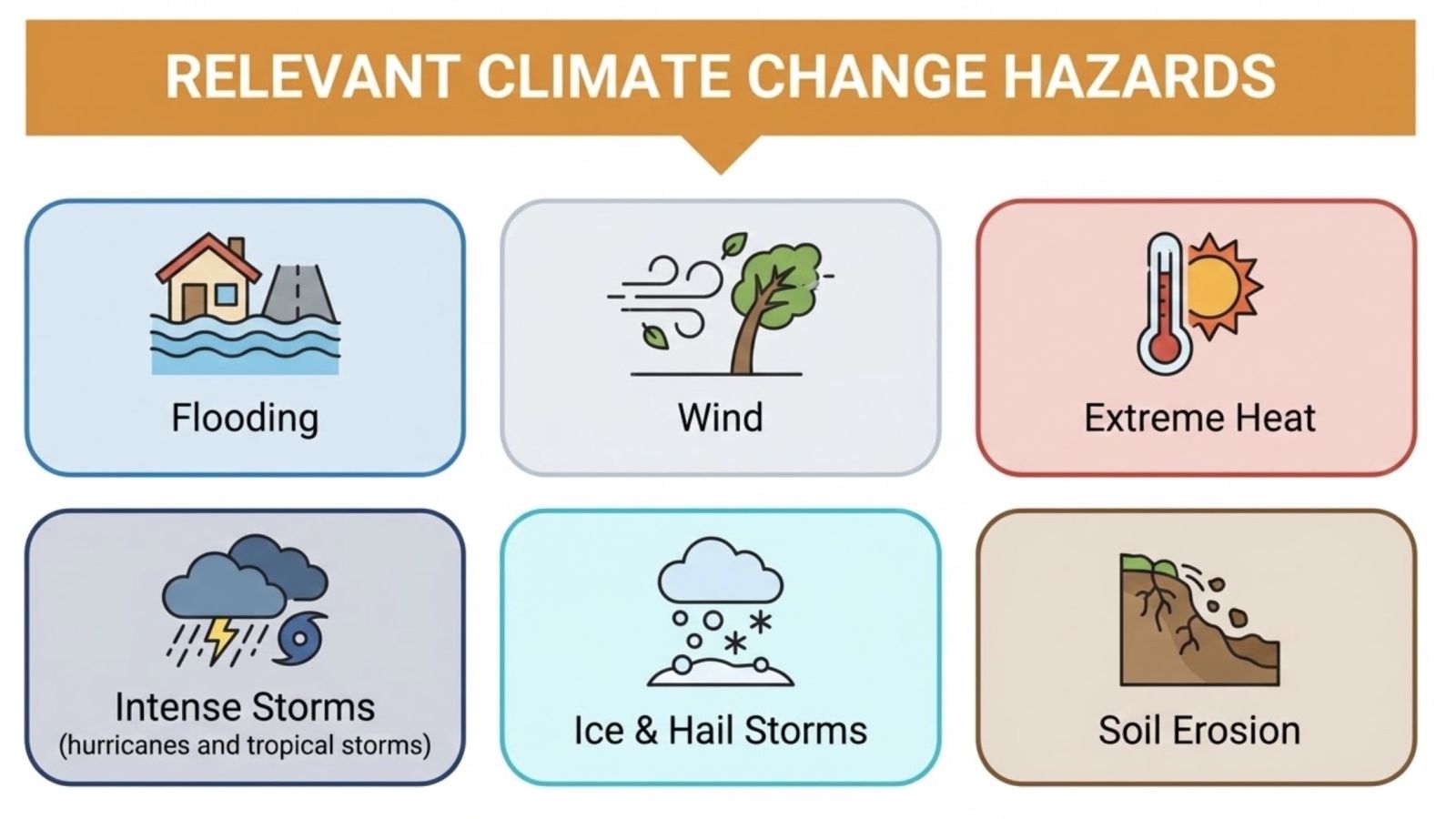
Start by asking: What are the potential climate hazards in your region, and how likely are they to occur?
For much of New England, for example, projected changes include:
- Increased extreme heat
- Heavy precipitation leading to flooding
- Drought conditions
Regional tools such as Climate Explorer and the Climate Adaptation Knowledge Exchange can help quantify exposure and risk trends.
2: Identify your most important assets
What do you need to protect?
Tangible assets:
- Inventory
- Headquarters and warehouses
- Fleet vehicles
- Active project sites
Intangible assets:
- Employees
- Software systems
- Data
Supporting assets:
- Communications systems
- Power grid access
- Supply chains
- Roads and bridges
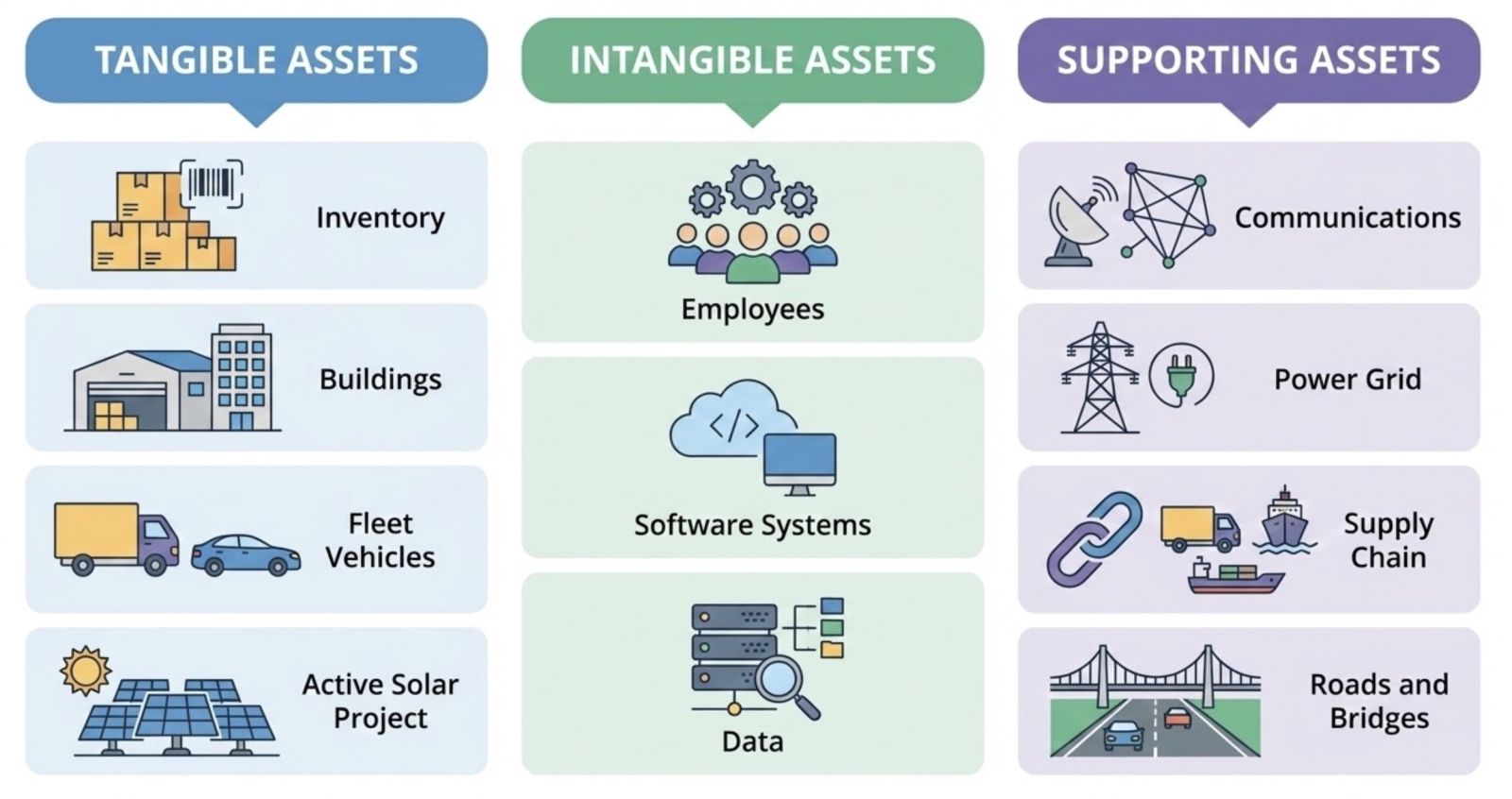
For an EPC, active project sites and supply chain continuity are especially critical. A washed-out access road or delayed transformer shipment can halt operations for weeks. The important thing is to prioritize staff and subcontractors’ safety and wellbeing above all else.
3: Pair assets with hazards
This “asset-hazard pairing” step examines how each hazard could impact each critical asset.
For example:
- How would extreme heat affect field crews?
- Could flooding impact a warehouse or an in-progress installation?
- How would drought-driven wildfire smoke affect outdoor work schedules?
This analysis often reveals vulnerabilities that weren’t previously obvious.
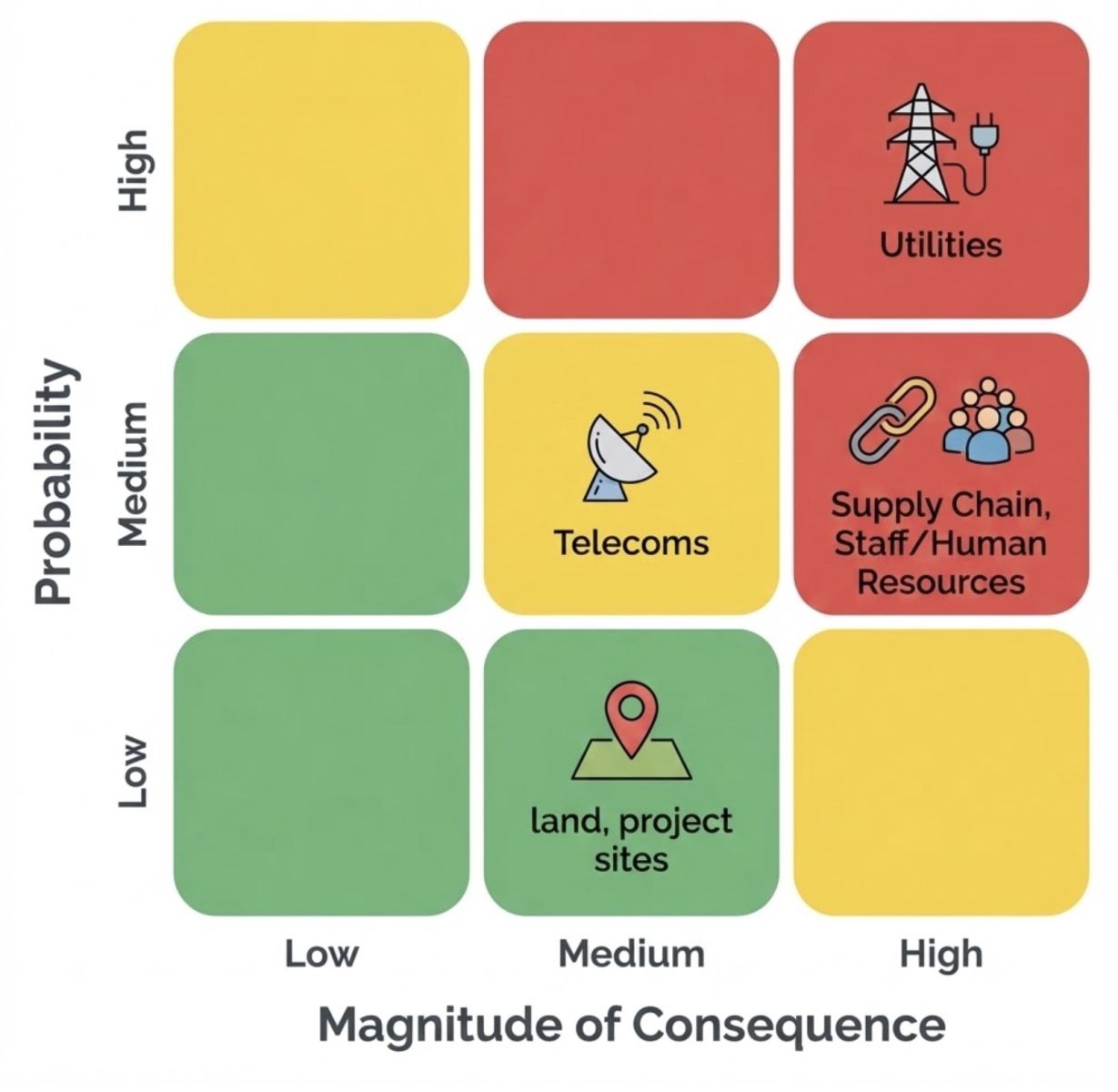
4: Prioritize using a risk matrix
Much like a double materiality assessment, these asset-hazard pairings can be organized into a risk characterization matrix.
Assess the following:
- Likelihood of occurrence
- Severity of impact
- Financial exposure
- Operational disruption
From there, prioritize actions. Not every risk requires immediate capital investment. Some solutions are procedural. Others may require phased infrastructure improvements.
From risk assessment to resilient action
Once risks are prioritized, the next step is turning analysis into implementation. That means developing clear action plans, timelines, and sequencing. Some resilience measures may be “Best Bet” investments — relatively low-cost actions that significantly reduce exposure — while others may require phased capital investments and longer planning horizons.
Key questions to guide this phase include:
- Is the solution a single step or a coordinated series of actions?
- What local, state, or federal resources can help finance or support implementation?
- Are there project-specific considerations for individual solar installations?
Resilience planning must also address operational realities beyond physical assets. Insurance coverage should be reviewed carefully to really understand what is and is not covered before a flood or wildfire occurs. Policy and contractual obligations may be affected by extreme weather delays, and state or federal programs may provide assistance worth exploring.
Equally important are workforce considerations. Clear emergency communication protocols, extreme-weather working condition policies, climate-related PTO policies, and support for emotional resilience and mental health are essential to maintaining continuity during disruptions. The result is more than a plan on paper. It’s the confidence to lead through disruption.
Diana Wood is Director of Brand Communications & Sustainability at Norwich Solar. With 15+ years of experience helping organizations grow with purpose, her career spans renewable energy, consumer goods, and the public sector. She works at the intersection of brand storytelling, marketing strategy, and ESG integration.
Norwich Solar | norwichsolar.com
Author: Diana Wood
Volume: 2026 May/June