




Engineering First: Why quality design is critical for every solar project


As the solar industry continues to grow rapidly, homeowners and businesses are investing heavily in solar arrays. Yet, one element of the project lifecycle is often underestimated: professional engineering and design. Skipping or minimizing this phase may seem like a way to save money, but it often leads to higher costs, delays, and safety risks.
Why cutting corners on engineering can be costly
Many budget design services prioritize speed over accuracy, submitting drawings quickly to maximize volume. While this may seem efficient, it often sacrifices quality. Common issues with low-cost engineering include:
- Unverified roof framing and structural integrity
- Lack of attention to load paths and member strength
- Failure to review site-specific hazards or attic imagery
- Ignoring electrical compliance, UL certifications, or NEC requirements
- Overlooking service panel capacity and proper conductor sizing
Even small assumptions in the design phase can cascade into major problems during installation or inspection. These errors may not surface until after equipment is installed and wiring is complete, leaving costly corrections unavoidable.
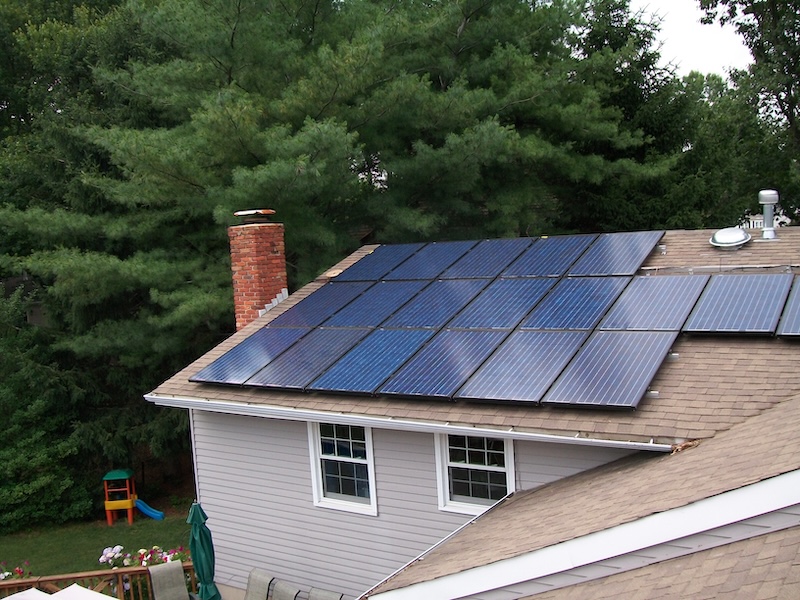
Real-world example #1: Structural evaluation prevents roof failure
In one residential solar project, preliminary design software indicated that the existing roof framing could support the proposed PV array. However, a detailed engineering review revealed that the home used older 2×4 rafters at wide spacing, with undocumented modifications from a previous remodel. A professional engineer required attic verification and load calculations, ultimately recommending a localized structural reinforcement.
Although this adjustment added modest upfront cost, it prevented a failed inspection and eliminated the risk of long-term roof deflection or structural damage.
The hidden dangers of non-compliant equipment
Electrical equipment that is untested, non-certified, or incompatible with code requirements poses significant risks. Potential consequences include:
- Permit rejections by local authorities
- Inability to energize installed systems
- Nonreturnable panels, batteries, or inverters
- Project redesign and additional costs
- Financial responsibility falling on the property owner
Low-cost engineering firms often fail to catch these problems because addressing them properly requires both expertise and the willingness to reject unsafe solutions.
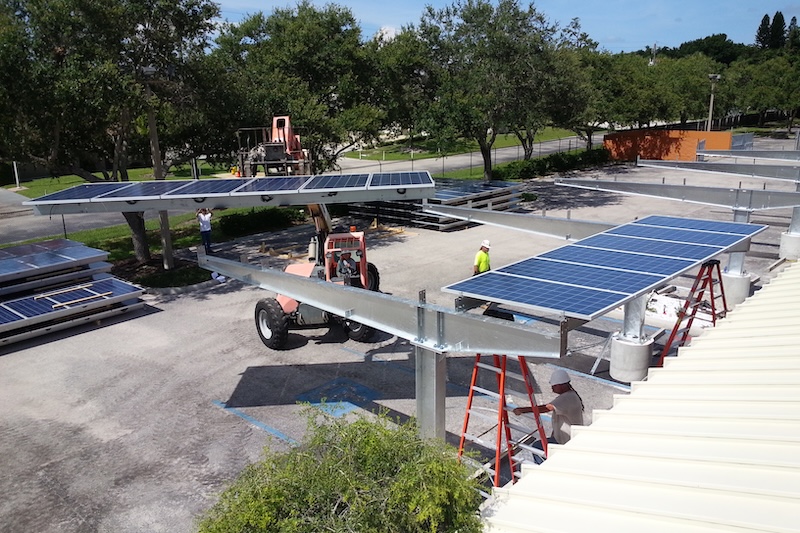
Real-world example #2: Electrical compliance catches non-certified equipment early
In one project, a homeowner selected a battery system that appeared compatible with their inverter, but lacked proper UL certification for the intended configuration. During the engineering phase, the issue was identified before procurement; the engineer worked with the installer to select a compliant alternative that met NEC and local AHJ requirements.
This early intervention prevented permit rejection and avoided thousands of dollars in nonreturnable equipment costs.
Remote design vs. real-world conditions
With many solar designs created remotely or through automated software, a growing gap has emerged between paper and reality. Designers may have never done the following:
- Climbed on a roof or inspected trusses
- Performed a service panel upgrade or installed conduit
- Evaluated structural anomalies or mounting surfaces
This lack of field experience can lead to drawings that appear professional but fail in practice.
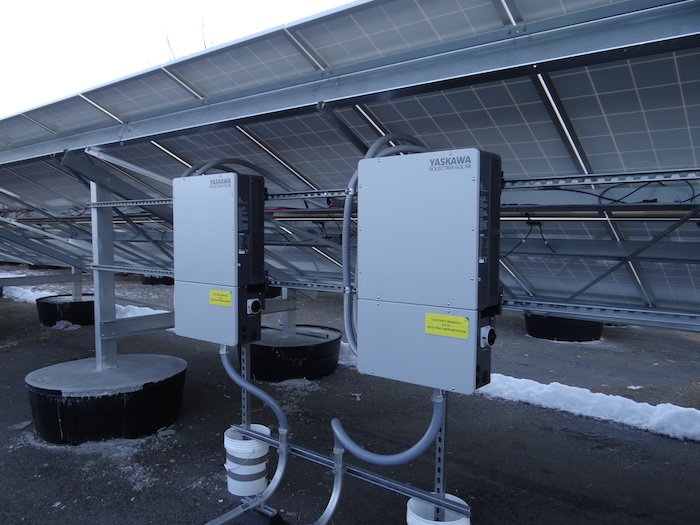
Real-world example #3: Load path analysis avoids costly rework
On a commercial flat-roof installation, an initial low-cost design assumed that parapet walls could be used for mounting attachments. During engineering review, it was determined that the parapet was non-structural and not tied into the primary load path. The engineer revised the mounting layout to transfer loads directly into structural beams below the roof deck. Without this correction, the system would have required full removal and redesign after inspection, delaying the project and significantly increasing labor costs.
How strong engineering supports successful projects
The engineering and design phase is the foundation of every solar installation, influencing the following:
- Structural safety
- Electrical reliability
- Compliance with building codes
- Project timelines
- Cost efficiency
- Ease of installation
Rushed or inexperienced design compounds errors throughout the project, increasing the risk of delays, redesigns, and unsafe installations.
What professional engineering brings to the table
High-quality solar engineering provides far more than stamped drawings — it safeguards the entire project. Key benefits include:
- Accurate evaluation of roof framing and structural conditions
- Identification of limitations before equipment purchase
- Verification that all electrical components meet code and certification standards
- Proper conductor sizing, overcurrent protection, grounding, and rapid shutdown compliance
- Experience-based recommendations for design and technology choices
- Prevention of costly rework, redesign, and material loss
- Guidance through permitting and post-installation support
- Commissioning assistance to ensure system performance
The expertise and diligence provided by professional engineers cannot be replaced by automated tools, or the lowest bidder.
Conclusion: Quality design is the foundation of success
Solar installations represent a significant investment in equipment and labor. Cutting corners on engineering may save a small amount upfront, but often leads to expensive problems later. Proper design ensures structural safety, code compliance, and smooth installation — protecting homeowners, installers, and the long-term performance of the system.
The essential question is straightforward: should a project rely on the cheapest design or the correct one? Choosing quality engineering is the difference between a successful, long-lasting solar installation, and one fraught with costly setbacks.
Roger Anderson is President and Owner at ARC Design & Consulting , which specializes in comprehensive solar design solutions. ARC Design provides solar design services in all U.S. states, supported by a team of highly trained solar experts serving residential, commercial, and utility-scale projects nationwide. From systems as small as 3 modules to large-scale installations exceeding 300,000 modules, ARC Design brings deep expertise in Solar PV equipment selection, system layout, energy optimization, electrical and structural evaluation, and permitting and approval processes. We deliver full, installation-ready design packages, including professional engineer (PE) stamped drawings, and maintain strong relationships with installers, developers, and funding sources, including PPA services. ARC Design specializes in commercial and utility-grade photovoltaic power projects, as well as battery energy storage systems and EV charging infrastructure. Our services include utility application support, NYC Department of Buildings (DOB) permitting, site planning, system design and optimization, and detailed interconnection and construction documentation.
ARC Design | www.arcdesignllc.net
Author: Roger Anderson
Volume: 2026 March/April