




Zinc Batteries Power Forward and Find New Opportunities


As the United States retreats from its investment in the energy transition, Canada and other countries are stepping up their efforts to invest in and grow their energy storage industries. Despite this changing market dynamic, rechargeable zinc battery manufacturers are accelerating their commercialization and scaling up production. What appeared as nascent technology just ten years ago now has accumulated more than one billion dollars in investments and led to the building of multiple manufacturing facilities.
What makes zinc so effective in energy storage is its versatility. Myriad chemistries — including zinc-air, zinc-bromine, zinc-manganese, and nickel-zinc — enable zinc batteries to support a wide range of demanding commercial and industrial applications, from storing and suppling energy to the power grid and providing backup power to data centers to meeting the safety challenges and constraints demanded by submarines and fighter jets.
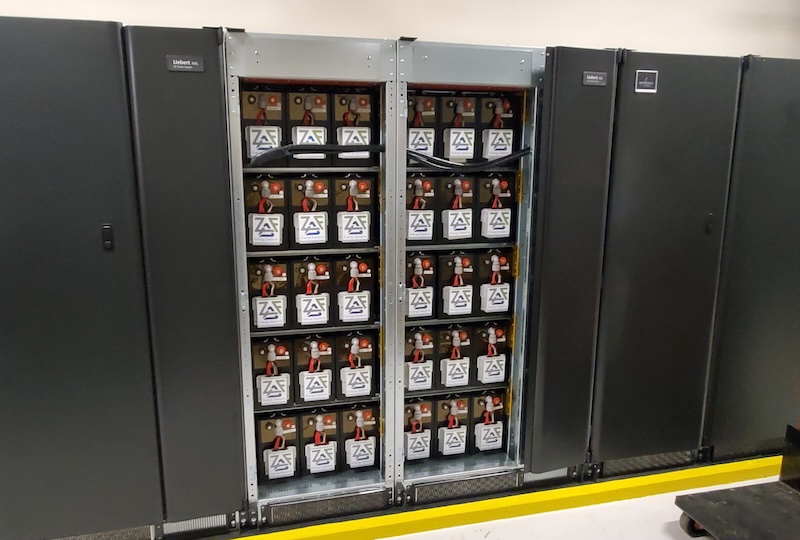
Another zinc battery advantage is a long service life of almost 20 years, 25 percent longer than lithium batteries under the same conditions. Zinc batteries also operate spanning an impressive temperature range (-30 °C to 75 °C). Most importantly, zinc batteries are not flammable and do not require thermal management or fire suppression systems which, along with their longer service lives, render zinc batteries a more affordable option requiring lower maintenance and fewer replacements. Finally, zinc can be recycled through well-established channels and reused in new batteries.
Because many zinc battery manufacturers have been developing their products over a decade, they have pivoted to meet the challenges of shifting U.S. energy priorities. Several American zinc battery manufacturers have moved forward with expansion plans through a mix of private investment and new agreements with investors and clients outside the U.S. For example, two zinc battery manufacturers are proceeding with plans to build second factories in the U.S., while at the same time building stronger ties in Europe. Another company recently established a certified customs warehouse and service depot in Europe to expedite delivery of its batteries across Europe, the Middle East, and Africa. Yet another recently announced a memorandum of understanding with a UK-based energy developer to provide 5 GWh energy storage and open the door to develop manufacturing in the United Kingdom. This rapid increase in zinc battery production is a direct response both to the demand for more energy storage and the expansion of both data centers and artificial intelligence.
Other zinc battery producers also are making strides, opening pilot manufacturing facilities in Canada or expanding existing plants in the U.S. In one case, the expansion is tied to an eight-fold increase in demand for its battery packs in U.S. Navy submarines. Two other zinc battery developers are basing their production in India, which has established ambitious goals for investing in energy storage along with federal funding and other financial incentives.
While the U.S. has reversed much of the clean energy support provided by the 2022 Inflation Reduction Act and Bipartisan Infrastructure Law, its neighbor to the north is filling the vacuum with investments and incentives, including new investment tax credits and funding from the Canada Growth Fund, Canada Infrastructure Bank, and the Canadian government’s Energy Innovation Program. In addition, Canadian regulators, such as Ontario’s Independent Electricity System Operator, proactively are integrating energy storage into grid planning. This robust mix of private and public investment along with regulatory incentives have led the federal Canada Energy Regulator to forecast a doubling of energy storage connected to Canada’s grid by 2030.
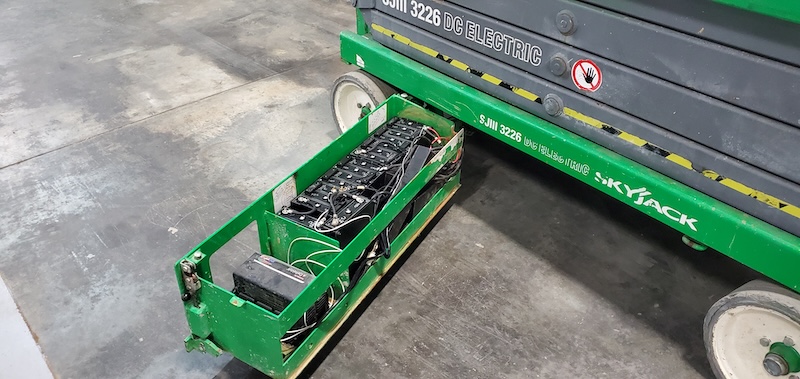
Energy Storage Canada recently shared a preview of the Canadian Market Outlook 2025, highlighting the tremendous opportunity ahead, with a projected 37.5 GW of short- and long- duration energy storage capacity by 2050 across Canada. Every province has a role to play in scaling up storage to enable electrification, integrate clean energy, and strengthen grid reliability.
Key provincial forecasts:
Ontario: 8.3 GW short | 2.5 GW long
British Columbia: 0.8 GW short | 0.6 GW long
Alberta: 1.9 GW short | 0.6 GW long
Québec: 1.9 GW short | 1.7 GW long
Manitoba: 1.0 GW short | 0.5 GW long
Atlantic Canada: 1.9 GW short | 0.3 GW long
Saskatchewan: 1.1 GW short | 0.3 GW long
With a bright outlook for energy storage in Canada, India, and other countries, zinc battery manufacturers are forging ahead with plans to build and expand factories as well as move their production to the international stage. The rise in data centers, artificial intelligence, and the growing footprint of electrical grids feed the demand for energy storage. Zinc batteries, in their many diverse chemistries, are ready to provide a safe and sustainable energy solution.
Dr. Josef Daniel-Ivad leads the Zinc Battery Initiative (ZBI), a program of the International Zinc Association, formed in 2020 to promote rechargeable zinc batteries’ remarkable story and encourage further adoption of these products. ZBI members are the leading companies and suppliers in the zinc battery industry.
International Zinc Association | www.zinc.org
Author: Dr. Josef Daniel-Ivad
Volume: 2025 November/December