




The Great Copper Heist


The number of electric vehicle (EV) owners is increasing every year, with an estimated 116 million EVs currently on our roads, a 30 percent increase over last year. To keep them all moving, charging stations will continue to expand across the U.S. and Europe, appearing on highway off-ramps, in retail centers, and in urban hubs. Unfortunately, criminal activity at charging stations is also expanding. Theft, vandalism, and attacks are all on the rise.
Charging cables contain several pounds of high-quality copper, making them a target for thieves who cut them apart and extract the copper for quick cash. Once rare, copper theft at charging stations is now happening monthly, and even weekly at some locations; Seattle and Los Angeles have been hit particularly hard.
Seattle had more than 100 cables stolen in a 12-month period. Thieves arrive on foot or electric cycles, cut the EV station cables, and disappear into the night, causing thousands of dollars in damages. Repairs may not take place right away, which financially impacts charging networks. Ironically, the copper itself doesn’t have a large cash value, fetching only $5-$20 per cable.
Nonetheless, the cost to the operators is high: A single charger repair can cost up to $1,500. Factor in labor and downtime and then multiply that amount across a network, and the impact escalates quickly.

Impact beyond cost
More concerning is the effect on reliability and trust. Drivers of EVs depend on charging stations to keep their vehicles on the road. An inoperable charging station due to theft or vandalism can leave a driver stranded with few viable options, especially in remote areas. If drivers lose trust that charging stations can provide the necessary charge, the issue may cause irrevocable harm to the EV industry. Without a viable infrastructure, car buyers may rethink whether an EV is worth it.
There is also an imminent safety risk, as vandals tend to leave live high-voltage cables
exposed, endangering drivers, staff, and even the criminals. The threat of criminal activity is widespread. Charging stations of all sizes are vulnerable, whether they host 10 charging bays or 100.
AI video surveillance
Operators are exploring a variety of options to prevent these thefts. One of the more successful is AI-driven video surveillance. Analyzing activity in real time, these systems identify patterns and behaviors that are atypical and may indicate potential risk. For example, the surveillance system can detect when an individual enters a defined zone around charging bays and interacts with it in ways that fall outside normal usage.
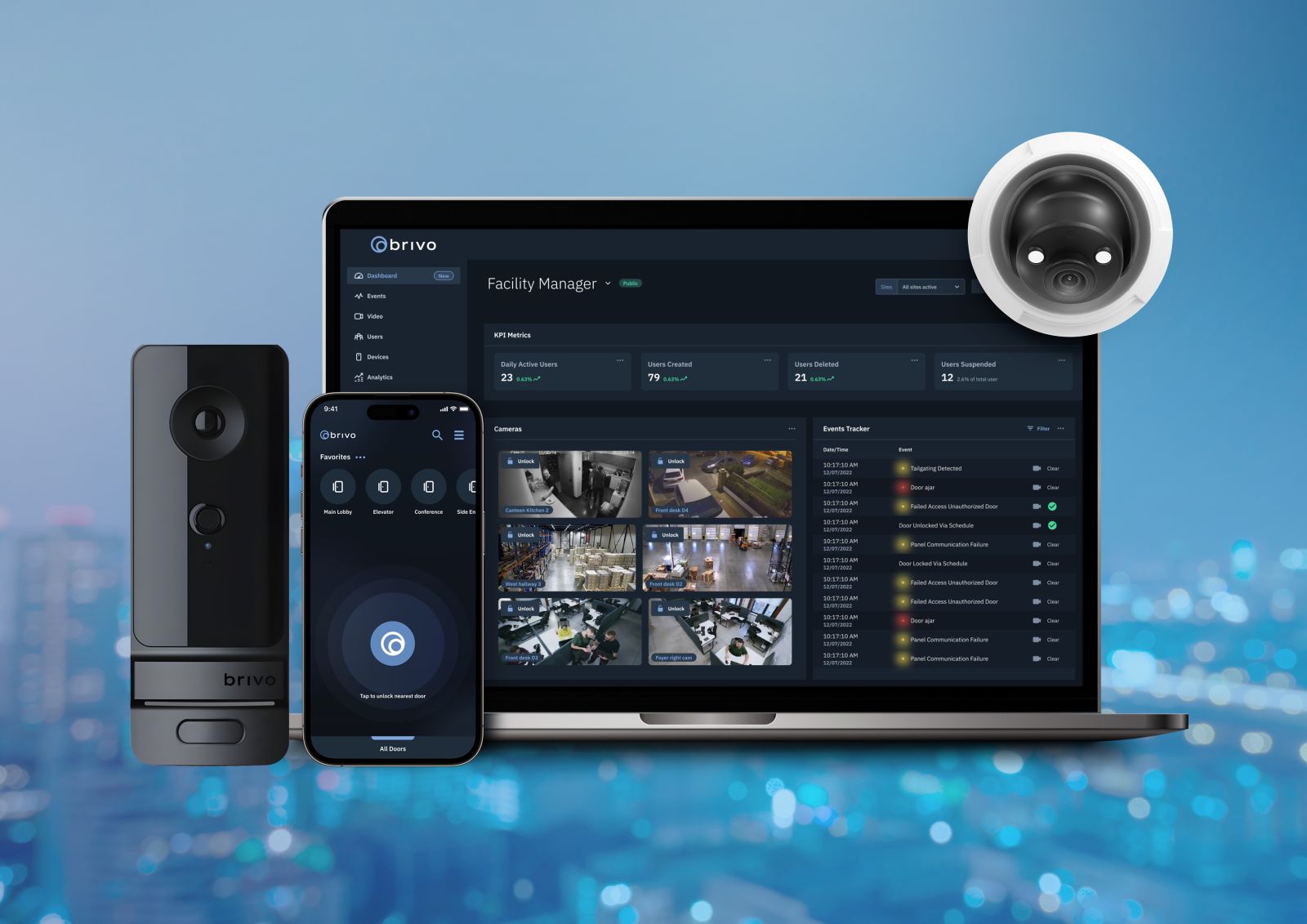
These events can trigger immediate notifications, enabling operators or monitoring teams to respond before an incident escalates. The AI-powered video surveillance systems also contain two-way built-in audio capabilities that can deter vandalism or theft. A live or automated warning lets the thief know they are being watched, even when the site is seemingly unattended. In many cases, that unexpected interruption is enough to prevent the crime.
As networks of EV charging stations expand, managing security across multiple locations is essential. Operators may oversee dozens or hundreds of sites, each with differing layouts and risk profiles. Cloud-managed systems provide centralized visibility, allowing teams to monitor activity from a single interface. This enables consistent security practices at scale.
Equally critical is the ability to react swiftly in the event of an incident. Searching and retrieving relevant video quickly using simple, descriptive inputs can significantly reduce the time required to investigate and resolve issues. This capability also supports collaboration with law enforcement, increasing the likelihood of accountability.
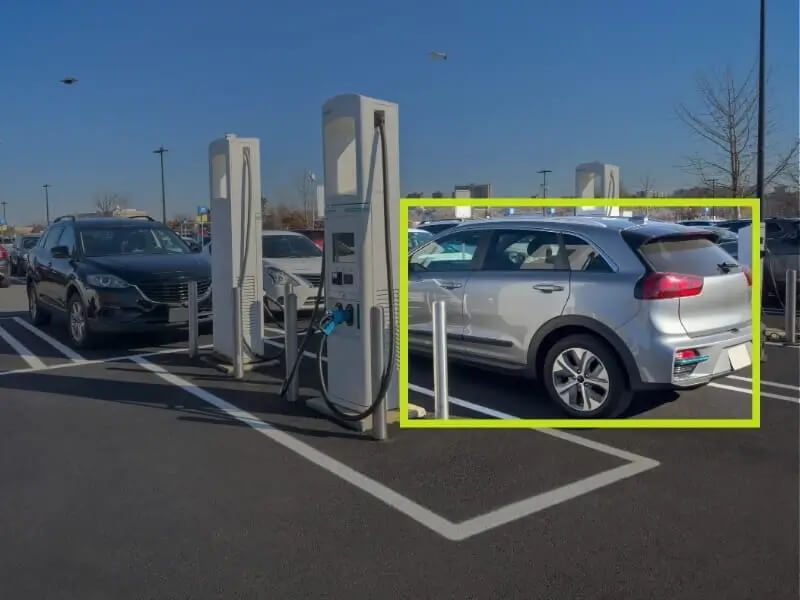
Additional tools, such as license plate recognition, are an added benefit. They can identify repeat offenders or flag vehicles linked to prior incidents. Integration with environmental sensors also provides early warning signs of conditions that may lead to equipment damage, further protecting infrastructure.
Preventing incidents will result in significant cost savings for EV station owners, who incur lost revenue from downtime and reputational damage when charging bays are out of service and stolen or damaged cables have to be replaced.
Reactive to proactive
This shift from reactive to proactive security is critical in environments where personnel are not on site. As EVs use grows, the infrastructure that supports them must demonstrate resilience. The industry’s response to the ongoing incidents at charging stations must be scalable, and based on a technology that is adaptable, cloud-based, and capable of responding in real time.
Protecting charging stations extends beyond preventing theft. It is about maintaining trust and confidence in the EV ecosystem.
Hans Kahler is Chief Operating Officer at Brivo, a global provider of cloud-native, AI-driven physical security. Brivo unifies access control, video intelligence, intrusion, and visitor management for enterprises. Kahler oversees a wide range of critical functions, including engineering, technical support, professional services, quality assurance, University, compliance, and IT. He ensures operations run smoothly and efficiently, driving innovation and excellence across all departments.
Brivo | www.brivo.com
Author: Hans Kahler
Volume: 2026 May/June