




Powering the Quarry: Realities of remote mining operations


Mining operations rarely take place in convenient locations. Whether in the American West, interior of Alaska, deserts of the Middle East, or mountain regions with limited access routes, most sites sit far from reliable utility power. Yet these locations depend on continuous, stable electricity to keep production, safety, and communication systems operating. SCADA networks, telemetry sensors, pumps, radios, cameras, environmental monitors, and automated controls all require power around the clock. When any of these systems lose power, production slows or stops, safety margins shrink, and compliance risks increase.
Traditional generator-based setups have supported many remote sites over the years, but they come with significant drawbacks. Fuel deliveries are expensive and unpredictable, especially in regions with extreme weather, difficult terrain, or restricted transportation routes. Generators need constant maintenance, and any mechanical failure can take down critical systems in a matter of minutes. As mining pushes farther from established access routes and support systems, the cost and risk associated with fuel-dependent power strategies become even more pronounced.
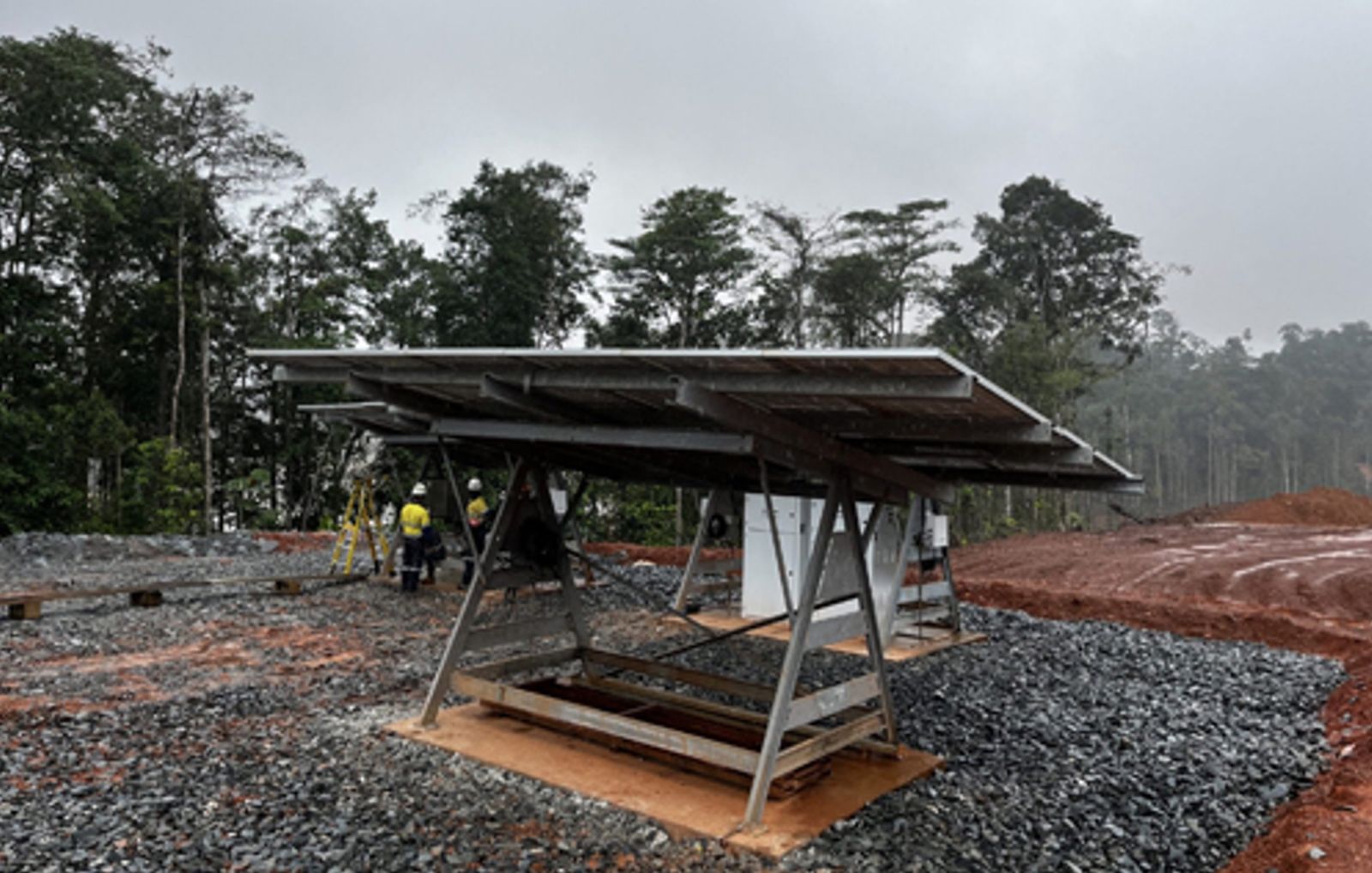
These realities have pushed many operations toward decentralized solar and hybrid storage systems. Remote environments often have ample sunlight, and solar power paired with batteries, wind turbines, or a hydrogen-based power unit offers a steady and predictable energy profile. Unlike fuel-based systems, solar does not rely on long-distance refueling schedules or frequent mechanical servicing. Over the past several years, solar and storage systems have become a practical solution for powering everything from small supervisory sensors to full communications hubs. Standardized power kits can be deployed across multiple sites, simplifying maintenance training and reducing the variety of replacement parts field teams must carry.
Designing power systems for mining requires careful load analysis because each site has its own mix of equipment, duty cycles, and environmental challenges. A SCADA radio may only draw a few watts, while a pump controller or satellite uplink may require far more. Dust, vibration, wildlife, and temperature swings add complexity. Compliance can become a challenge, especially when remote sites must meet strict regulatory, environmental, and reporting standards without consistent on-site oversight. A well-designed system starts with practical, realistic load measurements, not nameplate maxima. Oversizing or undersizing a system can lead to performance issues, unnecessary costs, or premature component failure.
Another challenge is multi season reliability. Many mining regions face months of reduced sunlight, storms, or heavy dust. Hybrid strategies that combine solar arrays, battery banks, and a supplemental power source such as a small generator or a low maintenance hydrogen-based power unit can help maintain uptime during weather events or commissioning activities. Remote monitoring tools have also become increasingly important. They allow operators to check system health, verify charging cycles, and schedule maintenance only when necessary, rather than deploying crews on routine intervals.
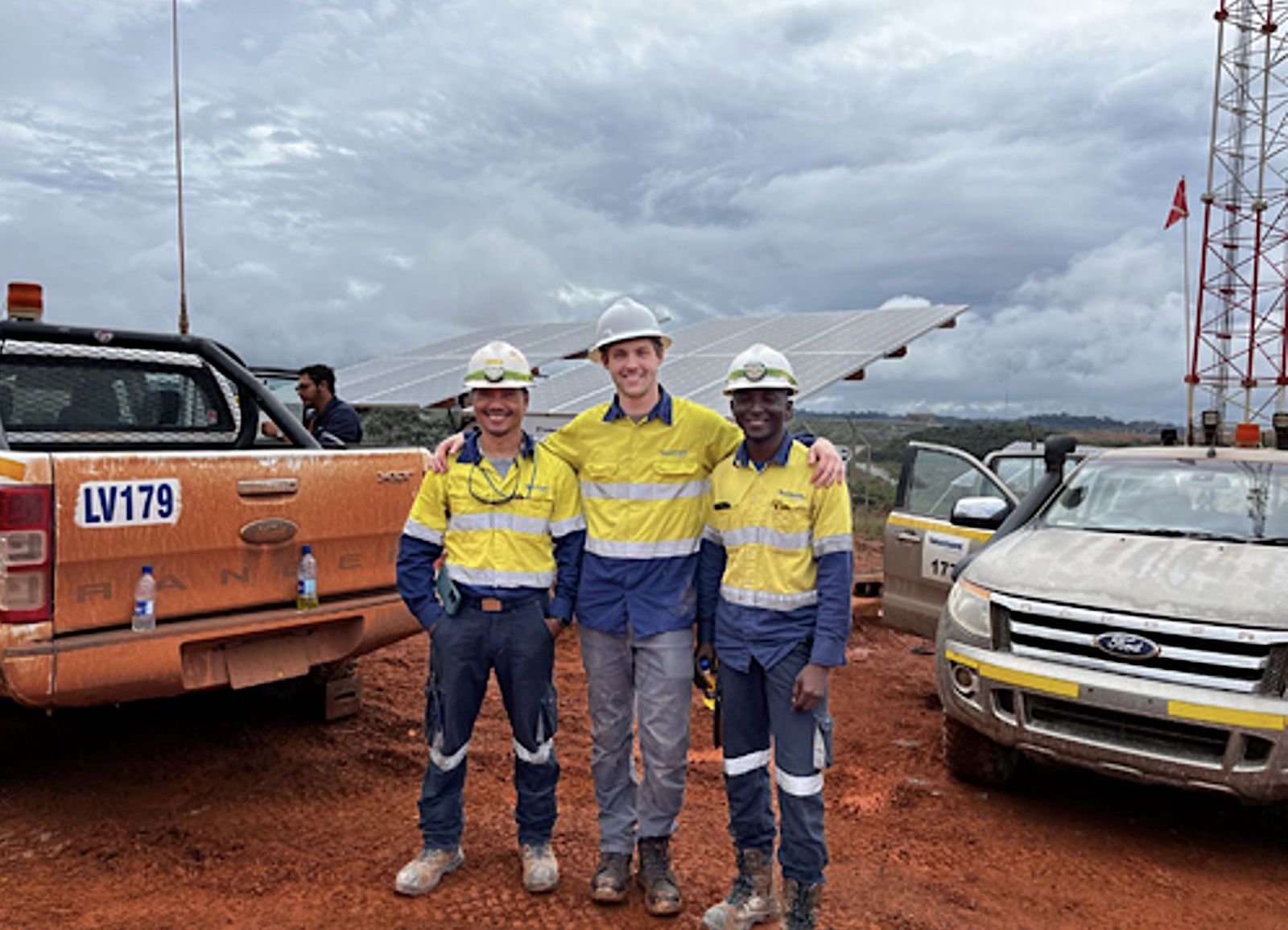
Mining companies are also beginning to consider how remote power strategies support new technologies. Advanced sensing equipment, automation systems, drone charging stations, water quality monitoring, and hydrogen related processes all require stable power in isolated areas. As operations continue to expand into harsher regions, dependable autonomous power systems will remain central to efficient production and safe site management.
In short, remote mining power demands reliability above all else. By approaching system design with careful load assessment, modular architecture, and long-term operational planning, mining operators can reduce downtime, lower costs, and support a new generation of emerging field technologies without depending on unreliable grid access or constant fuel deliveries.
Mark Perry is Director of Sales and Business Development at Sunwize Power, which designs and builds reliable stand-alone industrial power solutions and electronic assemblies for OEM products and field applications.
Sunwize Power | www.sunwize.com
Author: Mark Perry
Volume: 2026 January/February