




From Vulnerable to Resilient: It’s time to rethink home energy


There are very few products where prices rise while quality declines, yet that is the reality for electricity in North America. Residential customers are paying more for power even as outages become more frequent. In some regions, rates have climbed by 30 percent or more, and the trend shows no sign of slowing.
A recent report identifies two major drivers of these increases: the replacement and hardening of aging transmission and distribution infrastructure, and recovery efforts tied to extreme weather and wildfires. These investments are necessary for resilience, but they come at a cost, and that cost falls disproportionately on homeowners. Large corporations often negotiate favorable rates tied to economic development, leaving families to absorb the bulk of rising expenses.
Now, another pressure point is emerging: data centers. These facilities power the digital economy, but their servers and cooling systems consume enormous amounts of electricity. Utilities must expand capacity to meet this demand, and history suggests residential customers will face increased costs as part of the supply and balance. Climate-related grid investments combined with data center growth will equal higher bills and more strain on an already fragile system.
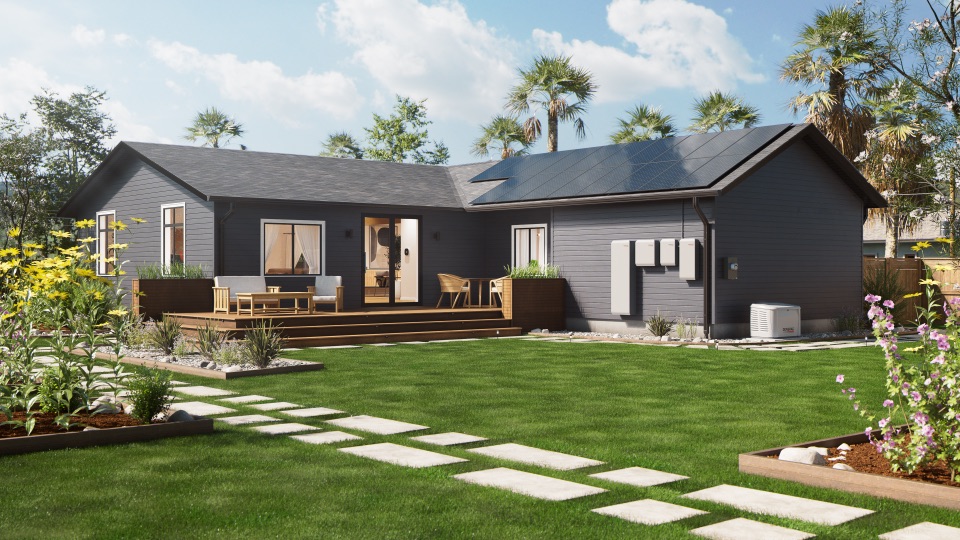
For homeowners, the question is clear: How do you protect yourself from rising costs and unreliable service? The answer lies in distributed energy solutions, systems that allow families to generate, store, and manage their own power. Pairing solar generation with battery storage reduces reliance on the grid, lowers monthly bills, and provides backup during outages. When thousands of homes store excess solar energy and discharge it during peak demand, utilities face fewer spikes, easing stress on the grid.
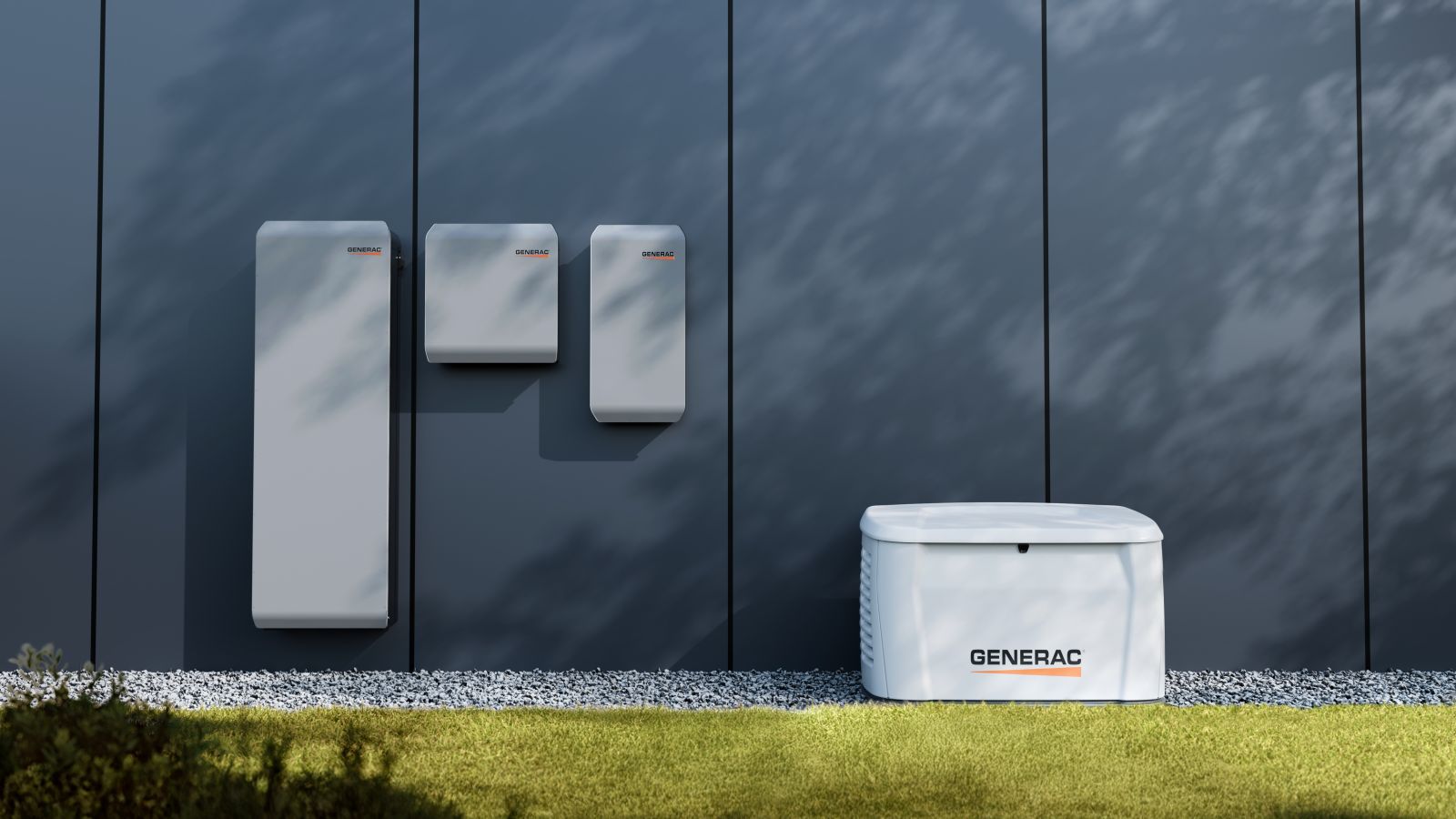
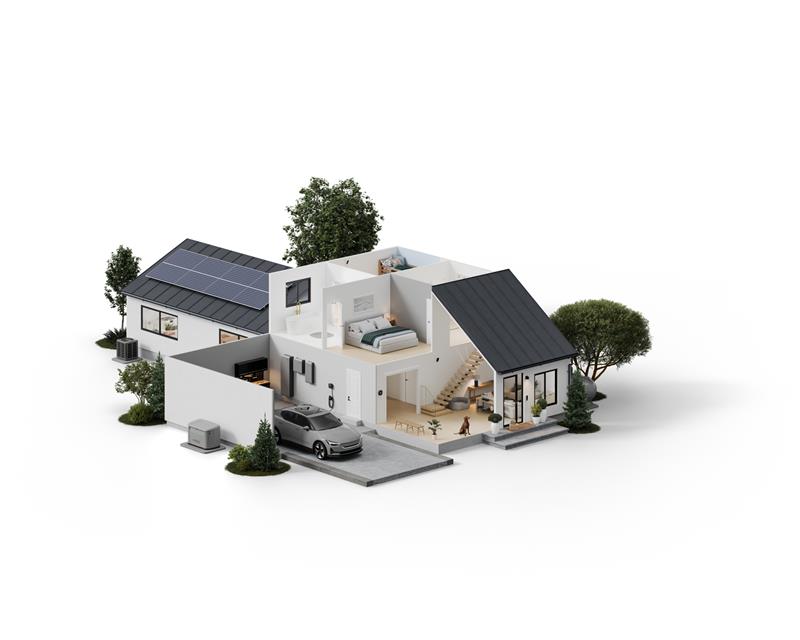 But battery storage alone has limits. Batteries have finite capacity and the cost for each additional kWh of backup capacity is quite similar to the first, which is why integrated solutions matter. By combining batteries with backup generation, homeowners can create what amounts to a “bottomless battery.” With such a solution, batteries handle day-to-day needs and short duration outages, while generators provide assurance that the home can power through extended disruptions as long as there is fuel. Although generators can have higher emissions than grid electricity, depending on location, they typically account for only a very small fraction of annual household energy use. When paired with solar and batteries, they don’t need to run during short outages, making their overall environmental impact even smaller.
Beyond reliability, these systems deliver financial benefits. Smart energy management and participation in utility programs can generate bill credits or income. In some markets, stored energy can be sold back to the grid during peak demand, turning a home into a micro power plant. This can transform the act of seizing energy independence from a defensive move into a proactive investment.
The rise of data centers is not slowing down, and climate-related grid spending will continue. For homeowners, waiting means paying more for lower levels of reliability. With the significance reliable, affordable power plays in our lives and livelihoods, why wouldn't we research options and take action? Investing in distributed energy solutions today is not just about sustainability; it’s about being proactive and ultimately taking control to manage access, reliability and costs of our energy for the future.
Jim Dawe began serving as the Senior Vice President and General Manager of Generac’s Clean Energy business in 2024. In this role, Jim manages the team that offers complete energy solutions to homeowners seeking both renewable energy and resilience, enabling them to produce and consume energy on their own terms. Prior to this, Jim was an Advisor and Chief Commercial Officer at Mainspring Energy and Vice President of Global Sales and Marketing of SunPower Corporation. Jim holds a Bachelor of Arts from Boston College and an MBA from NYU Stern College of Business.
Generac | www.generac.com
Author: Jim Dawe
Volume: 2026 January/February