




2026 Is the Year the Battery Supply Chain Goes Local


Anyone working in clean energy today feels the same tension. Demand keeps rising, new projects keep coming online, and expectations around reliability keep growing. At the center of it all sits the battery supply chain. We depend on it for grid storage, transportation, the buildout of data centers, emerging defense applications that require portable, high-reliability storage, and much of the infrastructure shaping the energy landscape. Yet the routes that feed this system were designed for a different scale and a different world. Over the past year, the pressure on those routes has become impossible to ignore.
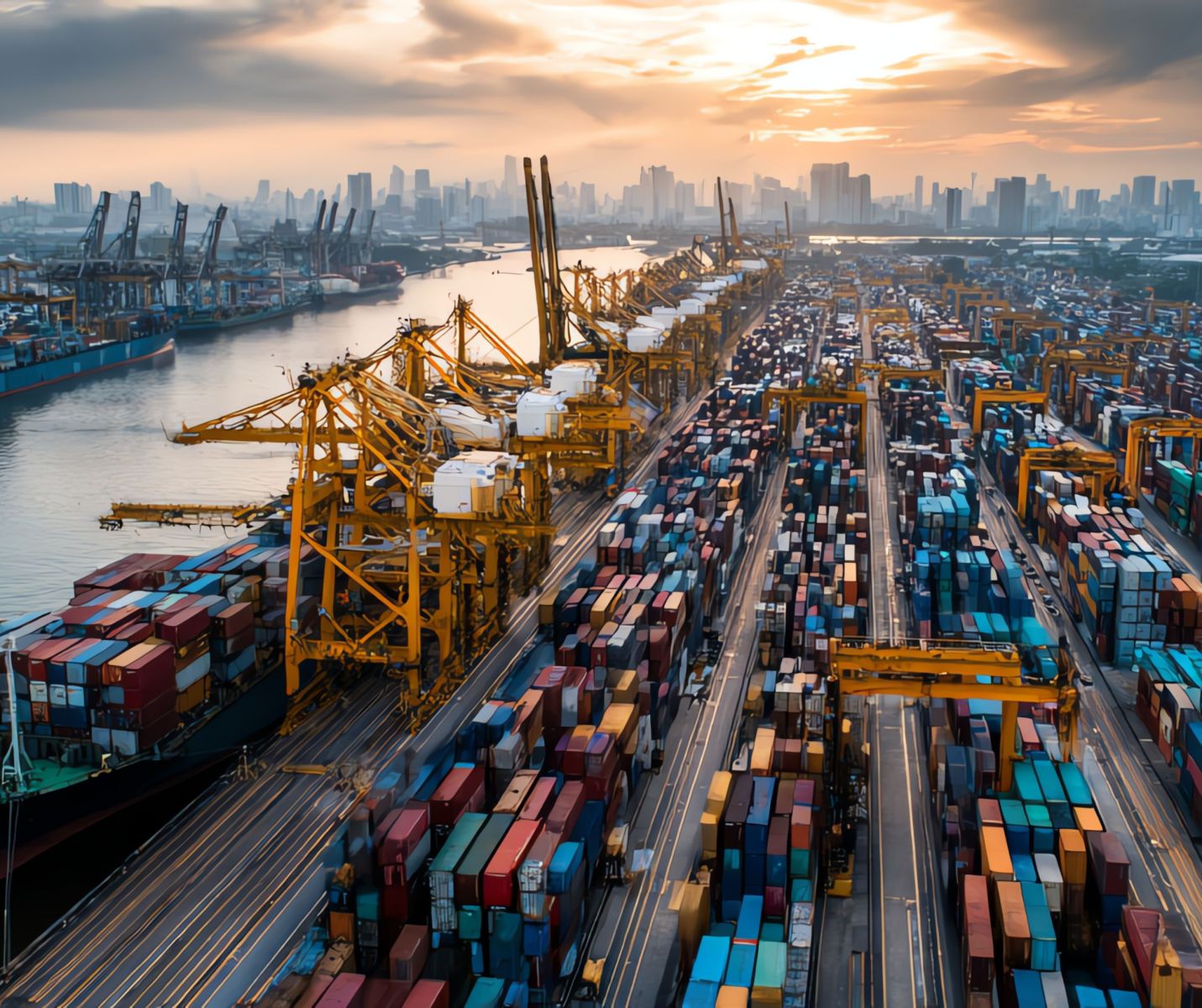
Data center construction jumped. Utilities accelerated their storage plans. Automakers prepared for higher-volume electrification. At the same time, global instability and resource shortages exposed the vulnerability of long-distance material flows. The industry felt the effects in procurement cycles, qualification timelines, and even confidence levels around future planning.
This is why 2026 represents a turning point. Companies are no longer asking whether the battery supply chain needs to evolve. They are asking how quickly they can move toward solutions that bring more of that chain closer to home. They want materials aligned with regional resources. Many of these teams are developing next-generation products that rely on consistent access to cathode materials, electrolytes, and engineered additives. Predictability in the supply chain has become just as important as performance. They want manufacturing approaches that fit their existing processes. These decisions also ripple through the broader infrastructure that supports battery manufacturing, from slurry preparation lines and drying equipment to the logistics networks that feed them. They want a system that gains strength as demand increases, rather than one that stretches to the breaking point.
My work puts me inside the decision-making rooms where these shifts take shape. I sit with teams working through qualifications, evaluating investments, mapping out factory expansions, and weighing the trade-offs of introducing new materials. Across these conversations, a shared theme has emerged: Manufacturers want to grow with confidence. They want supply they can trust without holding their breath through every geopolitical fluctuation. They want technologies that elevate performance and stability without slowing production.
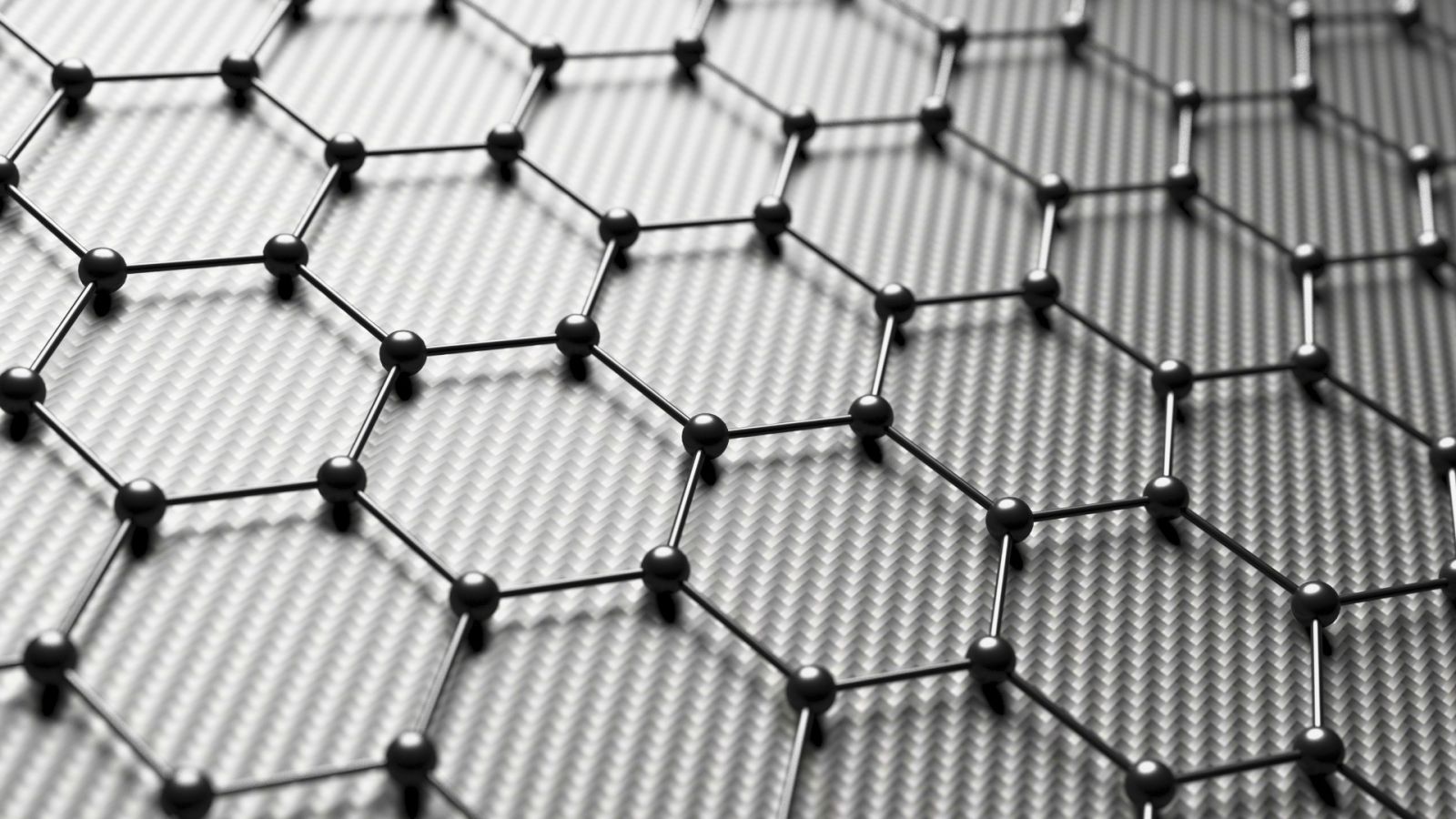
This is where materials like Lithium Manganese-Rich (LMR) have earned new attention. They use metals available through more dependable regional channels and follow a cost trajectory that aligns with long-term market needs. They also track closely with the industry’s energy-density trajectory, offering a path to higher performance without leaning on metals with volatile pricing or limited long-term availability. Just as necessary, they pair well with what manufacturers can build today at commercial scale. Their rise speaks to a broader industry shift. Companies are moving toward options that strengthen local capacity and reduce exposure to bottlenecks they cannot control. Teams that move early on these chemistries gain a meaningful point of differentiation, since they can offer customers greater certainty around sourcing, delivery timelines, and long-term scalability.
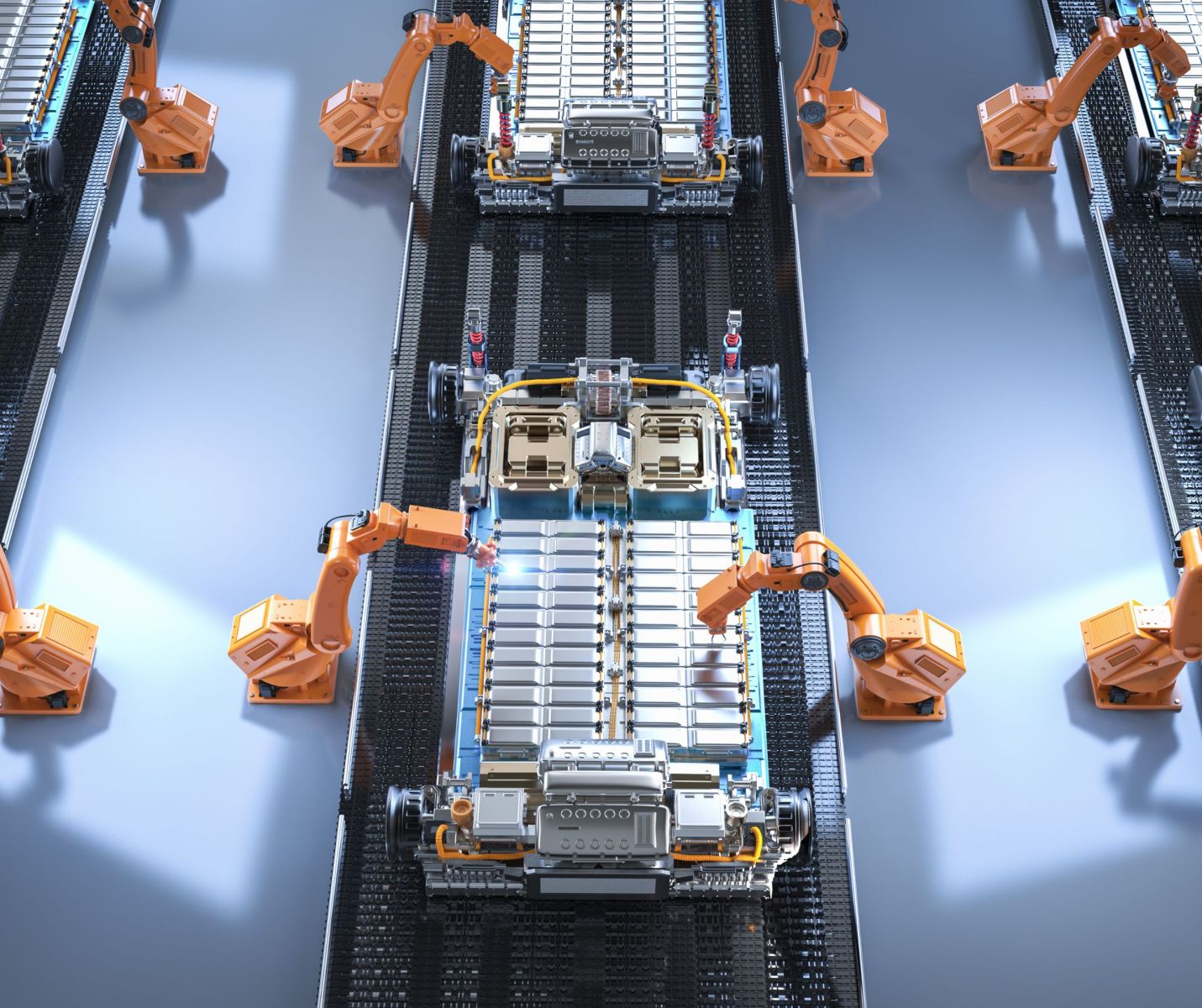
But chemistry alone is not enough. Progress also depends on how easily new solutions integrate into existing production lines. Even the best innovations stall when they require months of retooling or downtime. The technologies that see traction are the ones that lift performance while preserving operational continuity. Drop-in coatings and additives are strong examples. They improve stability, conductivity, and overall cell behavior without forcing manufacturers to rethink how they build batteries. When a technology accelerates validation instead of delaying it, teams can move forward with far more certainty.
The shift toward a more local and resilient supply chain does not happen through a single policy or announcement. It takes shape through thousands of small decisions made in labs, procurement teams, boardrooms, and pilot lines. It becomes visible when companies choose chemistries tied to resources they can rely on, or when they select materials that make production simpler instead of more complicated. It accelerates when investors back technologies that reinforce domestic capacity instead of placing hope in global conditions stabilizing on their own.
The next chapter of clean energy depends on a supply chain built with intention. The industry already has the scientific foundation. The infrastructure is expanding. The talent is here. What changes in 2026 is the collective willingness to prioritize resilience over convenience and to invest in solutions that support growth with fewer blind spots.
The path forward is practical and grounded. It begins with materials aligned to what is available and scalable. It incorporates technologies that match real manufacturing constraints. It calls for collaboration across suppliers, manufacturers, and developers to build something sturdy enough together to support long-term electrification.
If the last few years revealed where the old model falls short, the year ahead offers an opportunity to build a system that reflects the values of this industry: reliability, innovation, and progress built on solid ground. Manufacturers are preparing for it. Suppliers are building toward it. Investors are aligning behind it. The result is a supply chain built closer to where the energy transition is actually happening. Built with intention. Built to endure.
Joe Adiletta is CEO of Volexion, where he is leading the commercialization of a graphene-based cathode-coated battery that lasts longer, costs less, and delivers higher performance. Based in Boston, he brings two decades of industry experience and is known for blending hard-tech expertise with a practical, people-centered approach.
Volexion | www.volexion-inc.com
Author: Joe Adiletta
Volume: 2026 January/February