




The Future of Mobility Should be Powered by Choice


In automotive industry offices across the country (or even the world), lively debate continues as to what lies ahead in terms of powering the vehicles of the future. Is it electricity, is it gas or diesel, hydrogen, or some mix of everything we have today?
The honest answer is simple: All of the above.
While the busiest and fastest-growing part of the business today is testing across the electric mobility landscape (from e-bikes to EVs to eVTOL and most things in between), this is only part of the picture in the US. We have a broad and disparate automotive market, and this is why I am a strong advocate for a smart, multi-fuel approach to the future.
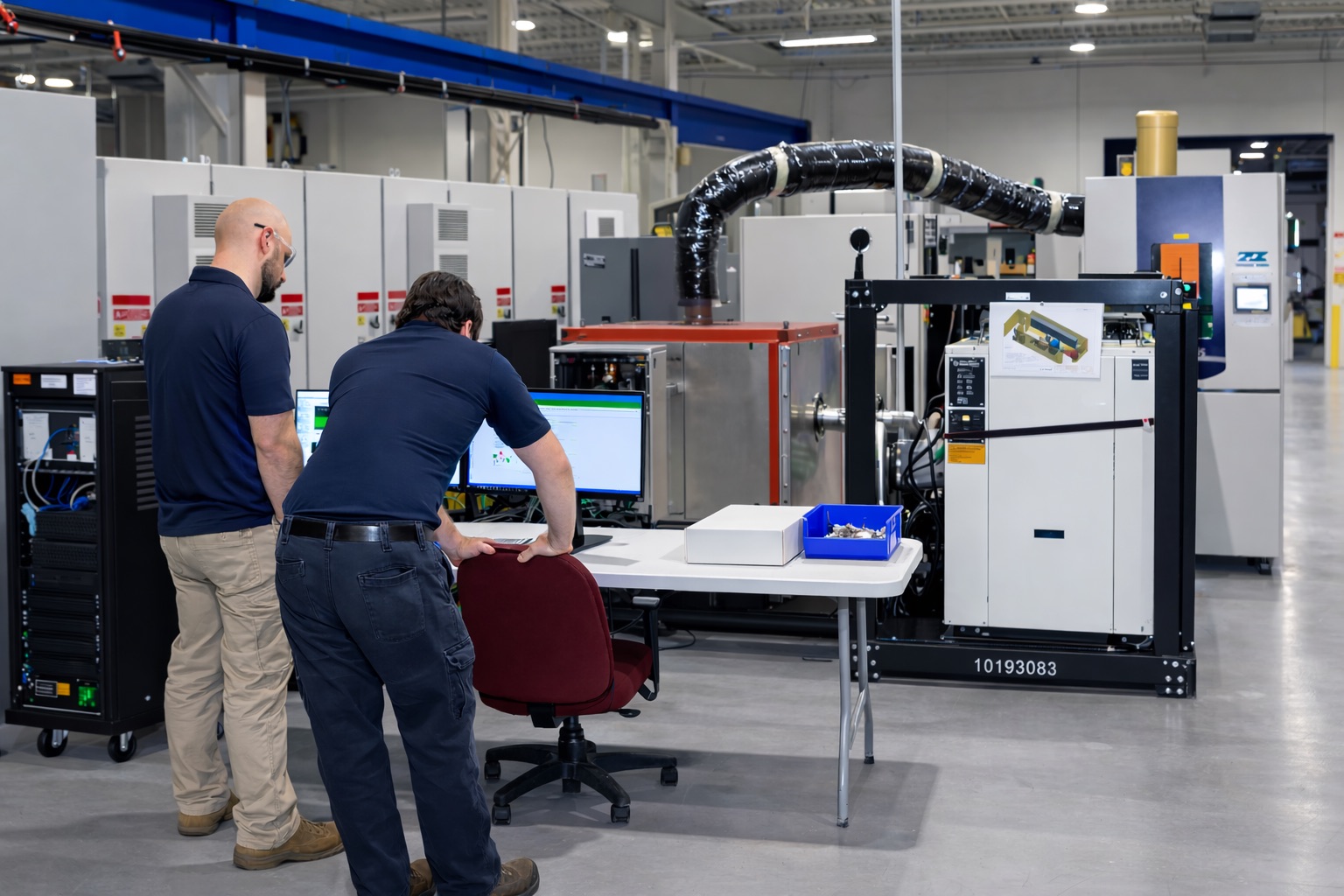
I believe that those of us working at the forefront of vehicle development and validation are uniquely placed to have an informed view. The mindset is simple… If it moves, it can be tested. That means we see, experience, test and validate virtually everything that moves under power — from electric drive units to internal combustion engines, hybrid systems, transmissions and emerging technologies, often side by side under the same roof.
Facilities across the US have increasingly been built around variety and flexibility, because that’s what the market demands. One day the focus may be electric driveline testing, the next, an entirely different propulsion discipline. That day-to-day reality gives us a very clear view of where the industry is heading, and where the assumptions don’t always hold up.
From my perspective, the automotive market must do three things:
- Meet customer needs — including how vehicles are used, where they operate, and what infrastructure actually exists, not just what we hope will exist one day.
- Balance this with environmental imperatives — environmental progress matters. But decarbonisation must be practical and measurable. Simply replacing one constrained resource with another does not automatically make the system more sustainable.
- Recognise that the transition will not happen evenly — different regions, regulations and use cases will move at different speeds. Simply switching one rare earth mineral for another is not a long-term strategy.
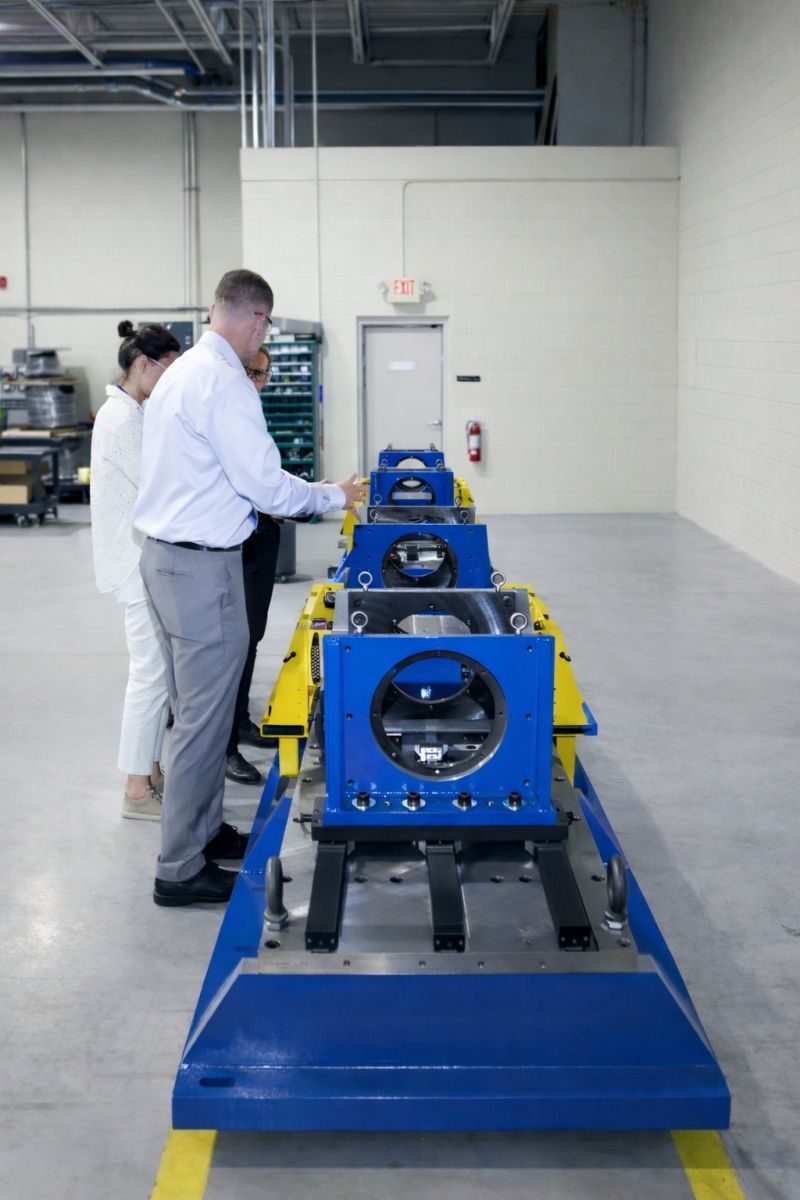 This perspective is shaped by years of watching the industry evolve and being hands-on at every stage of development and testing. From component-level validation to full-vehicle systems integration, the challenges are visible up close. Those experiences directly inform the tools, processes and data that underpin real-world decision-making.
Extensive driveline testing infrastructure across the United States now supports electric motors, electric drive units, internal combustion engines, hybrid systems and transmissions, both individually and in combination. That breadth of experience provides insight into why a multi-fuel approach is not simply desirable, but necessary. It is the only plausible answer to the question of ‘what will power the automotive future?’
The reasons why
- The transition will not be uniform
Different regions, regulatory frameworks and use cases will continue to demand different solutions. Heavy-duty transport, long-haul logistics and off-highway applications will not electrify on the same timeline as urban mobility, light passenger vehicles or last-mile delivery. Advanced internal combustion engines (ICE), hydrogen, renewable diesel, e-fuels and bio-gas all have a role to play, particularly in bridging the gap between emissions reduction and energy security.
- Infrastructure and raw-material realities must be acknowledged
Grid capacity, charging access and critical minerals vary widely, not just globally, but within the United States itself. A pragmatic, multi-pathway approach allows progress to continue, rather than forcing the industry to wait for a single solution to mature or scale everywhere at once.
- Innovation thrives on diversity
The transition to lower-carbon mobility will not be won by betting everything on a single technology. It will be won by applying the right solution to the right application and proving it with data. That is where testing, validation and objective insight become critical, replacing assumption with evidence and ideology with engineering.
The future is not a single destination
The future should not be seen as a single endpoint, but as a spectrum. Battery-electric will dominate some sectors, while hydrogen will unlock others. Advancing combustion technologies will continue to reduce emissions, and synthetic and renewable fuels will help existing fleets remain viable and compliant for years to come.
The role of industry leaders, regulators and engineers is not to declare winners too early, but to keep the doors open and let science, data and real-world performance guide the way forward. The future of mobility should be powered by informed, validated and optimised choice.
For those of us working at the forefront of vehicle development and validation, our role is to provide trusted data, independent expertise and the technical agility needed to turn possibility into proof.
Anthony Beck is Vice President of the US market at UTAC, where he leads expanded testing and service operations across Michigan and California. With more than 20 years of experience in vehicle development and propulsion systems, he has overseen the growth of advanced electrification capabilities alongside traditional automotive testing disciplines. UTAC’s automotive testing, homologation, and technology services, supports the world’s vehicle manufacturers, suppliers and innovators across every propulsion type, from ICE to EV, hybrid, hydrogen and beyond.
UTAC | https://www.utac.com/
Author: Anthony Beck