




Situational Intelligence is Vital to a Reliable Renewable Grid


The shift to utility-scale renewable energy is the most significant transformation of the power landscape in a century, and a vital step toward a resilient and carbon-free future. It is also placing unprecedented demand on traditional utilities equipment. These effects are often invisible until a transformer failure makes the 6 o’clock news.
One such failure in Denver, Colorado, recently left 200,000 customers without power. It also snarled airport traffic, left commuters stranded, and temporarily cut off access to 911 and non-emergency lines. The exact cause of the failure is still unknown. What is well-known is that much of the nation's transformer fleet is rapidly aging and increasingly at risk of sudden failure in the face of growing electrification and the unique requirements of renewable energy distribution.
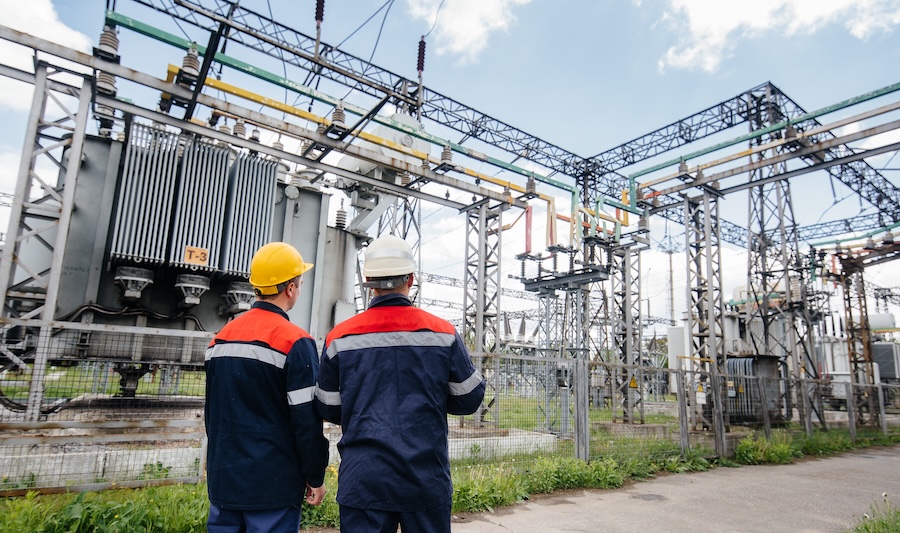
More than half of U.S. distribution transformers (roughly 40 million units) are beyond their expected service life of 33 years — a number that will continue to rise as more of the fleet approaches end-of-life. The Department of Energy has estimated that some 70 percent of U.S. transformers are at least 25 years old.
Utilities equipment installed in the last three decades was designed for steady, one-way power flow and predictable thermal and peak loading cycles. With utility-scale renewable power generation, that same equipment must handle bidirectional and high levels of harmonic loading and power thermal cycling that can be as uncertain as the sun ducking behind a cloud. These stresses can exceed design margins, resulting in failure of components like transformers. And just like in Denver, effectively shut down an entire city.
While utilities routinely check the health of their transformers, these checks are infrequent, which raises the risk of missing critical early warning signs. For older systems, it’s like a senior citizen with a chronic health condition who only sees a doctor for an annual physical; most utilities conduct oil testing or Dissolved Gas Analysis on their transformers roughly once per year. These samples measure a variety of gases and provide important information about incipient issues within the transformer. Unfortunately, they only represent a snapshot in time, which means failures that develop within months can be missed between samples.
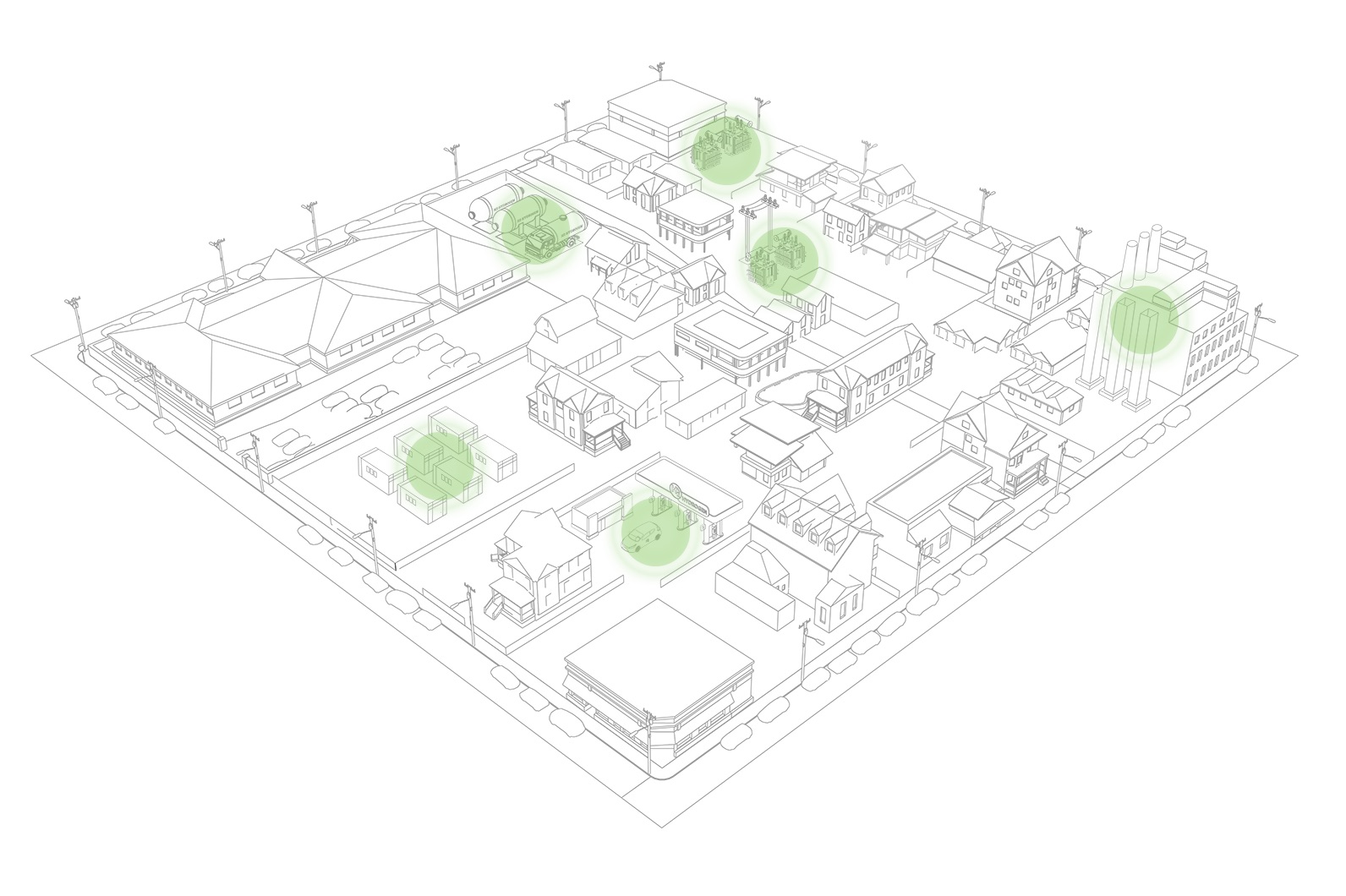
Hydrogen gas measured in transformer oil is well known as the earliest predictor of failure. It is given off in virtually all known transformer tank faults and provides operators the signal they need to move quickly to replace or repair a unit.
The role of hydrogen in early fault detection is why many new transformers contain hydrogen sensors, and why a growing number of utilities are integrating hydrogen sensors into older fleets. Rather than making costly modernization decisions based on a best guess about which transformer may fail, continuous sensing technologies give operators the confidence to identify risks and respond proactively before an expected failure forces a costly, negative consequence.
Renewables will continue to play a larger role in filling America’s growing demand for electricity and transformers. A recent report by the U.S. Energy Information Administration forecasts a nearly 4 percent growth in U.S. electricity generation by 2027, with solar representing the fastest-growing source of electricity generation during that period. Wind power generation and usage are also on the rise, fueling demand for new transformers.
There are compelling reasons to modernize aging equipment in the shift to renewables, from evidence of reduced transformer lifespans to predictions of early failure. New transformers are engineered to support aggressive duty cycles, and several offer real-time hydrogen monitoring to ensure the longevity of the asset. But replacing the nation’s aging fleet won’t happen overnight.
The available supply of transformers is no match for the growing demand for renewables, let alone the estimated doublingof U.S. electricity demand by 2050. Current lead times for both step-up transformers and large power transformers average between 2 to 3 years, and recent Federal Reserve data shows transformer prices are up nearly 80 percent since 2020.
The combined challenges of aging infrastructure, supply chain shortages, and growing demand for renewables have made it more important than ever to extend the life of existing transformers. Monitoring equipment like hydrogen sensors provides improved situational intelligence for operators to understand what is happening inside their infrastructure — before it fails.
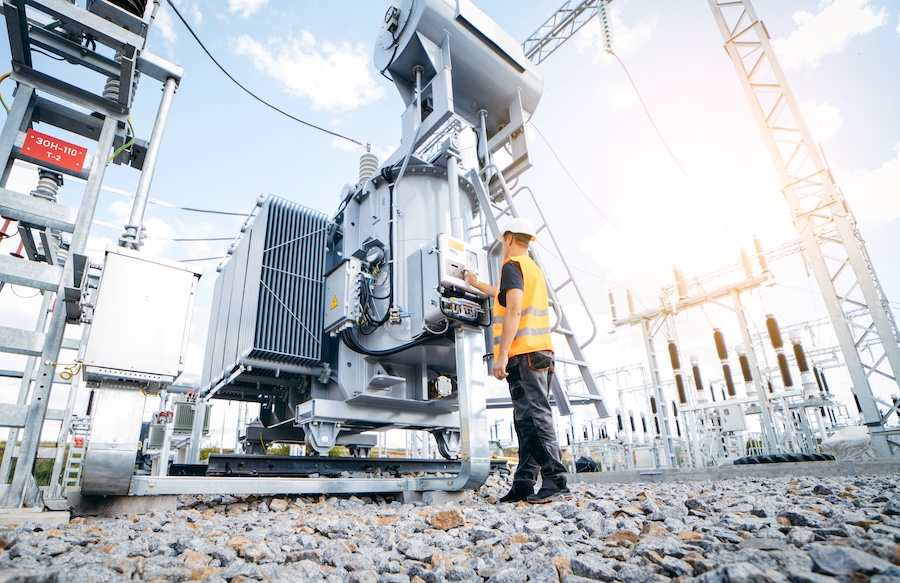
By catching transformer faults early, utilities can extend the life of their equipment by up to 20 percent. That offers breathing room when replacement lead times stretch into years. Similarly, the cost of a sensor is a fraction of a percent of the cost of an unexpected power outage, which can result in millions of dollars in damages, disruptions, and lasting reputational harm.
The transition to a net-zero future is the right path forward for the planet, but it cannot succeed on the back of a crumbling infrastructure. Grid modernization means creating a smarter network that can balance rising energy demand with cleaner sources of power, all while ensuring reliable distribution. As utilities continue to integrate solar and wind into an aging grid, the invisible strains on transformers will only intensify. Operators that integrate sensors into their fleet will have the advantage moving forward. By integrating real-time monitoring today, utilities can ensure reliability and anticipate transformer faults before they become high-profile outages.
 David Meyers is President and CEO of H2scan. H2scan’s proprietary solid-state technology, which originated at Sandia National Laboratory and the U.S. Department of Energy, is critical to the growth of a safe and emerging hydrogen sector.
H2scan | h2scan.com
Author: David Meyers