




Self-Inflicted Wounds


It is no secret that the current administration harbors hostility toward renewable energy. From tariffs to tax breaks, it seems that everywhere you turn there’s a new hurdle or wall threatening to slow or erase the major gains the industry has made. The Department of the Interior just redlined massive solar installations slated for the Nevada desert. In late August, it cancelled $679 million worth of offshore wind projects from the West Coast to Virginia — a particularly painful strike to a sector expected to give a major boost to the local job market.
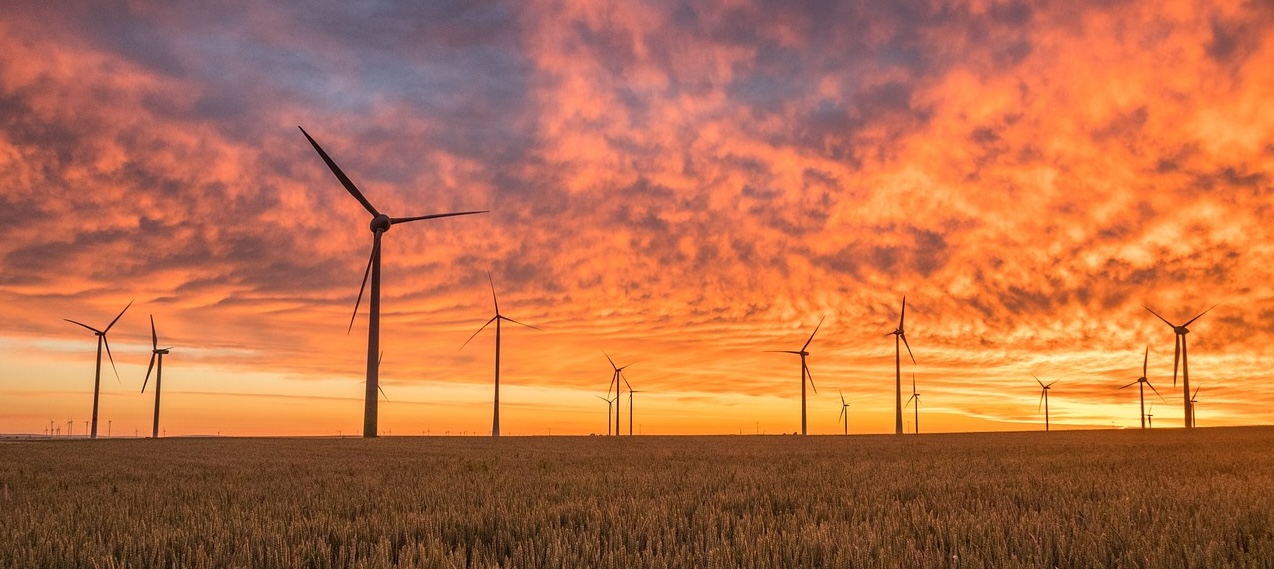
A week earlier, the administration ordered construction to stop on a nearly completed wind project off the coast of Rhode Island. That project was slated to deliver 704 megawatts of 100 percent green electricity to utilities in Rhode Island and Connecticut — prices below the grid average and with built-in price stability to offset annual cost spikes, which typically occur. Fortunately, a recent Federal District Court ruling allowed construction to resume, keeping the project on track to deliver power in early 2026.
These decisions are part of a larger trend: the termination of more than 600 clean energy projects worth over $20 billion nationwide, and the shocking cancellation of $2.2 billion in funding for two West Coast hydrogen hubs: California’s ARCHES and the Pacific Northwest Hydrogen Hub (PNWH2). This was followed two weeks later by cancellations in Appalachia, the Gulf Coast, and the Midwest.
Angela Galiteva, CEO of ARCHES, warned that losing ARCHES would deprive millions of Western state residents, including Idaho, of lower energy costs and new jobs. She argued that the “…decision ignores the critical benefits our projects would deliver — including 200,000 American jobs and stronger national energy security and resilience.” ARCHES Board Chair Theresa Maldonado added that the hub was designed to draw from diverse domestic energy sources such as wind, agricultural waste, woody biomass, and municipal wastewater — maximizing non-fossil inputs.
The indirect impact of canceling the hydrogen hub program also means that using excess solar, wind, geothermal and other forms of “green” renewable energy to electrolyze water into hydrogen (for later consumption in distant markets) removes one of the best sources for selling hydrogen at prices below current ones that are feeding the grids across the entire nation. The “hubs” were being created to centralize the ability to economically sell the excess power that occurred for solar in the daytime to be able to provide energy through fuel cells in the evening. The hubs were essentially the connective tissue for a new national hydrogen-based electrical supply system. California, with the highest electrical rates in the Continental USA at 39¢/kw, will no longer be able to rely upon ARCHES to supply massive amounts of electricity to its citizens at a fraction of what it pays now for fossil fuel energy.
When rumors surfaced last April that the Department of Energy might cancel the hubs, 27 U.S. Senators expressed “alarm” over the pending decision. They warned that dismantling the program would damage energy innovation, grid security, and consumer protection. In their letter to Energy Secretary Chris Wright, they wrote, “Dissolving contracts, canceling grants and loans, and reneging on guarantees without any intention to execute the law is not only illegal but harmful to the public.”
The United States was once a global leader in the emerging Hydrogen Economy. Since January 2025, that leadership has shifted to Spain, Germany, Saudi Arabia, the United Arab Emirates, Scotland, and soon Morocco. Relinquishing that position not only harms American competitiveness but also undermines our ability to lower domestic energy costs, expand exports, reduce greenhouse gas emissions, and strengthen grid reliability.
This series of reversals represents not only bureaucratic misjudgment, but a hobbling of our nation’s industrial development. Pulling the rug out from under the hydrogen market as it’s still ramping up is a choice we will soon regret. In a time when clean energy offers both economic growth and planetary survival, abandoning leadership is like shooting oneself in both feet. It represents causing major self-inflicted wounds.
Rinaldo S. Brutoco is the Founding President and CEO of the World Business Academy, and an expert in economics and business, specializing in energy policy, renewable energy, finance, innovation, and the causes of, as well as adaptation strategies for, climate change.
World Business Academy | worldbusiness.org
Author: Rinaldo S. Brutoco
Volume: 2025 November/December