




Resilience over Reflex: Why district energy wins in policy whiplash


Uncertainty has become the only constant. Since 2020, we’ve lived through a pandemic, a market crash, a supply-chain crisis, and runaway inflation, all while racing to decarbonize an economy that barely had time to catch its breath. That sprint produced the Inflation Reduction Act (IRA), a sweeping policy package that combined healthcare reforms, tax changes, and historic clean energy investments. Just three years later, a sharp political reversal brought the One Big Beautiful Bill Act (OBBBA), underscoring how quickly priorities can shift and how deeply those shifts ripple through markets.
In an age shaped by clickbait and social media, we’ve grown accustomed to pivoting on a dime. Energy infrastructure doesn’t have that luxury, however. It is a slow business, where millions or even billions of dollars are committed to building the foundation for the next century, and where economic returns take decades to materialize. In an asset class that demands truly patient capital, resilience matters far more than reflex.
In a world of unstable energy policy, infrastructure that can internalize complexity becomes more valuable than infrastructure built to optimize for incentives. That’s where district energy (DE) has emerged as an accidental winner in the energy policy roller coaster we find ourselves on.
When the IRA was signed into law on August 16, 2022, it introduced large, fungible investment tax credits across a broad range of green energy asset classes, from wind and solar to geothermal, hydropower, batteries, and more. The ambition was sweeping; accelerate renewable infrastructure, improve energy security, cut carbon emissions, strengthen domestic manufacturing, create jobs, and improve affordability, and somehow… reduce inflation.
In practice, the IRA lowered effective capital costs for clean energy projects by roughly 6 to 50 percent through tax credits that could either offset income taxes directly or be sold in the open market as tax equity. That flexibility mattered, especially in the infrastructure business, where long-lived assets naturally generate extended tax shields. While the IRA’s impact on reducing inflation is debatable, its impact on attracting capital toward green infrastructure is indisputable. That investment landscape, however, proved short-lived.
When the OBBA was signed into law on July 4, 2025, it pulled the proverbial rug out from under investors, energy developers, and environmentally focused property owners, particularly those anchored around wind and solar. The law compressed development timelines for wind and solar projects by shortening the construction windows to 2026 and pushing final in-service deadlines to the end of 2027. It also introduced Prohibited Foreign Entity (PFE) restrictions, which are particularly punitive for solar supply chains, upending the underwriting assumptions that had made these projects pencil in the first place.
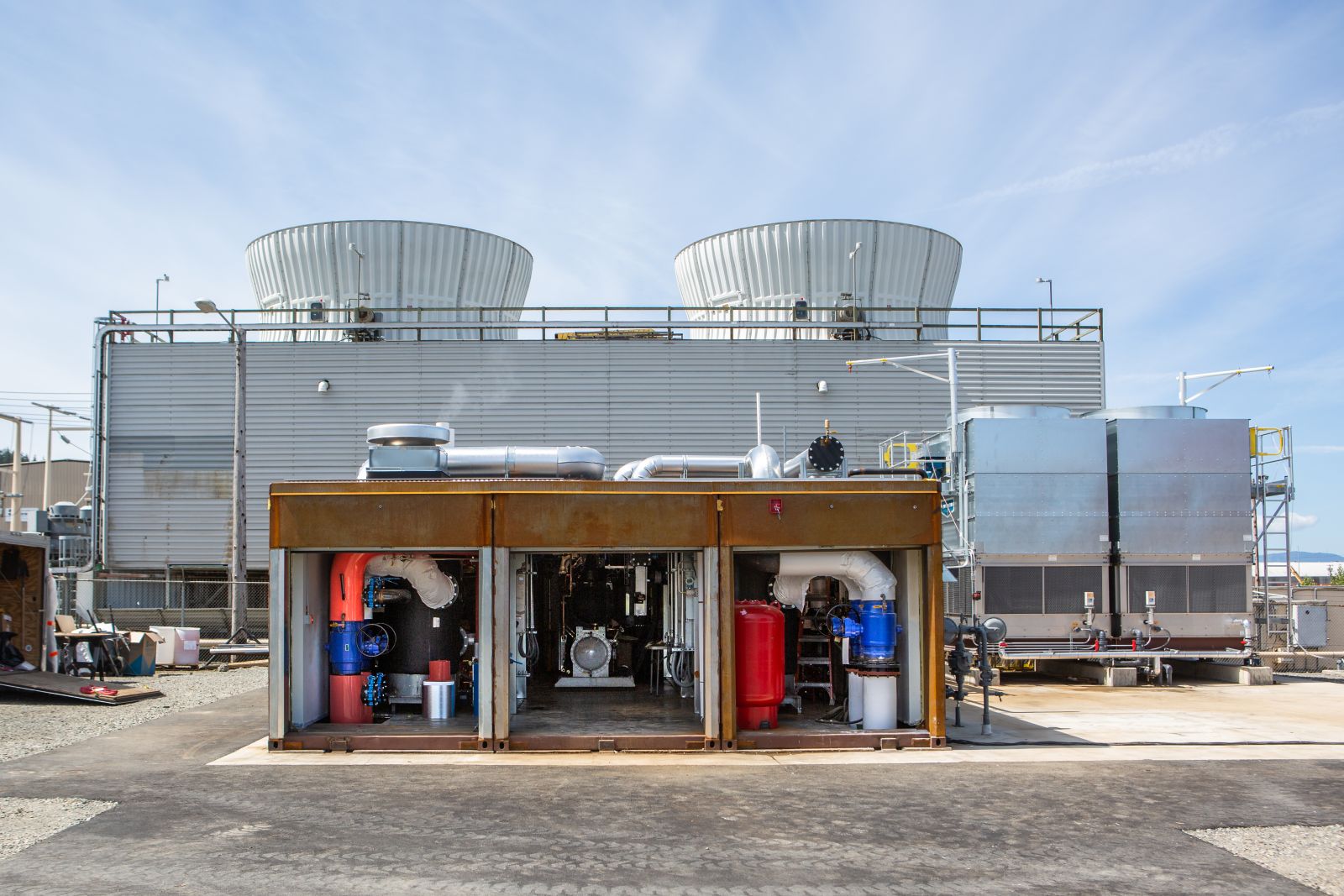
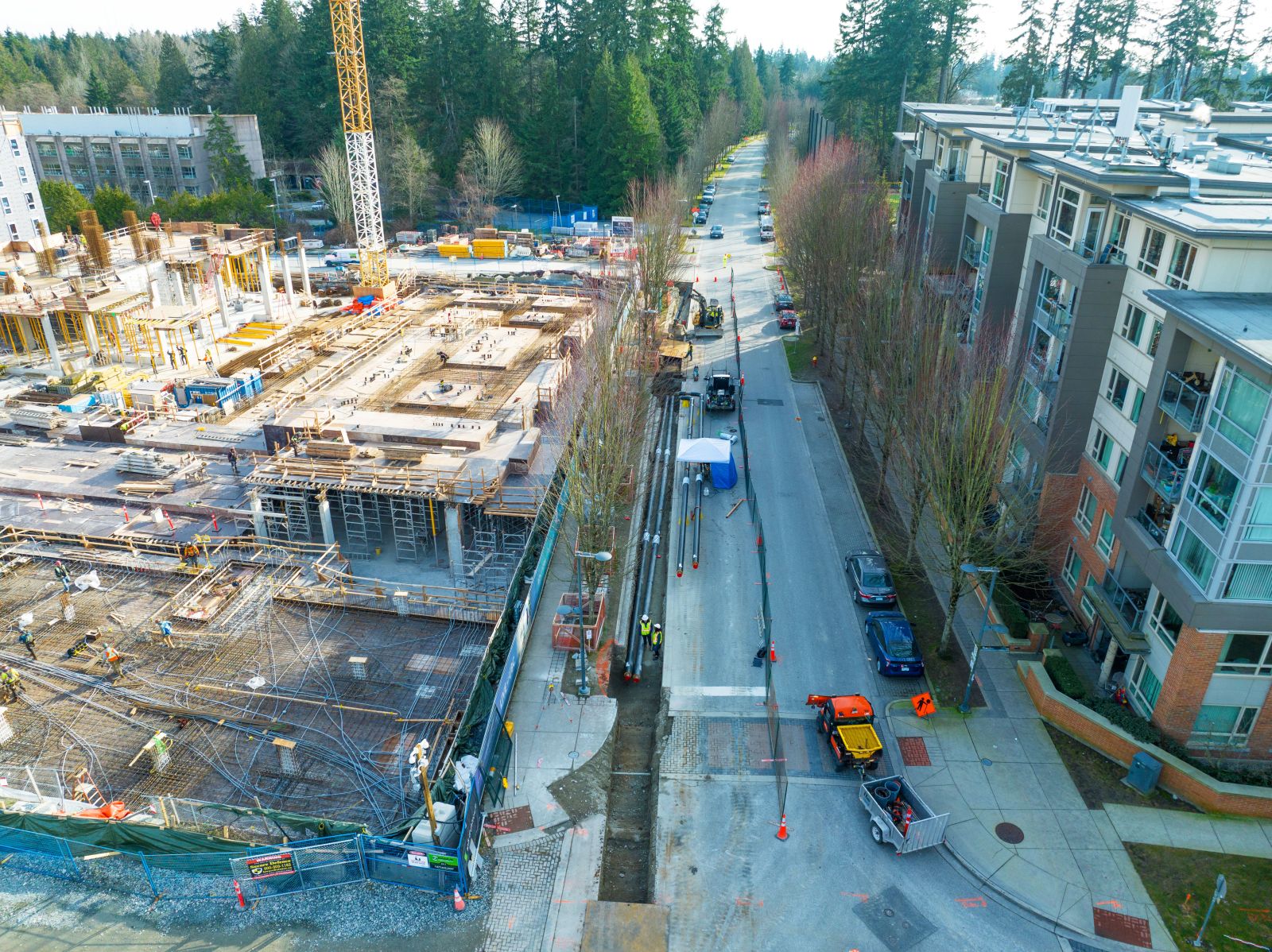
By virtue of its technology-agnostic, platform-like nature, DE — the centralized production of heating and cooling distributed through an interconnected piping system widely deployed in Europe and major North American cities such as New York, Cleveland, Toronto, and Vancouver — has proven resilient to these policy shockwaves. That irony will not be lost on readers familiar with this underappreciated asset class, which treats resiliency as a core tenet. Historically, that resilience has been viewed through the lens of delivering reliable, community-scale thermal energy rather than the ability to withstand policy volatility, but we are learning that DE’s value proposition continues to evolve with the times.
Utility-scale projects often suffer from painfully long decision-making, mired in complex regulatory approvals and all-too-common political interference. Building-scale systems, by contrast, lack the economies of scale needed to optimize costs or allocate scarce resources efficiently. DE occupies the middle ground: it captures economies of scale that enable community-level energy sharing, integrates readily with technologies like heat recovery, thermal energy storage, and combined heat and power (CHP), and moves at a (modestly) faster pace than conventional utility development.
Because it is not dependent on any single technology, DE has fared relatively well through recent policy changes. Many of the technologies that integrate into, and in some cases anchor, DE systems were spared the accelerated construction and in-service deadlines and the most punitive PFE constraints now affecting large-scale wind and solar.
Ground-source heat pumps, a common DE-integrated technology, continue to qualify under the legacy (pre-OBBBA) investment tax credit, placing them largely outside the PFE constraints tied to newer, technology-neutral credits (post-OBBBA). That same legacy pathway provides a longer development runway, extending into the early 2030s. Thermal energy storage can be structured similarly, preserving the same extended timelines, unlike wind and solar, which face accelerated timelines under the OBBBA.
While public attention has shifted away from decarbonization, the underlying energy challenges have not changed. We still need abundant energy to support an increasingly digital and electrified economy and a densifying population. We need infrastructure that can withstand climate volatility and extreme weather. And we need to allocate scarce resources in ways that promote affordability and long-term economic prosperity.
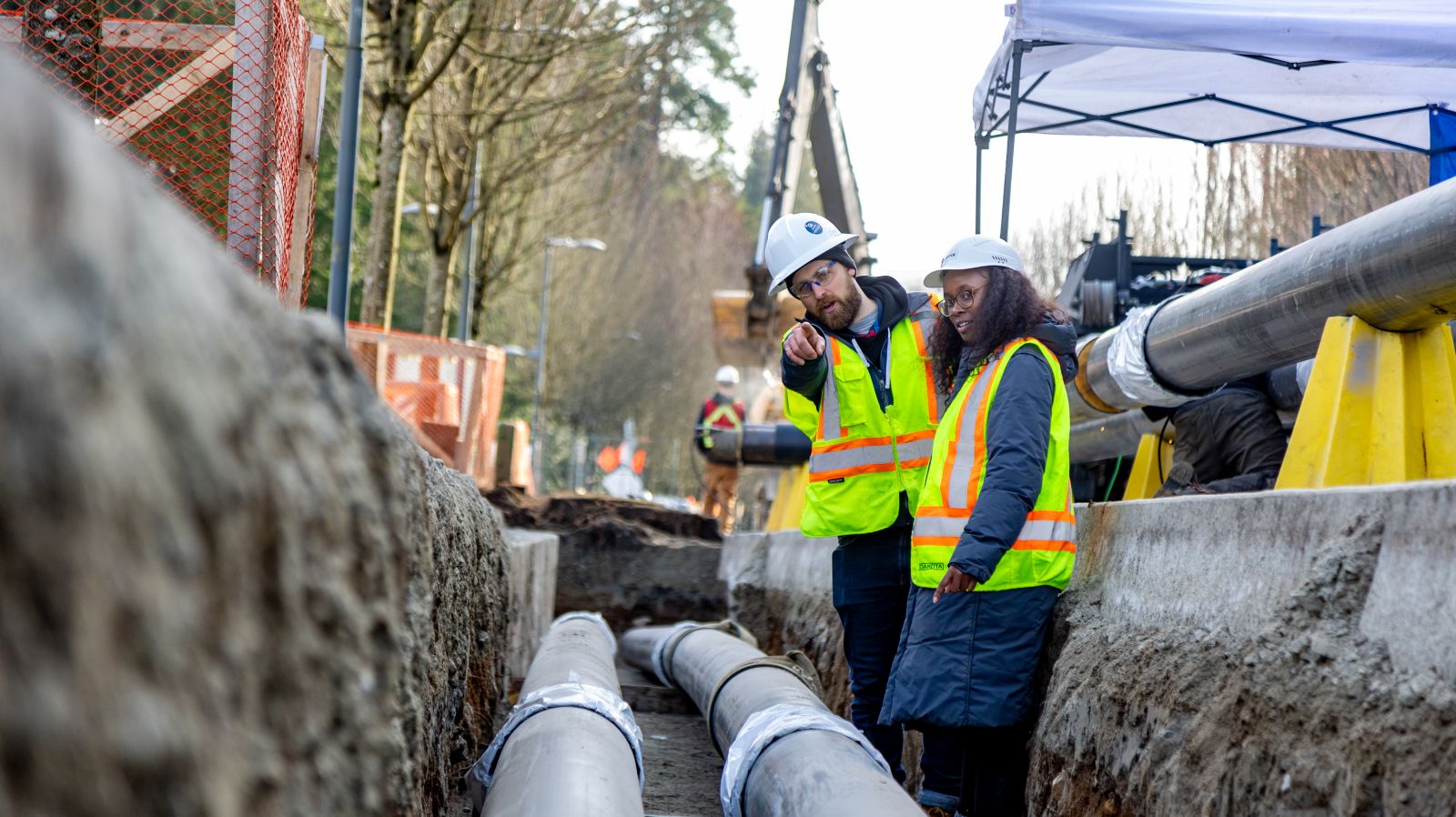
DE offers a practical way to bridge the gap between building-scale systems and utility-scale infrastructure. By aggregating thermal loads from individual buildings, it enables community-scale demand-side management while integrating seamlessly with utility-scale gas and grid infrastructure to support smart, affordable electrification. It connects the heat market with the power market, creating efficiencies and flexibility that neither can achieve on its own.
At its core, DE sits at the intersection of thermodynamics and sound economics. And because of its resilience—not only to physical disruptions, but to policy volatility as well—it remains a quietly durable asset class, capable of helping cities meet their energy goals while offering a rare safe harbor for long-term capital in an increasingly uncertain world.
Alexis Omilion is Director, Business Development at Corix. With more than 12 years of experience in utility infrastructure and low-carbon fuels, Alexis advances sustainable energy solutions by partnering with developers, municipalities, and institutions to deliver high-efficiency district energy systems that enable resilient, low-carbon heating and cooling aligned with long-term climate goals. She holds bachelor’s and master’s degrees in mechanical engineering from Cleveland State University and serves as Chair of the Mechanical Engineering Advisory Committee.
Corix | www.corix.com
Author: Alexis Omilion