




Ending Solar for Good: The upside of lease termination


Solar continues to be a lucrative opportunity for landowners looking to lease portions of their property for a recurring income stream, but as U.S. energy needs evolve, competition is increasing. Land for solar infrastructure is already in demand, almost two billion square feet are needed globally to support data center growth, and lease prices are on the rise.
In an era of rising demand for land, solar projects have a distinct advantage over developments like data centers or sub-divisions — they can be easily decommissioned. This is beyond other features like providing dependable lease payments, tax revenue, and clean energy access. Landowners often cite the ability to decommission as a key differentiator in their decision-making process.
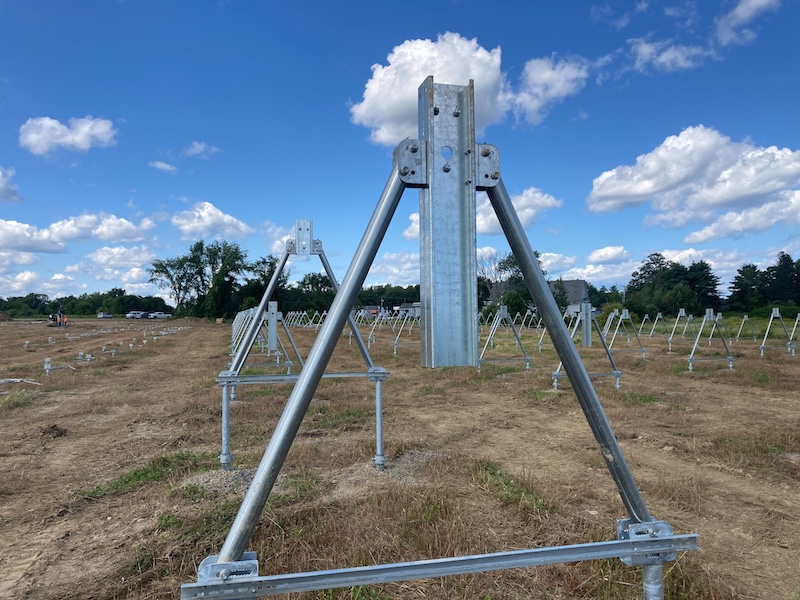
What decommissioning means
Solar development has created new opportunities for both farmers and landowners to generate reliable, long-term income while preserving ownership of their land. For agricultural families, it can provide financial stability that supports operations across generations, helping keep land in the family rather than forcing difficult sale decisions. Unlike traditional revenue streams that can fluctuate with commodity prices or weather, solar leases offer predictable payments and a clearly defined term.
Equally important, solar projects are not permanent land conversions. At the end of a project’s life, decommissioning ensures the site is responsibly restored, allowing the land to return to its original or future productive use. In this way, solar provides both immediate economic benefits and long-term flexibility, supporting landowners today while protecting the value and legacy of their property for tomorrow.
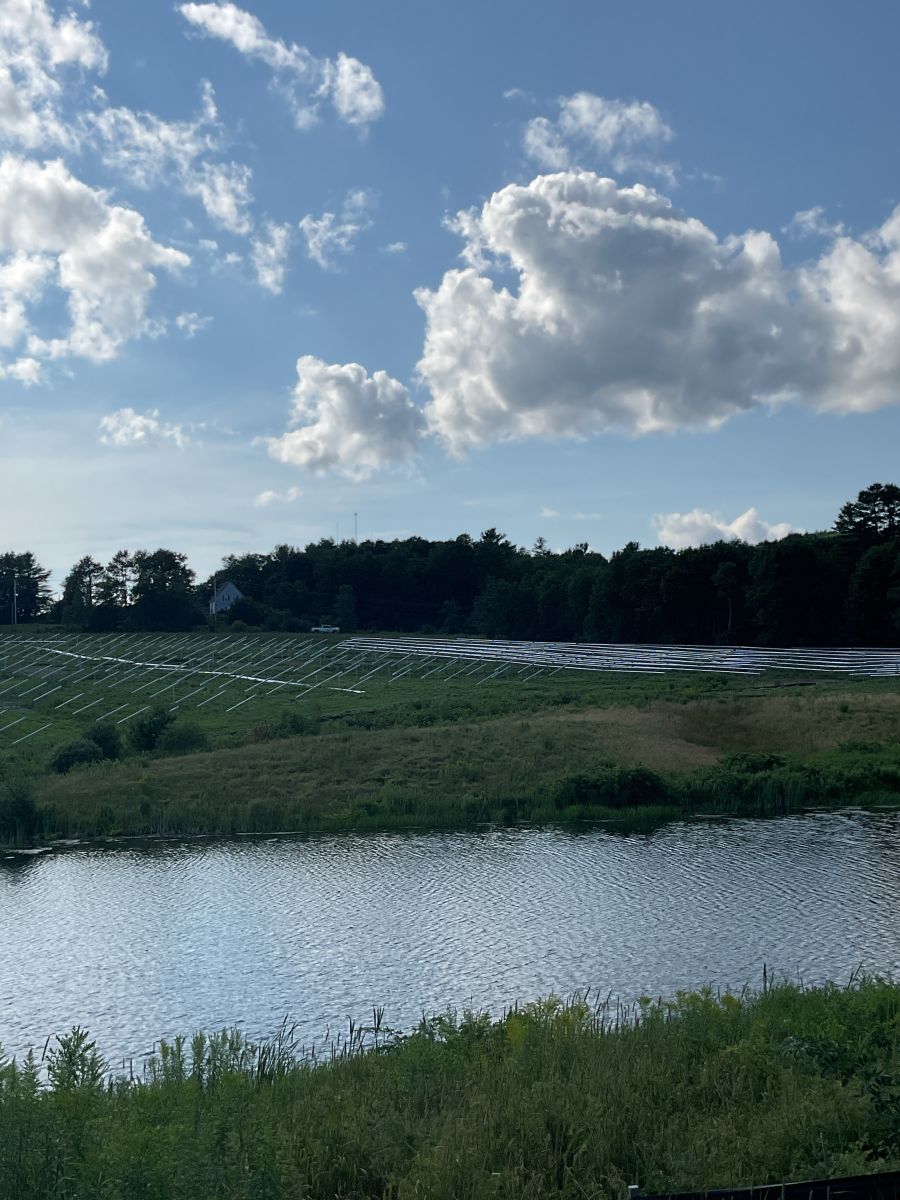 Solar vs. others
Data center developers are aggressively acquiring land, with buildouts requiring anywhere from 200 to 500 acres, or as much as even 1,000 acres. Landowners are faced with selling the land outright, sometimes for large sums, relinquishing future generations’ opportunities to further use the land. A solar lease, meanwhile, can provide landowners with regular payments for decades, providing long-term certainty. But even more significantly, unlike solar developments, data centers and industrial conversions are permanent commitments that require heavy foundations, major grid infrastructure buildouts and permanent structures. Similarly, residential subdivisions come with roads, sewers, utility infrastructure and other features that cannot be reversed.
Solar is one of the few large-scale revenue-generating land uses that can be temporary and reversible.
Decommissioning as a trust signal
State and local regulators across the United States have codified decommissioning requirements and instilled financial assurance mechanisms, which reflect the solar industry’s maturity as an asset class. In 2025, over 82 percent of people surveyed who live near large-scale solar projects said they support or are neutral towards new projects in their area. This is a testament to the benefits solar energy provides to the community at large and individual landowners. Beyond the landowner's lease, community solar projects create a direct pipeline of clean, locally generated energy that reduces electricity costs for neighbors, renters, and households that could never install a panel of their own.
Happy ending
For landowners, flexibility matters. Solar stands apart because it provides reliable, long-term income without limiting what the land can become next.
The decision goes beyond acreage, sun exposure, or proximity to transmission. It comes down to a simple question: what happens at the end? With solar, that answer is clear. A defined project term, paired with a responsible decommissioning plan, ensures the land is restored and ready for its next use.
That clarity matters. Landowners are not just evaluating a lease. They are thinking in terms of generations. Solar allows them to generate income today, support their communities with clean energy, and retain control of their land’s future. By treating decommissioning as a core part of the agreement, the industry reinforces what makes solar unique: it delivers value now while preserving what comes next.
Dan Gulick is EVP, Community Solar at Aspen Power, a distributed energy generation platform that develops, constructs, and operates solar projects, aiming to accelerate decarbonization.
Aspen Power | aspenpower.com
Author: Dan Gulick
Volume: 2026 May/June