




Offsetting the Financial Impact of Category 2 Compliance with Better Asset Management


The North American Electric Reliability Corporation (NERC) has introduced a new registration classification—Category 2 (Cat-2)—that will reshape how operators of inverter-based resources (IBRs) engage with the bulk power system. If you own or operate solar, wind, or battery assets with a gross aggregate nameplate capacity between 20 MVA and 75 MVA and interconnection voltages of 60 kV or higher, this applies to you. The deadline: May 15, 2026.
As renewable resources replace conventional generation, recent system events have exposed vulnerabilities in how some IBR facilities respond to voltage and frequency disturbances. FERC’s swift action to mandate modeling and operational performance requirements reflects the urgency of maintaining grid stability as the energy mix evolves.
Cat-2 aims to close this reliability gap by requiring mid-sized IBRs to register as Generator Owners (GO) and Generator Operators (GOP). That means compliance with a suite of reliability standards, readiness for audits, and a new level of operational discipline. For owners, this regulatory shift presents both challenges and opportunities.
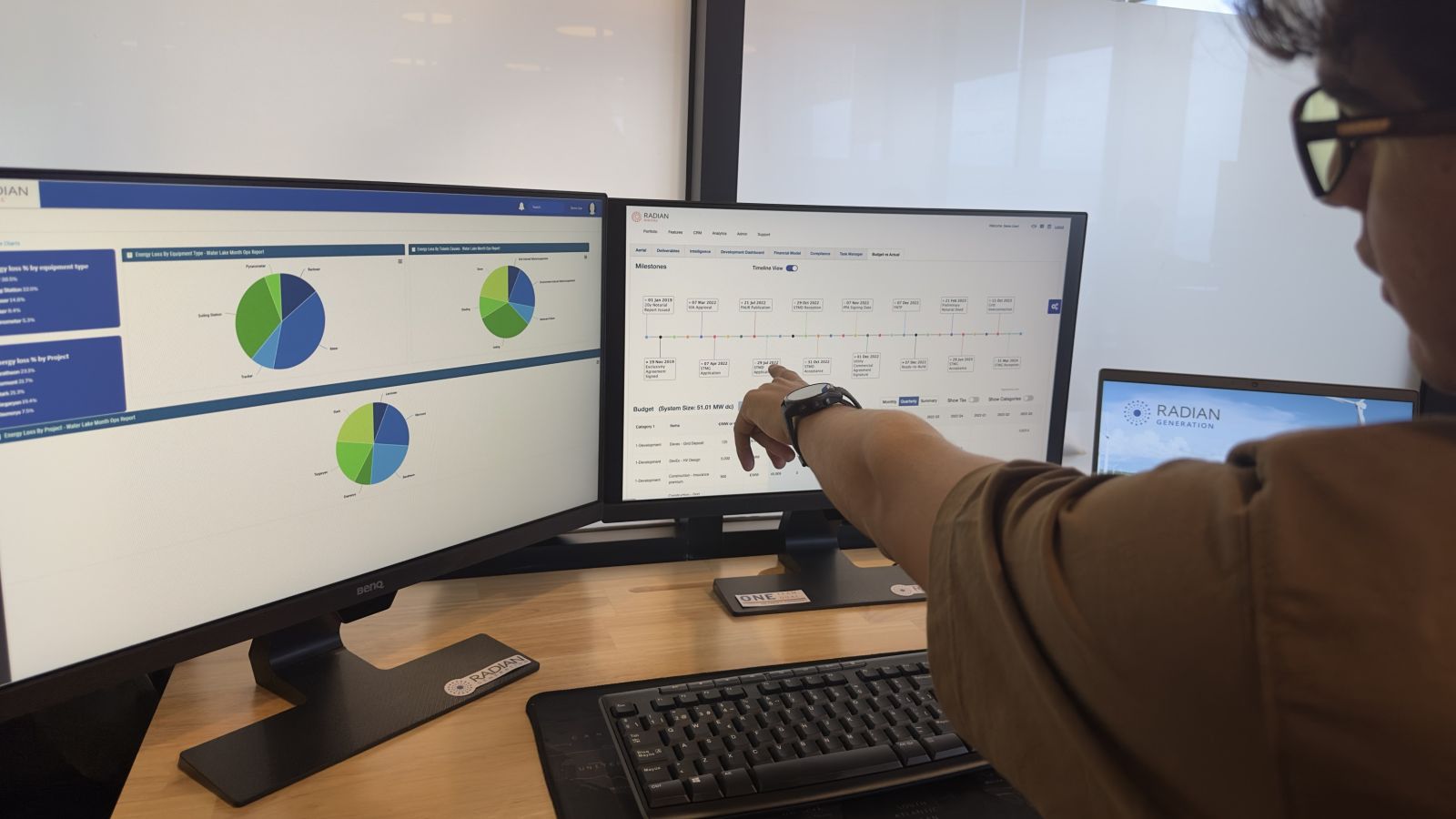
Compliance Isn’t Cheap, But It’s an Investment
Building a compliance program from scratch involves legal, technical, and administrative costs. Many owners and operators will need to hire consultants, invest in software, and train staff. These are real expenses, but they pale in comparison to the risks of non-compliance: steep fines, denied interconnection, and damaged relationships with utilities, investors, and regulators.
However, viewing these costs in isolation misses a crucial opportunity. The systems, processes, and documentation required for NERC compliance form the foundation of robust asset management practices that deliver value far beyond regulatory checkboxes.
Operational Impacts: A Cross-Functional Effort
Cat-2 compliance is more than paperwork, it requires operational integration. Owners and operators must establish documentation and controls aligned with NERC standards, prepare for audits, and ensure systems can meet data reporting and performance requirements.
For organizations with diverse generating portfolios and existing NERC experience, expanding programs to accommodate Cat-2 is a natural evolution. For those new to this regulatory environment, the learning curve is steeper, but manageable with proper support and planning.
Some IBRs may require technical upgrades or new monitoring tools, particularly legacy sites with older equipment. Either way, Cat-2 is a cross-functional initiative involving engineering, compliance, IT, and asset management.
Outsourcing to get Onboard
The infrastructure needed for NERC compliance, i.e. asset tracking systems, maintenance documentation, performance monitoring, training programs, and operational procedures represents valuable intellectual capital. These systems improve operational visibility, enhance maintenance planning, reduce downtime, and ultimately extend asset life.
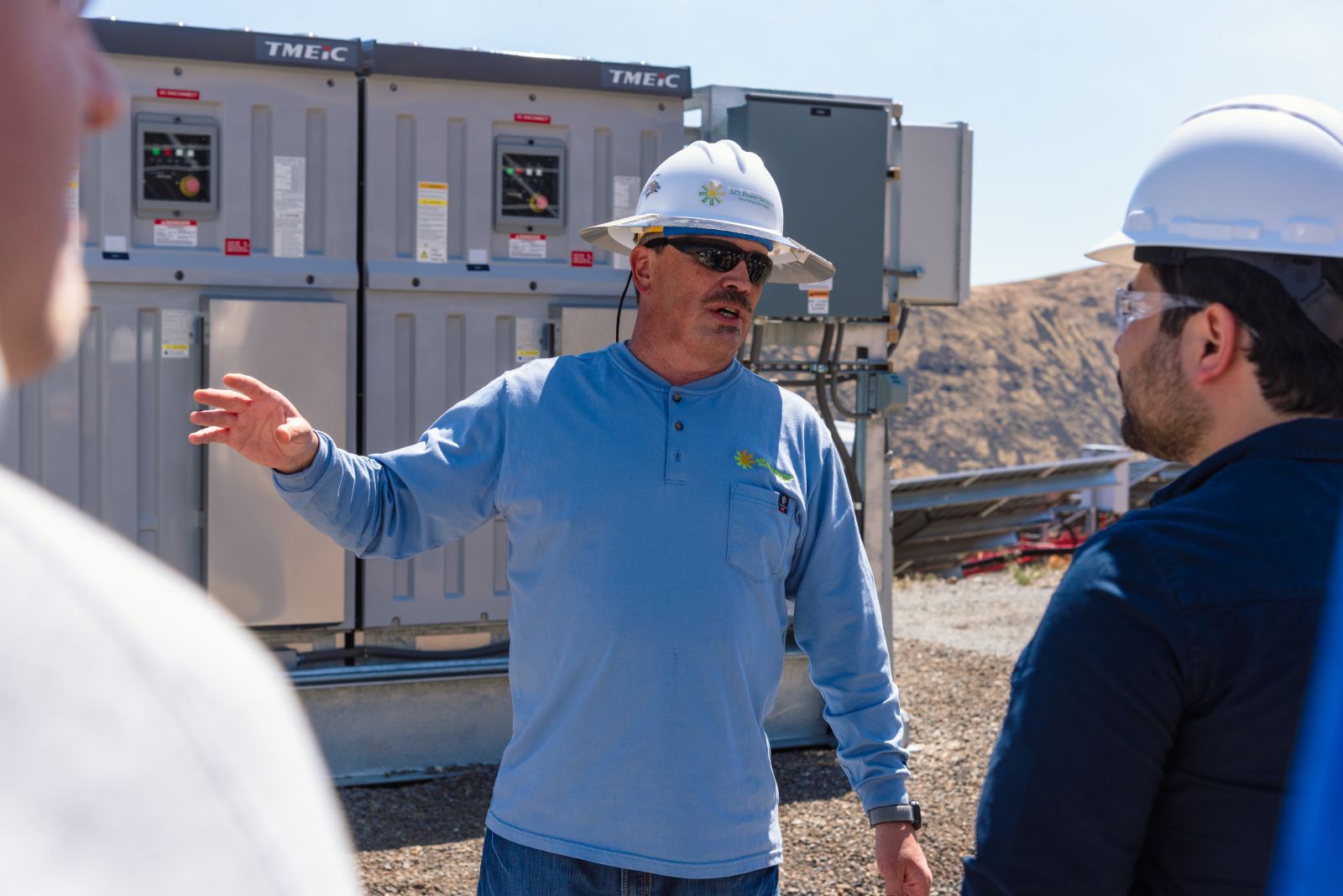
Organizations without internal NERC capabilities should seek partners who can not only develop required documentation but also share knowledge with internal teams. A good asset management partner doesn’t just provide services, they function as an extension of the organization’s team. With deep expertise and current intel on compliance and security, they can also be an invaluable long-term partner for organizations that don’t have large teams or lack the depth of skilled personnel in these areas. For many organizations, the goal isn’t perpetual dependence on consultants; it’s working together and filling in the gaps where and when it is needed.
Proactive companies are registering early, securing vendor support, and positioning themselves as reliability leaders. Early movers will have the advantage.
Common pitfalls to avoid:
- Delaying registration risks penalties and missed deadlines.
- Underestimating the scope of compliance can lead to rushed, incomplete programs.
- Neglecting asset visibility undermines both compliance and operational performance.
Properly developing a NERC compliance program typically requires four to six months. The time to act is now.
The Hidden Bonus: Asset Management as a Strategic Lever
One of the most powerful tools in your Cat-2 toolkit is asset management. Compliance depends on knowing & understanding your assets: what they are, how they perform, and how they’re configured.
Strong asset management practices ensure operators have accurate, real-time data on asset health, location, and performance. This is critical for meeting NERC standards, responding to audits, and avoiding costly surprises.
Asset management isn’t just about compliance, it’s about cost control, reliability, and long-term value. Here’s how operators can use asset management to improve their bottom line:
Low-Hanging Fruit
- Digital Inventory: Build a centralized, accurate asset registry.
- Preventive Maintenance: Use condition-based monitoring to reduce downtime and avoid emergency repairs.
- Compliance Tagging: Label assets with compliance-critical metadata for easier reporting.
Longer-Term Strategies
- Predictive Analytics: Use AI and machine learning to forecast failures and optimize lifecycle costs.
- Integrated Asset Management Platforms: Deploy enterprise-wide systems that unify operations, compliance, reporting, and financial planning.
- Workforce Training: Build internal expertise to reduce reliance on external consultants over time.
These strategies don’t just support compliance, they drive efficiency, resilience, and profitability. With the right strategy, the right tools, and the right mindset, Cat-2 compliance can be viewed as a competitive edge rather than an operational burden.
Joel Firestone is NERC Principal Consultant with Radian Generation.
Radian Generation | radiangen.com
Author: Joel Firestone